Best Summer Offshore Fishing in California
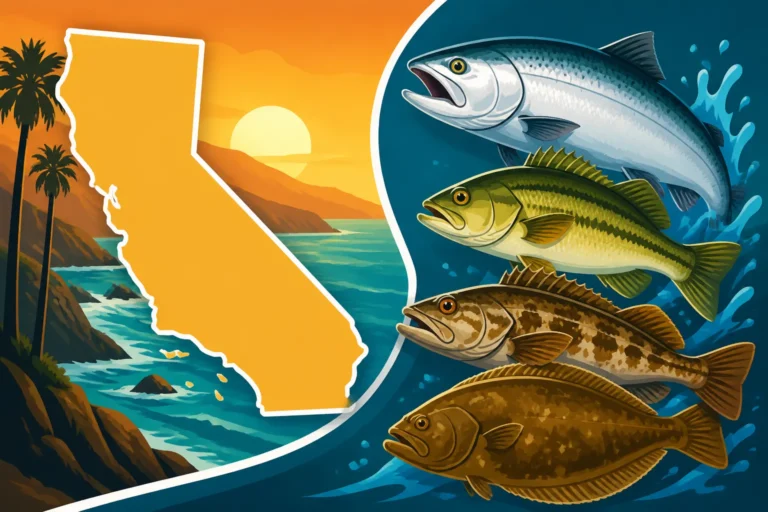
For many of us, the idea of summer fishing in California brings a rush of excitement, but also a touch of overwhelm. With miles of coastline and endless ocean, trying to figure out where to go, what to target, and how to catch those elusive offshore giants can feel like navigating a maze. This guide is here to cut through the confusion, helping you unlock the incredible potential of California's summer offshore fishing scene.
Why Summer is Prime Time for California Offshore Fishing
There's just something magical about summer on the California coast, and for offshore anglers, it's often the season we dream about all year long. The longer days, the generally calmer seas, and most importantly, the arrival of those highly prized migratory species make it an unparalleled experience. If you've been itching to head out to the open ocean, summer is unequivocally your best bet.
Warm Water, More Life: The Ocean's Bounty
As the days grow longer and the sun warms the Pacific, a biological explosion occurs. The ocean, particularly off Southern California, starts to see significant temperature increases, drawing in nutrient-rich currents and, with them, vast schools of baitfish. Think anchovies, sardines, and mackerel – the lifeblood of the offshore ecosystem. These baitfish migrations are the dinner bell for larger pelagic species that travel thousands of miles to gorge themselves in our productive waters. Without these warmer currents and the subsequent bait abundance, those trophy-sized tuna and dorado wouldn't venture this far north, keeping to their more tropical homes. It’s this intricate dance of temperature and forage that truly kicks off the "best times to fish in California" for offshore enthusiasts.
Stable Weather Windows
Let's be honest, nobody wants to spend a day battling whitecaps when they're supposed to be battling fish. One of the biggest perks of summer offshore fishing in California is the generally more stable weather patterns. While the infamous "June Gloom" can hang around the coast in early summer, once it burns off, you're often left with consistent, clear skies and lighter winds offshore. This means more comfortable rides out to the fishing grounds, more enjoyable hours spent on the water, and less chance of your trip being called off due to rough conditions. It extends the amount of time you can actually spend fishing, making those longer runs to distant banks and islands much more appealing and less punishing on the body. This consistency makes planning your "California fishing seasons: month-by-month guide" much easier.
Top Species to Target During California Summers
When the water warms up and the bait shows in force, California's offshore waters become a bustling buffet for some truly incredible game fish. From hard-fighting tuna to acrobatic dorado, summer brings a diverse lineup that keeps anglers guessing and reels screaming. Knowing what to expect and where to find them is half the battle.
Pelagic Powerhouses: Tuna and Dorado
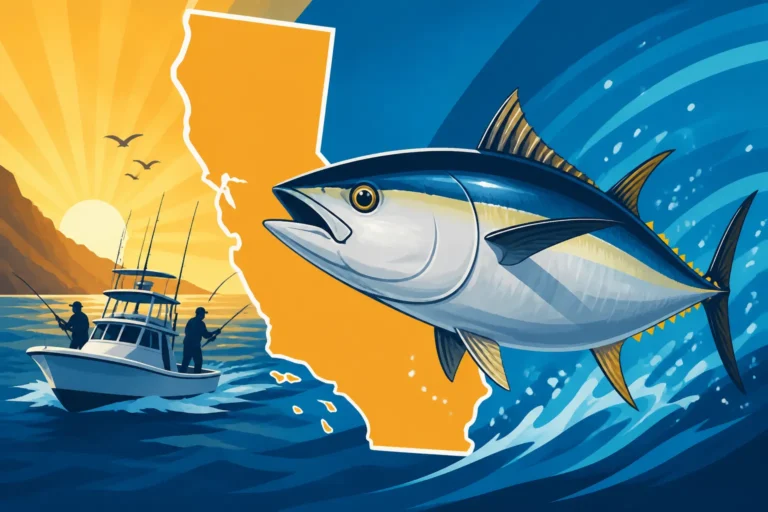
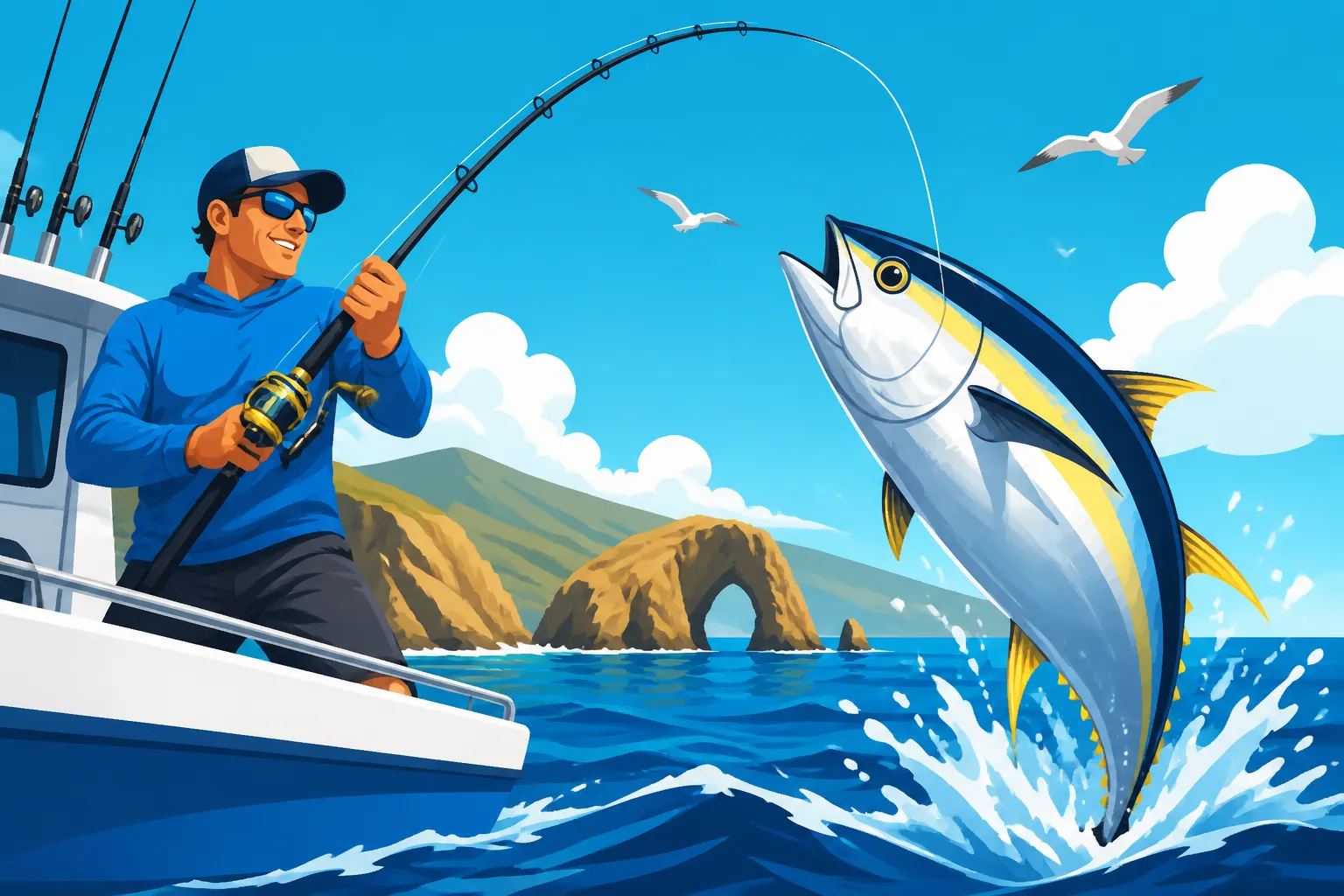
This is what many anglers think of when they picture summer offshore fishing in Southern California. The region is renowned for its incredible tuna fishery, particularly for Bluefin Tuna and, in some years, decent numbers of Yellowfin Tuna. Bluefin are the true behemoths, often ranging from 30 pounds into the triple digits, with some monsters exceeding 200 or even 300 pounds. They are notorious for their brutal, drag-testing fights and are found anywhere from 30 to 100 miles offshore, often congregating around offshore banks like the Tanner Bank or Cortez Bank, or simply following vast bait schools in the open ocean.
Then there's the vibrant Dorado (also known as Mahi-Mahi). These stunning, iridescent green and gold fish are a sight to behold and offer an exhilarating fight filled with aerial acrobatics. Dorado love warm, clear water and are frequently found under kelp paddies (floating mats of kelp) or other debris, where they ambush baitfish. While more common in Mexican waters, the summer currents often push them north into the Southern California Bight, particularly south of Los Angeles and San Diego. Catching a Dorado is often a bonus when you're out targeting tuna, but they're a prized catch in their own right, and definitely a species to check off your list if you want to know "how to catch bluefin tuna off California" or other offshore species.
Nearshore & Mid-Shore Favorites: Yellowtail and White Seabass
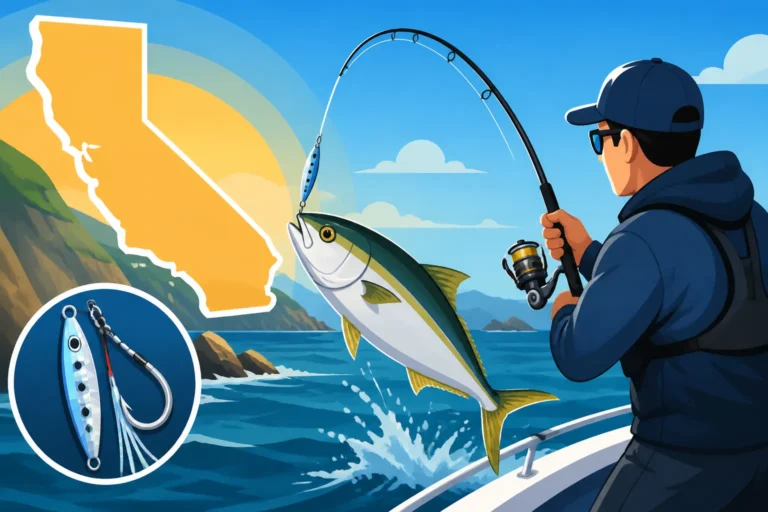
While tuna and dorado grab the headlines for their offshore allure, many fantastic summer opportunities exist closer to shore, or on the mid-shore grounds around islands and reefs. Yellowtail are one of California's most iconic game fish, known for their powerful runs and relentless fights. In summer, they are abundant around the Channel Islands (Catalina, San Clemente, Santa Barbara, Santa Cruz, etc.), along the coast in kelp beds, and near various offshore structures. They can be found anywhere from the surfline out to several miles offshore, depending on bait availability and water conditions. Anglers often target them with live bait, surface irons, or even yo-yo jigs in deeper water. For a deep dive, check out our California Yellowtail Fishing Guide.
Another highly sought-after species is the White Seabass. These large, elusive croakers are prized for their delicate white meat and challenging nature. While they can be caught year-round, summer often provides consistent opportunities, especially during their spawning periods. They prefer to hang out in kelp forests, rocky reefs, and canyon edges, often feeding on squid and fin bait. Targeting them often involves patience, stealth, and using live squid or anchovies. If you want to refine your technique, explore our guide on How to Catch White Seabass in California. Both yellowtail and white seabass offer a fantastic alternative or addition to a dedicated tuna trip, providing thrilling action even when the offshore bite might be slower.
Rockfish and Lingcod Opportunities
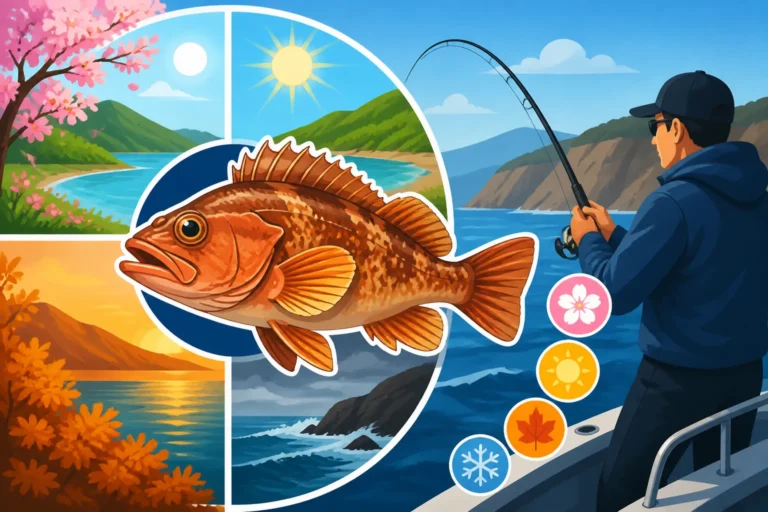
Even though our focus here is on the more pelagic "offshore" species, it's important to remember that many offshore charters will also target deep-dwelling species like rockfish and lingcod, especially when the tuna or dorado bite is tough, or as a way to round out the day's catch. Summer still offers excellent fishing for a variety of rockfish species, including Vermilion, Copper, Bocaccio, and the mighty Lingcod. These fish reside in rocky reefs, pinnacles, and submarine canyons at depths ranging from 60 to over 300 feet.
While some marine protected areas (MPAs) and specific depth restrictions apply, many prime spots remain open. Anglers use heavy jigs, baited rigs, or swimbaits to entice these bottom dwellers. Lingcod, in particular, are aggressive predators that ambush prey from rocky crevices and provide a powerful fight. Be sure to be aware of the specific California Rockfish Depth Restrictions and California Fishing Regulations Explained before heading out. Sometimes, when the bluefin are being finicky, a quick drop for a limit of tasty rockfish can save the day and put some excellent fillets on the table.
Essential Gear and Techniques for Summer Offshore Success
Alright, let's talk brass tacks. You're heading offshore, so you can't just show up with your freshwater bass rod and expect to land a 100-pound tuna. Offshore fishing demands specialized tackle and proven techniques. Investing in the right gear and understanding the methods will dramatically increase your chances of success and, frankly, make the whole experience a lot more enjoyable.
Rods, Reels, and Line Choices
When you're out in the big blue, you need gear that can handle serious strain, heavy drag, and powerful fish.
- For Bluefin Tuna (especially larger ones): You'll want heavy-duty conventional setups. Think a strong, fast-action boat rod (rated 60-100 lbs or even more) paired with a robust lever drag reel like a Shimano Talica, Penn International, or Daiwa Saltiga. Spool it with 80-130 lb braided line, topped with a 50-100 lb fluorocarbon leader. The braid provides incredible strength and sensitivity, while the fluorocarbon leader is less visible to line-shy tuna. Many anglers buy their heavy braid and fluorocarbon leader material from online retailers like Amazon or their local tackle shop to ensure they're getting quality products.
- For Yellowfin, Dorado, and smaller Bluefin: A medium-heavy conventional or heavy spinning setup will suffice. A 40-60 lb rated rod with a reel like a Penn Fathom, Shimano Trinidad, or a large spinning reel (e.g., Daiwa Saltiga 20000, Shimano Stella 18000) loaded with 50-80 lb braid and a 30-50 lb fluorocarbon leader is a good all-around choice.
- For Yellowtail and White Seabass: Medium-heavy conventional or spinning gear in the 30-50 lb class is ideal. A sensitive yet powerful rod (like a Seeker or Calstar) paired with a Penn Fathom 30, Shimano Tranx 500, or a durable spinning reel with 40-60 lb braid and a 25-40 lb fluorocarbon leader will cover most situations.
Remember, quality matters. Cheap gear can fail when you hook into the fish of a lifetime, leading to heartbreaking break-offs.
Baits and Lures That Get Bit
Matching the hatch is key in offshore fishing. What the fish are currently feeding on will dictate your bait and lure choices.
- Live Bait: This is often the most effective method, especially for tuna and yellowtail. Sardines, anchovies, and mackerel are the holy grail. On charter boats, these are usually provided or caught fresh on bait receiver stops. Learning to "fly-line" a live sardine with a small hook and minimal weight is an art form.
- Jigs:
- Surface Irons: For yellowtail and smaller tuna, a traditional West Coast surface iron (like a Tady or Salas jig) cast out and reeled quickly across the surface can be deadly.
- Knife Jigs / Yo-Yo Jigs: These heavy, slender jigs are dropped deep and retrieved rapidly, mimicking fleeing baitfish. Extremely effective for yellowtail, lingcod, and deeper-holding tuna. Brands like Nomad Design and Daiwa offer excellent options.
- Soft Plastics/Swim Baits: Large swimbaits on lead heads can be irresistible to white seabass and larger yellowtail, especially when mimicking squid.
- Poppers & Stickbaits: For surface feeding tuna or dorado, throwing a large popper or stickbait can result in explosive strikes. The visual thrill is unmatched.
- Trolling Lures: If you're covering ground, various trolling lures—from cedar plugs to larger marlin-style skirts—are used to locate schools of tuna and dorado. These are often deployed from the boat while searching for signs of fish.
A diverse tackle box, easily assembled via online shopping from places like Amazon, will prepare you for whatever the ocean throws at you.
Key Techniques: Trolling, Jigging, and Live Baiting
Understanding when and how to apply different techniques can make all the difference on a summer offshore trip.
- Trolling: This is primarily a search method. Boats drag multiple lures behind them at varying speeds and depths to cover a lot of water and locate schools of tuna, dorado, or even wahoo. Once a fish hits, lines are often reeled in, and anglers switch to casting jigs or live bait to the discovered school.
- Jigging: This encompasses several methods.
- Surface Iron Fishing: As mentioned, casting a metal jig and retrieving it fast mimics a frantic baitfish. It's exhilarating and effective, particularly for yellowtail feeding near the surface or crashing bait.
- Yo-Yo Jigging: Dropping a heavy, fast-sinking jig (like a Salas 7X or Tady 4/0) straight down to the depth where fish are marked on the sonar, then retrieving it in a rapid, vertical motion. This works wonders for deep-holding yellowtail and tuna.
- Knife Jigging: Similar to yo-yo jigging but often with a longer, more fluttering fall. Anglers work the jig with various lifts and drops, trying to trigger a reaction strike from tuna or yellowtail.
- Live Baiting: This is often the most productive method when fish are present and feeding on natural forage.
- Fly-lining: The simplest form, where a live bait (sardine, anchovy) is hooked and cast out with little or no weight, allowing it to swim naturally. This is killer for tuna and yellowtail.
- Dropper Loop Rig: For deeper-holding fish, a sinker is added below a leader with a hook, allowing the live bait to be presented at a specific depth. This is common for white seabass or deeper yellowtail.
- Kelp Paddy Fishing: When dorado are holding under floating kelp, anglers motor up, cast live baits or small jigs into the paddy, and let the fish come out to eat. Always approach kelp paddies carefully to avoid spooking the fish.
Mastering these techniques will significantly boost your offshore fishing game. For those new to specific methods, exploring guides like California Offshore Fishing Techniques can provide invaluable insights.
Popular Offshore Fishing Grounds and Charter Options
California's coastline is vast, stretching over 800 miles, and the offshore opportunities vary significantly from north to south. Knowing where to go and what kind of trip to book is crucial for a successful summer adventure.
Southern California Bight Hotspots
When most people talk about "summer offshore fishing" in California, they're usually referring to the Southern California Bight. This expansive area from Point Conception south to the Mexican border, including its numerous islands and offshore banks, is the epicenter for pelagic action.
- Channel Islands: Catalina Island, San Clemente Island, Santa Barbara Island, and Santa Cruz Island are legendary. These islands offer diverse fishing, from shallow-water kelp beds holding bass and yellowtail to deeper waters around their perimeter that can produce white seabass and sometimes tuna. Many boats from harbors like Marina del Rey, Long Beach, and San Pedro run trips to these islands. The waters around the Channel Islands are also home to various California Marine Protected Areas Explained, so always check regulations.
- Offshore Banks (Tanner & Cortez): These seamounts, located 60-100 miles offshore, are absolute magnets for bluefin tuna, especially the larger models. The upwelling currents over these banks bring nutrients, creating a rich feeding ground. Trips to these areas are typically full-day or multi-day excursions departing from San Diego or Orange County.
- Nearshore Coasts (San Diego, Orange County): Closer to shore, especially off San Diego and Orange County, you'll find kelp beds and reefs that hold yellowtail, barracuda, and bonito. Sometimes, even bluefin tuna will push closer to the coast in pursuit of bait, creating spectacular inshore opportunities. Many "half-day vs full-day charters" will operate in these closer-to-shore grounds.
Central and Northern California Opportunities
While the focus for pelagics leans heavily south, central and northern California still offer fantastic summer offshore fishing, albeit for different species.
- Monterey Bay and San Francisco Bay Area: These regions are renowned for their salmon fishing when the season is open. Offshore, charter boats target Chinook (King) salmon by trolling with bait or lures. The summer months can be prime, but be sure to check the ever-changing California Salmon Season Dates. Deeper reefs and pinnacles also hold excellent populations of rockfish and lingcod, often providing consistent action for bottom fishers. Trips often depart from Monterey, Santa Cruz, Half Moon Bay, and Emeryville.
- Farallon Islands: Located west of San Francisco, these islands are a popular destination for rockfish, lingcod, and occasionally salmon, providing a robust fishery for anglers willing to make the longer run.
- North Coast (Humboldt Bay, Crescent City): Further north, the summer months bring excellent opportunities for bottom fishing (rockfish, lingcod) and, when open, salmon. The remote nature of these waters often means less pressure and bigger fish.
While the definition of "offshore" might shift slightly depending on the region (tuna-centric south, salmon/rockfish-centric north), the summer provides the most productive and consistent conditions across the state.
Choosing the Right Charter
If you're not lucky enough to own your own boat, a charter trip is the way to go for offshore fishing. California offers a vast array of options.
- Party Boats (Open Party): These are the most common and cost-effective option. You book a spot on a larger vessel with other anglers. They range from half-day trips (4-6 hours) targeting local species to full-day (10-12 hours) and even multi-day trips (1.5-3 days) for distant tuna grounds. Companies like Fisherman's Landing, H&M Landing, and Point Loma Sportfishing in San Diego, or Davey's Locker in Orange County, run excellent operations. For first-timers, checking out a guide on California Charter Fishing for Beginners can be really helpful.
- Private Charters: If you have a group, a private charter offers a more personalized experience. You dictate the target species, duration, and often have more direct guidance from the crew. These are more expensive but can be ideal for families or serious anglers wanting a custom trip.
- What to Consider:
- Target Species: What do you want to catch? This will narrow down your boat and location.
- Trip Length: Half-day (local, usually rockfish, yellowtail, bass), Full-day (longer runs, tuna, yellowtail, white seabass), or Multi-day (distant banks, maximum tuna time).
- Boat Amenities: Does it have bunks, galley, enough deck space?
- Crew Experience: A good crew makes all the difference, from putting you on fish to helping with tangles.
- Cost: Prices vary widely, so research what's included. Our guide on How Much Does a California Fishing Charter Cost can help you budget.
- What to Bring: Always refer to the charter's recommendations, but typically sunscreen, hat, layers of clothing, food/drinks, and motion sickness medication are essential. For a full rundown, read What to Bring on a California Fishing Charter.
Booking a trip with a reputable operator is the best way to ensure a safe, productive, and memorable summer offshore fishing adventure.
| Target Species | Prime Season (California) | Typical Depths | Common Baits / Lures | Preferred Habitat | Avg. Size Range (lbs) |
|---|---|---|---|---|---|
| Bluefin Tuna | June – October | Surface to 300 ft | Live Anchovies/Sardines, Knife Jigs, Poppers, Trolling Lures | Offshore banks, open ocean, kelp paddies (SoCal) | 30-200+ |
| Yellowfin Tuna | July – October | Surface to 100 ft | Live Sardines/Anchovies, Small Jigs, Trolling Lures | Warm, clear offshore waters, kelp paddies (SoCal) | 10-50 |
| Dorado (Mahi-Mahi) | July – October | Surface | Live Sardines, Small Jigs, Trolling Lures | Under kelp paddies, floating debris (SoCal) | 5-30 |
| Yellowtail | May – October | Surface to 200 ft | Live Mackerel/Sardines, Surface Irons, Yo-Yo Jigs | Islands, kelp beds, rocky reefs, offshore banks | 10-40 |
| White Seabass | May – September | 30-150 ft | Live Squid, Live Anchovies, Swimbaits | Kelp forests, rocky reefs, canyon edges | 20-60 |
| Rockfish (various) | Year-round (seasonal rules) | 60-300+ ft | Baited Rigs, Jigs, Scampi, Swimbaits | Rocky reefs, pinnacles, wrecks, deep structure | 1-15 |
| Lingcod | Year-round (seasonal rules) | 60-300+ ft | Live Mackerel, Large Jigs, Scampi, Swimbaits | Rocky reefs, crevices, pinnacles, wrecks | 5-40 |
| Chinook Salmon | May – September (varies) | Surface to 100 ft | Trolled Anchovies, Spoons, Hoochies | Nearshore ocean, river mouths (Central/Northern CA) | 10-30 |
Disclaimer
Fishing regulations, seasons, and limits in California can change frequently. Always consult the latest California Department of Fish and Wildlife (CDFW) regulations before any fishing trip. This guide is for informational purposes only and does not constitute legal advice.