Best Spring Fishing in California
That nip in the air is starting to soften, the days are getting longer, and the urge to hit the water is practically irresistible. But here in California, spring fishing isn't just one thing; it's a dynamic period where conditions shift almost daily, leaving many of us wondering where to even begin and what species are truly active. This guide is designed to cut through that confusion, helping you understand the seasonal shifts and pinpoint the absolute best spring fishing opportunities across our diverse state, ensuring you make the most of those beautiful, invigorating spring days.
Understanding Spring's Influence on California Fishing
Spring in California is a season of profound change, and these transformations have a huge impact on where the fish are, what they’re eating, and how they behave. You can't just fish like it's winter or summer; you've got to tune into the nuances of the season, or you'll find yourself casting into empty water. It’s a time of awakening, not just for us eager anglers, but for the entire aquatic ecosystem.
Water Temperatures and Fish Behavior
As the sun climbs higher and the days stretch out, water temperatures across California’s vast network of lakes, rivers, and coastal waters begin a slow, but steady, ascent. This temperature increase is the single biggest factor dictating fish activity. Cold-blooded creatures, fish become more active, their metabolisms speed up, and their feeding urges intensify. In freshwater, this often means species like bass and panfish start moving out of their deep winter haunts into shallower, warmer waters, often preparing for their annual spawn. For trout, the warming can mean increased insect hatches and more aggressive feeding.
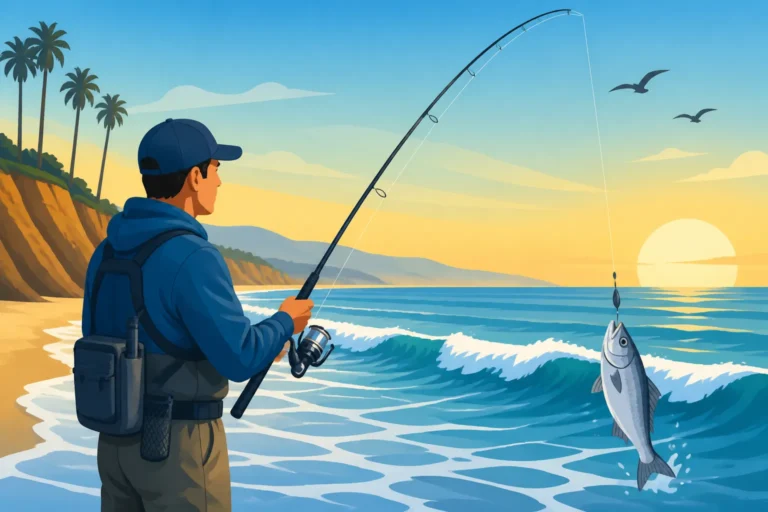
Along the coast, rising ocean temperatures, even by a few degrees, can signal the arrival of migratory species and trigger feeding frenzies among resident populations. It’s like hitting an invisible switch; suddenly, what was sluggish and dormant is now vibrant and hungry. This is when baitfish become more prevalent, and larger predators follow suit. Understanding these subtle shifts is crucial. You might find that early spring still feels a bit like winter, with fish holding deeper, but by late spring, they could be aggressively chasing topwater lures.
Runoff and Clarity Changes
Another defining characteristic of spring, especially in California’s freshwater systems, is snowmelt and increased precipitation. Our mountain ranges, particularly the Sierra Nevada, hold vast amounts of snow that begin to melt as temperatures rise. This snowmelt translates into significant runoff, swelling rivers and streams and often dramatically altering water clarity. While this influx of fresh, cold water can be a blessing, especially for trout, it also presents challenges.
High, fast-moving, and turbid water can make fishing difficult. Fish may retreat to calmer eddies or hide behind structure to escape the strong currents. The reduced visibility also makes it harder for them to see your offerings, meaning you might need to adjust your lure choices, opting for brighter colors or noisier presentations. However, as the runoff begins to recede and waters clear, these same systems often become incredibly productive. The fresh influx of nutrients can stimulate insect activity and bring new food sources into play, making fishing outstanding. It's a delicate balance, and keeping an eye on local flow rates and water clarity reports is vital, especially if you're targeting mountain streams for species like rainbow trout. For a deeper dive into the specific rules for various waterways, check out our guide on California Freshwater Fishing Regulations.
Top Freshwater Targets in Spring
California’s freshwater fishing scene truly comes alive in spring. From high-country lakes to sprawling lowland reservoirs, and meandering rivers, there’s an abundance of opportunities to chase a variety of species that are just shaking off their winter doldrums.
Trout Opportunities in Rivers and Lakes
Spring is arguably one of the best times of the year to target trout in California. The warming weather activates insects, leading to prolific hatches that bring trout to the surface, and state stocking programs kick into high gear. If you're a fly angler, the Eastern Sierra is a prime destination. Rivers like the Trinity River Fishing Guide, Truckee River, and Owens River become meccas for wild and stocked trout, with anglers often finding success using nymphs and emergers in the colder early spring, transitioning to dry flies as hatches become more consistent in late spring. Many of these rivers are subject to specific regulations, so it's always wise to review the California Trout Limits and Regulations before heading out.
Lakes across the state also shine in spring. Man-made reservoirs like Lake Shasta and Lake Tahoe, along with countless high-alpine lakes, see trout becoming more active. Trolling with spoons or small crankbaits can be incredibly effective in larger lakes, especially during the early morning or late afternoon. For bank anglers, power bait, worms, or small spinners tossed near inlets or drop-offs can yield excellent results. The period right after ice-off in higher elevation lakes can be particularly phenomenal, as hungry trout are eager to feed after a long winter. Places like Crowley Lake are legendary for their spring trout bite.
Bass Awakening in Reservoirs and the Delta
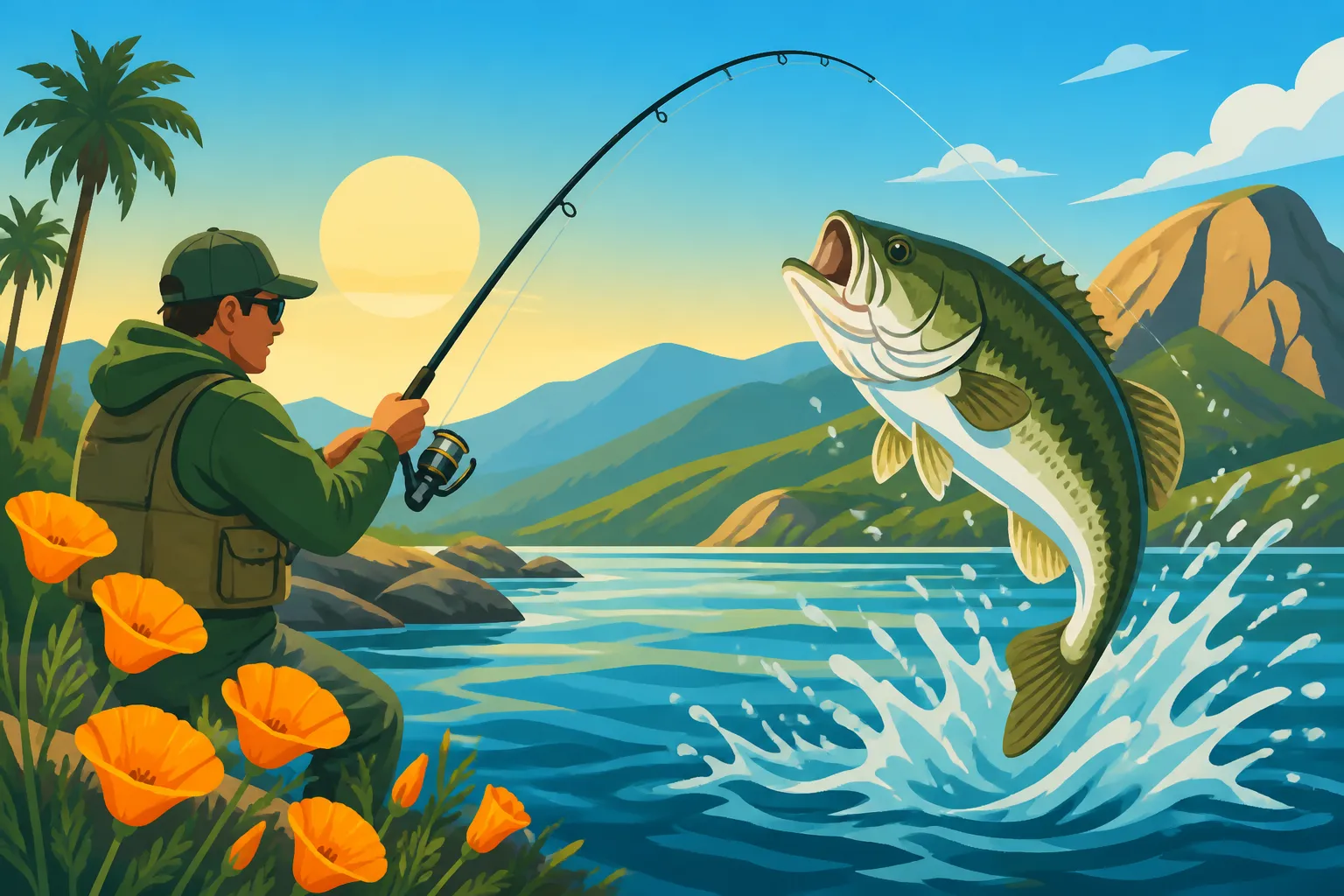
For bass anglers, spring means one thing: the pre-spawn and spawn. Largemouth bass, smallmouth bass, and spotted bass all become incredibly active as they prepare for their annual breeding ritual. This is when some of the biggest bass of the year are often caught. Reservoirs like Clear Lake, a perennial favorite, and Diamond Valley Lake become hotspots. Bass move from deeper winter holding areas into shallower coves, points, and flats, looking for warmer water and suitable spawning grounds.
During the pre-spawn, bass are aggressively feeding, trying to pack on calories. This is the time for crankbaits, jerkbaits, and swimbaits to cover water and locate active fish. As the water temperatures climb into the mid-50s and low-60s, the spawn begins. Bass will be found guarding nests, and flipping jigs, Texas-rigged plastics, or Senkos into visible cover can be highly effective. The California Delta, with its labyrinthine network of sloughs and channels, is another world-class destination for striped bass and largemouth bass in the spring. Here, topwater lures, chatterbaits, and spinnerbaits can entice aggressive strikes. Always be mindful of the California Bass Fishing Regulations, which can vary by water body.
Other Freshwater Species to Consider
Beyond trout and bass, spring opens up opportunities for other exciting freshwater species.
- Crappie and Bluegill: These panfish become very active in spring, moving into shallow, brushy areas to spawn. They offer fantastic light-tackle action and are perfect for family outings. Small jigs, mini-mites, or live minnows under a bobber can lead to impressive catches in many lakes and ponds.
- Catfish: Channel catfish and blue catfish also start to stir in the warming waters. While often associated with summer, spring can provide excellent catfishing, especially in the late spring as water temperatures stabilize. Use stink baits, cut bait, or even chicken livers.
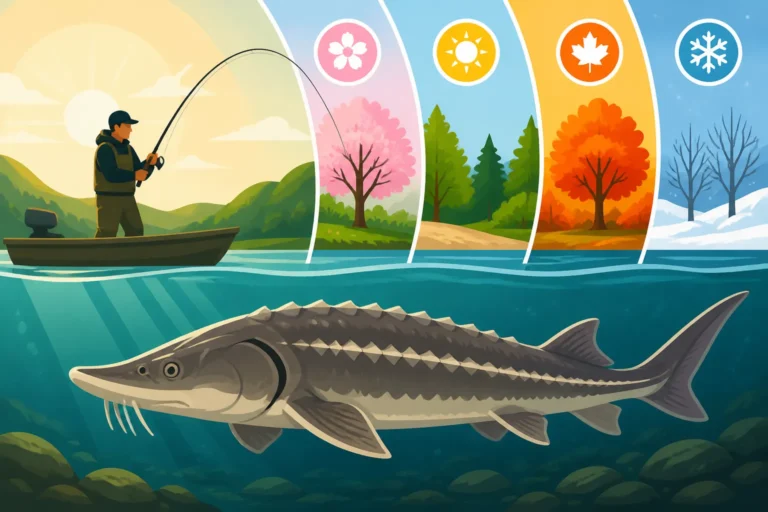
- Sturgeon: In the San Francisco Bay and Delta systems, spring offers some of the best opportunities for white sturgeon. These ancient giants become more active and can be targeted using bait like ghost shrimp, roe, or eel, typically fished on the bottom in channels and deeper holes. Remember, a specific California Sturgeon Report Card is required, and there are strict slot limits.
Excellent Saltwater Prospects for Spring
California’s expansive coastline and productive offshore waters also offer incredible fishing action during the spring months. As the marine environment warms up, a host of species become accessible, making it a truly exciting time for ocean anglers.
Coastal Rockfish and Lingcod Season Openers
One of the most anticipated events for many saltwater anglers is the reopening of the rockfish and lingcod seasons, which often occurs in spring after winter closures. These deep-dwelling species are abundant along California's rocky reefs and kelp beds. Party boats and private charters depart from harbors all along the coast, from San Diego to Bodega Bay, specifically targeting these tasty bottom fish. When the season opens, the fishing can be absolutely phenomenal.
Common rockfish species include vermilion, copper, bocaccio, and various smaller shelf rockfish. Lingcod, known for their aggressive strikes and delicious white meat, are often found in the same habitats. Jigs, live bait, or bait-and-scent combos (like Berkley Gulp! plastics tipped with squid) are highly effective. Always double-check the latest California Rockfish Regulations and Limits, as depth restrictions and bag limits can change annually and by management area. It’s a great chance to fill your cooler and enjoy some of the freshest seafood around.
Bay and Nearshore Halibut and Striped Bass
Inside California’s bays and along the nearshore coastline, spring brings excellent opportunities for California halibut and striped bass. Halibut, masters of camouflage, begin to move into shallower sandy areas, estuaries, and bay systems to feed and eventually spawn. Drifting with live bait like anchovies, sardines, or mackerel is a highly productive method, as is trolling with lipped plugs or grub-tailed plastics. The San Francisco Bay, known for its strong currents, is a prime halibut ground, as are the waters off the Southern California coast. When targeting these flatfish, be sure to understand the California Halibut Size and Bag Limits.
Striped bass, particularly in the San Francisco Bay and Delta, also become very active in spring. These hard-fighting anadromous fish migrate from the ocean into the bay and up into the Delta rivers, often in anticipation of their own spawning runs. Trolling with plugs, casting swimbaits, or bait fishing with anchovies or bloodworms can be highly effective. Early morning and late evening tides are often the most productive. For those fishing from shore or piers, casting lures or soaking bait can also yield good results, especially during tidal changes. Always consult the California Striped Bass Regulations for current limits.
Early Offshore Opportunities
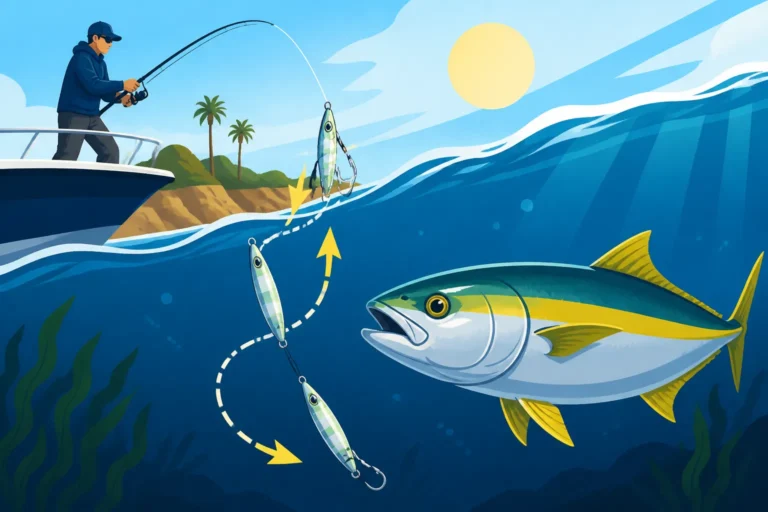
While the peak offshore season for pelagic species like tuna and dorado often begins later in the summer, late spring can offer tantalizing glimpses of what's to come, especially in Southern California. If ocean conditions are favorable and water temperatures warm up early, species like yellowtail might make an appearance around offshore islands like the Channel Islands or near kelp paddies.
Charter boats might run early trips targeting these species, or even venturing further offshore for bluefin tuna if they show up ahead of schedule. Keep an eye on local fishing reports from sportfishing landings in San Diego, Long Beach, and Ventura. These early offshore bites can be hit or miss, but when they hit, they can be absolutely epic. It’s a great time to be prepared with heavy-duty gear and a willingness to chase the bite. You can find comprehensive details on California Fishing Charters: Complete Guide if you're looking to book a trip.
Essential Gear and Tactics for Spring Fishing
Spring fishing in California demands versatility. The conditions can swing from chilly and rainy to warm and sunny, sometimes all in the same day. Being prepared with the right gear and an adaptable mindset will significantly improve your chances of success.
Freshwater Spring Tackle Box Must-Haves
For freshwater fishing in spring, your tackle box should be a mix of search baits and finesse presentations.
- For Trout: If you're hitting streams or rivers, a lightweight spinning rod (6'6" to 7' medium-light) with 4-6 lb test line is ideal. For lures, pack a selection of small inline spinners (like Mepps or Rooster Tail), spoons (Kastmasters work great), and various colors of trout worms or PowerBait. Fly anglers will want an assortment of nymphs (Pheasant Tail, Hare's Ear), emergers, and early season dry flies (Blue-Winged Olives, Caddis). A good pair of waders and wading boots will also be invaluable for accessing prime spots.
- For Bass: A couple of medium-heavy baitcasting setups (7' to 7'6") with 12-20 lb fluorocarbon or braided line are standard. For lures, definitely have crankbaits (square bills for shallow, deeper divers for probing drops), jerkbaits, swimbaits, and a variety of soft plastics for Texas-rigging or drop-shotting (Senkos, creature baits, worms). Don't forget jigs (flipping jigs, football jigs). Having a selection of these on hand allows you to adapt to pre-spawn aggression or post-frontal finickiness. You can often find great deals on these essential items on Amazon.
- General: Always carry extra line, hooks, sinkers, and a good pair of pliers. A measuring tape and a small net are also crucial for respectful catch-and-release or proper harvest.
Saltwater Spring Essentials
Saltwater fishing, whether from shore, pier, or boat, requires durable gear that can stand up to the corrosive marine environment.
- For Rockfish and Lingcod: A stout boat rod (6' to 7', medium-heavy to heavy action) paired with a conventional reel spooled with 40-65 lb braided line and a fluorocarbon leader (30-50 lb) is standard. Bring an assortment of leadhead jigs (4-12 oz, depending on depth and current) in various colors (white, red, chartreuse) and plenty of squid strips or plastic grub tails to tip them with. If using bait, a two-hook dropper loop rig with pyramid or bank sinkers is effective. For your first trip out, you might want to look for beginner-friendly boat rod and reel combos on Amazon.
- For Halibut and Striped Bass (Bays/Nearshore): A medium-heavy spinning rod (7' to 8') or a lighter conventional setup with 20-30 lb braided line is versatile. For halibut, live bait (anchovies, sardines) is king, so having a bait tank or cooler to keep them lively is key. Alternatively, white or chartreuse grub-tailed swimbaits on a jig head, or trolling plugs like Rapalas, can be effective. For striped bass, incorporate larger swimbaits, topwater lures (when they're chasing bait on the surface), and heavy spoons.
- General: Sunscreen, polarized sunglasses, a wide-brimmed hat, foul-weather gear (even if the forecast looks good), and non-slip shoes are non-negotiable for ocean fishing. A good cooler with plenty of ice is also essential for preserving your catch.
Adapting Your Approach to Spring Conditions
The key to successful spring fishing isn't just having the right gear, but knowing how to use it in response to the conditions.
- Start Shallow, Go Deeper: Early spring often sees fish deeper, but as the day warms and the season progresses, they'll push into shallower water. Begin by prospecting shallower areas, but don't be afraid to try deeper points and drop-offs if the bite isn't there.
- Slow Down: Fish metabolisms, while increasing, are still not at their summer peak. A slower retrieve or more deliberate presentation can often be more effective than a fast, erratic one. Give the fish time to decide to strike.
- Match the Hatch/Bait: Whether it's aquatic insects for trout or baitfish for bass and saltwater species, pay attention to what the fish are naturally feeding on. If you see bugs on the water, match them. If you see schools of anchovies, use lures that imitate them.
- Target Transition Zones: Look for areas where different conditions meet – warm water meets cold water, murky water meets clear water, shallow meets deep. These "transition zones" often concentrate bait and predator fish alike.
- Monitor Weather and Water Temps: Keep an eye on the forecast, especially for sudden cold fronts, which can shut down a bite quickly. A portable water thermometer can be an invaluable tool, helping you locate optimal temperature ranges for your target species. For a complete overview of how weather impacts fishing, consider checking out our guide on How Weather Affects California Fishing.
Spring Fishing Opportunities at a Glance
Here’s a quick overview to help you plan your spring fishing adventures in California:
| Species | Primary Location | Best Spring Tactics | Gear Recommendation | Peak Season (Spring) |
|---|---|---|---|---|
| Rainbow Trout | Eastern Sierra Rivers, Stocked Lakes | Nymphs, Dry Flies (flies); Spinners, PowerBait (gear) | Light spinning or fly rod (4-6wt) | March – May |
| Largemouth Bass | Clear Lake, San Joaquin Delta, Reservoirs | Crankbaits, Jigs, Texas-rigged plastics | Medium-heavy baitcasting (12-20lb line) | March – June |
| Rockfish | Coastal Reefs, Offshore Banks | Leadhead Jigs, Bait & Squid Combo | Heavy boat rod, conventional reel (40-65lb braid) | March – June (Season Reopening) |
| Lingcod | Rocky Coastlines, Pinnacles | Large Jigs, Live Bait, Swimbaits | Heavy boat rod, conventional reel (50-80lb braid) | March – June (Season Reopening) |
| California Halibut | San Francisco Bay, Nearshore Coastal | Live Bait (Anchovies), Trolling Plugs, Swimbaits | Medium-heavy spinning/conventional (20-30lb braid) | April – June |
| Striped Bass | San Francisco Bay, California Delta | Trolling Plugs, Swimbaits, Live Bait (Anchovies) | Medium-heavy spinning/conventional (20-30lb braid) | March – June |
| Sturgeon | San Francisco Bay, Delta Channels | Bottom Fishing with Ghost Shrimp, Roe, Eel | Heavy conventional rod, strong braided line | March – May |
Spring in California offers an incredible array of fishing opportunities, from chasing trophy bass to battling lingcod or enjoying a peaceful day on a trout stream. By understanding the seasonal changes, knowing which species are active, and adapting your gear and tactics, you're set for some memorable days on the water. Don’t forget to secure your California Fishing License Guide and always consult the latest regulations before heading out.
Disclaimer
Fishing conditions and regulations in California can change frequently due to environmental factors, legislative updates, and fish populations. Always consult the latest California Department of Fish and Wildlife (CDFW) regulations before any fishing trip. This guide provides general information and recommendations, but it is the angler's responsibility to adhere to all current laws and safety guidelines.