How to Fish California Reservoirs in Summer Heat
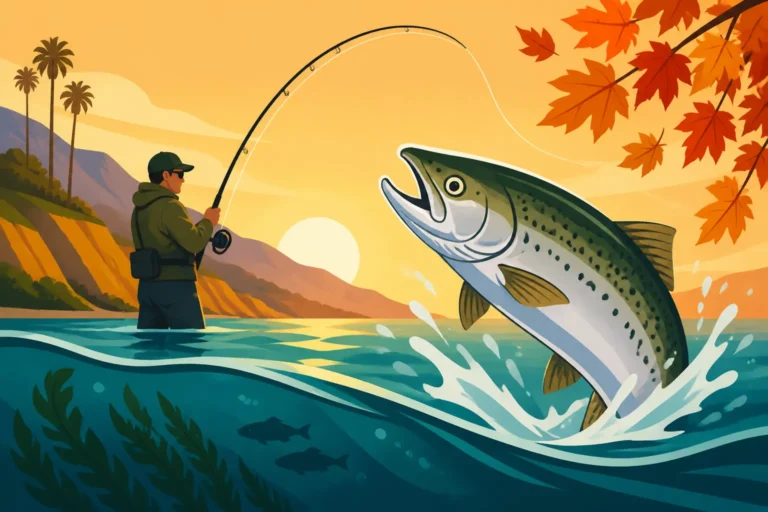
Oh, the brutal California summer heat! It's enough to make even the most dedicated angler reconsider a day on the water. When those scorching temperatures hit and the sun beats down relentlessly, fishing California reservoirs can feel like an impossible task, with fish seemingly vanishing into thin air. But don't pack away your gear just yet! This guide is all about equipping you with the knowledge and tactics to not just survive, but actually thrive, when fishing those warm reservoir waters.
Understanding the Impact of Summer Heat on Reservoir Fishing
When summer truly kicks in across California, the rising air temperatures have a profound effect on our reservoirs, and consequently, on the fish that call them home. It's not just about us getting a little sweaty; it's a whole environmental shift that dictates where fish will be and how they'll behave. Understanding these changes is your first step to unlocking summer success.
Water Temperature Stratification and Oxygen Levels
The biggest change in reservoirs during summer is called thermal stratification. Imagine the reservoir water separating into distinct layers, much like a layered cake. The top layer, the epilimnion, is warm, exposed to the sun, and well-oxygenated by wind and wave action. Below that, you'll find the thermocline, a transitional layer where the temperature drops rapidly. And at the very bottom is the hypolimnion, which stays cold, dark, and often has very low oxygen levels due to decaying organic matter.
This stratification is a game-changer because most desirable game fish, like bass and trout, need a specific range of temperature and oxygen to survive and thrive. In many deep reservoirs, the bottom layer can become an oxygen-depleted dead zone. This means fish are often squeezed into that comfortable thermocline layer or pushed into shallower, well-oxygenated areas during cooler parts of the day. For example, if you're fishing a deep lake like Lake Tahoe Fishing Guide, you'll find trout seeking those deeper, cooler thermocline zones.
Fish Behavior and Feeding Patterns
Think about how you feel on a sweltering summer day – you're probably not running a marathon or eating a huge meal, right? Fish are pretty similar. High water temperatures stress them out. Their metabolism speeds up, requiring more oxygen, but the warmer water actually holds less oxygen. This paradox forces them to conserve energy.
You'll notice a distinct shift in their feeding patterns. The midday sun is usually a bust because it's too bright and too warm. Instead, fish become much more active during the cooler parts of the day: early mornings, late evenings, and even through the night. They'll also be less willing to chase fast-moving lures far and wide. Instead, they'll often hold tight to cover, waiting for an easy, high-calorie meal to come to them. This means slowing down your presentation and focusing on ambush points.
Essential Strategies for Hot Weather Reservoir Fishing
Okay, so the fish are stressed, deep, and only active during certain windows. That's a challenge, but it's far from impossible! With the right strategies, you can still have some truly epic days on the water. It's all about adapting your approach to their summer routine.
Early Morning and Late Evening Attacks
This is, hands down, the golden rule for summer reservoir fishing. Forget sleeping in; get on the water before dawn, ideally when the air is still cool and the sun hasn't begun its ascent. The water temperature will be at its lowest, and fish will often move into shallower water to feed actively. This is when you can target species like largemouth and smallmouth bass with topwater lures, creating exciting blow-ups as they ambush prey.
As the sun gets high and bright, the bite will usually taper off. Then, you can either retreat for a midday siesta or switch to deeper tactics (which we'll cover next). As evening approaches and the sun dips, that magic hour returns. Fish will once again push into shallower feeding zones. You might even find success fishing well into the dark, especially for species like catfish or even big bass that become nocturnal hunters in the summer. Remember, the fish are trying to avoid the sun just as much as you are.
Targeting Deeper Water and Submerged Structure
Once the sun is high, most game fish will retreat to cooler, deeper water where the temperature and oxygen levels are more comfortable. This means you need to adjust your game plan. Don't waste time casting into baking shallow flats unless there's heavy, dense shade. Instead, focus on areas where the reservoir drops off quickly, such as points, humps, ledges, and channels. These are often highways for fish moving between deep comfort and shallow feeding grounds.
Submerged structure is your best friend. Look for standing timber, brush piles, rock piles, old roadbeds, and even bridge pilings. These provide vital shade, ambush points, and often hold baitfish, which in turn attract predators. You can use your boat's electronics to find these hotspots. Once you locate a promising structure, fish it thoroughly from different angles, making sure your lure gets right down into the strike zone. Sometimes, a subtle drop-shot rig or a slow-crawling jig is all it takes to entice a wary fish from its summer hideout.
Utilizing Shade and Oxygenated Areas
Beyond just depth, shade and oxygenated water are prime real estate for fish in the summer heat. Look for natural shade provided by overhanging trees, steep canyon walls, or even artificial structures like docks and bridges. These areas offer a cooler reprieve from direct sunlight. Often, fish will be tightly pressed against the shaded side of these structures.
Another often overlooked hotspot is areas with increased oxygen. This could be where a cooler stream or river flows into the reservoir, creating a current that adds oxygen. Aerators in marinas or near boat ramps can also create localized oxygenated zones that attract baitfish and predators. Wind-blown points or banks can also be productive, as the wave action mixes the surface water and increases oxygen levels. Pay attention to any current or disturbance in the water; these can be indicators of more favorable conditions for fish.
Species-Specific Tactics for Summer Reservoir Success
California reservoirs are home to a diverse array of fish, and while general strategies apply, tailoring your approach to specific species will dramatically increase your catch rates. Each fish has its own summer quirks!
Bass Fishing in Hot Water
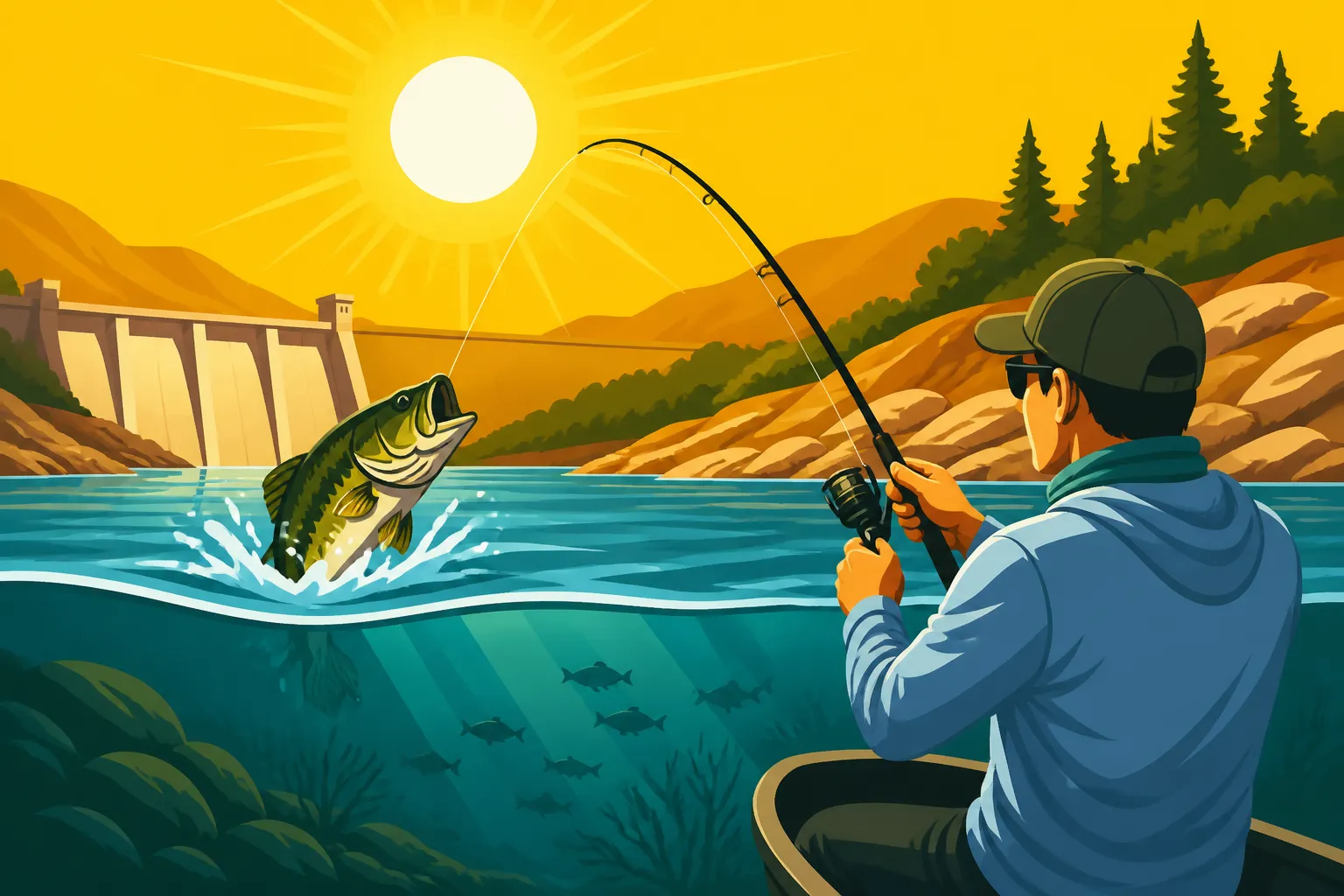
Largemouth and smallmouth bass are still highly catchable in the summer, but they demand a refined approach. During those prime low-light hours (early morning, late evening, night), focus on topwater baits like poppers, walking baits, or even noisy buzzbaits. Target shallow cover like lily pads, submerged grass beds, docks, and rocky points. The key is to make a lot of commotion to draw them out.
Once the sun is high, bass retreat. Your best bet is to target them in deeper water, often holding tight to vertical structure or the thermocline. Jigs, Texas-rigged worms, and Carolina rigs are excellent for slow, bottom-hugging presentations. Look for deep points, submerged humps, and brush piles. Drop shotting a small worm or creature bait directly on top of structure found with your sonar can be incredibly effective when bass are lethargic. You might find some excellent California Bass Fishing Techniques help here. For specific spots, consider how to fish Clear Lake for Bass, known for its trophy potential even in summer.
Trout Fishing in Warm Reservoirs
Trout are particularly sensitive to warm water, making summer reservoir fishing for them a bit more challenging. They'll seek out the coldest, most oxygenated water available. In larger, deeper reservoirs like Lake Shasta Fishing Guide or Lake Tahoe, this means trolling at specific depths within or just below the thermocline during the day. Downriggers are often essential to present lures at these precise depths.
For those without downriggers, focus on very early mornings and late evenings, or target areas where cooler water enters the reservoir. Fishing near dam outflow currents or natural springs can also concentrate trout. PowerBait, nightcrawlers, or small spoons and spinners fished on light line can be effective. If you're fly fishing, focus on stream inlets during low light. Always check the local regulations for specific trout limits and seasons, especially for wild trout waters. For more detailed insights, check out California Trout Fishing Techniques.
Targeting Other Popular Reservoir Species
Don't forget about other species that can provide fantastic summer action!
- Catfish: These whiskered warriors actually thrive in warm water and become more active. They'll often cruise shallow flats and channel edges during the cooler hours. Cut bait (like mackerel or anchovies), chicken livers, and various stink baits fished on the bottom are highly effective. Many anglers find night fishing for catfish to be incredibly productive in summer.
- Crappie: While they can be tricky in summer, crappie often school up around deep brush piles, submerged timber, or bridge pilings. Vertically jigging small jigs or minnows directly over these structures can yield limits. Using electronics to find their suspended schools is key.
- Striped Bass: In reservoirs that hold stripers, like the California Delta Fishing Guide, they will often follow schools of baitfish into deeper open water during the day, or push them to the surface during aggressive feeding blitzes in low light. Trolling large swimbaits or topwater plugs can be explosive when they're active. Live bait, like threadfin shad or anchovies, fished on a Carolina rig near drop-offs or humps, can also be very effective for these hard fighters. You can find more specific advice on California Striped Bass Regulations and Limits.
| Species | Preferred Summer Habitat | Best Time to Fish | Recommended Lures/Baits | Key Tactic |
|---|---|---|---|---|
| Largemouth/Smallmouth Bass | Deeper structure, shade, thermocline | Early AM, Late PM, Night | Jigs, Texas Rigs, Drop Shots, Topwater (low light) | Slow presentations, pinpoint casting to cover |
| Trout | Deep, cool, oxygenated water (thermocline), inlets | Early AM, Late PM, All day (trolling) | PowerBait, Nightcrawlers, Spoons, Spinners, Trolled Lures | Depth control, targeting cool water |
| Catfish | Deeper channels, ledges, shallow flats (night) | Late PM, Night, Early AM | Cut Bait, Chicken Livers, Stink Baits | Bottom fishing, patience |
| Crappie | Deep brush piles, submerged timber, bridge pilings | All day (with electronics) | Small Jigs, Minnows (vertical jigging) | Locating schools on sonar, vertical presentation |
| Striped Bass | Deep open water, bait schools, current breaks | Early AM, Late PM, Night | Large Swimbaits, Topwater (blitzes), Live Bait | Trolling, watching for boils, live baiting |
Gear and Preparation for Hot Weather Conditions
Fishing in the summer heat isn't just about fish behavior; it's also about angler comfort and safety. Being prepared with the right gear can make or break your day on the water, ensuring you stay focused on fishing instead of battling the elements.
Essential Angler Comfort and Safety Items
- Hydration, Hydration, Hydration: This can't be stressed enough. Bring plenty of water, electrolyte drinks, or even a small cooler with ice to keep them cold. Dehydration creeps up quickly, especially when you're exerting yourself in the sun. Consider a reusable water bottle from brands like Hydro Flask or Stanley, easily found on Amazon, to keep your drinks ice-cold all day.
- Sun Protection: A wide-brimmed hat, sunglasses with polarized lenses, and UV-protective clothing (long sleeves, neck gaiter) are non-negotiable. Sunscreen is also crucial, applied generously and often. Look for fishing-specific shirts from brands like Columbia PFG or Simms, also available on Amazon, which offer excellent UPF ratings and moisture-wicking properties.
- Cooling Towels: These simple items can be a lifesaver. Dampen them and drape them around your neck or head for instant cooling relief. You can find multi-packs of these on Amazon for a reasonable price.
- First Aid Kit: Always a good idea, especially in remote reservoir areas. Include basics for cuts, scrapes, and importantly, items for sunstroke or heat exhaustion treatment.
- Proper Footwear: Sandals or water shoes that offer good grip and drain quickly are ideal. Your feet will thank you for it.
Specialized Tackle and Electronics
Your tackle box might need a few adjustments for summer reservoir fishing.
- Heavier Line: When targeting deeper water or fishing around heavy cover, consider bumping up your line strength. Heavier fluorocarbon or braid can help you detect subtle bites and muscle fish out of snags.
- Deep-Diving Lures: For trolling or covering open water, crankbaits that can reach depths of 15-25 feet (or more) are essential. Choose colors that imitate local baitfish.
- Soft Plastics: An assortment of worms, creature baits, and swimbaits in various sizes and colors, especially natural or dark hues, will be invaluable for bottom fishing. Don't forget your jig heads and weights!
- Sonar/Fish Finder: This is arguably your most important piece of electronics for summer reservoir fishing. Modern units with side-imaging or down-imaging can help you locate submerged structure, identify the thermocline, and even spot individual fish or schools of bait at depth. Brands like Humminbird and Garmin offer excellent models for serious anglers. Mastering how to read California fishing reports can also guide you to productive depths and locations.
- GPS/Mapping: Knowing your way around a large reservoir and marking productive spots is critical. Many fish finders integrate GPS, allowing you to save waypoints and track your movements. This is especially helpful if you're exploring Best Fishing Spots in California and want to remember precise locations.
Boat and Vehicle Considerations
If you're hitting the reservoir with a boat, a few extra summer considerations are important.
- Battery Life: Running electronics, livewells, and maybe even a trolling motor for extended periods in hot weather can drain batteries faster. Ensure your batteries are fully charged and consider bringing a portable jump starter for peace of mind.
- Engine Maintenance: Overheating can be a real issue for boat engines in summer. Check your cooling system, oil levels, and ensure your engine is well-maintained before heading out.
- Livewell Management: If you plan on keeping fish, maintaining a healthy livewell is paramount. Add ice to keep the water cool and use livewell additives to reduce stress on your catch. This is especially true for temperature-sensitive species like trout.
- Trailer Check: Hot asphalt can be tough on tires. Check your trailer tire pressure and inspect for any wear or damage before your trip.
By taking these proactive steps, you'll not only increase your chances of finding fish but also ensure a safer, more enjoyable experience when you're How to Fish California Reservoirs in Summer Heat.
Disclaimer
Fishing regulations, conditions, and fish behavior can change rapidly. Always consult the latest California Department of Fish and Wildlife (CDFW) regulations before heading out. This guide provides general advice and should not replace official information or personal judgment based on real-time conditions.