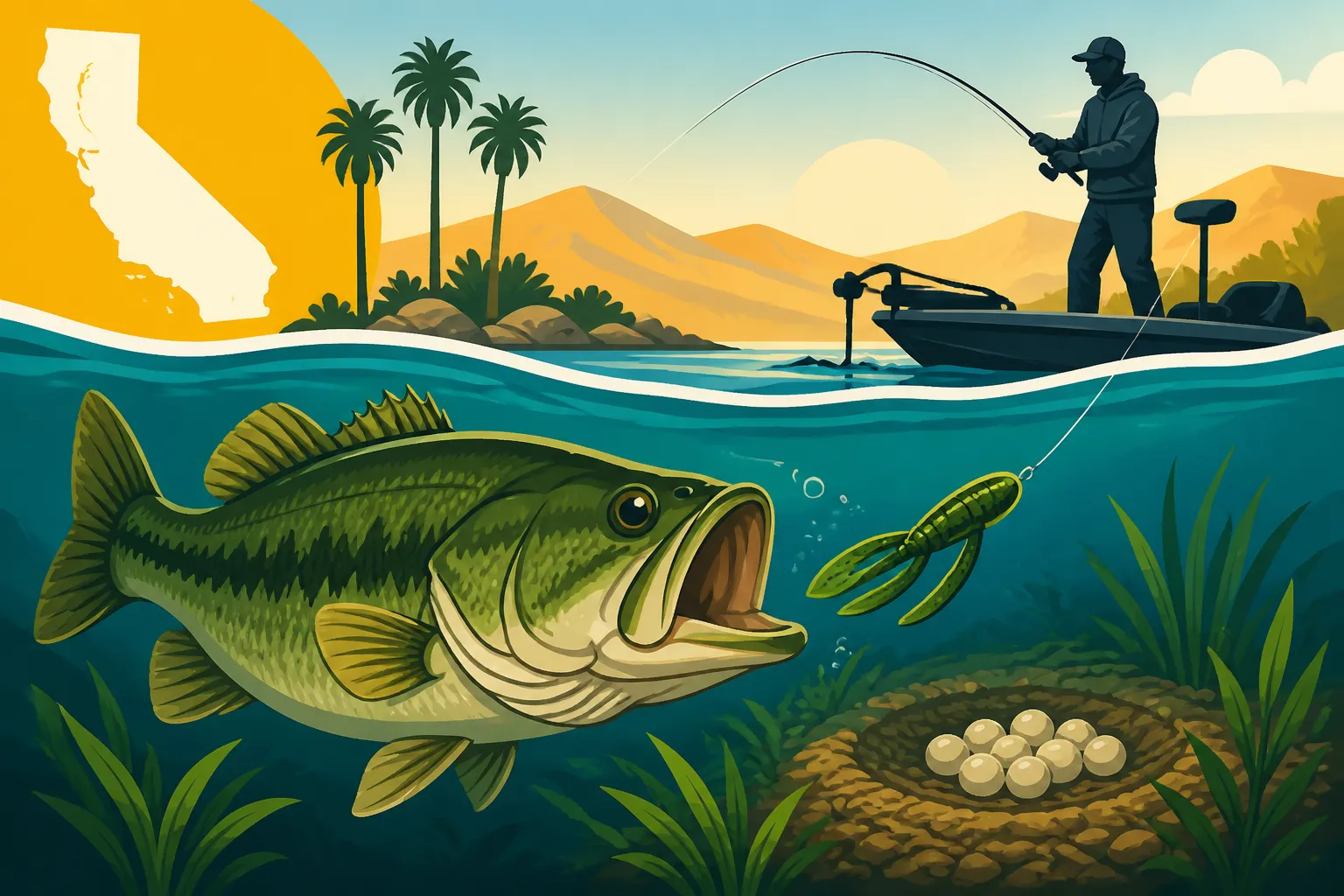
How to Catch Bass During the California Spawn
There’s nothing quite like the anticipation of bass fishing, but let's be real, trying to figure out how to approach them during their annual spawn can feel like cracking a secret code. Many anglers get frustrated because the fish seem to vanish or simply ignore their offerings. This comprehensive guide is here to demystify the California bass spawn, offering practical strategies and ethical considerations to help you successfully target these fish during this critical time.
Understanding the California Bass Spawn Cycle
The bass spawn is one of the most exciting, yet sometimes challenging, periods for anglers. It's when bass shift their focus from purely feeding to reproducing, and understanding this cycle is paramount to your success. It's not a single event but a progression, much like the seasons themselves, with distinct phases that dictate where bass are and what they're doing.
The Pre-Spawn Buzz: When Bass Get Ready
Before the actual spawning begins, there's a crucial period known as the pre-spawn. This is when the water temperatures in California's lakes and reservoirs start to climb, usually into the mid-50s to low 60s Fahrenheit. Bass, sensing these changes, begin to move from their deeper winter haunts into shallower staging areas. Think of it like them getting dressed for a big party – they’re not quite at the main event, but they’re definitely getting ready. During this phase, bass are often incredibly aggressive. They're trying to pack on as much weight as possible, knowing that the actual spawning process will be energy-intensive.
You'll typically find them congregating on points, secondary humps, and the outer edges of flats that are close to deeper water but offer easy access to the eventual spawning grounds. These areas provide both protection and a prime feeding buffet. They're gorging on shad, crawfish, and anything else they can get their mouths on. This can be one of the best times to catch a true trophy bass, as they are actively feeding and at their heaviest. It's a high-energy period, and your tactics should reflect that, focusing on lures that mimic fleeing baitfish or crawfish.
The Main Event: Nesting and Protecting
Once water temperatures consistently hit the mid-60s, the main event begins. This is when the male bass move into very shallow water, often just a few feet deep, to fan out circular nests. They meticulously clear away debris, creating a clean spot for the females to lay their eggs. The females will then move onto these nests, lay their eggs, and often retreat to slightly deeper water to recover.
The male, however, becomes the sole guardian, fiercely protecting the nest from any perceived threat. This is where fishing can become particularly tricky and, some might argue, controversial. The bass aren't necessarily feeding; they're reacting defensively to anything that comes near their nest. They'll "strike" a lure not out of hunger, but out of instinct to move it away. This behavior is usually most pronounced in clear water where you can actually see the bass on the beds, often referred to as "sight fishing." Catching these fish can be very rewarding, but it's important to be mindful of the stress it puts on them during this vulnerable time. Different regions across California, from Clear Lake to the sprawling California Delta, will see their spawn at slightly different times, depending on weather and water temperatures.
Post-Spawn Recovery: Fattening Up Again
After the eggs have hatched and the fry have dispersed, the bass enter the post-spawn phase. Both males and females are exhausted. The females, especially, have expended a tremendous amount of energy producing eggs, and the males have been guarding the nests without much rest or food. They're typically skinny and lethargic, retreating from the super-shallow spawning flats to slightly deeper, cooler water.
During this period, they'll often hold on drop-offs, submerged brush piles, or weed lines near their spawning grounds. While they aren't actively protecting nests anymore, they're still in recovery mode. They'll start to feed again, but often with less aggression than in the pre-spawn. They're looking for easy meals, something that requires minimal effort to chase down. As the water continues to warm, they’ll gradually transition back to their summer patterns, moving deeper and becoming more active hunters. Understanding this transition is crucial, as the tactics that worked during the spawn might not yield results just a week or two later. It’s a time of renewed feeding, but often with a more subtle approach required from the angler.
Essential Gear and Tactics for Spawning Bass
Successfully catching bass during the spawn, whether they're staging, nesting, or recovering, often boils down to having the right tools and knowing how to use them with finesse. It's not always about brute force; sometimes, it's about subtle persuasion.
The Right Lures for the Job
When bass are on or near their beds, they're less likely to chase down a fast-moving crankbait. Instead, you need lures that can be presented slowly, stay in the strike zone, and annoy the bass into striking defensively. Soft plastics are your absolute best friend during this time.
- Senkos and Stick Baits: These are arguably the kings of spawn fishing. A 5-inch Yamamoto Senko, rigged wacky style or weightless Texas rig, slowly sinking right into the bed, is often irresistible. The subtle shimmy on the fall drives bass crazy. Colors like green pumpkin, watermelon, or black and blue are consistent producers. You can find a huge variety of these handy lures on Amazon.
- Creature Baits and Jigs: Think about a crawfish or a lizard invading a nest – that's what you're trying to imitate. A jig with a bulky craw trailer, or a creature bait like a Brush Hog or Sweet Beaver, can be pitched or flipped into beds. The key is to let it sit, subtly shake it, and let it sit again. The bass will often pick it up to move it away.
- Drop Shots: When bass are a bit finicky, or when you're fishing slightly deeper staging areas in the pre-spawn, a drop shot rig with a small worm or creature bait can be deadly. It allows you to present your bait right at eye level with the fish for an extended period, which is perfect for fish that aren't aggressively feeding. For more in-depth lure choices, check out our guide on Best Baits and Lures for Largemouth Bass in California.
Rods, Reels, and Line Considerations
Your setup needs to balance sensitivity with the backbone to pull a big bass out of shallow cover.
- Rods: A 7-foot to 7-foot 6-inch medium-heavy or heavy action casting rod is versatile for pitching and flipping jigs and soft plastics. The power helps you set the hook on a subtle bite and control the fish once it's hooked. For drop-shotting or lighter presentations, a 7-foot medium action spinning rod offers the sensitivity needed to feel those light taps.
- Reels: For casting setups, a high-speed baitcasting reel (7.1:1 gear ratio or higher) is excellent, allowing you to quickly retrieve slack line after a cast or when a fish makes a run towards cover. For spinning gear, a 2500-3000 series reel provides a good balance of line capacity and smooth drag.
- Line: Fluorocarbon line, ranging from 12-20 lb test for casting and 6-10 lb for spinning, is a top choice. Its low visibility is crucial in clear spawning waters, and its sensitivity helps you detect those subtle bites. Some anglers prefer braided line (30-50 lb) for its strength and no-stretch properties, especially when fishing heavy cover, often with a fluorocarbon leader. Make sure to check Amazon for deals on quality fluorocarbon line.
Stealth and Presentation: Key to Success
During the spawn, bass are incredibly wary, especially those protecting nests in clear water. Your approach needs to be as subtle as possible.
- Quiet Approach: If you're fishing from a boat, use your trolling motor sparingly and quietly. Avoid banging anything on the deck. If bank fishing, approach the water's edge slowly and keep a low profile. Remember, these fish are in shallow water and can easily be spooked. Our guide on How to Bank Fish California Reservoirs offers more tips on quiet approaches.
- Casting Accuracy: Precision casting is paramount. You need to land your lure exactly where you want it, often right on the edge of or into a bass bed. Avoid splashing the water loudly. A soft, controlled pitch or flip is often more effective than a long, arching cast.
- Subtle Retrieves: Once your lure is in the strike zone, resist the urge to work it aggressively. Gentle twitches, short drags, and long pauses are often what trigger a defensive strike. Let the lure's natural action do most of the work. If you're sight fishing, you can often watch the bass's reaction and adjust your retrieve accordingly. Sometimes, just letting the bait sit for 10-15 seconds is all it takes to get that fish to finally pick it up and move it.
Navigating Ethical Considerations and Regulations
Fishing during the bass spawn isn't just about catching fish; it's also about being a responsible angler and respecting the resource. This period is vital for the health of California's bass populations, and our actions as anglers can have a significant impact.
Practicing Catch and Release Thoughtfully
When bass are on their beds, they are in a particularly vulnerable state. The male bass is solely focused on protecting the eggs, and if he's removed from the nest, even for a short time, predators like bluegill, carp, or even other bass can quickly move in and devour the eggs. This is why many ethical anglers choose to minimize their fishing pressure on spawning beds or practice extremely quick and careful catch and release.
If you do decide to target bedding bass, please consider these best practices for catch and release:
- Minimize Fight Time: Bring the fish in quickly to reduce stress and lactic acid buildup.
- Wet Hands: Always wet your hands before handling a bass to protect its slime coat, which is crucial for its health and disease resistance.
- Support the Fish: Hold the fish horizontally, supporting its belly, especially if it's a larger fish. Avoid hanging a bass vertically by its jaw for extended periods, as this can damage its internal organs.
- Quick Release: Get the fish back into the water as quickly as possible. If it seems disoriented, gently hold it upright by the tail in the water and move it back and forth to push water through its gills until it regains its strength and swims away on its own.
- Consider Not Targeting: Some anglers opt to avoid actively sight fishing for bedding bass altogether, preferring to target pre-spawn or post-spawn fish that are actively feeding. This allows the bass to complete their spawning duties undisturbed. Our guide on California Catch-and-Release Rules provides more insights.
Understanding California Bass Fishing Regulations
California has specific regulations designed to protect fish populations, and these apply to bass, especially during their sensitive spawning period. While there generally isn't a statewide "closed season" for bass during the spawn like there is for some other species, bag and size limits are always in effect. These regulations can vary depending on the body of water you're fishing, so it's absolutely crucial to check the latest California Freshwater Fishing Regulations or the local rules for your specific lake or reservoir before you head out.
For instance, many lakes might have a 5-fish daily bag limit with a minimum size of 12 inches for black bass (largemouth, smallmouth, spotted bass). However, some reservoirs may have special regulations, such as slot limits or reduced bag limits, to further protect their trophy fisheries or recovering populations. It's your responsibility as an angler to know and abide by these rules. The California Department of Fish and Wildlife (CDFW) publishes a comprehensive regulation booklet each year, and you can often find specific lake regulations on their website or through local bait and tackle shops. Ignoring these rules not only risks fines and penalties but also harms the long-term health of our beloved bass fisheries. For a detailed look at the general rules, refer to our comprehensive article on California Bass Fishing Regulations.
| Lure Type | Best Phase | Why it Works | Common Colors |
|---|---|---|---|
| Senko/Stick Bait | Spawn/Post-Spawn | Slow, natural fall; subtle shimmy; mimics worm or defensive creature. | Green Pumpkin, Watermelon, Black/Blue |
| Creature Bait | Pre-Spawn/Spawn | Mimics crawfish or lizard; bulky profile for defensive strikes. | Green Pumpkin, Brown, Black/Blue |
| Jig (with trailer) | Pre-Spawn/Spawn | Heavy profile for offensive or defensive strikes; good for imitating crawfish. | Black/Blue, Green Pumpkin, Brown |
| Drop Shot | Pre-Spawn/Spawn/Post-Spawn | Suspends bait in strike zone; sensitive; good for finicky bass. | Natural Worm Colors (e.g., Green Pumpkin, Purple) |
| Spinnerbait | Pre-Spawn | Aggressive flash and vibration; triggers reaction strikes from hungry bass. | Chartreuse/White, Gold Blades |
| Shallow Crankbait | Pre-Spawn | Deflects off cover; mimics fleeing baitfish; triggers reaction strikes. | Shad, Crawfish Patterns |
Best Locations and Timing for the Spawn
California is blessed with an incredible diversity of bass fishing opportunities, and the spawn timing and locations can vary significantly across the state. Knowing where and when to go is just as important as knowing what to throw.
Top California Lakes for Spawning Bass
When it comes to the bass spawn, some California lakes are absolute legends. These bodies of water consistently produce both numbers and trophy-sized bass, making them prime targets during the spring months.
- Clear Lake: Often hailed as the "Bass Capital of the West," Clear Lake is famous for its incredible numbers of big largemouth bass. Its shallow, fertile waters warm up quickly, leading to an early and robust spawn. The lake's abundant cover, like tules and docks, provides ideal nesting grounds. Anglers here can experience an unforgettable day sight fishing or targeting staging bass. Our detailed guide on Clear Lake Fishing Guide offers even more insights into this incredible fishery.
- Lake Shasta: Up in Northern California, Lake Shasta offers a different spawning experience with its deeper, clearer waters and rocky points. While perhaps not as known for pure numbers as Clear Lake, it consistently produces quality largemouth, smallmouth, and even spotted bass during the spawn. The bass often stage in the abundant creek arms and move onto the shallower flats and coves when the water warms. For specific details on fish species and best spots, check out our guide on Lake Shasta: Fish Species and Best Spots.
- Lake Berryessa: Located in Napa Valley, Lake Berryessa is a fantastic option for both largemouth and smallmouth bass. Its varied shoreline, with rocky banks, submerged timber, and brush, provides diverse spawning habitat. The spawn here can be a bit later than Clear Lake due to its deeper, cooler waters, but the rewards are well worth the wait.
- California Delta: The vast California Delta system is a beast of its own. Its maze of sloughs, canals, and flooded islands holds an enormous population of largemouth bass. The water here is often stained, making sight fishing more challenging, but the sheer amount of shallow cover makes it a prime spawning habitat. Bass will push into flooded grass, tules, and shallow pockets to nest. This is a massive system, so knowing the specific hot spots is key.
- Castaic Lake and Diamond Valley Lake: Down in Southern California, these two renowned reservoirs are known for their trophy bass potential. Their deep, clear waters mean the spawn might kick off a bit later than in northern lakes, but when it does, it's often spectacular. Bass will use the many coves, points, and submerged structure to set up their beds. For a broader overview of where to find the biggest bass, our Best Bass Lakes in California article is a must-read.
Timing Your Trip for Peak Action
Timing is everything during the bass spawn. Hitting it just right can mean the difference between an epic day and a frustrating one. The biggest factor influencing the spawn is water temperature, which itself is dictated by weather patterns and regional climate.
- Water Temperature is Key: Generally, the largemouth bass spawn begins when water temperatures consistently reach the mid-60s Fahrenheit (around 62-68°F). Smallmouth and spotted bass often spawn a little earlier, starting in the upper 50s. Keep an eye on local water temperature readings from lake websites, fishing reports, or your own boat's electronics.
- Regional Differences: As mentioned, the spawn will happen earlier in warmer, shallower lakes like Clear Lake (sometimes as early as March), while deeper, cooler reservoirs or those further north might not see peak spawn until April or even May. Southern California lakes might also see an earlier start if they experience prolonged warm spells in late winter. To get a comprehensive view, consider our California Fishing Seasons: Month-by-Month Guide.
- Using Resources: Local bait and tackle shops are invaluable resources for real-time information. They talk to anglers daily and know exactly what's happening on the water. Online fishing forums, social media groups, and official lake reports can also provide critical updates on spawn activity. Look for reports mentioning "beds" or "fish moving shallow." Sometimes, the Best Time of Day to Fish in California can also play a role, with mid-day sun often helping to warm the shallows and make bass more active on their beds. Our piece on the Best Season for Bass in California delves into these timing aspects even further.
Remember, the bass spawn is a fascinating and dynamic time to be on the water. With the right approach and a healthy respect for the fish, you can enjoy some truly memorable days.
Disclaimer
The information provided in this guide is for general informational purposes only and is subject to change. Fishing regulations in California are complex and can vary significantly by species, body of water, and time of year. It is the sole responsibility of the angler to consult the latest official California Department of Fish and Wildlife (CDFW) regulations before engaging in any fishing activity. Always prioritize safety and ethical fishing practices.