Best Season to Catch Kokanee in California
There's nothing quite as frustrating as heading out for a day of Kokanee fishing in California, full of optimism, only to find the fish are nowhere to be found, or worse, they're just not biting. It's easy to feel like you've missed the boat, literally. Timing is absolutely everything when it comes to these landlocked sockeye salmon, and hitting the water during their peak activity periods can make all the difference between an empty cooler and a memorable day on the lake. This comprehensive guide will pull back the curtain on the best seasons to target Kokanee in California, helping you understand their patterns, behaviors, and how to maximize your chances for success.
Understanding the Kokanee Life Cycle and Seasonal Behavior
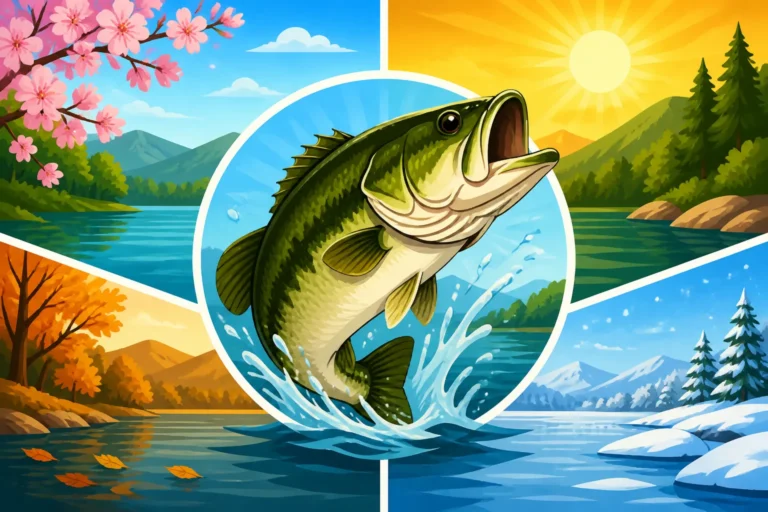
To truly master Kokanee fishing, you've got to think like a Kokanee. These fish have a fascinating, albeit relatively short, life cycle, typically spanning three to four years, culminating in a dramatic spawning run that signals the end of their journey. Understanding how their behavior changes throughout the year is your secret weapon to pinpointing the best times to fish.
The Spawning Run: Fall's Grand Finale
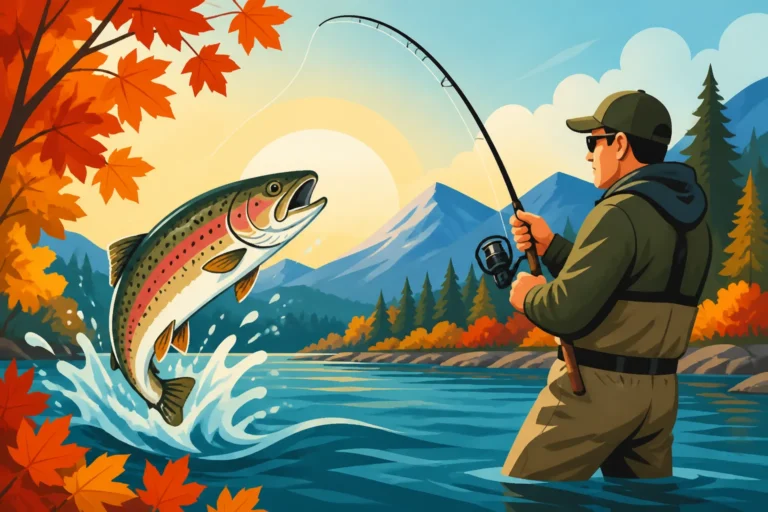
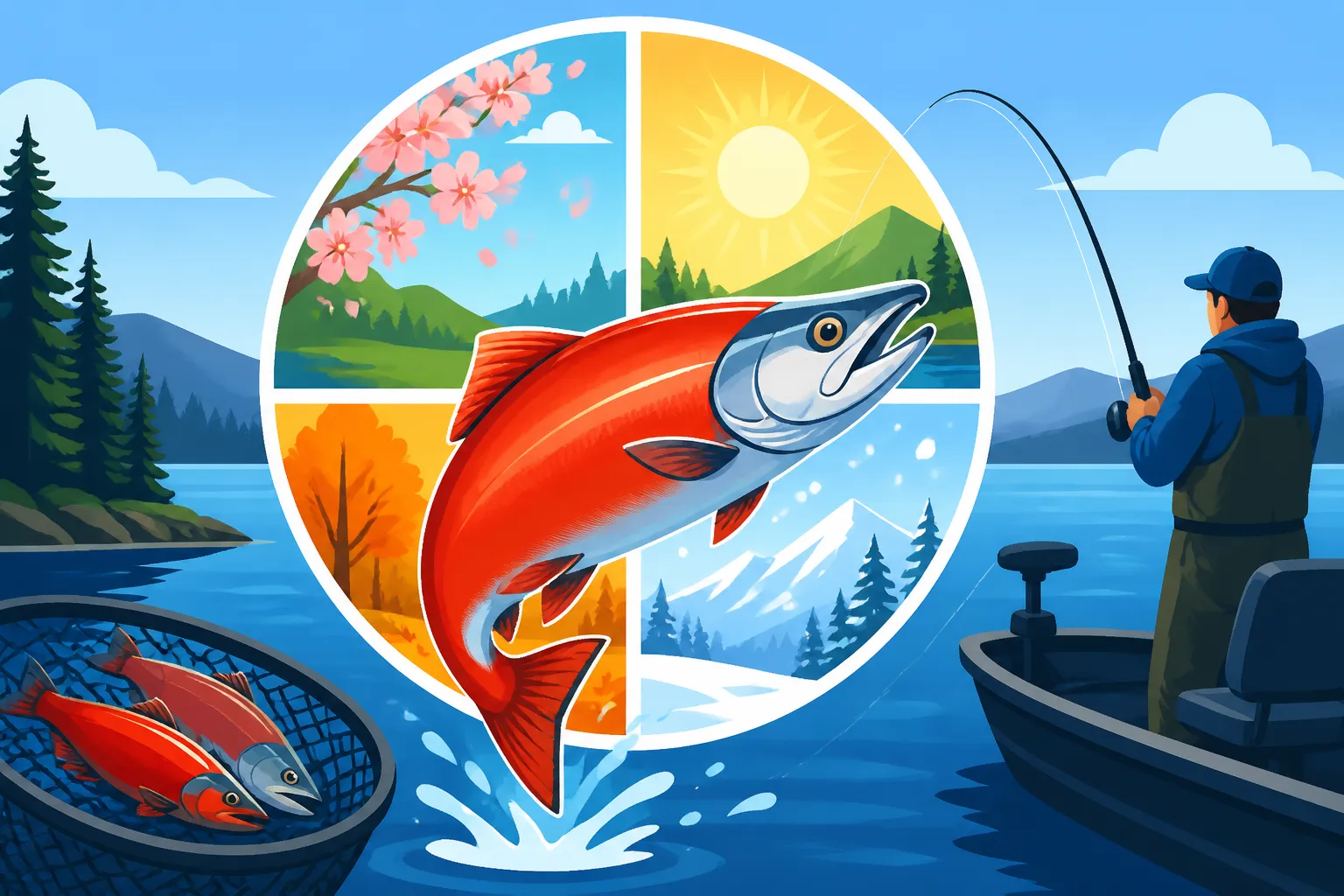
When late summer gives way to fall, typically from September through November, Kokanee in California embark on their final, most visually striking phase: the spawning run. This is when their silvery bodies transform into brilliant shades of red, and males develop that distinctive hooked jaw, or "kype." They push into the shallow waters of tributary streams or specific areas of the lake, driven by an instinct to reproduce. While the vibrant colors make them easy to spot, and they're often concentrated in large numbers, catching them during this period becomes significantly harder. Their focus shifts entirely from feeding to reproduction, making them incredibly reluctant to strike at lures or bait. Many anglers consider them poor eating quality during this phase as their flesh deteriorates. It's often a "look, don't touch" situation, and in some areas, there are specific regulations or closures during the spawn to protect the population.
Pre-Spawn Aggression: Summer's Peak Opportunity
Before the full-blown spawning colors take over, there's a golden window of opportunity, usually in late spring and throughout the summer months (June, July, August). This is the pre-spawn phase, and it's arguably the best season to catch Kokanee in California. During this time, Kokanee are still actively feeding, packing on nutrients and fat reserves in preparation for their arduous spawning journey. They're often found in the cooler, deeper parts of the water column, frequently congregating in schools. Their metabolism is high, and they're aggressively chasing down food, making them much more receptive to trolled baits and lures. This is when anglers typically find the biggest, brightest, and most delicious Kokanee of the year. The fish are often still silver, firm-fleshed, and full of fight.
Early Season Feasting: Spring Awakening
As winter's chill recedes and spring brings warmer temperatures, usually from March to May, Kokanee begin to shake off their winter lethargy. The water temperatures start to rise, and food sources like zooplankton become more abundant. This "spring awakening" is another fantastic time to target them, especially in shallower areas of the lake where the water warms first. They're actively feeding after a period of slower metabolism, looking to replenish energy. While they might not be as large or as brilliantly colored as their mid-summer counterparts, they are often numerous and eager to bite. Early spring can be a bit more unpredictable with weather, but a sunny, calm day can lead to incredible action. This is a great time to experiment with different depths, as they might be higher in the water column following the plankton blooms.
Prime Time for Kokanee: The Summer Sweet Spot
Without a doubt, for consistent action and quality fish, summer is the absolute best season to catch Kokanee in California. From June through August, these fish are in their prime, actively feeding, schooling, and providing excellent sport for anglers. This is when most charter operations are running full tilt, and serious Kokanee enthusiasts are out on the water.
Mid-Summer Tactics and Locations
During mid-summer, Kokanee gravitate towards the cooler, deeper thermocline layers of lakes. This is usually where the water temperature is optimal for them and where their primary food source, zooplankton, congregates. You'll typically find them anywhere from 30 to 100 feet deep, sometimes even deeper in very large reservoirs like Lake Tahoe or Lake Shasta. Trolling is the overwhelmingly popular and effective method. You'll need downriggers or lead core line to get your offerings to the correct depth. Popular lures include small hoochies, mini-squids, dodgers, and small spoons, often tipped with corn, maggots, or other scents. The key is to match the hatch, so to speak, in terms of size and color, mimicking the zooplankton they feed on. Patience and a good fish finder are crucial.
Many anglers employ a technique where they troll at a relatively slow speed, often between 1.0 to 1.8 miles per hour, using multiple lines at different depths to locate the active schools. It's not uncommon for boats to run two to four lines simultaneously, especially when permitted by California Fishing Regulations Explained. Knowing the specific depth where the fish are holding can turn a slow day into a banner one. Keep an eye on your fish finder for bait balls and arches, as Kokanee will often be found near these food concentrations.
Gear Up for Success: Essential Tackle
Having the right gear is non-negotiable for summer Kokanee success. You don't need heavy-duty saltwater tackle, but specialized gear definitely helps.
- Rods and Reels: Light to medium-light action trolling rods, often 7-9 feet long, are ideal. They provide enough backbone for the fight but are sensitive enough to detect the subtle bites of a Kokanee. Paired with a level-wind reel spooled with light monofilament or fluorocarbon line (6-10 lb test), you're in business. Some anglers prefer braided line for its sensitivity, adding a fluorocarbon leader.
- Downriggers or Lead Core: To reach those deep thermoclines, downriggers are king. They allow you to precisely control your depth. If downriggers aren't in your budget, lead core line is a viable, albeit less precise, alternative. Lead core changes color every 10 yards, with each color typically getting your lure down about 5 feet at a trolling speed of 1.5-2.0 mph.
- Lures and Attractors: This is where you can have a lot of fun. Small dodgers or flashers (like the popular Kokanee Killer or Shasta Tackle Sling Blade) are essential attractors. They create flash and vibration that draw Kokanee in. Behind the attractor, a short leader (6-18 inches) connects to a small lure such as an Apex Kokanee Special, a small Vance's Tackle dodger with a hoochie, or a wedding ring spinner. Brands like P-Line and Mack's Lures offer excellent Kokanee-specific gear available on Amazon. Don't forget to tip your lures with shoepeg corn (often dyed with attractants) or maggots for added scent and appeal.
Here's a quick reference table for common Kokanee gear setups:
| Gear Type | Specific Item Example | Purpose | Key Feature |
|---|---|---|---|
| Rod | Ugly Stik Elite Spinning Rod | Sensitivity & strength for trolling | Light-medium action, 7-9 ft |
| Reel | Daiwa Accudepth Plus Line Counter | Precision depth control | Line counter, level-wind |
| Main Line | P-Line CXX X-Tra Strong Monofilament | Durability and slight stretch | 8-10 lb test, high abrasion resistance |
| Leader | Seaguar InvizX 100% Fluorocarbon | Near invisibility underwater | 6-8 lb test, low stretch |
| Attractor | Shasta Tackle Sling Blade Dodger | Create flash and vibration | Multiple colors, various sizes (e.g., 4" or 5") |
| Lure | Mack's Lures Kokanee Killer | Mimics prey, entices strikes | Small hoochie or spoon, diverse color patterns |
| Bait Tip | Shoepeg Corn (dyed) | Scent and visual appeal | Scented and dyed for maximum attraction |
| Depth Control | Scotty Downrigger | Precise depth placement for trolling | Manual or electric, boom length |
Reading the Water: Signs of Active Kokanee
Being able to "read the water" is an invaluable skill. On many of California's renowned Kokanee lakes, such as Lake Shasta or Lake Tahoe, you might see concentrations of boats. This isn't just because those spots are popular; it's often because that's where the fish are. Keep an eye on your fish finder for arches, indicating individual fish or schools, and bait balls. Kokanee typically feed on zooplankton, which can appear as cloud-like structures on your sonar. Target your lures just above or directly within these bait balls. Pay attention to changes in water temperature and clarity, as these can influence fish depth. Furthermore, local fishing reports and conversations with other anglers or tackle shop owners can provide real-time insights into where the fish are biting and at what depth. Don't be afraid to ask for tips; most Kokanee anglers are happy to share some wisdom.
Lake-Specific Kokanee Seasons in California
California is blessed with numerous lakes that hold healthy populations of Kokanee, but the prime fishing window can vary slightly from one body of water to another due to local conditions, elevation, and water temperatures.
Northern California Hotspots
Northern California boasts some of the state's most iconic Kokanee fisheries.
- Lake Shasta: Known for its robust Kokanee population, Lake Shasta typically sees its prime season kick off in late spring (May) and extend through early fall (September). The fish here are often found at significant depths during the summer. Early season fish might be shallower, but by July and August, you'll be targeting them 60-100 feet deep. Local guides often track schools near the dam or in specific coves. For more detailed information on this massive reservoir, check out our guide on Lake Shasta Fishing Guide.
- Lake Tahoe: The magnificent Lake Tahoe offers a different challenge, with very deep, clear waters. Kokanee fishing here usually peaks from May through September. Tahoe Kokanee can be tricky, often requiring extremely light tackle and meticulous attention to detail. Anglers often find success near the "Stateline" area or along the North Shore. The unique conditions here mean subtle changes in lure presentation or speed can make a huge difference.
- Whiskeytown Lake: A smaller, but highly productive lake near Redding, Whiskeytown is another gem. Its Kokanee season generally runs from April to August, with excellent catches reported throughout early summer. These fish tend to be a bit shallower than in Shasta, making them accessible even without downriggers in the spring.
Central California Favorites
Moving south, Central California also offers fantastic Kokanee opportunities, particularly in its large reservoirs.
- Folsom Lake: Located near Sacramento, Folsom Lake is a popular spot for Kokanee. The best action here typically starts in May and runs strong through August. Depths can vary, but mid-summer often sees fish 40-80 feet down. Due to fluctuating water levels, staying updated on local conditions is key. Our article on Folsom Lake Fishing Guide provides more insights.
- Don Pedro Reservoir: This large impoundment in the Sierra Nevada foothills is another Kokanee haven. Its season generally aligns with Folsom, from May to late summer. Don Pedro often produces good numbers of fish, making it a great choice for anglers looking for consistent action. For more specifics, you might want to read up on Don Pedro Reservoir: Fish Species and Best Spots.
- New Melones Lake: Another large reservoir in the central part of the state, New Melones also offers quality Kokanee fishing. Expect the season to be strong from late spring through August. Like other large reservoirs, trolling with downriggers will be your primary method here. Check out the New Melones Lake Fishing Guide for more information.
Adjusting for Weather and Water Conditions
Even within the prime summer months, conditions can change rapidly. A sudden heatwave can push fish deeper, while an unseasonably cool spell might keep them shallower longer. Pay attention to recent weather patterns, water temperature, and lake levels. Online resources like the CDFW website and dedicated fishing forums often provide up-to-date reports that can help you fine-tune your approach. Apps that track water temperature and depth can also be invaluable tools, available for download or through marine electronics retailers on Amazon. Always be prepared to adjust your trolling depth, speed, and lure colors based on what the fish are telling you. This adaptability is what separates the consistently successful anglers from those who just hope for the best.
Beyond the Peak: Off-Season Opportunities and Considerations
While summer clearly shines as the best time to catch Kokanee, that doesn't mean you should pack away your gear the rest of the year. There are still opportunities, albeit with different challenges and rewards.
Winter Challenges and Rewards
Winter Kokanee fishing in California is definitely more niche and takes a certain level of dedication. Many lakes are too cold or inaccessible, especially in higher elevations. However, on some of the larger, lower-elevation reservoirs that don't freeze over, Kokanee can still be caught. They'll be much deeper, slower, and less active. You'll need to troll extremely slow, often at 0.5-1.0 mph, and present small, subtle lures or even vertical jigging techniques if you can locate schools on your fish finder. The rewards can be significant, as winter Kokanee are often very plump and firm, having conserved energy. It's a game of patience and precision, but for the dedicated angler, it can be a tranquil and productive experience away from the summer crowds. Just remember to bundle up!
Post-Spawn Strategies and Regulations
After the fall spawn, the vast majority of Kokanee die, completing their life cycle. This means there's no "post-spawn" fishing for the same generation of fish. You're effectively waiting for the next generation of younger fish to grow into catchable size. This further emphasizes why targeting the pre-spawn fish in summer is so crucial.
It's absolutely vital to stay on top of the latest California Fishing Regulations Explained published by the California Department of Fish and Wildlife (CDFW). Regulations concerning bag limits, size limits, and specific seasons can vary by lake and change year to year, especially for sensitive species like salmon. For Kokanee, report cards are generally not required unless they are being caught in waters that also host anadromous salmon species, but it's always best to verify. Always consult the current CDFW Sport Fishing Regulations booklet or their website before heading out. Knowing the rules not only keeps you legal but also helps protect the health of our fisheries for future generations.
The thrill of a Kokanee strike, followed by their distinctive head-shaking fight, is a truly special experience. By understanding their seasonal patterns, especially the prime summer window, and equipping yourself with the right knowledge and gear, you're well on your way to consistent success. Tight lines!
Disclaimer
Please note that fishing conditions, regulations, and fish behavior can change rapidly. Always consult the latest California Department of Fish and Wildlife (CDFW) regulations before any fishing trip. This guide provides general information and recommendations, and local conditions can vary.