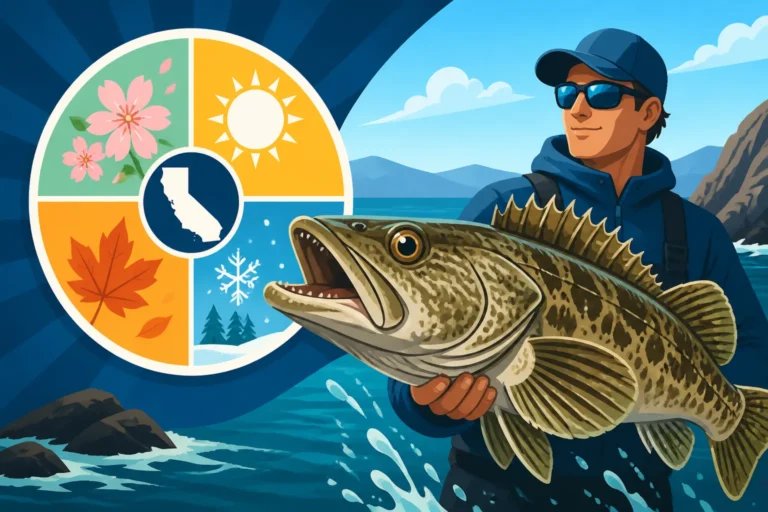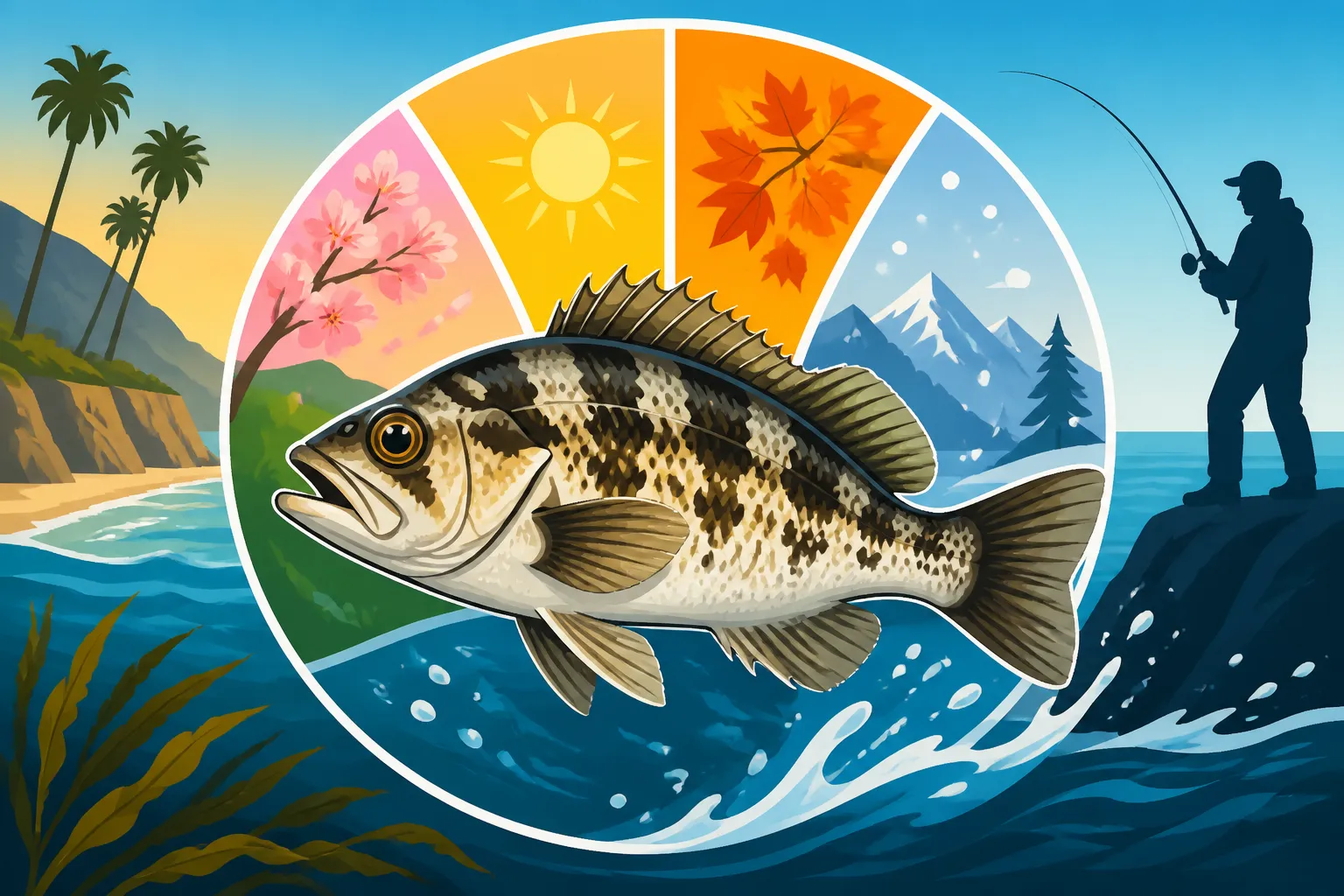
Best Season to Catch Calico Bass in California
It can feel incredibly frustrating to hit the water, eager to land some feisty Calico Bass, only to find the bite slow or nonexistent. Knowing when these aggressive kelp predators are most active is paramount to a successful trip, saving you time, effort, and that nagging feeling of "what am I doing wrong?" This comprehensive guide is designed to peel back the layers of Calico Bass behavior throughout the year in California, helping you understand their seasonal patterns, pinpoint the best times to target them, and arm you with the strategies to make every cast count.
Understanding Calico Bass Behavior Through the Seasons
Calico Bass, also known as Kelp Bass, are a quintessential Southern California sportfish, known for their powerful fights and their close association with rocky reefs and kelp forests. But like most fish, their activity levels and locations shift dramatically with the changing seasons, primarily driven by water temperature, spawning urges, and the availability of their favorite meals.
Water Temperature and Calico Activity
Calico Bass are highly sensitive to water temperature. Think of it like this: just as we humans prefer certain temperatures to be most comfortable and active, Calicos have their sweet spot. When the ocean waters are cool, say below 60 degrees Fahrenheit (around 15.5 Celsius), their metabolism slows down significantly. They become more lethargic, conserve energy, and often retreat to deeper, more stable environments. You might find them tucked tight into the heaviest structure, not venturing far for food.
As the water warms up, typically into the mid-60s to low 70s Fahrenheit (18-22 Celsius), it's like a switch flips. Their metabolism revs up, they become much more aggressive, and they'll actively chase down prey. This is when you'll see them patrolling the kelp lines, ambushing baitfish, and generally being far more receptive to your offerings. The clearer, warmer water also often brings with it clearer visibility, making them visual hunters.
Spawning Cycles and Their Impact on Fishing
The urge to reproduce plays a massive role in where Calico Bass are and how they behave. Calicos typically spawn from late spring through summer, generally peaking from May to August, though this can vary slightly by location and water temperature. Before the spawn, in what we call the "pre-spawn" phase, these fish are often incredibly aggressive. They're feeding heavily to build up energy reserves for the strenuous act of spawning, making them prime targets.
During the actual spawn, things can get a bit tricky. While some fish will remain aggressive, guarding nests or territories, others might become finicky or preoccupied. They might be found in shallower, rocky areas where they deposit their eggs. It's often a mixed bag, but don't count them out entirely. Post-spawn, as the fish recover from their reproductive efforts, they'll typically resume heavy feeding to regain strength, leading to another surge in activity. This cycle is critical to understanding California Calico Bass fishing.
Forage and Baitfish Availability
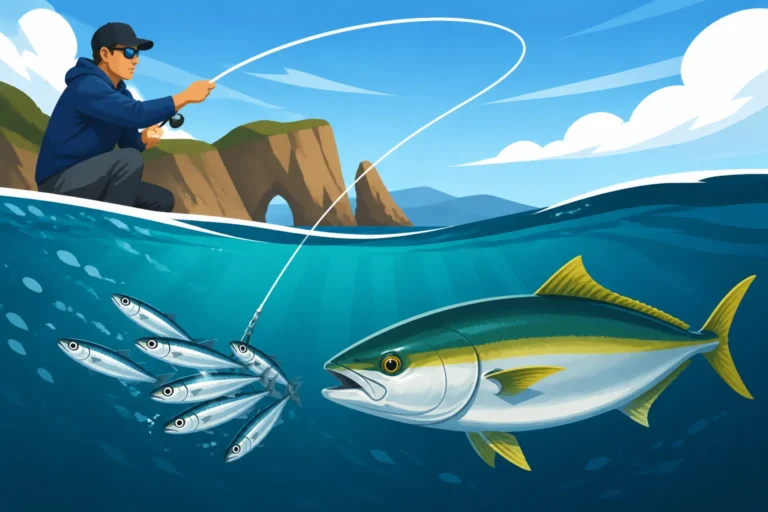
You know how when your favorite restaurant has a special, you're more likely to visit? Calico Bass are no different. Their movements are intrinsically linked to the availability of their preferred forage. When schools of anchovies, sardines, squid, or mackerel move into the nearshore waters and kelp beds, the Calicos follow. These baitfish migrations can dictate where the best bite is happening on any given day.
If the bait is abundant and schooling tightly, Calicos will often "boil" on the surface, pushing the bait against the surface or structure. This is an exciting, visual bite. When natural bait is scarcer, Calicos will rely more heavily on ambushing prey from within the kelp or around rocky reefs. Understanding these bait patterns, often gleaned from local fishing reports, is key to success. A good strategy is to keep an eye on what local bait shops like Everingham Bros. Bait Co. in San Diego are stocking, as it often reflects what the fish are feeding on.
Prime Time for Calico Bass: The Peak Seasons
If you're looking for the absolute best time to tangle with Calico Bass in California, you're primarily aiming for the warmer months. These seasons offer the most consistent action and often the largest fish, although every year is a little different depending on ocean conditions.
Spring: Pre-Spawn Blitz and Warming Waters
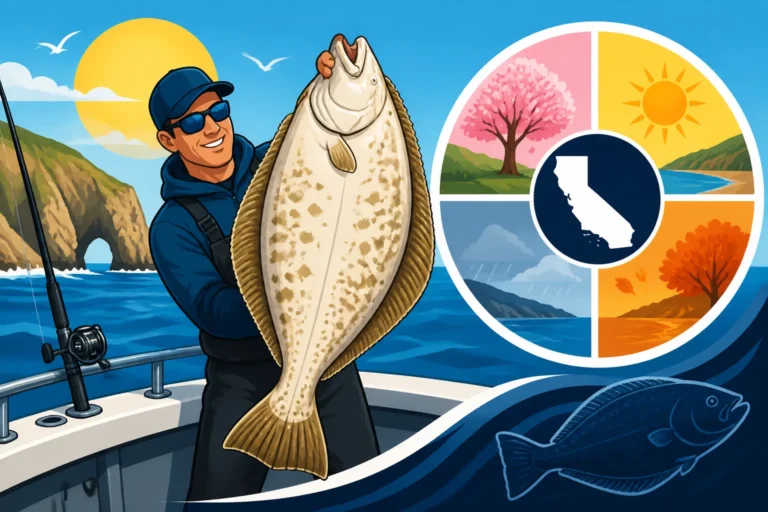
Late spring, typically from April through May, marks a fantastic transition period for Calico Bass fishing in Southern California. After the cooler winter months, the ocean waters begin to warm steadily. This warming trend signals to the Calicos that it’s time to shake off their winter sluggishness and start feeding aggressively in preparation for their upcoming spawn. The kelp beds and rocky reefs begin to flourish with new growth, providing ample cover and attracting baitfish.
During this pre-spawn phase, Calicos will move shallower, often holding on the edges of kelp paddies or around prominent rocky points. They are actively hunting, making them very susceptible to both live bait and a variety of artificial lures. This is a time when anglers can experience explosive topwater bites as Calicos chase bait to the surface. It's also a great opportunity to explore various methods, from surface iron to plastics, as the fish are less picky than they might become during the full spawn. If you're wondering How to Catch Calico Bass in California, starting in late spring is a great introduction.
Summer: The Height of Activity and Abundance
When June rolls around and stretches through September, you're officially in the prime season for Calico Bass. The ocean temperatures are at their warmest, consistently in the mid-60s to low 70s, which translates to hyper-active Calicos. Baitfish, from anchovies to sardines, are typically abundant in the nearshore waters and kelp forests, creating a vibrant feeding frenzy. This is when Calico Bass are at their most aggressive and widely distributed throughout their preferred habitats.
You'll find them pushing deep into the kelp, making for challenging but incredibly rewarding fishing. The thrill of a Calico exploding on a surface lure or pulling hard into the kelp is something every angler cherishes. While finding them in dense cover requires precision and quick reactions, the sheer volume of fish and their willingness to bite make summer an undeniable peak. Many anglers flock to popular spots like those found in the Best Fishing in Southern California to experience this summer bite. For those who enjoy a more agile approach, the California Kayak Fishing Guide can offer unique advantages for navigating kelp lines during these months.
Early Fall: Continued Action Before Winter Sets In
Don't pack away your Calico gear just yet when summer officially ends! Early fall, particularly October and often well into November, can still deliver exceptional Calico Bass fishing. The ocean temperatures remain relatively warm, especially in the southern parts of the state, and the fish are still feeding heavily. They know winter is coming and are busy fattening up, which means they're still eager to strike.
What makes early fall particularly enjoyable for some is the decrease in fishing pressure. Many summer vacationers have gone home, leaving more elbow room on the water. The bite might start to shift slightly as water temperatures gradually cool, possibly moving fish to slightly deeper kelp edges or structures, but the aggressive behavior often persists. If you pay attention to the California Fishing Seasons: Month-by-Month Guide, you'll see why these shoulder months are often underrated gems.
Off-Peak Seasons and Adapting Your Strategy
While spring, summer, and early fall offer the most consistent Calico Bass action, it doesn't mean you can't catch them during the colder months. It just means you need to adjust your expectations, tactics, and perhaps your definition of a successful trip.
Winter: Deeper Water and Slower Bites
Winter, from December through March, is generally considered the slowest season for Calico Bass fishing in California. The cooler ocean temperatures, often dipping into the low 50s Fahrenheit, cause their metabolism to slow dramatically. Calicos become much less active, their bites are more subtle, and they tend to retreat to deeper, more stable thermal zones. You'll find them holding tight to rocky reefs, high spots, and deep kelp beds, often in depths ranging from 60 to 120 feet or more.
During these months, you'll need to be patient and precise. Slower presentations are key, often involving dropshot rigs, leadhead and plastic combinations fished very slowly on the bottom, or even dead-sticking live bait. Your electronics become invaluable for finding these deeper schools of fish. It's a grind, no doubt, but catching a quality Calico in the dead of winter feels like a hard-earned trophy. If you're brave enough to venture out, checking what fish are biting by consulting California Fishing in Winter: What to Catch can give you a head start.
Transitional Periods: Finding the Pattern
The edges of the seasons—early spring (March) and late fall (November)—can be particularly challenging yet rewarding. These are times of flux. Water temperatures might be fluctuating, bait schools are migrating, and Calicos are transitioning between their winter and summer patterns. One day they might be deep and lethargic, the next they could be shallow and aggressive. This variability is what tests an angler's adaptability.
Success during these transitional periods often comes down to constant observation, flexibility, and a willingness to experiment with different depths and techniques. Keep a keen eye on water temperature gauges, observe baitfish activity, and don't be afraid to try both deep and shallow presentations until you find the prevailing pattern. This is where staying updated on local intel through resources like How to Read California Fishing Reports becomes incredibly valuable, as conditions can change day by day.
Techniques for Challenging Conditions
When the conditions aren't ideal, whether it's cold water, strong currents, or finicky fish, a few tactical adjustments can make all the difference. Finesse techniques become paramount. Instead of burning a surface iron, try a lighter leadhead with a smaller grub or worm, fished slowly along the bottom or through sparse kelp. Precision casting into tight pockets within the kelp structure can sometimes entice a bite from a reluctant fish that won't move far.
Live bait often shines when artificials fail. A frisky sardine or anchovy dropped into a deep kelp bed or along a rocky reef can be irresistible to a sluggish Calico. Make sure your live bait is healthy and presented naturally. Having a diverse tackle box is crucial; you can find a wide range of effective lures and plastics for these conditions on Amazon, from various sized leadheads to natural-looking soft plastics.
Gear, Techniques, and Essential Tips for Calico Bass
To consistently catch Calico Bass, especially when targeting larger specimens or fishing in challenging environments like dense kelp, having the right gear and a solid understanding of effective techniques is non-negotiable.
Recommended Rods, Reels, and Line
When it comes to Calico Bass, you need gear that can handle both the fight and the environment. These fish love to dive into kelp, and a weak setup will leave you heartbroken.
- Rods: Opt for a medium-heavy to heavy action rod, typically between 7 and 8 feet in length. The extra length helps with casting distance and keeping fish away from structure. A rod with a strong backbone is crucial for turning a Calico's head and pulling it out of the kelp. Brands like Phenix, Seeker, and Ugly Stik offer excellent options for this type of fishing.
- Reels: Depending on your preference, both conventional and heavy spinning reels work well. For conventional, a reel like a Shimano Tranx or a Daiwa Lexa is fantastic, offering powerful drag and good line capacity. For spinning, a robust 4000-6000 size reel from brands like Penn or Daiwa will provide the necessary torque and durability. You can find a wide selection of these high-performance reels on Amazon.
- Line: Spool up with 30 to 50 lb braided main line. Braid offers incredible sensitivity, no stretch for solid hooksets, and cuts through kelp more effectively than monofilament. Always use a fluorocarbon leader, typically 20-30 lb test, as it's nearly invisible underwater and more abrasion-resistant against the rough kelp and rocks. The length of your leader can vary, but generally 3 to 6 feet is a good starting point.
Top Baits and Lures for Calico Bass
Calicos are opportunistic feeders, so a variety of baits and lures can be effective, depending on conditions.
- Live Bait: This is often the undisputed king, especially when the bite is tough. Sardines and anchovies are top choices. Mackerel, squid, and even live smelt can also be highly effective. Hook them through the nose or the back for a natural presentation.
- Artificials:
- Swimbaits/Soft Plastics: These are incredibly versatile. Leadhead and grub combinations (e.g., Big Hammer, MC Swimbaits, Gulp! swimbaits) are fantastic for fishing around structure or deeper. Colors like greens, browns, and whites mimic natural baitfish. For surface action, weedless swimbaits can be cast directly into kelp.
- Surface Iron/Poppers: When Calicos are busting on bait, a surface iron (like a Tady 45 or Salas 7X) or a walking bait popper can trigger explosive strikes.
- Jigs: Heavy jigs, especially when fish are holding deep, can be deadly. Yo-yo jigging can entice reaction strikes.
- Hard Baits: Suspending jerkbaits or shallow crankbaits can be effective around kelp edges, particularly for species like the Lucky Craft Flash Minnow.
- Color Choices: In clear water, natural baitfish colors (greens, blues, silvers, whites) are usually best. In stained water or during low light, brighter colors like chartreuse, reds, or even purples can stand out and provoke a strike. Don't be afraid to experiment! Many of these proven baits and lures are readily available on Amazon for quick restocking. To learn more about specific presentations, check out Best Baits and Lures for Calico Bass in California.
Mastering Kelp Fishing Techniques
Kelp beds are the lifeblood of Calico Bass, offering shelter, food, and ambush points. Learning to fish them effectively is crucial.
- "Kelp Cutting": This technique involves casting a leadhead and plastic combo and retrieving it steadily, allowing the lure to "cut" through the kelp. The idea is to make noise and vibrations that attract attention without getting hopelessly snagged. Maintain steady contact and be ready for a strike as soon as the lure clears a patch of kelp.
- Vertical Jigging in Pockets: When fishing over deep kelp or rocky structure, look for open pockets or sparse areas on your fish finder. Drop a heavy leadhead or jig straight down into these openings and work it vertically. This can be effective for lethargic fish holding tight to structure.
- Casting Parallel to Kelp Lines: Instead of casting directly into the dense kelp, try casting parallel to the edge of a kelp paddy or along a prominent kelp line. Calicos often patrol these edges, waiting for bait to stray. This minimizes snags while putting your bait in the strike zone.
- Quick Hooksets and Extraction: When a Calico hits, it's often a hard, jarring strike. Set the hook immediately and powerfully, then reel like crazy to get the fish out of the kelp before it can wrap you up. This is where a strong rod and reel are invaluable.
- The "Calico Bass Shuffle": For those fishing from a boat, mastering the "shuffle" can save fish. When you hook a Calico that's trying to dive into the kelp, immediately motor the boat directly over the fish, allowing the line to come straight down through the kelp rather than sawing across it. This often frees the line and allows you to land the fish.
Strategic Planning and Local Knowledge
Even with the best gear and techniques, success often boils down to good planning and tapping into local wisdom.
- Check Local Fishing Reports: Before heading out, always check the latest fishing reports from local landings such as Dana Wharf Sportfishing, Davey's Locker, or Fisherman's Landing. These reports provide invaluable, up-to-the-minute information on what's biting, where, and on what tackle. Sometimes, you'll even find information on specific spots. For a deeper dive into understanding these reports, consider reading How to Read California Fishing Reports.
- Tides and Currents: Calico Bass are highly influenced by tides and currents. Often, a moving tide will activate the bite as it pushes baitfish around and stimulates feeding. Learn to read tide charts for your chosen fishing location and try to time your trips for periods of strong current flow.
- Fish with Experienced Guides: If you're new to Calico Bass fishing or unfamiliar with an area, consider booking a trip with a local guide or on a party boat. They have years of experience and intimate knowledge of the local waters. It's an investment that pays off in learning and often in fish caught. You can learn more about finding the right trip in our California Fishing Charters: Complete Guide or specifically for Southern California, explore Best Fishing Charters in San Diego. Remember that while on a charter, you generally don't need to worry about the California Fishing Report Cards Explained as the boat's license covers most things, but it's always good to clarify.
- Understand Marine Protected Areas (MPAs): California has numerous Marine Protected Areas (MPAs) where fishing is restricted or prohibited. Always consult up-to-date maps and regulations to ensure you are fishing legally. Navigating these rules is crucial, and you can get a better understanding from California Marine Protected Areas Explained. Always know the current California Saltwater Fishing Regulations before you go.
| Season | Calico Bass Activity Level | Typical Water Temperature | Key Characteristics | Recommended Tactics |
|---|---|---|---|---|
| Spring | High (Pre-spawn) | 60-65°F (15.5-18°C) | Warming waters, fish moving shallower, aggressive feeding before spawning. Kelp growing. | Surface irons, plastics on light leadheads, live bait (anchovies, sardines) around kelp edges. |
| Summer | Very High (Peak) | 65-72°F (18-22°C) | Warmest waters, abundant bait, highly aggressive fish, pushing deep into kelp. | Heavy plastics, surface irons, live bait. Focus on getting fish out of kelp quickly. |
| Early Fall | High (Post-spawn/Feeding) | 62-68°F (16.5-20°C) | Waters still warm, fish fattening up for winter, fewer crowds. Bite can remain strong. | Similar to summer, but might require slightly slower presentations as temps drop. |
| Winter | Low | 50-59°F (10-15°C) | Coldest waters, fish lethargic, move deeper (60-120+ ft), hold tight to structure. | Slower retrieves, smaller baits, dropshot, dead-sticking live bait, focus on electronics to find fish. |
| Transition | Moderate/Variable | Fluctuating | Fish adapting to changing conditions, can be found deep or shallow, patterns highly variable. | Flexibility is key; try various depths and presentations, rely on current fishing reports. |
Disclaimer
Fishing conditions and regulations in California can change frequently. Always consult the latest California Department of Fish and Wildlife (CDFW) regulations booklet or website before heading out. This guide provides general information and recommendations, but it is your responsibility to know and follow all current rules and laws.