California State Fish Records Explained
For many anglers, the thought of landing a truly colossal fish—one that might even break a state record—is a thrilling, almost mythical pursuit. But let's be honest, figuring out what actually constitutes a "state record" in California, how to even begin aiming for one, and what the rules are can feel like trying to untangle a hundred-pound snarl of fishing line. This guide is here to untangle all that for you, explaining the ins and outs of California's state fish records so you can understand what it takes to etch your name into the history books.
Understanding California State Fish Records
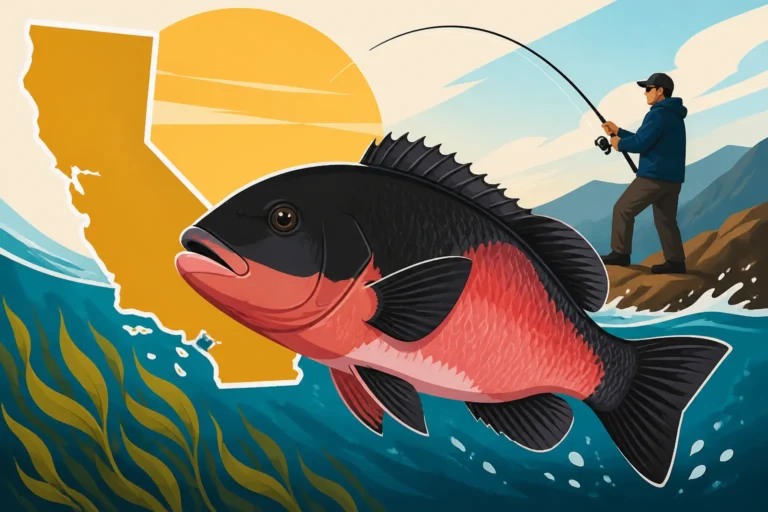
California's waters, both fresh and salt, are incredibly diverse, teeming with opportunities for anglers. From the high Sierra lakes to the deep offshore canyons, there’s a chance to hook into something truly spectacular. State fish records aren't just about bragging rights; they represent a significant achievement, a testament to skill, perseverance, and often, a little bit of luck.
What Defines a State Record Fish?
In California, state fish records are officially recognized by the California Department of Fish and Wildlife (CDFW). These aren't just informal boasts you hear at the local bait shop; they are meticulously documented achievements based on stringent rules and verification processes. A record fish isn't just big; it's the biggest officially recorded fish of a particular species, caught by a specific method, within state waters. The goal is to establish a clear benchmark for exceptional catches, encouraging ethical angling and recognizing extraordinary specimens. It’s about celebrating the peak of sportfishing in our beautiful state.
The Role of the California Department of Fish and Wildlife
The CDFW is the primary authority for validating and maintaining California's sport fish records. They oversee the application process, review evidence, and ultimately certify new records. This ensures that all records are legitimate and meet a consistent standard. Without their meticulous oversight, the system would quickly devolve into chaos, with everyone claiming a new record without proper proof. They publish a list of current record holders, which serves as both an inspiration and a challenge for anglers across the state. They also set the general rules and guidelines for fishing in California, which are crucial to understand before you even think about trying to catch a record-breaker. You can find comprehensive details in the official California Fishing Regulations Explained booklet, which is essential reading for any serious angler.
Diverse Categories of California Fish Records
It's not just about the heaviest fish overall! The CDFW recognizes various categories to ensure fair competition and acknowledge different angling disciplines. This makes the pursuit of a record accessible to more anglers, whether they prefer conventional tackle or the finesse of fly fishing.
All-Tackle Records: The Heaviest of the Heavy
The "All-Tackle" category is what most people think of when they hear "state record." This is for the absolute heaviest fish of a given species, caught using any legal fishing method. It’s the grand prize, the ultimate bragging right, and often involves massive fish like bluefin tuna, white sturgeon, or formidable largemouth bass. These records are tough to break because they represent decades, sometimes even a century, of anglers trying their luck. Landing an all-tackle record often requires heavy-duty gear, like a sturdy rod and reel combo that you might find on Amazon, capable of handling immense pressure, and a boat equipped to chase down powerful pelagic species. Think of the monstrous white sturgeon caught in the San Francisco Bay or the gargantuan striped bass from the California Delta – these are the fish that dominate the all-tackle lists.
Fly-Rod Records: The Art of Angling
For those who appreciate the grace and skill of fly fishing, the "Fly-Rod" records provide a dedicated category. These records recognize the heaviest fish caught exclusively on fly fishing tackle, adhering to strict fly-fishing regulations regarding leader size, fly type, and casting methods. This category celebrates the precision and art of fly angling, where skill often trumps sheer power. Imagine the challenge of landing a trophy trout or a powerful steelhead on light fly gear; it's a monumental achievement that requires a deep understanding of the fish, the water, and casting techniques. Anglers targeting fly-rod records often consult resources like the California Fly Fishing Guide to refine their approach and increase their chances. This category highlights the delicate balance between man and fish, emphasizing finesse over brute force.
Junior Angler Records: Inspiring the Next Generation
To encourage youth participation and celebrate the achievements of younger anglers, the CDFW also maintains "Junior Angler" records. These records are specifically for anglers under a certain age (typically 16 or 18, check current regulations for specifics) and allow them to compete among their peers. This is a fantastic initiative that inspires kids to get out on the water, learn about conservation, and develop their fishing skills. It gives them a tangible goal and the chance to experience the thrill of having their name in the record books. Imagine a young angler catching a particularly hefty rainbow trout in the Eastern Sierra and seeing their name recognized – it’s an experience that can ignite a lifelong passion for fishing. Many parents look for reliable fishing gear for their kids, and places like Amazon offer a wide selection of starter kits suitable for junior anglers.
Here's a simplified table of common record categories:
| Record Category | Description | Typical Tackle Used | Focus |
|---|---|---|---|
| All-Tackle | Heaviest fish of a species, any legal method | Heavy conventional gear | Raw size and weight |
| Fly-Rod | Heaviest fish of a species, fly-fishing gear only | Fly rod, reel, specific flies | Skill, finesse, adherence to fly rules |
| Junior Angler | Heaviest fish of a species, by anglers under a set age | Any legal gear, age-appropriate | Youth achievement, engagement in sport |
The Rigorous Process of Record Verification
Breaking a state record isn't as simple as catching a big fish and telling your buddies. There's a formal process designed to ensure integrity and accuracy. This can sometimes be frustrating for anglers eager to share their triumph, but it's essential for maintaining the credibility of the records.
Documenting Your Potential Record
If you believe you've caught a fish that might challenge a state record, the very first step is accurate and thorough documentation. This means having a certified scale to weigh the fish, taking multiple clear photographs from different angles, and having witnesses present. Don't rely on your buddy's bathroom scale! A certified weigh station, often found at a marina, tackle shop, or a local market, is crucial. The weight must be accurate to the nearest ounce or gram, and the scale itself needs to be certified by a state or local agency.
You'll also need precise measurements of the fish's length and girth. For photos, ensure the fish is clearly visible, preferably next to a ruler or other measuring device, and that the tackle used to catch it is also shown. The date, time, and specific location of the catch are also vital details. Any inconsistencies or missing information can lead to your application being rejected, which can be a real heartbreak after landing a fish of a lifetime. Think of it like building a case for a court — every detail matters.
Submitting Your Application and Awaiting Certification
After gathering all the necessary documentation, you'll need to complete an official state record application form, which is typically available on the CDFW website. This form will ask for detailed information about the catch, the angler, witnesses, and the verification of the weighing device. You'll then submit this application along with your photos and any other supporting evidence to the CDFW.
The waiting game can be the hardest part. The CDFW staff will meticulously review your application, potentially cross-referencing information and even contacting your witnesses. They might examine the species identification closely to ensure there's no confusion with a similar-looking fish. This process can take several weeks or even months. It’s a thorough investigation, and they take it seriously because once a record is certified, it stands. This diligent verification process is why California's fish records are so highly respected within the angling community.
Iconic California State Fish Records
California has a rich history of impressive catches, and its record books are filled with some truly legendary fish. These records highlight the incredible fishing opportunities available across the state, from its vast freshwater systems to its expansive Pacific coastline.
Freshwater Giants: Bass, Trout, and Sturgeon
California's freshwater systems are home to some massive record-holding fish. The state record largemouth bass, a true behemoth, was caught in Castaic Lake, a testament to the trophy bass potential of Southern California reservoirs. Anglers consistently chase these elusive giants, often using specialized lures and techniques. For those interested in catching similar impressive specimens, learning How to Catch Largemouth Bass in California can provide valuable insights. Similarly, the Golden State boasts remarkable trout records from its high Sierra lakes and rivers. The legendary Paiute cutthroat trout, a species unique to certain areas, also has its own specific records, often challenging anglers with their wary nature. And let's not forget the ancient, colossal white sturgeon that lurk in the depths of the San Francisco Bay and Delta. The current state record white sturgeon is an absolute monster, showcasing the incredible size these prehistoric fish can achieve. Targeting these giants often involves unique bait and patient fishing, as described in guides like How to Catch White Sturgeon in California.
Saltwater Monsters: Tuna, Halibut, and Yellowtail
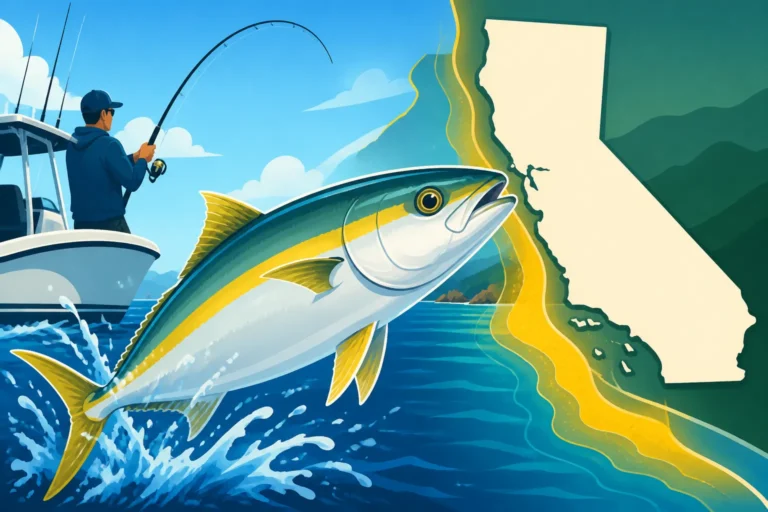
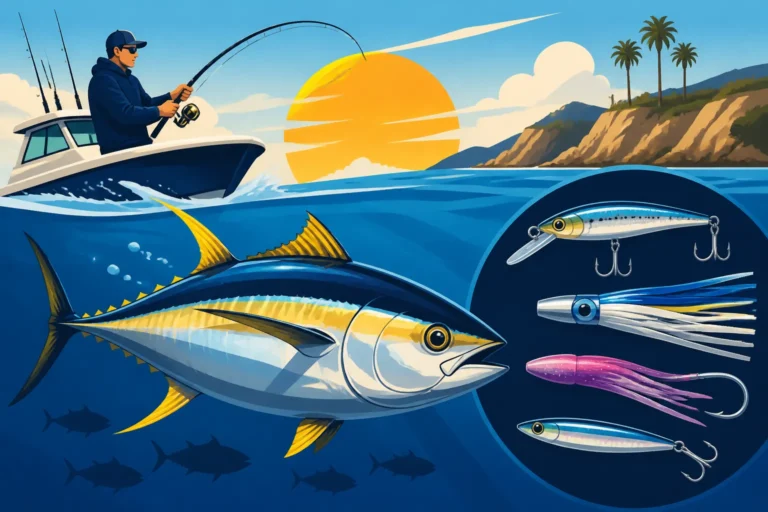
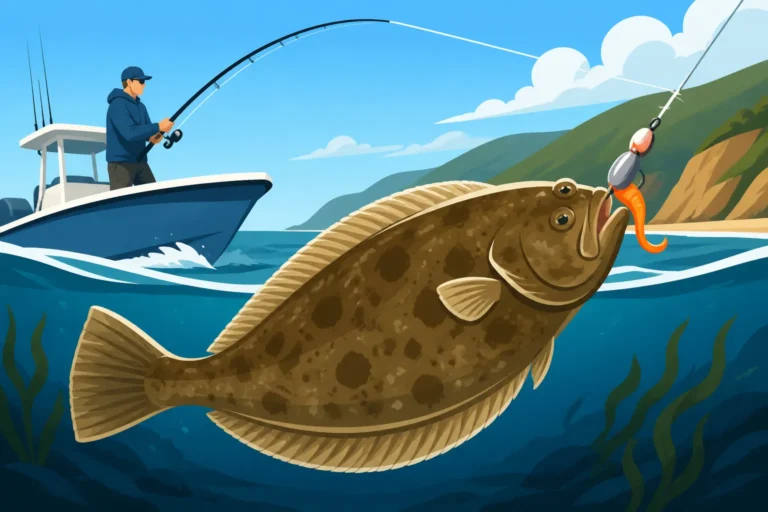
The Pacific Ocean off California’s coast offers a playground for those seeking saltwater records. Bluefin tuna, with their incredible fighting power and massive size, are frequent contenders for all-tackle records. Every season, anglers embark on thrilling offshore excursions hoping to land one of these torpedoes. The pursuit of these powerful fish requires robust gear and a keen understanding of offshore fishing tactics, often detailed in resources like How to Catch Bluefin Tuna off California. Then there are the California halibut, masters of camouflage, which grow to impressive sizes, particularly in the productive bays and nearshore waters. Their flat bodies and powerful runs make them a challenging and rewarding catch. The elusive yellowtail, known for their aggressive strikes and powerful fights, also hold significant records. Anglers flock to kelp beds and offshore islands during peak seasons, eager to hook into a "mossback" yellowtail. If you're looking to target these hard-fighting fish, a California Yellowtail Fishing Guide can be immensely helpful.
Your Quest for a California State Record
Thinking about aiming for a state record yourself? It's an ambitious goal, but not an impossible one. It requires dedication, knowledge, and often, a lot of time on the water.
Researching Your Target Species and Location
The first step in any record-breaking attempt is thorough research. You need to know your target species inside and out. What's its typical size? What's the current state record? Where are the biggest specimens usually found? What are their preferred habitats, diets, and seasonal movements? For instance, understanding the nuances of California Fish Species: Complete Guide can give you an edge. Many record-breaking fish come from specific, well-known trophy waters, but sometimes a new record is pulled from an unexpected location. Studying historical catch data and fishing reports can reveal patterns and hot spots. Sometimes, investing in specialized equipment, available at retailers like Amazon, can significantly improve your chances when targeting these specific species in their unique environments.
Beyond the species, consider the location. Do you need a boat, or can it be done from shore or a pier? Are there any specific regulations for that body of water, like special closures or gear restrictions? For saltwater anglers, looking into Saltwater Fish of California: What to Catch will narrow down your options, while Freshwater Fish of California: What to Catch is essential for inland pursuits. Knowing the Best Fishing Spots in California and the Best Times to Fish in California for your chosen species will drastically improve your odds. This isn't just about fishing; it's about strategic planning and understanding the ecosystem you're entering.
Essential Gear and Techniques for Trophy Fish
Catching a record-sized fish demands not just luck, but also the right tools and techniques. You'll likely need specialized gear that's tougher and more reliable than your everyday fishing setup. This might include heavier lines, stronger hooks, more robust rods, and reels with exceptional drag systems. For offshore species, investing in high-quality braid and fluorocarbon leaders is paramount. For freshwater giants, strong fluorocarbon lines and heavy-duty jigs or swimbaits might be the key.
Beyond the gear, mastering specific techniques is crucial. Are you drift fishing for halibut, trolling for tuna, or sight-fishing for bass? Each species and location might require a unique approach. For instance, if you’re chasing a trophy bass, you might need to perfect flipping and pitching techniques into dense cover, or accurately cast large swimbaits across open water. Learning about the Best Fishing Techniques for California Waters can give you a significant advantage. It's often the small details in technique and presentation that make the difference between a good catch and a record-breaker. Don't be afraid to experiment, but also learn from experienced anglers and guides who have spent years perfecting their craft.
The Impact and Legacy of State Records
State fish records are more than just numbers; they tell a story about California's fisheries and the dedicated anglers who explore them. They contribute to our understanding of fish populations and the health of aquatic environments.
Conservation and Awareness
The pursuit of state records, while exciting, also brings a heightened awareness to conservation. When an angler lands a truly exceptional fish, it highlights the potential of our waters and often sparks interest in protecting those resources. The stories behind record catches frequently emphasize sustainable practices, such as proper catch-and-release techniques for non-food fish, or adherence to bag and size limits. The CDFW, in certifying these records, inherently promotes responsible angling and respect for the fish. For example, knowing the California Salmon Report Cards Explained ensures you're contributing to valuable data that helps manage these populations. The emphasis on accurate species identification also underscores the importance of understanding the diverse marine life in California, including any protected species that might inadvertently be caught.
Inspiring Future Anglers and Advancing Knowledge
Every time a new state record is set, it sends ripples through the angling community. It inspires others to get out on the water, push their limits, and perhaps even dedicate themselves to breaking that new benchmark. These records also indirectly contribute to our scientific understanding of fish growth rates, habitats, and population dynamics. For instance, a record-breaking white seabass might lead researchers to investigate specific areas where these fish are thriving, informing future management decisions. The data collected from record applications, including location and tackle used, offers a snapshot of successful angling strategies and the health of various fisheries. This continuous cycle of challenge, achievement, and learning helps to keep the passion for fishing alive and ensures that California's incredible aquatic resources are appreciated and protected for generations to come.
Disclaimer
Please note that fishing regulations, record criteria, and available species can change. Always consult the latest official California Department of Fish and Wildlife regulations before heading out on the water to ensure compliance. This guide is for informational purposes only and should not be considered legal advice.