Lingcod in California: Where and How to Catch
There’s nothing quite like the thrill of hooking into a powerful, prehistoric-looking lingcod in California’s rich coastal waters. These fierce bottom dwellers are a favorite target for many anglers, known for their aggressive strikes and delicious white meat. If you've ever wondered where these toothy titans lurk or felt overwhelmed by the various techniques to reel them in, you're in the right place. This guide will dive deep into everything you need to know about finding and catching lingcod up and down the Golden State's magnificent coastline.
Understanding California Lingcod: The Ocean's Ambush Predator
Lingcod are truly fascinating creatures, and understanding a bit about their biology and behavior can make all the difference in locating and enticing them to bite. They're not true cod, despite their name, but rather a member of the greenling family, known for their formidable teeth and impressive size.
What Makes Lingcod So Unique?
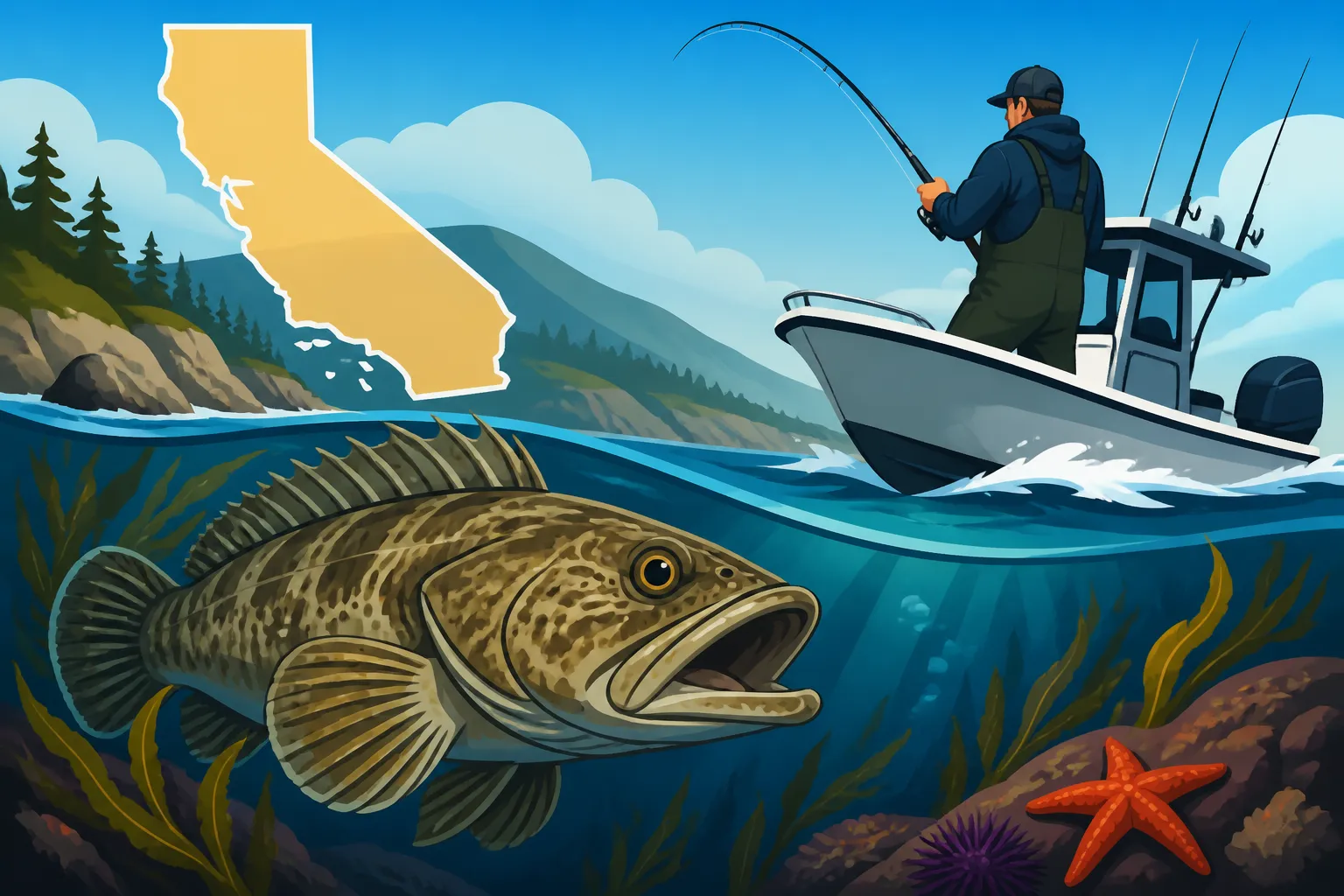
Imagine a fish that looks like it swam straight out of a dinosaur movie – that's a lingcod for you! They have an elongated body, typically mottled brown, grey, or greenish, allowing them to blend seamlessly with rocky seafloors. But what really stands out is their massive mouth, armed with hundreds of sharp, conical teeth. These aren't just for show; they're perfectly adapted for grabbing and holding onto prey. Lingcod are ambush predators, meaning they lie in wait, perfectly camouflaged, and then explode from their hiding spots to snatch unsuspecting fish or crustaceans. This aggressive nature is what makes them so much fun to catch; when a lingcod hits your bait, you'll definitely know it! They can grow quite large, with some specimens exceeding 50 pounds, though the average recreational catch is usually in the 10-25 pound range.
Lingcod Habitat and Preferred Depths
Lingcod are creatures of structure. They absolutely love rocky reefs, kelp forests, pinnacles, shipwrecks, and any other underwater features that provide cover and ambush points. They’re masters of camouflage, and these complex environments offer the perfect backdrop for their hunting style. You’ll typically find them in cooler, deeper waters, though juveniles can sometimes be found in shallower, inshore areas.
In California, lingcod generally prefer depths ranging from about 60 feet all the way down to several hundred feet, sometimes even deeper, depending on the specific location and time of year. During spawning season (typically late fall to early spring), they might move into shallower rocky areas, around 30-80 feet, to lay their eggs. For the rest of the year, they’ll often be found hugging the bottom around submerged rocks and ledges where baitfish like rockfish, mackerel, or squid congregate. Knowing this helps you narrow down your search, focusing your efforts on these prime structural zones.
Where to Find Lingcod in California
California's extensive coastline offers a plethora of prime lingcod habitat, from the rugged shores of the north to the more temperate waters of the south. Understanding regional hot spots and how to identify productive structures is key to a successful lingcod outing.
Top Lingcod Fishing Spots by Region
Lingcod are distributed throughout California's coastal waters, but some areas are consistently more productive than others.
- Northern California: This region, particularly around the Mendocino and Humboldt coasts, is legendary for its robust lingcod populations. Areas like the waters offshore of Fort Bragg, Shelter Cove, and Eureka are renowned for their rugged seafloor, replete with rocky reefs and pinnacles that lingcod adore. These colder, nutrient-rich waters support abundant baitfish, which in turn attract large lingcod. Charter boats often target specific deepwater reefs and rockpiles that are known producers.
- Central Coast: The Central Coast is another fantastic area for lingcod, with Monterey Bay and Morro Bay standing out as premier destinations. The Monterey Submarine Canyon creates incredible upwelling, bringing nutrients and baitfish close to shore, and its steep walls and rocky ledges are perfect lingcod territory. Head south to Morro Bay, and you'll find similar opportunities around the expansive reef systems and offshore structures. Anglers here often have great success fishing deep near the kelp beds and submerged rock formations. You might even stumble upon other exciting catches like California Rockfish Regulations and Limits while targeting lingcod in these areas.
- Southern California: While perhaps not as famed for sheer numbers of giant lingcod as the north, Southern California offers excellent opportunities, especially around the Channel Islands. Islands like Santa Rosa, Santa Cruz, and San Clemente boast expansive kelp forests, rocky reefs, and dramatic underwater topography that are magnets for lingcod. Spots closer to shore, particularly around Dana Point, Oceanside, and the offshore banks near San Diego, also hold good numbers. Deep water jigging around pinnacles and ledges is a popular and effective method here.
Remember, local knowledge is invaluable. Check recent How to Read California Fishing Reports from local bait shops and charter captains to get the most current information on where the bite is hot.
Identifying Productive Structures
Lingcod are ambush predators, meaning they don't roam far from their hunting grounds. They seek out places where they can hide and dart out to surprise prey. This means you need to focus on structure.
- Rocky Reefs and Pinnacles: These are the bread and butter of lingcod habitat. Submerged rock formations, especially those with ledges, crevices, and steep drop-offs, provide ideal hiding spots. When you're on a boat, a good fish finder is your best friend. Look for abrupt changes in depth, hard bottom readings, and marks that indicate fish holding tight to the bottom.
- Kelp Forests: Kelp beds, particularly those that extend into deeper water, are prime real estate. The dense canopy offers shelter and attracts a host of baitfish, making them perfect hunting grounds for lingcod. Fishing the edges of kelp beds or even dropping baits into lanes within them can be highly effective.
- Wrecks and Artificial Reefs: Man-made structures like sunken ships, old oil rigs (where permitted), and artificial reefs can also become fantastic lingcod habitat over time. These structures provide complex cover and attract marine life, creating mini-ecosystems that lingcod readily colonize.
- High Spots and Current Breaks: Any elevated structure or area where currents create eddies and food concentrates will attract lingcod. Think about how water flows over and around these features – lingcod will position themselves in spots where they can expend minimal energy while waiting for food to come to them.
Modern electronics, like high-definition sonar and GPS chart plotters with detailed bathymetric maps, can give you a huge advantage in identifying these productive structures. Sometimes, even simply moving along a rocky coastline, watching for breaking waves over shallow reefs, can indicate where the good structure begins.
How to Catch Lingcod: Techniques and Tackle
Successfully battling a lingcod often comes down to having the right gear and employing effective techniques. These fish are powerful, and their sharp teeth mean your tackle needs to be up to the task.
Essential Gear for Lingcod Fishing
You don't need highly specialized gear, but a robust setup will serve you well.
- Rods: Look for a heavy-action rod, typically 7-8 feet long, with a strong backbone to handle heavy weights and stout fish, yet a somewhat sensitive tip to detect subtle bites. Many anglers prefer boat rods designed for bottom fishing or even specific jigging rods. Brands like Penn or Shimano offer excellent options for this kind of heavy-duty fishing.
- Reels: A conventional reel (star drag or lever drag) is generally preferred over spinning reels for deep water lingcod fishing, especially when using heavier weights. It provides more cranking power and better control when fighting a big fish. A reel capable of holding at least 200-300 yards of 50-80 lb braided line is ideal. You can find reliable conventional reels on Amazon.
- Line: Braided line is almost a must for lingcod fishing. Its low stretch provides excellent sensitivity, allowing you to feel every bump and bite even in deep water. It also cuts through the water better, reducing drag from strong currents. A main line of 50-80 lb braid is standard.
- Leader: A heavy monofilament or fluorocarbon leader is crucial to prevent the lingcod's sharp teeth from cutting your main line. Use 60-100 lb test leader, typically 3-6 feet long. Fluorocarbon is less visible underwater, which can be an advantage in clearer conditions.
- Weights: Depending on depth and current, you'll need heavy sinkers, often 8-16 ounces, or even more in very deep water or strong drifts. Pyramid or torpedo sinkers work well.
- Hooks: Stout, sharp hooks are essential. Circle hooks (5/0 to 8/0) are excellent for live bait or chunk bait, as they tend to hook the fish in the corner of the mouth, reducing gut hooking and making release easier if necessary. J-hooks are also common for lures or dead bait.
Effective Lingcod Fishing Techniques
There are several tried-and-true methods for targeting lingcod, each with its own nuances.
- Jigging: This is one of the most popular and effective methods. Heavy metal jigs (often 6-16 oz) are dropped to the bottom and then retrieved with a series of aggressive lifts and drops, mimicking an injured baitfish. The key is to keep your jig close to the bottom, where lingcod lurk. Vertical jigging directly over structure is incredibly effective. The reaction strike from a lingcod can be violent and exhilarating. For those new to this, learning California Jigging Tips and Techniques can greatly improve your success rate.
- Bait Fishing (Bottom Fishing): This involves using live or dead bait presented near the bottom. A common setup is a "dropper loop" rig or a "trap rig" where your sinker is at the bottom, and one or two hooks are positioned above it. This keeps your bait right in the lingcod's strike zone. Let your weight hit the bottom, then reel up a few feet to avoid snags, and gently bounce the weight along the bottom as you drift.
- Drift Fishing: Often combined with bait fishing or jigging, drift fishing allows you to cover more ground and present your bait to a wider area of potential lingcod habitat. The boat drifts with the current or wind, slowly pulling your bait or lure over rocky reefs and ledges. Pay close attention to your rod tip for bites, and be ready to set the hook quickly.
- Live Bait Fishing: This is arguably the most effective method for larger lingcod. Using live mackerel, sardines, or even small rockfish (if legal and caught on site) can be irresistible to a hungry lingcod. A simple live bait rig involves a heavy sliding sinker above a swivel, then a stout leader to a large circle hook. Keep your bait lively and near structure, and be prepared for an aggressive take.
Best Baits and Lures for Lingcod
Lingcod are not picky eaters, but some offerings are definitely more productive than others.
- Live Bait: As mentioned, live mackerel, sardines, or even small rockfish are premier choices. The natural action and scent are incredibly alluring. If you can catch them on a sabiki rig before your main fishing, you’re in for a treat.
- Dead Bait: Large pieces of squid, whole dead mackerel, or sardines can also work wonders, especially when presented on a dropper loop rig. The scent trail can draw lingcod out of hiding. You can often purchase frozen squid or mackerel at local tackle shops, or even on Amazon for convenience.
- Soft Plastics/Swimbaits: Large paddle tail swimbaits, often 6-12 inches long, rigged on heavy leadheads (1-6 oz, sometimes more depending on depth), are fantastic. Colors like sardine, mackerel, brown, or green are often productive. Work them slowly along the bottom with hops and pauses.
- Metal Jigs: Heavy, flashy jigs in chrome, blue/white, or glow-in-the-dark patterns are incredibly effective, especially in deeper water. Yo-yo jigs, specifically designed for rapid drops and retrieves, are excellent for provoking reaction strikes. Popular brands include Salas, Tady, and Shimano Butterfly jigs.
- Grub Tails: Large grub tails (6-8 inches) on heavy jig heads (3-8 oz) can also be very productive. The curly tail provides enticing action on the retrieve.
Experiment with different baits and lures until you find what the lingcod are keying in on that day. Sometimes, a subtle presentation with natural bait is best; other times, an aggressive jigging action with a flashy lure will get their attention.
California Lingcod Regulations and Seasons
Fishing for lingcod in California means staying on top of the regulations, which can change yearly based on stock assessments and management goals. Compliance is essential for sustainable fishing and to avoid penalties.
Current Bag and Size Limits
The California Department of Fish and Wildlife (CDFW) sets specific regulations for lingcod, typically as part of the broader groundfish management plan. These regulations aim to manage fish populations for long-term health. Currently, as of my last check, the statewide recreational bag limit for lingcod is typically two fish per person, with a minimum size limit of 22 inches total length.
It's absolutely critical to always verify the most current regulations before heading out. Regulations can vary by management area (e.g., Northern, Central, Southern California), and often change annually. You can find the latest official rules on the CDFW website or in the current California Sport Fishing Regulations booklet, which you can usually pick up at any tackle shop or download online. Make sure you understand California Fishing Regulations Explained before your trip.
Seasonality and Depth Restrictions
Lingcod season in California also falls under the general groundfish season, but specific dates and depth restrictions can vary. Historically, the season might be open year-round in some areas, while others might have specific open and closed periods. For example, in the Central Management Area (roughly from Point Conception to the California/Oregon border), there can be specific dates when groundfish (including lingcod) fishing is allowed.
Perhaps even more important are the depth restrictions. To protect sensitive rockfish and lingcod populations, there are often strict depth limitations, particularly for specific times of the year or in certain areas. For example, during some periods, fishing for groundfish might be restricted to shallower waters (e.g., 60 feet or less), or deeper waters might open up later in the year. These depth rules are designed to protect spawning aggregations or specific sensitive species. Violating these depth restrictions can lead to significant fines and penalties. Always double-check the CDFW regulations for the specific management area you plan to fish in. Understanding California Rockfish Depth Restrictions is often tied to lingcod rules.
Another crucial aspect is the need for a valid California Fishing License. Everyone 16 years and older needs a license to fish in California, and you’ll want to make sure you’re familiar with the California Fishing License Guide.
Here's a quick overview table of general lingcod regulations, but always consult the official CDFW regulations for the most up-to-date and specific information:
| Regulation Type | General Guideline (Always Verify CDFW) | Notes |
|---|---|---|
| Bag Limit | 2 fish per person | Applies to recreational anglers. |
| Minimum Size Limit | 22 inches total length | Measure from the tip of the snout to the end of the tail. |
| Season Dates | Varies by Management Area | Check CDFW regulations for specific open/closed dates and depth limits. |
| Depth Restrictions | Varies by Management Area/Season | Crucial for groundfish; often restricts fishing to certain depths. |
| Required License | California Sport Fishing License | Mandatory for anglers 16 years and older. |
Keeping these regulations in mind is not just about avoiding trouble; it's about being a responsible angler and contributing to the conservation of California's incredible marine resources.
Lingcod fishing in California offers an exciting challenge and a rewarding experience for any angler. By understanding their habitat, employing the right techniques, and always adhering to current regulations, you'll be well on your way to catching these formidable fish. Get out there, explore those rocky reefs, and enjoy the thrill of the hunt! You might even find yourself inspired to explore California Halibut Fishing Guide or How to Catch Rockfish in California on your next adventure.
Disclaimer
Fishing regulations, seasons, and limits are subject to change at any time by the California Department of Fish and Wildlife. Always consult the official CDFW website or the current California Sport Fishing Regulations booklet before engaging in any fishing activity to ensure compliance. This guide provides general information and should not be considered legal advice.