Spotted Bass in California: Where and How to Catch
Trying to figure out where and how to hook into California's spotted bass can sometimes feel like chasing a ghost. These feisty, hard-fighting fish have become a formidable presence in many of our state's waterways, offering an exhilarating challenge that's distinct from their largemouth cousins. If you've been curious about targeting these aggressive beauties or simply want to understand them better, this guide is your deep dive into the world of spotted bass fishing here in the Golden State.
Understanding California's Spotted Bass
Spotted bass, or "spots" as they're affectionately called by anglers, are truly a fantastic sportfish, known for their aggressive strikes and powerful fights. They might not grow as large as the biggest largemouth, but what they lack in sheer size, they more than make up for in tenacity and a willingness to bite.
What Makes Spotted Bass Unique?
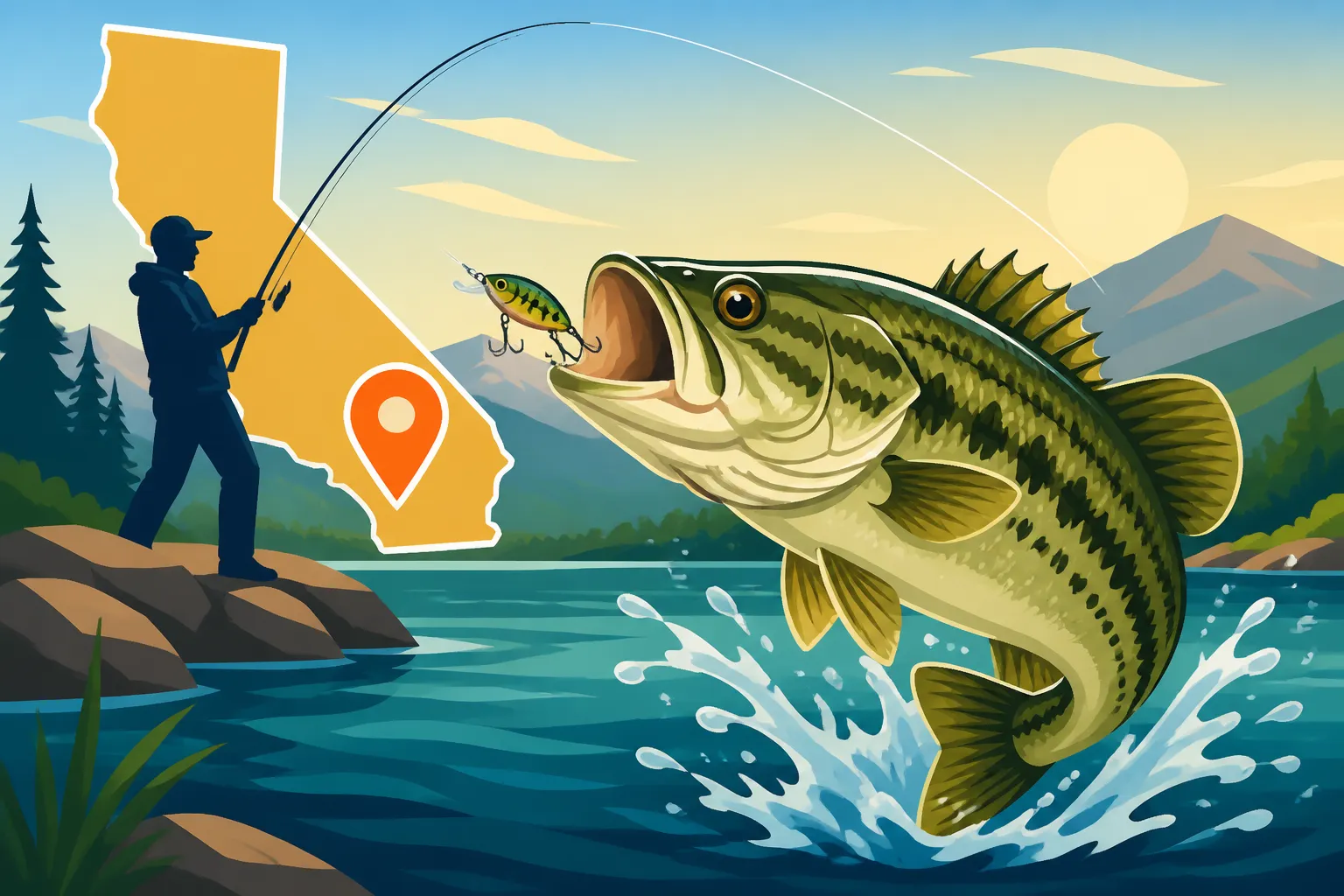
Spotted bass ( Micropterus punctulatus) are often mistaken for largemouth or smallmouth bass, but they have their own distinct characteristics that set them apart. The most obvious tell-tale sign is the patch of small dark spots that run in horizontal rows below their lateral line, which gives them their name. Unlike a largemouth, the jaw of a spotted bass doesn't extend beyond the rear edge of the eye when its mouth is closed. Their dorsal fin also features a noticeable dip between the spiny and soft-rayed sections, a trait they share more with smallmouth bass.
These fish are notoriously aggressive eaters. They're not shy about hitting a lure, often attacking with a ferocity that can surprise even experienced anglers. This makes them incredibly fun to catch, as you rarely have to wonder if you've got a bite – it's usually a definitive thump! on the end of your line. They're also often found in deeper water than largemouth, preferring clear, rocky areas, and they tend to school up more, meaning if you find one, you're likely to find more. It’s this combination of aggression and schooling behavior that makes them such a popular target.
Where They've Made Their Home: Key Habitats
Originally native to river systems in the central and southern United States, spotted bass were introduced to California in the mid-20th century, and boy, have they thrived! They’ve adapted incredibly well to our diverse reservoir systems, often outcompeting or hybridizing with native species in some areas, which is a consideration for conservationists. For anglers, however, their presence has opened up exciting new fishing opportunities.
In California, you'll typically find spotted bass dominating clear, deep, rocky impoundments. They love areas with steep drops, submerged timber, rock piles, and points. Unlike largemouth that often hug shallow cover, spots are perfectly comfortable suspending over open water or relating to structure in 20, 40, or even 60 feet of water. This preference for deeper, cooler, and clearer environments means they often occupy a different niche than largemouth, though you can certainly find them together in transition zones. This adaptability has allowed them to colonize many of California's large, man-made lakes, turning them into prime spotted bass fisheries.
Top California Spots for Spotted Bass
California boasts some truly exceptional spotted bass fisheries, particularly in the northern and central parts of the state where large, deep reservoirs provide ideal habitat. These lakes are famous not just for their numbers of spotted bass, but often for the size of the fish they produce.
Northern California Hotbeds
When most anglers think of spotted bass in California, their minds immediately drift to the colossal reservoirs of Northern California. These lakes offer the perfect combination of clear water, abundant rocky structure, and deep, cool conditions that spotted bass adore.
Lake Shasta stands out as a premier destination. This massive lake, with its countless coves, steep rock walls, and submerged timber, is absolutely teeming with spotted bass. Anglers here regularly pull in spots weighing several pounds, and the sheer volume of fish means you can have incredibly productive days. Whether you're drop-shotting a steep main lake point or throwing a swimbait at suspended fish, Shasta rarely disappoints.
Another powerhouse is Lake Oroville. Known for its deep, clear waters and intricate canyon topography, Oroville is a fantastic place to target quality spotted bass. The fishing can be challenging due to the depth, but the reward of a big, fat spot makes it all worthwhile. Similar to Shasta, focus on points, humps, and submerged timber. You can find more detailed information on specific techniques and seasonality by checking out our guide on how to fish Lake Oroville.
Then there’s New Melones Lake, a gem in the Sierra Nevada foothills. This lake is another prime example of a deep, clear impoundment where spotted bass thrive. It’s common to catch numerous spots in the 1-3 pound range, with bigger fish always a possibility. The lake's clear water often makes finesse techniques shine here, especially when the fish are pressured. For those interested in freshwater fishing, understanding the California Freshwater Fishing Regulations is crucial before heading out to these spots.
Bullards Bar Reservoir has also gained a reputation for producing absolute giant spotted bass. While the numbers might not be as high as Shasta or Oroville, the size potential here is phenomenal, with several state records coming from its waters. Its unique deep, clear, canyon-like environment seems to grow spots to truly trophy dimensions. If you're looking for a legitimate shot at a 7+ pound spotted bass, Bullards Bar should be on your radar.
| Lake Name | Region | Primary Features for Spots | Noted For |
|---|---|---|---|
| Lake Shasta | Northern California | Numerous coves, steep rock walls, submerged timber | High numbers, good size |
| Lake Oroville | Northern California | Deep, clear water, intricate canyon topography, steep drops | Quality fish, challenging |
| New Melones Lake | Central California | Deep, clear, Sierra Nevada foothills, varied structure | Consistent action, good size |
| Bullards Bar Reservoir | Northern California | Very deep, clear, canyon environment, steep rock | Trophy size potential |
Central and Southern California Opportunities
While the Northern California lakes are undeniably the superstars for spotted bass, Central and Southern California still offer some decent opportunities, though perhaps not with the same consistency or trophy potential. These areas might have fewer dedicated spotted bass fisheries, but when they do exist, they provide a great local option.
Lakes like Lake Berryessa in the Central Valley, while primarily known for its largemouth, do hold a healthy population of spotted bass, especially in the clearer, deeper sections. You'll want to focus on rocky points and main lake humps, often employing similar techniques as you would further north.
Further south, Lake Perris and Diamond Valley Lake in Southern California might offer occasional spotted bass catches, though they are much more known for their largemouth and smallmouth bass populations. The key here is to look for those same clear, deep, rocky areas that spots prefer. While not dedicated spotted bass lakes, it's not unheard of to hook into one while targeting other species. Always make sure to check the California Bass Fishing Regulations for any specific lake before you cast a line, as rules can vary slightly.
Ultimately, the general rule of thumb for finding spotted bass in California is to seek out those clear, deep reservoirs with abundant rock and steep contour changes. If you find yourself in such an environment, chances are you’ll find spots.
Mastering the Catch: Techniques and Tackle
Catching spotted bass consistently isn't just about finding them; it's about understanding their habits and presenting your bait in the most enticing way. These fish are aggressive, but they can also be finicky, especially when pressured or in very clear water.
Preferred Baits and Lures
Spotted bass are opportunistic feeders, but they do have some distinct preferences. Given their love for deeper water and their aggressive nature, a variety of techniques work well.
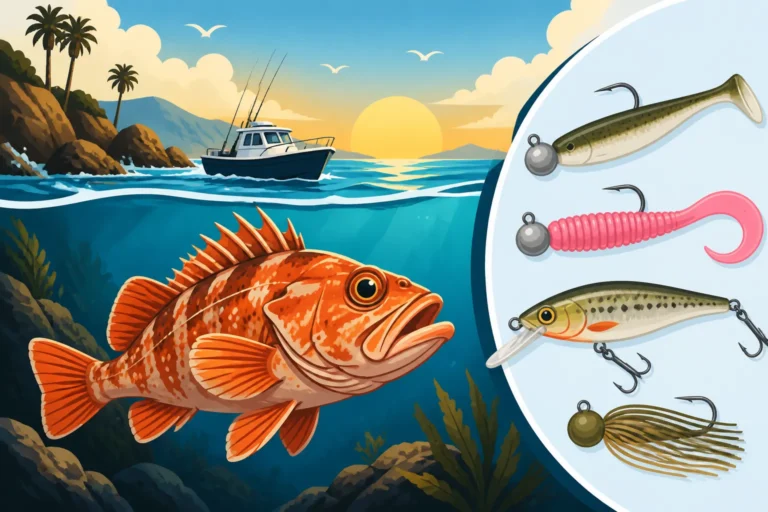
One of the most effective techniques, especially in clear, deep reservoirs, is drop-shotting. This involves a small soft plastic bait (like a Yamamoto Senko, Roboworm, or similar finesse worm) tied a foot or two above a weight. The beauty of the drop-shot is that it keeps your bait suspended directly in the fish's strike zone, even when you're fishing vertical structure or suspended schools. Many anglers find a vast selection of these specialized finesse worms on Amazon, making it easy to experiment with different colors and styles.
Shaky head jigs are another go-to. A small jig head paired with a straight-tail worm offers a subtle, enticing presentation that spotted bass just can’t resist. You can drag it, hop it, or dead-stick it on the bottom, and the bait will quiver, mimicking a feeding or injured prey.
When they’re more active, small swimbaits (3-4 inches) can be deadly. Rigged on a jig head and retrieved through schooling fish or around bait balls, these often elicit powerful strikes. Brands like Keitech and Lucky Craft make excellent options that can be found through various online retailers, including Amazon.
Deep-diving crankbaits are also effective when bass are feeding on baitfish in deeper water or along steep breaks. Look for crankbaits that can dive to the depth where the fish are holding. Jigs, particularly football head jigs with small trailers, can be excellent for hopping along rocky bottoms or through submerged timber.
For topwater enthusiasts, don’t count out spotted bass! During low-light conditions or when baitfish are pushed to the surface, spots will absolutely demolish a walking bait or popper. It’s one of the most exciting ways to catch them. Our California Bass Fishing Techniques guide offers more insights into these versatile methods.
Essential Gear and Rigging
Having the right gear makes a huge difference when targeting spotted bass. Given their powerful fights and the often deep, clear water, balance and sensitivity are key.
- Rods: A medium-light to medium power spinning rod (6'6" to 7'6") with a fast action tip is ideal for most finesse techniques like drop-shotting and shaky heads. For heavier jigs or crankbaits, a medium to medium-heavy baitcasting rod might be preferred.
- Reels: Pair your spinning rod with a sensitive 2000-3000 size spinning reel. For baitcasting, a high-speed gear ratio reel (7.1:1 or higher) is often advantageous for picking up slack and quickly retrieving lures. Many quality reels from brands like Shimano or Daiwa are readily available on Amazon.
- Line: This is crucial. For finesse techniques, a light fluorocarbon line (6-10 lb test) is often preferred for its low visibility and sensitivity. You can also use braided line (10-15 lb test) with a fluorocarbon leader for even greater sensitivity and casting distance. For heavier baits, straight fluorocarbon or monofilament (12-17 lb test) works well.
- Hooks and Weights: For drop-shotting, use specialized drop-shot hooks (e.g., #1 or #2 Gamakatsu or Owner) and cylindrical drop-shot weights (1/8 oz to 1/2 oz, depending on depth and current). For shaky heads, mushroom-style jig heads (1/8 oz to 1/4 oz) are standard. Ensure your hooks are sharp – spotted bass have tough mouths! Again, Amazon offers a massive selection of these smaller, specialized components.
Seasonal and Environmental Considerations
Just like any fish, spotted bass behavior is heavily influenced by the seasons, water temperature, and environmental conditions.
- Spring: As water temperatures rise into the 50s and 60s, spotted bass move shallower for the spawn. This is an excellent time for targeting them with jigs, shaky heads, and even topwater lures around rocky points and flats. Their aggression peaks during this pre-spawn and spawn period. Our guide on California Bass Spawn Timing and Tactics delves into this crucial time of year.
- Summer: When temperatures soar, spots retreat to deeper, cooler water. This is when drop-shotting, deep jigs, and slow-rolling swimbaits become highly effective. Look for them suspending over deep structure, feeding on schools of baitfish. Early mornings and late evenings might see them push shallower to feed.
- Fall: As water temperatures begin to drop, spotted bass often become incredibly active, feeding aggressively to build up fat reserves for winter. This can be a fantastic time for a variety of techniques, including crankbaits, swimbaits, and even larger topwater lures, especially when fishing near baitfish schools.
- Winter: During the coldest months, spotted bass will typically hold in the deepest parts of the lake, often near vertical structure or submerged timber. Slower, more subtle presentations like drop-shotting, small jigs, and even slow-trolling spoons can coax bites. They might not be as active, but they're still catchable. For a broader overview of seasonal strategies, our Best Season for Bass in California article offers more comprehensive advice.
Always pay attention to current local fishing reports and water conditions for the specific lake you're visiting. Factors like water clarity, recent rain, and even moon phase can all play a role in how and where spotted bass are biting.
Regulations and Conservation for Spotted Bass
Fishing for spotted bass in California is an absolute blast, but it's vital that we all do our part to fish responsibly and understand the regulations in place. This ensures that these fisheries remain healthy and enjoyable for generations to come.
Understanding Bag and Size Limits
Spotted bass fall under the general statewide regulations for black bass species in California. However, it's incredibly important to remember that specific lakes and regions can have special regulations that supersede the general rules. Always consult the current California Freshwater Sport Fishing Regulations booklet, available online through the California Department of Fish and Wildlife (CDFW) website or at licensed bait and tackle shops, before you head out. This booklet is your bible for all things regulation-related.
Generally, for black bass (which includes spotted bass, largemouth, and smallmouth), the statewide daily bag limit is 5 fish, with a minimum size limit of 12 inches total length. This means any bass you keep must be at least 12 inches long, and you can only keep a maximum of 5 bass combined of all black bass species. However, certain reservoirs, especially those with trophy bass management plans, might have stricter slot limits or higher minimum sizes. For instance, a lake might have a "no more than one bass over 18 inches" rule, or a "minimum 15-inch" size limit. Always double-check! Knowing the rules, as explained in our detailed guide on California Fishing Regulations Explained, helps avoid fines.
Responsible Angling Practices
Beyond just knowing your limits, being a responsible angler involves a few key practices, especially when it comes to a non-native species like the spotted bass.
- Catch and Release: While spotted bass are legal to keep, many anglers practice catch and release, especially for the larger, breeding-size fish. If you plan to release a bass, handle it gently with wet hands, minimize its time out of the water, and ensure it swims off strong before letting it go. Proper handling increases their survival rate significantly.
- Preventing Further Spread: Spotted bass are an introduced species, and while they've established themselves widely, it's crucial not to facilitate their spread into new bodies of water where they might negatively impact native fish populations. Never transport live fish from one water body to another. This is illegal and harmful to our ecosystems.
- Protecting Native Species: Be aware that spotted bass can sometimes hybridize with native smallmouth bass, and their aggressive nature can outcompete other fish. While angling for them, keep an eye out for any unintended impacts you might observe and report anything unusual to the CDFW.
By adhering to these guidelines, we can all enjoy the thrill of fishing for spotted bass while minimizing our impact on California's diverse aquatic environments.
Disclaimer
Please note: Fishing regulations, seasons, and limits are subject to change. Always consult the latest official California Department of Fish and Wildlife (CDFW) regulations booklet or their website before planning your fishing trip to ensure you are compliant with all current laws and regulations. The information provided in this guide is for general informational purposes only and does not constitute legal advice.