California One-Day Fishing License
That spontaneous urge to drop a line into California's incredible lakes, rivers, or ocean can hit you hard, but the idea of wading through a sea of regulations or committing to an expensive annual fishing license for just a day or a short trip often stops people in their tracks. Many anglers, especially visitors or those new to the sport, simply want a straightforward option. This comprehensive guide is designed to cut through the confusion surrounding the California One-Day Fishing License, outlining what it is, how to secure one, and whether it's the right choice for your next fishing adventure.
What Exactly is a California One-Day Fishing License?
Let's face it, sometimes you just want to go fishing today, without a long-term commitment. The California One-Day Fishing License is precisely for those moments, offering a short-term, convenient way to legally fish in California's abundant waters for a single calendar day. It's a lifesaver for casual anglers, tourists, or anyone who finds themselves with a sudden opportunity to get out on the water without the need for a full year of licensing.
Basic Definition and Purpose
At its core, a one-day fishing license grants you the legal privilege to take fish, mollusks, crustaceans, invertebrates, reptiles, or amphibians for a period of one specified calendar day. This isn't a 24-hour clock that starts ticking the moment you buy it; rather, it covers you from 12:00 AM to 11:59 PM on the date printed on the license. Think of it as your golden ticket for a specific day's fishing adventure, whether you're targeting trout in a mountain stream or halibut off the coast. The California Department of Fish and Wildlife (CDFW) designed these short-term options to make fishing more accessible, encouraging people to experience the state's diverse aquatic ecosystems without the barrier of a full annual fee. It’s an ideal entry point for exploring the California Fishing License Guide without a year-long commitment.
Short-Term Fishing Freedom
The beauty of the one-day license lies in its simplicity and flexibility. You pick a date, acquire the license for that day, and you're good to go. This makes it perfect for those impromptu weekend trips, a day out with family, or when you're visiting a new region like the Eastern Sierra or the coast around San Diego and want to try your hand at the local fishing scene. You don't have to worry about the license going to waste if your plans change next month, which is a common frustration with annual passes. It provides immediate freedom to enjoy the angling opportunities the Golden State has to offer, from freshwater lakes to vast ocean expanses.
Who Benefits Most from a One-Day License?
While an annual license is fantastic for dedicated, year-round anglers, it's not always the most practical or economical choice for everyone. The California One-Day Fishing License truly shines for specific groups and situations, providing a tailored solution that fits their unique fishing needs.
Casual Anglers and Tourists
If you're someone who only fishes a few times a year, perhaps during a family vacation to Lake Tahoe or a spontaneous beach trip to Santa Barbara, an annual license might feel like overkill. Why pay for 365 days when you only need one or two? This is where the one-day option becomes incredibly appealing. It allows casual anglers to enjoy the thrill of fishing without the pressure of maximizing a yearly investment. Similarly, visitors to California, whether from out of state or even international travelers, are prime candidates for this license. They get to experience California's world-class fishing—be it catching surfperch on a coastal beach or bass in Clear Lake—without navigating the full spectrum of requirements for a resident annual pass. It's often one of the first questions people ask: "Do You Need a License to Fish in California?", and for short trips, the answer is usually yes, with the one-day being the easiest solution.
Trying Before Buying
Thinking about getting into fishing but not sure if it’s for you? The one-day license offers a fantastic "try before you buy" opportunity. You can dip your toes into the water, literally, without a significant financial commitment. Imagine trying freshwater trout fishing in a stocked pond or venturing out on a party boat for rockfish. If you love it, great! You can then consider investing in a full annual license or even a California Two-Day Fishing License for your next outing. If it turns out fishing isn't your jam, you've only spent a minimal amount. This approach minimizes risk for beginners and helps foster new anglers without demanding an immediate, larger outlay.
Group Trips and Special Occasions
Organizing a fishing trip with friends, family, or a corporate outing? The one-day license simplifies things immensely. Instead of everyone needing to purchase a full annual license, which can be a barrier for less frequent anglers in the group, they can all easily grab a one-day pass. This is particularly useful for events like bachelor parties heading out on a charter boat for Yellowtail or family reunions where a day of pier fishing is on the agenda. It ensures everyone is legally covered without the hassle or expense of individual annual licenses. It also makes gift-giving easy; you can treat someone to a day of fishing without them having to figure out the long-term commitment. Just remember, even on a party boat or charter, you still need your individual license, unless you're fishing from a public pier where in some specific instances a license isn't required. Always check the rules, especially regarding California Pier Fishing License Rules.
How to Obtain Your California One-Day Fishing License
Getting your California One-Day Fishing License is designed to be a pretty straightforward process, whether you prefer the convenience of online shopping or a more traditional in-person experience. Knowing your options ahead of time can save you a lot of hassle when that fishing fever strikes!
Online Purchase Process
The easiest and often most recommended way to get your one-day fishing license is through the California Department of Fish and Wildlife's (CDFW) online license sales service. This digital portal allows you to purchase your license 24/7 from the comfort of your home, or even right from your phone while you're brainstorming fishing spots. You'll navigate to the CDFW's Automated License Data System (ALDS), create an account if you don't already have one, and follow the prompts. You'll need to provide some basic personal information like your name, date of birth, and physical address. After completing the purchase with a credit card, you'll typically receive a temporary license that you can print out immediately or save to your phone. This temporary license is valid for up to 30 days, giving you time for your official license to arrive in the mail. Just make sure to carry that temporary proof with you while fishing. For a more detailed walkthrough, check out our guide on How to Buy a California Fishing License Online.
In-Person Agents and Stores
If you prefer a face-to-face transaction, or if you're already out and about picking up bait and tackle, you can purchase a one-day license from various authorized license agents across the state. These agents are typically found in sporting goods stores like Big 5 Sporting Goods, many independent tackle shops, bait and tackle stores, and even some Wal-Mart or Kmart locations. These places usually have staff who are knowledgeable about the process and can answer quick questions. When buying in person, you'll need to provide the same personal identification. The agent will print out your license on special waterproof paper right there on the spot, so you walk away with a physical copy immediately. This can be super convenient if you're making a last-minute decision to fish or if you don't have access to a printer. Sometimes, these agents can even help clarify specific local regulations or advise on what additional stamps you might need for particular species. Don't forget, while you're there, it's easy to grab any last-minute gear you might have forgotten, or even browse tackle on your phone through retailers like Amazon to ensure you have everything you need.
What to Have Ready
Regardless of whether you purchase online or in person, having a few pieces of information handy will make the process much smoother. You’ll need:
- Your full legal name: As it appears on your government-issued ID.
- Date of Birth: To verify age and eligibility for any specific licenses.
- Physical Address: For mailing the official license (if bought online).
- Driver's License or ID Number: Essential for identification.
- Credit Card: For online purchases, or cash/card for in-person.
If you’re a non-resident, you’ll typically just need proof of your out-of-state residency. It's also a good idea to know what kind of fishing you plan to do (freshwater or saltwater) as this might dictate if you need additional endorsements like the California Ocean Enhancement Stamp. Being prepared ensures a quick and seamless transaction, getting you on the water faster.
Understanding the Cost and What's Included
When considering a California One-Day Fishing License, the cost is naturally a major factor. It's not just about the base price; sometimes, additional stamps or report cards are necessary depending on what you plan to catch and where you'll be fishing. It's crucial to understand the total potential outlay to avoid any surprises.
Current Pricing Breakdown
The price of a California One-Day Fishing License can fluctuate slightly year to year, so always check the official CDFW website for the most up-to-date figures. Generally, a single day license is significantly less expensive than an annual license, making it attractive for infrequent anglers. A one-day license for a resident or non-resident typically hovers around the $19 mark. This base fee grants you the general right to fish for one calendar day. However, it’s vital to remember that this is often just the starting point.
Here's a simplified look at the cost structure:
| License Type | Base Fee (Approx.) | Purpose |
|---|---|---|
| One-Day Fishing License | $19.00 | General freshwater and saltwater fishing for one calendar day |
| Ocean Enhancement Stamp | $6.00 | Required for fishing in ocean waters south of Point Arguello (Santa Barbara County), except for those under 16 or on a licensed party boat. |
| Steelhead Report Card | $9.00 | Required for anyone taking steelhead. |
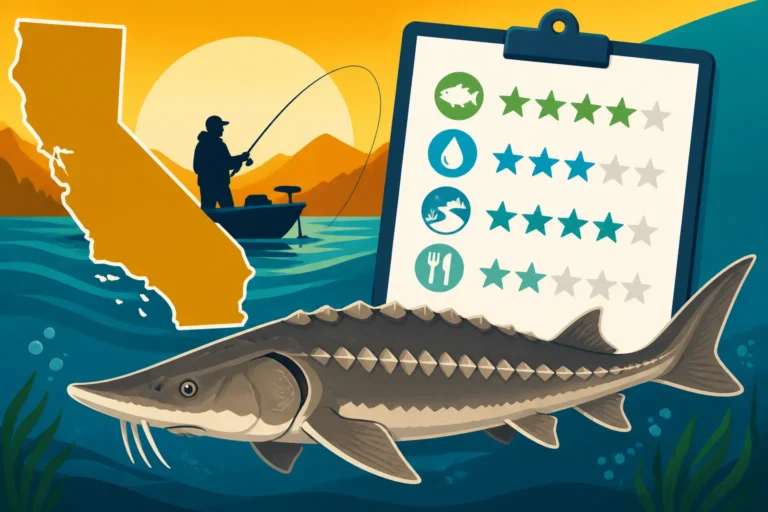
| Sturgeon Report Card | $9.00 | Required for anyone taking sturgeon. |
| Salmon Report Card | $9.00 | Required for anyone taking salmon. |
Prices are approximate and subject to change annually by the California Department of Fish and Wildlife.
As you can see, the base fee is one thing, but those add-ons can increase your total. It's a good idea to factor these in when you're planning your trip. For more detailed current costs, consult the official California Fishing License Cost page on the CDFW site.
Required Add-ons and Report Cards
Beyond the base fee, California has specific regulations that may require you to purchase additional stamps or report cards. These aren't optional if you plan on targeting certain species or fishing in particular areas.
- Ocean Enhancement Stamp: If you're planning to fish in the ocean waters south of Point Arguello (which is most of Southern California's popular fishing destinations like San Diego, Long Beach, and Santa Barbara), and you're 16 years or older, you'll need this stamp. The funds from this stamp go towards programs that enhance ocean fishing opportunities. You can purchase this easily alongside your one-day license.
- Report Cards: If your fishing goals include certain migratory or sensitive species, you'll need a specific report card. These include the California Steelhead Report Card, California Sturgeon Report Card, and California Salmon Report Card. These cards are crucial for the CDFW to monitor catch rates and manage fish populations. You must fill them out accurately and return them by the specified deadline, even if you don't catch any fish. Failure to do so can result in fines or prevent you from purchasing future licenses. This is a key difference between a license and a report card, which is often a point of confusion for new anglers. Check out California Fishing Report Cards Explained for more information.
It’s crucial to know what you intend to fish for before you make your purchase so you can get all necessary endorsements upfront. These additional costs contribute to conservation efforts and help ensure the sustainability of California's incredible fisheries, which is something we all want to protect.
Key Regulations and Limitations to Know
While a California One-Day Fishing License grants you access to the state's waters, it's not a free pass to fish however and wherever you please. California has a robust set of regulations designed to protect its diverse fish populations and ensure sustainable fishing for everyone. Understanding these limitations is just as important as having the license itself.
Species-Specific Rules and Seasons
Every fish species in California, whether it's the prized King Salmon in the Sacramento River or the hard-fighting Largemouth Bass in Clear Lake, has its own set of rules regarding bag limits, size limits, and open seasons. A one-day license doesn't exempt you from these. You must know what you're allowed to keep, how many, and if the season for that particular species is even open on your chosen fishing day. For instance, California Salmon Season Dates change annually, and California Halibut Size and Bag Limits are strictly enforced. Exceeding bag limits or keeping undersized fish can lead to significant fines. It's always best practice to consult the current California Sport Fishing Regulations booklet, available online through the CDFW website or at any license agent, before your trip. Getting comfortable with these rules is part of becoming a responsible angler, and our guide on California Fishing Regulations Explained is a great resource.
Geographic Restrictions and Marine Protected Areas
California is home to a vast network of Marine Protected Areas (MPAs) along its coast, which are essentially underwater parks designed to protect marine ecosystems. Fishing within or around these areas can have very specific rules, ranging from "no-take" zones where no fishing is allowed, to "limited-take" zones with highly restricted methods or species. Your one-day license does not override these restrictions. Before heading out to a coastal spot, especially popular ones like those around Monterey Bay or San Diego, take the time to research whether you're in or near an MPA. Ignorance of these rules is not an excuse, and wardens patrol these areas regularly. Similarly, certain inland waters might have special regulations, such as "catch-and-release only" or "artificial lures only" zones for trout. Always check local signs and regulations for the specific body of water you intend to fish. Our guide to California Marine Protected Areas Explained can help you navigate these important zones.
Limitations on Duration and Renewal
The most obvious limitation of a one-day license is its duration: it's valid for one specific calendar day only. This means if you buy it for a Saturday, it expires at 11:59 PM on that Saturday. You cannot carry over unused hours to the next day. If you decide to fish again on Sunday, you'll need to purchase another one-day license or a two-day license if you know you'll be fishing for two consecutive days.
The one-day license is primarily designed for convenience, not for frequent use. If you find yourself buying multiple one-day licenses within a year, it might be more cost-effective to consider an annual sport fishing license. The CDFW system will actually track your purchases, and if you hit a certain threshold of short-term licenses, it might prompt you to consider an annual option, recognizing that you’re becoming a more regular angler. This is particularly relevant if you plan multiple weekend trips or extended vacations.
Pros and Cons of Opting for a One-Day License
Deciding whether a one-day fishing license is the right fit involves weighing its benefits against its potential drawbacks. It's about finding the sweet spot between convenience, cost, and your personal fishing habits.
Advantages for Flexibility and Budget
The most compelling argument for a one-day license is its unparalleled flexibility. It's perfect for spontaneous trips, allowing you to seize the moment when the weather is perfect or you hear about a hot bite. There’s no pressure to fish regularly to get your money's worth, which is a huge relief for busy schedules. For tourists or those just visiting for a short period, it’s the only practical option, avoiding the higher cost and commitment of an annual pass. From a budgetary standpoint, the initial outlay is significantly lower, making fishing more accessible to casual participants. This reduced upfront cost means more money for quality gear, bait, or even a nice meal after a successful day on the water. Many anglers even find that browsing affordable gear options on Amazon before their trip can help stretch their budget further.
The ease of acquisition, especially online, also counts as a major pro. You can literally be on your way to a fishing spot, realize you forgot your license, and purchase one on your phone in minutes. This cuts down on unnecessary stress and prevents missed opportunities. It also allows anglers to test different types of fishing, perhaps saltwater one day and freshwater another, without being locked into a year-long commitment for a style they might not enjoy long-term.
Potential Drawbacks for Frequent Use
While the one-day license is great for occasional fishing, its primary drawback becomes apparent with frequent use: cost inefficiency. If you find yourself purchasing more than a handful of one-day licenses within a calendar year, you'll quickly spend more than the price of an annual license. For instance, if you buy five one-day licenses at roughly $19 each, you've already spent $95, which is nearing the cost of a full resident annual license (around $60) plus any necessary stamps. At that point, you’re essentially paying a premium for flexibility that might not be saving you money anymore.
Another potential frustration for more active anglers is the repetitive nature of acquiring the license. If you're out every other weekend, having to go online or visit an agent each time can become a tedious chore. An annual license, once purchased, is valid all year, offering peace of mind and convenience for regular outings. Plus, certain specialized stamps or report cards, like the California Freshwater Fishing Regulations or California Saltwater Fishing Regulations that might require specific report cards, still need to be purchased with each one-day license, adding to the per-trip cost.
When an Annual License Makes More Sense
So, when should you just bite the bullet and go for the annual license?
- If you fish more than a few times a year: Generally, if you plan to fish more than 3-4 days in a calendar year, an annual license usually becomes the more economical choice. Do a quick calculation: (Number of planned fishing days) x (Cost of one-day license + stamps) vs. (Cost of annual license + stamps).
- For dedicated anglers: If fishing is a significant hobby or passion for you, the annual license provides unlimited access for the entire year, allowing you to explore different seasons, species, and locations without needing to re-license.
- Simplicity and convenience: For the frequent angler, having one license that covers you for 12 months is simply less hassle. No need to remember dates, worry about expiration, or make repeated purchases. You can simply grab your gear, check the California Fishing Bag and Size Limits for your target species, and head out.
Ultimately, the choice comes down to your individual fishing habits and how often you realistically expect to wet a line. For many, especially those just starting out or on a quick trip, the one-day license is a fantastic, low-commitment gateway to California's amazing fishing opportunities.
Disclaimer
This article is for general informational purposes only and does not constitute professional advice. Laws, prices and regulations vary by location and change over time. Consult a qualified professional for guidance on your specific situation.