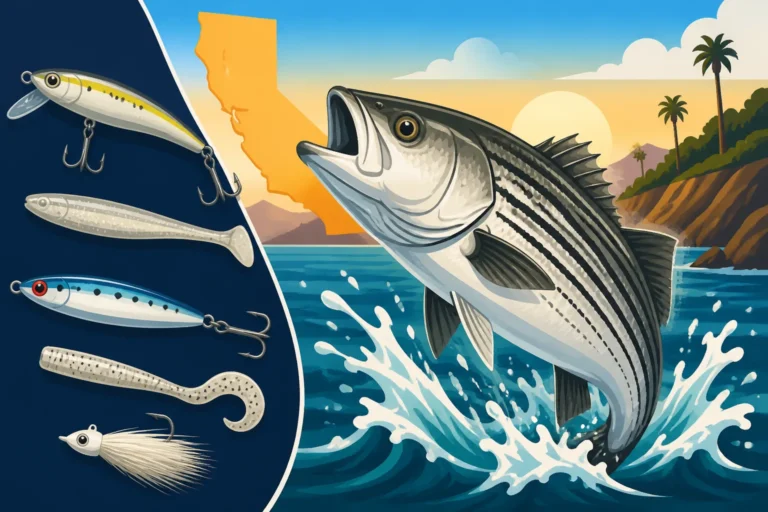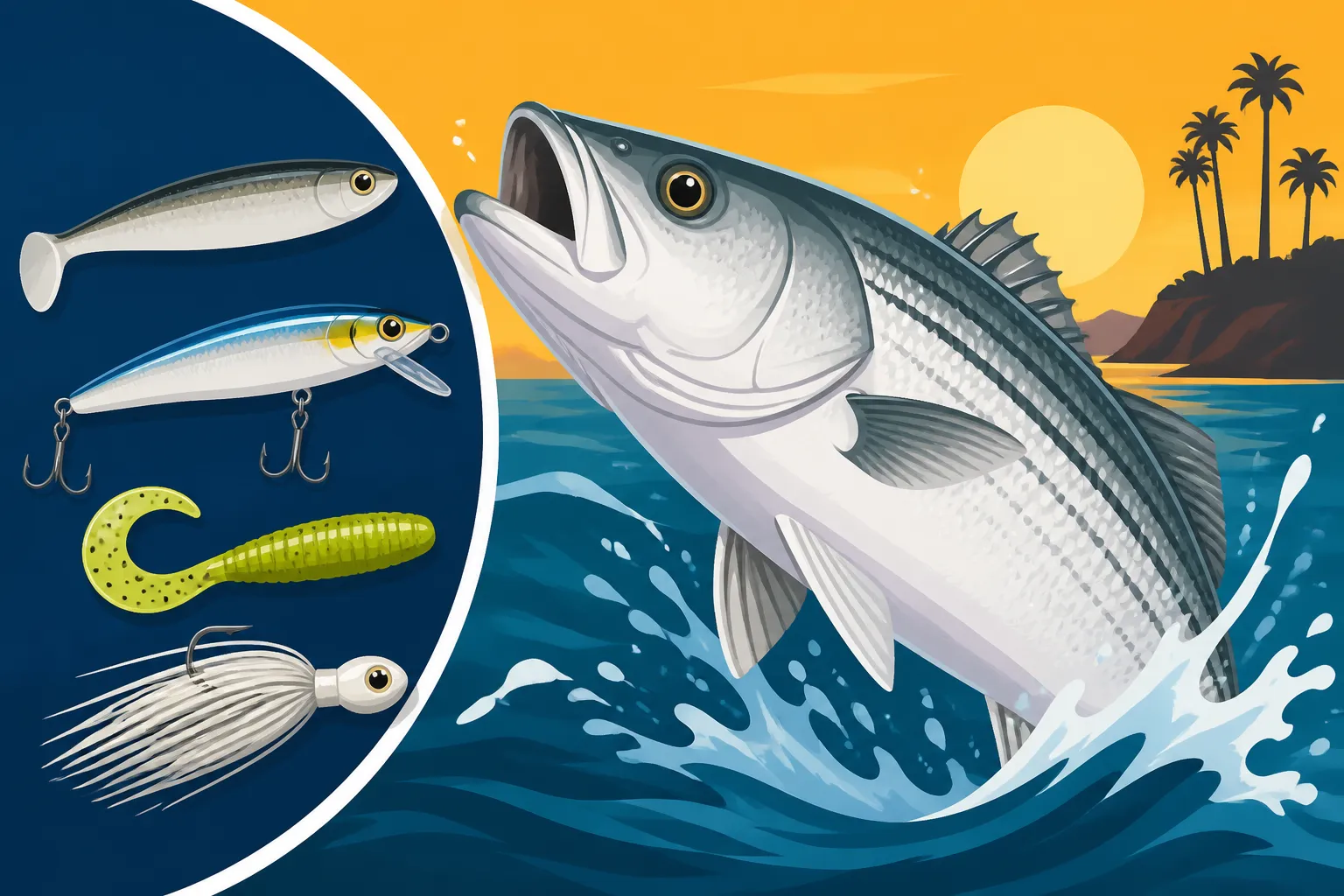
Best Baits and Lures for White Seabass in California
California’s white seabass, often called the "ghost of the kelp" due to their elusive nature and formidable fighting spirit, are a dream catch for many anglers. But getting them to bite can feel like a mystery, leaving many of us frustrated with empty hooks. This comprehensive guide will pull back the curtain on their preferences, helping you understand the very best baits and lures to entice these magnificent fish into striking, making your next outing a whole lot more successful.
Understanding White Seabass and Their Foraging Habits
Before we even talk about what to put on your hook, it’s crucial to understand the white seabass itself. These aren't your everyday, easy-to-fool fish. They're intelligent, often wary, and their feeding habits are finely tuned to their environment. Knowing how and where they forage is your first step to cracking the code.
The Elusive "Ghost" of the Kelp
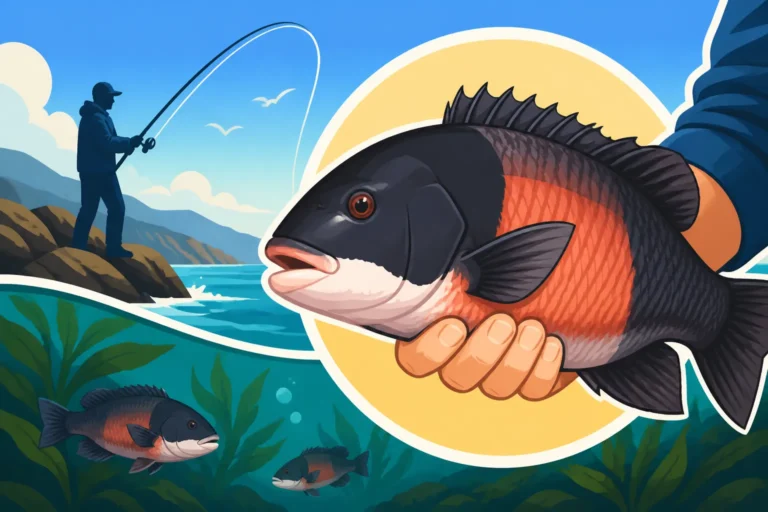
White seabass (Atractoscion nobilis) are truly a prized catch along the California coast. They get their "ghost" moniker not just because of their silvery, almost iridescent appearance, but because they have an uncanny ability to vanish into the kelp forests and rocky reefs they call home. One moment you might be marking a school on your sonar, the next, they're gone without a trace. This makes them incredibly challenging and rewarding to pursue. They prefer cool, clean water, often found near structure where they can ambush prey. From the Channel Islands down to San Diego, these fish patrol kelp beds, submarine canyons, and offshore islands, constantly on the hunt. The sheer thrill of hooking into one of these powerful swimmers, feeling that distinctive head shake, is what keeps anglers coming back, despite the inherent difficulties. They're strong fighters, capable of making powerful runs, especially when hooked near structure.
Their diet is quite varied but generally revolves around protein-rich meals. Squid, especially market squid, are an absolute favorite and often considered their primary food source when available. Beyond that, they'll readily devour schooling baitfish like anchovies, sardines, and even small mackerel. Occasionally, they'll feed on various crustaceans and even small pelagic crabs. What this tells us is that while they have preferences, they are opportunistic predators, and understanding what is available in their immediate environment often dictates what they'll bite. If the kelp forests are teeming with spawning squid, that's what you want on your line. If there's a huge school of anchovies moving through, a lively 'chovy might be the ticket.
Key Factors Influencing White Seabass Feeding
White seabass aren't just hungry all the time; their feeding behavior is influenced by a complex interplay of environmental factors. Ignoring these signs is often why anglers go home empty-handed. Paying attention to these subtle cues can dramatically increase your chances.
First and foremost is water temperature. White seabass thrive in water generally ranging from the mid-50s to low 70s Fahrenheit. If the water gets too cold or too warm, they'll often move to more comfortable depths or simply become less active. Surface temperature gauges and local California Fishing Reports are invaluable tools here. Then there's the current. White seabass, like many predatory fish, often position themselves in current breaks or along the edges of current lines, waiting for bait to be swept to them. A good, steady current can often mean an active bite, especially around structure or kelp edges. No current, or slack tide, often correlates with a slower bite.
Time of day also plays a significant role. Dawn and dusk are prime feeding times for many predatory fish, and white seabass are no exception. The lower light conditions give them an advantage over their prey. However, a strong bite can happen at any time if conditions are right, especially during a full moon or new moon period, which often correlates with strong tides and increased squid activity. Finally, the availability of natural bait is paramount. If there's a huge bloom of market squid, white seabass will key in on that exclusively. If you're using anchovies and they're feeding on squid, your chances are slim. Conversely, if squid are scarce but anchovies are abundant, live anchovies become a top choice. Watching the bait receivers at your local harbor, talking to bait vendors, or even observing diving birds and signs of baitfish on your sonar can give you critical clues. Understanding the California Fishing Seasons: Month-by-Month Guide can also provide insights into general bait availability and fish movements throughout the year.
Top Live Baits for White Seabass
When it comes to white seabass, live bait is almost always going to be your most effective weapon. There's just something about the natural movement, scent, and distress signals of a live offering that artificials struggle to replicate.
Squid: The Undisputed King
Ask any seasoned white seabass angler, and they'll tell you: live squid is the absolute best bait. Hands down. Nothing else comes close in terms of consistent effectiveness. White seabass feed on squid heavily, especially during spawning runs, and they simply can't resist a healthy, wiggling calamari. The scent trail it puts out in the water, combined with its natural movements, is an irresistible attractant.
When rigging live squid, presentation is everything. You want it to swim naturally and stay alive as long as possible. The most common method is nose-hooking. Simply pass a single hook, or the lead hook of a tandem rig, through the mantle just below the eyes. This allows the squid to jet backwards naturally. For a slightly different presentation, or if the squid is very large, you can tail-hook it, passing the hook through the tip of the tail. This makes the squid swim forward. Some anglers prefer a tandem rig, using a small assist hook near the tip of the mantle and a larger hook near the tail, especially for larger squid, to maximize hook-ups. The key is to keep the squid lively. Avoid handling it excessively, and keep your bait tank water fresh and oxygenated.
Finding live squid can be a challenge. Sometimes, bait receivers in places like San Pedro, Dana Point, or San Diego will have them, but supplies can be intermittent and pricey, especially when demand is high. Many dedicated seabass anglers will often catch their own squid using powerful lights at night and squid jigs, especially when the squid are "up" and spawning in shallow water. It's a skill in itself, but having a full tank of lively squid dramatically improves your chances. If live squid isn't available, even fresh dead market squid, cut into strips or left whole and fished on the bottom, can be effective, though less so than live.
Fin Bait Options: Anchovies and Sardines
While squid reigns supreme, live anchovies and sardines are excellent secondary options, especially when squid are scarce or when white seabass are actively feeding on schools of these baitfish. These small, oily fish create a lot of commotion and scent, which can draw in a curious seabass. They are also much more readily available at most bait receivers along the California coast.
Rigging anchovies and sardines effectively is crucial for a natural presentation. For both, nose-hooking is probably the most popular method. Pass a single hook through the tough cartilage of the nose. This allows the bait to swim freely and naturally. Another common method, particularly for larger sardines, is to hook them through the collar just behind the gills. This is a very secure method and helps the bait stay on the hook during long drifts or powerful casts. Some anglers also use a "butt-hook" or "vent-hook" method, passing the hook gently through the anal vent, which can be particularly effective when fishing in current as it allows the bait to swim headfirst into the flow.
The importance of using healthy, frisky bait cannot be overstated. A sluggish, dying anchovy or sardine is far less appealing to a discerning white seabass. Ensure your bait tank is clean, well-aerated, and not overcrowded. If you're buying bait, always select the liveliest ones. Remember, white seabass are ambush predators, and a struggling, injured baitfish often signals an easy meal.
Other Effective Live Baits
While squid, anchovies, and sardines cover the vast majority of situations, there are other live bait options that can work, particularly when the conditions or the fish's preferences shift.
Small mackerel, specifically Spanish mackerel (also known as greenbacks), can be surprisingly effective. These are larger and heartier than anchovies or sardines and can draw bigger bites, especially from larger white seabass that might be patrolling offshore kelp paddies or deeper reefs. Rig them similar to sardines, often nose-hooked or through the collar, making sure the hook size matches the bait size. You might even catch a mackerel or two while fishing for other species, and tossing one back out on a larger hook could pay off.
Smelt are another local baitfish that can be found along the coast. While not as universally effective as squid or anchovies, in areas where smelt are abundant and represent a significant portion of the white seabass's natural diet, they can be a great choice. They are usually hooked through the nose or the back, ensuring they swim naturally. Keep an eye on local bait conditions and listen to what the pros on party boats are using; sometimes, a less common bait becomes the hot ticket for a specific bite. Always be adaptable in your bait choice, as seabass can be notoriously picky!
Best Artificial Lures for White Seabass
While live bait often holds the advantage, there are certainly times and places where artificial lures can be incredibly effective for white seabass, especially when live bait is unavailable or when the fish are in a more aggressive mood. Modern lure technology has come a long way, offering realistic presentations that can trick even the wariest of ghosts.
Jigs: Mimicking Natural Prey
Jigs are probably the most versatile and widely used artificial lures for white seabass. They can effectively mimic squid, anchovies, or other baitfish, and their weight allows you to get them down to the fish in deeper water or strong currents.
The most common types are lead head jigs paired with soft plastic tails. These usually consist of a simple lead head (often in white, squid-colored, or natural baitfish colors) matched with a soft plastic curly tail or paddle tail grub. Popular choices include lead heads from brands like Big Hammer, or traditional jig molds poured by local tackle shops, paired with tails from manufacturers like Kalin's, Berkley Gulp!, or various local brands. Colors like white, natural baitfish patterns (greens, blues, silvers), and glow-in-the-dark are excellent for imitating squid. The technique often involves a "slow pitch" or "lift and drop" motion, allowing the tail to flutter seductively on the fall. You want to make it look like a dying or injured squid. Some anglers will also "sweeten" these jigs with a strip of fresh dead squid or a dab of commercial scent from Amazon.
Iron jigs are also effective, though perhaps less common than soft plastics for seabass. These are solid metal jigs, either "surface irons" (lighter, designed to be retrieved quickly on the surface or just below) or "yo-yo irons" (heavier, designed for vertical jigging in deeper water). While surface irons are generally too fast for seabass, yo-yo irons in white or chrome can be deadly when the fish are holding deep and actively chasing bait. The technique involves dropping the jig to the bottom and then retrieving it rapidly with a jerky, yo-yo motion. The key is to match the jig's profile and action to whatever the seabass are feeding on.
Swimbait Presentations
Soft plastic swimbaits have gained significant traction for targeting white seabass, especially in and around kelp beds. These lures offer a incredibly realistic baitfish profile and swimming action, making them a fantastic option for mimicking schooling fish.
Soft plastic swimbaits typically feature a lead head molded directly into the body or a separate lead head with a hook, to which a soft plastic body (often with a paddle tail) is attached. Brands like MC Swimbaits, Lead Head Lures, or even larger Keitech swimbaits are popular choices. The realism of these baits is key – they come in various sizes and colors that perfectly imitate anchovies, sardines, or mackerel. Fishing them subsurface around kelp and structure is where they shine. You can cast them to the edge of a kelp patty or drop them down along a kelp stringer, slowly retrieving them with a subtle twitch or pause. The idea is to make the swimbait look like a lost or easy meal.
Weighting considerations are crucial with swimbaits. You want enough weight to get the lure down to the strike zone, but not so much that it kills the natural swimming action. Often, a 1- to 3-ounce lead head is sufficient for most inshore kelp fishing scenarios. If you're fishing deeper or in stronger currents, you might need to go heavier. The goal is to present the swimbait at the same depth where the white seabass are holding, which often means just above or within the top canopy of the kelp.
Trolling Lures and Plugs
While less common than live bait or vertical jigging, trolling with lures and plugs can sometimes be an effective search method for white seabass, particularly when covering large areas or when the fish are scattered. It's not usually a go-to technique for a hot bite, but it can help you locate schools or entice a reaction strike from a solitary fish.
The types of plugs that might attract white seabass are generally those that mimic squid or larger baitfish. Deep-diving plugs or lipped crankbaits, often in white, chrome, or natural baitfish colors, can be effective when trolled at slow speeds along kelp edges or rocky structure. Brands like Rapala or Nomad Design offer various diving plugs that could be adapted for this purpose. The idea is to make the plug dive to the depth where seabass are likely holding and generate an erratic, injured-baitfish action.
Another option is to troll with large soft plastic swimbaits or umbrella rigs (though these are more commonly used for tuna or striped bass, a scaled-down version might entice a seabass). These are typically trolled very slowly, just fast enough to impart a natural swimming action. This method is usually employed when the white seabass are not actively feeding on a specific bait source, but rather reacting to a flashy, large presentation. It’s definitely a more specialized technique and often requires a lot of patience, but it can be rewarding if you hit the right school at the right time. For consistent success, most anglers will switch to live bait or jigs once a school is located.
| Bait/Lure Type | Pros | Cons | Best Use Cases |
|---|---|---|---|
| Live Squid | Unmatched effectiveness, strong scent, natural action. | Hard to obtain, expensive, requires specialized bait tank care. | Any time white seabass are active, especially during squid runs or around kelp and structure. |
| Live Anchovies/Sardines | Readily available, cost-effective, good natural action and scent. | More fragile than squid, can be easily eaten by smaller fish. | When white seabass are feeding on schooling baitfish, in good current, often found in open water or kelp edges. |
| Lead Head Jigs with Soft Plastics | Versatile, mimics various prey, good for deeper water/current, re-usable. | Less natural movement/scent than live bait, can be ignored by wary fish. | When fish are keyed into jigs, in deeper water, or when live bait is scarce. Great for mimicking squid. |
| Soft Plastic Swimbaits | Highly realistic presentation, durable, good for covering water. | Can be expensive, requires matching color/size to bait. | Around kelp beds and rocky structure, mimicking natural baitfish. Effective when fish are ambushing prey. |
Strategic Considerations for White Seabass Success
Catching white seabass isn't just about throwing out the right bait; it's about a holistic approach that considers location, presentation, and even scent. These are highly intelligent and often wary fish, so every little edge you can get matters.
Reading the Conditions and Location
This is where the art of seabass fishing truly comes alive. It's not enough to know there are white seabass in an area; you need to understand where they're holding and why. The importance of currents cannot be overstated. White seabass will often position themselves on the down-current side of structure – be it a kelp paddy, a rock pinnacle, or a submarine canyon edge – to ambush bait that gets swept past. A good incoming or outgoing tide, generating a decent current, is often a prerequisite for an active bite. Conversely, slack tide can mean a very slow bite as the fish become less active.
Water clarity is another critical factor. White seabass are sight feeders, and they prefer clean, often greenish-blue water. If the water is murky or full of red tide, they might move out of the area or become much harder to entice. Similarly, kelp line proximity is key. The edge of a dense kelp forest or a stringer extending offshore often acts as a highway or a feeding zone for white seabass. Understanding California Marine Protected Areas Explained is also crucial, as fishing is restricted or prohibited in many of these zones. Always check current regulations before dropping a line.
Learning to find those subtle signs of fish takes time and experience. This includes watching your sonar for tell-tale arches or bait balls, looking for diving birds (which indicate baitfish), and even listening to VHF radio chatter for reports from other anglers. Sometimes, a subtle change in the current, a slight drop in water temperature, or the presence of a few scattered baitfish on the surface can be the indicator you need to focus your efforts. A good skipper on a California Deep Sea Fishing Charter Guide will often have years of experience reading these nuances.
Presentation is Everything
You can have the best bait in the world, but if your presentation is sloppy, a white seabass will likely ignore it. These fish are incredibly sensitive to anything unnatural. Stealth is paramount. If you're drifting live bait, try to avoid loud noises on the boat. Drop your bait gently into the water; don't make a big splash. When casting, aim for a soft landing.
Natural drifts are the name of the game, especially with live bait. You want your bait to flow with the current, as if it's naturally disoriented or injured. This often means using just enough weight (a sliding egg sinker is common) to get your bait down to the desired depth, but not so much that it impedes its natural movement. If you're fishing with jigs or swimbaits, replicate the natural movement of a distressed baitfish or squid – a slow, fluttering fall, a gentle twitch, or an erratic dart. Avoid aggressive, unnatural retrieves that can spook the fish.
Using light tackle, within reason, is also a huge advantage. While you need enough backbone to fight a powerful fish, going too heavy on your main line or fluorocarbon leader can be detrimental. White seabass have excellent eyesight, and thick, visible line can deter them. Many anglers opt for 20-30 lb fluorocarbon leader for its low visibility and abrasion resistance, especially around kelp. The key is to find the balance between stealth and power. This delicate dance of presentation is often what separates the successful seabass angler from the frustrated one. If you're new to fishing in the Golden State, it’s always wise to review the California Fishing License Guide to ensure you're compliant with all regulations before you head out.
Adding Scent and Attractants
The debate over the effectiveness of adding scent and attractants to baits and lures has raged on for years, but for white seabass, many anglers swear by them. Given their keen sense of smell, it makes sense that an additional scent trail could draw them in, especially to artificial lures.
The primary reason to use scents is to add an olfactory component that artificial lures lack, or to enhance the natural appeal of live or dead bait. For jigs and swimbaits, applying a commercial attractant like Pro-Cure, Smelly Jelly, or other fish oils can make a big difference. Many of these products are made from real baitfish or squid extracts and come in convenient tubes or sprays that are easy to apply. You can find a wide variety of these on Amazon. The idea is to make your artificial offering smell more like a natural food source.
For live bait, scents are less about making it more natural and more about masking human scent or adding an extra layer of appeal if the bait isn't as lively as you'd like. Some anglers will dip their live squid in a concentrated squid oil just before deployment. For dead bait or strips of squid, adding a garlic-based scent or another strong fish attractant can help disoriented or old bait appear more appealing. The scent trail can draw fish in from a distance and encourage a bite from a hesitant fish. Experimentation is key here; what works one day or in one spot might not work in another. Sometimes, just having a clean, fresh bait with no foreign odors is enough, but a little extra scent often doesn't hurt and can sometimes be the subtle difference that triggers a strike. Remember to always clean your hands thoroughly after handling any bait or scent, especially if you're touching your fishing gear, which can pick up and transfer unwanted smells.
Disclaimer
Fishing regulations, seasons, and limits can change frequently. Always consult the latest official California Department of Fish and Wildlife (CDFW) regulations booklet or website before heading out. This guide is for informational purposes only and does not supersede official regulations.