Best Time of Year to Catch Brook Trout in California
Figuring out the absolute best time of year to chase those gorgeous, feisty brook trout in California can feel like trying to solve a cryptic puzzle, especially with our state's incredibly diverse and ever-changing landscapes. Many anglers get frustrated by conflicting advice or the sheer scope of options, but trust me, with a little seasonal insight, you can consistently find success. This guide is going to break down exactly when and where to target brookies, so you can make the most of your trips.
Understanding Brook Trout Behavior and Habitat
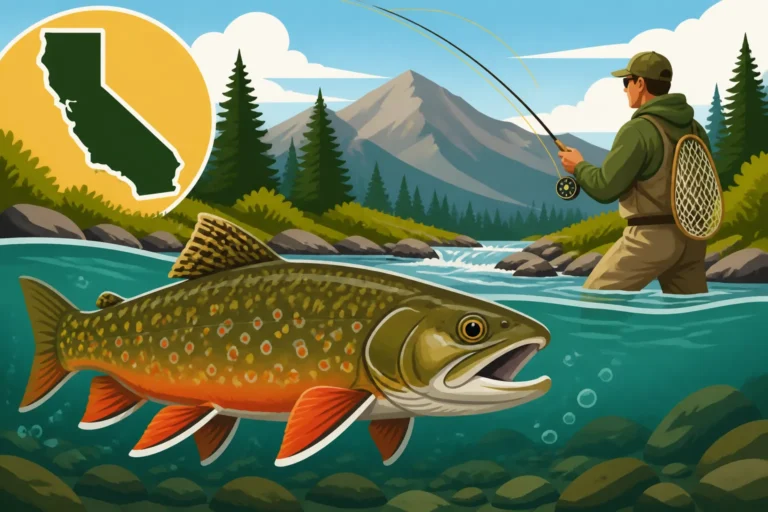
Before we dive into the "when," let's chat about the "what" and "where" when it comes to California's brook trout. These aren't your typical hatchery-raised rainbows; brook trout, or Salvelinus fontinalis, are actually a type of char, native to the eastern United States, but they've found a fantastic home in many of California's high-elevation, pristine waters. They thrive in cold, clear, well-oxygenated streams, rivers, and especially alpine lakes. Think remote, serene environments with plenty of cover like fallen logs, undercut banks, and rocky bottoms.
Their metabolism is directly tied to water temperature. When the water is cold, they’re slower and less active. As it warms up, they become much more energetic and focused on feeding. This sensitivity to temperature is a huge factor in planning your trips. In California, this usually means that the best brook trout fishing is found as you climb in elevation, escaping the warmer valley temperatures.
Brook trout are opportunistic feeders, meaning they'll pretty much eat anything that looks like a meal. This includes insects – both aquatic and terrestrial – small baitfish, crustaceans, and even tiny frogs. Their diet changes with the seasons and what's available, so understanding the prevalent insect hatches or forage in a given area can significantly boost your success. It's a dance between water conditions, food availability, and their inherent need to survive and eventually reproduce.
Spring: The Awakening After Winter
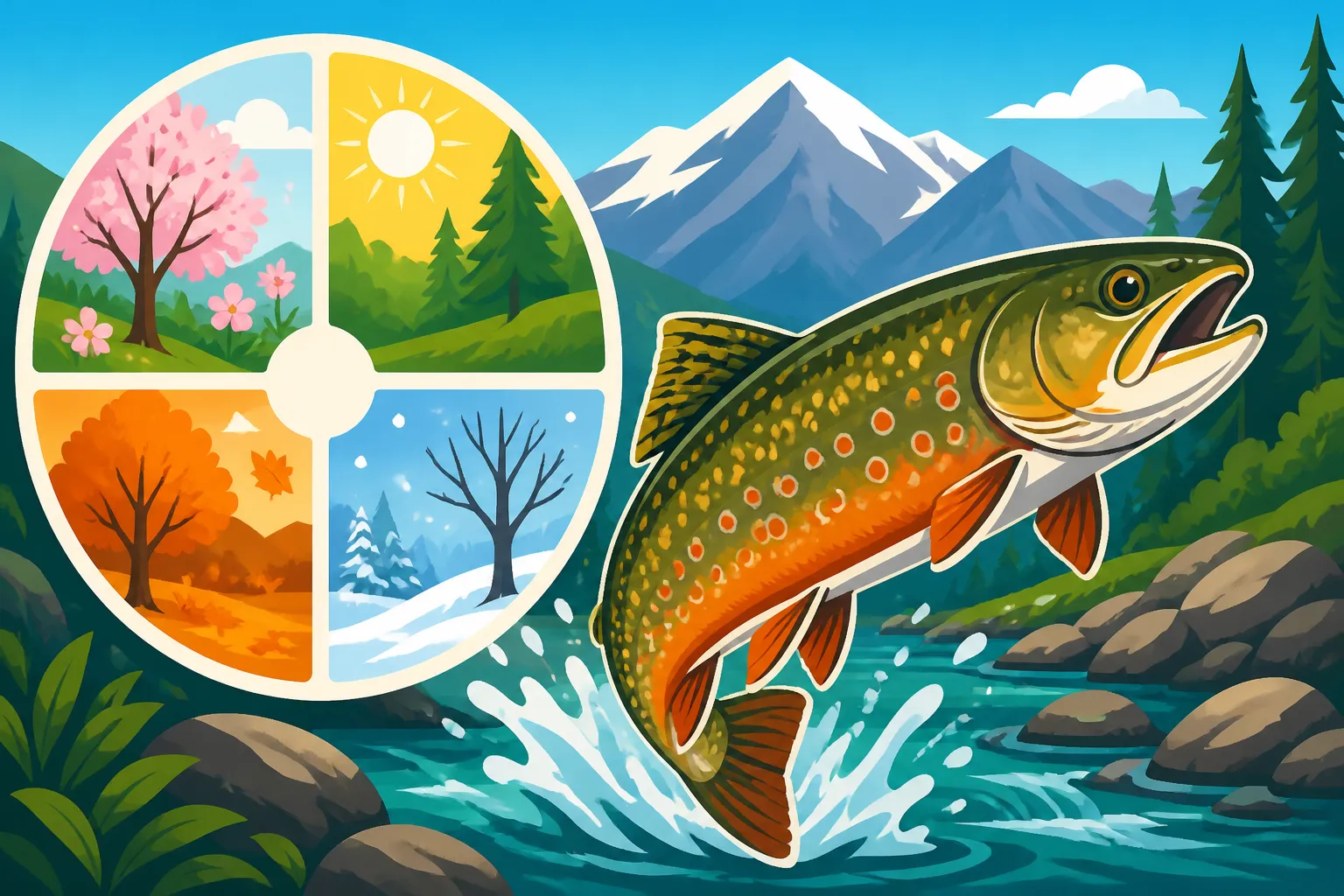
Spring in California, especially in the higher elevations where brook trout thrive, is a season of dramatic change. This is when the snowpack begins to melt, feeding crystal-clear streams and thawing out those alpine lakes that have been locked under ice all winter. For anglers eager to get out after a long winter, spring represents the first real opportunity to connect with brookies.
The challenge in early spring is access. Many of the prime brook trout spots in the Eastern Sierra and Trinity Alps are still buried under snow until late spring or even early summer. However, once the roads and trails open up, usually starting in May and continuing into June, the fishing can be phenomenal. The fish are hungry, having survived on limited resources during the cold months, and they’re eager to feed.
You’ll often find brook trout congregating in the deeper pools and slower runs of streams, or near the inlets and outlets of lakes where fresh, oxygenated water is flowing in. The waters are still quite cold, which means the fish will be looking for easy meals. Small spinners, spoons, or even traditional baits like worms can be incredibly effective. For fly anglers, nymph patterns that mimic emerging insects or small streamers can be very productive. Just remember to check those road conditions and snow levels before you head out, as a seemingly clear lower elevation can still hide significant snow up high.
Summer: High-Country Heaven
When the heat of summer truly sets in across California, many lower-elevation fisheries start to suffer from warm water temperatures and increased pressure. But for brook trout enthusiasts, summer—particularly from late June through August—is prime time in the high country. This is when most of the trails to those secluded alpine lakes and headwater streams become fully accessible, offering some of the most spectacular fishing experiences imaginable.
The longer days and warmer weather mean more active insect life, leading to consistent feeding opportunities for brook trout. Dry fly fishing can be exceptional during summer, especially in the mornings and evenings when hatches are most prolific. Think about packing a variety of patterns: Caddis, Mayflies, and attractor patterns like Royal Wulffs or Parachute Adams can all bring success. On the flip side, during the bright midday sun, the fish might retreat to deeper water or under cover, making small jigs or weighted nymphs more effective.
The true magic of summer brook trout fishing lies in the destination itself. Hiking into a remote lake in the John Muir Wilderness or a secluded stretch of creek in the Trinity Alps offers more than just fishing; it’s an immersive outdoor experience. These fish are often smaller than other trout species, typically ranging from 6 to 12 inches, but what they lack in size, they make up for in vibrant colors and aggressive strikes. For a truly unforgettable trip, consider a multi-day backpacking excursion to explore several high-altitude lakes, often stocked with brook trout many decades ago, creating self-sustaining wild populations. Always be prepared for changing weather conditions, even in summer, as afternoon thunderstorms are common in the mountains.
Fall: The Pre-Spawn Feast
As autumn descends upon California’s high country, usually from September into early November, the landscape transforms into a stunning palette of gold, orange, and crimson. This season is arguably the "best time of year to catch Brook Trout in California" for several reasons, especially if you're looking for larger, more aggressively feeding fish. Brook trout spawn in the fall, and leading up to this event, they engage in a frantic feeding frenzy to build up energy reserves.
This pre-spawn activity makes brook trout particularly susceptible to a variety of presentations. They're often less wary and more willing to chase down lures or flies. You might find them exhibiting more vibrant spawning colors during this time, with deep orange bellies and striking patterns, making for truly memorable catches. Look for them in areas with gravelly bottoms, where they'll eventually create redds (nests) to lay their eggs.
Fishing techniques can vary but often involve targeting larger, more aggressive flies like big streamers, woolly buggers, or even small mouse patterns. Lure fishermen will find success with larger spoons and spinners that mimic baitfish. The key here is presenting something substantial that appeals to a fish looking for a big meal. Be mindful of cooler water temperatures; fish might be less active during the coldest parts of the day and more focused on feeding when the sun is warmest. Fall fishing also presents fewer crowds, adding to the serene mountain experience, though access can become limited as early snows start to fall. If you're planning a trip, keep an eye on the latest California Fishing Reports and road closures for those high-elevation areas.
Winter: A Niche Opportunity
Winter is undeniably the most challenging time to fish for brook trout in California. Most of their high-elevation habitats become inaccessible due to heavy snowpack and frozen lakes. However, for the dedicated and adventurous angler, there are still a few niche opportunities, particularly for ice fishing or targeting lower-elevation tailwaters where brook trout might have migrated or been stocked.
Ice fishing for brook trout can be a unique experience, though opportunities are limited and require extreme caution regarding ice safety. Lakes like those in the Eastern Sierra or parts of the North Coast may offer safe ice conditions in specific years. When the ice is safe, brookies can be caught through the ice using small jigs tipped with bait, or micro-spoons. They'll be lethargic, so slow presentations are key.
For those not keen on ice fishing, some rivers that flow out of brook trout country might hold migratory fish in their lower, accessible sections. These opportunities are rare and highly dependent on specific weather patterns and the presence of healthy wild populations. Generally speaking, if you’re looking for consistent brook trout action, winter is the time for planning your spring and summer adventures, not typically for hitting the water unless you have very specific, known spots for ice fishing or accessible winter tailwaters.
Key Factors Influencing Brook Trout Success
Successfully targeting brook trout throughout the year in California isn't just about the calendar date; it's a dynamic interplay of environmental factors. Understanding these elements will significantly improve your chances, no matter the season.
Water Temperature
This is paramount for brook trout. They prefer cold water, ideally between 45-65°F (7-18°C). Too warm, and they become stressed, lethargic, and often seek refuge in deeper, cooler pockets or simply stop feeding aggressively. Too cold, and their metabolism slows, making them less inclined to chase a meal. In spring, you’re waiting for the water to warm just enough from the freezing point. In summer, you’re often seeking the coldest available water in high-elevation streams or deep lake pockets. In fall, as temperatures drop, they remain active, but you might find their peak feeding windows shorten to midday.
Elevation and Snowpack
California's vast mountain ranges mean elevation plays a massive role. The higher you go, the longer winter lasts and the later spring arrives. A heavy snowpack year can push back access to prime alpine lakes and streams well into July. Conversely, a lighter snowpack might open up areas earlier in spring, but could lead to lower water levels and warmer temperatures in summer. Always consult local forest service and park websites for current trail and road conditions before planning a trip to higher elevations. Online resources and forums are invaluable for up-to-date information on specific trailheads and lake access.
Insect Hatches
Brook trout are highly attuned to insect activity. Knowing what's hatching (or what's about to hatch) can be a game-changer for fly anglers. In spring and early summer, stoneflies, caddisflies, and various mayflies will start to emerge. As summer progresses, terrestrials like grasshoppers, ants, and beetles become important, especially on windy days when they get blown into the water. Fall sees a final push of some aquatic insects before winter, alongside egg patterns becoming effective as brook trout spawn. Keeping a keen eye on the water, turning over rocks, or simply watching for rising fish will give you clues about the current menu. Carrying a small selection of imitation patterns you can easily buy from a reputable tackle shop or even on Amazon can save the day.
Weather Patterns
Sudden changes in weather can impact brook trout behavior. A cold front might shut down a bite, while a sustained period of stable, sunny weather can get them active. Rain can be a double-edged sword: a light, warm rain can invigorate a summer stream, washing terrestrials into the water and increasing insect activity. Heavy, cold rain or thunderstorms can cool the water rapidly, increase turbidity, and make fishing difficult. Always keep an eye on the forecast, especially in the mountains where weather can change rapidly. Don't forget that those beautiful bluebird days after a storm can offer some of the best fishing.
Regional Considerations for Brook Trout Fishing
California is huge, and what applies to the Eastern Sierra might not hold true for the Klamath Mountains. Understanding the nuances of different regions is key.
The Eastern Sierra
This is arguably California's brook trout mecca. The sheer number of high-elevation lakes and streams, particularly in the John Muir Wilderness and Ansel Adams Wilderness, offers incredible opportunities. Think of areas around Mammoth Lakes, Bishop, and Lone Pine. Access typically opens from June to October. Lakes like those in the Little Lakes Valley near Rock Creek, or the countless gems accessible via the Cottonwood Lakes trail system, are renowned. These areas often require backpacking, making it a true wilderness experience. Fly fishing is incredibly popular here, but spin anglers also do very well. You'll find many resources on Eastern Sierra Fishing Guide to help plan your adventure.
Trinity Alps and Northern California Mountains
Further north, the Trinity Alps Wilderness and other ranges like the Marble Mountains offer similar, albeit often more rugged, brook trout experiences. These areas also hold an abundance of cold, clear water and isolated high-elevation lakes. Access here also typically runs from late spring through fall, though snowpack can be persistent. The fishing can be phenomenal for those willing to hike. You'll often find less pressure than in some parts of the Eastern Sierra. The Trinity River Fishing Guide can give you more insights into the region.
Other High-Elevation Areas
Don’t overlook other mountain ranges. Portions of the Sierra Nevada outside the Eastern Sierra, such as areas near Yosemite National Park or Sequoia and Kings Canyon National Parks, also hold brook trout in their alpine zones. These often require significant hiking but reward anglers with solitude and beautiful fish. Always check specific park regulations, as some areas may have special rules regarding fishing or specific gear. You can find more specific information in the California Freshwater Fishing Regulations.
Seasonal Brook Trout Tactics and Gear
The beauty of brook trout is their aggressive nature, which often makes them a blast to catch on light tackle. Here’s a quick rundown of seasonal gear and techniques.
| Season | Typical Access & Water Temp | Recommended Lures/Flies | Recommended Bait | Notes |
|---|---|---|---|---|
| Spring | May-June, Cold water (40-55°F) | Small spinners (e.g., Panther Martin, Rooster Tail), small spoons (e.g., Kastmaster), weighted nymphs, small streamers | Worms, salmon eggs, PowerBait | Fish are hungry after winter. Target inlets, outlets, deep pools. Limited access due to snow. |
| Summer | July-August, Moderate water (50-65°F) | Dry flies (Caddis, Mayflies, Hoppers, Ants), small nymphs, small streamers, micro jigs | Worms, small crickets | Prime high-country season. Focus on hatches, deeper water midday. |
| Fall | Sept-Oct, Cooling water (45-55°F) | Larger streamers (Woolly Bugger), egg patterns, larger spoons/spinners | Worms, PowerBait (egg imitation) | Pre-spawn feeding frenzy, aggressive bites. Look for spawning colors. Access may close with early snows. |
| Winter | Nov-April, Very cold/frozen (below 40°F) | Ice jigs, small spoons, slow-moving baits | Maggots, mealworms, small live bait (where legal) | Very limited access, ice fishing only in specific safe locations. |
Light Tackle Setup: A super light setup is ideal for brook trout. A 6' to 7' ultralight spinning rod paired with a small 500-1000 series reel spooled with 2-4 lb test monofilament or fluorocarbon line is perfect. For fly anglers, a 2-4 weight fly rod, 6.5-8.5 feet long, with a floating line and a 7.5-9 foot leader tapered to 5x or 6x tippet, will give you maximum sport.
Remember, carrying a small, portable tackle box with a variety of these options can make a big difference. Many anglers find reliable gear from brands like Ugly Stik for spinning rods or Orvis for fly rods, readily available online. For those longer hikes into remote locations, considering a lightweight, collapsible rod and reel combo that fits easily into a backpack can be a game-changer.
Conservation and Regulations
While brook trout are not native to California, they are an important part of many ecosystems. The California Department of Fish and Wildlife (CDFW) manages these fisheries, and it’s crucial to understand and follow all regulations. This includes possessing a valid California fishing license, understanding specific California Freshwater Fishing Regulations for the body of water you're targeting, and adhering to bag and size limits. For example, some high-elevation lakes might have special regulations for brook trout, often encouraging harvest to reduce their impact on native species or to maintain a healthy population balance.
Practicing catch and release, especially for larger, healthy fish, is always a good idea to help sustain these populations. If you plan to keep fish for a meal (and they are delicious!), ensure you dispatch them quickly and humanely. Always leave no trace, packing out everything you pack in, and respecting the pristine nature of these high-country environments. You can easily get your California Fishing License Guide and learn How to Get a California Fishing License online or from an authorized agent. Don't forget to check if a California Ocean Enhancement Stamp or a California Second-Rod Stamp Explained is needed for your specific plans.
Conclusion: Planning Your Brook Trout Adventure
Chasing brook trout in California is an adventure that combines stunning scenery with rewarding fishing. While there are opportunities throughout the year, the sweet spot for consistent action and comfortable conditions typically falls between late spring (May-June) as access opens, through summer (July-August) in the high country, and into the fall (September-October) pre-spawn frenzy. Each season offers its unique charm and challenges, but with the right knowledge and preparation, you're well on your way to a memorable outing. So grab your gear, check those trail reports, and head for the mountains—those vibrant brookies are waiting!
Disclaimer
Please remember that fishing conditions, regulations, and access can change rapidly due to weather, environmental factors, and updates from the California Department of Fish and Wildlife. Always consult the most current CDFW regulations booklet or website before heading out on any fishing trip. This guide is for informational purposes only and should not replace official sources.