Best Time of Year to Catch Lake Trout in California
Oh, the elusive Lake Trout in California! Many anglers, myself included, have spent countless hours staring at a sonar screen, wondering why those deep-water giants just aren't biting. It can be incredibly frustrating to know these magnificent fish are down there, lurking in the cold depths, yet refuse to touch anything you throw at them. Understanding the best time of year to target Lake Trout in California isn't just a matter of luck; it's a strategic game of temperature, depth, and behavior, and this guide is here to unravel those seasonal secrets so you can finally bring one of those beauties to the net.
The Mystique of California Lake Trout
Lake Trout, or "Mackinaw" as they're often called, are truly a special species in California's freshwater scene. Unlike their smaller, more stream-dwelling rainbow or brown trout cousins, Lake Trout are built for the deep, cold, vast expanses of our larger, deeper lakes. They're a prime target for trophy hunters and those who love the challenge of deep-water angling. But their unique physiology and habitat preferences mean you can't just fish for them like any other trout. It's a whole different ballgame.
Understanding Their Deep-Water Domain
Lake Trout (scientific name: Salvelinus namaycush) thrive in oxygen-rich, cold water. This means they are predominantly found in the deepest sections of large, oligotrophic lakes – that's a fancy way of saying clear, deep lakes with low nutrient levels. Think of places like Lake Tahoe or Donner Lake. These aren't your typical pond fish. Their bodies are designed to withstand significant pressure changes and maintain optimal metabolic function in water temperatures ranging from the low 40s to low 50s Fahrenheit (around 4-12 degrees Celsius).
During the warmer months, when surface waters heat up, a thermocline forms in these lakes. This is a distinct layer where the water temperature changes rapidly with depth. Lake Trout will position themselves below this thermocline, often in a very narrow band, searching for optimal temperature and dissolved oxygen. This deep-water preference is precisely what makes them so challenging yet rewarding to target. Without the right gear, like downriggers or heavy lead core line, and an understanding of their behavior, you're essentially just hoping for a miracle, and let's be honest, we want more than hope when we're out on the water.
Seasonal Shifts in Lake Trout Behavior
Just like us, Lake Trout have routines, and these routines are heavily dictated by the changing seasons. Their feeding habits, where they hold in the water column, and even their willingness to strike a lure are all influenced by environmental factors that fluctuate throughout the year. Ignoring these shifts is a common mistake and often leads to frustrating, fishless days. Acknowledging that their behavior changes is the first step to truly understanding the best time to catch them.
Their primary drivers are food availability and spawning urges. They are apex predators in their ecosystems, primarily feasting on smaller baitfish like Kokanee salmon, Lahontan Redside shiners, or even other trout species. When these baitfish are abundant and accessible, the Mackinaw will be there. When they're not, the hunt becomes much harder. Similarly, their strong urge to reproduce annually dictates significant movements and aggressive feeding periods that clever anglers can exploit.
Best Seasons for Targeting Lake Trout in California
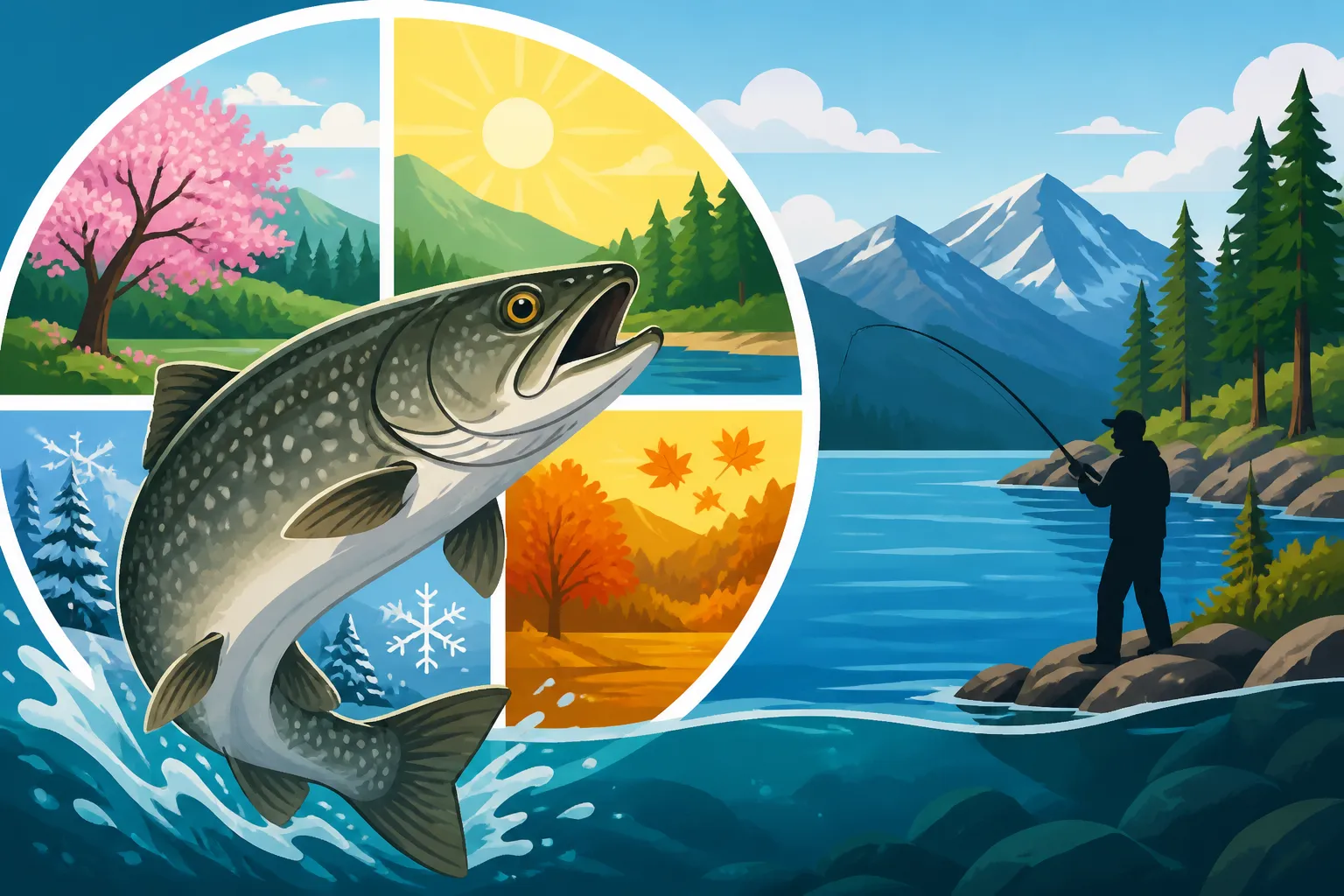
Now, let's get down to the nitty-gritty: when exactly should you be out there, chasing these deep-water giants? While you can catch Lake Trout year-round in California's high-country lakes (where open water permits), certain seasons offer distinct advantages and require different approaches. It's a dynamic puzzle, and understanding each piece is crucial.
Spring: The Post-Spawn Feast
Spring, particularly from late April through June, can be one of the absolute best times to catch Lake Trout, especially for anglers who prefer not to fish excessively deep. After the long, cold winter and their arduous fall spawning cycle, Lake Trout are often hungry and somewhat recuperated. As the ice melts (if applicable) and surface waters slowly begin to warm, these fish will often move into shallower water, sometimes as shallow as 30 to 60 feet, in search of easy meals. This is a fantastic window of opportunity because they are more accessible and often quite aggressive.
Think about it: the baitfish are also starting to become more active, moving into these shallower zones to feed on emerging insects or plankton blooms. This creates a perfect scenario where hungry Mackinaw follow their food source. Trolling with spoons, stickbaits, or even dodger-and-worm combinations can be incredibly effective during this period. You'll want to keep an eye on your sonar for bait balls and fish arches in the upper portions of the water column relative to summer. For those looking to upgrade their spring trolling gear, checking out the wide selection of downrigger releases and planner boards on Amazon can make a huge difference in covering water effectively during this time. Remember, the fish are often more scattered but more willing to chase.
Summer: The Deep Water Challenge
Ah, summer. The time when most folks head to the lakes, but also when Lake Trout fishing becomes a true test of patience and technology. From July through September, as California's intense sun heats up the surface waters, Lake Trout retreat to the frigid depths. We're talking 100 to 300 feet, sometimes even deeper in colossal lakes like Tahoe. This is where the term "deep-water challenge" really comes into play. If you don't have the right gear, you're simply not going to reach them.
During this period, the thermocline is well-established, and Lake Trout will hold tightly to that narrow band of optimal temperature and oxygen. They become almost lethargic, conserving energy in the cold, dark abyss. This means you need to get your offerings directly in front of their faces, and keep them there for an extended period. Downriggers are virtually non-negotiable for consistent success. Lead core line can work, but maintaining a precise depth in strong currents or with boat speed changes is much harder. Vertical jigging directly over known deep structures or schools of baitfish, spotted with a good fish finder, can also produce. This is when knowing the California Freshwater Fishing Regulations becomes doubly important, as specific depth restrictions might apply in certain areas, especially for species like rockfish in saltwater, but the principle of depth management applies here too. This is also when precise temperature gauges and high-definition sonar become your best friends.
Fall: Pre-Spawn Aggression and Opportunities
Late September through November offers another peak opportunity for Lake Trout, often rivaling spring in terms of accessibility and aggression. This is the pre-spawn period, and the Mackinaw are packing on weight for their upcoming reproductive efforts. They begin to move shallower, concentrating around rocky points, ledges, and shoals where they will eventually spawn. While they may not be as shallow as in early spring, they are definitely not as deep as in summer, often found in the 50 to 120-foot range.
This pre-spawn activity makes them highly catchable. They are actively feeding, sometimes ambushing baitfish that are also staging for their own fall movements. Trolling with large spoons, plugs, and even live bait (where permitted) can be incredibly effective. Pay close attention to underwater structure and contour lines using your boat's GPS and sonar. The California Fishing Seasons: Month-by-Month Guide will show you just how active many fish species are in the fall, and Lake Trout are no exception. During this time, I've had incredible success targeting them with bigger, bolder presentations that mimic their primary forage.
Winter: The Ice Fishing Debate and Deep Trolling
Winter fishing for Lake Trout in California is a bit more nuanced. While popular in colder states, ice fishing for Lake Trout is generally limited to very specific, high-elevation lakes in California that consistently freeze over and allow public access. Places like Caples Lake or certain smaller Eastern Sierra lakes might offer brief windows. If you do find safe ice, jigging with heavy spoons or tube baits is the go-to method. Always prioritize safety on the ice, checking thickness frequently.
For most open-water lakes that hold Lake Trout year-round, like Tahoe, winter means deep trolling. The fish are still deep, often holding in similar zones as late fall, but their metabolism slows significantly due to the colder water temperatures. This means they might be less active and require a slower presentation. Trolling speeds often need to be reduced, and presentations should be subtle. However, the advantage of winter is less fishing pressure and often stunning, calm conditions on the water. It’s a peaceful, albeit challenging, time to be out there. For those braving the cold, ensuring your fishing line is fresh and ready to handle deep-water battles is crucial; many anglers find reliable options for high-quality fluorocarbon or braided line on Amazon to be a winter necessity.
Here's a quick summary table of Lake Trout seasonal behavior and recommended tactics:
| Season | Typical Depth Range (feet) | General Behavior | Primary Techniques | Recommended Lures/Baits |
|---|---|---|---|---|
| Spring | 30-80 | Post-spawn recovery, actively feeding, shallower movements | Trolling, vertical jigging, casting | Spoons (e.g., Luhr Jensen Kwikfish, Acme Kastmaster), Stickbaits (Rapala Shad Rap), Plastic Worms (threaded behind a dodger) |
| Summer | 100-300+ | Deep, slow metabolism, holding to thermocline | Downrigger trolling, vertical jigging | Large Spoons (e.g., Apex, Needlefish), Plugs (FlatFish, J-Plugs), Tube Jigs, Grubs |
| Fall | 50-120 | Pre-spawn aggression, feeding heavily, staging near structure | Trolling, vertical jigging, drift fishing | Large Spoons, Plugs, Herring/Anchovy Fillets (where legal), White Bucktail Jigs |
| Winter | 80-200 | Slow metabolism, deep, less active; ice fishing if available | Deep trolling, ice jigging | Slow-trolled Spoons, Plugs; Ice Jigs, Minnow Imitations, White Tubes for ice fishing |
Essential Tactics and Gear for Year-Round Success
Catching Lake Trout consistently isn't just about knowing when to go, but also how to fish for them. These fish demand a specific approach that often differs greatly from targeting other trout species. Investing in the right tools and honing your techniques will drastically improve your success rate, regardless of the season.
Mastering Deep-Water Trolling
Trolling is undeniably the most effective method for covering water and locating Lake Trout, especially in vast lakes like Tahoe. But it's not just about dragging a lure behind the boat. You need precision. Downriggers are game-changers for maintaining exact depth, which is critical when Lake Trout are hugging a specific thermocline or structure. Without them, you're guessing, and frankly, who wants to guess when they're after a trophy? Pair your downriggers with quality rods and reels spooled with braid or monofilament, and make sure your leaders are strong fluorocarbon, as these fish can be line-shy.
Lure selection is also key. Large spoons, like those from Luhr Jensen or Pro-Troll, often in metallic colors or patterns mimicking Kokanee, are perennial favorites. Plugs like FlatFish, J-Plugs, or Magnum Rapalas are also highly effective, especially when tipped with a small piece of bait (check local regulations first!). Vary your trolling speed until you find what triggers bites, typically between 1.5 to 2.5 mph, but sometimes slower in winter. Remember, presentation is everything. If you want to dive deeper into techniques, our guide on California Trolling Tips and Techniques might be a great next read.
The Art of Vertical Jigging and Electronics
For those who prefer a more hands-on approach, vertical jigging can be incredibly productive, especially when you've marked fish on your sonar. This technique is often most effective in summer and winter when fish are tightly schooled or holding near prominent structures like underwater ledges or humps. A high-quality fish finder with good resolution is absolutely essential here. You need to see the fish, see your lure, and see the fish react to your lure. Brands like Humminbird or Lowrance offer excellent options.
Once you've located fish, position your boat directly over them. Drop a heavy jigging spoon, a large tube jig, or even a specialized "Macks Lure" right down to their depth. The retrieve varies, but often a lift-and-drop motion, letting the lure flutter, is effective. Sometimes, a slow, subtle twitch is all it takes. The strike can be surprisingly soft, so pay close attention to your line. Carrying a variety of jig sizes and colors, readily available through retailers like Amazon, ensures you're prepared for whatever mood the Mackinaw are in.
Understanding Depth and Temperature
I can't stress this enough: Lake Trout are thermal creatures. They live by the thermometer. Understanding the water temperature profile of the lake you're fishing is paramount. A good fish finder will often provide a surface temperature reading, but a probe thermometer can give you an idea of the thermocline depth. Once you identify that sweet spot of cold, oxygenated water, that's where you focus your efforts.
Beyond temperature, understanding the specific depths where Lake Trout prefer to hold in that particular lake is critical. In Lake Tahoe, for instance, they might be consistently found at 180 feet during August, while in Donner Lake, they might be shallower. This knowledge comes from studying California Fishing Reports, talking to local tackle shops, and keeping a detailed log of your own successes. Don't just blindly troll; use your electronics to map out underwater structure, identify baitfish schools, and then precisely target those areas.
Premier Lake Trout Destinations in California
While California is vast, only a handful of lakes truly shine for Lake Trout. These are typically deep, cold, and clear high-elevation reservoirs or natural lakes. Knowing where to go is just as important as knowing when and how.
Lake Tahoe: The Ultimate Mackinaw Haven
Without a doubt, Lake Tahoe is California's (and Nevada's) crown jewel for Lake Trout. This enormous, crystal-clear alpine lake holds a thriving population of Mackinaw, including some true giants. Fishing for Lake Trout on Tahoe is a year-round affair, with different sections of the lake producing at various times. The north shore, near Kings Beach and Tahoe City, and the south shore, around South Lake Tahoe, both offer excellent opportunities.
Guides on Lake Tahoe are incredibly knowledgeable and can put you on fish quickly. Many operate large, comfortable boats equipped with top-of-the-line electronics and multiple downriggers. For those who want to experience the Lake Tahoe Fishing Guide experience firsthand, booking a charter is highly recommended, especially if you're new to deep-water trolling. The sheer size of Tahoe means you need to know where to start, and local expertise is invaluable. Expect to fish depths ranging from 80 feet in spring and fall to well over 200 feet in the summer.
Donner Lake: A More Accessible Option
Just a stone's throw from Lake Tahoe, Donner Lake offers a more intimate yet still challenging Lake Trout experience. While not as large or deep as Tahoe, Donner still boasts a healthy population of Mackinaw, often in the 3 to 10-pound range, with larger fish certainly present. It's often a bit more accessible for smaller boats or those looking to learn the ropes without the vastness of Tahoe.
The fishing here follows similar seasonal patterns to Tahoe, with spring and fall being particularly productive in slightly shallower waters compared to the peak summer depths. Trolling is the dominant technique, often with smaller gear suitable for its size. Knowing the California Trout Limits and Regulations is important here, as rules can vary between lakes. Donner Lake provides a fantastic proving ground for your Mackinaw skills before you tackle the immense challenge of Tahoe.
Trinity Lake: Northern California's Gem
Heading north, Trinity Lake, near Weaverville, stands out as another fantastic Lake Trout fishery. This large reservoir, part of the Central Valley Project, offers deep, cold water perfect for Mackinaw. While perhaps less famous for Lake Trout than Tahoe, it consistently produces good numbers of fish, often in the 2-5 pound range, with larger specimens not uncommon.
Trinity Lake's Lake Trout population thrives on the abundant Kokanee salmon present in the lake, making it a predator's paradise. Similar to other deep lakes, trolling with gear mimicking Kokanee is highly effective. The vast arms and deep channels of Trinity Lake provide ample habitat, making it a great destination for anglers in Northern California. It's worth checking the Best Fishing Lakes in California for more details on this and other prime spots.
Final Thoughts on Chasing California Lake Trout
Chasing Lake Trout in California is a commitment, a test of skill, and a journey into the deep, mysterious waters of our state's most magnificent lakes. It's not always easy, and there will be frustrating days where the fish seem to have vanished into thin air. But the reward of feeling that solid thud on your line, the long, powerful fight from the depths, and finally seeing that beautiful, spotted Mackinaw come to the boat, makes every single challenge worth it. By understanding their seasonal movements, mastering the right techniques, and equipping yourself with the proper gear (many great options are available from trusted sources like Amazon), you'll significantly increase your chances of success. So get out there, embrace the deep, and enjoy the thrill of the hunt! If you're planning a trip, be sure to brush up on your California Fishing License Guide requirements before you head out.
Disclaimer
The information provided in this article is for general guidance and informational purposes only. Fishing regulations, seasons, and conditions in California can change frequently. Always consult the latest official California Department of Fish and Wildlife (CDFW) regulations booklet or website before heading out on any fishing trip. Adherence to all local, state, and federal laws is the responsibility of the angler. Fishing carries inherent risks; please exercise caution and good judgment.