California Sportfishing Trips Explained
It’s easy to feel overwhelmed when you first start looking into casting a line in the Golden State. Between understanding all the rules, knowing where to go, and figuring out what kind of trip is right for you, planning a California sportfishing adventure can feel like a riddle wrapped in a mystery. This guide is here to untangle all that confusion, breaking down everything you need to know to confidently plan your next unforgettable fishing excursion.
What Exactly Is California Sportfishing?
When we talk about "sportfishing" in California, we're really talking about a whole spectrum of experiences. It’s not just about passively waiting for a bite; it’s an active pursuit, often involving specialized gear, techniques, and vessels designed to target specific species in diverse environments. For many, it's the ultimate outdoor adventure, a chance to test skill and patience against the raw power of nature.
More Than Just a Pole in the Water
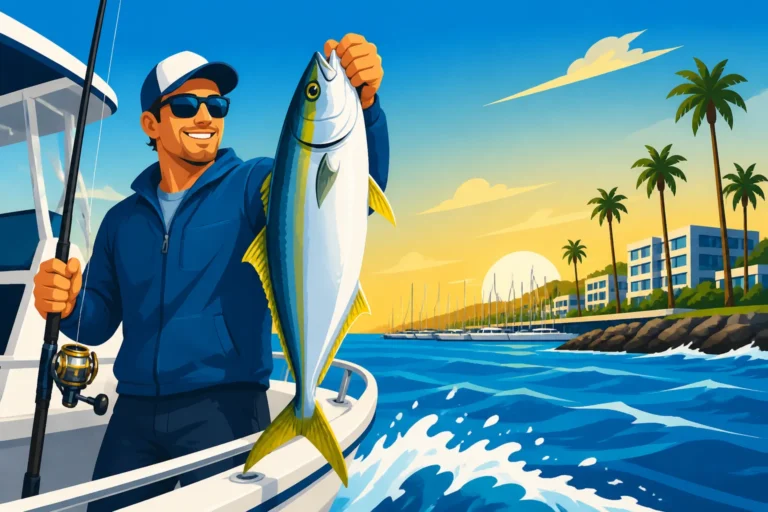
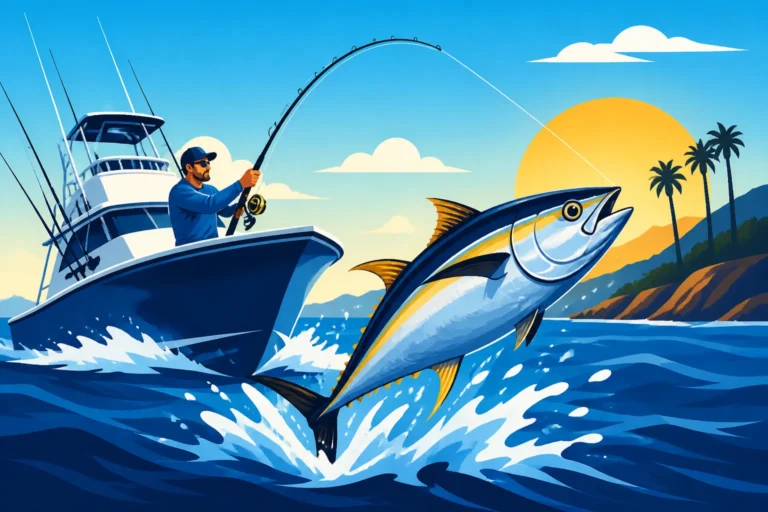
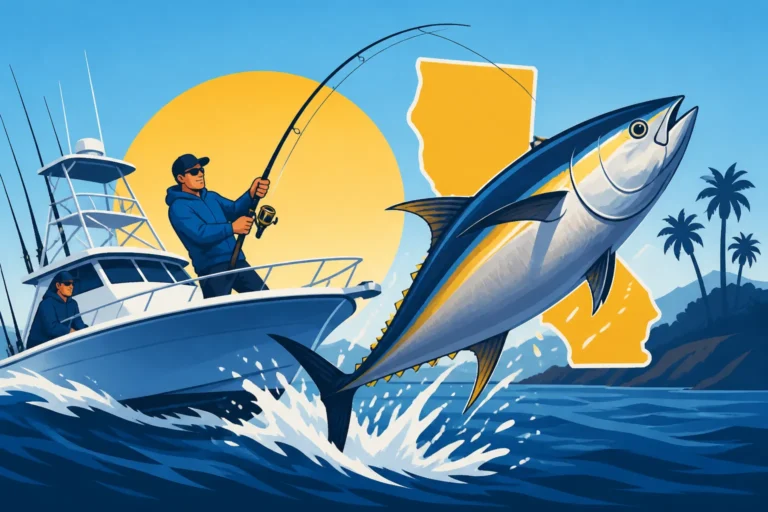
Imagine the thrill of a reel screaming as a powerful Bluefin Tuna tears line off your spool, or the delicate dance of a fly rod casting for a wary trout in a crystal-clear Sierra stream. That’s the heart of California sportfishing. It encompasses everything from chasing pelagic giants miles offshore to stalking elusive bass in vast freshwater reservoirs or jigging for rockfish along the coast. It’s an immersive experience that often demands more than just basic tackle; it might involve high-tech sonar, specialized lures, live bait tanks, and boats built for comfort and capability on the open ocean or expansive lakes.
This isn't your casual dockside affair, though there are plenty of spots for that too! Sportfishing trips are typically organized outings, often led by experienced captains and guides who know the waters, the fish, and the best techniques to put you on them. They provide the boat, the gear, the bait, and, most importantly, the expertise. It's about the challenge, the strategy, and the reward of landing a prized catch, whether for the dinner table or for the memory of a fierce fight. The camaraderie among anglers on a party boat, or the quiet solitude of a guided fly-fishing trip, both fall under the broad and exciting umbrella of California sportfishing.
The Diverse Waters of California
One of the most incredible things about fishing in California is the sheer variety of its aquatic landscapes. This state truly has it all, from the deep blue of the Pacific Ocean to the expansive freshwater lakes and intricate river systems. Each environment offers a unique challenge and hosts different species, shaping the kind of sportfishing trip you’ll embark on. Understanding these diverse waters is key to choosing your perfect adventure.
Starting with the vast Pacific, California’s coastline stretches over 800 miles, offering incredible saltwater opportunities. You’ve got everything from the rocky reefs and kelp forests teeming with rockfish and lingcod, to the wide-open ocean where migratory species like tuna, yellowtail, and dorado roam. The cooler, nutrient-rich currents up north near Bodega Bay and Fort Bragg often bring in Salmon, while the warmer waters of Southern California, particularly around San Diego and the Channel Islands, are renowned for their incredible offshore pelagic fishing. Then there are the large, protected bays like San Francisco Bay and San Diego Bay, which are phenomenal for species like halibut and striped bass, offering a different, often calmer, saltwater experience.
Move inland, and the landscape completely transforms, offering incredible freshwater sportfishing. The vast California Delta, a labyrinthine network of waterways, is a world-class destination for trophy largemouth bass and striped bass, as well as sturgeon. Major lakes like Clear Lake, Lake Shasta, and Diamond Valley Lake are famous for their bass fishing, while high-elevation alpine lakes and rivers throughout the Eastern Sierra Nevada are legendary for various trout species – rainbow, brown, brook, and even the native golden trout. Each body of water, whether it's a bustling urban lake or a remote mountain stream, holds its own secrets and specialties, making California a truly diverse angler's paradise.
Types of California Sportfishing Trips
California’s fishing landscape is incredibly diverse, meaning there’s a sportfishing trip for just about every preference and skill level. Whether you dream of battling a behemoth in the deep sea or enjoying a peaceful day on a tranquil lake, you’ll find an option that fits. It’s all about knowing what you’re looking for and where to find it.
Offshore Adventures
These are the quintessential "deep sea" or "blue water" trips that often come to mind when people think of California sportfishing. Offshore adventures take you miles out into the Pacific, far from the sight of land, in pursuit of powerful pelagic species that migrate through California’s rich waters. These trips are typically longer, ranging from full-day excursions to multi-day or even "long-range" trips that can last a week or more.
The primary targets for offshore fishing are highly sought-after species like Bluefin Tuna, Yellowfin Tuna, Albacore Tuna, Dorado (also known as Mahi-Mahi), and Yellowtail. These fish are known for their incredible fighting ability and often make for fantastic table fare. Boats designed for offshore trips are usually larger, more stable, and equipped with advanced navigation and fish-finding electronics, multiple live bait tanks, and sometimes sleeping quarters and galleys for longer voyages. Popular departure points for these trips are predominantly in Southern California, with San Diego, Point Loma, and Dana Point being major hubs due to their proximity to the productive offshore banks and migratory paths of tuna and other warm-water species. Anglers on these trips often employ techniques like trolling, kite fishing, and fly-lining live bait, making for an active and adrenaline-pumping experience.
Nearshore & Coastal Excursions
If venturing far offshore feels a bit too daunting, or if you prefer staying closer to the picturesque California coastline, nearshore and coastal excursions are an excellent choice. These trips focus on species that inhabit the reefs, kelp beds, and rocky structures closer to shore, typically within a few miles of land. They often range from half-day (4-5 hours) to full-day (8-10 hours) trips, making them more accessible and often more budget-friendly than their offshore counterparts.
The primary targets for nearshore fishing are a diverse array of bottom-dwelling and structure-oriented species. Rockfish, like Vermilion, Copper, Bocaccio, and Lingcod, are popular catches, prized for their delicious white meat. You'll also find opportunities for California Halibut, particularly in sandy areas near reefs or in shallower bays, and even California Yellowtail, especially around kelp paddies and islands like Catalina and the Channel Islands. Techniques employed typically include jigging, bait fishing with cut squid or anchovies, and slow trolling. Boats used for these trips can vary from smaller six-pack charters to larger party boats, all designed to navigate coastal waters effectively. Cities like Santa Barbara, Morro Bay, Monterey, and Half Moon Bay, in addition to the Southern California ports, are prime locations for launching these exciting coastal adventures. Understanding the California Rockfish Depth Restrictions and other regulations for these areas is crucial for a successful and legal trip.
Bay & Estuary Explorations
California's extensive network of bays and estuaries offers a unique sportfishing experience, distinct from both offshore and nearshore ocean fishing. These calmer, protected waters provide fantastic opportunities for a variety of species, often closer to urban centers, making them easily accessible for many anglers.
The most famous of these inland saltwater environments is undoubtedly San Francisco Bay, which is a powerhouse for striped bass and California halibut. Further south, San Diego Bay also offers excellent halibut fishing along with bay bass (spotted bay bass, calico bass). However, when you talk about bay and estuary fishing in California, you simply can't overlook the incredible California Delta. This vast freshwater-to-brackish water labyrinth, where the Sacramento and San Joaquin rivers meet, is a world-class fishery for trophy largemouth bass and, perhaps even more famously, for massive White Sturgeon and hard-fighting Striped Bass. Trips in these waters often involve smaller, more agile boats that can navigate shallow channels and sloughs. Techniques vary widely, from trolling for salmon and striped bass, to bait-and-wait setups for sturgeon, or casting artificials for bass. These trips are excellent for those looking for a different challenge, often with less of the open-ocean swell, and a chance to explore a truly unique ecosystem.
Freshwater Pursuits (Lakes & Rivers)
Don’t let the vast ocean overshadow California's equally impressive freshwater sportfishing opportunities. The state boasts an incredible array of lakes, reservoirs, and rivers that offer world-class fishing for a variety of popular species. These trips provide a different kind of tranquility and challenge, often set against stunning natural backdrops.
For bass enthusiasts, California is a true paradise. Huge reservoirs like Clear Lake, Lake Shasta, and Diamond Valley Lake are consistently ranked among the best bass fisheries in the nation, offering fantastic opportunities for largemouth, smallmouth, and spotted bass. Guided trips on these lakes often employ a variety of techniques, from throwing topwater lures in the morning to working plastics and jigs in deeper water. Then there's the legendary trout fishing, particularly prominent in the Eastern Sierra Nevada. Rivers like the Owens River, East Walker River, and the countless alpine lakes are meccas for fly anglers seeking rainbow, brown, and brook trout. Guided fly fishing trips are incredibly popular here, offering a serene and skill-intensive experience. Other notable freshwater species include Kokanee Salmon in lakes like Lake Tahoe and Lake Berryessa, and even catfish in some of the warmer reservoirs. Whether you're casting from a bass boat, wading a river with a fly rod, or trolling for Kokanee, California's freshwater scene offers endless sportfishing possibilities. You'll find plenty of opportunities for California Trout Limits and Regulations to guide your freshwater adventures.
Understanding Charter Options: Party Boats vs. Private Charters
Once you’ve got a handle on what kind of sportfishing you want to do and where, the next big decision is how you want to do it. In California, the vast majority of organized sportfishing trips fall into two main categories: party boats (also known as open party or head boats) and private charters. Each offers a distinctly different experience, catering to various budgets, group sizes, and fishing preferences.
The Party Boat Experience
Party boats are a fantastic entry point for many anglers, and a perennial favorite for solo fishers or smaller groups. These are typically larger vessels that can accommodate anywhere from 20 to 80+ people, where you pay for a single spot (or "head") on the boat. It’s a very social environment, a bit like a floating fishing community, where you’re surrounded by fellow enthusiasts.
One of the biggest advantages of a party boat is the cost-effectiveness. Since the expenses of the boat, captain, and crew are spread across many anglers, the price per person is significantly lower than a private charter. This makes it an accessible option for trying out offshore or nearshore fishing without a huge investment. They’re also great for beginners, as deckhands are usually on board to assist with rigging lines, untangling snags, and even helping land your fish. Many popular landings in Southern California, like H&M Landing in San Diego or Davey's Locker in Newport Beach, run daily party boat trips. However, the social aspect can also be a drawback for some. It can get crowded, especially on popular trips, meaning less personalized attention from the crew and potentially less space to fish comfortably. You also have less say in where the boat goes or what species it targets; the captain will go where they believe the fish are biting best. Despite the potential crowds, it’s a vibrant, exciting way to fish, especially if you enjoy the camaraderie and don’t mind a bit of competition for the best spot on the rail.
The Private Charter Luxury
For those seeking a more exclusive, personalized, and flexible fishing experience, a private charter is the way to go. With a private charter, you book the entire boat for your group, whether that's two people or six (the common "six-pack" limit for smaller charters), or even larger private vessels. This option puts you in the driver’s seat, allowing for a highly customized trip.
The primary benefit of a private charter is the ability to tailor the trip exactly to your desires. Want to target specific species like Yellowtail or Halibut? No problem. Prefer to spend more time trolling, or dedicated to jigging? You got it. The captain and crew's attention is solely on your group, offering personalized instruction, assistance, and guidance. This can be invaluable for learning new techniques or for ensuring everyone in your party, from seasoned anglers to total beginners, has a great time. Private charters are perfect for families, corporate outings, or a group of serious fishing buddies looking to maximize their chances and control their experience. The trade-off, of course, is the cost, which is considerably higher per person than a party boat. However, when split among a small group, it can become quite reasonable. Platforms like FishingBooker make it easy to browse and compare various private charter options and find the perfect boat and captain for your specific needs, allowing you to filter by location, target species, and boat amenities. This flexibility and personalized service often make the investment well worth it for an unforgettable day on the water.
What to Expect and How to Prepare for Your Trip
No matter if you choose a lively party boat or a more intimate private charter, showing up prepared can make a huge difference in your overall experience. A little planning goes a long way, especially when you’re dealing with the variables of weather, ocean conditions, and hungry fish.
Essential Gear and What's Provided
One of the most common questions for sportfishing newcomers is, "What do I need to bring?" The good news is that most reputable California sportfishing charters, whether party boats or private, will provide the essential fishing gear. This typically includes rods, reels, basic terminal tackle (hooks, weights), and bait (live or cut, depending on the trip and target species). Some even have a limited supply of lures. However, it’s always a good idea to confirm exactly what's included when you book your trip.
Even with gear provided, there are several things you should absolutely bring for your comfort and enjoyment. Layers of clothing are crucial in California; mornings can be chilly, even on sunny days, and offshore breezes can pick up unexpectedly. A waterproof or water-resistant jacket is a must, especially if there's any chance of spray or rain. Sun protection is paramount: a wide-brimmed hat, polarized sunglasses (to spot fish and protect your eyes), and high SPF sunscreen are non-negotiable. Comfortable, closed-toe shoes with good grip are also important for safety on a wet, moving deck. Don't forget snacks, lunch, and plenty of water or other beverages – a day of fishing is surprisingly dehydrating. A cooler for your cleaned catch is also a good idea; most boats will have ice, but you'll want something to transport your fillets home. For more detailed advice, check out what’s generally recommended for a California Sportfishing Trips Explained charter.
Licensing, Permits, and Regulations
This is probably the most critical, yet often overlooked, aspect of preparing for your sportfishing trip in California. Even if you're going on a charter boat where the captain handles all the navigation and fishing expertise, you are still personally responsible for holding a valid California fishing license. There's no getting around it, unless you're fishing from a public pier, which generally doesn't require a license.
Before you even step foot on the boat, make sure you have purchased your California fishing license. These can be bought online through the California Department of Fish and Wildlife (CDFW) website, or in person at various license agents like tackle shops and sporting goods stores. Depending on what you're targeting, you might also need specific report cards, such as a California Steelhead Report Card, California Sturgeon Report Card, or a California Salmon Report Card. These report cards are vital for tracking catch data and managing fish populations responsibly. Beyond licenses and report cards, it's absolutely essential to be aware of the current California Fishing Regulations Explained. These regulations dictate bag limits, size limits, season closures, and even specific gear restrictions for different species and areas. Your boat captain will be knowledgeable about these, but as an angler, understanding them yourself ensures you're fishing legally and sustainably. For example, knowing the California Halibut Size and Bag Limits or California Salmon Regulations and Limits before you go can help you understand what you can keep.
Battling Seasickness and Comfort
For many, the thought of seasickness is the biggest deterrent to an ocean sportfishing trip. It's a real concern, but thankfully, there are many effective strategies to prevent and manage it, ensuring your day on the water is enjoyable, not miserable.
The best defense against seasickness is preparation. Over-the-counter medications like Dramamine or Bonine (meclizine) are highly effective when taken before you board the boat, ideally an hour or two prior to departure. There are also prescription patches (scopolamine) that can be worn behind the ear, which many swear by. Natural remedies like ginger (chew on ginger candy or drink ginger ale) can also help. Once on the boat, try to stay on deck in the fresh air, focus on the horizon, and avoid reading or looking at your phone. Staying hydrated and avoiding heavy, greasy meals before and during the trip can also make a big difference. Many seasoned anglers opt for a light breakfast of toast or crackers. If you do start to feel queasy, lie down if possible, or sit facing the direction of travel, keeping your eyes on a fixed point far away. Don't be afraid to communicate with the crew; they've seen it all and can often offer helpful advice or a quiet place to recover. Remember, even experienced anglers can get seasick under the right conditions, so there’s no shame in taking precautions.
Key Species You'll Target in California Sportfishing
One of the most exciting aspects of sportfishing in California is the incredible variety of fish you can target. From powerful offshore giants to delicious bottom dwellers and elusive freshwater fighters, there’s a species to ignite every angler’s passion. Knowing what you might encounter helps set expectations and gets you excited for the chase!
Saltwater Stars
California’s Pacific coastline is a vibrant ecosystem, teeming with highly prized saltwater species. Depending on the season and your chosen trip type, you could be battling some truly impressive fish.
The undisputed kings of California’s offshore sportfishing are the Tuna, primarily Bluefin Tuna, Yellowfin Tuna, and Albacore Tuna. These pelagic powerhouses migrate through California’s waters, especially during the warmer months, offering incredible long-range and multi-day trip opportunities, mostly out of Southern California ports. A hook-up with a large Bluefin is often described as a life-changing experience, testing an angler's stamina and gear to the limit. Then there are the Yellowtail, known for their explosive strikes and relentless fighting style. These "mossbacks" are found closer to shore around kelp beds, islands, and offshore banks, providing exhilarating action on full-day and even half-day trips, particularly in the spring and summer. They respond well to jigs, live bait, and even surface irons. For those who enjoy bottom fishing, Rockfish (like Vermilion, Copper, Bocaccio, and many others) and Lingcod are abundant along the rocky reefs and ledges. These species are delicious table fare and offer consistent action. While often targeted in conjunction with other species, dedicated rockfish and lingcod trips are very popular, particularly during their open seasons. Finally, the elusive California Halibut is a highly prized flatfish found in sandy bottoms, bays, and nearshore waters. They are often targeted by drift fishing with live bait or artificial lures and are considered one of the best-eating fish in the Pacific. It’s always good to be familiar with the California Halibut Size and Bag Limits before you head out, as these can change seasonally.
Freshwater Favorites
While the ocean often gets most of the sportfishing attention, California’s freshwater fisheries are equally impressive and offer a completely different, yet equally rewarding, set of target species.
For many, freshwater sportfishing in California means one thing: Bass. The state is renowned for its trophy-sized Largemouth Bass, particularly in lakes like Clear Lake, Castaic Lake, and Diamond Valley Lake. These powerful fighters offer incredible topwater action in the warmer months and challenge anglers with various techniques using soft plastics, crankbaits, and jigs. You'll also find Smallmouth Bass and Spotted Bass in many reservoirs, providing excellent light-tackle fun. For those who prefer colder waters, Trout fishing is a beloved pastime, especially in the breathtaking Eastern Sierra Nevada. Rainbow Trout, Brown Trout, and Brook Trout are abundant in the region's rivers, streams, and alpine lakes, offering fantastic opportunities for fly fishing, spin fishing, and bait fishing. The CDFW regularly stocks many lakes and rivers, ensuring consistent opportunities for anglers. Anglers often refer to the California Trout Limits and Regulations to ensure compliance with local rules. Lastly, the vast California Delta is a prime location for hard-fighting Striped Bass (or stripers) and the prehistoric White Sturgeon. Striped bass provide exciting topwater and trolling action, while sturgeon fishing is a unique bait-and-wait experience that can lead to battling truly massive fish. Each of these freshwater species offers a distinct challenge and rewards, cementing California’s reputation as a diverse sportfishing destination.
Planning Your Trip: Seasons, Locations, and Booking
With such a wide array of species and environments, planning your California sportfishing trip requires a bit of strategy. Understanding the best times to go, where to depart from, and how to secure your spot are all crucial steps to ensure a successful and enjoyable adventure.
Timing is Everything: California Fishing Seasons
Knowing when to go is perhaps the single most important factor in a successful sportfishing trip. California’s diverse climate and marine ecosystems mean that fishing seasons and peak activity times vary dramatically by species and region. There’s almost always something biting somewhere, but targeting a specific fish usually requires careful timing.
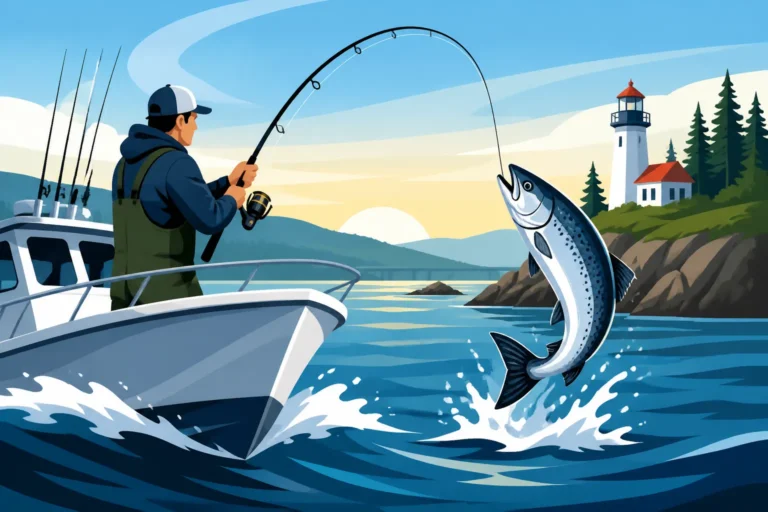
For offshore species like Bluefin and Yellowfin Tuna, the warmer late spring, summer, and early fall months (typically May through October) are generally the most productive, especially out of Southern California. Yellowtail fishing also peaks during these warmer periods around kelp paddies and islands. Rockfish and Lingcod, being bottom dwellers, are available year-round in many areas, though their seasons are heavily regulated and often subject to specific depth restrictions and closures that change annually. Salmon fishing, particularly for Chinook, is highly dependent on ocean conditions and regulatory decisions, with seasons varying widely by year and region, often opening in spring or summer in areas like the Central Coast or Northern California. Freshwater species also have their prime times: largemouth bass are most active in warmer waters from spring through fall, while trout fishing in the High Sierra is often best from late spring (after snowmelt) through early fall before the winter freeze. To truly get a handle on what's biting when and where, consulting a comprehensive resource like a California Fishing Seasons: Month-by-Month Guide is invaluable. This will help align your desired catch with the optimal time to hit the water.
Choosing Your Departure Point
California’s expansive coastline and numerous inland waterways mean you have a plethora of departure points to choose from, each offering access to different fisheries and experiences. Your choice of departure point will largely depend on your target species and preferred fishing environment.
If you’re dreaming of battling offshore pelagics like Bluefin Tuna or Dorado, Southern California is your go-to region. Major ports like San Diego (home to famous landings like H&M Landing, Fisherman's Landing, and Point Loma Sportfishing), Dana Point, Oceanside, and Long Beach are the launching pads for incredible offshore adventures, including multi-day and long-range trips. For a mix of rockfish, lingcod, halibut, and seasonal salmon, the Central Coast offers fantastic options with harbors in Santa Barbara, Morro Bay, and Monterey. Up north, the San Francisco Bay Area (with ports like San Francisco, Berkeley, and Emeryville) is famous for its salmon, halibut, and striped bass fishing, especially within the bay and just outside the Golden Gate. Further north, Bodega Bay and Fort Bragg are prime for salmon and Dungeness crab. For dedicated freshwater trips, you'll be looking at inland locations. For world-class bass, consider areas around Clear Lake or Lake Shasta. For unparalleled trout fishing, the towns throughout the Eastern Sierra (like Bishop, Mammoth Lakes, and June Lake) are your starting points. Knowing your target and desired experience will quickly narrow down the best spot to launch your adventure. If you're looking for specifics, checking out "Best Fishing Charters in San Diego" or "Best Fishing in Northern California" can provide great insights.
How to Book Your California Sportfishing Adventure
Once you've honed in on your ideal season and departure point, it's time to actually book your trip. This process can be straightforward, but a few tips can help you secure the best experience, especially during peak fishing seasons.
The most direct way to book is often directly with the charter operator or landing. Many popular landings, particularly those running large party boats in Southern California, have user-friendly websites where you can view schedules, check availability, and book your spot online. For private charters, you might find individual captain websites or social media pages. However, for a broader selection and the ability to compare multiple operators in one place, online booking platforms have become incredibly popular and convenient. FishingBooker, for example, is a widely used platform where you can search for charters by location, species, boat size, and read reviews from other anglers. This allows you to easily compare prices, amenities, and captains to find the perfect fit for your group. No matter how you book, it’s always wise to do so in advance, especially for popular weekends, holidays, or specific "hot bite" periods. These trips fill up quickly! When you book, confirm what's included (gear, bait, licenses), what you should bring, and the exact departure time and location. Don't hesitate to ask questions – a good captain or booking agent will be happy to clarify details. For a complete overview, check out our guide on How to Book a California Fishing Charter.
Budgeting for Your Sportfishing Trip
Budget is often a key consideration when planning any adventure, and sportfishing is no exception. While some trips can be quite affordable, others, particularly multi-day offshore excursions or luxury private charters, can represent a significant investment. Understanding all the potential costs involved will help you plan wisely and avoid any surprises.
Understanding the Costs Involved
The base price of a sportfishing trip is just one part of the overall cost. It's crucial to factor in all the potential expenditures to get a realistic picture of your outing.
- Charter Fee: This is the primary cost, and it varies greatly. A half-day party boat trip might be as low as $60-$100 per person, while a full-day can range from $100-$200. Private charters are typically booked for the entire boat, so a six-pack might cost $800-$1500 for a full day, which, when split among six people, can be comparable to party boat prices. Multi-day offshore trips can run into thousands of dollars per person.
- Licenses, Permits, and Stamps: As mentioned, you'll need a California fishing license, which can be an annual or short-term purchase. Depending on your target, you might also need report cards (like for sturgeon or salmon) or an Ocean Enhancement Stamp for certain saltwater fisheries.
- Bait and Tackle: While many charters provide basic bait and tackle, you might need to purchase specialized lures, additional weights, or premium bait if you want to enhance your chances or bring your own preferred gear. Some boats also charge a small fee for certain types of bait or tackle if you use a lot.
- Food and Drinks: Unless explicitly stated, food and drinks are usually not included on shorter trips. Bring your own snacks, lunch, and plenty of water. Multi-day trips often include meals, but confirm this when booking.
- Fish Cleaning: Many landings offer fish cleaning services for a fee, which is often a per-fish or per-pound charge. This is a convenient option if you don't want to deal with cleaning your catch.
- Tips: Tipping the deckhands and captain is customary and highly recommended. A general guideline is 15-20% of the trip cost for the crew, who work incredibly hard to ensure your trip is safe and successful.
- Transportation: Don't forget the cost of gas to get to the landing, and potentially parking fees.
When you add it all up, the total cost can be more than just the "ticket price." For a deeper dive into the numbers, check out our guide on How Much Does a California Fishing Charter Cost.
Maximizing Value and Saving Money
Sportfishing doesn't have to break the bank. With a little strategic planning, you can maximize your value and enjoy a fantastic trip without overspending.
One of the best ways to save money, especially on private charters, is to go with a group. Splitting the cost of a private six-pack charter among six friends often makes it highly competitive with, or even cheaper than, individual party boat tickets, while offering a much more personalized experience. For those on a tighter budget, party boats remain an excellent, cost-effective option for experiencing offshore or nearshore fishing. Look for half-day trips, which are generally the cheapest way to get out on the water. Another simple way to save is to bring your own food and drinks. The small galley stores on party boats can be pricey, so packing your own lunch, snacks, and a cooler full of beverages will significantly cut down on incidentals.
Keep an eye out for off-season discounts or package deals. Some charters might offer reduced rates during slower times of the year or for booking multiple trips. If you plan to fish frequently, purchasing an annual California fishing license is usually more economical than multiple short-term licenses. Lastly, while tipping is essential, if you're truly on a strict budget, communicating openly with the crew about your situation can sometimes lead to understanding, though a tip should always be a priority if service was good. Remember, a great fishing experience doesn't always equate to the most expensive trip; sometimes, it's about making smart choices to get the most bang for your buck.
Responsible Angling and Conservation
As sportfishing enthusiasts, we have a profound responsibility to protect the incredible natural resources that provide us with such joy. Responsible angling and a commitment to conservation are not just good ideas; they are essential practices to ensure that future generations can continue to enjoy the thrill of fishing in California.
Adhering to Regulations and Limits
The California Department of Fish and Wildlife (CDFW) sets a comprehensive framework of regulations designed to manage fish populations sustainably. Adhering to these rules is the most fundamental aspect of responsible angling. These aren't just arbitrary guidelines; they are based on scientific data and aimed at preventing overfishing and protecting vulnerable species.
This means strictly observing bag limits (the number of fish you can keep), size limits (the minimum or maximum length a fish must be to be legal to keep), and season closures (specific times of the year when certain species cannot be harvested). For example, different species of rockfish often have varying bag limits and seasons, and these can even differ by region along the coast. Some species, like Sturgeon and Steelhead, require specific California Fishing Report Cards Explained that must be filled out immediately upon catching the fish and returned to the CDFW, providing crucial data for conservation efforts. Furthermore, California has established numerous Marine Protected Areas (MPAs) along its coast. These areas function like underwater parks, with varying levels of protection, from "no-take" zones where all fishing is prohibited, to areas with limited take. Knowing the boundaries and rules of these MPAs is absolutely critical to avoid violations and contribute to marine conservation. Your charter captain will guide you, but familiarizing yourself with California Marine Protected Areas Explained will make you a more informed and responsible angler. Ignorance of the law is never an excuse, and penalties for violations can be steep.
Ethical Practices and Sustainability
Beyond simply following the letter of the law, ethical angling embraces a broader commitment to sustainability and respect for the environment. This involves making conscious choices that minimize your impact and promote the health of fish populations and their habitats.
One key aspect is catch and release. For species that are not intended for consumption, or when you've already reached your bag limit, practicing proper catch and release techniques is vital. This means minimizing the time the fish is out of the water, handling it gently with wet hands, and using de-hooking tools to remove hooks quickly, especially if using barbless hooks, which are sometimes required in certain freshwater areas. The goal is to release the fish in the best possible condition to ensure its survival. Another ethical practice is to avoid waste. Only take what you intend to eat and process your catch respectfully. Don't discard trash or fishing line in the water; always pack out everything you pack in. Consider using lead-free weights and lures to reduce environmental contamination. Furthermore, educate yourself about the local ecosystem and the specific challenges faced by different fish populations. Understanding the impact of your actions, whether it’s respecting spawning grounds or simply not stressing fish unnecessarily, helps foster a culture of responsible stewardship. Ultimately, embracing ethical angling and conservation isn't just about preserving fishing opportunities; it's about contributing to the broader health of California’s magnificent natural world for everyone to enjoy, now and in the future.
Disclaimer
Please remember that fishing regulations in California are subject to change by the California Department of Fish and Wildlife (CDFW) at any time. It is always the angler's responsibility to verify the most current regulations, limits, and licensing requirements before engaging in any fishing activity. This guide is for informational purposes only and should not be considered a substitute for official CDFW publications or direct consultation with a licensed guide or agent.