California Salmon Charter Trips
The dream of hooking into a powerful King Salmon, feeling that immense tug as it strips line off your reel, is something many California anglers crave. But the process of figuring out seasons, regulations, and how to even get out on the water can be incredibly intimidating, making a prized salmon trip feel out of reach. This guide is here to unravel all the complexities surrounding California salmon charter trips, helping you plan your ultimate adventure, from understanding the ever-changing seasons to picking the perfect boat.
The Allure of California King Salmon Fishing
There's something truly special about chasing salmon in California's coastal waters. It’s not just about the size or the fight; it’s about the whole experience, from the anticipation of the bite to the incredible table fare these fish provide. Many anglers consider the pursuit of the Chinook salmon, often called King Salmon, to be the pinnacle of sportfishing in these parts.
The King's Reign: Why Chinook are So Prized
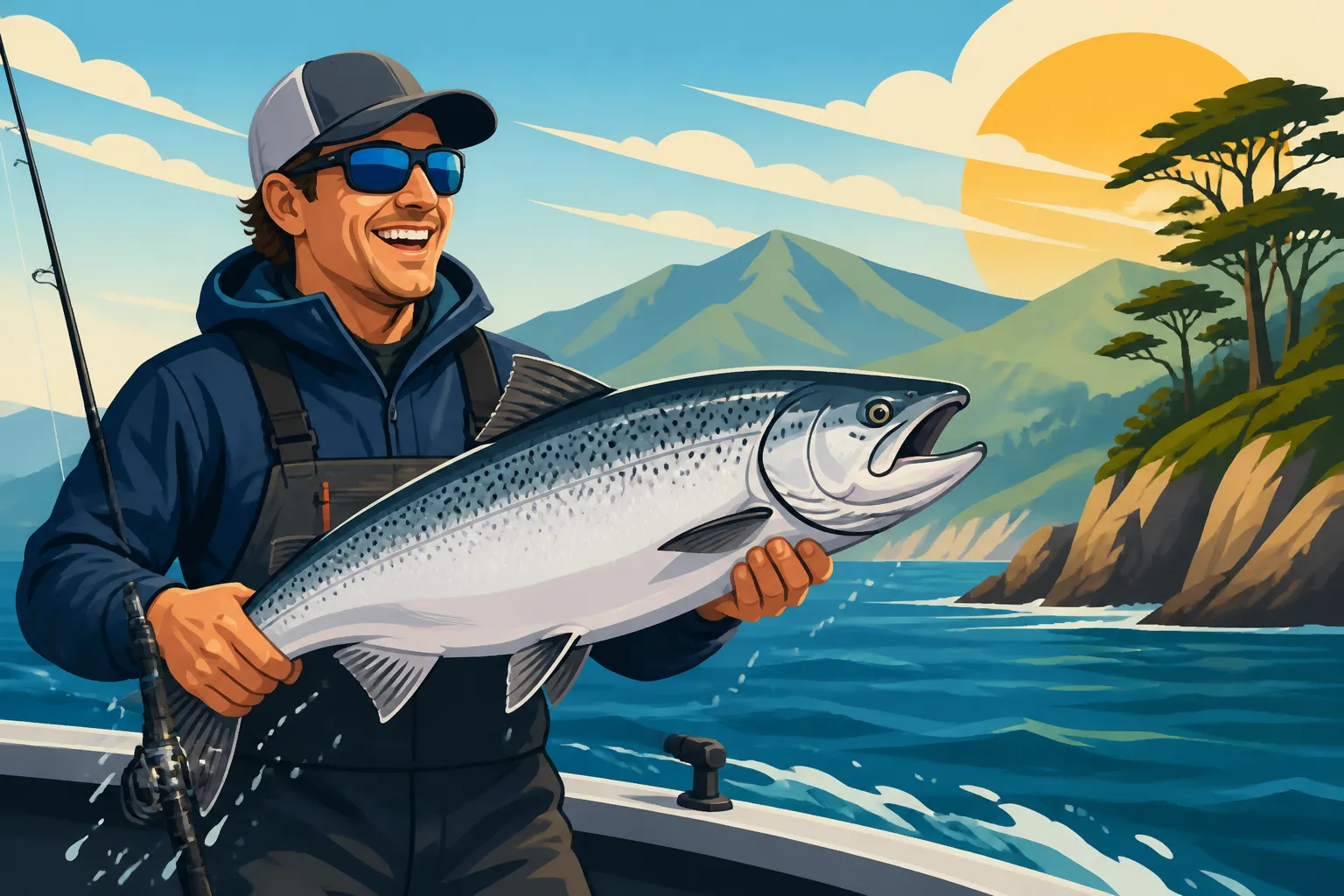
Chinook salmon are, without a doubt, the royalty of California's salmon species. They're the largest, the hardest fighting, and arguably the best tasting. When you hook into a mature King, especially one that's been fattening up in the ocean before its journey back to the rivers, you're in for a battle. These fish have immense power and often make long, drag-screaming runs that test both your gear and your resolve. For many, a successful salmon charter isn't just a day on the water; it's a quest for these magnificent creatures. Imagine pulling up a twenty-pounder, its silver scales flashing in the sun, knowing you've earned every inch of that fish. This isn't always an easy catch, which only adds to the reward.
The Challenge and Reward of the Hunt
Salmon fishing in California is inherently challenging, and that's precisely what makes it so rewarding. Unlike some other species that might school predictably or hold in easily identifiable structures, salmon can be elusive. They roam vast expanses of ocean, following baitfish and ocean currents. This means that successful salmon fishing often requires expert knowledge of ocean conditions, bait migration, and years of accumulated wisdom. This is where a good charter captain truly shines. They spend countless hours studying ocean temperatures, understanding feed patterns, and staying in communication with other boats to locate fish. When everything comes together – the right tide, the right bait, and a healthy run of fish – the reward is immense, not just in the fish you bring home, but in the sheer satisfaction of participating in such a dynamic hunt. It’s a testament to patience, skill, and a little bit of luck, all working in harmony.
Navigating California Salmon Seasons and Regulations
One of the most frustrating aspects of salmon fishing in California is the constantly shifting landscape of seasons and regulations. It feels like every year brings new changes, and keeping up can be a full-time job. These regulations are critical for conservation, ensuring that these vital fish populations remain healthy for future generations, but they certainly make planning a trip tricky.
Annual Variability and Regulatory Changes
The biggest hurdle for anyone planning a California salmon charter is the annual uncertainty surrounding the season. Unlike many other fisheries with relatively stable season dates, the California ocean salmon season, particularly for Chinook, is determined each year by the Pacific Fishery Management Council (PFMC) and the California Department of Fish and Wildlife (CDFW). These decisions are based on complex models that forecast salmon abundance, particularly the critically important Sacramento River Fall Chinook and Klamath River Fall Chinook stocks. What this means for you, the angler, is that you can't just assume the season will be open or closed, or that the limits will be the same as last year.
Sometimes, like in recent years, seasons have been heavily restricted or even completely closed due to critically low stock forecasts, particularly in response to drought conditions affecting spawning rivers. For example, in 2023, the ocean salmon season was largely closed, which was a huge blow to anglers and charter operators alike. It's vital to check the latest CDFW regulations booklet or their website for the most current information before booking any trip. Many charter operators will also be up-to-date and can advise on the current outlook. For a broader understanding, check out our guide on California Salmon Season Dates Explained.
Key Regulations and Report Cards
Beyond the season dates, several other regulations are paramount to follow. When fishing for salmon in California, you'll generally need a valid California fishing license. If you’re unsure about requirements, our comprehensive California Fishing License Guide can help. In addition to your license, all anglers fishing for salmon must possess a California Salmon Report Card. This isn't just a piece of paper; it's a vital tool for fisheries managers to track catch data, which directly influences future season decisions. You must fill out this card immediately upon retaining a salmon, recording the date, location, and species. Failing to fill it out correctly or forgetting to turn it in can result in fines and penalties.
Here’s a quick overview of typical salmon regulations, but remember, these are subject to change annually:
| Regulation Type | Typical Requirement |
|---|---|
| Fishing License | Required for all anglers 16 years and older. |
| Salmon Report Card | Mandatory for all anglers retaining salmon. Must be filled out immediately upon retention and returned to CDFW by the deadline (usually January 31st of the following year). |
| Bag Limit | Varies annually and by management area, but often 1 or 2 Chinook salmon per day. |
| Minimum Size Limit | Varies annually and by management area, typically 20 or 24 inches total length. Some areas may have different minimums depending on the specific stock management. |
| Gear Restrictions | Generally, only single-point barbless hooks are permitted when fishing for salmon. Use of weights and downriggers is common. |
| Area Restrictions | Specific areas may be closed to salmon fishing, or have different bag/size limits. Always check the regulations for your specific fishing location. |
| Special Closures | Emergency closures can happen at any time if stock assessments change. |
The Importance of the Ocean Enhancement Stamp
While not always mandatory for all salmon trips, the California Ocean Enhancement Stamp is often required if you're fishing in waters south of Point Arguello in Santa Barbara County. This stamp helps fund projects that enhance marine life and fisheries in Southern California. Many charters operating in these southern waters will require you to have one. It’s a small added cost, but it goes a long way to supporting the health of our ocean ecosystems. Always verify with your charter captain whether this stamp is needed for your specific trip, especially if you're venturing into southern California waters for species like King Salmon that might be encountered there, although historically, salmon fishing is more prominent further north. You can learn more about this stamp and other requirements in our California Ocean Enhancement Stamp article.
Choosing the Right Salmon Charter Trip
Deciding on a salmon charter isn't as simple as just picking the first boat you see. You've got options, and understanding the differences between them can significantly impact your experience. It's about matching your fishing style, budget, and expectations with the right vessel and crew.
Party Boat vs. Private Charter: What’s Best for You?
This is often the first big decision you’ll face. Do you want to join a group of fellow anglers on a "party boat" (also known as an "open party" or "head boat"), or do you prefer the exclusivity of a private charter?
- Party Boats: These are typically larger vessels that accommodate many anglers, sometimes 20 or more. They operate on a per-person fare, making them a more budget-friendly option. On a party boat, you'll share the deck and the fishing experience with others. This can be a fantastic way to meet new people, learn from more experienced anglers, and enjoy a communal atmosphere. The crew on a party boat is usually very efficient, working to get everyone hooked up and helping with tangles. However, you're also sharing the captain's attention, and you might have less flexibility in terms of where you fish or how long you stay in one spot. If the boat is crowded, you might find yourself in close quarters, which isn't for everyone. They are an excellent choice for solo anglers, small groups, or those looking to minimize cost. Check out our guide on California Party Boat Fishing Explained for more insights.
- Private Charters: A private charter means you book the entire boat for your group, whether it's just two of you or up to six or sometimes more, depending on the vessel's capacity. While significantly more expensive per person than a party boat, the benefits are clear: personalized attention from the captain and crew, complete flexibility on where you fish (within reason and regulations), and the ability to tailor the trip to your group's preferences. If you want to focus on a specific technique, spend more time targeting a hot bite, or simply enjoy a more intimate experience with friends or family, a private charter is the way to go. This is a great option for families with kids, corporate outings, or serious anglers who want a dedicated guide. Websites like FishingBooker can help you sort through options for both private and party boat trips, showing availability and pricing clearly.
Trip Duration: Half-Day, Full-Day, or Extended Journeys
Salmon charters in California typically offer a few different durations, and your choice will depend on how much time you have and how serious you are about the catch.
- Half-Day Trips: These are usually 4-6 hours long and are great for beginners, families with young children, or those with limited time. They're also a good choice if you're just looking to get a taste of ocean fishing without committing to a full day. While you can certainly catch salmon on a half-day trip, the shorter duration means less travel time to distant fishing grounds and less actual fishing time, so your chances might be slightly lower than on a full-day excursion. They typically stick to closer-in waters.
- Full-Day Trips: Ranging from 8-12 hours, full-day trips are the most common and often recommended for serious salmon anglers. They allow the captain ample time to travel to productive fishing grounds, cover more water, and give you plenty of opportunity to hook up. You'll spend a significant portion of the day actively fishing, increasing your odds of success. Many of the best salmon spots are a bit of a run from port, making a full-day trip a practical necessity.
- Extended or Overnight Trips: While less common specifically for salmon, some multi-species or longer-range trips might include salmon as a target, especially if combined with rockfish or tuna. These are for the most dedicated anglers who want an immersive experience, but they are generally focused on Southern California for offshore species. For pure salmon, a full-day trip is usually the maximum.
When considering trip duration, remember that California's coastal weather can change quickly. A longer trip means more exposure to potential wind and swell, so factor in your tolerance for rougher conditions.
What to Look For in a Reputable Salmon Charter
Once you've decided on party or private and how long you want to be out, it's time to choose the actual charter. This is where a little research goes a long way.
- Experience and Reputation: Look for charters with experienced captains who specialize in salmon fishing. Many captains have decades of experience navigating California waters and understanding salmon behavior. Read reviews on platforms like FishingBooker or Google. Look for consistent positive feedback about the crew's professionalism, their knowledge of fishing techniques, and their ability to put clients on fish. A captain who has been fishing out of a port like Bodega Bay or Fort Bragg for years will have invaluable local knowledge.
- Boat and Equipment: Ensure the boat is well-maintained, safe, and equipped with modern electronics like fish finders and radar. Most reputable charters will provide quality gear, but it doesn't hurt to ask about the rods, reels, and tackle they use. Some anglers prefer to bring their own gear, and while this is often allowed on private charters, check with the party boat beforehand. A comfortable, clean boat with ample space is also a plus, especially on longer trips.
- Permits and Licenses: Verify that the charter operator and their vessel are properly licensed and insured. This is crucial for your safety and peace of mind. All commercial passenger fishing vessels (CPFVs) in California must adhere to strict U.S. Coast Guard regulations.
- Customer Service: Pay attention to how the charter interacts with you during the booking process. Are they responsive? Do they clearly explain what's included and what's not? A good charter wants you to have a great experience, not just catch fish. Many charters, especially those listed on platforms like FishingBooker, will have clear communication channels and booking policies.
- Fish Processing: Ask if they offer fish cleaning and processing services. Most charters will fillet your catch for a fee, or the deckhands will do it as part of their tips. This is a huge convenience, especially after a long day of fishing.
What to Expect on a California Salmon Charter
Stepping onto a salmon charter for the first time can be a mix of excitement and a little bit of uncertainty. Knowing what typically happens, from the gear provided to the techniques used, can help you feel more at ease and ready to fish.
Gear and Tackle: What's Provided and What to Bring
One of the great advantages of a charter trip is that the essential gear is usually provided, taking the guesswork out of what to bring.
- Rods and Reels: Most salmon charters will supply you with quality rods and reels spooled with appropriate line. These are typically conventional setups, robust enough to handle the powerful runs of a King Salmon. The reels are often level-wind models, making them user-friendly for anglers of all skill levels. If you're on a party boat, the gear is usually standardized, and deckhands will help you set it up. On private charters, you might have more options or be able to discuss specific preferences with the captain.
- Tackle and Bait: The charter will provide all the necessary terminal tackle, including leaders, weights, and most importantly, the bait. For California salmon, anchovies and herring are staple baits, often fished in a "rotator" or "helmet" rig that imparts a spinning action to mimic a wounded baitfish. Artificial lures, such as hootchies, spoons (like a Luhr Jensen Coyote Spoon), or Apex lures, are also frequently used, often trolled behind flashers or dodgers to attract attention. The captain and crew will determine the best bait and lure combination based on current conditions and what the fish are biting on.
- What You Might Bring: While gear is provided, many anglers prefer to bring their own personal touches. This could include a favorite pair of fishing gloves, a small tackle box with spare weights or leaders if you're particular, or even your own rod and reel if you're very comfortable with it (always check with the captain first!). However, for a first-timer, relying on the charter's equipment is perfectly fine and often recommended.
Typical Salmon Fishing Techniques Employed
California salmon charters primarily use trolling as their go-to method for locating and catching salmon. This technique allows them to cover a lot of water and present baits or lures at specific depths where salmon are feeding.
- Trolling with Downriggers: This is the bread and butter of ocean salmon fishing. Downriggers are specialized pieces of equipment that use a heavy lead ball (or "cannonball") attached to a wire, which is then lowered to a precise depth. Your fishing line, with its bait or lure, is clipped to the downrigger wire using a "release clip." When a salmon strikes, the line pops free from the clip, allowing you to fight the fish directly without the resistance of the downrigger ball. This method allows multiple lines to be fished at different depths, effectively targeting the thermocline or bait balls where salmon might be concentrated.
- Mooching (less common on charters): While primarily a technique popular in the Pacific Northwest, mooching involves drifting with cut bait (like herring) that is weighted and allowed to sink and rise slowly, mimicking an injured baitfish. While effective, it's less common on large commercial charters in California which prefer to cover ground, but smaller private charters might employ it if conditions are right or if the fish are highly concentrated.
- Key to Success: Regardless of the specific setup, the goal is always to present the bait or lure naturally and entice a strike. Deckhands are incredibly skilled at rigging baits and monitoring the lines, often adjusting depths or changing lures based on feedback from other boats or their fish finder. When a fish hits, the deckhand will often be right there to coach you on how to set the hook and fight the fish correctly. You can delve deeper into techniques with our California Salmon Fishing Guide.
Onboard Amenities and Services
Beyond the fishing itself, charters offer a range of amenities and services designed to make your day more comfortable and productive.
- Crew Assistance: The deckhands are your best friends on a charter. They're there to help you rig up, deploy lines, untangle snags, net fish, and ensure everyone is having a safe and enjoyable time. Don't hesitate to ask them questions or for assistance. Tipping your deckhand is customary and greatly appreciated for their hard work – typically 15-20% of the trip fare.
- Safety Equipment: All reputable charters are equipped with essential safety gear, including life jackets, first-aid kits, VHF radios, and GPS navigation. Before departure, the captain will usually give a safety briefing.
- Restrooms and Facilities: Most charter boats, especially party boats, will have a marine head (restroom) onboard. Some larger vessels might even have a galley where you can purchase snacks and drinks. Private charters usually have basic facilities, but specific amenities can vary, so it's wise to ask when booking.
- Fish Care: Once a salmon is caught and deemed legal, the deckhands will typically bleed the fish and place it on ice to preserve its quality. This is crucial, as properly handled salmon makes for excellent eating. At the end of the trip, they will often offer to fillet your fish, either as part of the service or for a small additional fee.
Preparing for Your California Salmon Charter Adventure
A successful and enjoyable salmon charter isn't just about what happens on the boat; it's also about how well you prepare beforehand. A little planning can go a long way in ensuring you have a comfortable and memorable experience.
What to Pack for a Day on the Water
The weather on the California coast can be notoriously fickle. It can start foggy and cool, burn off to a warm, sunny day, and then get windy and chilly again in the afternoon. Layering is key!
- Clothing: Think layers, layers, layers! Start with a moisture-wicking base, add a warm mid-layer (fleece or wool are great), and top it with a waterproof and windproof outer shell. Even on sunny days, the ocean breeze can be cool, and spray is always a possibility. A warm hat and gloves are often appreciated, especially in the early morning.
- Footwear: Wear comfortable, non-slip shoes or boots with good traction. The deck can get wet and slippery, and safety is paramount. Leave your flip-flops at home!
- Sun Protection: Even on cloudy days, UV rays reflect off the water. Bring good quality sunglasses (polarized ones help cut glare and see better), a wide-brimmed hat, and plenty of high SPF sunscreen. Reapply frequently.
- Food and Drink: While some party boats have a galley, it's always a good idea to bring your own snacks and drinks in a small cooler. Staying hydrated is important, and having your favorite munchies can keep your energy up during a long day of fishing. Avoid excessive alcohol, as it can worsen seasickness.
- Camera: You'll want to capture those memories! Just make sure it's waterproof or in a waterproof case, and keep it secure. A cell phone is fine, but be mindful of spray and dropping it overboard.
- Cooler for Your Catch: If you're hoping to bring home some delicious salmon, have a cooler filled with ice in your car for the ride home. Most charters will bag your fillets, but transferring them directly to a chilled cooler will keep them fresh.
Seasickness Prevention: Don't Let it Ruin Your Day
Seasickness is a real concern for many, and it can absolutely ruin an otherwise perfect fishing trip. The good news is there are several effective ways to prevent or mitigate it.
- Over-the-Counter Medications: Options like Dramamine, Bonine, or ginger-based remedies work for many. The key is to take them before you board the boat, ideally an hour or two beforehand, as they are most effective when taken preventatively.
- Patches: Scopolamine patches (like Transderm Scop) require a prescription and are worn behind the ear. These are often highly effective for those prone to severe motion sickness, but consult your doctor first, as they can have side effects.
- Natural Remedies: Ginger, in various forms (ginger chews, ginger ale, ginger capsules), is a popular natural remedy. Acupressure wristbands (like Sea-Bands) can also help some individuals.
- Onboard Strategies: Once on the boat, try to stay on deck in the fresh air and look at the horizon. Avoid reading or looking down at your phone for extended periods. Stay hydrated and avoid greasy foods or excessive alcohol. Position yourself near the middle of the boat, where motion is typically less pronounced. Don't be afraid to let a deckhand know if you're feeling unwell; they are experienced and can offer advice or assistance.
Understanding Tipping Etiquette
Tipping is an important part of the charter fishing experience, particularly for the hard-working deckhands who make your trip enjoyable and successful.
- Standard Practice: A gratuity of 15-20% of the trip's cost is standard for the crew (usually the deckhand, sometimes the captain if they are also the primary deckhand). If you caught a lot of fish, received exceptional service, or the crew went above and beyond, a higher tip is always appreciated.
- Who to Tip: The tip is typically given to the deckhand or, on smaller private charters, directly to the captain at the end of the trip. The crew often splits tips, so giving it to the deckhand ensures it goes to those who directly assisted you.
- Why Tip: Deckhands rely on tips as a significant portion of their income. They work tirelessly, often in challenging conditions, rigging gear, baiting hooks, untangling lines, netting fish, cleaning up, and ensuring your safety and comfort. A generous tip acknowledges their hard work and expertise.
Top California Ports for Salmon Charters
California's long coastline offers numerous launching points for salmon charters, with particular regions known for more consistent salmon activity. Choosing your departure port often depends on where the best fishing is predicted for the season and your proximity.
Northern California Hotspots
Northern California is historically one of the most productive regions for ocean salmon fishing. The cold, nutrient-rich waters here, influenced by upwelling, create an ideal environment for salmon to feed and thrive before their journey into the Sacramento and Klamath River systems.
- Bodega Bay: This charming coastal town is a quintessential Northern California fishing hub. Charters from Bodega Bay often target salmon in the open ocean off the Sonoma and Mendocino coasts. The captains operating out of here are incredibly knowledgeable about local currents and bait concentrations. When the salmon bite is on, boats from Bodega Bay are often among the first to find them. The town itself has a relaxed, fishing-village vibe, making it a great place to stay for a weekend trip. You can find excellent options for salmon trips right from the docks here. Many anglers also appreciate the proximity to the Russian River.
- Fort Bragg: Further north along the Mendocino Coast, Fort Bragg is another prime salmon charter destination. Its deeper waters and proximity to productive offshore banks make it a favorite for many serious anglers. The fleet here is experienced and dedicated to chasing salmon, sometimes running considerable distances to find the fish. The scenic beauty of the Lost Coast and the rugged coastline add to the appeal of fishing from Fort Bragg.
- San Francisco Bay Area (San Francisco, Emeryville, Berkeley): While the actual salmon fishing typically happens outside the Golden Gate, ports within San Francisco Bay, such as Fisherman's Wharf in San Francisco, Emeryville, and Berkeley, are major hubs for sportfishing. These charters head out into the Pacific, often north or south of the Golden Gate, depending on where the salmon are holding. The convenience of departing from a major metropolitan area combined with the iconic backdrop of the Golden Gate Bridge makes these ports very popular. When the salmon are running well outside the bay, these are busy and successful ports. Consider exploring Best Fishing Charters in the Bay Area for options.
Central California Havens
While Northern California often gets the most press for salmon, Central California ports can also offer fantastic opportunities, especially depending on ocean conditions and bait movements.
- Half Moon Bay: Located just south of San Francisco, Half Moon Bay is a vibrant fishing community known for its diverse sportfishing opportunities, including salmon. Charters here often target salmon off the San Mateo and Santa Cruz coastlines. It offers a slightly different oceanographic profile than areas further north but can be incredibly productive, especially during periods of strong upwelling and baitfish presence. The harbor itself is bustling, and it's a popular choice for Bay Area residents looking for a shorter drive to the coast.
- Monterey Bay (Monterey, Santa Cruz): While perhaps more famous for its marine life and deep-sea canyon, Monterey Bay and the surrounding ports of Monterey and Santa Cruz can also offer excellent salmon fishing. The unique underwater topography and rich ecosystem of the bay often attract feeding salmon. Charters here will venture out into the deeper waters of the bay or along the surrounding coastlines to find the migrating Kings. The area provides a beautiful backdrop for a fishing adventure, and there are many knowledgeable captains who know the local waters well. Our Monterey Bay Fishing Guide delves into all the opportunities this area provides.
When planning your trip, consider the seasonal forecasts. Often, the salmon bite will start further south in the spring and move north as the season progresses, or vice-versa, depending on bait and water temperatures. Reputable charter operators and fishing reports are your best source for real-time information. You can often filter for salmon-specific trips on platforms like FishingBooker to see what's available from each port.
Disclaimer
Fishing in California is subject to strict regulations that can change frequently. Always consult the latest California Department of Fish and Wildlife (CDFW) regulations before any fishing trip. This guide is for informational purposes only and does not constitute legal advice regarding fishing regulations.