Point Loma Sportfishing Guide
Trying to figure out where to launch your next big fishing adventure in Southern California can feel overwhelming, especially when you hear so many incredible stories coming out of San Diego. Among the various sportfishing landings, Point Loma Sportfishing stands out as a legendary hub, but understanding its unique offerings, target species, and how to best prepare can be a bit of a maze. This comprehensive guide is designed to cut through that confusion, helping you navigate everything you need to know to make your trip out of Point Loma a memorable success, whether you're chasing pelagics or focusing on the abundant nearshore bite.
Understanding Point Loma Sportfishing's Appeal
Point Loma Sportfishing isn't just a place to catch a boat; it's an institution, a vibrant community cornerstone for anglers looking to tap into the rich waters off San Diego and Baja California. It’s one of the oldest and most respected landings in the area, with a history deeply intertwined with Southern California's sportfishing culture. Anglers flock here because of its prime location, experienced crews, and a reputation for putting people on fish, from local yellowtail to trophy bluefin tuna.
A Legacy of Offshore Excellence
Point Loma Sportfishing has built its reputation on decades of consistent performance, particularly when it comes to offshore fishing. They were pioneers in exploring the migratory patterns of pelagic species like tuna and yellowtail, pushing the boundaries of what was possible on a day trip or multi-day excursion. This long-standing experience means their captains and crews possess an unparalleled understanding of the local and offshore fishing grounds, current conditions, and fish behavior. They’ve seen it all, from epic wide-open bites to challenging conditions, and they know how to adapt to maximize your chances of success. It’s this deep institutional knowledge that gives them a significant edge and keeps anglers coming back year after year.
Their commitment to offshore excellence extends beyond just finding fish. It's about providing a top-tier experience. The boats are meticulously maintained, equipped with modern electronics, and designed for comfort and safety on the open ocean. From the moment you step aboard, you can feel the professionalism and passion for sportfishing that permeates every aspect of the operation. This legacy isn't just about catching fish; it's about preserving and sharing the thrill of the chase, the camaraderie on the rail, and the satisfaction of a hard-earned catch.
The Diverse Fleet and Trip Offerings
One of the standout features of Point Loma Sportfishing is its incredibly diverse fleet, which caters to just about every type of angler and fishing ambition. Whether you’re looking for a quick half-day trip or an adventurous multi-day expedition into Mexican waters, they likely have a boat and itinerary that fits the bill. This flexibility is a huge draw, allowing both seasoned pros and complete beginners to find an outing that suits their skill level and time commitment.
Their offerings range from daily local trips, often half-day or three-quarter day excursions, which target rockfish, bass, and sometimes halibut, to full-day or extended day trips that venture further offshore for yellowtail, barracuda, and occasionally tuna depending on the season. For the serious offshore enthusiast, Point Loma is famous for its San Diego Overnight Tuna Trips Explained and longer 1.5-day to 3-day trips, or even multi-day San Diego Long-Range Fishing Trips that can take you hundreds of miles down the Baja coast. These longer trips are where anglers often encounter the really big bluefin tuna, yellowfin tuna, and dorado. Some boats might even specialize in specific techniques or species, offering dedicated trips for specific target fish or fishing styles. This variety ensures that no matter what your fishing aspirations are, you can find a suitable adventure.
What Makes Point Loma Unique?
Beyond its rich history and diverse fleet, Point Loma Sportfishing holds a unique place in the Southern California fishing scene for several reasons. Firstly, its location in San Diego's Point Loma peninsula provides relatively quick access to both productive local kelp beds and offshore banks. This geographical advantage means less travel time and more fishing time, which is always a bonus. You’re not spending half your day just getting to the fishing grounds.
Secondly, the culture among the captains and crews is truly exceptional. They are not just deckhands or boat operators; they are passionate fishermen themselves, often with lifetimes of experience on these specific waters. They are incredibly knowledgeable, always willing to offer advice, tie knots, rig baits, and help you land your fish. This hands-on, supportive approach makes a significant difference, especially for those new to ocean fishing. You'll find a genuine desire to see every angler succeed and have a great time, fostering a welcoming atmosphere that many visitors find refreshing. Thirdly, the consistently good fishing reports for species like California Bluefin Tuna Fishing Guide and California Yellowtail Fishing Guide make it a top choice when you're looking for where the action is hot. For those comparing options, this landing often tops lists for Best Fishing Charters in San Diego.
Popular Fish Species Targeted from Point Loma
The waters accessible from Point Loma Sportfishing are teeming with a fantastic array of game fish, offering something for every angler. The target species often depend on the time of year, water temperatures, and how far offshore the boat is heading. Understanding what you're likely to encounter can help you prepare mentally and physically for the fight ahead.
Offshore Pelagics: Tuna, Yellowtail, Dorado
When the warm waters push up from the south, typically from late spring through fall, the offshore fishery out of Point Loma truly comes alive with pelagic species. These fish are known for their incredible fighting power and often migrate in large schools, creating opportunities for some truly epic fishing.
Bluefin Tuna: These are the superstars of the Southern California offshore scene. Bluefin tuna can range from schoolie size (20-40 pounds) up to absolute giants weighing well over 200 pounds. They are notorious for their brutal fights and can test even the most experienced anglers and their gear. Targeting bluefin usually involves looking for sonar marks, bird schools, or meter marks, then either jigging with heavy metal jigs, fly-lining live bait (like sardines or mackerel), or kite fishing with balloons and large baits. The season for these prized fish typically kicks into high gear in late spring and can last well into fall, sometimes even early winter.
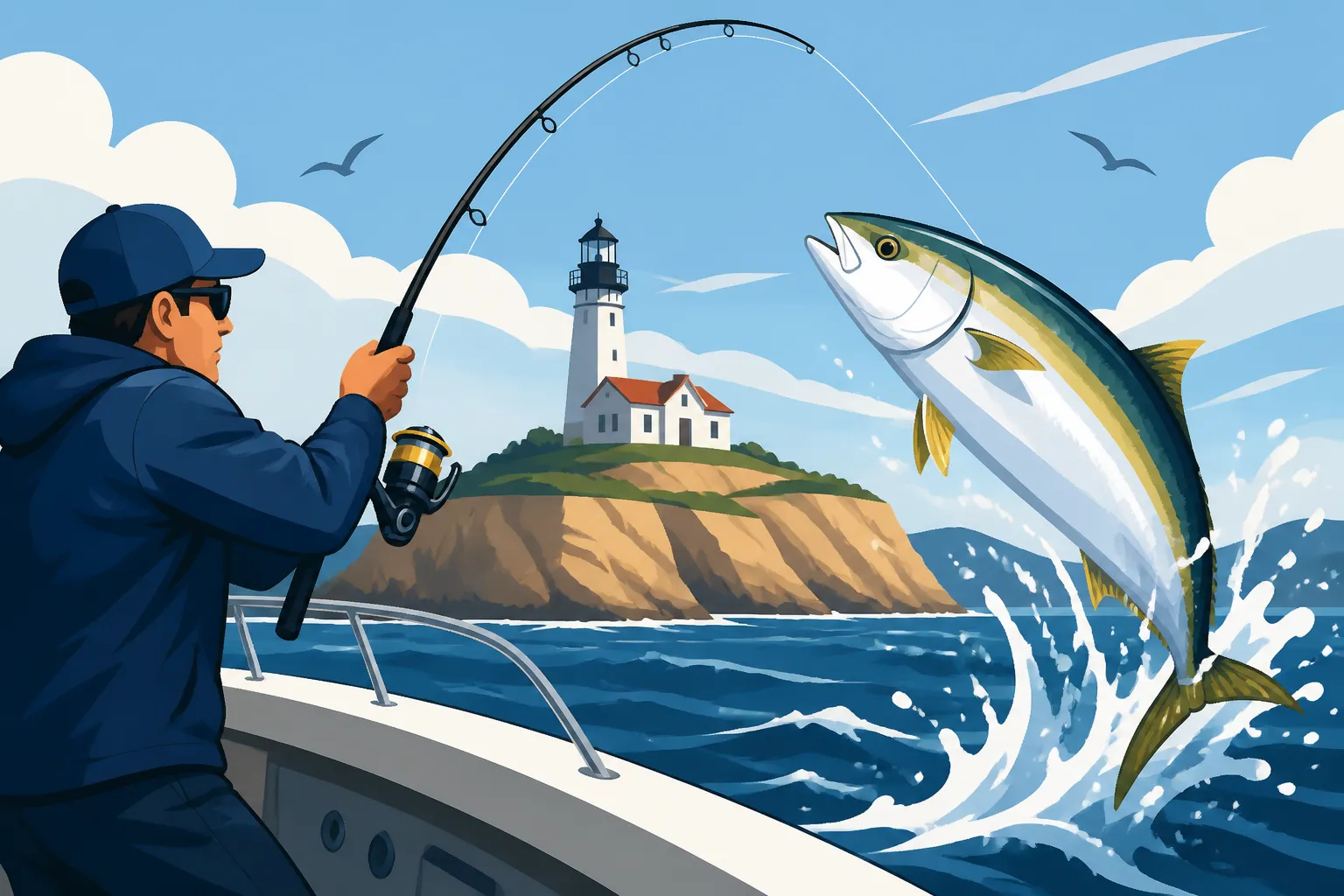
Yellowtail: Known as "mossbacks" for their green-gold flanks, yellowtail are revered for their strength and speed. They can be found in various sizes, from smaller "firecrackers" in the 10-15 pound range to larger fish exceeding 40 pounds. Yellowtail are often targeted around kelp paddies offshore, islands like Coronado Islands, or specific banks. Techniques include yo-yo jigging, casting iron, fly-lining live bait, or slow-trolling Rapala-style lures. Their powerful runs and stubborn fights make them a favorite among many anglers.
Dorado (Mahi-Mahi): These vibrantly colored fish are a true treat, both to catch and to eat. Dorado are fast-growing, aggressive, and put on an acrobatic show when hooked. They typically follow warmer water currents and are often found under kelp paddies or other floating debris offshore. They readily strike a variety of lures and live baits, making them a fun target for anglers of all skill levels. Their striking colors, especially when freshly caught, are unforgettable. The season for dorado usually aligns with the warmest water months, typically summer and early fall.
Nearshore Delights: Rockfish, Calico Bass, Halibut
While the offshore bite grabs headlines, the nearshore waters off Point Loma offer fantastic and consistent fishing opportunities, particularly during months when pelagic species are scarce or when weather keeps boats closer to shore. These trips are often shorter, more accessible, and excellent for beginners or families.
Rockfish (Groundfish): This is a broad category encompassing many species, including Vermilion Rockfish, Bocaccio, Lingcod, and various smaller varieties. Rockfish are bottom-dwelling fish found over rocky reefs and pinnacles. They are excellent eating and provide steady action, making them a staple of local half-day and full-day trips. How to Catch Rockfish in California often involves dropping baited rigs or jigs straight down to the bottom. California has specific depth restrictions and bag limits for rockfish, so it's always crucial to stay informed on the latest California Fishing Regulations Explained.
Calico Bass: These feisty fish are a Southern California icon, known for their aggressive strikes and strong fights, especially when hooked near structure or kelp. They inhabit the kelp forests and rocky reefs close to shore. Anglers often target calico bass by casting swimbaits, jerkbaits, or live bait (like sardines or anchovies) into the kelp. They provide excellent light-tackle sport and are a popular target on local 3/4-day and 1/2-day trips. While some are kept, many anglers practice catch and release to preserve the fishery.
California Halibut: A prized flatfish, California halibut are masters of camouflage, burying themselves in sandy or muddy bottoms. They are a highly sought-after species for their delicious white meat. Halibut can be found in bays, estuaries, and along the open coast, often near structure or drop-offs. Techniques include drift fishing with live bait (such as anchovies, sardines, or mackerel), slow-trolling swimbaits, or casting plastics. Catching a large "barn door" halibut is a thrill, and Point Loma boats often target them, especially during specific seasons. For those interested in the details, exploring California Halibut Size and Bag Limits is a smart move before hitting the water.
Planning Your Trip: What You Need to Know
Planning a fishing trip, especially for offshore adventures, can feel like a lot to juggle. But with a bit of foresight and understanding of the requirements, you can ensure a smooth, enjoyable, and successful experience from Point Loma Sportfishing.
Licensing and Regulations
Before you even think about baiting a hook, you absolutely must have the proper California fishing license. This isn't just a suggestion; it's a legal requirement. For visitors, the California Fishing License Requirements for Visitors typically involve purchasing an annual or a short-term license (like a one-day or two-day option). While you can often purchase these at the landing, it's usually more convenient to get your license online through the California Department of Fish and Wildlife (CDFW) website beforehand. This way, you’re not scrambling at the last minute. Remember, specific report cards may also be required for certain species like highly migratory fish or sturgeon, even on a charter boat.
Beyond the basic license, you'll need to be aware of the myriad of regulations that govern fishing in California waters. These include bag limits, size limits, season closures, and even specific gear restrictions (like barbless hooks for certain species or in particular areas). Your charter captain and deckhands will be experts on these rules and will guide you, but having a general understanding is always a good idea. For trips venturing into Mexican waters, additional Mexican fishing permits are required, and your charter will usually handle these for you or inform you of the process. Always confirm what is covered when you book your trip. You can find comprehensive details in the California Fishing License Guide or the annual regulation booklet.
Essential Gear and Packing List
While most charter boats provide basic fishing gear (rods, reels, tackle) as part of your fare or for a small rental fee, many anglers prefer to bring their own trusted setups. If you're bringing your own, make sure it's appropriate for the target species. For example, a heavy setup for bluefin tuna is vastly different from a light setup for calico bass. When preparing for your trip, consider what the crew recommends for the specific trip you've booked.
Here's a general packing list:
- California Fishing License: A physical copy or easily accessible digital proof.
- Warm Layers: Even on a sunny day, it can be surprisingly cold on the water, especially in the mornings or evenings. Think layers: a base layer, fleece, and a waterproof/windproof outer shell.
- Waterproofs: A good waterproof jacket and pants are invaluable, particularly on offshore trips where spray is common.
- Sun Protection: Hat, sunglasses (polarized are a huge plus for spotting fish), and high-SPF sunscreen. The sun reflects off the water and can be intense.
- Non-Slip Shoes: Deck shoes or waterproof boots with good grip are essential for safety on a wet, moving boat.
- Food and Drinks: Most boats have a galley for snacks and drinks, but bringing your own ensures you have what you like. Don't forget plenty of water!
- Cooler: If you plan on taking fish home, bring a cooler with ice to store your fillets. Leave it in your car until the trip is over.
- Seasickness Medication: If you're prone to seasickness, take medication before you board the boat. Bonine or Dramamine are popular choices.
- Camera: To capture those epic moments!
- Small Backpack: To keep your personal items organized and dry.
- Cash for Gratuities: Don't forget to tip the hard-working deckhands. More on that later!
For a more exhaustive rundown, check out What to Bring on a California Fishing Charter.
Booking Your Adventure
Booking your fishing adventure out of Point Loma Sportfishing is usually a straightforward process, but timing can be key, especially for popular trips during peak seasons. You can typically book directly through their website, by phone, or sometimes through third-party platforms like FishingBooker. It’s wise to book well in advance, particularly for weekend trips, holidays, or any specialized longer-range excursions.
When you're browsing, pay close attention to the trip descriptions. They will specify the duration (e.g., half-day, full-day, overnight, 1.5-day), the target species, and where the boat might be heading (local, Coronado Islands, offshore banks, etc.). Don't hesitate to call the landing directly if you have any questions about which trip is best for you or your group. They can provide insights into current fishing conditions and what’s biting. Also, understand the pricing structure – some trips include tackle, others require rental, and bait is almost always included in the fare for sportfishing boats. Understanding California Half-Day vs Full-Day Charters can help you decide which trip length is right for your group and budget. For those wondering about costs, we have a detailed guide on How Much Does a Fishing Charter Cost in Point Loma.
Maximizing Your Point Loma Sportfishing Experience
You've booked your trip, gathered your gear, and got your license. Now, how do you make the absolute most of your day on the water? It's about more than just catching fish; it's about engaging with the experience, learning from the pros, and being a good sport on the boat.
Reading the Fish Count and Conditions
One of the best ways to gauge what’s happening on the water and manage your expectations is to keep an eye on the "fish count" reports. Most sportfishing landings, including Point Loma Sportfishing, publish daily or near-daily reports detailing what each boat caught, where they fished, and what techniques were effective. These reports are invaluable for understanding current conditions, what species are biting, and what kind of gear might be working best. You can usually find these on their website or social media.
However, remember that fish counts are a snapshot of the previous day or two. Fishing is dynamic, and conditions can change rapidly. A hot bite one day might cool off the next, or a new school of fish might move in. Use the reports as a guide, but go into your trip with an open mind and be ready to adapt. The captain and crew will be your primary source of real-time information once you’re underway. Learning how to interpret these reports can significantly enhance your planning process, and you can delve deeper into this with our guide on How to Read a California Charter Fish Count.
Deckhand Etiquette and Tipping
The deckhands are the unsung heroes of any sportfishing trip. They work incredibly hard, often from before dawn until well after sunset, doing everything from rigging baits, gaffing fish, untangling lines, cleaning up, and ensuring your safety. They are an invaluable resource, providing advice, sharing techniques, and offering assistance whenever needed. Being respectful and appreciative of their hard work goes a long way. Listen to their instructions, especially when it comes to handling fish or moving around the boat, as these are often for your safety and the efficiency of the fishing operation.
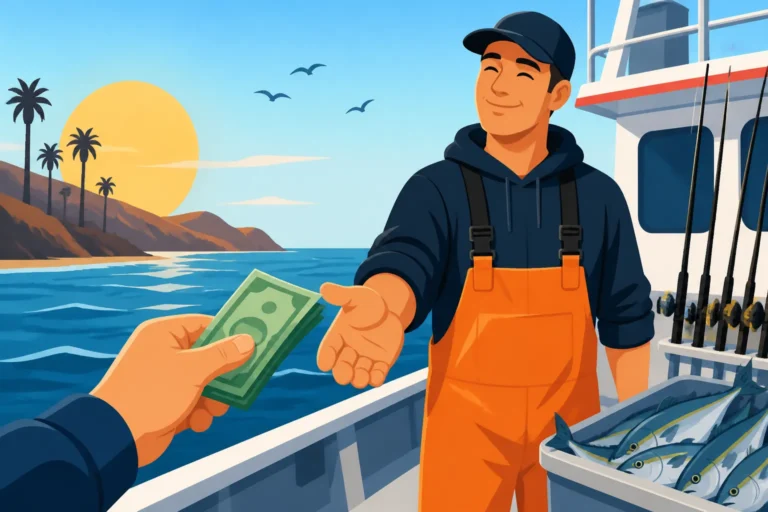
Tipping is customary and expected in the sportfishing industry. A standard tip for deckhands is typically 15-20% of your ticket price, split among the crew. If you had an exceptional day, or if a particular deckhand went above and beyond to help you, feel free to give more. It’s also common to tip a little extra if they spend significant time filleting your fish at the end of the trip. Always bring cash for tips, as it’s generally preferred and easier for the crew. For a more detailed breakdown, refer to our guide on Tipping on a California Fishing Charter.
Post-Trip Fish Care
So, you’ve had a fantastic day, and your cooler is full of fresh fish! Now, the job isn’t quite over. Proper fish care is crucial for ensuring the quality and taste of your catch. Most sportfishing boats offer fish cleaning and filleting services, usually for a small fee, often handled by the deckhands or dedicated fish cleaners at the dock. This is often worth it for the convenience and expertise, as they can quickly process a large number of fish.
If you choose to clean your fish yourself, make sure you have the right tools (a sharp knife, cutting board) and know the local regulations regarding filleting fish at sea (some species have minimum size limits that require the fish to be identifiable until you’re on shore). Once filleted, immediately place your fish on ice in a clean cooler. The colder you keep them, the longer they will maintain their freshness and quality. At home, you can vacuum seal portions for freezing or prepare them fresh. There’s nothing quite like enjoying a meal of fish you caught yourself, a perfect culmination to your Point Loma Sportfishing adventure.
| Trip Type | Typical Duration | Primary Target Species (Seasonal) | General Experience Level |
|---|---|---|---|
| Half-Day Local | 5-6 hours | Rockfish, Calico Bass, Barracuda, Sculpin | Beginner-Intermediate |
| 3/4-Day Local | 8-9 hours | Rockfish, Calico Bass, Yellowtail (local), Barracuda | Beginner-Intermediate |
| Full-Day Offshore | 10-12 hours | Yellowtail, Dorado, Bluefin Tuna (schoolie), Yellowfin Tuna | Intermediate-Advanced |
| Overnight Offshore | 24-30 hours | Bluefin Tuna, Yellowfin Tuna, Dorado, Yellowtail | Intermediate-Advanced |
| 1.5-Day Offshore | 36 hours | Bluefin Tuna (larger models), Yellowfin Tuna, Dorado, Yellowtail | Advanced |
| Long Range | 3-16+ days | Bluefin Tuna, Yellowfin Tuna, Wahoo, Dorado, Yellowtail, Marlin | Expert |
No matter what kind of fishing you're passionate about, Point Loma Sportfishing offers a truly world-class experience. With its rich history, professional crews, and access to some of the most productive waters on the West Coast, it's a prime destination for anglers from all walks of life. Whether you’re planning a quick local trip or an epic offshore journey, platforms like FishingBooker can help you find and book the perfect boat for your next adventure out of this iconic San Diego landing.
Disclaimer
Fishing conditions and regulations in California can change frequently. Always consult the latest California Department of Fish and Wildlife (CDFW) regulations and check with your chosen charter or local bait and tackle shops for the most up-to-date information before heading out. Safety should always be your top priority on the water.