What’s Included on a California Charter
There's nothing quite like the excitement of booking a California fishing charter, dreaming of reeling in that trophy catch against the stunning backdrop of our coastlines or shimmering lakes. But when you’re looking at all those different options, it’s easy to get lost in the details and wonder, "What exactly am I paying for?" Many anglers, especially those new to charter fishing, feel confused about what’s included in the price and what they need to bring themselves. This comprehensive guide will break down the typical inclusions on California fishing charters, helping you understand what to expect and ensure you’re fully prepared for your next epic angling adventure.
The Essentials: What Every California Charter Typically Covers
When you book a fishing charter in California, there are a few fundamental things you can almost always count on being part of the package. These are the pillars of any good charter experience, designed to get you out on the water safely and equipped for fishing.
Boat, Fuel, and Safety Equipment
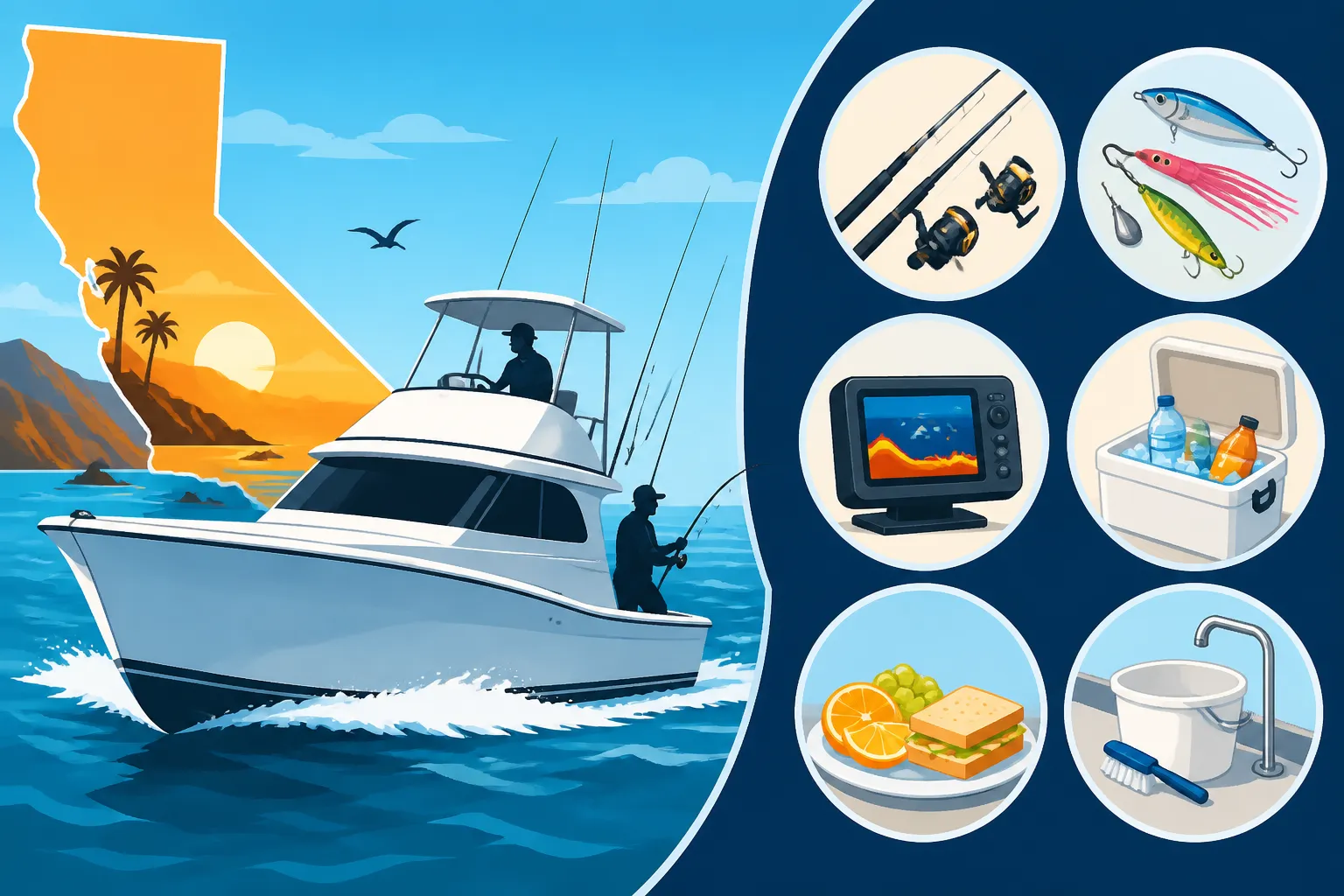
This might seem obvious, but it's the absolute bedrock of any charter trip. Your payment covers the use of a fully functional, licensed vessel, whether it's a sleek sportfisher heading offshore from San Diego or a sturdy center console navigating the calmer waters of a bay. The cost of fuel, which can be considerable for a day out, especially when chasing pelagic species like tuna far offshore, is always factored in. You don't have to worry about topping up the tank before or after your trip.
More importantly, your charter will come equipped with all the necessary safety gear. This includes Coast Guard-approved life jackets for every passenger, flares, first-aid kits, communication devices like VHF radios, and usually a GPS navigation system. Reputable captains prioritize safety above all else, ensuring that their vessel and equipment meet all regulations and are in excellent working order. This peace of mind is invaluable, knowing you're in capable hands on the open water.
Fishing Gear and Tackle
Unless specified otherwise, you can expect the charter to provide all the rods, reels, lines, and terminal tackle you’ll need for the target species of your trip. This is a huge relief for many anglers, especially those traveling from out of state or new to a particular type of fishing, as they don't have to invest in specialized equipment or haul it all with them.
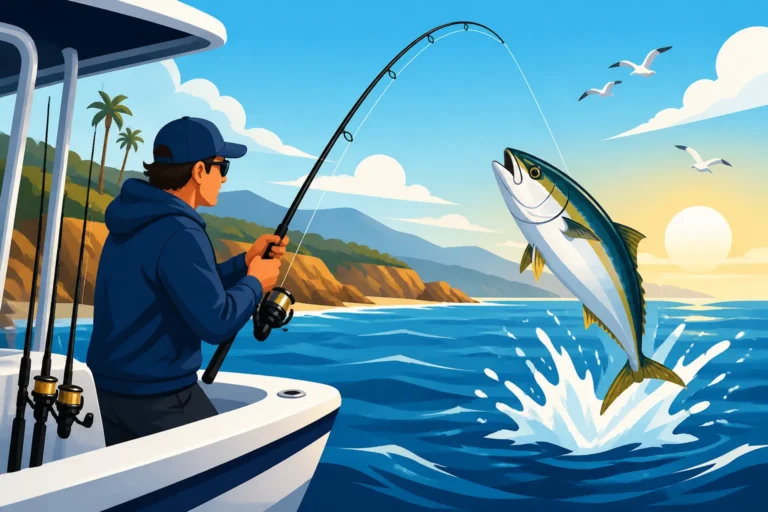
For instance, if you're going after rockfish and lingcod off Monterey, they'll have heavy-duty outfits for deep dropping. If it’s a bluefin tuna trip out of San Diego, expect powerful setups capable of handling these offshore giants. This typically extends to bait (live or cut, depending on the fishing style and target) and a selection of lures, jigs, or flies that the captain knows are currently effective. The crew will set up your lines, show you how to use the gear, and help with any tangles or snags. However, it's always a good idea to confirm if there are any specific tackle requests or if you're welcome to bring your own "lucky" rod if you prefer.
Crew and Expertise
This is arguably the most valuable inclusion on any charter: the experienced captain and their deckhands. These aren't just boat drivers; they are seasoned professionals with an intimate knowledge of the local waters, including the best fishing spots in California, prevailing currents, and fish behavior. They live and breathe fishing, often spending hundreds of days a year on the water.
The captain is responsible for navigating, ensuring safety, and putting you on the fish. They use their expertise and technology (like fish finders and sonar) to locate productive areas. The deckhands are there to assist you directly, providing instructions on how to use the gear, baiting hooks, gaffing or netting fish, and generally making your fishing experience as smooth and enjoyable as possible. They’re also usually quite the storytellers, making the trip even more entertaining. Their guidance is essential, whether you're a seasoned pro looking for local insight or a complete beginner needing a helping hand.
Beyond the Basics: What Might Be Included (or Cost Extra)
While the core inclusions mentioned above are fairly standard, many charters offer additional amenities or services that can significantly enhance your trip. It's crucial to understand which of these are part of the base price and which might incur an extra charge. This is where researching individual charters through platforms like FishingBooker really pays off, as they often detail these extras.
Licensing and Permits
This is a common point of confusion for many anglers. Generally, you, the angler, are responsible for obtaining your own California Fishing License Guide before stepping foot on a charter boat. However, some larger party boats, especially those operating multi-day trips or serving a high volume of tourists, might offer a temporary fishing license for purchase directly on board or sometimes include it in a premium package.
Even if the boat provides general licenses, specialized report cards for species like California Steelhead Report Card or California Sturgeon Report Card are almost always your individual responsibility. It's always best practice to assume you need your own license and purchase it beforehand. Check the California Department of Fish and Wildlife (CDFW) website or authorized license agents. Don't forget, if you're fishing offshore in federal waters, you might also need a specific federal permit for certain species, but again, the charter operator should clarify this well in advance. Some trips might also require a California Ocean Enhancement Stamp, especially if fishing in southern California waters for certain species.
Food, Drinks, and Amenities
The level of provisioning varies wildly between charters. On a basic half-day trip, you might get a cooler with bottled water and maybe a soda. On a full-day offshore excursion, some charters might provide a simple lunch, snacks, and a broader selection of non-alcoholic beverages. Luxury private charters, on the other hand, might offer gourmet catering, fresh coffee, and even alcoholic beverages (within legal limits and often with prior arrangement).
Always clarify what food and drink are included. If nothing is explicitly mentioned, assume you need to bring your own. Many anglers prefer to pack their favorite snacks, sandwiches, and drinks anyway. If you're considering a longer trip, like some of the San Diego overnight tuna trips explained, a hearty meal plan is usually a necessity, and charters often provide excellent provisions for these extended adventures. It's also worth asking about amenities like restrooms ("head"), shaded areas, and comfortable seating, as these can make a big difference in your comfort level, especially on a long day.
Fish Cleaning and Filleting
Successfully catching fish is only half the battle; preparing them for the journey home is the other. Many California charters, especially those focused on sportfishing, offer fish cleaning, gutting, and filleting services. This is a huge convenience, saving you time and mess once you're back on shore.
Sometimes, this service is included in the charter price. Other times, the deckhands might offer it for a small additional fee, often paid directly to them as a form of gratuity. It's customary to tip for this service, as it involves skilled labor and extra effort on their part. Make sure to clarify this before the trip begins so you know whether to factor it into your budget and can appropriately thank the crew.
Photography and Keepsakes
In our social media-driven world, getting that perfect photo of your catch is almost as important as the catch itself! Most charter crews are more than happy to snap photos of you with your fish, sometimes even assisting with dynamic shots before the fish goes into the cooler. Some premium or specialized guides might even offer professional photography packages or drone footage, though this would almost certainly be an extra charge.
Beyond photos, some charters might provide souvenir hats, t-shirts, or even mounted replicas of truly exceptional catches (again, usually at an additional cost). While not strictly "inclusions," these can add a memorable touch to your experience. Just be sure to bring your own phone or camera to capture those personal memories, even if they offer to take photos for you.
Planning Your Trip: Understanding Different Charter Types
The type of fishing trip you choose significantly impacts what's included and your overall experience. California offers a vast array of charter options, from quick trips near shore to multi-day offshore expeditions. Knowing the distinctions will help you pick the perfect adventure.
Half-Day vs. Full-Day vs. Overnight Trips
The duration of your charter is a primary factor in what's typically included.
- Half-Day Charters: These are generally shorter trips, lasting 4-6 hours. They are perfect for beginners, families, or those with limited time. Inclusions usually cover the basics: boat, crew, gear, and possibly water. You’ll almost certainly need to bring your own snacks and any other beverages. Due to the shorter duration, these trips typically stay closer to shore, targeting species like local rockfish, bass, or halibut. Expect less in terms of elaborate meals or extensive amenities.
- Full-Day Charters: Lasting 8-12 hours, these trips offer more time to explore fishing grounds, target a wider variety of species, or venture further offshore. Inclusions usually expand to include a basic lunch and more substantial drinks. The crew will have more time to dedicate to instruction and moving between spots. This type of trip provides a much more immersive experience than a half-day.
- Overnight/Multi-Day Charters: These are serious expeditions, common for chasing tuna or other pelagics far out into the Pacific. Here, inclusions become much more comprehensive. Expect all meals, snacks, and non-alcoholic beverages to be included, often served in a galley onboard. Bunking facilities are standard, though they can range from basic bunks to more comfortable cabins on larger, purpose-built long-range boats. These trips also often provide specialized heavy tackle not typically available on shorter trips. For specific details, you might want to look into things like what's included on San Diego Overnight Tuna Trips Explained.
Here's a quick comparison of what different trip durations often include:
| Feature | Half-Day Trip (4-6 hrs) | Full-Day Trip (8-12 hrs) | Overnight Trip (24+ hrs) |
|---|---|---|---|
| Boat, Fuel, Crew | Included | Included | Included |
| Fishing Gear & Tackle | Included | Included | Included (often heavier duty) |
| Licenses/Permits | Usually not included | Usually not included | Check with charter (often not) |
| Bait & Lures | Included | Included | Included |
| Water/Basic Drinks | Yes | Yes | Yes (more variety) |
| Meals | No (bring your own) | Often a basic lunch/snacks | All meals & snacks included |
| Fish Cleaning | Varies (sometimes for a fee) | Varies (sometimes for a fee) | Often included |
| Sleeping Quarters | N/A | N/A | Included (bunks/cabins) |
| Ice for Catch | Yes | Yes | Yes |
| Expert Instruction | Yes | Yes (more in-depth) | Yes (extensive) |
Private Charters vs. Party Boats
California offers two main styles of booking a charter: a private trip or a spot on a party (or "open party") boat. The inclusions can differ significantly.
- Private Charters: When you book a private charter, you're reserving the entire boat for your group, whether it's two people or six (depending on the boat's capacity). This means you have a personalized experience. The captain can tailor the trip to your group's preferences – targeting specific species, focusing on a particular fishing technique, or spending more time at a favorite spot. While the core inclusions (boat, crew, gear) are the same, private charters often have more flexibility regarding food and drinks, sometimes allowing you to bring your own alcohol or even coordinating specific catering. The crew's attention is entirely on your group, offering more one-on-one guidance. Check out California Private vs Shared Charters for a deeper dive into these options.
- Party Boats (Open Party): These are larger vessels that sell individual spots to multiple anglers, often ranging from 15 to 60+ people. They operate on a set schedule and target specific species or areas based on the bite. Inclusions are typically more standardized: boat, crew, basic tackle, and bait. Food and drinks are usually available for purchase on board from a galley or snack bar. While less personalized, party boats are a fantastic, cost-effective way to experience California sportfishing, especially for popular trips like California Rockfish Charter Trips or California Halibut Charter Trips. Just remember, you'll be sharing the rail with many other anglers.
Specialized Trips
California's diverse waters mean you can find charters specializing in almost any type of fishing. These specialized trips often have tailored inclusions that reflect their focus.
- Offshore Tuna Trips: Trips specifically targeting species like Bluefin, Yellowfin, or Albacore tuna (see California Bluefin Tuna Charter Trips) will always include heavy-duty rods and reels capable of landing these powerful fish. They'll also typically provide fresh live bait (like sardines or anchovies) and a variety of jigs and lures proven effective for tuna. Longer trips will include robust meal plans and sleeping arrangements.
- Freshwater Guide Trips: If you're booking a guide for bass on Clear Lake or trout in the Eastern Sierra, the inclusions will be different. Often, this involves a smaller boat (like a bass boat or drift boat), specialized light tackle, and perhaps specific fly fishing gear (for a California Fly Fishing Guide). Food and drinks are often a "bring your own" affair, though guides usually have a cooler with water.
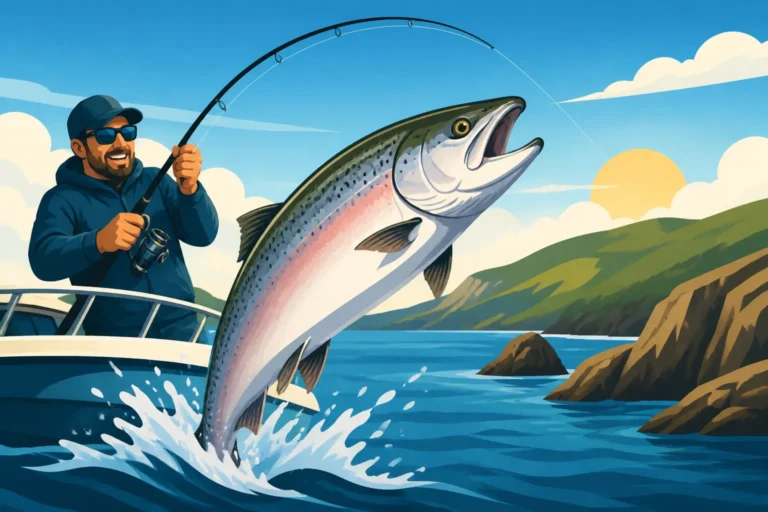
- Salmon or Lingcod Trips: For a California Salmon Charter Trips or lingcod specific trip, you might find specialized gear for trolling or jigging. The type of bait (e.g., herring for salmon) or specific lures might be emphasized.
Always check the charter's description carefully when booking a specialized trip, whether through a captain's direct site or through a trusted platform like FishingBooker. They are usually very clear about what’s provided to match the unique demands of the fishing style.
What You Should ALWAYS Bring (Just in Case)
Even with the most comprehensive charter, there are always a few personal items you should bring to ensure your comfort and enjoyment on the water. No matter how many amazing things your charter includes, your personal well-being is always your responsibility.
Personal Essentials for Comfort and Safety
California weather, especially near the coast, can be unpredictable. Even on a warm day, it can get chilly on the water, and offshore trips are often much cooler than on land.
- Layered Clothing: Always dress in layers. A waterproof outer shell is a must, even if rain isn't in the forecast, as sea spray can quickly soak you. A warm fleece or jacket underneath will keep you comfortable.
- Sun Protection: The sun's rays are amplified on the water. Bring a wide-brimmed hat, polarized sunglasses (they also help you see fish!), and plenty of high-SPF sunscreen.
- Motion Sickness Medication: If you're prone to seasickness, take preventive medication before you board the boat. Ginger chews or wristbands can also help. Don't wait until you feel sick; by then, it's often too late.
- Cooler with Ice (for your catch): While the boat usually has fish holds, it's a good idea to bring a separate cooler in your vehicle for transporting your fillets home, especially if you have a long drive. Some charters might have bags of ice available for purchase upon return.
- Appropriate Footwear: Non-slip, closed-toe shoes are highly recommended. Deck shoes, boat shoes, or even old sneakers with good grip are ideal. Avoid sandals or flip-flops, as decks can be wet and slippery. You can find more comprehensive advice on What to Wear on a California Fishing Charter.
Your Own Preferred Gear
While charters provide excellent gear, many experienced anglers have their "go-to" rods, reels, or lucky lures. If you prefer to use your own equipment, most captains are accommodating, but it's always best to ask beforehand.
- Personal Rod and Reel: If you have a specific setup you're comfortable with for a certain type of fishing (e.g., a favored jigging rod for yellowtail), bring it along. Just make sure it's appropriate for the target species and conditions of the trip.
- Specialty Lures or Baits: While the charter supplies bait and common lures, you might have a particular "secret weapon" lure or soft plastic that you swear by. Again, communicate with the captain or deckhand; they might even appreciate seeing something new!
- Small Tackle Bag: A small bag with a few extra hooks, weights, pliers, and a knife can be handy, even if the charter provides most things. It's nice to have your essentials within arm's reach.
Snacks, Drinks, and Cash
Even if your charter promises food and drinks, it never hurts to supplement.
- Extra Snacks and Drinks: A long day of fishing can build up an appetite. Pack extra snacks like granola bars, fruit, or sandwiches, and plenty of water or your favorite non-alcoholic beverages.
- Cash for Tips: Tipping the crew is customary and highly encouraged. Deckhands work incredibly hard before, during, and after your trip to ensure you have a great experience and get your fish cleaned. A general guideline is 15-20% of the charter fee. If they went above and beyond, consider more! Don't forget small bills for extra services like fish cleaning if not included, or for purchasing items from the galley on a party boat. Learn more about Tipping on a California Fishing Charter.
Understanding what's included and what you need to bring yourself is key to a stress-free and enjoyable California fishing charter. By being prepared, you can focus on the thrill of the catch and the beauty of the California outdoors.
Disclaimer
Please remember that fishing regulations, seasons, and licensing requirements can change. Always consult the latest California Department of Fish and Wildlife (CDFW) regulations or contact your chosen charter operator directly for the most up-to-date information before your trip.