Fishing from a Pier in California: Rules
It’s a common scenario: you’re visiting one of California’s gorgeous coastal towns, you see a long pier stretching out into the ocean, and you think, “Hey, I bet I could catch some dinner there!” But then the nagging question hits: do you actually need a fishing license to cast a line from a pier in California? The answer, for many, is a hopeful "no," but the reality is a little more nuanced than just that one golden rule. This guide is here to untangle all the ins and outs, clarifying not just the license requirements but also the myriad other regulations that pier anglers absolutely need to know to stay legal and enjoy their time on the water.
The Golden Rule: License-Free Pier Fishing (with caveats)
One of the most appealing aspects of fishing from a public pier in California is the long-standing exception to the statewide fishing license requirement. This rule has opened the doors to countless aspiring anglers, families, and tourists who want to experience the joy of fishing without the initial hurdle and cost of obtaining a license. However, understanding the spirit and the letter of this law is crucial to avoid any unwelcome surprises.
Why Piers Are Different
The concept of license-free fishing from California's public piers isn't just a happy accident; it's a deliberate policy with historical roots. Historically, public piers have been seen as community assets, points of public access to the marine environment that don't require boats or specialized gear. The California Department of Fish and Wildlife (CDFW) and the California Coastal Commission have long supported initiatives that make coastal access, including fishing opportunities, available to the broadest possible public. Requiring a full California Fishing License Guide for every person who wants to drop a line from a pier would undoubtedly deter many casual anglers, especially children and tourists.
This distinction is what truly sets pier fishing apart from nearly every other fishing scenario in the state. If you were to fish from the beach, a private dock, a rock jetty, or a boat, a fishing license would be mandatory for anyone over the age of 16. The pier acts as a kind of public common ground, a neutral zone where the barrier to entry is intentionally lowered to promote recreation and appreciation for marine life. It's a fantastic way to introduce someone new to fishing without a big commitment, or for a seasoned angler to enjoy a spontaneous outing.
Think about it: families on vacation might want to try fishing for an hour or two without investing in a full annual license. Local kids can walk or bike to a pier and try their luck. This policy fosters a more inclusive fishing culture, making the sport accessible to demographics who might not otherwise participate. It’s part of the reason why piers are often bustling hubs of activity, not just for anglers but for sightseers, diners, and beachgoers enjoying the coastal atmosphere.
Defining a "Public Fishing Pier"
While the license exemption is a wonderful benefit, it's absolutely vital to understand what officially qualifies as a "public fishing pier" in the eyes of California law. This isn't just any structure that extends into the water. A true public fishing pier, for the purpose of the license exemption, is a publicly owned pier that is open to the public for recreational fishing without a fee for access. This typically includes municipal piers, state park piers, and other similar structures managed by local government entities.
Things like jetties, breakwaters, and even bridges – no matter how popular they are for fishing – generally do not qualify for the license exemption. These structures are often built for navigation, erosion control, or transportation, and while they offer great fishing opportunities, they fall under the standard California Fishing Regulations Explained which require a license for anyone 16 or older. For example, if you're fishing off the rocks at the entrance to a harbor, you'll need a license. If you're on a long bridge crossing an estuary, you'll need one. The distinction can feel a bit arbitrary sometimes, but it’s a critical legal one.
To be absolutely sure, always look for signage at the entrance to any pier or structure. Most legitimate public fishing piers will have clear indications regarding their status and rules. If you're ever in doubt, it’s always best to assume a license is required or to check the CDFW website or a current California Fishing Regulation Booklet Explained. Remember, ignorance of the law is not a valid defense if you're approached by a game warden. This clarity helps to prevent misunderstandings and ensures that anglers can enjoy their time without the worry of fines.
Beyond the License: Essential Regulations You Still Need to Follow
Okay, so you don't need a license on a public pier – great news! But don't let that fool you into thinking it's a free-for-all. California’s marine ecosystems are carefully managed, and that means a whole host of other regulations still apply to pier anglers. These rules are in place to ensure sustainable fishing practices, protect fish populations, and maintain healthy marine environments for generations to come.
Bag and Size Limits are Non-Negotiable
This is perhaps the biggest misconception after the license question: many new pier anglers assume that since they don't need a license, they can keep any fish they catch, or as many as they want. This couldn't be further from the truth. Every single fish species caught from a California public pier is still subject to the statewide and regional bag limits (how many you can keep) and size limits (how big they have to be to keep). These limits vary wildly by species, season, and sometimes even by specific geographic zone.
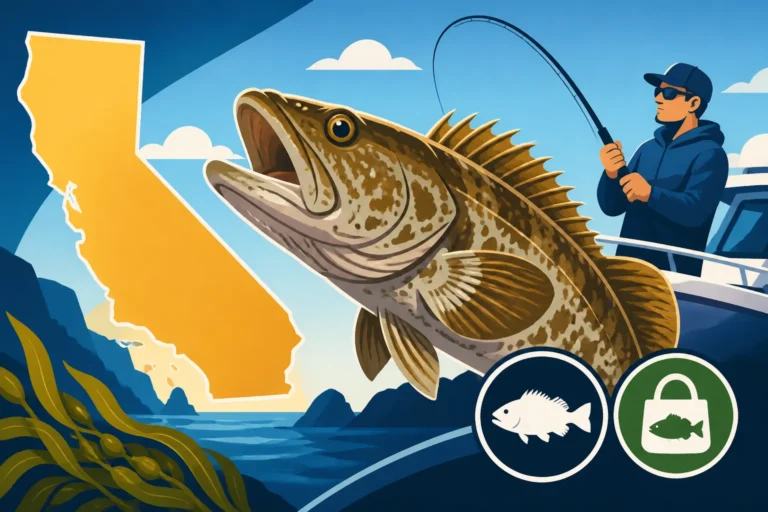
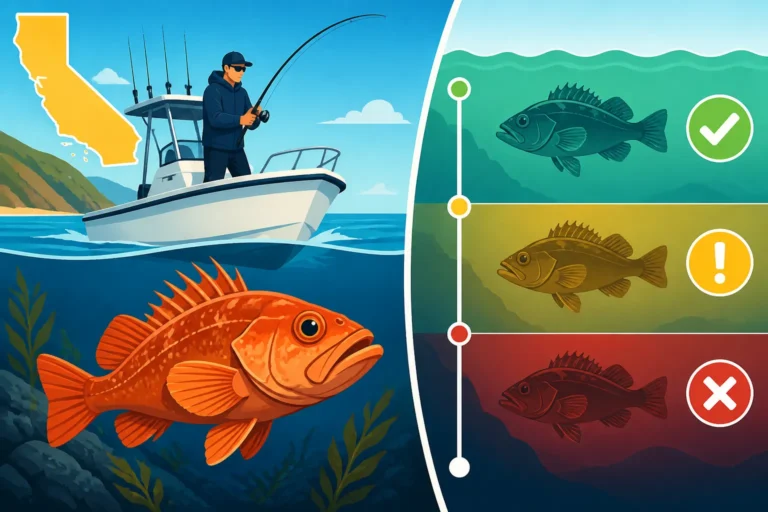
Let's take some common pier catches as examples. If you're catching Pacific Mackerel, you might find a generous bag limit, but if you hook into a California Halibut, you'll quickly discover strict California Halibut Size and Bag Limits in place, typically requiring a minimum size and a limit of only a few fish per day. Rockfish, another popular pier target, are subject to complex California Rockfish Regulations and Limits which often include species-specific daily limits, aggregate limits (total number of different rockfish species), and sometimes even depth restrictions (though this is less relevant for pier anglers). Even smaller fish like various perch species have their own limits.
It’s your responsibility as an angler, licensed or not, to know these limits for every fish you intend to keep. This means having a measuring device (a simple tape measure or a fish ruler from a tackle shop like those you can find on Amazon works perfectly) and being able to identify your catch. If a fish is undersized, or if you’ve already reached your bag limit, it must be immediately and carefully released. Failure to do so can result in significant fines and the confiscation of your catch and gear. These rules are vital for conservation, ensuring that fish populations aren't overfished, especially when they're easily accessible from a pier.
Gear Restrictions and Permitted Methods
Just as there are rules about what you can keep, there are also rules about how you can catch fish from a pier. While piers generally offer a bit more flexibility than some highly regulated areas, certain methods and gear types are either restricted or outright prohibited. The general rule of thumb for finfish from a pier is that you are typically allowed to use up to two rods and lines. This is different from general statewide regulations where shore anglers typically need a California Second-Rod Stamp Explained if they want to use more than one rod. On a pier, the two-rod rule usually applies without the need for that additional stamp.
However, some methods are simply not permitted. For instance, spearfishing from a pier is generally prohibited, as are traps for finfish. While you might see people using small nets to scoop baitfish, using large nets to capture finfish is usually illegal. Crab nets and traps are often allowed (more on that later), but they come with their own set of rules regarding trap size, escape rings, and soak times. It's crucial to distinguish between baitfish and game fish when it comes to netting.
Beyond statewide rules, individual piers might have their own specific regulations posted. Some piers might ban overhead casting if it poses a danger to pedestrians or other anglers. Others might have restrictions on the use of lead weights, particularly in areas sensitive to environmental concerns. Certain bait types might also be prohibited, or there could be rules about where you can clean your catch (many piers have designated cleaning stations). Always check the signs posted at the pier entrance and along its length. These local rules often exist for safety reasons, to manage waste, or to minimize conflict between different pier users, from strollers to serious anglers.
Special Considerations and Species-Specific Rules
Fishing in California is rarely simple, and pier fishing, despite its license exemption, still has layers of complexity when it comes to specific locations and certain types of marine life. Two major areas of concern for pier anglers are understanding Marine Protected Areas and knowing when a report card is necessary, even without a general fishing license.
Marine Protected Areas and Pier Fishing
California boasts an extensive network of California Marine Protected Areas Explained (MPAs), which are designed to protect and restore marine habitats and wildlife. These areas can range from "no-take" zones, where absolutely no fishing or removal of marine life is allowed, to "limited-take" zones, which have very specific restrictions on what, how, and when you can fish. The critical thing for pier anglers to understand is that if a pier extends into or borders an MPA, the MPA regulations still apply to fishing from that pier.
This can be incredibly confusing because a pier might start outside an MPA boundary but extend several hundred feet into a highly protected zone. In such a scenario, the portion of the pier within the MPA would be subject to those stricter rules, while the portion outside might operate under general pier fishing regulations. For example, some piers might allow fishing only from the very beginning section, or only for specific species. Anglers have been caught off guard by these rules, mistakenly believing that the "pier exception" overrides all other environmental protections.
It is absolutely imperative to check for MPA maps and signage at the pier entrance or nearby access points. The CDFW website also provides detailed maps and regulations for all MPAs. If you plan to fish from a pier near a known MPA, do your homework beforehand. Fishing in a no-take zone, even inadvertently from a pier, can lead to severe penalties, including hefty fines and confiscation of your gear. The goal of MPAs is critical for conservation, and anglers are expected to respect their boundaries and rules, regardless of whether they hold a license.
Report Cards and Protected Species
While you don't need a general fishing license to fish from a public pier, there are a few highly regulated species that, if you choose to target or retain them, require a separate "report card." These report cards are not licenses in the traditional sense, but they are mandatory for collecting vital data on specific populations, even for anglers who are otherwise exempt from a license. This applies primarily to species like White Sturgeon, Steelhead, and Salmon.
For example, if you happen to hook into a White Sturgeon from a pier (which does happen, especially on piers in the San Francisco Bay Delta or other estuaries), and you decide to keep it (assuming it meets the slot limit), you absolutely need a California Sturgeon Report Card. These cards must be purchased, filled out immediately upon catching and keeping a sturgeon, and returned to the CDFW by a specific deadline each year. Similarly, if you were targeting Salmon from a pier (common in some northern California coastal areas during certain seasons), a California Salmon Report Card would be required for any kept salmon. Steelhead, while less commonly caught from piers, also require a California Steelhead Report Card.
Beyond these report card species, California also has a list of fully protected species that must be immediately released unharmed if caught. These can include certain shark species, abalone, and other rare or vulnerable marine life. It’s crucial to be able to identify your catch quickly and accurately, and if it’s a protected species, release it without delay. The purpose of these report cards and protected species designations is purely for conservation and data collection, allowing wildlife managers to monitor populations and ensure their long-term health. Don't skimp on these; the penalties for non-compliance are just as serious as fishing without a license where one is required.
Local Ordinances and Pier-Specific Rules
The California coast is incredibly diverse, stretching over 800 miles and encompassing countless towns and cities, each with its own unique character. This diversity extends to local regulations, and what's perfectly acceptable on one pier in Southern California might be against the rules on another pier in the north. Understanding these local ordinances is just as important as knowing the state regulations.
Beyond State Regulations: City and County Rules
Piers are often managed by local government entities – cities, counties, or sometimes state parks that lease the land. These managing bodies have the authority to implement their own rules that go above and beyond the statewide fishing regulations. These local rules are usually focused on public safety, cleanliness, and ensuring a pleasant experience for all pier users, not just anglers.
For instance, some piers might have strict operating hours, closing at dusk or late at night. Others might prohibit alcohol, barbecues, or even sleeping on the pier. You might find rules against cleaning fish directly on the pier railings, requiring you to use designated cleaning stations or take your catch home. In terms of fishing methods, some piers, especially those with heavy pedestrian traffic, might ban overhead casting to prevent accidental hookings. There could be rules about where you can place your gear, ensuring that walkways remain clear for others. Even something as simple as using a wheeled cart to transport your gear might be regulated on certain piers.
Consider the contrast between a bustling urban pier like the Santa Monica Pier, which hosts restaurants, shops, and amusement rides, versus a more tranquil, dedicated fishing pier in a smaller coastal town. The Santa Monica Pier, for example, might have stricter rules about noise, litter, and casting to accommodate the throngs of tourists. Always keep an eye out for signs posted at the entrance or along the pier. These signs are your primary source of information for local rules, and ignoring them can lead to warnings, fines, or even being asked to leave the pier by local authorities or pier staff.
Responsible Angling and Etiquette
While not legally binding regulations in the same way as bag limits or license requirements, practicing responsible angling and good pier etiquette is absolutely essential for a positive experience for everyone. A pier is a shared public space, and courtesy goes a long, long way in making it enjoyable for all users, whether they're fishing, walking, or just enjoying the view.
First and foremost, leave no trace. This means packing out everything you packed in – and then some. Dispose of all trash, including bait containers, food wrappers, and especially discarded fishing line, in appropriate receptacles. Many piers even have special monofilament recycling bins, which are incredibly important for preventing wildlife entanglement. No one wants to walk across a pier strewn with garbage or old line.
Secondly, respect other anglers and pier users. Piers can get crowded, especially on weekends or during good fishing seasons. Be mindful of casting lines, try not to cross lines with others, and give people space. Avoid excessive noise or disruptive behavior. If someone is struggling with a fish, offer help if they seem to need it, but otherwise, give them room. Children, in particular, need supervision to ensure they don't accidentally cast into someone else's line or endanger other pedestrians.
Finally, handle fish ethically. If you're practicing catch-and-release, do so quickly and carefully to maximize the fish's survival rate. Consider investing in a dehooker or needle-nose pliers to make hook removal easier. If you're keeping fish, dispatch them humanely and store them properly (in a cooler with ice) to maintain freshness. Avoid leaving fish to flop on the deck, which is not only inhumane but also creates a mess. Being a responsible angler means showing respect for the fish, the environment, and your fellow humans.
Frequently Asked Questions and Common Misconceptions
Even with all the rules laid out, there are still some common questions and misunderstandings that pop up regularly when it comes to fishing from a California pier. Let's tackle a couple of the most frequent ones to clear up any lingering confusion.
"Can I use multiple rods on a pier?"
This is a fantastic question that comes up a lot, and it's easy to see why there might be confusion. In many freshwater fishing scenarios in California, you're generally limited to one rod unless you purchase an additional California Second-Rod Stamp Explained. However, when it comes to fishing for finfish from most public ocean piers, the rule is typically that you can use up to two rods and lines without needing a separate second-rod stamp.
The reason for this distinction usually ties back to the initial license exemption – since you don't need a license, the CDFW generally extends the two-rod privilege for pier fishing as part of that accessibility. This allows anglers to try different baits or target different species simultaneously, maximizing their chances.
However, a big "but" here is that local pier ordinances can sometimes override or modify this state-level guideline. A particularly crowded pier might restrict anglers to only one rod per person for safety reasons, or to ensure everyone has enough space. So, while the statewide rule leans towards two rods, always, always, always check for specific signage on the pier itself. If you're on a less crowded pier, two rods are usually fine, but in a bustling spot, one might be the more considerate (and legal) option. When in doubt, err on the side of caution or ask a local angler or pier staff if available.
"What about crabbing or clamming from a pier?"
This is another area where the rules for pier fishing can diverge a bit, as "fishing" often specifically refers to finfish. Many people enjoy trying to catch crabs from piers, and generally speaking, crabbing from a pier is indeed allowed, but with a full suite of regulations. You'll need to adhere to specific gear requirements (like the size and type of crab traps or snares), and critically, you'll need to know the California Dungeness Crab Regulations or regulations for other crab species. This includes strict size limits (often measured across the carapace) and daily bag limits. Crab season dates are also rigorously enforced, and crabbing outside of these dates is illegal.
Clamming, on the other hand, is almost universally not permitted directly from a pier. Clamming usually involves digging in the intertidal zone or very shallow bay areas, requiring direct access to the substrate, which isn't possible from a pier. Similarly, lobster fishing, which also has a distinct season and specific gear requirements (usually hoop nets or freediving for divers), is generally not practical or allowed from a pier, although you might occasionally see people dropping hoop nets for lobster off the very end of some Southern California piers during lobster season. Again, these activities require a general fishing license if done anywhere else, and the report card logic for crabbing still applies even from a pier if you keep them. Always consult the current CDFW regulations for specific species you intend to target, as they can change seasonally and regionally.
| Species Commonly Caught from Piers | Typical Bag Limit | Typical Size Limit | Report Card Required? | Key Consideration |
|---|---|---|---|---|
| Pacific Mackerel | 10 per person | None | No | Excellent baitfish, good for kids. |
| Jack Smelt | 10 lbs + 1 fish | None | No | Often caught in schools, use small hooks. |
| Barred Surfperch | 10 per person | 10.5 inches | No | Common on sandy bottom piers, good table fare. |
| California Halibut | 2 per person | 22 inches minimum | No | Highly sought after, check California Halibut Size and Bag Limits carefully. |
| Rockfish (various species) | Varies (e.g., 5-10 total) | Varies by species | No | Check California Rockfish Regulations and Limits due to complex rules and closures. |
| White Croaker | 10 per person | None (but mercury warning in some areas) | No | Very common, often seen as a nuisance fish. |
| Shovelnose Guitarfish (released) | 0 (protected) | Catch & Release | No | Must be released, often mistaken for rays. |
| White Sturgeon | 1 per year | 40-60 inch slot | Yes | Rare but possible in Delta-adjacent piers. California Sturgeon Report Card needed. |
| Dungeness Crab | 10 per person | 5.75 inches minimum | No (but check season) | Requires specific gear, check California Dungeness Crab Regulations and seasons. |
Please note: This table provides general information and is not exhaustive. Regulations, including bag and size limits, can change. Always consult the most current California Department of Fish and Wildlife regulations before fishing.
Disclaimer
Please remember that fishing regulations are subject to change. While this guide provides a comprehensive overview based on current information, it is always your responsibility to consult the official California Department of Fish and Wildlife (CDFW) regulations or visit their website for the most up-to-date and specific rules before heading out to fish. Local pier ordinances can also vary and may not be fully detailed here.