Clear Lake Fishing Guide
Clear Lake, often hailed as the "Bass Capital of the West," can feel like a vast and daunting body of water, especially if you're visiting for the first time. The sheer size and myriad of fishing opportunities can leave you wondering where to even begin, what species to target, or which secret spots actually hold the giants. This comprehensive guide is here to cut through the confusion, offering you an insider's look at the best fishing strategies, prime locations, and essential tips to make your Clear Lake adventure a truly memorable, and hopefully, record-breaking one.
Why Clear Lake is a Bass Angler's Paradise
Look, if you're serious about bass fishing, or even just curious about what makes a lake legendary, Clear Lake needs to be on your radar. It’s not just a pretty body of water; it’s a living, breathing ecosystem perfectly designed to grow massive bass. I've spent countless hours out on these waters, and I can tell you, the potential for an incredible day here is just off the charts. It's truly one of the Best Lakes to Fish in California for good reason.
The Lake's Unique Ecosystem for Big Bass
What makes Clear Lake so special? It’s a perfect storm of environmental factors. This is the largest natural freshwater lake entirely within California, and it’s relatively shallow for its size, with an average depth of around 27 feet. That shallow nature means the water warms up faster, boosting metabolism and growth rates for its resident fish. But it’s more than just warmth; it’s an incredibly fertile lake, fed by a host of creeks and springs that carry a rich nutrient load. This nutrient-rich environment supports a phenomenal forage base – we're talking about huge populations of threadfin shad, hitch, crappie, and even small catfish. For a largemouth bass, it's like living in an all-you-can-eat buffet.
All this abundant food translates directly into fatter, stronger bass. They grow at an astonishing rate here, reaching impressive sizes that would be considered trophies in many other states. The lake also has a complex and diverse structure, from the dense tules and submerged hydrilla beds that provide perfect ambush points, to rocky points, gradual sloping flats, and even old pier pilings. This variety means bass have plenty of places to hide, hunt, and thrive, regardless of the season or water conditions. It’s a dynamic environment that constantly challenges anglers but richly rewards those who understand its nuances.
Record-Breaking Opportunities
When I talk about Clear Lake, I often hear people whisper about "the next state record." And honestly, it's not just hype. This lake has produced more double-digit largemouth bass than almost any other fishery in California, and some even argue, in the entire country. The current state record largemouth, weighing an astounding 21 pounds 12 ounces, actually came from the nearby Lake Castaic, but Clear Lake consistently pumps out fish in the 10- to 15-pound range, and the potential for something even bigger is always there. It’s not uncommon to hear tales of anglers hooking into absolute monsters here, fish that make your arms ache and your reel scream.
The prospect of landing a true "hawg" is what draws many anglers from all over the world to Clear Lake. It's not just about the numbers, though you can certainly catch a lot of bass here; it's about the quality. Every cast holds the promise of that once-in-a-lifetime fish. Tournaments are held here year-round, and the weigh-ins are legendary, showcasing limits of bass that average well over five pounds each. If you're looking to tick off that personal best or simply experience what it's like to wrestle with a truly colossal largemouth, Clear Lake offers that thrill like few other places can.
Key Fish Species to Target in Clear Lake
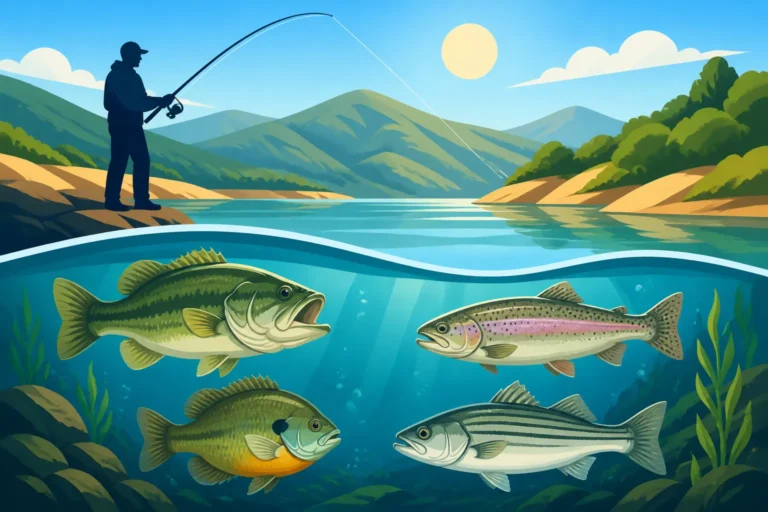
While largemouth bass might get all the headlines, Clear Lake is actually a pretty diverse fishery. There's a lot more swimming around in these waters than just our green-backed friends. Understanding what else is available, and how to target them, can really broaden your fishing horizons and ensure you have a great day on the water, even if the bass are being finicky.
Largemouth Bass: The Reigning King
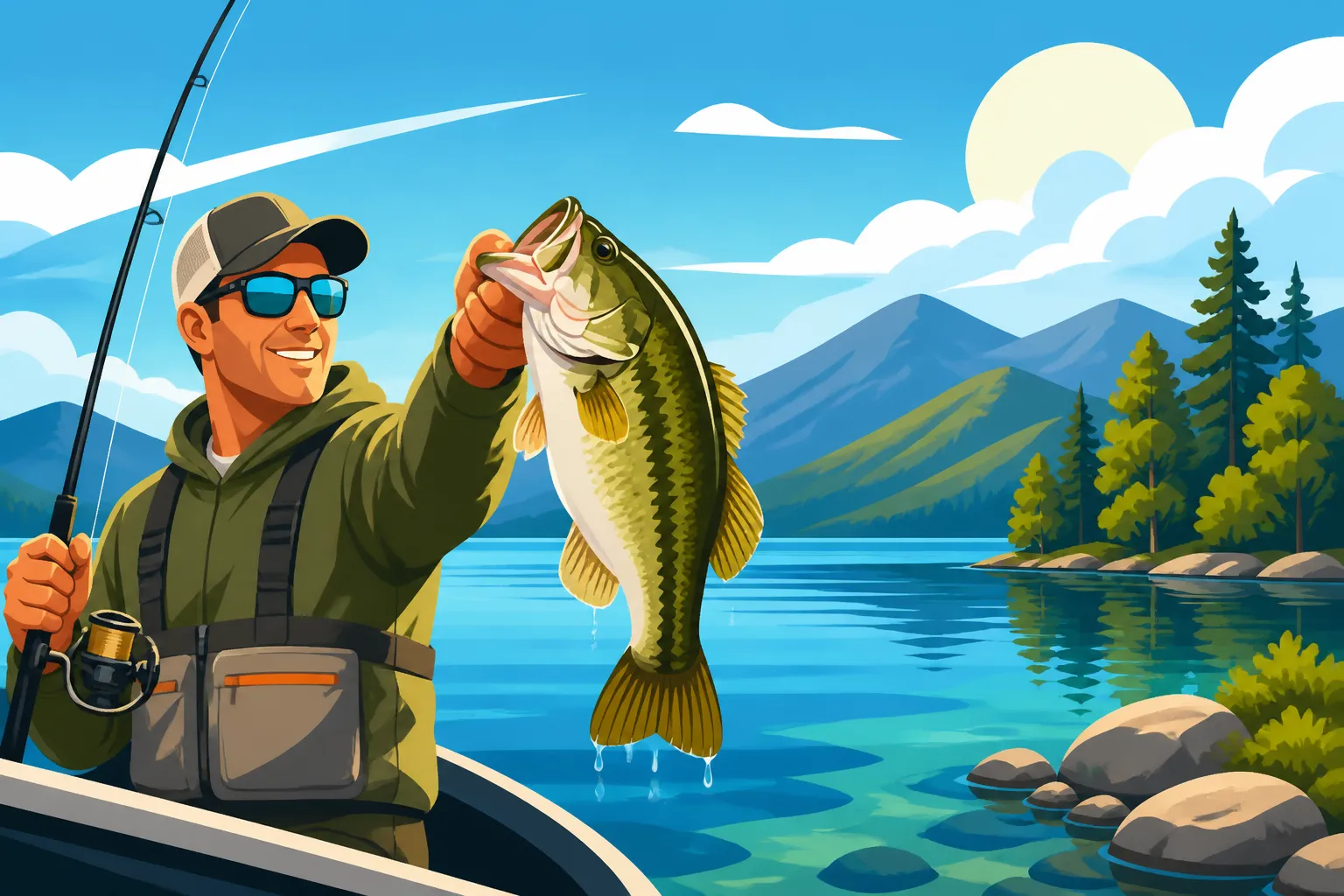
Alright, let's talk about the main event. Largemouth bass are, without a doubt, the most popular target in Clear Lake. These fish are abundant, grow to massive sizes, and put up an incredible fight. You can find them almost anywhere in the lake, from the shallowest tules to deeper points, depending on the season and water temperature. During the spring, usually from March through May, the bass move into the shallows for their spawn, making them more accessible and aggressive. This is often considered the Best Time to Fish Clear Lake for trophy bass. You'll find them guarding beds in the calmer coves and along protected shorelines. As summer heats up, they'll retreat to slightly deeper water, often holding around the edges of hydrilla beds, rocky outcrops, and under docks or pier pilings, especially during the brighter parts of the day.
Early mornings and late evenings are prime times, but given the lake's rich forage, they can bite all day long. Typical sizes range from 2-5 pounds, but as I mentioned, those double-digit bruisers are always a real possibility. For specific tactics, many anglers swear by a variety of techniques. You can learn more about these in guides like How to Fish for Largemouth Bass in California and California Bass Fishing Techniques.
Crappie and Bluegill: Panfish Fun for Everyone
If you're looking for a change of pace, or perhaps a more relaxed day with the family, the panfish in Clear Lake are an absolute blast. Both black crappie and bluegill thrive here, offering consistent action and some truly delicious table fare. Crappie fishing picks up significantly in late winter and early spring as they stage for their spawn, often congregating in large schools around submerged brush, docks, and the edges of tules. They’re super fun on light tackle, and a 1-pound crappie from Clear Lake can feel like a heavyweight.
Bluegill, on the other hand, are pretty much always available, especially for younger anglers. They're not picky, will hit small worms, crickets, or tiny artificial jigs, and provide endless entertainment. You'll find them in the same areas as crappie, but often closer to shore in even shallower, weedier cover. Many public piers and docks, like those around Library Park in Lakeport or in the town of Clearlake, are fantastic spots to introduce kids to fishing for these eager biters. It's a great way to guarantee some bending rods and smiling faces.
Catfish: A Night Angler's Delight
For those who enjoy a different kind of fight, or prefer fishing under the stars, Clear Lake’s catfish population is robust. You'll primarily find channel catfish and blue catfish here, both of which can grow to impressive sizes. Channel cats are the most common, but blue cats, especially in the deeper, more open water, can reach truly massive proportions. I've seen blues pulled from this lake that would make your jaw drop. Catfish are typically most active from late spring through fall, and especially during the warmer summer nights. They cruise the lake bottom, using their keen sense of smell to locate food.
Popular baits include cut bait (like pieces of shad or carp), chicken livers, nightcrawlers, and commercially prepared stink baits. Fishing near the mouths of creeks, in deeper channels, or off rocky points can be particularly productive. Many anglers will set up camp near a good bank spot, cast out a few lines, and enjoy the peaceful evening while waiting for that tell-tale tug on the line. Just be sure to bring a sturdy rod and a good headlamp!
Other Notable Species
Beyond the big three, Clear Lake is also home to a few other interesting species. Common carp are abundant and can offer an incredibly powerful fight for those interested in carp angling. The native Clear Lake hitch is another unique fish, though typically not targeted by recreational anglers, it forms a crucial part of the ecosystem's food chain. Sacramento perch, the only native sunfish in California, also reside in Clear Lake, though they are less commonly caught than crappie or bluegill. It's a truly rich tapestry of aquatic life, making almost every outing an opportunity to encounter something new.
Best Fishing Spots and Access Points on Clear Lake
Navigating Clear Lake for the first time can be a little overwhelming. It's a big place, stretching over 19 miles long and 8 miles wide at its broadest point! Knowing where to put in your boat, or where to find good shore access, is half the battle. Let's break down some of the best areas, whether you're bringing a bass boat, a kayak, or just a bucket and a cane pole.
Northern Arm: Lucerne and Glenhaven
The northern arm of Clear Lake, encompassing areas like Lucerne, Glenhaven, and Nice, offers some fantastic fishing, particularly for bass and crappie, especially during the spring and fall. This area tends to be a bit shallower and has some extensive tule beds and submerged grass flats that are perfect for ambush predators.
- Lucerne: This charming community on the northern shore provides several public access points. The area around Lucerne Harbor Park offers good shore fishing opportunities, and you'll find submerged rocks and drop-offs that hold fish. It’s also known for productive crappie fishing during their spawning season when they move into the shallower, protected coves. For boaters, there are public ramps available, allowing easy access to the extensive fishing grounds in this part of the lake.
- Glenhaven/Nice: As you move west towards Glenhaven and Nice, you’ll encounter more residential areas with docks and private launches, but there are also some fantastic public stretches. The areas near the mouths of creeks, even smaller ones, can be highly productive, especially after rains when new nutrients are washed into the lake. Look for distinct changes in bottom structure, like rocky points transitioning into soft mud, as these can be bass magnets. Trolling for crappie in these shallower northern sections can also be very effective, especially if you're marking schools on your sonar.
Central Lake: Lakeport and Soda Bay
The central part of Clear Lake is arguably the most famous, particularly around Lakeport, which serves as a hub for many fishing tournaments. This area offers a mix of deep and shallow water, extensive hydrilla beds, and numerous structures.
- Lakeport: The city of Lakeport is a prime location. Library Park in Lakeport offers excellent public pier fishing, perfect for panfish and even some bass and catfish. For boaters, the public launch at Library Park is top-notch, with ample parking. The areas just offshore from Lakeport are known for their deep hydrilla beds and underwater contours that hold some truly enormous bass. Tournament anglers often spend a lot of time dissecting these central flats and points. Look for channels and transition zones where bass can move between deeper water and shallower feeding grounds.
- Soda Bay: South of Lakeport, Soda Bay offers a slightly different character. It's a larger, more open bay with a mix of shallow flats and deeper channels. The resort areas here often have long docks and submerged structures that provide excellent cover for bass. During the summer, fishing the shaded sides of these docks with jigs and soft plastics can be incredibly effective. Soda Bay is also a good area for trolling for crappie, especially if you venture a bit further out into the open water but still near submerged features. Its diverse environment makes it a consistent producer throughout the year.
Southern End: Clearlake Oaks and Rattlesnake Island
The southern end of Clear Lake, particularly around Clearlake Oaks and the iconic Rattlesnake Island, provides yet another distinct fishing experience. This area is known for its extensive tule beds and shallower, more marshy characteristics in some spots.
- Clearlake Oaks: This town on the eastern shore of the southern arm is a popular starting point. The area is rich with tules, which are essentially dense reeds that grow out from the shoreline, forming impenetrable fortresses for bass. Flipping and pitching jigs or Texas-rigged plastics into the heart of these tules is a classic Clear Lake technique. The deeper channels winding through this part of the lake also hold big catfish. There are several resorts and marinas here that offer boat launches and tackle shops, making it a convenient base.
- Rattlesnake Island: This isn't just an island; it's a legendary bass factory. Located in the southern basin, Rattlesnake Island offers diverse structure, including rocky points, steep drop-offs, and extensive weed beds. The south side of the island often has deeper water, while the north side can be shallower and feature more cover. It's a place where you can switch between topwater lures in the morning, crankbaits along the points during the day, and then flip plastics into the weeds. However, with its popularity comes pressure, so getting there early or fishing during off-peak times can be beneficial.
Popular Docks and Piers
For those who prefer to keep their feet on solid ground, Clear Lake offers several excellent pier fishing opportunities. These spots are fantastic for families, beginners, or anyone looking for a relaxing day without the hassle of a boat.
- Library Park Pier (Lakeport): This is one of the most accessible and productive public piers. You can catch a variety of panfish, catfish, and even bass from here. It's well-maintained, has plenty of parking, and is a great spot to bring kids. Small jigs, worms, or even corn can produce consistent action for bluegill and crappie.
- Redbud Park Pier (Clearlake): Another great option, located in the city of Clearlake. Similar to Library Park, it offers easy access to the lake’s bounty. It's often less crowded than Lakeport's pier, making it a good alternative for a more peaceful experience.
- Various Marina Docks: While many marina docks are private, some marinas offer public access or have areas where anglers can fish. It's always best to check with the marina office first to confirm access rules. Docks often attract fish seeking shade and cover, making them prime targets.
Remember, fishing from any public pier in California saltwater doesn't require a license, but for freshwater piers on a lake like Clear Lake, a California Fishing License Guide is necessary for anyone over the age of 16. Always double-check local signage for specific regulations.
Effective Fishing Techniques and Gear for Clear Lake
Fishing Clear Lake successfully isn't just about showing up; it's about understanding the specific techniques that consistently produce fish in these waters. Whether you're chasing trophy bass or a stringer full of panfish, having the right approach and gear makes all the difference.
Bass Fishing Strategies: Lures and Baits
Clear Lake bass are aggressive and will hit a wide array of lures, but some stand out as perennial favorites.
- Topwater Lures: When the conditions are right, there's nothing more exciting than a topwater bite. Early mornings, late evenings, or overcast days, especially around weed lines or tules, are prime times for frogs, buzzbaits, and poppers. Brands like Lucky Craft and River2Sea are particularly popular for their frog lures that can be worked over dense mats. The explosion of a giant bass on a topwater frog will get your heart pounding like nothing else!
- Soft Plastics: These are the bread and butter of Clear Lake bass fishing. Texas-rigged or Carolina-rigged worms, Senkos, creature baits, and swimbaits are incredibly versatile. Flipping and pitching heavier jigs or creature baits into dense tules and hydrilla is a highly effective technique, especially for targeting big bass hunkered down in cover. Drop-shotting finesse worms can also be deadly when the bite is tough, particularly in deeper water or around rocky structure. Popular colors often include green pumpkin, black and blue, and various shad imitations.
- Crankbaits and Spinnerbaits: These reaction baits shine when bass are actively feeding or covering water. Shallow-diving crankbaits are excellent for bumping off the tops of submerged grass or riprap, while deeper divers can probe points and ledges. Spinnerbaits are fantastic for working through scattered weeds or when there's a bit of wind. Chartreuse, white, and shad patterns are good starting points.
- Swimbaits: Clear Lake's healthy forage base, especially threadfin shad and hitch, makes swimbaits incredibly effective, particularly for larger bass. Both soft and hard swimbaits, retrieved slowly or worked erratically, can mimic the natural prey and trigger ferocious strikes from big fish.
Panfish and Catfish Approaches
Don't underestimate the fun and flavor that panfish and catfish offer!
- Panfish (Crappie & Bluegill): For crappie, small jigs (1/32 to 1/16 ounce) tipped with a small plastic grub or a live minnow under a bobber are highly effective. Vertical jigging around docks or submerged brush is a common tactic. For bluegill, a simple setup with a small hook, a piece of red worm, a tiny bobber, and a split shot will guarantee action. Crickets are also a fantastic bluegill bait. Look for them in shallow, vegetated areas, especially near docks or fallen trees.
- Catfish: When targeting catfish, patience and smell are key. A sturdy medium-heavy rod with 15-20 lb test line is appropriate. Baits like chicken liver, cut mackerel, anchovies, or commercially available stink baits are excellent. You can fish these on the bottom using a Carolina rig (slip sinker, swivel, leader, hook) or a simple sliding sinker rig. Fishing at night, especially during summer, greatly increases your chances. Focus on deeper channels, creek mouths, or off points where current might concentrate food.
Seasonal Considerations for Success
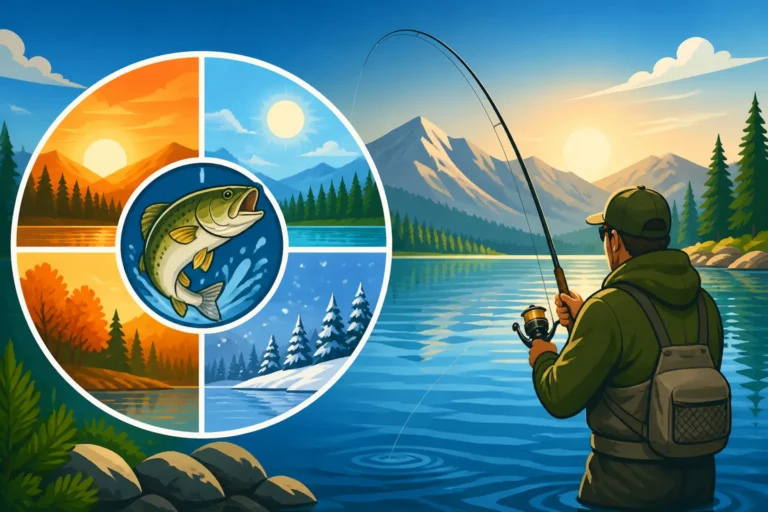
Clear Lake fishing changes with the seasons, and understanding these shifts is crucial for consistent success. You can dive deeper into this topic with articles like California Fishing Seasons: Month-by-Month Guide.
- Spring (March – May): This is prime time for trophy bass as they move shallow for the spawn. Topwater lures, jigs, and soft plastics fished near tules, docks, and submerged grass are incredibly effective. Crappie also become very active.
- Summer (June – August): As water temperatures rise, bass often move slightly deeper during the day, congregating on hydrilla edges, offshore humps, and under docks. Early morning and late evening topwater bites can still be fantastic. Catfish fishing is excellent, especially at night.
- Fall (September – November): This is a fantastic time for aggressive bass. As water temperatures cool, bass feed heavily to prepare for winter. Crankbaits, spinnerbaits, and jerkbaits can be very productive as bass chase schooling baitfish.
- Winter (December – February): Fishing can be tougher, but big bass can still be caught, often by slowing down your presentation. Deep-diving crankbaits, jigs, and slower-fished swimbaits in deeper channels or around structure can entice lethargic fish. It's also a good time for larger crappie in deeper water.
Navigating Clear Lake: Boating and Regulations
Getting around on Clear Lake and staying on the right side of the law is essential for a stress-free and enjoyable fishing trip. The lake is bustling, especially on weekends, so knowing your access points and the rules is key.
Boat Launch Facilities and Marinas
Clear Lake is well-equipped for boaters, with numerous public and private launch ramps scattered around its perimeter.
- Public Ramps: Lakeport's Library Park and Redbud Park in Clearlake offer excellent, well-maintained public launch facilities with ample parking. These are often the busiest, especially during tournaments. Additional public ramps can be found in areas like Lucerne and Clearlake Oaks. Always check online for current conditions and any potential fees.
- Private Marinas and Resorts: Many of the resorts and marinas around the lake, such as Konocti Harbor Resort, offer their own launch ramps, often for a fee, and provide amenities like fuel, bait, and tackle shops. Using these can sometimes be less crowded than public ramps. If you're looking to book a guided trip or rent a boat, sites like FishingBooker can help you find reputable operators and available rentals, often detailing the launch points they use.
When launching, especially on busy days, be considerate of others. Prepare your boat before you get to the ramp, and launch and retrieve efficiently to keep things moving smoothly.
Understanding California Fishing Regulations
This is probably the most crucial aspect of fishing anywhere in California, and Clear Lake is no exception. Ignorance of the law is no excuse, and the wardens here are diligent.
- California Fishing License: Anyone 16 years or older needs a valid California Fishing License Guide to fish in Clear Lake. You can buy these online, at tackle shops, or at many sporting goods stores. Make sure you understand the different license options, like one-day or annual licenses.
- Freshwater Regulations: Clear Lake falls under California Freshwater Fishing Regulations. This means you need to be aware of species-specific rules. For largemouth bass, there's usually a size limit (e.g., 12 inches minimum) and a daily bag limit (e.g., 5 fish). These regulations can change, so always check the current California Sport Fishing Regulations booklet (available online from the California Department of Fish and Wildlife, or at tackle shops) before you head out.
- Special Considerations: Clear Lake often has specific regulations regarding certain species like the Clear Lake Hitch, which is a protected native fish and cannot be taken. Pay close attention to any signage at launch ramps or public access points, as these will often highlight local rules. Also, be mindful of invasive species. Many years ago, hydrilla was a major problem, and while efforts have been made to control it, always clean, drain, and dry your boat and gear to prevent the spread of other invasive plants or quagga mussels to other waterways.
| Species | Best Season to Target | Preferred Baits/Lures | Size Limit (Bass) | Bag Limit (Bass) |
|---|---|---|---|---|
| Largemouth Bass | Spring, Fall | Soft Plastics, Crankbaits, Topwater, Swimbaits | 12 inches minimum | 5 fish |
| Crappie | Spring, Late Winter | Small Jigs, Live Minnows | None | 25 fish |
| Bluegill | Spring, Summer | Worms, Crickets, Tiny Jigs | None | 25 fish |
| Channel Catfish | Summer, Fall | Cut Bait, Stink Baits, Nightcrawlers | None | Varies (often 10) |
Always consult the current California Department of Fish and Wildlife regulations booklet for the most up-to-date and specific rules, as these can change annually or seasonally. You can also refer to California Bass Fishing Regulations for more details.
Safety Tips on the Water
Clear Lake is a large body of water and can get surprisingly rough, especially when the notorious "Clear Lake chop" kicks up due to afternoon winds.
- Weather Awareness: Always check the weather forecast before you head out. High winds can make boating hazardous, and a calm morning can quickly turn into a bumpy afternoon. If you see whitecaps forming, it's often a good idea to seek shelter or head back to the ramp.
- Boating Safety Gear: Make sure you have all required safety gear on board: life jackets for everyone (especially kids), a throw cushion, a horn or whistle, navigation lights (if fishing at dawn/dusk or night), and an anchor.
- Tell Someone Your Plans: Always let someone know where you're going and when you expect to return, even if it's just a text to a friend.
- Stay Hydrated and Sun Protected: The California sun can be intense. Bring plenty of water, wear sunscreen, a wide-brimmed hat, and polarized sunglasses.
- Watch for Hazards: Clear Lake, like many natural lakes, can have submerged hazards, especially during periods of low water. Pay attention to navigation markers and use your depth finder.
Clear Lake is a truly special place for anglers, offering unparalleled opportunities for trophy bass and plenty of action for other species. With a little preparation and respect for the lake, you're bound to have an incredible experience. If you're thinking about a guided trip to maximize your chances, using a service like FishingBooker can help you find experienced local guides who know the lake inside and out and can put you on the fish.
Disclaimer
Please note that fishing regulations, conditions, and fish populations can change. Always consult the latest official regulations from the California Department of Fish and Wildlife (CDFW) before engaging in any fishing activities. This guide is for informational purposes only and should not be considered a substitute for official regulatory documentation.