Best Free Fishing Piers in California
Navigating the world of California fishing can feel like deciphering ancient scrolls, especially when you're just trying to enjoy a relaxing day without breaking the bank or running afoul of complex regulations. Many folks are hesitant to even cast a line, worried about needing expensive licenses or specialized gear. But what if I told you there's a fantastic, completely free way to experience the thrill of fishing in the Golden State, offering incredible access and diverse catches for everyone? This comprehensive guide is here to unravel the mystery and show you the best free fishing piers across California, from bustling cityscapes to serene coastal havens, ensuring your next angling adventure is both enjoyable and completely legal.
Why Free Pier Fishing is a Game Changer for Anglers
For so many of us, the joy of fishing is tied to simplicity and accessibility. We don't all have fancy boats, kayaks, or the budget for expensive charter trips every weekend. That's where California's incredible network of free public fishing piers steps in, offering an unparalleled opportunity to get out on the water and connect with nature without any financial hurdles.
The Cost Barrier and the Freedom of Piers
Let's be real: fishing can be an expensive hobby. Between the rods, reels, tackle, bait, and that all-important California fishing license, the costs can quickly add up before you even make your first cast. This financial barrier often keeps eager new anglers, families on a budget, or even seasoned veterans looking for a quick, no-fuss outing from enjoying the sport. The beauty of public piers is that they completely bypass the initial cost of a license for most recreational fishing activities. You can literally walk out, set up your gear, and start fishing. This freedom from licensing fees is a huge draw, opening up the sport to a much broader audience and allowing you to allocate your budget towards better bait or that new lure you've been eyeing.
It’s truly a breath of fresh air to know you can spontaneously decide to go fishing without first needing to check if your annual license is still valid or debating the cost of a short-term option. This ease of access encourages more people to try fishing, perhaps sparking a lifelong passion. Imagine a family vacation where you can spend an afternoon fishing together, rather than worrying about permits for each person. This makes pier fishing an exceptionally democratic form of angling, providing equal opportunity for everyone to enjoy California’s abundant waters.
Accessibility for All Anglers
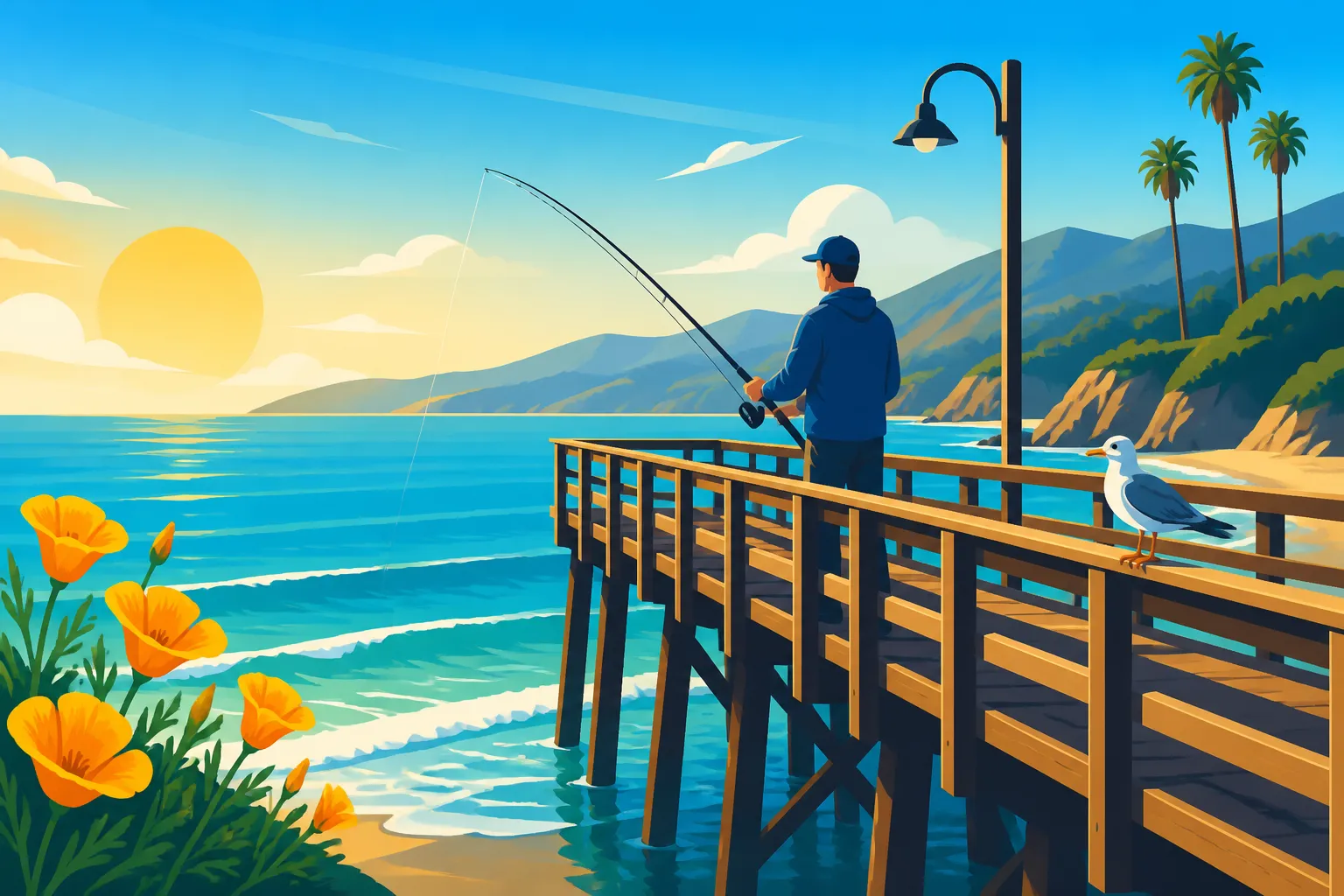
Beyond the cost savings, California's fishing piers are often designed with accessibility in mind, making them a fantastic option for everyone, from young children to seniors and those with mobility challenges. Many piers feature paved surfaces, railings, and even benches, creating a safe and comfortable environment for a day of fishing. You don't need a rugged 4×4 or a tough hike to reach these prime fishing spots; they're generally located conveniently in coastal towns and cities, often with nearby parking and facilities.
Think about it: introducing a child to fishing is so much easier on a spacious, stable pier than trying to navigate slippery riverbanks or a rocking boat. The ability to push a stroller or use a wheelchair right to the railing means that multi-generational fishing trips are not just possible, but genuinely enjoyable. These piers serve as community hubs, bringing together people from all walks of life who share a common love for the ocean and the thrill of a tug on the line. It's not just about catching fish; it's about making memories and fostering a love for the outdoors, and piers provide that platform beautifully.
Understanding California's Pier Fishing Rules
While pier fishing offers fantastic freedom from the usual licensing requirements, it's absolutely crucial to understand that "free" doesn't mean "rule-free." California has specific regulations that apply to all fishing, including from public piers. Ignoring these can lead to fines and spoil an otherwise perfect day on the water.
The "No License Required" Myth Debunked
One of the most common misconceptions about pier fishing in California is that no rules apply. The truth is, while you generally don't need a state fishing license to fish from a public pier in ocean waters, you are still bound by all other California fishing regulations. This includes bag limits, size limits, specific seasons for certain species, and gear restrictions. The California Department of Fish and Wildlife (CDFW) considers public piers in ocean waters to be "public access areas" where a license is not required. However, this exception only applies if you are fishing directly from the pier and not from a boat, kayak, or the beach adjacent to the pier.
If you decide to cast your line from the sand next to the pier, or even launch a small craft from the pier area, you will need a valid California Fishing License. This is a critical distinction that many anglers, especially newcomers, often miss. It's always a good idea to double-check the latest regulations booklet or the CDFW website before heading out. For a detailed dive into the requirements, you might want to read our guide on Do You Need a License to Fish in California?. Remember, ignorance of the law is no excuse, and a CDFW warden will not hesitate to issue a citation if you're not compliant.
Species-Specific Regulations and Report Cards
Even when fishing license-free from a pier, you are still responsible for adhering to all bag and size limits for every species you target or catch. For example, if you're pulling in mackerel, sardines, or even rockfish, there will be limits on how many you can keep and their minimum sizes. These regulations are in place to ensure sustainable fish populations and protect the marine ecosystem. Failing to measure your fish or exceeding your bag limit can result in hefty fines.
Furthermore, certain species require a specific report card, even if caught from a public pier, which must be purchased in addition to a standard fishing license (though again, the license itself is not needed if only fishing from the pier). Prime examples include Sturgeon and Spiny Lobster. While less common on a typical pier setup, if you're targeting these species, you'll need the appropriate report card. Our article on California Fishing Report Cards Explained can give you more details on which species fall under this category. Always consult the official California Fishing Regulations Explained before your trip to understand the nuances, especially concerning protected species or seasonal closures like those for certain California Rockfish Regulations and Limits. Knowing these rules makes for a responsible and stress-free fishing experience.
Top Free Fishing Piers in Northern California
Northern California boasts a stunning coastline and a vibrant fishing culture, offering a diverse array of free piers where anglers can test their luck against the Pacific's bounty. From bustling city harbors to more serene, rugged outposts, there's a pier for every preference.
Iconic Piers Along the North Coast
When you think of Northern California, often your mind drifts to dramatic cliffs and redwood forests meeting the sea. The piers here offer a similar sense of wild beauty, combined with excellent fishing opportunities.
Pacifica Pier (Pacifica): Often hailed as one of the best fishing piers in Northern California, Pacifica Pier is legendary. Stretching over 1,000 feet into the Pacific, it’s particularly famous for its Dungeness crab fishing during the season (usually November to June, though always check specific dates!). Anglers here also frequently catch salmon (when open), lingcod, rockfish, surfperch, and even halibut. The pier often has bait shops and cleaning stations, making it very angler-friendly. The sheer length of the pier means you can cast into deeper waters, increasing your chances of hooking into something substantial. It's a fantastic spot for a full day out, with often stunning views of the coast, fog permitting!
Fort Bragg Noyo Harbor Pier (Fort Bragg): Moving further north, the Noyo Harbor Pier in Fort Bragg offers a different, more rustic experience. While smaller, it's situated in a working harbor, providing a constant buzz of fishing activity. Here, you'll primarily find opportunities for rockfish, lingcod, and various surfperch. The harbor environment also attracts species like jacksmelt and sometimes even small sharks. It's a great spot for families, as the sheltered waters often mean calmer conditions. Being in a bustling port means there are usually amenities nearby, including fresh seafood markets to inspire your catch.
Bay Area Pier Hotspots
The San Francisco Bay Area, despite its urban density, is dotted with fantastic free fishing piers that offer diverse angling experiences and breathtaking views of the city skyline or the Golden Gate Bridge.
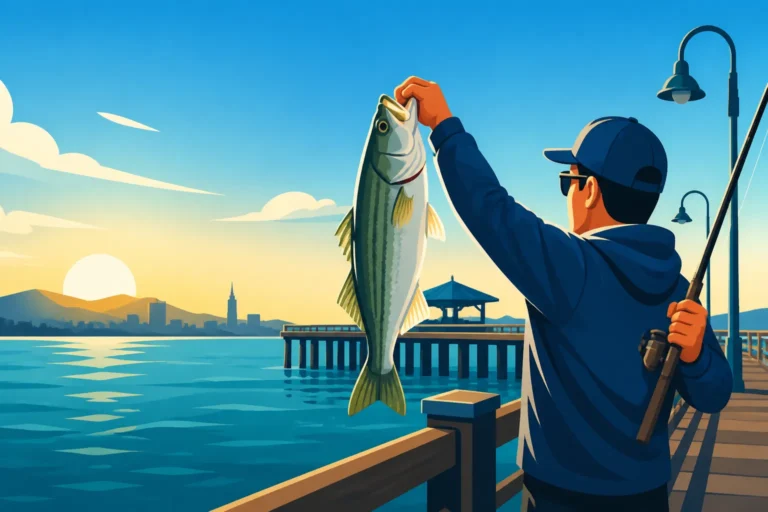
Berkeley Pier (Berkeley): Stretching an impressive 3,000 feet into San Francisco Bay, Berkeley Pier is a true angler's paradise. It offers access to deeper bay waters, making it a prime spot for striped bass, leopard sharks, sturgeon, halibut, and various types of perch. The pier is wide and well-maintained, with ample space for numerous anglers. It's an excellent location for trying different techniques, from bait fishing for bottom dwellers to casting lures for stripers. The pier is also a popular crabbing spot, with many locals setting out crab pots. Watching the sun set over the Golden Gate Bridge from this pier, rod in hand, is an unforgettable experience.
Oyster Point Pier (South San Francisco): Located just south of the city, Oyster Point Pier provides excellent fishing in the calmer waters of the South San Francisco Bay. This pier is another hot spot for striped bass and halibut, especially during their migratory seasons. You'll also find a good population of leopard sharks, bat rays, and various types of perch. The pier is quite spacious and has convenient parking. It's a favorite for those looking for a slightly less crowded experience than some of the more central Bay Area piers, while still offering fantastic fishing potential. Many anglers here use live bait, like anchovies or shiner perch, to target the larger predatory fish. You can often find up-to-date fishing reports on sites like FishingBooker, giving you a real-time sense of what's biting.
Pier 7 (San Francisco): Smack dab in the middle of San Francisco's waterfront, Pier 7 offers a unique urban fishing experience with stunning views of the Bay Bridge. While it might not boast the sheer fish volume of more rural piers, it's a popular spot for striped bass, halibut, and various perch. It's an incredibly scenic place to cast a line, perfect for combining a fishing trip with a stroll along the Embarcadero. The accessibility via public transport makes it an easy choice for city dwellers.
Here’s a quick overview of some Northern California piers:
| Pier Name | Location | Primary Species Targeted | Key Amenities | Notable Features |
|---|---|---|---|---|
| Pacifica Pier | Pacifica | Dungeness Crab, Salmon, Rockfish, Lingcod, Surfperch | Bait shop, cleaning stations, restrooms | Longest pier in Northern California, ocean views |
| Fort Bragg Noyo Harbor Pier | Fort Bragg | Rockfish, Lingcod, Surfperch, Jacksmelt | Nearby seafood markets, restrooms | Located in a working harbor, sheltered waters |
| Berkeley Pier | Berkeley | Striped Bass, Halibut, Sturgeon, Leopard Shark, Perch | Restrooms, ample parking | Very long, great Bay Bridge views |
| Oyster Point Pier | South San Francisco | Striped Bass, Halibut, Leopard Shark, Bat Ray, Perch | Restrooms, nearby marina | Quieter Bay access, good for bait fishing |
| Pier 7 | San Francisco | Striped Bass, Halibut, Perch | Restrooms, urban access, nearby restaurants | Iconic Bay Bridge views, central city location |
Top Free Fishing Piers in Southern California
Southern California is synonymous with sun, surf, and spectacular fishing. Its extensive coastline is dotted with numerous free public piers, each offering unique angling opportunities against a backdrop of golden beaches and bustling seaside towns.
Southern California's Famous Coastal Piers
From Orange County to San Diego, these piers are not just fishing spots but cultural landmarks, drawing crowds for their beauty as much as their bounty.
Huntington Beach Pier (Huntington Beach): "Surf City USA" isn't just for surfers; its iconic pier is a fantastic fishing destination. Stretching over 1,800 feet, this pier offers a chance to catch halibut, corbina, perch, mackerel, and various types of sharks and rays. The pier is wide, bustling with activity, and has bait shops, restaurants, and plenty of amenities. It’s an excellent spot for family outings, with the beach and pier culture offering a lively atmosphere. Many anglers here swear by live bait like anchovies or ghost shrimp, especially for halibut and corbina. Always keep an eye on the California Halibut Regulations and Limits to ensure your catch is legal.
Santa Monica Pier (Santa Monica): Perhaps the most famous pier in California, the Santa Monica Pier is more than just an amusement park; it’s a legitimate fishing spot. Anglers here can expect to catch mackerel, sardines, perch, and sometimes even small sharks or rays. While it can get crowded, the energy is infectious, and the views are unparalleled. It’s a quintessential Southern California experience, combining fishing with classic pier entertainment. The close proximity to Los Angeles makes it incredibly accessible for a quick fishing escape.
Oceanside Pier (Oceanside): Down in northern San Diego County, Oceanside Pier is a long and productive pier, popular with locals and visitors alike. It offers excellent opportunities for various surfperch, corbina, halibut, and sometimes even barracuda or bonito, especially in warmer months. The pier has a tackle shop and cleaning stations, making it very convenient. Its impressive length allows anglers to cast into deeper waters, often leading to bigger catches. Checking out a platform like FishingBooker can help you find local guides if you ever decide to try a boat trip from Oceanside, even though the pier itself is free.
San Clemente Pier (San Clemente): This charming pier offers a more relaxed fishing experience than some of its busier neighbors. It’s a great spot for catching surfperch, corbina, and often mackerel or sardine schools pass through. The scenic views of San Clemente's "Spanish Village by the Sea" add to its appeal. It’s a perfect place for a quieter morning or afternoon of fishing, enjoying the laid-back atmosphere of this beautiful coastal town.
Lesser-Known Gems for Southern Anglers
Beyond the famous names, Southern California has a handful of smaller, often less crowded piers that offer fantastic fishing, sometimes even with a more local, relaxed vibe.
Port Hueneme Pier (Port Hueneme): North of Los Angeles, Port Hueneme Pier is a solid choice for a quieter fishing trip. Anglers often pull in surfperch, halibut, croaker, and occasionally a small shark or ray. The pier itself is quite long and offers good access to both shallower and deeper sandy bottoms. It’s not as touristy as some other piers, which can be a real plus if you're looking for fewer distractions and more focused fishing. The surrounding area is relatively quiet, providing a peaceful backdrop for your angling pursuits.
Seal Beach Pier (Seal Beach): This historic pier offers excellent fishing in a relaxed, family-friendly atmosphere. It's known for halibut, corbina, yellowfin croaker, spotfin croaker, and sometimes even leopard sharks. The pier provides cleaning stations and bait options nearby. Its location in a charming small town makes it a delightful place to spend a day, combining fishing with a stroll through local shops and eateries. The calm waters often make for comfortable fishing conditions, especially for beginners or children. It's a great example of a community-focused pier.
Essential Gear and Techniques for Pier Fishing
You don't need a boatload of specialized equipment to enjoy pier fishing, but having the right gear and knowing a few key techniques can dramatically increase your chances of success.
Rods, Reels, and Terminal Tackle
For most pier fishing, a medium-action spinning rod between 7 and 9 feet long is a great all-around choice. This length provides enough casting distance to reach different areas around the pier, while still being manageable. Pair it with a 3000-5000 size spinning reel spooled with 10-20 lb monofilament or braided line. Braided line offers superior sensitivity and casting distance, but a good quality mono is perfectly fine, especially for beginners.
When it comes to terminal tackle, a few basic setups will cover most pier fishing scenarios:
- High-Low Rig: This is a classic for a reason. It consists of a leader with two dropper loops for hooks (often size 1/0 to 3/0) and a sinker at the bottom (1-4 oz, depending on current). This rig keeps your bait off the bottom, making it less prone to snags, and allows you to present two baits simultaneously at different depths. It’s incredibly versatile for targeting various surfperch, croakers, and even mackerel.
- Carolina Rig: For targeting bottom-dwelling fish like halibut or some types of rays, a Carolina rig is excellent. It uses an egg sinker (1-3 oz) threaded onto your main line, followed by a swivel, then a 2-3 foot fluorocarbon leader (15-20 lb) with a single hook (1/0 to 4/0). This setup allows your bait to move more naturally near the bottom.
- Sabiki Rig: If you're looking to catch baitfish like mackerel or sardines, a Sabiki rig is indispensable. It's a string of small, shiny hooks designed to mimic tiny baitfish. You simply cast it out, jig it gently, and often you'll bring in multiple baitfish at once. Just be careful with these rigs; the multiple hooks can get tangled easily.
Don't forget essentials like a tackle box with extra hooks, swivels, sinkers, a pair of pliers, a measuring tape (crucial for adhering to California Fishing Bag and Size Limits), and a small net or gaff for landing larger fish.
Baits and Lures That Get Bites
The type of bait or lure you use largely depends on what species you're targeting. However, some standbys are almost universally effective from California piers:
- Live Bait: If you can get your hands on fresh live bait like anchovies, sardines, or small shiner perch, you'll dramatically increase your chances, especially for predatory fish like halibut, striped bass, or even yellowtail if they come near the pier. Many piers have bait shops selling live bait.
- Cut Bait: Squid is a universal pier fishing bait. It's tough, stays on the hook well, and attracts a wide variety of fish, from perch to sharks. Cut pieces of mackerel or anchovy are also very effective, particularly for larger game fish.
- Shrimp and Sand Crabs: For surfperch and corbina, fresh peeled shrimp or ghost shrimp are deadly. In areas with sandy bottoms, digging up some local sand crabs can also yield excellent results.
- Artificial Lures: While live bait is often king, don't discount artificial lures. Small kastmasters or spoons can attract mackerel and bonito. Soft plastics, especially those mimicking worms or grubs, can work for perch and croaker. For larger predatory fish, swimbaits or larger crankbaits can sometimes entice a bite.
Knowing what fish are typically biting at a specific pier is key. Checking online fishing reports, talking to local bait shop owners, or observing what successful anglers around you are using can provide invaluable insights. Many fishing platforms, like FishingBooker, also provide local insights into popular catches and effective baits for specific regions.
Pier Fishing Strategies for Success
Pier fishing might seem straightforward, but a few strategic approaches can significantly improve your catch rate.
Firstly, fish different depths and distances. Don't just cast straight out and leave your bait in one spot. Try casting closer to the pilings, which often hold structure-loving fish like rockfish and some perch. Then try casting further out into the open water for migrating species. Experiment with letting your bait sink to the bottom, suspending it mid-water, or even fishing just below the surface. The ocean is layered, and different fish occupy different zones.
Secondly, pay attention to the tides and currents. Tides, especially the incoming and outgoing currents, can move baitfish and consequently, predatory fish. An incoming tide often brings in cooler, oxygenated water and new food sources, which can stimulate feeding. Strong currents might require heavier sinkers to keep your bait in place. Our comprehensive guide on Best Times to Fish in California can offer more nuanced advice on tidal patterns.
Finally, observe and learn from others. Pier fishing is a communal activity. Watch what experienced anglers are doing – what rigs they’re using, what bait they have out, and where they’re casting. Don't be shy about asking polite questions; most anglers are happy to share tips, especially if you show genuine interest. Sometimes, simply moving to a section of the pier where others are having success can make a huge difference.
Maximizing Your Free Pier Fishing Experience
Beyond just casting a line, there are many ways to enhance your free pier fishing experience, from safety measures to embracing the community spirit.
Safety First and Pier Etiquette
Even though piers are generally safe, it's vital to prioritize safety. Always be aware of your surroundings; fishing lines can become tangled, and hooks can be dangerous. If you’re fishing with children, keep a close eye on them, especially near railings or crowded areas. Wear appropriate clothing for the weather, which can change quickly on the coast – layers are always a good idea. Consider wearing a hat and sunglasses to protect yourself from the sun, and always stay hydrated.
Good pier etiquette is also essential for an enjoyable experience for everyone. Be mindful of how much space you’re taking up, especially on crowded days. Avoid casting over other people’s lines, and if you get tangled, try to resolve it calmly and politely. Keep your fishing area clean, packing out all your trash, including discarded lines, bait containers, and any fish scraps. A clean pier is a happy pier, and it helps preserve these fantastic public resources for everyone. Remember, these are shared spaces, and respecting your fellow anglers and the environment makes for a much better day for all.
Leveraging Local Knowledge and Resources
One of the best ways to get ahead in pier fishing is to tap into local knowledge. Before you even head out, do a quick online search for recent fishing reports for the specific pier you plan to visit. Many local tackle shops near the piers will have up-to-date information on what’s biting and what baits are working best. Don’t hesitate to stop by and chat with the staff – they’re a treasure trove of information!
Joining online fishing forums or local social media groups can also provide real-time updates and tips from other anglers who frequent the piers. Platforms like FishingBooker, while primarily focused on charters, sometimes feature community forums or local insights that can be useful. These communities can tell you about recent bait runs, specific techniques that are working, or even alert you to temporary pier closures or changes in regulations. Leveraging this collective wisdom can save you a lot of trial and error and significantly boost your success. Furthermore, understanding general California Fishing Seasons: Month-by-Month Guide can help you anticipate what species might be around during your visit, leading to more targeted and fruitful trips.
Disclaimer
Please note that fishing regulations, including those concerning licenses, bag limits, and seasons, can change frequently. Always consult the latest official California Department of Fish and Wildlife (CDFW) regulations before any fishing trip. This guide provides general information and should not be considered a substitute for official legal advice or current regulations.