Castaic Lake: Fish Species and Best Spots
Navigating a vast and diverse fishery like Castaic Lake can feel overwhelming, especially if you're not familiar with its unique layout and prime fishing zones. Many anglers arrive eager to cast a line but aren't quite sure where to begin for their target species. This comprehensive guide will break down the incredible fish species inhabiting Castaic Lake and pinpoint the best spots to help you land them, ensuring your next angling adventure is both productive and enjoyable.
A Deep Dive into Castaic Lake's Fishing Opportunities
Castaic Lake, located in northern Los Angeles County, isn't just a body of water; it's an angler's paradise offering a unique blend of experiences. It's truly a gem for Southern California fishing, known for its diverse species and impressive catches. Understanding its distinct characteristics is the first step to unlocking its full potential.
Understanding Castaic Lake's Unique Layout
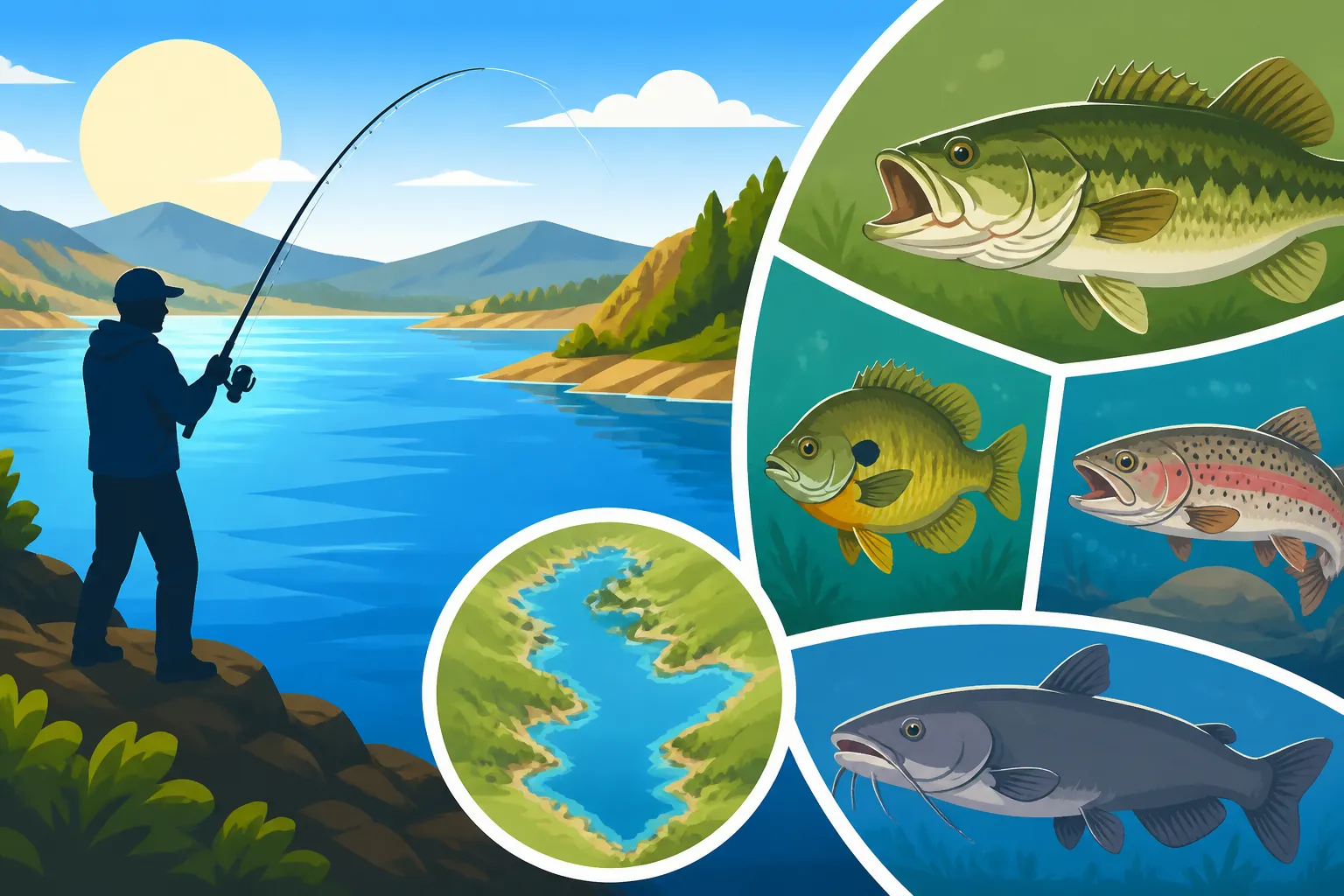
What makes Castaic Lake truly stand out is its two-tiered structure: the larger Upper Lake and the smaller, more accessible Lagoon (often called the Lower Lake). These two sections, connected by a pipeline, offer very different fishing environments and experiences.
The Upper Lake is the main reservoir, a massive body of water spanning over 2,600 acres with depths exceeding 300 feet in some areas. This is where you'll find the larger, trophy-sized fish and the majority of serious boat anglers. Its expansive coves, submerged islands, and deep channels provide varied habitats for a multitude of species. Access to the Upper Lake is typically via boat launches, though there are some limited shoreline opportunities. The sheer size can be intimidating, but it also means less pressure in many areas once you get away from the main launch.
The Lagoon, or Lower Lake, is significantly smaller at about 190 acres, with shallower depths and more accessible shoreline fishing. This section is often stocked with trout, especially during cooler months, making it a popular spot for families and shore anglers. It's also home to a healthy population of bass, catfish, and panfish. The Lagoon has its own separate entrance and amenities, often feeling like a completely different lake, even though it's connected to the Upper Lake. Understanding which section you plan to fish is critical, as regulations, access, and target species can vary.
The Prized Largemouth and Smallmouth Bass Fishery
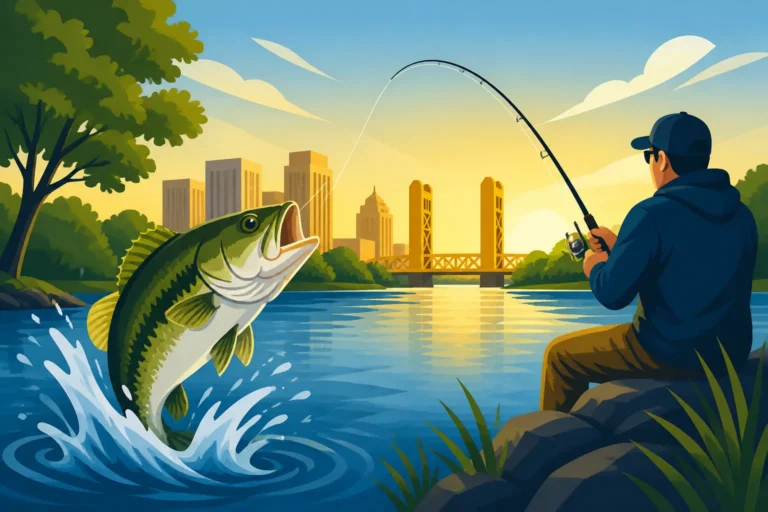
Castaic Lake holds a legendary reputation for its bass fishing, particularly for trophy-sized largemouth bass. It's been the site of numerous record catches and continues to draw bass enthusiasts from all over. The lake's abundant forage base, including trout (especially after plantings), threadfin shad, and various panfish, allows bass to grow to impressive sizes.
Largemouth Bass are the kings of Castaic, known for their aggressive strikes and powerful fights. You'll find them holding tight to structure like submerged trees, rock piles, brush, and along steep drop-offs. Seasonal patterns are key: during spring, they'll move into shallower coves and points to spawn; in summer, they often retreat to deeper, cooler waters, relating to thermoclines and deep structure; and in fall and winter, they can be found schooling and feeding aggressively on shad and trout. Anglers frequently report catches in the 5-10 pound range, with true monsters over 15 pounds making appearances each year.
While largemouth get most of the glory, Smallmouth Bass are also present, though in smaller numbers. These feisty fighters prefer rockier, clearer areas, often found on main lake points, rocky outcroppings, and around the dam area in the Upper Lake. They don't typically grow as large as largemouth but offer an incredibly fun battle on light tackle. Targeting smallmouth often involves techniques like dropshotting or throwing small jigs and crankbaits around rocky structure.
Key Fish Species to Target at Castaic Lake
While bass often steal the show, Castaic Lake is a diverse fishery home to many other exciting species. Expanding your target list can lead to fantastic fishing experiences, especially if you're visiting during different seasons or simply want to try something new.
Beyond Bass: Striped Bass, Catfish, and Crappie
Castaic Lake is also a renowned destination for Striped Bass, offering an entirely different kind of fight. These hard-hitting predators cruise the open waters, often schooling and chasing baitfish like shad. They can be found throughout the Upper Lake, often relating to the main body, deep points, and near the dam. Striper fishing can be phenomenal, especially during their feeding frenzies. Anglers often troll large swimbaits or use cut bait like anchovies or sardines. It's not uncommon to hook into stripers weighing 10-20 pounds, and larger fish are caught annually.
Catfish, both Channel and White Catfish, thrive in Castaic's waters. These bottom-dwellers are often targeted by shore anglers in both the Upper and Lower Lakes, especially during the warmer months when they are most active. They provide a strong, steady fight and are excellent table fare. Common baits include cut bait, chicken livers, and various stink baits. Look for them in deeper channels, coves with muddy bottoms, and near inlets where food sources accumulate.
For those who enjoy panfishing, Crappie (both Black and White) offer a fantastic light-tackle opportunity. They tend to congregate around submerged brush piles, standing timber, and in calmer coves. Spring is a prime time for crappie, as they move into shallower waters to spawn. Small jigs, minnows, and soft plastics are highly effective. A good crappie bite can lead to dozens of fish in a single outing, providing fast-paced action for anglers of all skill levels. You might also find other panfish like Bluegill and Sunfish, which are perfect for young anglers or those looking for consistent bites.
The Seasonal Trout Plantings
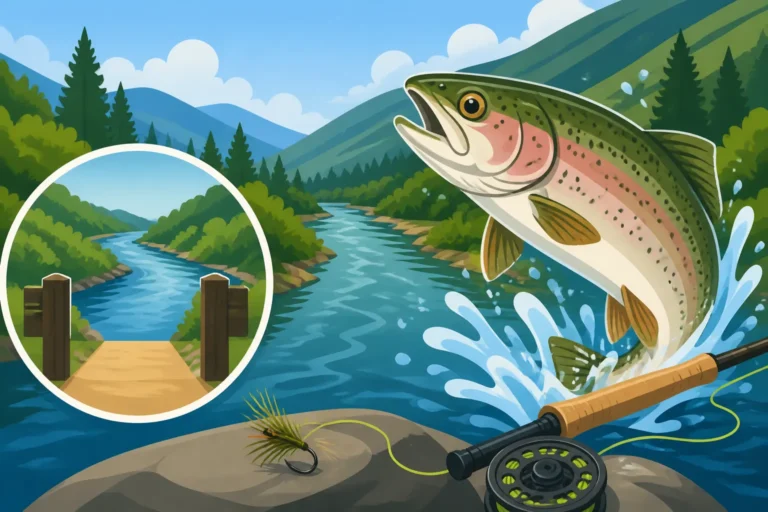
During the cooler months, typically from fall through spring, the California Department of Fish and Wildlife (CDFW) and Castaic Lake Recreation Area regularly stock the Lagoon with Rainbow Trout. These stockings provide excellent opportunities for anglers, particularly those fishing from shore or smaller boats in the Lower Lake. The trout are usually planted to ensure good catch rates and provide a different fishing experience, especially when bass might be less active.
While primarily stocked in the Lagoon, some trout do make their way into the Upper Lake, offering a tempting, high-protein meal for opportunistic largemouth and striped bass. Trout fishing in the Lagoon is a popular family activity, with PowerBait, Kastmasters, and small spinners being go-to baits. It’s always a good idea to check the latest trout stocking schedule on the Castaic Lake website or local bait shops before your trip to maximize your chances. For more on this, you might find our guide on California Trout Limits and Regulations helpful.
Unlocking the Best Fishing Spots on Castaic Lake
Knowing what fish are in Castaic is one thing, but knowing where to find them is the key to a successful day on the water. Castaic Lake has many productive areas, each with its own character and appeal.
Hot Spots for Largemouth and Smallmouth Bass
For largemouth bass, the Upper Lake is truly where it's at. Focus your efforts on major coves like Elizabeth Canyon, Necktie Canyon, and Castac Cove. These areas feature a mix of submerged timber, rock ledges, and creek channels that bass love. During the spring spawn, target the shallower arms and points within these coves. In summer, look for deep structure on humps and points, often using electronics to find thermoclines and baitfish schools. The points leading into these coves, especially those with sharp drops, are always worth investigating. Also, pay attention to the main lake points and rocky outcroppings, particularly for smallmouth bass. The area around the main dam and the longer, rockier points can hold good numbers of smallmouth.
Effective Techniques and Baits for Bass:
- Spring: Shallow crankbaits, spinnerbaits, jerkbaits, and soft plastics (Senkos, creature baits) around spawning beds and cover. Jigs worked slowly on the bottom are also excellent.
- Summer: Deep diving crankbaits, dropshot rigs, Texas-rigged worms, and jigs fished on deep points and ledges. Consider a Carolina rig if fish are scattered.
- Fall: Reaction baits like lipless crankbaits, topwater lures (early morning/late evening), and swimbaits as bass aggressively feed on shad.
- Winter: Slow-moving baits like jigs, dropshots, and even larger swimbaits fished incredibly slow in deep water are often effective.
When fishing for bass, especially the bigger ones, consider looking up a local guide through platforms like FishingBooker. They know the seasonal movements and obscure spots that can make all the difference.
Where to Find Stripers, Catfish, and Panfish
Striped Bass are often found cruising the open water of the Upper Lake, but specific areas tend to be more productive. The main lake body near the dam and the buoy lines running through the lake are prime locations, as stripers follow schools of baitfish in these open areas. Trolling large swimbaits or umbrella rigs along these lines is a common and effective tactic. Also, watch for surface boils—where stripers are actively busting bait on the surface—which can happen anywhere on the main lake, particularly in early mornings or late evenings. The narrows area, where the Upper and Lower Lakes connect (though no longer a direct open channel), can also hold stripers.
For catfish, focus on the shallower, muddier coves and the deeper channels in both the Upper and Lower Lake. In the Upper Lake, the back of Elizabeth Canyon and Necktie Canyon can be productive. In the Lower Lake (Lagoon), any of the shore access points offer good opportunities, especially where there's slightly deeper water or submerged structure near the banks. Catfish are often nocturnal, so evening and night fishing can be very fruitful.
Crappie and other panfish are best targeted around submerged brush piles, docks (if present and accessible), and areas with standing timber in calmer coves. The Lagoon is particularly good for panfish, especially around the marina area and any woody cover. Small jigs tipped with a minnow or a piece of Berkley PowerBait are usually irresistible to crappie. Look for schools on your fishfinder, or simply try casting around likely cover.
Prime Areas for Trout Anglers
Trout fishing is predominantly a Lagoon (Lower Lake) affair at Castaic. After the regular stockings, trout tend to disperse throughout this smaller body of water.
Key Trout Fishing Spots in the Lagoon:
- Near the Marina: The docks and rocky shoreline around the launch ramp are popular and productive.
- Dam Area: The shoreline along the dam provides easy access and deeper water that trout often favor.
- Inlets and Coves: Any small coves or areas where cooler water might enter the lake can concentrate trout.
- Buoy Lines: The visible buoys often mark slightly deeper channels or areas where fish congregate.
Shore fishing is king here, but small boats, kayaks, or float tubes can also be highly effective. For those interested in fishing without a license, remember that California Pier Fishing License Rules generally state that you don't need a license when fishing from a public pier, but Castaic is an inland lake, so standard license rules apply. If you're wondering about costs, you can find details on the California Fishing License Cost page.
Essential Tips for a Successful Castaic Lake Trip
A little preparation goes a long way when tackling Castaic Lake. Knowing the best times to go and what gear to use can significantly increase your chances of success.
Optimal Seasons and Times to Fish
Fishing at Castaic Lake is truly a year-round affair, but the peak times for different species vary:
- Spring (March – May): This is prime time for largemouth bass as they move shallow for spawning. The bite can be incredible. Crappie also become very active in shallow water.
- Summer (June – August): Striped bass fishing can be excellent, especially early mornings and late evenings when they chase shad. Catfish are very active. Largemouth bass go deeper but can still be caught with appropriate deep-water tactics.
- Fall (September – November): A fantastic time for largemouth and striped bass as they aggressively feed before winter. Trout stockings usually begin in the Lagoon, providing fresh opportunities.
- Winter (December – February): Trout fishing in the Lagoon is at its peak. Largemouth and striped bass in the Upper Lake can still be caught, but often require slower presentations in deeper water. This is also when some of the biggest trophy bass are caught by dedicated anglers, often targeting them with large swimbaits.
Generally, early mornings and late evenings are the most productive times, regardless of the season, as fish are more active during these cooler, lower-light periods. Mid-day can be tough, especially in summer, but deep-water techniques can still produce.
Recommended Gear and Baits
Having the right tackle can make all the difference. Here’s a general rundown for Castaic’s main species:
-
For Largemouth Bass:
- Rods: Medium-heavy to heavy casting rods (6'6" to 7'6") for jigs, Texas rigs, and crankbaits. Medium action spinning rods for dropshotting or lighter presentations.
- Reels: Baitcasting reels with a good drag system and high gear ratio; spinning reels for lighter line.
- Line: 10-20 lb fluorocarbon or monofilament for baitcasters; 6-10 lb fluorocarbon or braided line with a fluorocarbon leader for spinning.
- Baits: Plastic worms (e.g., Senkos, Brush Hogs), jigs (football, swim jigs), crankbaits (deep and shallow divers), spinnerbaits, jerkbaits, and large swimbaits (trout imitation for trophy bass).
-
For Striped Bass:
- Rods: Medium-heavy to heavy casting or spinning rods (7'-8').
- Reels: Large capacity baitcasting or heavy-duty spinning reels.
- Line: 15-30 lb monofilament or braided line.
- Baits: Live anchovies or sardines, cut mackerel, large swimbaits (Lucky Craft, Rago), umbrella rigs, and topwater lures.
-
For Catfish:
- Rods: Medium-heavy to heavy action rods (7'-9').
- Reels: Spinning or baitcasting reels with sufficient line capacity.
- Line: 10-20 lb monofilament or braided line.
- Baits: Chicken livers, shrimp, cut bait (anchovies, sardines), and various stink baits.
-
For Trout:
- Rods: Light to medium-light spinning rods (6'-7').
- Reels: Small to medium spinning reels.
- Line: 4-6 lb monofilament.
- Baits: PowerBait (especially garlic or corn flavors), mini-marshmallows, small spinners (Rooster Tail, Panther Martin), Kastmasters, and tiny trout jigs.
Don't forget essentials like a good pair of pliers, a fishing net (especially for larger bass or stripers), sunscreen, sunglasses, and plenty of water. If you're planning a boat trip, remember to check current regulations on boat speeds and wake zones. If you're a beginner, getting familiar with California Fishing Techniques can give you a solid foundation.
Navigating Regulations and Access at Castaic Lake
Understanding the rules and how to access the lake is just as important as knowing where the fish are biting. Castaic Lake operates under both statewide and specific local regulations.
Important Fishing Regulations to Know
Before you even think about casting a line, make sure you have a valid California fishing license. If you're unsure about the requirements, our California Fishing License Guide is a great resource. You can often purchase a California One-Day Fishing License or annual licenses online or from local bait and tackle shops.
Key Regulations for Castaic Lake:
- Fishing License: Required for anyone 16 years or older.
- Largemouth Bass: Statewide regulations usually apply, typically a 5-fish limit with a minimum size of 12 inches. Always double-check the latest CDFW regulations booklet.
- Striped Bass: Regulations can vary, so consult the current regulations for bag and size limits. There are specific rules for keeping striped bass, including a minimum size.
- Trout: For the stocked Lagoon, the daily bag limit is typically 5 trout, with a 10-fish possession limit.
- Other Species: Review the current California Freshwater Fishing Regulations booklet for specific limits on catfish, crappie, and other panfish.
- Hooks: Barbless hooks are often required in certain waters for specific species, so it’s always good practice to check if this applies to your target or specific area of Castaic. For example, some steelhead regulations require barbless hooks. You can learn more about California Barbless Hook Requirements.
- Lead Tackle: Restrictions apply to the use of lead tackle in certain areas or for certain depths. Familiarize yourself with these rules to avoid violations.
Always, always consult the most current California Freshwater Sport Fishing Regulations booklet, available online from the California Department of Fish and Wildlife (CDFW) or at license agents. Regulations can change, and it’s your responsibility as an angler to be informed.
Access Points and Facilities
Castaic Lake offers excellent access for both shore and boat anglers, but it’s crucial to know where to go.
-
Upper Lake Access:
- Boat Launch: The main boat launch facilities are located on the north side of the Upper Lake. These are well-maintained with multiple ramps and ample parking. There's often a launch fee.
- Shore Access: Limited shoreline access is available around the launch area and certain designated spots. However, the vast majority of the Upper Lake is best explored by boat.
- Amenities: Restrooms, picnic areas, and a tackle shop are usually available near the main launch.
-
Lagoon (Lower Lake) Access:
- Separate Entrance: The Lagoon has its own dedicated entrance and facilities, distinct from the Upper Lake.
- Shoreline Fishing: This is the primary mode of fishing here, with extensive shoreline access perfect for families and beginners.
- Boat Launch: There's a separate launch for smaller boats, kayaks, and float tubes, though powerboat restrictions apply due to its smaller size.
- Amenities: Restrooms, picnic areas, children's play areas, and often a smaller tackle/convenience shop. This area is generally more family-friendly.
Parking is available at both locations, though fees typically apply. It's wise to arrive early, especially on weekends and holidays, as popular spots can fill up quickly. For a broader look at fishing options in the region, check out our guide to the Best Fishing Spots in Southern California.
| Fish Species | Best Season | Prime Spots (Upper Lake) | Prime Spots (Lagoon/Lower Lake) | Recommended Baits/Lures |
|---|---|---|---|---|
| Largemouth Bass | Spring, Fall | Elizabeth Canyon, Necktie Canyon, Castac Cove, deep points | N/A (Limited presence) | Soft plastics, jigs, crankbaits, swimbaits |
| Smallmouth Bass | Spring, Fall | Main lake points, rocky outcroppings, dam area | N/A (Limited presence) | Dropshots, small jigs, crankbaits |
| Striped Bass | Summer, Fall | Main lake body, buoy lines, dam area, open water | N/A (Limited presence) | Live/cut bait, large swimbaits, umbrella rigs |
| Catfish | Summer, Fall | Back of coves (Elizabeth, Necktie), deep channels | Shoreline, deeper sections, inlets | Cut bait, chicken liver, stink baits, shrimp |
| Crappie | Spring | Submerged brush piles, calm coves | Marina area, woody cover, calmer coves | Small jigs, minnows, soft plastics |
| Rainbow Trout | Fall, Winter, Spring | N/A (Occasional strays) | Entire lake, near dam, marina, inlets | PowerBait, Kastmasters, small spinners, worms |
Disclaimer
The information provided in this guide is for general informational purposes only and is subject to change. Fishing regulations, species availability, and lake conditions can vary. Always consult the latest official regulations from the California Department of Fish and Wildlife (CDFW) and check with local authorities or bait shops for the most up-to-date information before planning your fishing trip to Castaic Lake. Fishing involves inherent risks, and adherence to safety guidelines is crucial.