Lake Berryessa: Fish Species and Best Spots
Ah, Lake Berryessa. It's one of those places that calls to you, isn't it? Nestled in the rolling hills of Napa County, it offers some truly spectacular fishing opportunities, but knowing where to cast your line and what you're even trying to catch can feel like a mystery. So many anglers get out there, hopeful, only to feel overwhelmed by its vastness. This guide is here to cut through the confusion, helping you identify the prime fish species and pinpoint the best spots to maximize your chances of a memorable catch on Lake Berryessa.
Discovering Lake Berryessa's Fishing Appeal
Lake Berryessa, a massive reservoir formed by the Monticello Dam, is more than just a pretty face with its clear, deep waters and picturesque surroundings. It’s a fishing powerhouse, often overlooked by those who don’t know its secrets. For many, the sheer size of it – over 16,000 acres – can be intimidating. You might pull up to a boat ramp, look out at the seemingly endless expanse, and wonder where on earth to begin. But trust me, beneath that glittering surface lies a thriving ecosystem supporting a diverse range of sport fish. It’s truly one of the Best Lakes to Fish in California.
This lake isn't just about size, though; it's about the incredible variety of habitat it offers. You've got everything from deep, open water perfect for trolling, to intricate coves filled with submerged timber and rocky points that scream "bass hideout!" The water levels can fluctuate throughout the year, especially after dry winters or heavy rain, which constantly changes the best fishing locations and patterns. Understanding these nuances is key to turning a frustrating day into a fantastic one. Don't forget that before you even launch your boat or cast from the shore, you'll need to make sure your California Fishing License Guide is in order, along with any necessary stamps.
The Dynamics of Lake Berryessa's Ecosystem
What makes Lake Berryessa such a productive fishery? It really comes down to a few factors. Firstly, it’s a relatively deep, clear water lake, which favors certain species, particularly trout and smallmouth bass, while still offering plenty of shallow cover for largemouth bass. The water temperature varies significantly with the seasons, dictating where fish will be holding and how active they’ll be. In the warmer months, the fish tend to go deeper, seeking cooler, oxygen-rich water. In spring and fall, they often move shallower, making them more accessible.
Another huge factor is the abundance of natural forage. Berryessa is home to a healthy population of threadfin shad and various minnow species, which provide an ample food source for predatory fish. This means the fish here are well-fed and can grow to impressive sizes. You'll also find plenty of structure, from steep rocky banks and submerged creek beds to old roadbeds and scattered brush piles. These features create perfect ambush points and resting areas for fish, making them prime targets for anglers who know how to read the water. The clarity of the water also means that fish can be skittish, requiring a more stealthy approach and often lighter lines, especially on bright, sunny days.
Target Fish Species in Lake Berryessa
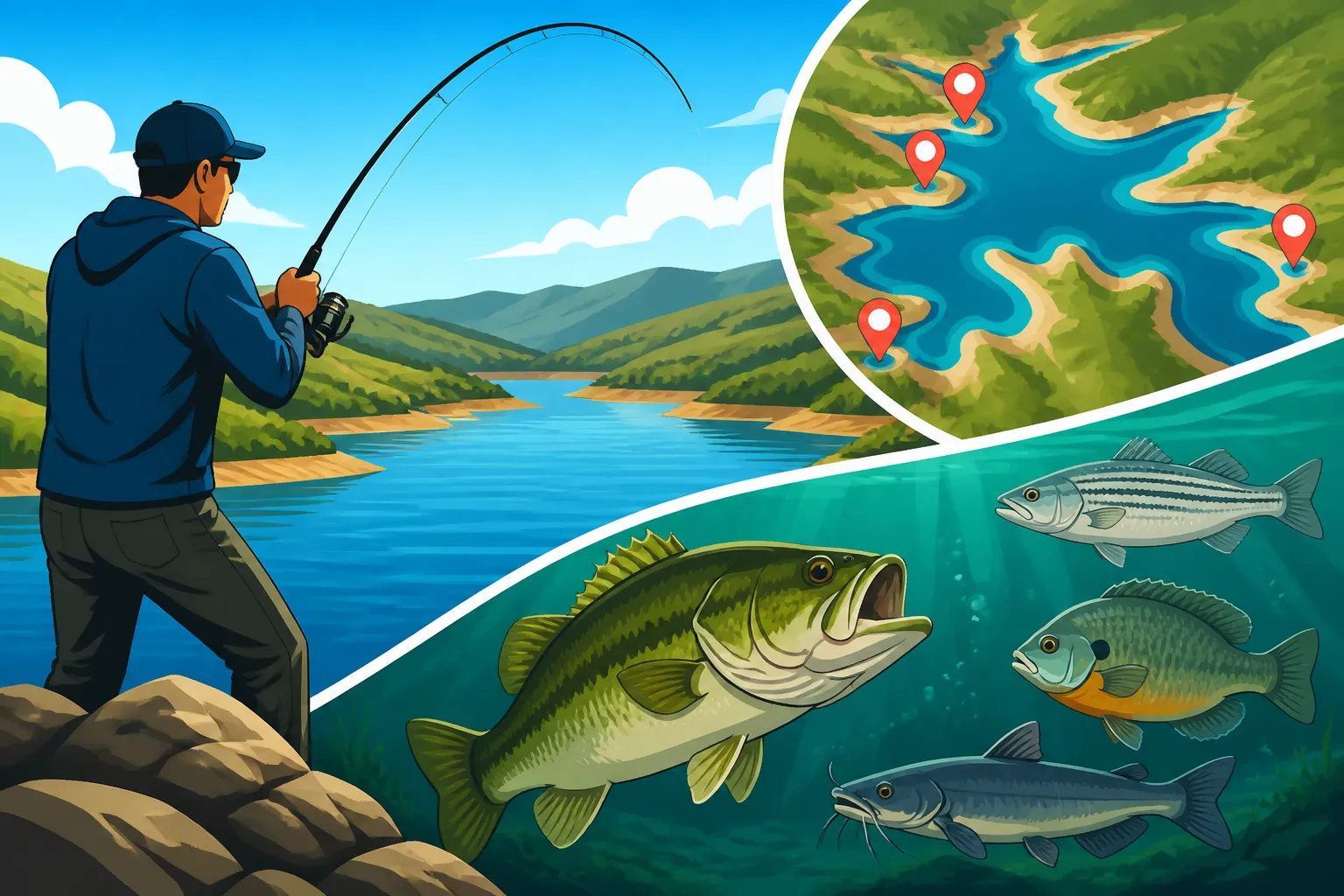
When you’re heading out to Lake Berryessa, it’s not just about "fishing"; it’s about targeting specific species. Each fish has its preferred habitat, feeding patterns, and best times to bite. Knowing your quarry significantly improves your chances.
Largemouth Bass: The Undisputed King
For many anglers, the largemouth bass is the ultimate prize at Lake Berryessa. These fish are known for their aggressive strikes and powerful fights, making them incredibly exciting to catch. Berryessa produces some truly impressive largemouth, with many fish in the 5-8 pound range and double-digit monsters always a possibility. They love structure and cover, so you'll often find them lurking around submerged trees, brush piles, rock formations, and even old building foundations that were flooded when the lake was created.
During the warmer months, especially from late spring through early fall, largemouth bass will often be found a bit deeper, relating to ledges and drop-offs where they can ambush baitfish. However, early mornings and late evenings will see them push shallower to feed. In spring, they move into the coves and shallows to spawn, offering some incredible sight-fishing opportunities. When it comes to lures, a variety work wonders: jigs, plastic worms (especially Senkos), crankbaits that mimic shad, and topwater lures during low-light conditions. If you really want to dive deep into successful techniques, check out our guide on How to Fish for Largemouth Bass in California. Just remember to be mindful of California Bass Fishing Regulations to ensure you're compliant with bag and size limits.
Smallmouth Bass and Spotted Bass: The Feisty Cousins
While largemouth bass get a lot of attention, their smaller, but equally feisty, cousins – smallmouth and spotted bass – are incredibly abundant and offer fantastic action. Smallmouth bass are often found in clearer, rockier areas of the lake, preferring hard bottom and steep drop-offs. They're powerful fighters for their size, and many anglers swear they pull harder than largemouth. They respond well to finesse techniques like drop-shotting, small jigs, and tubes.
Spotted bass, on the other hand, are perhaps the most prolific bass species in Berryessa. They're known for their voracious appetites and schooling behavior. If you find one spotted bass, chances are there are many more. They tend to hang out in areas with a mix of rock and cover, often suspended over deeper water or along prominent points. They’ll hit almost anything, from small crankbaits and spinnerbaits to soft plastics. Both smallmouth and spotted bass are excellent choices for anglers looking for consistent action, especially on days when the largemouth are being finicky.
Trout: Rainbows and Kokanee
Lake Berryessa is also a prime destination for trout fishing, primarily rainbow trout and, to a lesser extent, kokanee salmon (which are landlocked sockeye salmon). Rainbow trout are regularly stocked in the lake by the California Department of Fish and Wildlife, providing a reliable fishery, especially during the cooler months from fall through spring. They are often caught by trolling with lures like Rapalas, Kastmasters, or Needlefish, typically in the upper water column. Bank anglers also have success using powerbait or worms from accessible shorelines, particularly around launch ramps and deeper coves.
Kokanee salmon are a bit more elusive, requiring specific gear and techniques. They are plankton feeders, so they respond best to small, dodger-and-hoochie setups trolled at precise depths. They're known for their delicious, bright orange flesh and spirited fight on light tackle. Anglers targeting kokanee often use fish finders to locate schools suspended in the deeper, colder parts of the lake. Keeping an eye on California Trout Limits and Regulations is crucial, as special rules might apply to these species.
Catfish and Panfish: The Steady Bites
For a more relaxed day of fishing or for those looking to introduce kids to the sport, Lake Berryessa offers excellent opportunities for catfish and various panfish. Channel catfish and white catfish are abundant, especially in the warmer, shallower coves and arms of the lake. They are opportunistic feeders and can be caught using a variety of smelly baits such as cut bait, chicken livers, or commercial stink baits fished on the bottom. Night fishing for catfish can be particularly productive.
Bluegill and crappie, the quintessential panfish, are also present in good numbers. You'll typically find them congregated around submerged brush, docks, or other forms of cover in the shallower, warmer parts of the lake. They're a blast to catch on ultra-light tackle using small jigs, worms, or crickets. These species are fantastic for beginners and families, providing steady action and a great way to enjoy a day on the water.
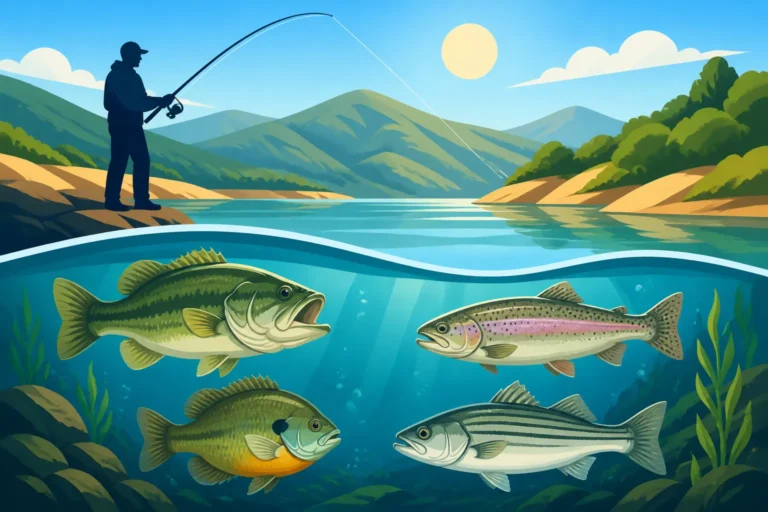
Here’s a quick overview of what you might target:
| Fish Species | Primary Habitat | Best Time to Catch | Common Techniques/Baits |
|---|---|---|---|
| Largemouth Bass | Submerged timber, rock piles, ledges, brushy coves | Spring, Fall (Early/Late Summer) | Jigs, Plastic Worms, Crankbaits, Topwater |
| Smallmouth Bass | Rocky points, steep drop-offs, clear water areas | Spring, Summer, Fall | Drop-shot, Small Jigs, Tubes, Small Crankbaits |
| Spotted Bass | Mixed rock/cover, suspended over deeper water, points | Year-round (Active) | Spinnerbaits, Crankbaits, Soft Plastics, Jigs |
| Rainbow Trout | Upper water column, deeper open water (cooler months) | Fall, Winter, Spring | Trolling (Rapalas, Needlefish), Powerbait (from shore) |
| Kokanee Salmon | Deep, open water, suspended schools | Spring, Summer | Trolling (Dodgers/Hoochies), specialized lures |
| Channel Catfish | Warm, shallow coves, creek channels, muddy bottoms | Spring, Summer, Fall (Night) | Cut Bait, Chicken Liver, Stink Baits |
| White Catfish | Similar to Channel Catfish, often shallower | Spring, Summer, Fall | Cut Bait, Worms, Stink Baits |
| Crappie | Submerged brush, docks, standing timber | Spring, Early Summer | Small Jigs, Minnows, Worms |
| Bluegill | Shallow, warm coves with cover, weed beds | Spring, Summer | Worms, Crickets, Small Jigs |
Best Fishing Spots on Lake Berryessa
Alright, let's talk real estate – the prime locations on Lake Berryessa where you're most likely to find success. This lake is huge, so breaking it down into manageable chunks makes a world of difference. Remember that specific hot spots can change with water levels and seasonal patterns, but these areas consistently produce good fishing.
The Major Arms and Coves
Lake Berryessa is characterized by several large arms and numerous smaller coves. These are often the most productive areas for bass, as they provide ample cover, fluctuating depths, and protection from the main lake's wind and boat traffic.
- Pope Creek Arm: This is arguably one of the most famous and productive fishing areas on Lake Berryessa. Located on the north side of the lake, it features a mix of rocky banks, submerged timber, and deep channels. It’s a fantastic spot for all three bass species. Largemouth will hug the timber and brush, while smallmouth and spotted bass patrol the rocky points and main channel edges. Many anglers find success here by working jigs and plastics along the contours. The creek channel provides a natural highway for fish movement, especially during cooler periods.
- Putah Creek Arm: As the primary inflow into the lake, the Putah Creek arm on the southern side offers different dynamics. It can get muddier after heavy rains but often holds a strong current that concentrates baitfish and, subsequently, predatory fish. This area features varying depths and good structure, making it another bass haven. Look for submerged creek beds and rocky outcrops. It's also a good spot to target catfish, especially in the shallower, warmer sections closer to the inflow.
- Markley Cove: Situated towards the southern end, Markley Cove is a popular launch point and offers good fishing right from the get-go. It has a good mix of shallow, brushy areas and deeper water close by. Bass often hold near the launch ramp structures and the rock walls. It's also a decent spot for trout, particularly for trollers working the main body just outside the cove. This is a good option if you're looking for a spot with amenities and relatively easy access.
Rocky Points and Submerged Structure
Anywhere you find abrupt changes in depth, rocky outcroppings, or submerged features, you’re likely to find fish. These are classic ambush points.
- Monticello Dam Area: While fishing directly in front of the dam is generally prohibited or restricted, the areas around the dam, particularly the rocky points and ledges leading up to it, can be fantastic for smallmouth and spotted bass. The deep, clear water here often holds suspended fish. Trolling for trout is also very popular in the main lake body near the dam, especially during the colder months when trout seek deeper, cooler water. Just be mindful of boat traffic and any restricted zones.
- Oak Shores to Spanish Flat: This stretch along the western shore features numerous coves and rocky points that consistently hold bass. These areas often have steep drop-offs into deeper water, creating perfect habitat transitions. Pay close attention to any visible or submerged structure like rock piles, old foundations, or standing timber. Working spinnerbaits or crankbaits parallel to the points can be very effective here, as can slow-rolling jigs. This area is also popular for kayakers due to the winding shorelines and protected coves.
- Capell Cove: An easily accessible area near the main entrance, Capell Cove is well-known for bank fishing and is often stocked with rainbow trout. It’s also got good shallow areas with plenty of cover for panfish and smaller bass. If you're planning a trip with kids or looking for a convenient spot for shore angling, Capell Cove is a solid choice. It's a great example of an "urban" fishing spot, even though it's not strictly urban, due to its accessibility and frequent stocking.
Practical Tips for a Successful Berryessa Fishing Trip
Heading out to Lake Berryessa, like any large body of water, requires a bit of planning and strategic thinking. It’s not just about showing up with a rod; it’s about understanding the nuances of the lake and preparing accordingly.
Timing Your Visit
The time of year and even the time of day can dramatically affect your success at Lake Berryessa. For bass, spring (March-May) is often considered prime time due to the pre-spawn and spawn periods, where fish are shallow and aggressive. Fall (September-November) is also excellent as bass feed heavily before winter. Summer can be challenging due to heat and deep-dwelling fish, but early mornings and late evenings can be productive, especially with topwater lures.
Trout fishing tends to be best from fall through spring when the water temperatures are cooler. During summer, they retreat to the deepest, coolest parts of the lake, making them harder to access without specialized trolling gear. For a more detailed breakdown of what to expect throughout the year, our guide on California Fishing Seasons: Month-by-Month Guide offers fantastic insights. Additionally, checking out Best Times to Fish in California will give you a broader perspective.
Essential Gear and Techniques
Your gear selection should match your target species. For bass, a medium-heavy rod with a baitcasting reel spooled with 12-20lb fluorocarbon or monofilament is a good all-around setup. Bring a variety of lures, including soft plastics (worms, Senkos, creature baits), jigs, crankbaits, and spinnerbaits. For trout, a lighter spinning rod with 4-8lb test is ideal for trolling or bait fishing. If you're targeting kokanee, specialized ultra-light gear with downriggers or lead core line might be necessary. Catfish anglers will want a heavier rod with sturdy line and an assortment of bottom rigs.
Don't forget the basics: a good pair of polarized sunglasses to spot structure and fish, sunscreen, plenty of water, and a cooler for your catch. A well-maintained boat with a reliable fish finder can also be a huge advantage on a lake this size. For those without a boat, many of the coves and points offer excellent bank fishing opportunities, especially Capell Cove and parts of Pope Creek.
Consider a Local Guide
If you're new to Lake Berryessa or want to maximize your chances, hiring a local fishing guide can be an invaluable experience. These pros spend countless hours on the water and know the lake's current patterns, hot spots, and effective techniques like the back of their hand. They can teach you subtleties that would take years to learn on your own. You can find excellent guides through platforms like FishingBooker, which lists experienced professionals specializing in Lake Berryessa. They can provide all the necessary gear and take you directly to where the fish are biting. For more on what to expect, read our California Sportfishing Trips Explained or our full California Fishing Charters: Complete Guide.
Booking a trip through FishingBooker is straightforward, allowing you to choose a guide who specializes in your preferred species or fishing style. They’ll usually handle all the details, from licenses to bait, making for a truly hassle-free experience. If you're wondering How to Book a California Fishing Charter, these platforms are a great starting point. Even if you're an experienced angler, a half-day with a guide can drastically shorten the learning curve on a new body of water.
Navigating Regulations and Conservation
Beyond knowing where to fish and what to catch, understanding the rules of the game is paramount. California has specific regulations designed to protect its fisheries and ensure sustainable angling for future generations. Ignoring these rules can lead to hefty fines and penalties, which nobody wants after a relaxing day on the water.
Understanding Statewide and Local Rules
The California Department of Fish and Wildlife (CDFW) sets the overarching California Freshwater Fishing Regulations that apply to Lake Berryessa. These regulations cover everything from fishing licenses, methods of take, and daily bag limits to size restrictions for various species. For instance, while largemouth bass generally have a statewide minimum size limit and a specific bag limit, special regulations might apply to certain waters or species at different times of the year.
It's your responsibility as an angler to be aware of these rules. Before each trip, make it a habit to consult the current CDFW Sport Fishing Regulations booklet, which is available online or at most tackle shops where licenses are sold. Pay close attention to any specific rules for Lake Berryessa itself, as large, popular lakes sometimes have unique provisions. This booklet will clarify everything from whether you need a two-rod stamp to how to properly measure your fish. Ensuring you’re compliant with California Fishing Bag and Size Limits is a basic but often overlooked step.
Practicing Responsible Angling
Beyond just following the letter of the law, practicing responsible angling ensures that Lake Berryessa remains a vibrant fishery for everyone. This includes:
- Catch and Release: For certain species, especially larger bass which are important breeders, consider practicing catch and release. If you do keep fish, only take what you need and adhere strictly to bag limits. Proper handling of fish you intend to release is crucial; minimize their time out of water, handle them with wet hands, and use barbless hooks when possible to reduce stress and injury.
- Leave No Trace: Pack out everything you pack in, and perhaps even a little extra. This means no discarded fishing line, bait containers, or any other trash. Preserving the natural beauty of Lake Berryessa is everyone’s job.
- Respect Wildlife and Other Anglers: Maintain a respectful distance from other anglers, especially if they are actively fishing a spot. Be mindful of wildlife and their habitats, avoiding unnecessary disturbances.
- Report Violations: If you witness any poaching or illegal fishing activities, report them to the CDFW. Protecting the resource benefits all legitimate anglers.
By being informed and responsible, you contribute to the health of the lake and ensure that future generations can enjoy the incredible fishing opportunities that Lake Berryessa has to offer. Whether you're chasing trophy bass or enjoying a peaceful day catching panfish, understanding and respecting the lake's ecosystem and regulations is key to a truly fulfilling experience.
Disclaimer
Please remember that fishing conditions, regulations, and fish populations can change. Always check the latest California Department of Fish and Wildlife regulations before heading out. Fishing involves inherent risks, and safety precautions should always be observed.