Lake Isabella: Fish Species and Best Spots
Lake Isabella is one of those places that calls to the soul of every California angler, a shimmering oasis tucked away in the southern Sierra Nevada foothills. But let's be real, showing up to a massive body of water like this, rod in hand, and no clue where to start can feel a little daunting. You’ve heard the tales of big bass and healthy trout, but how do you turn those whispers into a bent rod and a fish on the line? This guide is here to cut through the confusion, helping you understand the diverse fish species calling Lake Isabella home and, more importantly, pinpoint the best spots to find them.
Understanding Lake Isabella: A Fisher's Paradise
Lake Isabella isn't just a pretty face; it's one of California's largest reservoirs, created by the impoundment of the Kern River. This means you've got a fantastic blend of riverine influence and wide-open lake waters, offering a smorgasbord of fishing opportunities. Whether you're a seasoned pro or just dipping your toes into the world of freshwater angling, Isabella presents a unique challenge and reward system. The lake’s fluctuating water levels, especially throughout the seasons, can sometimes make finding fish a puzzle, but with a bit of local knowledge, you can crack the code.
A Brief History and Geography
The lake was formed in 1953 by the construction of the Isabella Dam, primarily for flood control and water conservation. It's nestled in the southern end of the Kern River Valley, surrounded by rolling hills and picturesque mountain views. What makes Lake Isabella particularly interesting for anglers is its varied underwater topography. You've got everything from steep rocky banks and submerged timber to vast open flats and shallow coves. This diverse structure caters to a wide array of fish species, each with its preferred habitat. The upper arms of the lake, where the Kern River feeds in, often have cooler, clearer water, while the lower main body can be warmer and murkier, especially during summer and after significant rainfall.
Types of Water and Their Fishing Potential
When you're out on Lake Isabella, you'll quickly notice that not all water is created equal. Understanding these differences can be a game-changer for your success.
- Main Lake Body: This is the expansive, open water near the dam and towards the center. It's often deeper and can hold large schools of baitfish, attracting predatory species like striped bass and trout, especially when they're actively schooling. Trolling and drift fishing are popular here.
- Coves and Inlets: These protected areas, like French Gulch or Kissack Cove, often feature shallower water, submerged vegetation, and plenty of structure. They're prime real estate for largemouth and smallmouth bass, crappie, and bluegill. These spots can be great for casting jigs, worms, or topwater lures.
- River Arms (Kern River and South Fork): Where the Kern River and its South Fork flow into the lake, you'll find shallower, often moving water. These areas are fantastic during spring and fall, especially for trout and striped bass pushing upriver to spawn or feed on migrating baitfish. Fly fishing can be particularly effective in the slower, deeper pools of these arms.
Navigating these different water types requires a bit of adaptability, but that's what makes fishing Lake Isabella so rewarding. You might start your day trolling the main lake for trout and end it flipping jigs in a shallow cove for bass – and that's the beauty of it.
The Many Fish Species of Lake Isabella
Lake Isabella is a true multi-species fishery, offering something for every kind of angler. From hard-fighting bass to delicious panfish, you'll find a vibrant ecosystem teeming beneath the surface. Knowing what you're targeting and what each species prefers is key to a successful outing.
Largemouth Bass
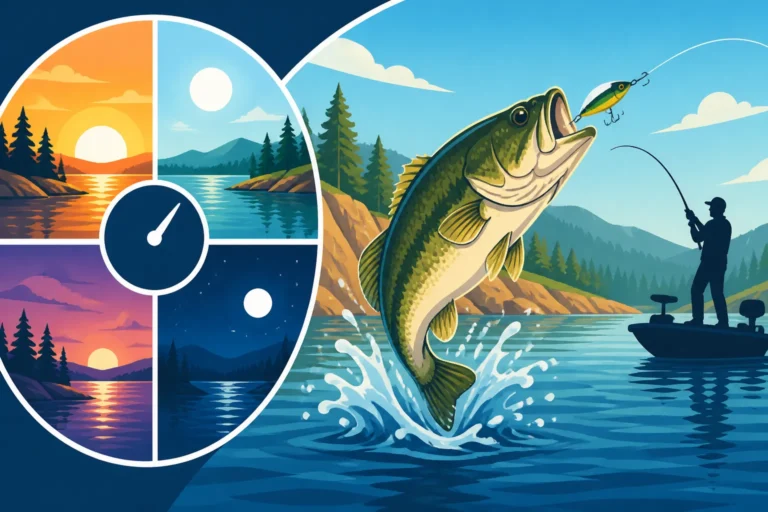
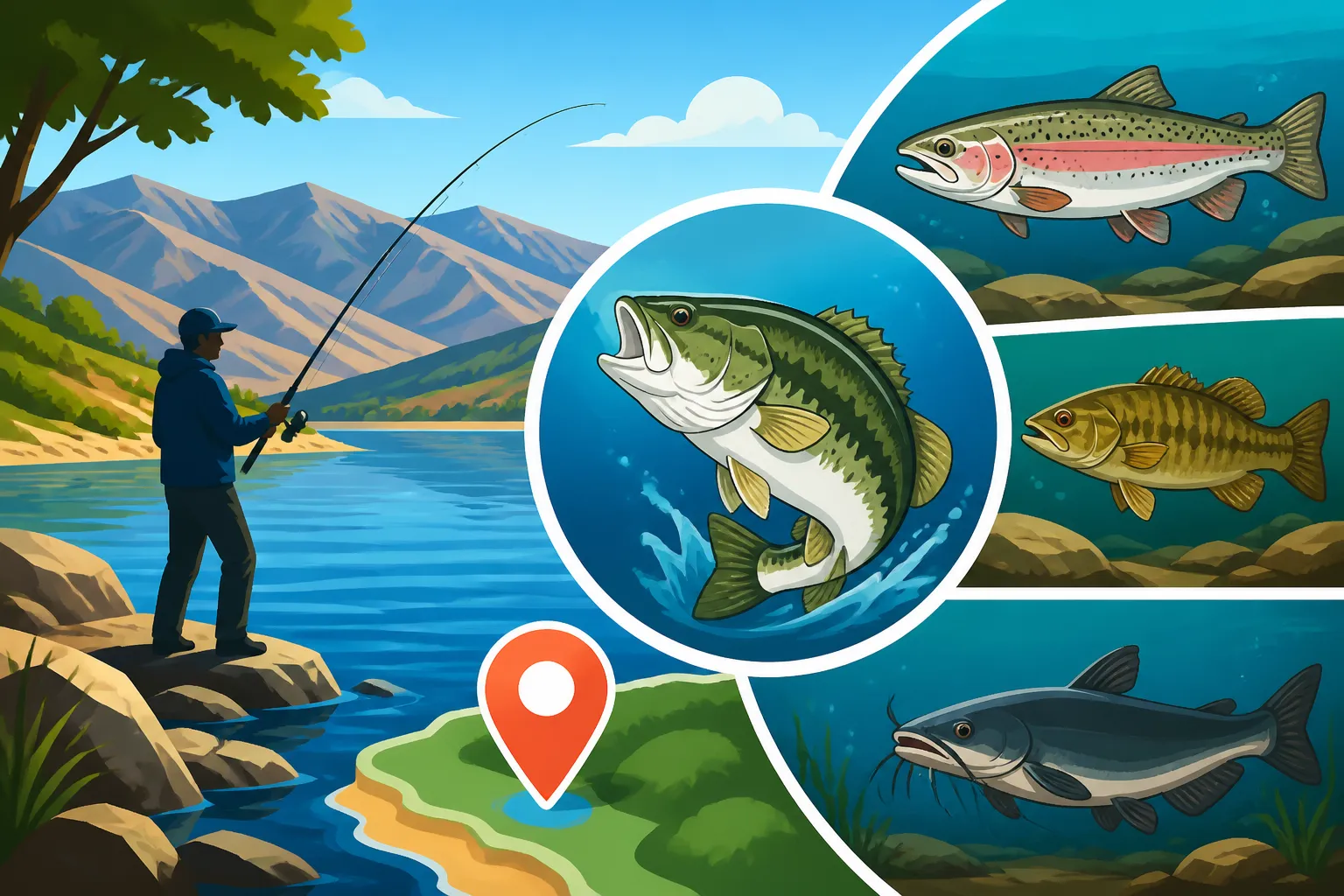
Ah, the largemouth bass – the king of freshwater sportfish for many. Lake Isabella has a healthy population of these aggressive predators, with good numbers of quality fish and even some true lunkers. They love structure, so think about submerged trees, rocky points, and weed lines, especially in the shallower coves and arms of the lake.
During the warmer months, especially in spring and early summer, you'll find them actively feeding in these areas. Look for them around Kissack Cove, French Gulch, and the areas near Wofford Heights. Soft plastics like Senkos, creature baits, and jigs are go-to lures, but don't shy away from topwater action during dawn and dusk. For more specific tactics, you might want to check out our guide on how to fish for Largemouth Bass in California.
Smallmouth Bass
While not as prevalent as largemouth, Lake Isabella also boasts a respectable population of smallmouth bass, especially in the clearer, rockier areas of the lake. These bronzebacks are known for their incredible fighting spirit, often making acrobatic leaps when hooked. They prefer cooler, rockier habitats, so focus your efforts around riprap, rocky points, and bluff walls.
Look for them along the dam face and rocky outcrops near the main lake body. Small crankbaits, tubes, and drop-shot rigs with finesse worms are excellent choices for tempting these feisty fish. They tend to be a bit more temperature-sensitive than largemouth, often biting best when the water is between 55-70°F.
Striped Bass
Now, for something completely different! Lake Isabella is famous for its landlocked striped bass, offering an exciting angling experience, especially for those who love a powerful fight. These migratory predators will chase down schools of baitfish, often putting on spectacular surface feeding frenzies, particularly in the cooler months.
You'll find stripers throughout the main lake body, often congregating in deeper water or chasing shad schools near points and open flats. Trolling with large swimbaits or lipless crankbaits can be very effective, as can casting large topwater plugs during a boil. Live shad or anchovies are also killer baits. Keep an eye on your fish finder for bait balls, and you'll likely find the stripers nearby.
Trout (Rainbow, Brown, and occasionally others)
Lake Isabella receives regular stockings of rainbow trout from the California Department of Fish and Wildlife, making it a reliable spot for trout anglers, especially in the cooler months from fall through spring. While rainbows are the most common, brown trout can also be found, particularly in the river arms, offering a chance at a true trophy.
Trout fishing is often best in the upper Kern River and South Fork arms of the lake, as well as the deeper, cooler sections of the main lake near the dam. PowerBait, nightcrawlers, and small inline spinners like Rooster Tails or Kastmasters are classic trout getters. Trolling with small spoons or Rapala lures is also very popular. For those keen on trout, our comprehensive guide on California Trout Limits and Regulations is a must-read.
Crappie and Bluegill
For families and those who love consistent action and excellent eating, Lake Isabella's crappie and bluegill populations are fantastic. These panfish are abundant and can provide hours of fun, especially for younger anglers.
Crappie tend to school around submerged brush, timber, and weed beds. Look for them in the shallower, protected coves like French Gulch and around the edges of any visible structure. Small jigs tipped with minnows or crappie nibblers are highly effective. Bluegill, being less finicky, can be found almost anywhere shallow with some cover. Worms or mealworms under a bobber are practically foolproof. Both species are most active in spring and early summer when water temperatures are comfortable.
Here’s a quick overview of what to expect from these fantastic species:
| Fish Species | Preferred Habitat | Best Baits/Lures | Peak Season | Notes |
|---|---|---|---|---|
| Largemouth Bass | Submerged timber, rocky points, weed lines, coves | Soft plastics, jigs, crankbaits, topwater | Spring, Summer | Aggressive fighters, structure-oriented |
| Smallmouth Bass | Rocky banks, riprap, bluff walls, clearer water | Small crankbaits, tubes, drop-shot rigs | Spring, Fall | Hard fighters, prefer cooler, rocky areas |
| Striped Bass | Open water, main lake body, points, bait schools | Large swimbaits, lipless crankbaits, topwater, live bait | Fall, Winter, Spring | Powerful runs, target schooling bait |
| Rainbow Trout | River arms, deeper main lake, cooler areas | PowerBait, nightcrawlers, spinners, spoons | Fall, Winter, Spring | Stocked regularly, great for all anglers |
| Crappie | Submerged brush, timber, weed beds, coves | Small jigs, minnows, crappie nibblers | Spring, Early Summer | Excellent eating, school in cover |
| Bluegill | Shallow water with cover, weed edges | Worms, mealworms, small poppers | Spring, Summer | Abundant, great for kids, consistent action |
Unlocking Lake Isabella's Best Fishing Spots
Finding the perfect spot on a lake as large and dynamic as Isabella can feel like searching for a needle in a haystack. But fear not! There are definitely some tried-and-true locations that consistently produce fish. The trick is understanding why these spots are good and what conditions make them shine.
Prime Bank Fishing Locations
Not everyone has a boat, and that's perfectly fine! Lake Isabella offers some excellent bank fishing opportunities, especially for those targeting trout, bass, and panfish.
- Engineer Point: This area, often accessible near the town of Lake Isabella, offers diverse fishing from the bank. You've got rocky points and some shallower coves that can hold bass and crappie. It's also a good spot for trout, especially if you cast out into deeper water or fish closer to the main channel where the Kern River influences flow. It can get busy, so early mornings are often best. You'll find plenty of access points here for setting up camp for the day.
- Wofford Heights Area: The banks around Wofford Heights, particularly near the camping areas, provide good access to both shallower coves and deeper drop-offs. This is a fantastic spot for targeting largemouth bass around submerged brush and structure, especially in spring. During the cooler months, trout are often caught here too, particularly after recent stockings. The variety of terrain makes it suitable for different techniques, from casting lures to soaking bait.
- South Fork Recreation Area: As the name suggests, this is where the South Fork Kern River enters the lake. The calmer, shallower waters here are perfect for bluegill and smaller bass. It’s also a key area for trout, especially when they move upstream or when stocked. The river influence brings in nutrients and different water temperatures, making it a dynamic fishing zone. A lot of anglers also report good crappie fishing around the downed trees and brush piles here.
Top Boat Fishing Hotspots
For those with a boat, Lake Isabella truly opens up, allowing you to reach prime offshore structures and less-pressured areas.
- Kissack Cove: This large cove, located on the north side of the lake, is a renowned bass haven. It features extensive weed beds, submerged timber, and varying depths, making it ideal for both largemouth and smallmouth bass. Flipping jigs and throwing crankbaits or spinnerbaits along the weed lines can be incredibly productive. It's also a fantastic spot for crappie, which often school around the submerged brush. The protected nature of the cove makes it a good option on windier days.
- French Gulch: Similar to Kissack Cove, French Gulch is another excellent choice for bass and panfish. It's usually a bit deeper than Kissack in parts, with steeper banks and rockier structure, attracting smallmouth bass. The mix of cover types, from rocky ledges to scattered timber, provides a diverse habitat. Many anglers report great success with drop-shotting and Carolina rigging here. Keep an eye out for schooling baitfish, as stripers might also push into this area.
- The Dam Area: Don't overlook the main dam face itself. This is often the deepest part of the lake and can be a fantastic spot for striped bass, particularly when they are holding deep. Trolling with downriggers or simply vertical jigging with heavy spoons can work wonders. Additionally, the deep, cool water here often holds large trout, especially during the peak of summer when they seek refuge from warmer surface temperatures. Always be mindful of any restricted areas near the dam.
- Kern River Inflow (Upstream of French Gulch): Follow the Kern River arm upstream from the main lake. This area, especially during spring and fall, becomes a magnet for trout and even some of the larger striped bass. As the river narrows, you'll find clearer water and defined channels. Trolling here, or anchoring and casting bait or lures, can be very productive. This is also a fantastic spot for fly fishing if you find accessible wading areas further up the river or use a float tube in the wider sections. This region is particularly important during the California Salmon Season Dates for other parts of the state, but here, it's about trout and stripers.
Understanding Seasonal Movements
Fish in Lake Isabella are heavily influenced by the seasons and water temperature. What works in spring might not in summer, and vice-versa.
- Spring: This is arguably the best time to fish Lake Isabella. Bass move shallow for their spawn, becoming more aggressive and easier to target. Crappie and bluegill are also very active. Trout, recently stocked, are still found throughout the lake before the summer heat. Focus on coves, shallow points, and river inflows. This is when our guide on California Fishing in Spring really comes into its own.
- Summer: The heat can push fish deeper, especially trout and stripers. Bass will often move to deeper structure or feed during low-light hours. Early mornings and late evenings become crucial. Look for thermoclines and deeper points.
- Fall: As temperatures drop, fish become more active again, feeding heavily before winter. Stripers often go on a rampage, chasing baitfish. Trout fishing picks up significantly with new stockings. Bass can be found in a wider range of depths. This mirrors what you'd find in general California Fishing in Fall strategies.
- Winter: While colder, winter fishing can still be excellent, especially for trout and striped bass. They might be deeper, but often school up, making them easier to locate with electronics. Bass can be sluggish but will bite finesse presentations. Remember to bundle up!
A little planning, checking local fishing reports, and maybe even a quick chat with a local bait shop can help you dial in on the current bite. Many anglers even find guides through platforms like FishingBooker who specialize in Lake Isabella's unique challenges, giving you a serious edge in understanding the Lake Isabella: Fish Species and Best Spots dynamics.
Essential Tips for a Successful Lake Isabella Fishing Trip
Beyond knowing the species and spots, a successful fishing trip to Lake Isabella often comes down to the details. Being prepared, understanding the regulations, and respecting the environment are all crucial for a memorable and productive experience.
Gear Up Properly
Having the right equipment can make all the difference, whether you're chasing monster stripers or panfish for dinner.
- Rods and Reels: For bass and general-purpose fishing, a medium-heavy spinning or baitcasting rod (6'6" to 7'6") with a matching reel spooled with 10-15 lb fluorocarbon or monofilament line is a great all-around choice. For trout, lighter action rods (5'6" to 6'6") with 4-6 lb test are ideal. If you're specifically targeting stripers with larger lures, consider a heavier rod and reel setup with 20-30 lb braided line for power and casting distance.
- Terminal Tackle: Stock up on hooks (various sizes, including worm hooks, treble hooks for lures, and Aberdeen hooks for live bait), weights (bullet weights for Texas rigs, split shots for bobber fishing, sinkers for deep bait presentations), swivels, and leaders. It's always better to have too much than too little.
- Nets and Pliers: A good landing net is essential, especially for larger bass or stripers. Needle-nose pliers or a de-hooking tool are crucial for safely removing hooks and protecting both yourself and the fish.
- Livewells/Coolers: If you plan to keep your catch, a livewell (for catch-and-release health) or a cooler with ice is vital for keeping fish fresh.
Don't forget the basics: a comfortable hat, polarized sunglasses (to spot fish and protect your eyes), sunscreen, and plenty of water. The California sun can be intense!
Bait and Lure Selection
Matching your bait or lure to the target species and current conditions is key.
- For Bass: Soft plastics (Senkos, worms, creature baits, swimbaits), jigs (football jigs, skipping jigs), crankbaits (diving, lipless), and topwater lures (poppers, walking baits) are staples. Experiment with colors based on water clarity – natural colors in clear water, brighter colors in stained water. For specific recommendations, check out our guide on the Best Lures for California Largemouth Bass.
- For Trout: PowerBait (rainbow, chartreuse, corn flavors), nightcrawlers, salmon eggs, and minnows are highly effective for bait fishing. For lures, small inline spinners (Rooster Tail, Panther Martin), spoons (Kastmaster, Little Cleo), and small crankbaits are consistent producers. If you're into fly fishing, nymphs, streamers, and dry flies can work, especially in the river arms.
- For Striped Bass: Live bait like shad or anchovies are hard to beat. Large swimbaits, jerkbaits, and topwater lures (especially during boils) are also excellent. Trolling larger umbrella rigs or crankbaits can cover a lot of water.
- For Panfish (Crappie, Bluegill): Small jigs (1/32 to 1/16 oz) tipped with minnows, Berkley Crappie Nibblers, or small plastic grubs are great for crappie. Worms, mealworms, or small pieces of bread under a bobber work wonders for bluegill.
Always check with local tackle shops for the most up-to-date information on what's biting and what baits are working best. They are a treasure trove of hyper-local knowledge!
Navigating Regulations and Seasons
Lake Isabella falls under California's general freshwater fishing regulations, but it’s always smart to double-check. Regulations can change, and special rules might apply to specific areas or species.
- Fishing License: Anyone 16 years or older needs a valid California fishing license to fish at Lake Isabella. You can get a license online through the California Department of Fish and Wildlife website, at most sporting goods stores, or even through services like FishingBooker if you're looking for a guided trip where the guide might assist. Our comprehensive California Fishing License Guide has all the details you need.
- Bag and Size Limits: Pay close attention to the daily bag and size limits for each species. These are designed to help maintain healthy fish populations. For example, there are specific California Bass Fishing Regulations and California Trout Limits and Regulations that you need to be aware of.
- Report Cards: While not typically needed for Lake Isabella's primary species, always be aware if any special report cards (like for steelhead or sturgeon) become relevant for other nearby waters you might explore. Our California Fishing Report Cards Explained article covers this in detail.
- Respect Marine Protected Areas (MPAs): Although Lake Isabella is freshwater, understanding what an MPA is and where they exist is crucial for any California angler. This knowledge is paramount for coastal trips and highlights the importance of responsible angling wherever you cast your line.
Always carry a copy of the current California Freshwater Sport Fishing Regulations booklet. It’s your bible for staying legal and fishing responsibly. These rules are put in place to ensure that Lake Isabella remains a fantastic fishery for generations to come.
Safety First!
No matter how exciting the fishing gets, safety should always be your top priority.
- Boating Safety: If you're on the water, ensure your boat is properly equipped with all required safety gear (life jackets, throwable device, horn, fire extinguisher). File a float plan if you're going out alone or on a longer trip.
- Weather Awareness: Weather conditions can change rapidly in the mountains. Keep an eye on forecasts and be prepared for sudden winds or storms. High winds can make Lake Isabella notoriously choppy and dangerous for smaller vessels.
- Hydration and Sun Protection: Even on cooler days, the high-altitude sun can lead to sunburn and dehydration. Drink plenty of water and use sunscreen.
- Know Your Limits: Don't take unnecessary risks. If the conditions are too rough or you're feeling unwell, it's always better to err on the side of caution.
By combining knowledge of the species, understanding the best spots, and adhering to safe and responsible practices, your fishing adventures at Lake Isabella are sure to be memorable. Happy angling, and tight lines!
Disclaimer
The information provided in this guide is for general informational purposes only and is subject to change. Fishing regulations, conditions, and fish populations can vary. Always consult the latest official regulations from the California Department of Fish and Wildlife and local authorities before fishing. Fishing involves inherent risks, and safety precautions should always be observed.