Oceanside Pier Fishing Guide
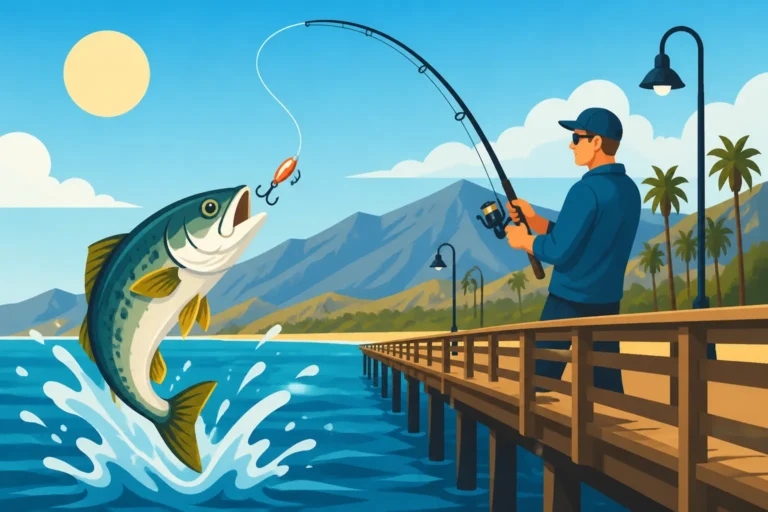
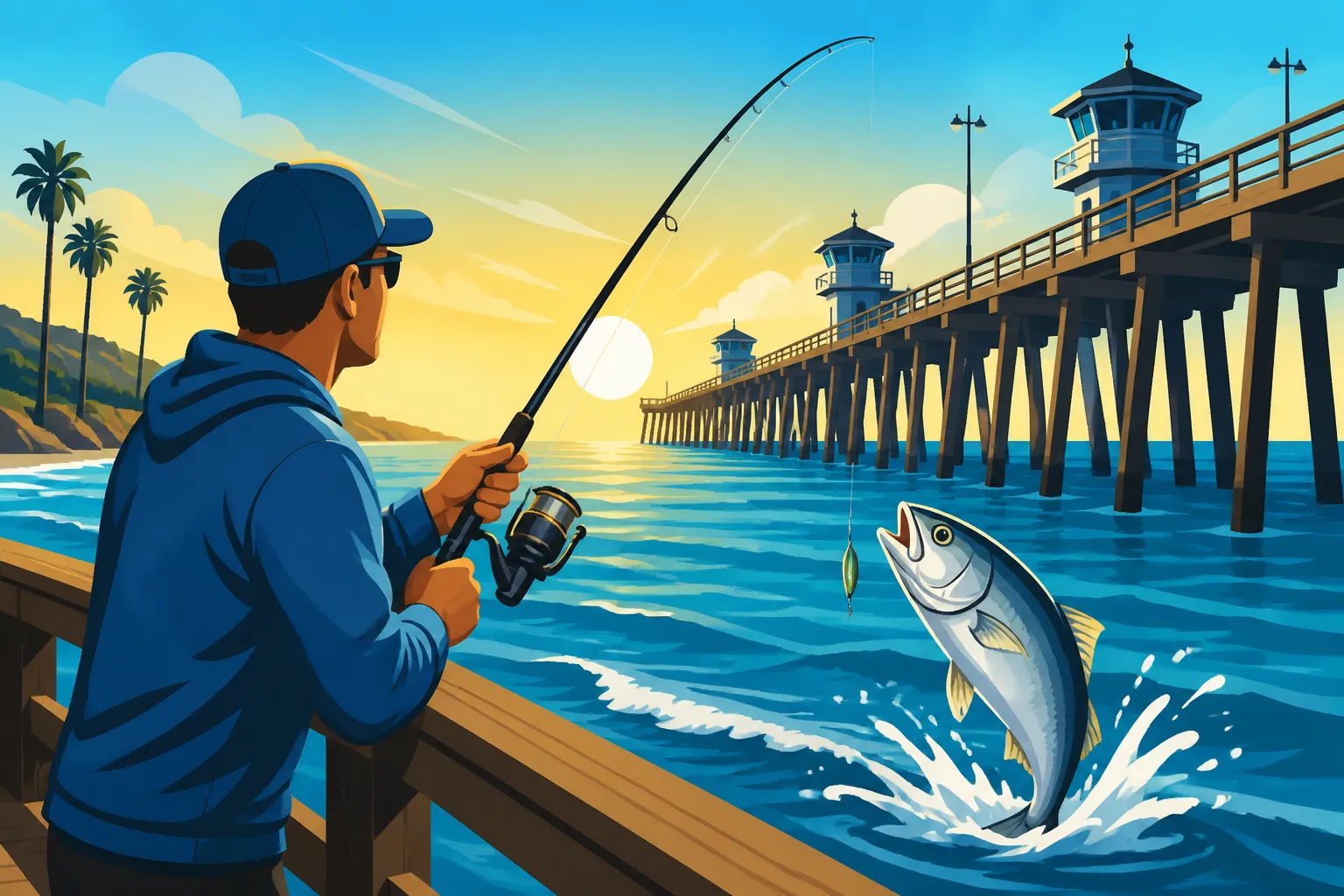
There's nothing quite like the salty air, the rhythmic crash of waves, and the hopeful cast of a line from a pier. But let's be real, pier fishing in California, especially at a popular spot like Oceanside Pier, can feel overwhelming if you don't know the ropes. You might show up with the wrong bait, wonder if you even need a license, or simply stare out at the vast Pacific Ocean wondering where the fish are hiding. This comprehensive guide is here to cut through the confusion, offering a veteran angler's perspective on how to make your Oceanside Pier fishing trip a memorable and successful one.
Why Oceanside Pier is a Go-To Fishing Spot
Oceanside Pier isn't just a picturesque landmark; it's a dynamic fishing platform that attracts anglers from all walks of life. Its sheer length, diverse underwater habitat, and accessibility make it a prime location for catching a variety of California's coastal species. From seasoned veterans looking for a quick bite to families introducing their kids to the joys of fishing, this pier holds a special place in the hearts of many.
The Pier's Unique Structure and Access
Stretching out nearly 2,000 feet into the Pacific, Oceanside Pier offers a fantastic range of fishing opportunities right from the deck. Near the shore, the water is shallower, with sandy bottoms and gentle surf, making it perfect for targeting surf perch and smaller baitfish. As you venture further out, the water deepens, providing access to different depths and structures that attract larger, more diverse species. The pier itself features plenty of space, benches, and even a few fish cleaning stations, which are incredibly convenient after a good day's catch. You'll also find amenities like bait shops and food vendors right on or near the pier, so you won't have to pack a picnic or drive miles for supplies. This ease of access and the well-maintained facilities really enhance the overall fishing experience, making it less about logistical headaches and more about the simple pleasure of fishing.
What Makes Oceanside Pier Special for Anglers
What truly sets Oceanside Pier apart is its ability to deliver consistent action for a wide array of species throughout the year. The currents around the pier act like natural highways for baitfish, which in turn attract predatory fish closer to shore. Plus, the pilings themselves create an artificial reef system, offering shelter and feeding grounds for many species. Unlike fishing from a boat, you don't have to worry about seasickness or the expense of a charter (though those are great options too, and you can always check platforms like FishingBooker if you want to explore deeper waters). You can simply walk out, find a spot, and start fishing. For those new to saltwater fishing, it’s an incredibly forgiving environment to learn the ropes. The community of anglers on the pier is often friendly and willing to share tips, making it a truly welcoming atmosphere.
Common Fish Species You'll Catch at Oceanside Pier
One of the most exciting aspects of fishing Oceanside Pier is the incredible variety of fish you might reel in. Depending on the season, time of day, and your chosen bait, you could be battling anything from a feisty mackerel to a surprising halibut. Knowing what to expect helps you tailor your gear and approach for the best chance of success.
Inshore Favorites: Perch, Croaker, and Halibut
Closer to shore, where the water is shallower and often sandier, you'll find a lively population of surf perch. These aren't huge fish, but they put up a respectable fight on light tackle and are delicious table fare. Barred surf perch, Walleye surf perch, and Spotfin croaker are common catches in this zone. Many anglers find success targeting these species by casting parallel to the pier or into the nearby surf line. Further out, especially during certain tides, the sandy bottom around the pier can be a prime hunting ground for California halibut. These elusive flatfish are highly prized for their flavor and challenging fight. Anglers often target them by drifting live bait like anchovies or sardines, or by slow-jigging artificial lures along the bottom. If you're hoping to land a flatfish, understanding How to Fish for Halibut in California can dramatically improve your odds.
Seasonal Surprises: Mackerel, Bonito, and Barracuda
As the seasons change and water temperatures fluctuate, different migratory species make their appearance around Oceanside Pier. Pacific mackerel are a staple, often arriving in huge schools, especially during warmer months. They're incredibly fun to catch in numbers, offering fast-paced action, and make excellent bait for larger species. Bonito, known for their speed and strength, also show up, particularly during late summer and fall. These pelagic predators will chase down fast-moving lures or live bait. Then there are the barracuda, sleek and aggressive fighters with a mouthful of sharp teeth. They often lurk around the pier structure, ambushing unsuspecting baitfish. A classic technique for these speedsters involves casting and retrieving shiny lures or baitfish. If you're looking for an exciting battle, these seasonal visitors deliver.
Occasional Big Game: Sharks and Rays
While not an everyday occurrence, Oceanside Pier can surprise you with some genuinely significant catches. Leopard sharks are quite common, especially at night or during twilight hours. They're powerful fighters and a thrill to bring in, though they are usually caught and released. Bat rays, identifiable by their broad, flat bodies and long, whip-like tails, are another impressive catch that can appear. Catching a large ray or shark requires heavier tackle and a strong backbone, so be prepared for a real tug-of-war if you're specifically targeting them. Always remember to handle these larger creatures with care, especially if you plan on releasing them, ensuring their safety and your own. Observing California Fishing Bag and Size Limits and practicing responsible catch-and-release techniques are paramount when encountering these bigger species.
Here's a quick reference table for common catches and suggested tactics:
| Species | Primary Location on Pier | Recommended Bait/Lure | Best Time | Key Tactic |
|---|---|---|---|---|
| Barred Surf Perch | Near shore, sandy bottom | Sandworms, mussel, grub | Day | Bottom fishing, light tackle |
| Spotfin Croaker | Near shore to mid-pier | Shrimp, squid, cut bait | Day/Evening | Bottom fishing, 1-2 hooks |
| California Halibut | Mid to far end, sandy areas | Live anchovy/sardine, swimbaits | Day | Slow retrieve, drift bait, jigging |
| Pacific Mackerel | Anywhere in schools | Sabiki rigs, small lures | Day/Evening | Fast retrieve, jigging, "chumming" with bait |
| Bonito | Mid to far end, surface | Small spoons, Kastmasters | Day | Fast retrieve, surface lures |
| Barracuda | Mid to far end, structure | Shiny spoons, swimbaits | Day | Medium-fast retrieve, twitching |
| Leopard Shark/Bat Ray | Far end, bottom | Mackerel, squid, cut bait | Night/Twilight | Heavy bottom rig, scent is key |
Essential Gear and Bait for Oceanside Pier Fishing
Just like any specialized fishing, having the right gear and bait for Oceanside Pier can make all the difference. You don't need a commercial fishing setup, but a few well-chosen items will set you up for success and prevent frustration. Trust me, showing up with trout tackle for a pier full of mackerel can be a real bummer!
Rods, Reels, and Line Recommendations
For general pier fishing, a medium-action spinning rod, about 7 to 9 feet long, is a fantastic all-around choice. It gives you enough backbone to handle a decent-sized fish but is still sensitive enough to detect lighter bites from perch or croaker. Pair this with a 3000-4000 size spinning reel spooled with 10-15 lb monofilament or braided line. Braided line, like PowerPro or Seaguar, is great because it has no stretch, offering excellent sensitivity, and allows for longer casts. If you go with braid, consider a 3-4 foot fluorocarbon leader of similar strength for better abrasion resistance and invisibility in the water. For those specifically targeting larger sharks or rays, you'll want to step up to a heavier setup – think a 10-12 foot surf rod with a robust reel spooled with 30-50 lb braid, plus a heavy monofilament leader. For lighter, fast-action fun with mackerel, a smaller 6-7 foot rod with a 2500-3000 reel and 6-8 lb line is perfect, especially when using Sabiki rigs.
Best Baits and Lures for Pier Success
When it comes to bait, variety is often the spice of life on the pier. Live bait almost always outperforms artificial, but it's not always practical or available. Here’s a breakdown of common choices:
- Anchovies and Sardines: These are the kings of live bait for many species at Oceanside Pier, especially for halibut, bonito, and barracuda. You can often buy them live at bait shops near the pier, or sometimes even catch your own with a Sabiki rig. For dead bait, cut pieces work well for bottom fish.
- Squid: A true all-rounder. Cut squid strips are durable, have a good scent, and are effective for perch, croaker, rays, and even some smaller sharks.
- Shrimp: Market shrimp, peeled or unpeeled, is a fantastic option for croaker and perch. It’s readily available and easy to use.
- Bloodworms/Sandworms: These are irresistible to surf perch and croaker. They can be a bit pricey, but their effectiveness is undeniable.
- Artificial Lures:
- Sabiki Rigs: Essential for catching baitfish like mackerel and anchovies. They have multiple small hooks with flashy flies.
- Metal Jigs/Spoons (e.g., Kastmasters, Tady jigs): Great for casting to mackerel, bonito, and barracuda. Look for silver or blue patterns.
- Soft Plastics (e.g., Gulp! sandworms, swimbaits): Can imitate natural bait and are excellent for perch and halibut.
- Lucky Craft Lures: These hardbaits can be incredibly effective for halibut and larger game fish when conditions are right. They mimic baitfish extremely well.
You'll find that having a mix of both natural bait and a few artificial lures gives you the most flexibility to adapt to what the fish are biting on that day. You can find detailed suggestions in guides like Best Baits and Lures for California Halibut and Best Baits and Lures for Rockfish in California if you plan to branch out from the pier.
Terminal Tackle and Essential Accessories
Don't overlook the small stuff! Your terminal tackle (hooks, sinkers, swivels) is crucial.
- Hooks: A variety of sizes from #4 to 2/0 for general fishing, moving up to 5/0 to 7/0 circle hooks for larger game like sharks. Circle hooks are particularly good for catch-and-release, as they often hook fish in the corner of the mouth, minimizing damage.
- Sinkers: Pyramid sinkers (1-4 oz) are good for holding bottom in current, while egg sinkers are better for drifting bait.
- Swivels: Barrel swivels or snap swivels (size 7-10) help prevent line twist.
- Rigs: A simple high-low rig (two hooks above a sinker) is versatile for bottom feeders. A Carolina rig (sliding sinker above a swivel and leader) is excellent for halibut with live bait.
- Pliers: Essential for removing hooks and cutting line.
- Knife: For cutting bait.
- Tackle Box: Keep everything organized.
- Measuring Tape: To ensure your catch meets California Fishing Bag and Size Limits.
- Bucket/Cooler: For your catch and fresh bait.
- Landing Net or Gaff: A long-handled pier net or gaff is absolutely vital for landing larger fish safely from the pier, as you can't simply pull them up. Many piers have rental options, but it's often better to bring your own.
- Sun Protection: Hat, sunglasses, sunscreen.
- Warm Layers: Even on a sunny day, the ocean breeze can be chilly.
Navigating Regulations and Best Practices
Fishing from Oceanside Pier is generally straightforward, but understanding the rules and adopting responsible angling practices will ensure a legal, enjoyable, and sustainable experience for everyone. Nobody wants a run-in with a game warden or to accidentally harm the local ecosystem.
Understanding California Pier Fishing License Rules
One of the best perks of fishing from Oceanside Pier, and indeed most public piers in California, is that you generally do not need a California fishing license to fish from the pier itself. This is a common point of confusion for new anglers, and it's a huge benefit, especially for casual outings or introducing kids to the sport. However, this rule comes with a critical caveat: if you plan to fish from a boat launched from the pier, or from the beach adjacent to the pier, or any other body of water not directly on the public pier, then you absolutely need a valid California Fishing License Guide for the appropriate waters. Furthermore, even without a license, all state fishing regulations regarding bag and size limits, seasons, and protected species still apply. It's also worth noting that while you might not need a general fishing license, if you're targeting certain species like sturgeon or steelhead, you will need a specific report card, even when fishing from a pier. Always check the latest California Fishing Regulations Explained booklet from the California Department of Fish and Wildlife (CDFW) to be completely sure.
Responsible Angling and Conservation
Being a responsible angler goes beyond just following the rules; it's about respecting the environment and the fish you're targeting.
- Pack it in, Pack it out: This is huge. Leave no trace. Any trash you bring, take it with you. Fishing line, bait containers, and food wrappers left on the pier or in the ocean are detrimental to marine life.
- Know Your Limits: Adhere strictly to California Fishing Bag and Size Limits for all species. These limits are in place to ensure healthy fish populations for the future. Don't be tempted to keep undersized fish or go over your limit, even if "no one is watching."
- Handle Fish with Care: If you're planning to release a fish, minimize its time out of water. Use wet hands when handling, support its body, and revive it gently before release. Consider using circle hooks, especially when targeting sharks and rays, as they reduce the likelihood of gut-hooking.
- Avoid Over-chumming: While chumming can attract fish, excessive use can concentrate fish unnaturally and attract unwanted species like sharks or even seals, potentially creating issues.
- Report Violations: If you witness someone breaking fishing regulations or harming the environment, consider reporting it to the CDFW. It helps protect the resource for everyone.
Embracing these practices contributes to the overall health of California's marine ecosystems, making sure that future generations can enjoy the same incredible fishing experiences we do today.
Maximizing Your Catch: Tips and Techniques
Beyond the right gear and knowledge of regulations, there are some veteran tips and techniques that can genuinely improve your success rate at Oceanside Pier:
- Observe and Learn: When you first arrive, take 15-20 minutes just to watch what other successful anglers are doing. What kind of rigs are they using? What bait? Where are they casting? The local knowledge shared implicitly (or explicitly, if you ask nicely!) can be invaluable.
- Fish the Tides: Tides play a massive role in pier fishing. Often, the hour before and after a high or low tide can be the most productive, as moving water dislodges food and stimulates fish activity. For species like halibut, an outgoing tide can sometimes be particularly effective as it washes baitfish out. You can easily find tide charts online for Oceanside.
- Early Bird Gets the Worm (or Fish): Dawn and dusk are prime feeding times for many species. Fishing early in the morning before the crowds arrive also means less competition for prime spots.
- Vary Your Presentation: Don't just cast out and leave your bait. Try slowly retrieving, twitching your rod tip, or jigging. Sometimes a subtle movement is all it takes to trigger a strike.
- Location, Location, Location: Experiment with different spots along the pier. The very end can be good for deeper water species, while the middle might hold more structure-oriented fish, and closer to shore is ideal for surf perch. Also, pay attention to current lines, eddies, and any visible baitfish activity.
- Stay Flexible: What worked yesterday might not work today. Be prepared to change your bait, your rig, or even your spot if you're not getting bites. This adaptability is what truly separates consistent anglers from those who get lucky.
- Connect with the Community: Don't be afraid to strike up a conversation with other anglers. Many are happy to share their knowledge and a good story. You might even discover a new favorite spot or technique. If you're looking for more general insights, platforms like FishingBooker can offer a broader view of what's biting in various coastal regions of California.
By combining the right gear with a solid understanding of the local species and regulations, plus a few smart fishing techniques, your next trip to Oceanside Pier is bound to be a rewarding one. So grab your rod, pack your tackle, and get ready to enjoy some fantastic California pier fishing!
Disclaimer
Fishing regulations and conditions can change rapidly. Always consult the latest California Department of Fish and Wildlife (CDFW) regulations before heading out. This guide is for informational purposes only and does not constitute legal advice.