Best Spots to Fish in Morro Bay
Feeling overwhelmed by all the fishing options when you visit Morro Bay, wondering where to even start to reel in a good catch? It's a common frustration, especially with such diverse waters available. This comprehensive guide is here to cut through the confusion, pinpointing the absolute best spots to fish in Morro Bay, whether you're looking for a relaxing pier experience or an adventurous offshore excursion, and equipping you with the knowledge to make your next trip a truly memorable one.
The Allure of Fishing Morro Bay's Diverse Waters
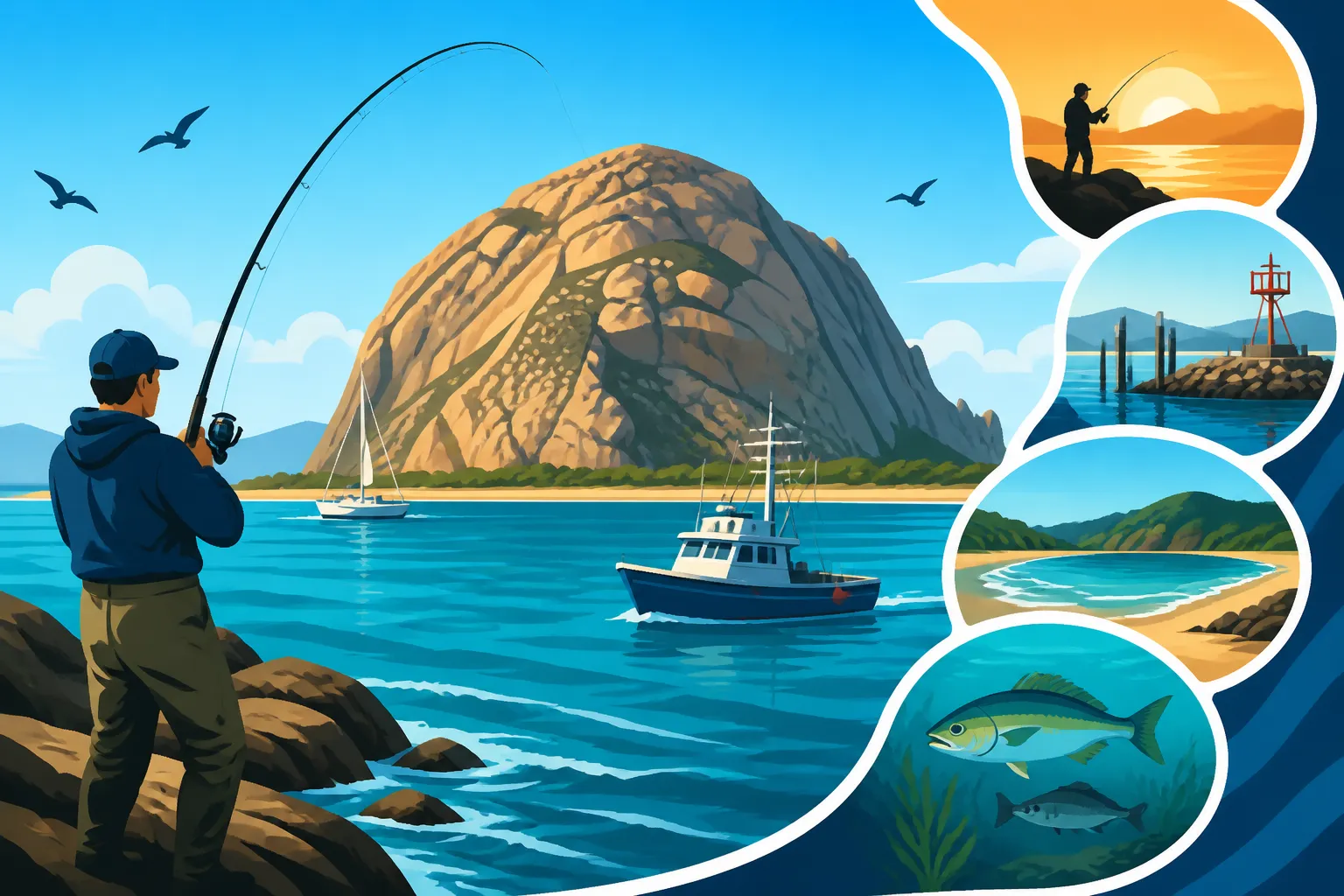
Morro Bay isn't just a picturesque spot with a giant rock; it's a genuine angler's paradise, a central coast gem that offers an incredible variety of fishing experiences. From the calm, protected waters of the bay itself to the rugged, fish-rich coastline and even the deep blue beyond, there's something here for every kind of fishing enthusiast. But it’s not just the variety of fish that draws people in; it’s the whole experience – the crisp morning air, the sound of the waves, and that ever-present hope of a tug on the line.
Why Morro Bay is a Central Coast Gem for Anglers
What truly sets Morro Bay apart is its unique geography. You have the sheltered estuary, a haven for many juvenile fish and excellent for calm-water fishing, particularly for species like halibut, bass, and various surfperch. Then, right at the mouth of the bay, where the iconic Morro Rock stands guard, the bay opens up to the Pacific Ocean, offering access to thriving kelp forests, rocky reefs, and deeper offshore canyons. This means you can be targeting a fat halibut inside the bay one day and chasing rockfish or even tuna offshore the next. It’s a dynamic environment where the bite can be hot year-round for one species or another, making it a reliable destination no matter when you visit. The calm, often fog-kissed mornings give way to beautiful sunny afternoons, perfect for a day out on the water.
This area is particularly rich due to the upwelling of nutrient-rich waters, which fuels a vibrant food chain, attracting a wide array of marine life. It's not uncommon to see sea otters, harbor seals, and an abundance of seabirds while you're out fishing, adding to the natural beauty and the overall experience. The sheer density and variety of fish species you can encounter here, from bottom dwellers to pelagic game fish, are what truly make Morro Bay stand out among California's fishing destinations.
Essential Regulations and Licenses for Morro Bay
Before you even think about casting a line, it's absolutely crucial to understand the rules of the game. Fishing in California, especially in diverse areas like Morro Bay, comes with specific regulations that are designed to protect fish populations and ensure sustainable angling for everyone. First and foremost, if you're 16 years or older and planning to fish anywhere other than a public pier or certain designated areas, you'll need a valid California fishing license. This isn't just a formality; it's a legal requirement, and fines for non-compliance can be pretty steep.
You can pick up a license at local tackle shops, sporting goods stores like Sportsman's Warehouse, or even online through the California Department of Fish and Wildlife (CDFW) website. Beyond the license, you’ll need to familiarize yourself with the California Saltwater Fishing Regulations. These cover everything from bag limits (how many fish you can keep) and size limits (minimum and sometimes maximum lengths) to specific seasons for certain species. For example, rockfish often have depth restrictions and specific open seasons that vary by region, and salmon seasons are often announced close to the season based on predicted runs. Always check the most current regulations booklet or the CDFW website before heading out, as these rules can change year to year, or even mid-season. Understanding the California Fishing License Guide is your first step to a legal and enjoyable day on the water.
Top Productive Fishing Spots Within Morro Bay
The beauty of Morro Bay is that you don't always need a boat to find great fishing. There are several fantastic spots right along the shore or easily accessible within the calm waters of the bay itself. These spots offer different experiences and target species, making it easy to find an option that suits your style of fishing.
Morro Bay T-Pier: A Public Access Hotspot
For many, the Morro Bay T-Pier is the quintessential go-to spot for accessible and often productive fishing. Located right off the Embarcadero, this pier stretches out into the calmer waters of the bay, offering anglers of all skill levels a chance to wet a line. What’s great about pier fishing, especially in California, is that you generally don't need a state fishing license to fish from a public pier. This makes it a fantastic, low-barrier-to-entry option for families, beginners, or those just looking for a relaxed afternoon. However, general regulations like bag and size limits still apply, so understanding California Pier Fishing License Rules is a good idea.
From the T-Pier, you can expect to catch a variety of bay species. Surfperch are incredibly common, especially barred surfperch and pile perch, which are fun to catch on light tackle. Mackerel often school up around the pier, providing fast action, especially during warmer months. Sometimes, if you're lucky and fish the deeper sections with live bait or cut bait, you might even hook into a California halibut or a leopard shark, which can offer a thrilling fight. Common baits include bloodworms, cut squid, or even small artificial lures and grub tails. Early mornings and late evenings are often the most productive times, as fish tend to be more active during these periods. Don't forget to bring a net with a long handle; it's a lifesaver for landing bigger fish.
The Embarcadero & Public Docks: Accessible Bay Fishing
Beyond the T-Pier, the entire stretch of the Embarcadero, with its various public docks and walkways, offers additional opportunities for shore-based fishing. These areas, particularly the quieter sections away from the main hustle and bustle, can be excellent for targeting the same species found off the pier, but often with less competition. You'll find spots where the water is a bit shallower, which can be ideal for targeting smaller flatfish or juvenile bass that cruise along the bottom near structure.
These calmer waters are also fantastic for kayakers and stand-up paddleboarders who want to explore the bay's nooks and crannies. Launching a kayak from one of the designated access points allows you to get into areas inaccessible from shore, opening up opportunities to fish around the many oyster beds, eelgrass flats, and other submerged structures that hold fish. Kayak fishing in Morro Bay can be incredibly rewarding, especially for halibut, which love to ambush baitfish from the sandy bottom near these features. For those interested in exploring this option, a detailed guide on California Kayak Fishing Guide can provide a wealth of information. Light spinning gear with live anchovies, grubs, or small jerkbaits can be highly effective here. Just be mindful of boat traffic, especially during peak tourist season.
Morro Rock Jetty: Bridging Bay and Ocean
For those seeking a bit more adventure and a broader range of species, the Morro Rock Jetty is an absolute must-visit. This long, rocky breakwater extends from the base of Morro Rock, acting as a crucial demarcation line between the protected bay and the open Pacific Ocean. Fishing from the jetty exposes you to a mix of bay dwellers and ocean inhabitants, making it a truly unique spot. Be warned, though, walking and fishing on the jetty can be challenging due to uneven rocks and sometimes slippery surfaces, especially during high tide or after a rain. Always wear appropriate footwear and exercise caution.
From the jetty, anglers can target a diverse array of fish. On the bay side, especially closer to the mouth, you might still pick up halibut, various perch, and even small sharks. However, it's the ocean side that often offers the most exciting action. Here, you can encounter a variety of rockfish, including calico bass, cabezon, and sometimes even lingcod, particularly if you're casting into deeper pockets or near the base of the rocks. Live bait, cut squid, or durable plastics rigged on a leadhead jig are popular choices. The currents can be strong, so be prepared to use heavier weights. This spot is also known for producing occasional large California Halibut, especially during the spring and summer months when they enter the bay to feed and spawn. Understanding How to Fish for Halibut in California can significantly increase your chances here. The transition zone means you might find anything from a small surfperch to a sizable rockfish in the same general area.
Venturing Beyond the Bay: Nearshore and Offshore Opportunities
While the bay offers fantastic shore-based fishing, the true bounty of Morro Bay often lies just beyond the harbor mouth. The Central Coast is renowned for its diverse marine habitats, and getting out on the water, whether in your own boat or with a professional charter, opens up a world of possibilities for more substantial catches.
Rockfish Reefs and Kelp Beds: Nearshore Action
Just a short boat ride from the Morro Bay harbor entrance, the coastline drops off into a complex underwater world of rocky reefs, pinnacles, and vibrant kelp forests. These are prime habitats for a staggering variety of rockfish species, along with their toothy predator, the lingcod, and other bottom dwellers. For anglers with their own boats or those on specialized rockfishing trips, these nearshore grounds are incredibly productive. You'll find yourself drifting over submerged structures, dropping jigs, baited hooks, or shrimp flies into depths ranging from 50 to 200 feet, sometimes even deeper depending on current regulations.
California's rockfish fisheries are carefully managed, and it's absolutely vital to be aware of the current California Rockfish Regulations and Limits. These often include specific depth restrictions (e.g., Rockfish Conservation Areas), bag limits for different species groupings (like "shelf rockfish" or "slope rockfish"), and seasonal closures. Popular species you'll encounter include Vermilion rockfish (often called "reds"), bocaccio, olive rockfish, gopher rockfish, and sometimes even the prized lingcod. These areas also hold sizable cabezon and various sculpins. When the bite is on, it can be non-stop action, with anglers reeling in a steady stream of fish. Using a fish finder to locate structure and bait balls is key, and having a good quality bait receiver for live anchovies or sardines can make a huge difference in attracting the bigger, more aggressive fish. Knowing How to Catch Rockfish in California will give you a tactical edge.
Morro Bay Fishing Charters: Unlocking Deeper Waters
For many, the easiest and most effective way to experience the fantastic offshore fishing Morro Bay has to offer is by booking a fishing charter. Whether you're a seasoned angler looking for big game or a family hoping for a fun day out, there's a charter trip to suit your needs. Morro Bay has several reputable charter operations that run boats ranging from smaller six-pack charters (for up to six passengers) to larger party boats that can accommodate dozens of anglers. These charters are equipped with all the necessary gear, experienced captains who know the local waters like the back of their hand, and deckhands ready to help you with bait, rigging, and landing your catch.
Charters typically target a wider range of species depending on the season and prevailing conditions. During the cooler months, rockfish and lingcod are the primary targets, often fished over the same reefs mentioned earlier but also venturing to deeper, more expansive grounds. When warmer waters push up the coast, especially during late summer and fall, you might find charters heading out for California halibut, yellowtail, or even various tuna species if they are within range. Many anglers find the convenience of a charter invaluable, as they handle the boat, fuel, safety gear, and often even the fishing tackle. To find and book the perfect trip, I often recommend checking out platforms like FishingBooker, where you can compare different boats, read reviews, and see what's biting. They list many excellent operators out of Morro Bay and other California ports, making it super easy to plan your adventure. If you're considering this option, definitely look into Best Fishing Charters in Morro Bay to get a sense of what's available.
Essential Gear, Bait, and Best Times for Morro Bay
Having the right equipment and knowing when and how to deploy it makes a world of difference in Morro Bay. The diverse environment means that what works in the bay might not work offshore, and vice-versa.
Recommended Gear and Bait for Bay Fishing
When you're fishing inside Morro Bay, whether from the pier, the docks, or a kayak, you'll generally want to lean towards lighter tackle. This isn't just about sporting fun; it's also more effective for the species you're targeting. A medium-light spinning rod, around 6.5 to 7.5 feet long, paired with a 2500 or 3000 series reel spooled with 10-15 lb test monofilament or braided line, is a versatile setup. This will give you enough backbone to fight a decent halibut or leopard shark, but still allow you to feel the subtle bites of perch or mackerel.
As for bait, fresh is always best. Cut squid is a universal bait that works for almost everything in the bay, from perch to halibut and sharks. Live anchovies or sardines are incredibly effective for halibut, especially when drifted along the bottom. For surfperch, small pieces of shrimp, mussel, or Gulp! sandworms on a high-low rig often produce great results. Small grubs or curly-tail plastics on a light leadhead jig (1/4 to 1/2 oz) can also be deadly for bay bass and halibut. Don't be afraid to experiment! Sometimes, the fish are keyed into one specific offering.
Optimal Seasons and Tides for Morro Bay Success
Timing is everything in fishing, and Morro Bay is no exception. While you can typically find something biting year-round, certain seasons truly shine for specific species.
- Spring (March-May): This is prime time for California halibut, as they move into the bay to spawn and feed. Striped bass also become more active. The weather can be a bit unpredictable, but the fishing often makes it worth it.
- Summer (June-August): Warmer waters bring in mackerel, barracuda, and sometimes even yellowtail closer to shore. Rockfishing offshore is usually excellent, and opportunities for lingcod remain strong. It's a fantastic time for both pier and boat fishing.
- Fall (September-November): Many consider fall to be one of the best times for a mixed bag. Halibut fishing remains strong, rockfish are abundant, and if the salmon season is open, this is often when they stage off the coast. The weather tends to be stable and pleasant.
- Winter (December-February): While some species slow down, winter can still be productive for rockfish and lingcod offshore, often requiring slightly deeper drops. Inside the bay, various surfperch remain active.
Tides also play a critical role, especially for bay fishing. Incoming and outgoing tides, particularly around the tide changes (the slack before or after the peak), often concentrate baitfish and predatory species. For halibut in the bay, a slow outgoing tide can be particularly effective, as it washes baitfish out of the shallower flats. When planning your trip, consult a local tide chart and try to align your fishing efforts with these prime tidal windows. For a more detailed breakdown of what to expect throughout the year, checking out a California Fishing Seasons: Month-by-Month Guide can be invaluable.
Here’s a quick summary of popular spots, target species, and recommended tackle:
| Fishing Spot | Primary Target Species | Recommended Tackle | Best Bait/Lures |
|---|---|---|---|
| Morro Bay T-Pier | Surfperch, Mackerel, Leopard Shark, occ. Halibut | Light spinning (10-15lb line) | Cut Squid, Bloodworms, Gulp! Sandworms, small jigs |
| Embarcadero/Public Docks | Flatfish, Bay Bass, Surfperch, occ. Halibut | Light spinning (8-12lb line) | Live Anchovies, Cut Squid, Small Plastics, Shrimp |
| Morro Rock Jetty | Rockfish, Lingcod, Halibut, Calico Bass, Cabezon | Medium-heavy spinning/casting (20-40lb line) | Live Bait, Cut Squid, Shrimp Flies, Heavy Jigs |
| Nearshore Reefs/Kelp Beds | Vermilion Rockfish, Lingcod, Bocaccio, Calico Bass | Medium-heavy boat rod (30-60lb line) | Live Anchovies/Sardines, Shrimp Flies, Jigs |
| Offshore (Charters) | Halibut, Salmon, Tuna, Yellowtail, various Rockfish | Heavy conventional/boat rods (40-80lb line) | Live Squid/Sardines, Trolling Lures, Heavy Jigs |
Disclaimer
Fishing inherently involves risks, including but not limited to changing weather conditions, slippery surfaces, and sharp fishing tackle. Always prioritize safety, check local weather forecasts, and wear appropriate safety gear. Adhere strictly to all California Department of Fish and Wildlife regulations, including licensing requirements, bag limits, and size restrictions. This guide is for informational purposes only and does not constitute professional advice.