Best Spots to Fish in Farallon Islands
It’s a common daydream for many California anglers: escaping the crowded piers and easily accessible shores for a truly epic fishing adventure. You long for a place that feels wild, untamed, and bursting with life, but the logistics and regulations of such remote spots often feel overwhelming. If you’ve ever cast your eyes westward from the coast and wondered what hidden treasures lie beyond the horizon, then a trip to the Farallon Islands might just be what you're dreaming of. This guide will walk you through everything you need to know about fishing in these legendary waters, from the incredible species you’ll encounter to navigating the vital regulations and finding the right charter.
Unveiling the Mystique of the Farallon Islands for Anglers
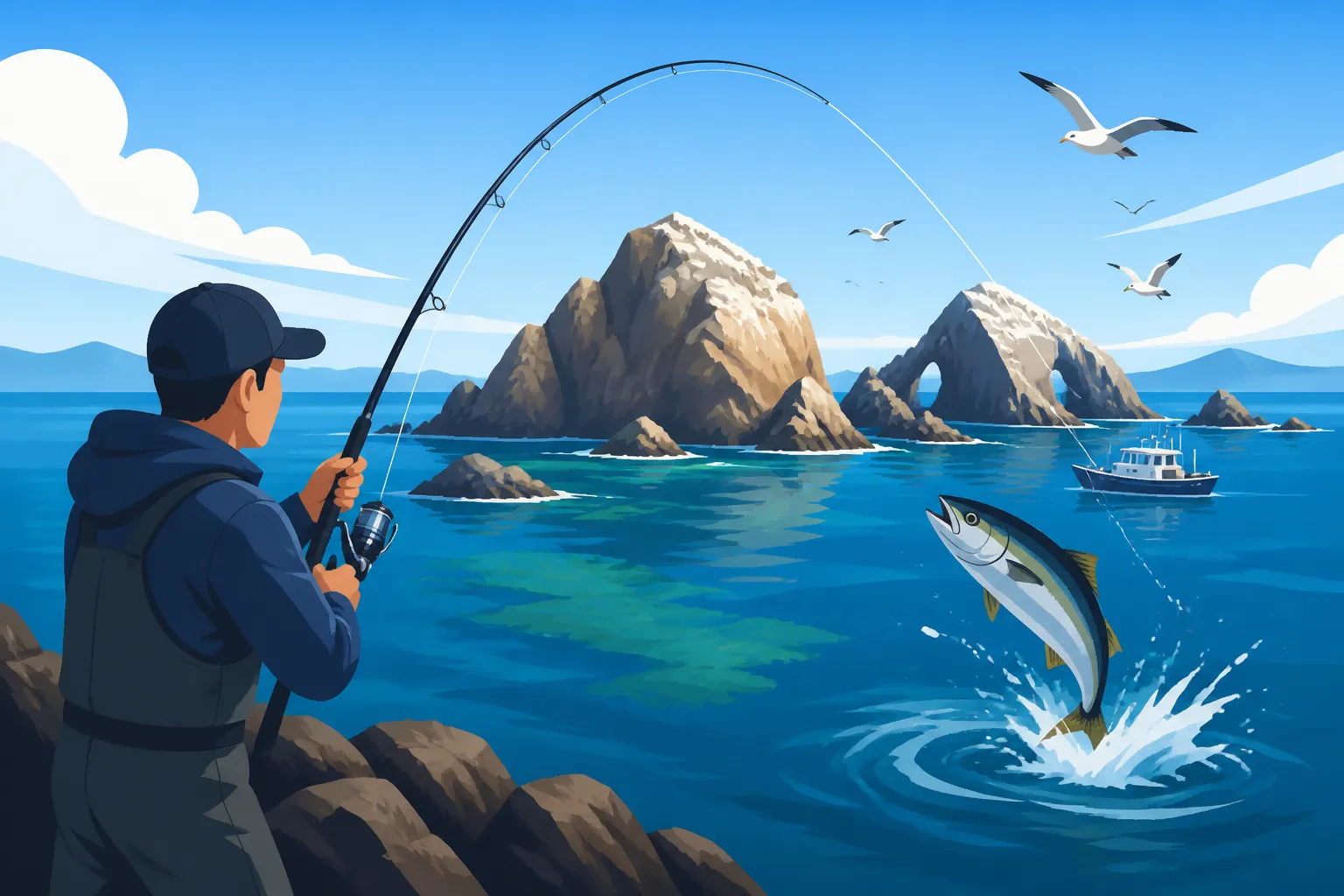
The Farallon Islands, a cluster of rugged islands and sea stacks located about 28 miles west of San Francisco, are not your average fishing spot. They are a place of profound natural beauty and ecological significance, often shrouded in fog and buffeted by ocean swells. This remote outpost is a designated National Wildlife Refuge and part of the Greater Farallones National Marine Sanctuary, making it a critical habitat for millions of seabirds, marine mammals, and a diverse array of fish. For anglers, this means a unique opportunity to fish in some of California's most pristine and productive waters, but also a responsibility to understand and respect its delicate ecosystem.
A Remote Wildlife Sanctuary with Fishing Opportunities
These islands are often called "California's Galapagos" due to their incredible biodiversity. The raw, windswept nature of the Farallones creates an astonishingly rich upwelling of nutrients, drawing in vast schools of baitfish, which in turn attract larger predators. While the islands themselves are strictly off-limits to public landing to protect the nesting seabirds and pinnipeds, the surrounding waters offer phenomenal fishing. It's a place where you might see humpback whales breaching, great white sharks patrolling, and countless species of birds soaring overhead, all while you're dropping a line. This isn't just a fishing trip; it's an immersive wildlife experience.
What Makes Farallon Islands Fishing So Unique?
The sheer remoteness and depth of the waters around the Farallones contribute to its unique fishing opportunities. Unlike shallower inshore fisheries, the continental shelf drops off dramatically here, creating a mosaic of deep canyons, rocky reefs, and pinnacles that are perfect habitats for a wide range of species. The cold, nutrient-rich currents from the Pacific Ocean converge, creating a food chain that supports an incredible density of marine life. This combination means that anglers have the chance to hook into some truly impressive fish, often larger and more vibrant than those found closer to shore. It's a challenging environment, no doubt, with unpredictable weather and significant swells, but the rewards for those who brave it can be unforgettable.
Prime Species to Target Around the Farallon Islands
The diverse underwater topography and rich nutrient upwelling around the Farallon Islands make it a hotspot for a variety of popular game fish. Depending on the season and specific location, anglers can find themselves battling everything from deep-dwelling bottom fish to fast-swimming pelagic species. Knowing what to target and when can greatly enhance your success and enjoyment.
Rockfish and Lingcod: Reef Dwellers Galore
The most consistently targeted species around the Farallones are undoubtedly rockfish and lingcod. The extensive rocky reefs and deep structures provide ideal habitats for these bottom-dwelling predators. You'll find a wide variety of rockfish here, including vermilion, copper, yellowtail, canary, and chilipepper rockfish, among others. These fish are not only beautiful but also excellent eating. Lingcod, with their voracious appetites and aggressive strikes, are another major draw. They often hide in rocky crevices, ambushing unsuspecting prey.
To catch these reef dwellers, anglers typically employ vertical jigging or bait fishing with cut squid, anchovies, or sardines. Heavy-duty tackle is a must, as you'll be fishing in depths that can range from 100 to over 300 feet, and these fish fight hard as they're reeled up from the deep. It's crucial to be aware of California Rockfish Depth Restrictions and other specific regulations, as these can vary by season and management area. Always check the latest California fishing regulations before heading out to ensure you're compliant.
Salmon and Albacore: Pelagic Pursuits
While rockfish and lingcod are year-round staples, the Farallon Islands truly shine during their seasonal runs of pelagic species like salmon and albacore tuna. The cool, nutrient-rich waters are a magnet for migrating salmon, particularly Chinook (King) and Coho (Silver) salmon. These magnificent fish are highly sought after for their fighting prowess and delectable meat. The California Salmon Season Dates are strictly managed and can change annually, so staying informed is key for any angler hoping to target them.
Further offshore, when conditions are right, the Farallones can also be a prime hunting ground for albacore tuna. These torpedo-shaped speedsters chase schools of baitfish, offering an exhilarating fight for anglers. Targeting albacore often involves trolling with lures or live bait, or sometimes chumming to bring them closer to the boat. Success with pelagic species often depends heavily on water temperature, bait availability, and accurate fishing reports.
Occasional Big Game Encounters
Beyond the primary targets, the waters around the Farallon Islands occasionally offer encounters with other exciting species. California halibut might be found closer to the shelf edge, particularly during their feeding migrations. While not a primary target, the potential for a large California halibut to take your bait is always there, especially when drifting live bait. Additionally, while strictly off-limits for fishing, the area is renowned for its population of great white sharks, especially during the fall when seals and sea lions are abundant. Seeing one of these apex predators in its natural habitat, even from a distance, adds another layer of wild excitement to any trip to the Farallones. The sheer abundance of marine life makes every fishing trip an adventure, with the possibility of spotting dolphins, porpoises, and various whale species, truly making it a comprehensive wildlife experience.
Navigating Regulations and Best Practices for Farallon Fishing
Fishing in the Farallon Islands region is a privilege that comes with significant responsibilities. Given its status as a National Wildlife Refuge and part of a National Marine Sanctuary, adherence to regulations is not just about avoiding fines; it's about protecting one of California's most vital and fragile marine ecosystems. Understanding the rules before you go is absolutely paramount.
Essential Licenses and Report Cards
First and foremost, anyone aged 16 or older needs a valid California Fishing License Guide to fish in these waters. This applies whether you're on a private boat or a commercial charter. You can purchase these licenses online through the California Department of Fish and Wildlife (CDFW) website or at authorized license agents throughout the state. Beyond the basic license, you'll also likely need specific report cards or stamps depending on what you're targeting. For instance, if you're hoping to catch salmon, you'll need a California Salmon Report Card. If you're fishing in saltwater, the California Ocean Enhancement Stamp is also required. These add-ons help fund conservation efforts and provide crucial data for fisheries management, so don't skip them!
It's not enough to just buy them; you must carry them with you while fishing and properly fill them out as required. Failure to do so can result in hefty fines and a ruined fishing trip. Think of it as your passport to these incredible waters; without it, you're not getting in.
Understanding Marine Protected Areas (MPAs) and Other Restrictions
The Farallon Islands are surrounded by various Marine Protected Areas (MPAs) and conservation zones, which are essentially underwater parks designed to protect marine life. These areas have strict rules, including "no-take" zones where all fishing is prohibited, and other zones with highly restricted fishing activities. It's absolutely critical to understand where these boundaries are. The waters immediately surrounding the Farallon Islands are part of the Farallon Islands State Game Refuge and the Gulf of the Farallones National Marine Sanctuary, which have specific fishing restrictions.
For bottom fishing, you must also be acutely aware of California Rockfish Conservation Areas and California Rockfish Depth Restrictions. These regulations are designed to protect fragile ecosystems and ensure sustainable fish populations. Depth limits can vary by region and species, and ignoring them can lead to significant penalties. Your charter captain will be an expert on these rules, but it's always good practice for anglers to familiarize themselves with California Marine Protected Areas Explained and the current California Fishing Regulations Explained booklet. Ignorance of the law is never an excuse, especially when dealing with such a sensitive environment.
Gear Up for Offshore Success
Given the deep water, strong currents, and potentially large fish found around the Farallones, having the right gear is non-negotiable. Light tackle simply won't cut it here. For rockfish and lingcod, you'll want a stout 6.5 to 7.5-foot rod rated for 40-80 lb line, paired with a conventional reel capable of holding at least 200-300 yards of 50-80 lb braided line. A heavy sinker, often 8-16 ounces or more depending on current, is essential to get your bait or jig down to the bottom. Durable terminal tackle, including heavy-duty swivels, leader material (60-100 lb fluorocarbon is popular), and strong hooks, is also crucial.
For salmon and albacore, your gear needs will shift slightly. Salmon often require trolling rods with line counters and downriggers, or mooching setups with lighter (but still strong) line. Albacore calls for fast, powerful reels capable of long runs, matched with medium-heavy rods for casting or trolling lures. Many charters provide quality gear, but if you're bringing your own, make sure it's up to the task. Don't forget essentials like a good pair of pliers, a sharp knife, sun protection, and plenty of layers of clothing – the weather offshore can change rapidly.
Accessing the Farallon Islands: Chartering Your Adventure
Given the considerable distance from shore, the challenging ocean conditions, and the complex regulations, accessing the Farallon Islands for fishing is almost exclusively done via commercial fishing charters. This isn't a place for casual kayak trips or small pleasure boats unless you're exceptionally experienced and your vessel is specifically designed for serious offshore conditions.
Why Charters are Essential for Farallon Trips
Fishing the Farallon Islands requires more than just a boat; it demands expertise, specialized equipment, and an intimate knowledge of the area's unique conditions and regulations. Most anglers will find that booking a spot on a reputable charter boat departing from nearby ports like San Francisco, Emeryville, Berkeley, or Bodega Bay is the only practical and safe way to experience this fishery. These vessels are built for offshore travel, equipped with advanced navigation and fish-finding electronics, and staffed by experienced captains and deckhands who know exactly where to go, what to target, and how to keep you compliant with all the rules. The journey out to the islands can take a few hours, so comfort and safety are paramount.
Beyond safety, charter captains possess invaluable local knowledge. They track fish movements, understand seasonal patterns, and adapt to changing weather and currents, drastically increasing your chances of a successful and memorable trip. They also handle all the complex permitting and compliance with the various agencies governing the Farallones. You can learn more about California Fishing Charters: Complete Guide to help you understand the options available.
Choosing the Right Charter for Your Farallon Expedition
When it comes to picking a charter for a Farallon Islands trip, doing your homework is essential. Not all boats or captains specialize in these specific waters, and you want someone with a proven track record of safe and successful trips to this remote location. Look for charters that explicitly advertise Farallon Islands trips, as this indicates their experience and readiness for the journey.
Platforms like FishingBooker can be a fantastic resource for researching and booking the right vessel. You can compare different boats, read reviews from other anglers, check their fishing reports, and see what species they typically target. When you're ready to book, platforms like FishingBooker can be a real lifesaver, allowing you to compare various charters, check their availability, and read reviews from other anglers. Don't hesitate to call the charter office and ask specific questions about their experience fishing the Farallones, their safety protocols, and what's included in the trip cost. A good charter will be transparent about everything from bait and tackle to any additional fees. For trips departing from the Bay Area, researching Best Fishing Charters in San Francisco or Bodega Bay would be a great starting point.
What to Expect on a Farallon Islands Fishing Trip
Prepare for an early start and a long day on the water. Trips to the Farallones often involve a multi-hour boat ride each way, so be ready for a significant amount of time in transit. The Pacific Ocean can be unpredictable, even on calm days, so seasickness medication is a wise precaution for anyone prone to motion sickness. Dress in layers, as it can be cold and windy offshore, even on a sunny day. Bring plenty of food and water, and don't forget sun protection like a hat, sunglasses, and sunscreen. You can refer to our guide on What to Bring on a California Fishing Charter for a more comprehensive checklist.
Once at the fishing grounds, expect deep-water fishing. For rockfish and lingcod, this means dropping heavy jigs or baited rigs to the bottom. It can be physically demanding work, especially when reeling up fish from hundreds of feet down. For salmon or albacore, it might involve long periods of trolling. The beauty of these trips isn't just the fishing; it's the entire experience of being out in truly wild, open ocean, surrounded by an abundance of marine life. Remember, patience is a virtue, and even when the bite is slow, the spectacular scenery and wildlife viewing opportunities make the journey worthwhile.
Farallon Islands Fishing Overview
Here's a quick look at what you can generally expect when planning a fishing trip to the Farallon Islands:
| Species Targeted | Best Seasons | Common Fishing Methods | Key Regulations & Considerations |
|---|---|---|---|
| Rockfish (various) | Year-round (seasonal closures apply) | Vertical jigging, bait fishing (squid, anchovies) | California Rockfish Depth Restrictions, MPAs, bag limits |
| Lingcod | Year-round (seasonal closures apply) | Vertical jigging, live bait (mackerel, small rockfish) | MPAs, bag limits, size limits |
| Salmon (Chinook, Coho) | Late Spring through Fall (highly variable) | Trolling with bait or lures, mooching | California Salmon Season Dates, report card, bag & size limits |
| Albacore Tuna | Summer to Early Fall (migratory, opportunistic) | Trolling with lures, live bait (sardines), chumming | Bag limits, often caught on multi-day offshore trips |
Disclaimer
Fishing regulations, seasons, and limits are subject to change by the California Department of Fish and Wildlife (CDFW). It is the responsibility of every angler to check the most current regulations before heading out on the water. This guide is for informational purposes only and should not be considered a substitute for official CDFW publications or direct consultation with local authorities. Always prioritize safety and practice ethical angling.