California Fishing in February: What to Catch
February in California can sometimes feel like a bit of a fishing limbo, caught between the winter chill and the promise of spring's bounty. Many anglers get disheartened, thinking the best bites are months away, or they're just plain confused about what's even open or active across our incredibly diverse state. But don't you worry, because if you know where to look and what to target, February can actually offer some incredible, often less-crowded, fishing opportunities. This guide will walk you through exactly what to expect and what you can realistically catch during this transitional month, from the snowy mountains to the expansive coastline.
Understanding February's Fishing Landscape in California
California is a behemoth of a state when it comes to geography, and that translates directly into vastly different fishing conditions in February. You might be bundling up against a blizzard in the Eastern Sierra, while just a few hours south, someone's enjoying a sunny day on a San Diego fishing pier. It's a month that demands adaptability and a good understanding of regional nuances.
Weather and Water Conditions
February is still very much a winter month across most of California, meaning cooler temperatures, higher chances of rain or snow, and often, more unpredictable weather patterns.
- Freshwater Systems: Rivers, lakes, and reservoirs will generally be cold, with water temperatures often hovering in the 40s or low 50s. This means fish metabolism slows down, making them less aggressive and more lethargic. Snowmelt can start to increase river flows, which can be a double-edged sword: higher flows might move fish, but they also make fishing tougher due to turbidity and strong currents. High-elevation lakes are often frozen solid and inaccessible.
- Saltwater Systems: Ocean water temperatures are at their coldest in February, usually in the low to mid-50s along the coast. This can push some species offshore or into deeper, more stable environments. However, bays and estuaries, being shallower, can warm up slightly faster on sunny days, and their calmer waters offer a refuge from rough ocean conditions. February can also bring larger swells and strong winds, which can make offshore trips challenging or even impossible.
Regional Variances Across California
The sheer scale of California means your February fishing experience will vary wildly depending on whether you're up north, down south, or somewhere in between.
- Northern California: Expect colder, wetter conditions. Rivers like the Sacramento, Klamath, and Trinity will be your primary focus, especially for steelhead and sturgeon. Coastal fishing might be limited by weather, but bay fishing for halibut or striped bass can be productive on calmer days.
- Central California: Similar to the north but often with slightly milder weather. The Delta region really shines in February for sturgeon and striped bass. Reservoirs might offer decent trout fishing, especially if they're regularly stocked. Coastal rockfish opportunities might be restricted by seasonal closures, so always check the latest regulations.
- Southern California: This is where you'll find the warmest February conditions. While still cool, sunny days are more common. Freshwater lakes often see early signs of bass activity, and trout plants keep things lively. Saltwater fishing, particularly in bays and from piers, can be quite good for a variety of species. Offshore action is generally slow, but a warmer spell could surprise you with a yellowtail bite.
- Eastern Sierra: Mostly winter conditions. Many high-country roads and lakes are closed or frozen. However, lower elevation rivers and lakes that remain open, like sections of the Owens River, can offer incredible, albeit challenging, winter trout fishing. Access is key here, so be sure to check road conditions before you go.
Freshwater Targets in February
Don't let the chilly air fool you; February offers some fantastic freshwater opportunities if you're prepared. It's often about persistence and knowing the habits of cold-water species.
Trout Fishing Opportunities
February is prime time for catching trout in many of California's accessible freshwater bodies, especially in areas that receive regular stocking.
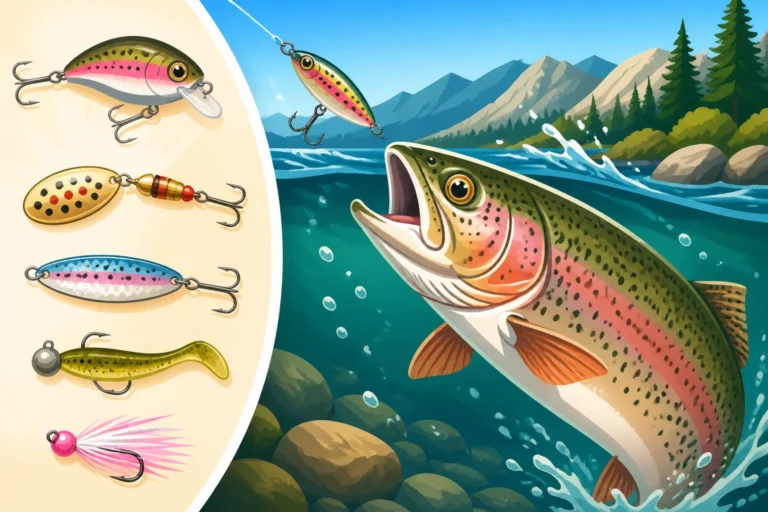
- Stocked Lakes and Ponds: The California Department of Fish and Wildlife (CDFW) continues its stocking program through the winter into many urban and accessible lakes, particularly in Southern and Central California. These "put-and-take" fisheries are fantastic for families and beginners. Lakes like Santa Ana River Lakes, Irvine Lake (check current status), and many county park lakes are popular. For these stocked trout, powerbait, corn, and small spinners (like a Kastmaster or Panther Martin) are go-to baits. Fishing near the bottom or under a bobber can be effective.
- Wild Trout Streams (Where Open): While many high-elevation streams are closed or frozen, some lower-elevation rivers and creeks that remain open under special regulations can offer thrilling wild trout fishing. The famous Eastern Sierra Fishing Guide has options even in winter, with sections of the Owens River and Truckee River often providing challenging but rewarding fly-fishing. Nymphing with imitations of midges, caddis larvae, or stoneflies is typically the most effective method, as fish are often holding in deeper, slower pools. Remember to check specific regulations for these waters, as many are catch-and-release, artificial lures only, or barbless hook areas.
- Gear and Tactics: For bait fishing in lakes, a light spinning rod with 4-6 lb test line is ideal. For fly fishing, a 4- or 5-weight rod with a floating line and a long leader is standard. Fish slowly, as trout are less inclined to chase fast-moving lures in cold water.
Bass Fishing (Largemouth & Smallmouth)
February can be a tricky but rewarding month for bass anglers, as fish slowly begin to stir from their winter dormancy in preparation for the upcoming spawn.
- Pre-Spawn Activity in Warmer Regions: In Southern California and parts of Central California with slightly warmer water, largemouth and smallmouth bass might start to move from deeper wintering grounds to secondary points and structure. They're not yet in full pre-spawn aggression, but they're starting to feed more actively. Look for them around rocky points, submerged timber, and deep grass lines.
- Slower Presentations: Forget the fast-moving reaction baits for now. Cold water bass require slow, methodical presentations. Jigs, shaky heads, drop-shots, and slow-rolled swimbaits are excellent choices. Try Berkley PowerBait MaxScent or Yamamoto Senkos rigged weightless or on a light jighead. Work your lures excruciatingly slowly, letting them sit on the bottom for extended periods. The bite will often feel like a subtle "thump" or just added weight on your line, so pay close attention.
- Key Locations: Larger reservoirs in Southern California like Diamond Valley Lake, Lake Perris, and Castaic Lake can start to produce. In Central California, Clear Lake, despite its northern location, can offer some impressive winter bass fishing due to its large population of big fish.
Sturgeon and Steelhead on the Rivers
February truly shines for two of California's most iconic anadromous species: sturgeon and steelhead. This is often peak season for these incredible fighters.
- Sturgeon in the Delta: The Sacramento-San Joaquin River Delta is world-renowned for its white sturgeon fishery in winter. These ancient giants migrate into the bays and rivers to spawn. Targeting them requires heavy tackle, strong lines (50-80 lb braided mainline), and usually a "hi-lo" rig with a heavy weight (8-12 oz) to hold bottom in strong currents. Baits like ghost shrimp, grass shrimp, mud shrimp, herring, or even lamprey eel are highly effective. The bite is often subtle, a gentle tap or slow pull, so constant attention is crucial. Popular spots include Suisun Bay, Grizzly Bay, and the main Sacramento River channel. Remember, a California Sturgeon Report Card is mandatory.
- Steelhead in North Coast Rivers: February is deep into the winter steelhead season for rivers like the Eel River, Klamath River, Trinity River, and Smith River. These chrome beauties are truly a prize catch. Techniques vary but often include drift fishing with roe, cured salmon eggs, or artificial lures like pink worms or roe bags. Fly anglers often use nymphing setups with various stonefly or caddis imitations, or switch to swinging flies in larger, slower pools. River conditions can change daily with rainfall, so checking river flows and clarity before heading out is essential. A California Steelhead Report Card is required for these elusive fish.
Panfish and Catfish
While not the primary targets for many in February, panfish like bluegill and crappie can still be caught, especially on warmer, sunny days in shallower areas of lakes and ponds. Catfish are generally less active in cold water but can be caught in deeper holes with smelly baits, particularly in the larger river systems or warmer reservoirs.
Saltwater Targets in February
The Pacific Ocean can be a formidable beast in February, but coastal bays, estuaries, and protected nearshore areas can still offer plenty of action for those willing to brave the chill.
Rockfish and Lingcod Season Considerations
This is where understanding current regulations becomes absolutely critical, as rockfish and lingcod seasons are highly dynamic and vary by region.
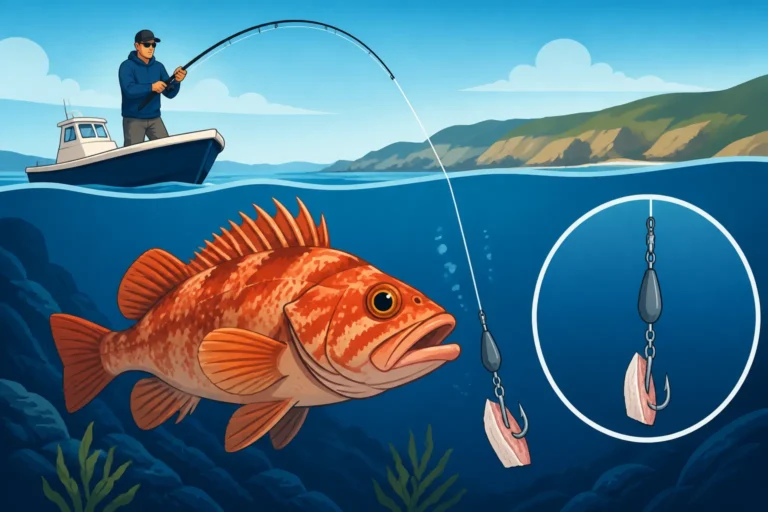
- Regional Closures and Openings: Many areas of California, particularly in the Central and Northern management areas, have seasonal closures for rockfish and lingcod in winter to protect spawning populations. However, Southern California often has different regulations, sometimes allowing deeper-water fishing for these species. For instance, the California Rockfish Rules in the Southern Management Area might permit fishing at certain depths when other areas are closed. Always, always check the latest CDFW regulations booklet or website before planning a trip, as these rules can change frequently. If open, targeting rockfish and lingcod on charter boats (often called "bottom fishing" trips) using jigs or bait-and-dropper rigs in deeper waters can be highly productive.
- Targeting Depth: When open, these fish are typically found near rocky reefs, pinnacles, and other structures in depths ranging from 60 to 300+ feet, depending on local regulations and species. Popular lures include heavy leadhead jigs tipped with plastic swimbaits (like a Big Hammer swimbait) or various metal jigs. Squid and cut bait are also very effective.
Bay and Estuary Fishing
Protected bays and estuaries offer a fantastic refuge from rough ocean conditions and can hold a variety of species throughout February.
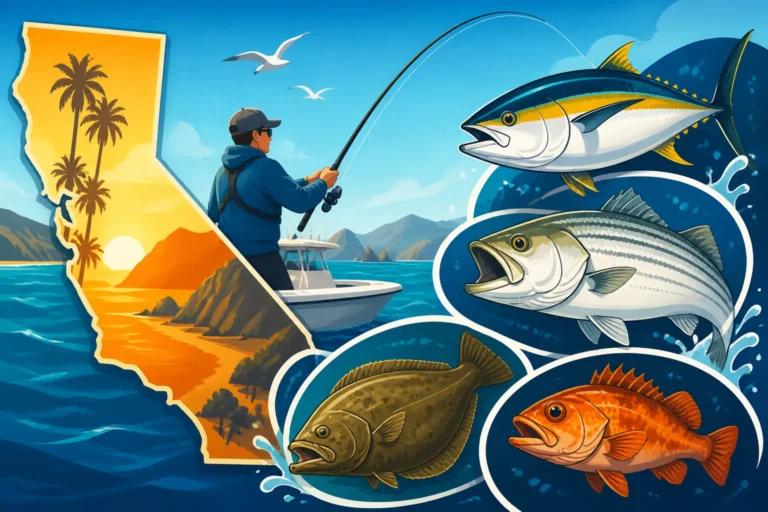
- Halibut and Striped Bass: Areas like San Francisco Bay, Monterey Bay, and San Diego Bay can be excellent for California halibut and striped bass. Halibut tend to hug the bottom and prefer sandy or muddy flats, often near structure or drop-offs. Drifting live bait (like anchovies or sardines if available) or artificial swimbaits and grubs is a popular method. Striped bass, especially in the San Francisco Bay and Delta systems, remain active, preying on baitfish. Trolling swimbaits or plugs, or casting bait (cut anchovies, sardines, or ghost shrimp) are effective tactics.
- Leopard Sharks: These relatively docile sharks are often found cruising the shallower, muddy bottoms of bays and estuaries. They are excellent fighters and make for a fun catch-and-release target. Using cut bait (squid, mackerel, anchovy) on a Carolina rig or a fish-finder rig is a common approach.
Surf Fishing for Perch and Corbina
For anglers who prefer to keep their feet on solid ground, California's beaches offer consistent surf fishing action in February.
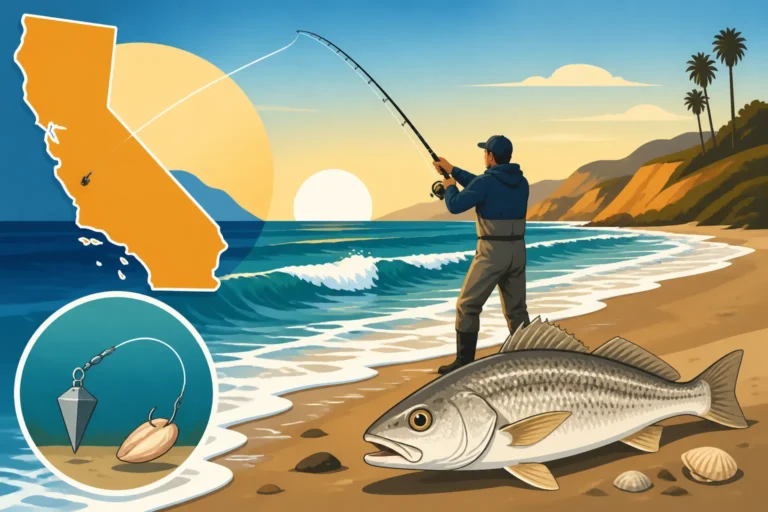
- Barred Surfperch: These chunky perch are a winter staple. They remain active in the cooler water, foraging in the wave wash for sand crabs, small crustaceans, and marine worms. The best baits are typically small pieces of Gulp! Sandworm or Motor Oil grubs on a Carolina rig with a light line (6-8 lb fluorocarbon leader). Fishing during incoming tides around structure like rocks or troughs can yield good numbers. Many beaches up and down the coast offer great perch fishing, from Ventura to Bodega Bay.
- Corbina and Spotfin Croaker: While not as numerous as in warmer months, you can still encounter corbina and spotfin croaker on Southern California beaches, especially on warmer, calm days. They require a stealthy approach and typically prefer natural baits like sand crabs (if you can find them in winter) or bloodworms. Fine tackle and a keen eye for subtle bites are key.
Offshore Opportunities (Weather Permitting)
February is generally the slowest month for offshore fishing in California. The migrating pelagic species like tuna (bluefin, yellowfin, albacore) and dorado have moved south to warmer waters.
- Rare Winter Bites: Very occasionally, an unseasonably warm spell or unusual current can push some yellowtail or even an early bluefin tuna into reachable range, particularly off Southern California. These are rare occurrences and highly dependent on real-time fishing reports. If a bite does happen, it's usually short-lived and requires quick action to capitalize. Most party boats and private charters will focus on rockfish (if open) or bay species during this time.
Essential Gear and Techniques for February Fishing
Fishing in February means dealing with cold water and potentially inclement weather. Having the right gear isn't just about comfort; it's about safety and success.
Freshwater Gear Considerations
- Layering is Key: Dress in layers with moisture-wicking base layers, insulating mid-layers (fleece or down), and a waterproof/windproof outer shell. A good pair of waterproof boots and warm, waterproof gloves are non-negotiable. Don't forget a warm hat!
- Rods and Reels: For trout, a light to medium-light spinning rod (6-7 ft) paired with a 1000-2500 size spinning reel is versatile. For bass, a medium-heavy baitcasting or spinning setup is appropriate for jigs and slower presentations. Sturgeon require heavy-duty gear: a stout 7-8 ft rod with a strong conventional reel capable of holding 200+ yards of 50-80 lb braided line.
- Line Choice: Fluorocarbon leaders are excellent in clear, cold water as they are nearly invisible. Braided main lines offer sensitivity and strength, especially for sturgeon and bass.
- Bait and Lure Selection:
- Trout: PowerBait, Gulp! trout baits, small spoons (Kastmaster, Little Cleo), spinners (Panther Martin, Mepps), and various trout worms. For fly fishing, small nymphs (Zebra Midges, Pheasant Tails), egg patterns, and midge clusters.
- Bass: Jigs (dark colors like black and blue), shaky heads, drop-shot rigs, finesse worms, and slow-rolling swimbaits.
- Sturgeon: Fresh ghost shrimp, grass shrimp, herring, lamprey eel, or shad.
- Steelhead: Cured roe, roe bags, pink worms, small plugs, and various nymphs (Pat's Rubber Legs, Copper John) for fly fishing.
Saltwater Gear Considerations
- Warm, Waterproof Outerwear: Just like freshwater, proper cold-weather gear is crucial. A good quality foul-weather jacket and bibs will make a huge difference, especially on an open boat. Brands like Grundéns or Gill offer excellent protection.
- Rods and Reels: For bay fishing (halibut, stripers, sharks), a medium-heavy spinning or conventional setup (7-8 ft rod with a 3000-5000 size spinning reel or a small conventional reel like a Penn Fathom 15 or Shimano Tranx 300) is suitable. For surf perch, a lighter 8-10 ft surf rod with a 3000-4000 size spinning reel is ideal. If targeting rockfish, a specialized conventional setup designed for deep dropping is necessary.
- Baits and Lures:
- Bay Species: Live anchovies/sardines (if available), cut squid, mackerel, artificial swimbaits (e.g., Keitech Easy Shiner on a leadhead), and bucktail jigs.
- Surf Perch: Gulp! Sandworms, sand crabs (if you can dig them up), bloodworms, and small pieces of market shrimp. You can find many of these artificial baits on Amazon.
- Rockfish/Lingcod (if open): Heavy leadhead jigs with plastic swimbaits, metal jigs, cut squid, or mackerel.
Cold Weather Comfort and Safety
Beyond the right fishing gear, always prioritize your well-being.
- Stay Dry: Wet clothes can quickly lead to hypothermia. Even if you don't fall in, spray from waves or rain can soak you. Bring extra dry clothes.
- Warm Drinks and Food: A thermos of hot coffee, tea, or soup can be a morale booster and help keep your core temperature up. High-energy snacks are also important.
- Check Forecasts: Always check marine forecasts (for saltwater) and local weather forecasts (for freshwater) before you leave. Conditions can change rapidly, especially in the mountains or on the open ocean.
- Buddy System: When fishing in remote or cold conditions, it's always safer to go with a friend or let someone know your float plan.
Navigating Regulations and Report Cards in February
California's fishing regulations are complex and dynamic, with rules changing seasonally and by region. February, with its specific seasons for species like steelhead and sturgeon, makes checking the most current regulations absolutely critical.
Seasonal Closures and Openings
February falls within the winter regulatory period, which means certain areas or species might be closed.
- Groundfish (Rockfish, Lingcod): As mentioned, groundfish regulations often involve seasonal closures or depth restrictions that vary significantly between the Northern, Central, and Southern management areas. For example, the California Rockfish Depth Restrictions can mandate specific depths where you can or cannot fish depending on the time of year. Do not assume what was open last year or last month is open now. Consult the CDFW's current sport fishing regulations booklet or their website. Ignorance of the rules is not an excuse for a violation.
- Salmon: Ocean salmon seasons are typically closed in February, reopening much later in the spring or summer, if at all, depending on stock assessments.
- Certain Freshwater Sections: Some rivers or river sections may have specific winter closures or "catch and release only" periods, particularly for sensitive species like steelhead. The California Freshwater Fishing Regulations are a must-read.
Required Licenses and Report Cards
You absolutely need to have your ducks in a row when it comes to licenses and special report cards in February.
- California Fishing License: A valid California sport fishing license is required for anyone 16 years or older, whether you're fishing in freshwater or saltwater. You can easily purchase one online through the CDFW website or from authorized license agents like sporting goods stores (e.g., at a Big 5 Sporting Goods or your local bait shop). If you're new to this, our guide on How to Get a California Fishing License can walk you through the process.
- Report Cards: If you plan to target specific species like steelhead or sturgeon, you must also purchase and possess the relevant report card (California Steelhead Report Card or California Sturgeon Report Card). These cards are vital for data collection that helps manage fish populations. Make sure you understand how to fill them out correctly and return them by the deadline, even if you don't catch any fish. Our guide on California Fishing Report Cards Explained provides all the details you need.
- Ocean Enhancement Stamp: If you're fishing in ocean waters south of Point Arguello (Santa Barbara County), an Ocean Enhancement Validation is generally required. This often comes with your standard license purchase but is worth confirming.
- Second-Rod Validation: If you wish to fish with two rods in freshwater (where permitted), you'll need to purchase a California Second-Rod Stamp Explained.
Remember, these regulations are put in place to protect California's incredible fisheries for future generations. Taking the time to understand them ensures you're fishing responsibly and legally.
Here's a quick overview of some February fishing targets:
| Species | Typical Locations | Recommended Baits/Lures | Notes |
|---|---|---|---|
| Trout | Stocked Lakes, Lower Elevation Rivers | PowerBait, Worms, Spinners, Nymphs | Focus on stocked waters or designated wild trout areas. High-country often frozen. |
| Sturgeon | Sacramento-San Joaquin Delta, Suisun Bay | Ghost Shrimp, Herring, Lamprey Eel | Peak season! Heavy tackle needed. Mandatory California Sturgeon Report Card. |
| Steelhead | North Coast Rivers (Eel, Klamath, Trinity) | Roe, Pink Worms, Nymphs | Peak season! Check river flows. Mandatory California Steelhead Report Card. |
| Largemouth/Smallmouth Bass | Southern/Central CA Reservoirs | Jigs, Drop-Shots, Slow-Rolled Swimbaits | Pre-spawn activity in warmer regions. Slow, methodical presentations are key. |
| Barred Surfperch | Sandy Beaches (Statewide) | Gulp! Sandworms, Sand Crabs, Bloodworms | Reliable winter surf fishing. Use light tackle on a Carolina rig. |
| Halibut | San Francisco Bay, San Diego Bay, Estuaries | Live Bait (if available), Swimbaits, Grubs | Drifting over sandy bottoms and near structure. |
| Striped Bass | San Francisco Bay, Delta System | Cut Bait, Trolled Plugs/Swimbaits | Active in bay and delta. Look for bait schools. |
| Leopard Shark | Bays, Estuaries (San Francisco, San Diego) | Cut Squid, Mackerel | Great fight, excellent catch-and-release target. |
| Rockfish/Lingcod | Deep Reefs (Southern CA, if open) | Jigs, Cut Squid, Mackerel | CRITICALLY IMPORTANT: Check current CDFW regulations for closures by management area. Often closed in Central/Northern CA in February. |
Disclaimer
Fishing regulations, seasons, and access can change rapidly. Always consult the official California Department of Fish and Wildlife (CDFW) regulations booklet or website for the most current and accurate information before heading out on any fishing trip. This guide is for informational purposes only and does not supersede official regulations.