Best Lures for California Largemouth Bass
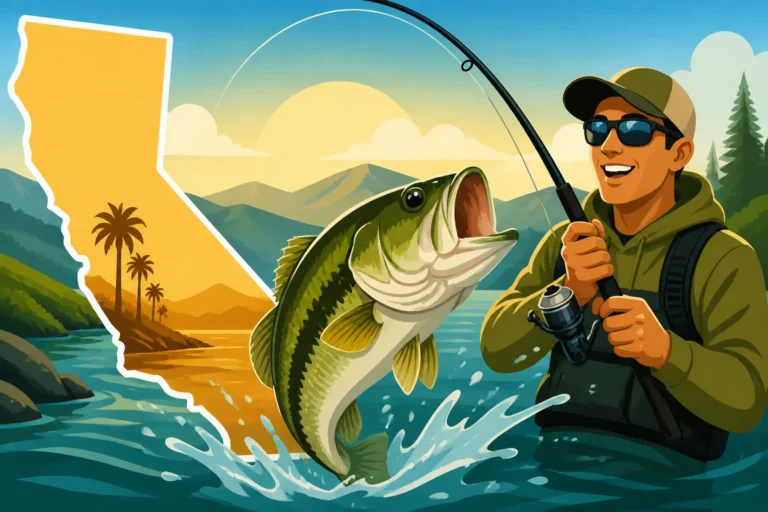
It's a familiar scene: you're standing at the edge of a beautiful California lake, rod in hand, staring at your tackle box overflowing with a thousand different lures. The question isn't if you have a lure, but which one is going to entice that elusive largemouth bass today. Deciding on the best lure for California largemouth bass can feel like cracking a secret code, especially with the diverse environments we have here, from the massive reservoirs to the intricate Delta. This guide is here to cut through the confusion and equip you with the knowledge to pick the perfect presentation for your next big catch.
Understanding California Largemouth Bass Behavior
Before you even think about tying on a lure, it’s crucial to understand what makes California largemouth bass tick. They're not just random swimming machines; their behavior is deeply tied to the seasons, water conditions, and the food available around them. Knowing these factors will dramatically improve your lure selection and presentation, leading to more successful days on the water.
Seasonal Patterns and Forage
The life cycle of a largemouth bass in California is dictated by the changing seasons, and with each season comes a shift in their preferred locations and diet. What works in spring might be completely ignored in summer.
During the chilly winter months, bass activity slows down considerably. They become lethargic, often congregating in deeper, more stable water, typically near structure like submerged points, deep creek channels, or rock piles. Their metabolism drops, so they're looking for an easy, substantial meal rather than chasing down fast-moving prey. This is when slower, more subtle presentations shine. Think about a bass conserving energy – it's not going to expend more calories chasing something than it gets back from eating it.
As spring arrives and water temperatures begin to rise into the 50s and 60s Fahrenheit, bass start to move shallow for the pre-spawn phase. They're feeding aggressively to build up energy for spawning. This is a fantastic time for active baits! Once the water hits the sweet spot, usually in the low to mid-60s, bass move onto beds for the actual spawn. During this period, they're highly protective of their nests, making them susceptible to lures that invade their personal space. Many anglers focus on sight fishing during the spawn, but ethical catch-and-release is vital to ensure healthy fish populations for the future. You can find more specific details on California Bass Fishing Regulations to ensure you're fishing responsibly.
Summer brings warm water temperatures, often pushing bass to seek refuge in deeper, cooler water during the heat of the day, or to hide in heavy cover like dense weed mats, lily pads, or under docks. Early mornings and late evenings might see them push into shallower areas to feed. They're active and chasing baitfish, but they also want shade and cover. Think about lakes like Clear Lake or Lake Shasta, where the summer heat can be intense, driving bass into deeper thermoclines or thick vegetation. Understanding Best Times to Fish in California can give you an edge during these warmer months.
Finally, fall is a glorious time for bass fishing in California. As water temperatures cool down, bass often go on a major feeding binge, trying to fatten up before winter. They'll actively pursue schools of baitfish, often chasing them into the backs of coves or along main lake points. This is when "reaction baits" really shine, as bass are more willing to chase and strike.
Water Conditions and Habitat
Beyond the seasons, the specific water conditions and the type of habitat you're fishing in play a huge role in lure effectiveness. California boasts an incredible variety of fishing environments.
Water clarity is a major factor. In gin-clear lakes like some of the Sierra Nevada reservoirs, bass rely heavily on sight, meaning natural colors and subtle presentations are often best. You'll want to mimic the baitfish and crawfish that live in that specific body of water. On the other hand, in stained or muddy waters, such as parts of the California Delta, bass rely more on their lateral line to detect vibrations. This calls for lures with more thumping action, larger profiles, and often brighter, more contrasting colors.
Water temperature directly affects a bass's metabolism and activity level. Colder water usually means slower retrieves and smaller, more compact baits. Warmer water allows for faster retrieves, larger baits, and more aggressive presentations. It's not just about the ambient air temperature; always pay attention to the surface water temperature, which can vary significantly even within the same lake.
The structure and cover available are where the bass live. Are you fishing rocky points, submerged timber, dense hydrilla beds, docks, or rip-rap? Each type of structure calls for a different lure type and presentation. For instance, a jig is a fantastic choice for probing rocky bottoms or flipping under docks, while a topwater frog excels over matted vegetation. Understanding California Bass Fishing Techniques will help you choose not just the lure, but how to work it effectively in these varied environments. Don't forget that bass are ambush predators; they love to hide in cover, waiting for an unsuspecting meal to swim by. This means you need to get your lure into those tight spots where they're hiding.
Top Lure Categories for California Largemouth Bass
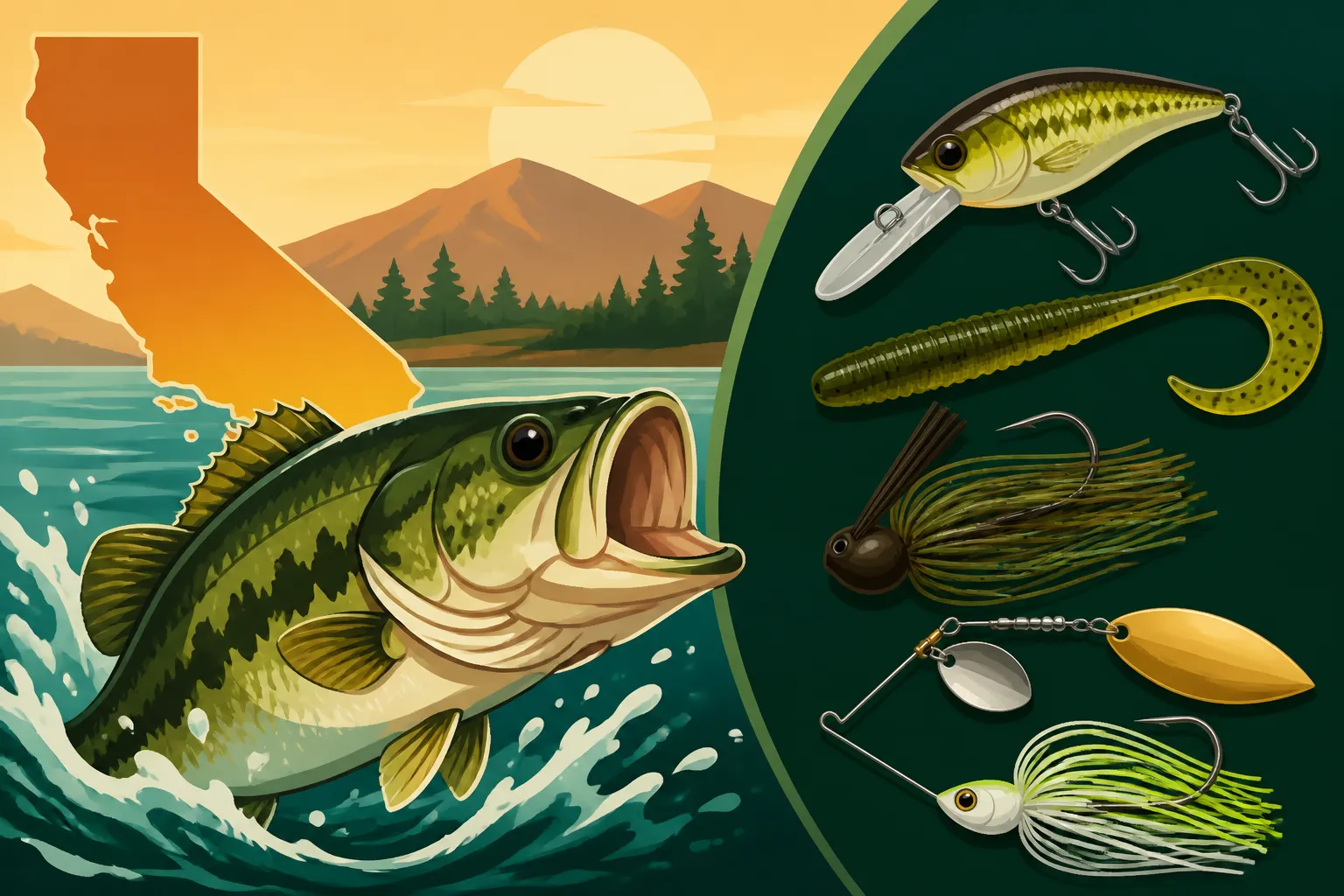
Alright, now that we've covered the "why," let's get into the "what." When it comes to lures for California largemouth bass, you can broadly categorize them into soft plastics, hard baits, and jigs. Each category offers unique advantages and presentations that can make all the difference on a tough day.
Soft Plastics: Versatility is Key
Soft plastics are, without a doubt, a staple in any serious bass angler's tackle box. Their incredible versatility, realistic feel, and ability to be rigged in countless ways make them irresistible to bass in nearly every condition.
Creature baits are designed to mimic crawfish, lizards, or other bottom-dwelling prey. They have appendages that flap and vibrate, creating a lifelike action. These are fantastic for flipping and pitching into heavy cover, punching through mats, or dragging along the bottom. Popular options include the Strike King Rage Craw or the Yamamoto Flappin' Hog. When a bass is hunkered down in a brush pile, a creature bait slowly worked through that cover can be the ticket. Experiment with colors like green pumpkin, junebug, or black and blue, which are consistently productive across California.
Plastic worms, the OG soft plastic, come in endless shapes and sizes – from straight-tail finesse worms to curly-tail versions and ribbontails. Longer worms (7-10 inches) are great for drawing bigger bites, especially when dragged slowly on a Carolina rig in deeper water. Shorter, thicker worms are perfect for Texas rigging and pitching into cover. The classic Senko-style worm, like the Gary Yamamoto Senko, is an absolute legend for its subtle, natural fall that bass simply can't resist. You can wacky rig it, Texas rig it, or fish it weightless. It's particularly deadly in clear water or when bass are pressured.
Swimbaits, especially soft plastic paddle-tail swimbaits, have exploded in popularity for good reason. They do an incredible job of imitating baitfish like shad, trout, or hitch, which are prevalent in many California lakes. Rig them on a weighted swimbait hook, a jig head, or as a trailer on a ChatterBait. Sizes can range from small 3-inch models for finesse applications to larger 6-8 inch versions for targeting trophy bass. Brands like Keitech and Basstrix offer some of the most realistic swimbaits. They're excellent for covering water, especially over submerged grass or along baitfish schools in open water, and can be purchased easily from online retailers like Amazon.
Finally, don't overlook finesse plastics like the Ned rig or small drop shot worms. When the bite gets tough, or you're fishing extremely clear, pressured waters, these subtle presentations can still draw strikes. A small mushroom head jig paired with a TRD (The Rig Doctor) worm, slowly dragged or hopped, can be deadly when bass are reluctant to chase. Learning California Bass Fishing Techniques will often highlight these finesse approaches for tough conditions.
Hard Baits: Reaction and Aggression
Hard baits are all about generating a reaction strike. They're designed to imitate fleeing baitfish, injured prey, or simply to annoy a bass into striking. They cover water efficiently and can be incredibly effective when bass are aggressive.
Crankbaits are workhorses for covering water and probing different depths.
- Shallow-diving crankbaits run just a few feet deep and are perfect for fishing over submerged grass, rocky flats, or around shallow docks. They often have a wide wobble and can deflect off cover, triggering reaction strikes.
- Medium and deep-diving crankbaits are designed to reach depths from 8 to 20+ feet. These are ideal for targeting bass on deeper points, humps, ledges, or along creek channels. Look for lures that "dig" into the bottom or bounce off structure. Colors that mimic shad, crawfish, or bluegill are usually a safe bet. Brands like Strike King, Rapala, and Berkley offer a wide range of effective crankbaits.
Jerkbaits are phenomenal cool-water baits, but can be effective year-round. These lures are designed to be retrieved with a "twitch, twitch, pause" cadence, mimicking a dying baitfish. The long pauses are often when the bass strikes. They are particularly deadly in clear to moderately stained water when bass are suspended or cruising. The Megabass Vision 110 is a legendary jerkbait, though there are many excellent options available.
Topwater lures offer some of the most exciting bites in bass fishing. Seeing a bass explode on a surface lure is truly exhilarating.
- Frogs are paramount for fishing over heavy matted vegetation, lily pads, or dense slop. They're weedless and designed to be walked or hopped across the surface.
- Poppers create a "chugging" noise and splash, attracting bass from a distance, great for calm conditions around docks or submerged timber.
- Walking baits (like a Heddon Super Spook) glide side-to-side, mimicking a struggling baitfish, and are often excellent in open water or along sparse cover. Topwater action is usually best in low light conditions – early morning, late evening, or on overcast days.
Lipless crankbaits are incredibly versatile. These compact, often rattling baits can be cast a mile and retrieved at various depths. They're fantastic for ripping through grass, burning over shallow flats, or yo-yoing near drop-offs. The intense vibration and sound they produce can call in bass from a distance, especially in stained water or during the colder months when bass are a bit sluggish. The Bill Lewis Rat-L-Trap is a classic for a reason.
Jigs: Heavy Hitters for Structure
Jigs are a go-to for targeting bass in and around heavy cover and structure. They excel at imitating crawfish or baitfish and offer a compact, dense presentation that can get into tight spots.
Football jigs are named for their football-shaped head, which allows them to effectively crawl and bounce over rocky bottoms, making them ideal for deep points, ledges, and rocky humps. They typically come with a skirt and are fished with a soft plastic trailer (like a craw or grub) to add bulk and action. Green pumpkin, brown, and black/blue are essential colors.
Swim jigs have a sleeker head design and are meant to be retrieved like a swimbait, but with the added bulk and flash of a skirt. They're excellent for fishing through sparse grass, along reeds, or around docks, mimicking a baitfish swimming through cover. Pair them with a paddle-tail swimbait or a craw trailer for added appeal.
Flipping and punching jigs are designed for heavy cover. They often have a compact head, a stout hook, and a dense brush guard to prevent snags. These are meant to be "flipped" or "pitched" into tight spots like dense brush piles, submerged timber, or matted vegetation. "Punching" involves using a heavy jig (or Texas-rigged soft plastic with a heavy weight) to break through thick mats of weeds, getting your lure into the dark, cool water where big bass often hide. Adding a craw-style trailer is almost always a good idea. Brands like Dirty Jigs and Strike King offer excellent options for these techniques. The key with jigs is often a slow, deliberate retrieve, letting the bass feel the presence of the lure before committing. They can be very effective for How to Fish for Largemouth Bass in California in challenging situations.
Matching Lures to Specific California Fishing Scenarios
Now, let's tie it all together by considering how to apply these lure categories to real-world California fishing scenarios. Every lake is a little different, and what works at Lake Castaic might not be the best approach at the California Delta.
Targeting Bass in Clear Water Lakes
California is blessed with many crystal-clear reservoirs and mountain lakes, particularly in the foothills and Sierras. These waters, while stunning, can be challenging because bass can see everything! This means your presentation needs to be as natural and subtle as possible.
When fishing clear water, you want to focus on:
- Natural Colors: Think greens, browns, watermelon, clear with glitter, or colors that accurately mimic the natural forage (e.g., trout swimbaits if trout are stocked). Bright, unnatural colors often scare off wary bass.
- Downsizing: Often, smaller lures are more effective. A 3-4 inch Senko, a finesse worm on a drop shot, or a smaller jerkbait can draw strikes when larger baits are ignored.
- Subtle Action: Lures with more natural, less aggressive movements tend to perform better. A weightless Senko has a tantalizing slow fall that looks incredibly natural.
- Longer Leaders/Lighter Line: Using fluorocarbon line, which is nearly invisible underwater, and a longer leader can make a huge difference in getting bites.
Consider a scenario at a lake like Lake Perris in Southern California, known for its clear waters. Here, you might start with a dropshot rig featuring a Roboworm or a small finesse worm, presented subtly near deep structure or points. If bass are actively feeding on small baitfish, a small, natural-colored jerkbait like a Lucky Craft Pointer might excel, twitched delicately with long pauses. For deeper fish, a football jig in green pumpkin, slowly dragged along the bottom, can imitate a crawfish perfectly without being overly aggressive. Always be mindful of your shadow and boat noise in clear water – bass are easily spooked.
Fishing Stained or Murky Waters
On the opposite end of the spectrum, we have stained or murky waters, like much of the sprawling California Delta or some post-rain reservoirs. Here, visibility is low, so bass rely more on their other senses – vibration, sound, and smell.
For these conditions, prioritize:
- Vibration and Sound: Lures that displace a lot of water or have built-in rattles are key. Lipless crankbaits, ChatterBaits, and spinnerbaits are fantastic choices.
- Larger Profiles: A bigger bait can be easier for bass to locate in low visibility.
- Brighter/Contrasting Colors: Chartreuse, black and blue, white, or bright orange can create a strong silhouette and be more visible to bass. Don't be afraid to use a combination, like a black and blue jig with a chartreuse trailer.
- Scent: Applying scent to your soft plastics can provide an extra attractant in murky water.
Imagine fishing the main channels or tules of the California Delta. Here, a big black and blue swim jig with a craw trailer, worked through the weeds, can be deadly. A chrome or red lipless crankbait ripped through sparse grass or along current seams can trigger aggressive strikes. If you're flipping heavy cover, a bulky creature bait in junebug or black and blue, punched through mats, will give off plenty of vibration and a strong profile. For areas with abundant baitfish, a spinnerbait with large Colorado blades will create maximum thump and flash, calling bass in from a distance. The California Delta Fishing Guide offers even more detailed insights into this unique environment.
Techniques for Heavy Cover and Structure
California bass love to hide in cover – be it thick hydrilla, submerged trees, rock piles, or docks. Getting your lure into these zones, and then getting the bass out, is a skill in itself.
Effective strategies for heavy cover include:
- Weedless Presentations: Texas rigs are your best friend for soft plastics in heavy cover. Weedless jigs are also essential.
- Heavy Line and Stout Rods: You'll need the power to muscle bass out of thick vegetation or brush. Braided line (50-65 lb test) is often preferred for its strength and abrasion resistance.
- Accurate Casting/Flipping/Pitching: Precision is key to getting your lure into the sweet spot without snagging.
- Patient and Persistent: Sometimes it takes multiple casts to the same piece of cover to draw a strike.
Let's say you're fishing a heavily timbered lake like Lake Oroville or pitching under docks at Lake Berryessa. For submerged trees, a Texas-rigged creature bait or a football jig, slowly hopped and dragged over the branches, can be very effective. The jig allows you to maintain contact with the structure, feeling for those subtle bites. For docks, flipping a compact jig or a Texas-rigged worm under the shaded pontoons often produces big fish.
If you encounter dense mats of hydrilla or water hyacinth, punching is the way to go. Use a heavy tungsten weight (1 oz or more) with a pegged Texas-rigged creature bait or a punching jig. Drop it straight through the mat, let it hit bottom, jiggle it a few times, and then retrieve. The bass are often waiting in the cool, dark water directly underneath. This is an aggressive technique that often triggers violent strikes. To succeed, make sure your gear, from the rod to the knots, is up to the task of handling big fish in tough situations. Knowing California Freshwater Fishing Regulations is particularly important when navigating these diverse habitats.
Here’s a quick overview of some top lure choices for different conditions:
| Lure Type | Best Conditions | Suggested Colors | Notes |
|---|---|---|---|
| Soft Plastics | |||
| Senko (Wacky/Texas) | Clear to stained water, pressured fish, shallow cover | Green Pumpkin, Watermelon, Black/Blue | Natural fall, versatile, subtle action |
| Creature Bait (Texas/Jig Trailer) | Heavy cover, bottom dragging, flipping/punching | Green Pumpkin, Junebug, Black/Blue, Brown | Mimics crawfish, good vibration, gets into tight spots |
| Paddle-tail Swimbait (Jighead/Weightless) | Open water, submerged grass, imitating baitfish | Shad, Hitch, Ayu, White, Perch | Realistic profile, good for covering water |
| Drop Shot Worm | Clear, deep water, finesse, suspended bass | Morning Dawn, Green Pumpkin, Oxblood | Subtle presentation, deadly for wary fish |
| Hard Baits | |||
| Deep Diving Crankbait | Deep points, ledges, humps, covering water | Shad, Crawfish, Perch, Bluegill | Effective for reaction strikes, probes depths |
| Jerkbait | Cool water, clear to stained, suspended bass | Shad, Chrome, Bone, Ghost Minnow | Erratic action, long pauses often trigger strikes |
| Topwater Frog | Heavy matted vegetation, lily pads, slop | Green, Black, White, Brown (natural frog colors) | Weedless, exciting surface strikes, best in low light |
| Lipless Crankbait | Stained water, ripping grass, covering flats, windy days | Chrome, Red, Gold, Black/Chrome | High vibration, rattles, good for reaction bites, covers water quickly |
| Jigs | |||
| Football Jig | Rocky bottoms, deep structure, ledges | Green Pumpkin, Brown, Black/Blue | Crawls over rocks, mimics crawfish, add a craw trailer |
| Swim Jig | Sparse grass, reeds, docks, swimming through cover | White, Black/Blue, Green Pumpkin | Mimics swimming baitfish, pair with swimbait trailer |
| Flipping/Punching Jig | Dense cover, brush piles, mats, docks | Black/Blue, Green Pumpkin, Junebug | Heavy cover specialist, compact, add a bulky craw trailer |
Remember, while this guide gives you a fantastic starting point for the Best Lures for California Largemouth Bass, the real magic happens when you get out on the water. Experiment with different colors, retrieves, and presentations. Bass can be finicky, and what works one day might not work the next. Pay attention to local fishing reports, and don't be afraid to try something new. Often, simply changing your retrieve speed or the color of your trailer can be the game-changer. Good luck, and tight lines!
Disclaimer
Fishing regulations, conditions, and fish behavior can change rapidly. Always consult the latest California Department of Fish and Wildlife (CDFW) regulations before fishing. This guide is for informational purposes only and does not supersede official regulations.