Best Rigs for California Rockfish
It can be incredibly frustrating to hit your favorite California rockfishing spot, whether it's off the coast of San Diego or up near Bodega Bay, feeling all the excitement and anticipation, only to have your line come up empty or snagged repeatedly. You've got the boat, the bait, and the beautiful Pacific backdrop, but if your rig isn't right for the conditions or the rockfish's mood, you might as well be chumming for seagulls. This guide is here to untangle that frustration, walking you through the best and most effective rigs for targeting California rockfish, ensuring you spend less time retying and more time reeling in those tasty bottom dwellers.
Understanding California Rockfish: Habitat and Behavior
Before we even get into the knots and swivels, it's vital to understand what makes California rockfish tick. These aren't just any fish; they're an incredibly diverse group, with dozens of species ranging from the highly sought-after Vermilion Rockfish and Copper Rockfish to the more common Bocaccio and Greenspotted Rockfish. Each species has its nuances, but generally, they share a love for structure and tend to hang out close to the bottom.
Where Rockfish Live and Feed
Think of rockfish as the landlords of the deep. They absolutely adore structure – rocky reefs, kelp forests, underwater pinnacles, shipwrecks, and even artificial structures like oil rigs. These areas provide them with shelter from currents, ambush points for prey, and protection from larger predators. Depending on the species and the time of year, you might find them anywhere from relatively shallow kelp beds, just offshore from places like La Jolla or Monterey Bay, to hundreds of feet deep in offshore canyons. Knowing the type of bottom you're fishing is crucial because it dictates how you rig up. If you're drifting over a jagged, snag-filled reef, a different approach is needed than if you're fishing a relatively smooth, rocky plateau.
Common Rockfish Behaviors
Rockfish are primarily ambush predators. They'll often sit and wait, hidden within the structure, darting out to snatch unsuspecting baitfish, squid, or crustaceans that swim too close. This means your presentation needs to be enticing enough to trigger that reactive strike. They're not typically long-distance chasers. Their biting habits can vary, too. Sometimes they hit aggressively, almost ripping the rod out of your hands, especially if they're feeding competitively. Other times, it's a subtle peck, requiring a sensitive touch to detect. Understanding these behaviors helps us choose rigs that keep our bait or lure right in their strike zone, whether you're trying to figure out How to Fish for Rockfish in California or just trying to maximize your catch on a typical party boat trip.
Essential Rockfish Rigs: A Deep Dive
Alright, let's talk brass tacks. The right rig is the bridge between you and a successful rockfishing trip. While there are countless variations, a few core rigs prove themselves time and again in California waters.
The Classic Dropper Loop Rig
If there's one rig that defines California rockfishing, it's probably the dropper loop. It's simple, effective, and incredibly versatile, making it a favorite for charter boats and private anglers alike. The beauty of the dropper loop lies in its ability to present multiple baits or lures at different depths just above the bottom, allowing you to cover more of the water column where rockfish might be suspended.
Here's how it generally works: You tie a main line (often 30-50 lb monofilament or fluorocarbon) and then create several "dropper loops" directly in the line, typically spaced 12-24 inches apart. To each loop, you can attach a snelled hook (hooks tied to a short leader) or a pre-tied leader with a hook. A heavy sinker (usually 8-16 oz, but sometimes heavier depending on current and depth) is then tied to the very end of the main line. This setup keeps your sinker on the bottom, minimizing snags while allowing your baits to flutter enticingly just above the rocks. Many anglers find pre-tied dropper loop rigs available at tackle shops or online at retailers like Amazon, which can save a lot of time on the water. When discussing California Rockfish Depth Restrictions, having multiple baits at different depths can help you stay within legal limits more easily.
The Sliding Sinker Rig (Fishfinder Rig)
Sometimes, rockfish are a bit pickier, or the bottom is just too snaggy for a traditional dropper loop where the sinker is always touching. That's where a sliding sinker rig, often called a fishfinder rig, comes in handy. This rig allows the fish to take the bait without immediately feeling the weight of the sinker, giving them time to commit to the bite.
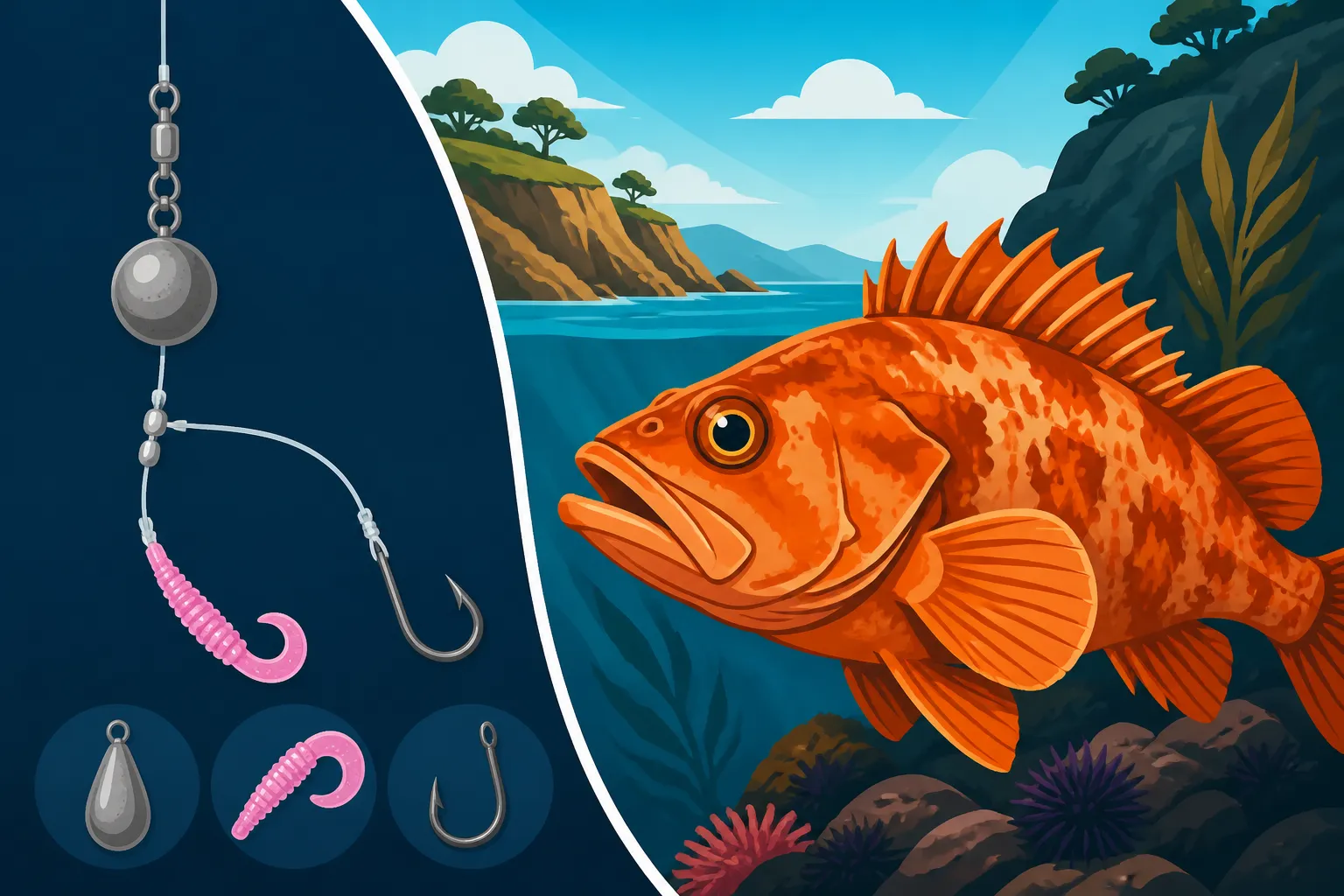
For this rig, you thread an egg sinker or a torpedo sinker directly onto your main line. Below the sinker, you tie a swivel. To the other end of the swivel, you attach a leader (often 18-36 inches of fluorocarbon, generally 20-40 lb test) and then your hook. The leader length can be adjusted based on how high off the bottom you want your bait to be. This rig is particularly effective when targeting larger, more cautious rockfish that might spit a bait if they feel too much resistance. It’s also great for drifting over rockier bottoms where your sinker can slide over obstructions more easily without snagging the hook. This rig shines when you’re fishing for specific, bigger models rather than just filling a cooler, or when the bite is a bit slow and finicky.
Jigging Rigs (Soft Plastics and Metal Jigs)
While live or cut bait is king for many, artificial lures, especially jigs, are incredibly effective for rockfish, particularly when they are actively feeding or when you want to avoid bait rigging complexities. Jigging can be a very active and rewarding way to target rockfish, often yielding aggressive strikes. This is particularly relevant when you're looking into California Jigging Tips and Techniques.
- Metal Jigs: Heavy metal jigs, often in chrome, blue-and-white, or sardine patterns, are fantastic. Brands like Shimano, Daiwa, and Ahi USA make excellent jigs. You simply drop them to the bottom, then jig them up and down with short, sharp lifts, mimicking a wounded baitfish. The fall is often when the rockfish strike, so pay attention! You can attach one directly to your main line (using a sturdy snap swivel) or add a short, heavy leader. Sometimes, adding a small assist hook above the jig can help catch short-striking fish.
- Soft Plastics: Large grub tails, swimbaits, or paddle-tail lures rigged on heavy lead-head jigs are also killer. These offer a more natural, lifelike presentation. Sizes from 6 to 9 inches are common, matched with jig heads from 1-6 ounces, depending on depth and current. The key is to make the soft plastic "swim" naturally near the bottom. Scent can be a huge enhancer here, so don't be shy about adding some smelly jelly or spray. Many anglers will purchase a variety of these from Amazon to have options on the water.
Gangion/Sabiki Style Rigs
While perhaps not the primary rockfish killer like a dropper loop, these rigs are incredibly useful for catching baitfish for rockfish, and sometimes, smaller rockfish themselves. A gangion rig consists of multiple small hooks (usually 4-6) on short leaders attached at intervals along a main line, with a small sinker at the bottom.
If you find yourself in an area where baitfish like mackerel or sardines are schooling, dropping a gangion can quickly fill your bait tank. Fresh live bait, especially sardines or anchovies, is often irresistible to larger rockfish and other desirable species like yellowtail or lingcod. So, while you might not start your day with a gangion for rockfish, it can be an invaluable tool to acquire the best bait for your main rockfish rigs.
Advanced Rigging Techniques and Tips
Beyond the basic setups, there are always ways to refine your rockfishing game. A little extra attention to detail can often make a big difference in your catch rate and overall experience.
Leader Materials and Length
The type and length of your leader can significantly impact your success. While your main line might be braided for strength and sensitivity, using a fluorocarbon leader is almost always a good idea. Fluorocarbon is nearly invisible underwater, which can be crucial for enticing wary rockfish in clear water. It's also more abrasion-resistant than monofilament, which is a huge plus when fishing around jagged rocks and structure.
For dropper loop rigs, individual snelled leaders for each hook are typically 6-12 inches. For sliding sinker rigs, a leader of 18-36 inches is common. The strength should match your target species and main line, often 20-50 lb test. Don't be afraid to go a bit heavier on the leader if you're fishing a particularly snaggy area or targeting larger species like lingcod which often inhabit the same areas as rockfish. This also aligns with understanding California Rockfish Species Identified and tailoring your gear.
Hook Selection and Bait Presentation
Choosing the right hook is paramount. For general rockfishing with bait, a stout, sharp hook in sizes ranging from 2/0 to 6/0 is usually appropriate, depending on your bait size and target. Circle hooks are highly recommended for rockfishing, especially if you plan on releasing any fish. They significantly reduce gut-hooking, leading to higher survival rates for released fish. Plus, they often result in solid hooksets right in the corner of the fish's mouth.
Bait presentation is equally important. Fresh cut bait like squid, mackerel, or sardine chunks should be threaded onto the hook in a way that allows it to flutter naturally in the current. If using live bait, hook it lightly through the nose or back to keep it lively. Remember, rockfish are ambush predators; a natural-looking, vulnerable presentation is often what triggers that strike. Consider if you're targeting specific species; for example, if you're using larger chunks of mackerel for bigger lingcod, you'll want a larger, sturdier hook.
Adjusting to Conditions
California's coast offers a vast array of conditions, and a good angler knows how to adapt.
- Current: Strong currents will require heavier sinkers to get your rig to the bottom and keep it there. If your line is bowing too much, you're not fishing effectively. Don't be afraid to go up in weight. This is especially true when fishing deeper spots or areas known for strong tidal flows like offshore islands.
- Depth: As you go deeper, you'll need heavier weights. Also, light penetration decreases, so consider adding glow-in-the-dark beads or skirts to your hooks, which can be purchased readily on Amazon.
- Bottom Structure: If you're constantly snagging, shorten your leader or switch to a sliding sinker rig. Sometimes, actively jigging your weight just above the bottom is better than letting it sit. Using a lighter, sacrificial sinker tied with a weaker mono line to the main rig can also save your main line and hooks in ultra-snaggy areas.
- Bite: If rockfish are timid, a longer fluorocarbon leader might be key. If they're aggressive, you can get away with heavier line and more direct connections. Observing other anglers on a party boat can offer clues, as can checking recent California Fishing Reports Explained for your area.
Choosing the Right Gear for Your Rig
Having the perfect rig is only half the battle; the gear you pair it with truly brings it to life. A good rod and reel combo that's appropriate for rockfishing will enhance your sensitivity, fighting power, and overall enjoyment.
Rods and Reels for Rockfishing
For most California rockfishing, you'll want a rod that's stout enough to handle heavy weights and strong fish, yet sensitive enough to detect subtle bites.
- Rods: A medium-heavy to heavy conventional rod, typically 6 to 8 feet long, is ideal. Look for a rod with a fast or moderate-fast action, which gives you a sensitive tip to feel those bites but plenty of backbone to muscle fish away from structure. Many anglers prefer fiberglass or composite rods for their durability and parabolic bend under load. Brands like Phenix, Calstar, and Seeker are popular among West Coast rockfishers.
- Reels: A conventional reel (star drag or lever drag) in the 20-40 size class is a solid choice. You need good line capacity and a reliable drag system. Smooth, consistent drag is crucial for preventing break-offs, especially when a good-sized rockfish dives for the rocks. Shimano, Penn, and Daiwa all offer excellent options. For those who want more control and ease of retrieval, some anglers opt for electric reels, particularly when fishing at extreme depths.
Line Selection: Braid, Mono, and Fluorocarbon
Your choice of fishing line is critical.
- Braided Line (Main Line): Most serious rockfish anglers use braided line as their main line, usually 40-80 lb test. Braid has almost no stretch, which gives you incredible sensitivity to feel those light bites, even in deep water. Its thin diameter also helps cut through the water, allowing you to use lighter sinkers. Just remember that braid is visible underwater, so a leader is essential.
- Monofilament (Topshot/Leader): While less common as a main line for rockfishing due to stretch, a short monofilament "topshot" (20-30 feet) can sometimes be added to the end of your braid before connecting your rig. This provides a bit of shock absorption and can be easier to tie to than braid. More often, monofilament is used for leaders in specific situations where a bit more stretch is desired, or when fishing extremely abrasive structure.
- Fluorocarbon (Leader Material): As mentioned, fluorocarbon is your best friend for leaders due to its near invisibility and abrasion resistance. It’s a must for connecting your hooks to your main line or swivel, typically 20-50 lb test, depending on the conditions and target species. Having a spool of good quality fluorocarbon in your tackle box is non-negotiable for California rockfishing.
Maintenance and Best Practices
So, you've got your rigs, your gear, and you're out on the water. But the battle isn't over yet! Proper maintenance and adherence to best practices will ensure your gear lasts, your rigs perform, and you stay on the right side of regulations.
Pre-Trip Checks and On-the-Water Care
Before every trip, give all your gear a thorough once-over. Check your rod guides for cracks, especially if you're using braided line, as frayed guides can quickly damage your line. Inspect your reel's drag system and ensure it's smooth. Unspool a good portion of your main line to check for nicks or abrasions, especially the last 50 feet or so. Retie any knots that look questionable. Carry extra leader material, hooks, and sinkers. Having a small tackle box stocked with these essentials, perhaps acquired from Amazon, can save your trip if you start snagging frequently.
On the water, always keep an eye on your line for nicks. If you feel a rough spot, cut it off and re-tie. After the trip, always rinse your rods and reels with fresh water, especially if you've been saltwater fishing. Salt is corrosive, and a quick rinse can significantly extend the life of your equipment. Lubricate your reels regularly according to the manufacturer's instructions.
Respecting Regulations and Conservation
California has some strict, but important, fishing regulations designed to protect our precious marine resources. Always check the current California Fishing Regulations Explained before you head out, specifically focusing on California Rockfish Bag and Size Limits, season dates, and specific rules for your fishing area, such as California Rockfish Conservation Areas or California Marine Protected Areas Explained. These regulations can change frequently, so a quick check of the California Department of Fish and Wildlife (CDFW) website is always a good idea.
Practice responsible angling. If you're releasing rockfish, use proper handling techniques. Minimize their time out of the water, handle them gently, and use a descender device if you're catching them from deep water to help them recompress and survive release. By following these guidelines, we can all help ensure that future generations can enjoy the fantastic rockfishing opportunities California has to offer.
| Rig Type | Best Use Case | Pros | Cons | Key Components |
|---|---|---|---|---|
| Dropper Loop | General all-around rockfishing, covering multiple depths, medium-snag areas | Versatile, presents multiple baits, excellent for active rockfish | Sinker can snag, less sensitive to light bites | Main line, dropper loops, snelled hooks, heavy sinker |
| Sliding Sinker | Finicky bites, very snaggy bottoms, targeting larger fish | Allows fish to take bait freely, reduces snags, highly sensitive | Only one hook presentation, requires leader | Main line, sliding sinker, swivel, fluorocarbon leader, hook |
| Jigging Rigs | Active feeding fish, faster searching, covering wide areas | Engages active fish, less bait mess, dynamic fishing experience | Requires active rod work, can be less effective on timid fish | Main line, metal jig or lead-head with soft plastic, assist hook (optional) |
Disclaimer
Always consult the latest regulations from the California Department of Fish and Wildlife (CDFW) before fishing, as rules and seasons can change. This guide is for informational purposes only and does not constitute legal advice.