California Striped Bass Run Explained
For anglers in California, few events stir the soul quite like the famed striped bass run. It’s a time of immense excitement, but also a period that can feel incredibly overwhelming, especially when you're trying to figure out where the fish are, what they’re biting on, and if you’re even allowed to target them. This comprehensive guide is here to demystify the California striped bass run, offering practical insights and actionable advice to help you make the most of this spectacular fishing opportunity.
Understanding the California Striped Bass Run
The annual migration of striped bass through California's waters is truly something to behold, and understanding its mechanics is the first step to becoming a successful striper angler. It's not just a random event; it's a predictable, albeit sometimes challenging, natural phenomenon driven by ancient instincts.
What is the Striped Bass Run and Why Does It Happen?
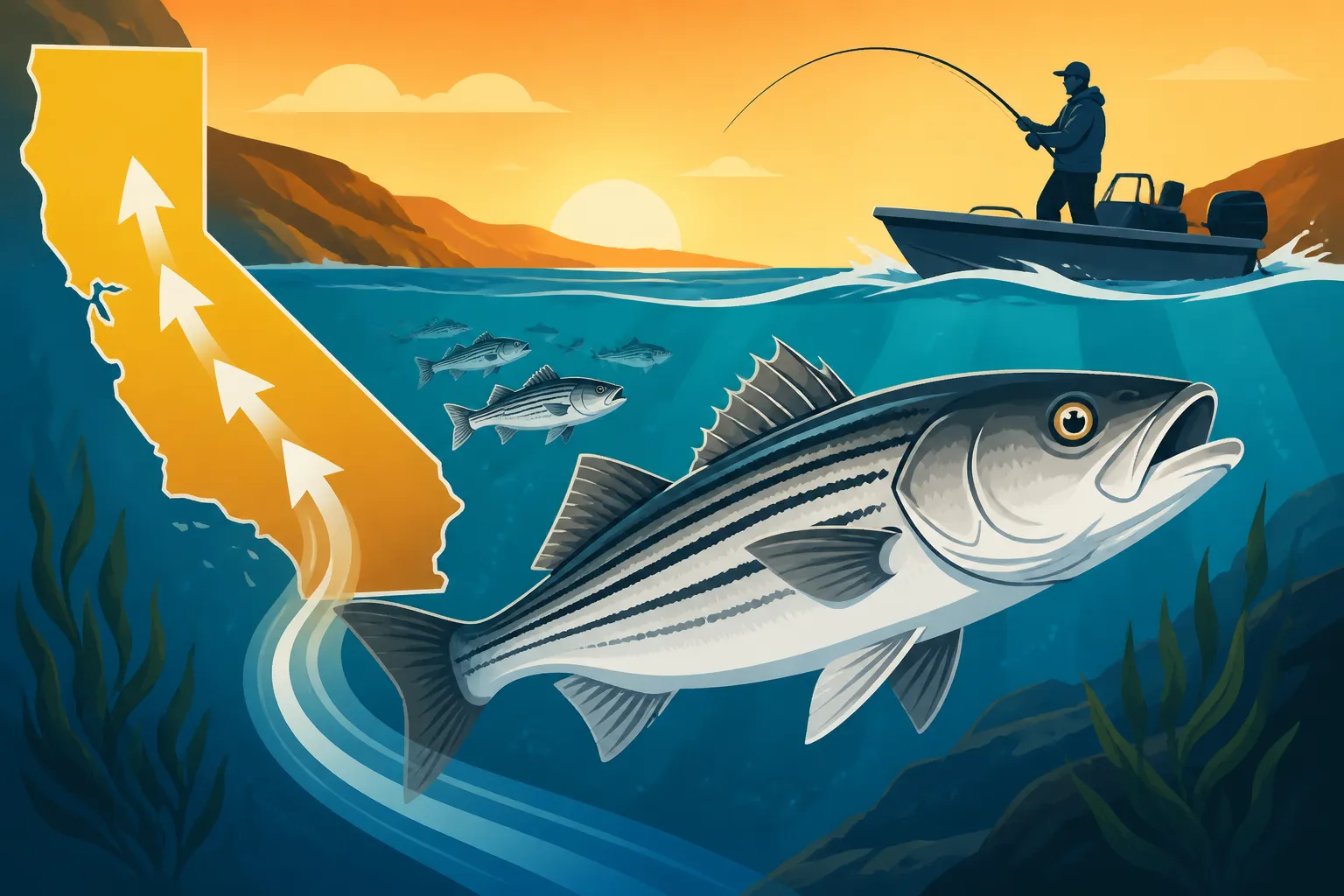
The "run" refers to the large-scale movement of anadromous striped bass from their ocean feeding grounds into freshwater systems, primarily the sprawling Sacramento-San Joaquin River Delta and its tributaries. These fish, originally introduced from the East Coast in the late 19th century, have thrived in California, establishing robust populations. The primary driver for this migration is spawning. As spring approaches and water temperatures begin to rise, adult stripers feel the innate urge to move upstream from the bays and ocean into the freshwater rivers to reproduce. They're looking for specific conditions – suitable water temperatures, current, and substrate – to lay and fertilize their eggs. This journey isn't a single, unified charge; it's a dynamic process that can unfold over several weeks, with different waves of fish moving in and out of various river systems. During this period, the fish are often aggressive as they prepare for and recover from spawning, making them prime targets for anglers.
Key Factors Influencing the Run
Several environmental factors play a crucial role in dictating the timing, strength, and overall success of the striped bass run each year. Getting a handle on these can significantly boost your chances.
- Water Temperature: This is arguably the most critical factor. Striped bass typically begin their upstream migration when water temperatures in the Delta and rivers reach about 50-60°F (10-15°C). The peak spawning activity occurs when temperatures hit the sweet spot, usually in the mid-50s to low 60s. If temperatures rise too quickly or too slowly, it can compress or extend the run, affecting fish behavior.
- Rainfall and River Flow: Heavy winter and spring rains can drastically impact river flow, which in turn influences the stripers' movement. Increased runoff leads to higher, often murkier water, which can initially scatter fish but also draw them further upstream into areas that might otherwise be inaccessible. Lower flows, on the other hand, can concentrate fish in deeper channels and slow their upstream progress. Keeping an eye on the river gauges for the Sacramento River Fishing Guide and San Joaquin River Fishing Guide can give you a significant advantage.
- Tides: While the run is largely a freshwater event, the Delta is heavily influenced by tidal movements from San Francisco Bay. Incoming tides can push saltwater further into the Delta, bringing in baitfish and often drawing stripers with them. Outgoing tides can create strong currents that concentrate fish along specific structures or allow them to drift back downstream. Understanding the local tide charts is absolutely essential, especially in the lower reaches of the Delta and the bays.
- Baitfish Presence: Stripers are opportunistic predators, and their movements are often directly tied to the availability of their prey. Shad, anchovies, and various other baitfish are key food sources. If there's an abundance of bait, the stripers will follow, sometimes lingering in certain areas longer.
Prime Locations for Striped Bass Runs in California
When it comes to the California striped bass run, certain areas consistently stand out as hotspots. These locations offer the right mix of freshwater access, structure, and current that stripers seek during their spawning migration.
- The Sacramento-San Joaquin River Delta: This vast network of waterways is the undisputed epicenter of the California striped bass run. The main channels of the Sacramento and San Joaquin rivers, along with countless sloughs, cuts, and submerged islands, provide an ideal habitat. Key areas within the Delta include the Old River, Middle River, Mokelumne River, and Franks Tract. These areas offer diverse fishing opportunities, from trolling the open channels to casting into weed lines and submerged structures. This region is so crucial that many dedicated guides focus solely on guiding here, making it one of the Best Delta Spots for Striped Bass.
- Suisun Bay and San Pablo Bay: As the gateway to the Delta, these bays are critical staging areas where stripers gather before making their push upstream. Anglers often find success here in early spring, targeting fish that are fattening up or waiting for the right conditions to move into freshwater. The Carquinez Strait, connecting San Pablo Bay to the Delta, is a notorious choke point where large numbers of stripers can be intercepted as they move through.
- Lower Sacramento River: From its confluence with the Delta up past cities like Sacramento, the lower Sacramento River is a primary migratory highway. Famous stretches include those around Freeport, Garcia Bend, and Discovery Park. Bank anglers and boaters alike converge here, especially when the fish are thick. The deep channels, submerged snags, and river bends all hold fish during different stages of the run.
- Lower San Joaquin River: Similar to the Sacramento, the lower San Joaquin River is another vital artery for spawning stripers, particularly in areas near Antioch and Stockton. This river tends to be more tidal than the Sacramento in its lower reaches, offering different challenges and opportunities. Understanding the specific nuances of fishing both the Sacramento and San Joaquin rivers can drastically improve your chances.
When and Where to Catch Striped Bass During the Run
Timing is everything when it comes to the striped bass run. Hit it right, and you could experience some of the most phenomenal fishing of your life. Miss it, and you might wonder where all the fish went. It's a game of patience, observation, and adaptability.
Peak Seasons and Timing for Different Regions
The striped bass run isn't a single, uniform event across California. It shifts and evolves as spring progresses, influenced by regional water temperatures and river flows.
| Region | Primary Season | Peak Months | Typical Water Temp Range | Notes |
|---|---|---|---|---|
| Suisun/San Pablo Bay | Early Spring | March – April | 50-58°F (10-14°C) | Staging area; pre-spawn feeding. |
| Lower Delta (West) | Spring | April – May | 55-62°F (13-17°C) | First major push into freshwater. |
| Upper Delta/Rivers | Mid-Spring | May – Early June | 58-65°F (14-18°C) | Peak spawning activity. |
| Post-Spawn (Rivers) | Late Spring/Early Summer | June – July | 65-70°F (18-21°C) | Fish disperse, some move back to bay, others stay. |
| Fall Run (Bays) | Fall | September – Nov | 60-70°F (15-21°C) | Smaller, often overlooked run, fish feeding aggressively. |
In early spring, typically March into April, you'll find the first stirrings of the run in the big bays like Suisun and San Pablo Bay. These fish are often heavier, carrying roe, and aggressively feeding before their upstream journey. As April progresses into May, the main body of the run enters the western and central Delta, pushing into areas like Franks Tract and the lower Sacramento and San Joaquin rivers. This is often considered the prime time for sheer numbers of fish. By late May and early June, the fish are well into the upper reaches of the Sacramento and San Joaquin rivers, actively spawning. Post-spawn, usually from late June through July, the fish begin to disperse. Some will remain in the Delta through the summer, while many others migrate back to the bays and eventually the ocean to feed and recover. Don't forget the fall run either; while not as large as the spring spawn, a significant number of stripers will move back into the bays and even the lower Delta in autumn, chasing baitfish and offering excellent fishing opportunities. For a complete overview of what to target throughout the year, check out the California Fishing Seasons: Month-by-Month Guide.
Identifying Productive Spots and Conditions
Knowing when the fish are generally running is one thing, but pinpointing exactly where they are on any given day requires a keen eye and local knowledge.
- Structure is Key: Striped bass are ambush predators. Look for current breaks, submerged humps, rock piles, drop-offs, weed lines, and bridge pilings. These structures offer places for stripers to hold out of the main current, conserving energy while waiting for bait to pass by. In the Delta, old docks, submerged barges, and even dead-end sloughs can hold fish.
- Current Seams and Eddies: Fish don't want to fight the current all day. They'll position themselves on the edge of strong currents (current seams) or in calmer water behind obstacles (eddies). These are prime ambush points. Casting into the faster water and letting your bait or lure drift into the slower, holding water can be incredibly effective.
- Baitfish Activity: Keep an eye out for signs of baitfish. Diving birds, boils on the surface, or even just subtle flickers of baitfish can indicate that stripers are nearby and actively feeding. A good fish finder can also help you locate schools of bait and the larger predators beneath them.
- Water Clarity: Stripers are tolerant of varying water clarities, but excessively muddy water after heavy rains can push them out or make them harder to locate. Conversely, overly clear water can make them skittish. A "tea-stained" or slightly murky water is often ideal, providing cover for the stripers to hunt.
How Water Conditions Affect the Run
Beyond temperature and flow, other specific water conditions can drastically alter how the stripers behave and where they can be found.
- Salinity: While the run is about moving into freshwater, the fish spend much of their lives in saltwater. As they transition into the Delta, salinity levels drop. Areas where freshwater meets brackish water can be transition zones where fish might stage before making a deeper push, or where they return to recover post-spawn. Monitoring salinity levels, particularly in Suisun Bay and the lower Delta, can provide clues as to where the fish might be holding.
- Oxygen Levels: Like all fish, stripers need sufficient dissolved oxygen. Stagnant, warm water, especially in the summer months, can lead to lower oxygen levels and push fish into areas with more current or cooler water. During the spring run, this is less of an issue, but knowing that stripers prefer well-oxygenated water is always good practice.
- Turbidity: As mentioned, moderate turbidity can be good, offering stripers camouflage. However, extremely turbid water (think chocolate milk after a big storm) can make it difficult for them to hunt by sight. In these conditions, baits that produce strong vibrations or scents, or bright, contrasting colors, might be more effective.
Essential Gear and Techniques for the Run
You can have the best timing and be in the best spot, but without the right tools and know-how, you'll still struggle. Gear and technique are paramount for consistent success during the California striped bass run.
Rods, Reels, and Line Recommendations
Selecting the right equipment will make your day on the water more enjoyable and productive. You need gear that can handle the powerful runs and head shakes of a hefty striper.
- Rods: For general striped bass fishing in the Delta or bays, a medium-heavy to heavy action casting or spinning rod, typically in the 7 to 8-foot range, is ideal. This length provides good casting distance for covering water, while the robust action gives you the backbone to fight larger fish and throw heavier lures. If you're primarily soaking bait from the bank, a longer rod (9-10 feet) can offer even greater casting distance.
- Reels: A sturdy baitcasting or spinning reel in the 3000-5000 size range (for spinning) or a 200-300 size (for baitcasting) will serve you well. Look for reels with a smooth drag system, as stripers are known for their strong initial runs. Brands like Penn, Shimano, and Daiwa offer excellent options for saltwater-grade reels that can stand up to the rigors of striper fishing. You can find a good selection of these on Amazon.
- Line: Braided line is the go-to for many experienced striper anglers due to its sensitivity, strength-to-diameter ratio, and lack of stretch. A 30-50 lb test braided line is a good all-around choice. You'll typically want to tie on a fluorocarbon leader of 20-40 lb test, as it's more abrasion-resistant and nearly invisible in the water, which can be crucial for enticing finicky stripers. Monofilament can also work, especially for bait fishing, but braid generally offers better performance for casting lures and detecting subtle bites.
Best Baits and Lures for Striped Bass
Striped bass aren't usually picky eaters, but certain baits and lures consistently outperform others during the run. The key is often matching the hatch – using presentations that mimic the prevalent baitfish in the area. This ties directly into understanding the Best Bait for California Striped Bass.
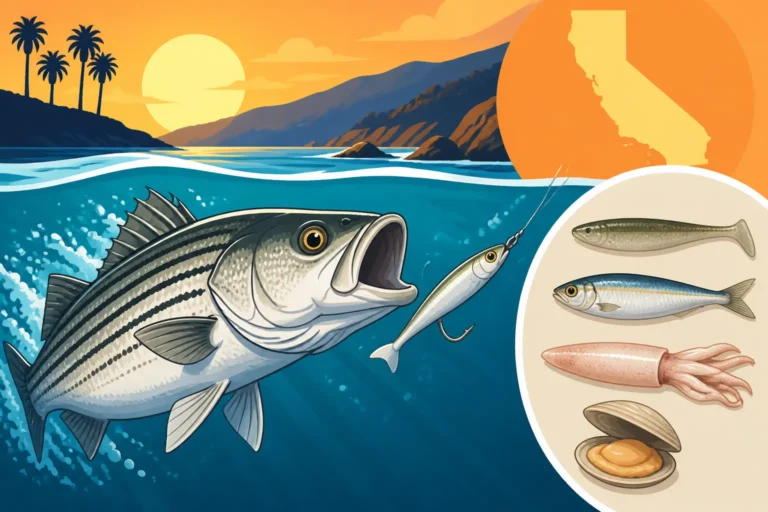
- Live Bait: Without a doubt, live bait is often king, especially for larger stripers. Live jumbo minnows (shiners), threadfin shad, or even small American shad can be incredibly effective when fished on a Carolina rig or under a bobber. Where legal, live anchovies or sardines are also excellent choices in brackish water.
- Cut Bait: Fresh-cut bait, such as anchovy, sardine, or shad chunks, can be highly potent. The scent trail they release in the current draws in stripers from a distance. Fish these on a simple Carolina rig or a three-way swivel rig.
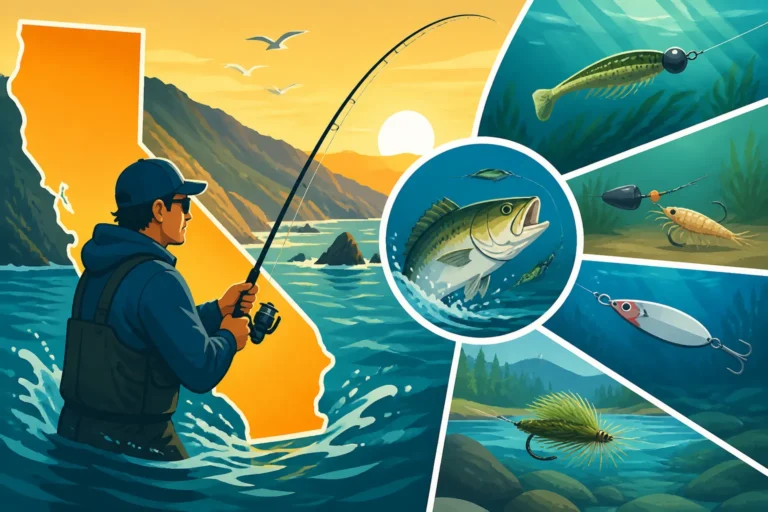
- Swimbaits: Soft plastic swimbaits, especially those mimicking shad or minnows, are incredibly versatile. Paddle tail swimbaits from brands like Keitech or Warbaits, rigged on a weighted swimbait hook or a jig head, are deadly when cast and retrieved through current seams or over submerged structure.
- Topwater Lures: Nothing beats the excitement of a striper blowing up on a topwater lure. Poppers, walk-the-dog lures, and pencil poppers in white, chrome, or baitfish patterns can be electrifying, particularly during low light conditions or when fish are actively busting on the surface.
- Jigs: Bucktail jigs or lead-head jigs dressed with plastic trailers (grubs, swimbaits, or worms) are highly effective. Varying your retrieve speed and depth is key. Jigging along structure or vertically jigging in deeper channels can produce excellent results.
- Crankbaits and Plugs: Diving crankbaits or lipless crankbaits, especially in shad or chrome patterns, can be trolled or cast to cover large areas and entice aggressive stripers.
Effective Fishing Techniques for Different Scenarios
The beauty of striper fishing is its versatility. You can catch them using a variety of methods, depending on the location and conditions. Learning California Bass Fishing Techniques generally can also aid in striper fishing, as many tactics overlap.
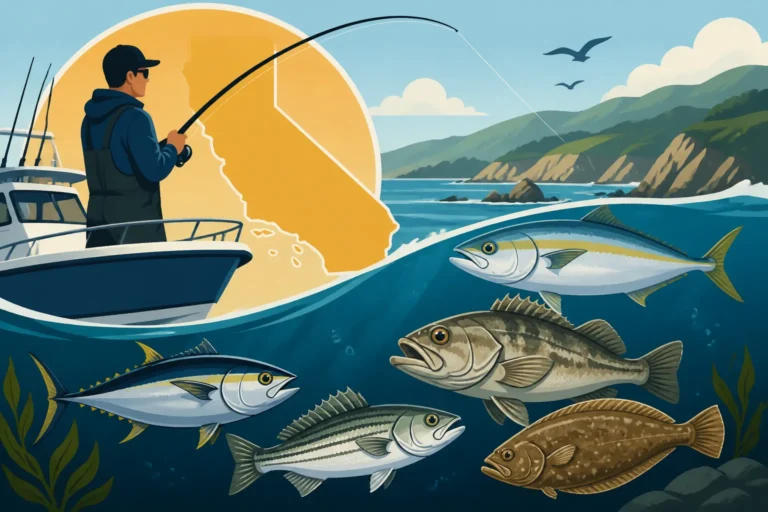
- Trolling: This is a very popular and effective method, especially for covering vast stretches of the Delta or bays. Using deep-diving plugs, spoons, or umbrella rigs behind a boat allows you to present multiple lures at specific depths. Vary your speed and direction to find what the fish are reacting to.
- Casting and Retrieving Lures: This active approach involves repeatedly casting swimbaits, jigs, or topwater lures to likely holding spots. Fan-casting to cover a wide area, focusing on current breaks and structure, is a solid strategy. Pay close attention to your retrieve speed and action; sometimes a slow, subtle presentation is best, while other times, a fast, erratic retrieve triggers strikes.
- Bait Fishing (Anchoring/Drifting): When the fish are concentrated in a specific area or holding deep, bait fishing can be incredibly productive. Anchor upstream from a known holding spot and let your bait drift naturally down to the fish. Alternatively, allow your boat to drift with the current, presenting bait to different areas as you move. This is especially effective in the lower Sacramento River.
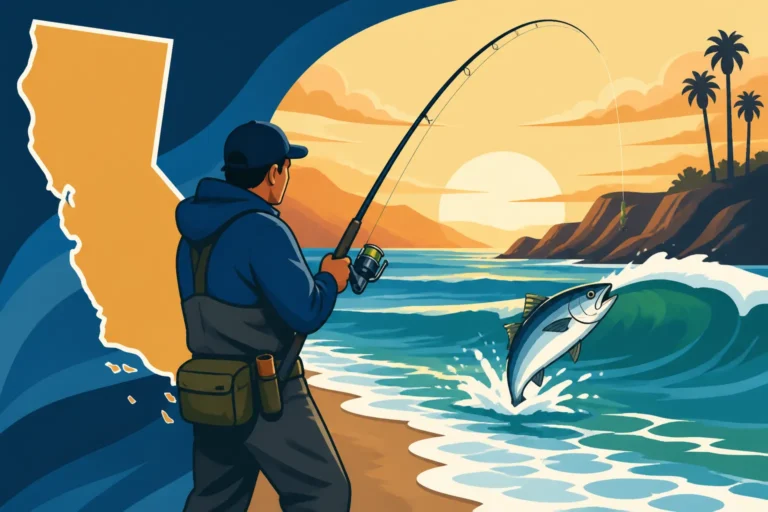
- Shore Fishing: Many prime spots are accessible from shore. Bridges, jetties, river banks, and fishing piers like those around Antioch or Martinez can offer great opportunities. Casting heavy swimbaits, soaking cut bait on a Carolina rig, or throwing large spoons can all be successful from the bank. For bank anglers, having a tackle bag with extra leader material, weights, and a selection of reliable lures is always a good idea, which you can easily stock up on from Amazon.
Navigating Regulations and Conservation
While the thrill of the chase is undeniable, it's paramount that we, as anglers, are responsible stewards of California's striped bass resource. Understanding and adhering to the regulations is not just about avoiding fines; it's about ensuring healthy fish populations for generations to come. For comprehensive details, always refer to the full California Fishing Regulations Explained.
California Striped Bass Regulations and Limits
Regulations for striped bass are put in place by the California Department of Fish and Wildlife (CDFW) and are subject to change. It is your responsibility to check the latest regulations before heading out. However, here's a general overview of what you can expect, but always double-check the current California Striped Bass Regulations booklet or online guide.
- Minimum Size Limit: Typically, striped bass must be at least 18 inches total length to be kept. This is designed to protect juvenile fish and allow them to spawn at least once.
- Bag Limit: The daily bag limit is usually two fish. This means you can only possess two striped bass per day that meet the minimum size requirement.
- Possession Limit: The possession limit is often the same as the daily bag limit, meaning you can only have two legal-sized striped bass in your possession at any given time, whether on the boat, in your cooler, or in your vehicle.
- Fishing License: Anyone 16 years of age or older needs a valid California fishing license to fish for striped bass. There are various California Sport Fishing License Options available, including annual, one-day, and two-day licenses. You can purchase these online through the CDFW website or from licensed agents.
- Gear Restrictions: Generally, standard sportfishing gear is allowed. However, always be aware of any specific tackle restrictions for certain areas or species, especially concerning the number of hooks or rods allowed. For striped bass, a second-rod stamp is required if you plan to fish with two rods.
Responsible Angling Practices During the Run
The sheer number of fish and anglers during the run puts extra pressure on the striped bass population. Practicing responsible angling helps sustain this incredible fishery.
- Respect the Resource: Recognize that the fish are actively spawning. While catching them is exciting, consider releasing some, especially the larger females, to ensure future generations. Handle fish gently, minimize their time out of water, and use proper release techniques if you're not keeping them.
- Barbless Hooks: While not always mandated for striped bass, using barbless hooks or crushing the barbs on your hooks makes for easier and less damaging releases, especially for fish you intend to put back.
- Clean Up Your Act: Pack out everything you pack in. Dispose of all trash, including old fishing line, responsibly. The Delta is a beautiful, fragile ecosystem, and it's our duty to keep it clean.
- Be Considerate of Other Anglers: The run can draw a crowd. Be mindful of casting space, trolling lanes, and general courtesy on the water or bank. A little respect goes a long way in ensuring everyone has a good experience.
- Report Violations: If you witness poaching or other egregious violations of fishing regulations, report it to the CDFW. Protecting the resource is a collective effort.
The California striped bass run is a truly special time for anglers. With a good understanding of the fish's behavior, the right gear, effective techniques, and a strong commitment to responsible angling, you'll be well-equipped to experience the thrill of connecting with these powerful, migrating fish. Good luck out there, and tight lines!
Disclaimer
The information provided in this guide is for general informational purposes only and is not a substitute for official regulations. Fishing regulations in California can change frequently. Always consult the current California Department of Fish and Wildlife (CDFW) regulations booklet or their official website before engaging in any fishing activity. It is the angler's responsibility to know and abide by all applicable laws and regulations.