How to Fish Lake Shasta for Trout
Oh, Lake Shasta! It's an absolutely stunning body of water, and if you've ever tried to tackle it for trout, you know it can feel like looking for a needle in a haystack. This massive reservoir, with its intricate arms and deep, sprawling waters, is a dream for many anglers, but also a challenge. If you've ever launched your boat or cast from shore, wondering where in the world the trout are hiding, you're not alone. This guide is here to demystify trout fishing on Lake Shasta, breaking down exactly what you need to know to find success, from understanding the fish to mastering the techniques.
Unraveling Lake Shasta's Trout Fishery
Lake Shasta isn't just one big lake; it's a collection of massive arms and deep canyons, each with its own character. This complexity makes it a fantastic habitat for various trout species, but also means you can't just throw out a line and expect magic. Understanding the specific trout that call Shasta home and how they behave is your first step toward a successful outing.
Primary Trout Species in Shasta
When you're chasing trout on Lake Shasta, you're primarily going to encounter a few key species, each with their own quirks and preferences. Knowing who you're after helps immensely in choosing the right tackle and technique.
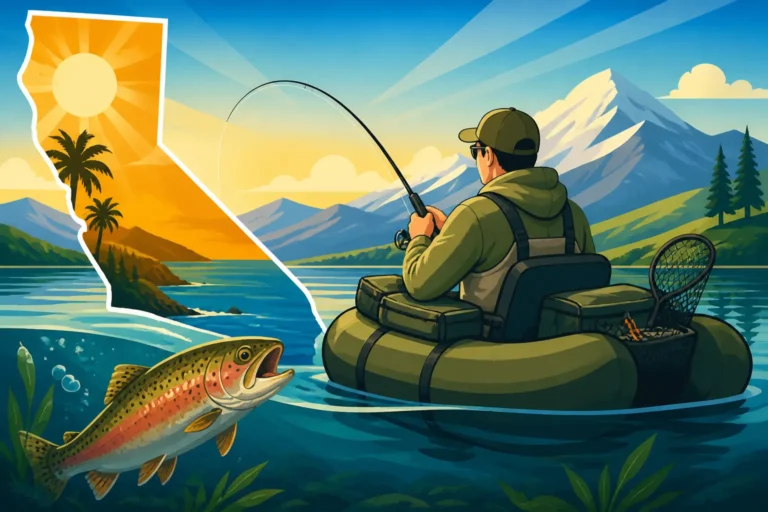
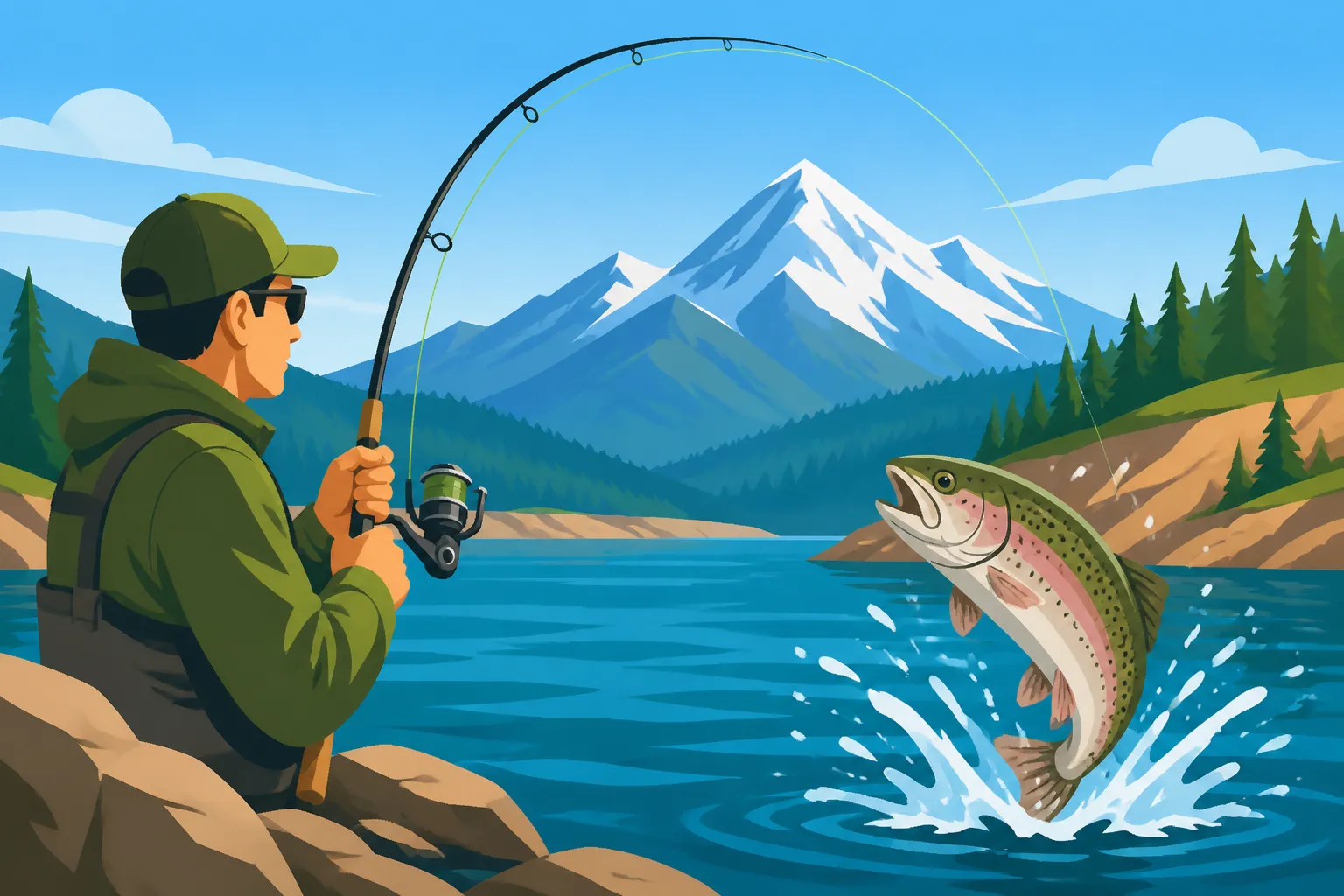
- Rainbow Trout (Oncorhynchus mykiss): These are the rock stars of Lake Shasta and by far the most common trout you'll find. The California Department of Fish and Wildlife (CDFW) regularly stocks Shasta with catchable-sized rainbows, making them a consistent target for anglers. You'll find them throughout the lake, often congregating around areas where they were recently planted, or following baitfish schools. They're known for their acrobatic fights and willingness to hit a variety of baits and lures. Typically, they thrive in the cooler, oxygen-rich waters, moving deeper as surface temperatures rise in the summer.
- Brown Trout (Salmo trutta): While not as abundant as rainbows, brown trout definitely reside in Lake Shasta and often grow to impressive sizes. These elusive fish are a prized catch, known for their predatory nature and preference for cover. They often hang around submerged timber, rock piles, or deeper ledges, ambushing unsuspecting baitfish. Browns tend to be more solitary and can be a bit trickier to entice, often preferring larger, baitfish-imitating lures or live bait. If you're looking for a true trophy, a big brown trout from Shasta is a real accomplishment.
- Kokanee Salmon (Oncorhynchus nerka): While technically a landlocked sockeye salmon, Kokanee are often pursued using very similar techniques to trout in Shasta, particularly trolling. They are smaller, schooling fish known for their delicious red meat and feisty fights. Kokanee prefer colder, deeper water and feed primarily on zooplankton. They are distinct from rainbow or brown trout in their feeding habits and schooling patterns, often requiring specialized Kokanee gear like dodgers and small lures tipped with corn. Many anglers who target trout on Shasta will also find themselves hooking into Kokanee, especially during the spring and early summer when they are actively feeding.
Understanding Trout Behavior in a Large Reservoir
Fishing a large, man-made reservoir like Lake Shasta is a different ball game compared to smaller lakes or rivers. Trout behavior here is heavily influenced by factors like water temperature, oxygen levels, and the availability of their primary food source, which in Shasta's case, is often threadfin shad.
As seasons change, so does where the trout hang out. In the cooler months of spring and fall, trout will often be found shallower, cruising near the surface or along shorelines as they chase baitfish. The entire lake is more hospitable to them then. But once the brutal California summer heat kicks in, the surface waters become too warm and oxygen-depleted for them. That's when they retreat to the cooler, deeper parts of the lake, often concentrating along the thermocline—the layer where warm surface water meets cold deep water. This means if you're fishing in July, you'll likely need to target depths of 30-80 feet, sometimes even deeper, to get into consistent action.
They follow their food source. Shad, the primary forage for larger trout in Shasta, are also influenced by water temperature. Understanding where the shad are congregating—often in large, open water schools—will give you a huge advantage in locating the trout. Using a good fish finder to mark these bait balls is absolutely crucial for efficiency, especially when trolling in the wider arms of the lake. They might be suspended mid-water column over 100 feet of depth, or hugging a channel edge. Trout won't be far behind.
Essential Gear and Tackle for Shasta Trout Success
Alright, let's talk gear. You wouldn't bring a butter knife to a sword fight, right? The same goes for fishing Lake Shasta. Having the right tools for the job, especially for diverse species like rainbow, brown, and kokanee, can make all the difference. While some basics apply to all trout fishing, Shasta’s size and typical depths for trout require some specific considerations.
Rods, Reels, and Line for Lake Shasta
Your rod, reel, and line are your direct connection to the fish, so choosing wisely is key. You'll want versatility, especially if you plan on trying different techniques.
- Rods: For general trout fishing on Shasta, I recommend a medium-light to medium action spinning rod, typically 6'6" to 7'6" in length. This provides enough backbone to cast lures a good distance and handle a decent-sized trout, while still having enough sensitivity to feel lighter bites. If you're planning on serious trolling, especially with downriggers or lead core, a dedicated trolling rod is a game-changer. These rods are usually longer, around 7 to 9 feet, with a softer tip to absorb the shock of a strike and a more parabolic bend to handle the constant pressure of pulling diving lures or flashers. Brands like Fenwick, Ugly Stik, and Shimano offer great options that hold up to the rigors of reservoir fishing. You can find some excellent deals on all these rod types on Amazon too, which makes it easy to compare features and prices.
- Reels: Pair your spinning rod with a 2000 or 2500 series spinning reel. These reels balance well with the rod length and offer smooth drags crucial for fighting powerful trout. For trolling, a level-wind reel in a 15 or 20 size is ideal. They are robust, hold a lot of line, and the level-wind feature ensures even line distribution, which is super important when you're deploying hundreds of feet of line. Look for models from Daiwa, Penn, or Shimano. A good drag system is non-negotiable for both reel types, as Shasta trout can make strong, unexpected runs.
- Line: For spinning setups, 6-8 pound monofilament or fluorocarbon is a solid choice. Monofilament offers good knot strength and some stretch, which can be forgiving. Fluorocarbon is nearly invisible underwater, has less stretch for better sensitivity, and sinks, which can be an advantage when fishing in deeper water. Many anglers opt for a braided mainline with a fluorocarbon leader for spinning, getting the best of both worlds: casting distance and sensitivity from the braid, and stealth from the fluorocarbon. For trolling, especially with lead core or copper line, you’ll be using specialized lines, but for regular trolling with a main line and leader, 10-15 pound monofilament or fluorocarbon is common. Always use a lighter fluorocarbon leader (6-10 lb) off your main line for added stealth; trout in clear Shasta waters can be line-shy.
Baits and Lures That Trout Can't Resist
Trout in Shasta aren't terribly picky, but they do have their favorites. Carrying a good variety of baits and lures will ensure you're prepared for whatever mood they're in. For a deeper dive into lure selection, check out our guide on Best Lures for California Trout.
- Prepared Baits: For bank anglers, especially those targeting stocked rainbows, nothing beats PowerBait (often in chartreuse, rainbow, or garlic scents) or inflated nightcrawlers. Rig these on a small treble hook or single bait hook with a 12-18 inch leader and a slip sinker to allow the bait to float off the bottom. A small marshmallow can also be added to lift the worm. These are tried-and-true methods that continue to produce.
- Live Bait: Live threadfin shad, if you can catch them (which requires a special permit and cast net), are absolute trout candy, especially for larger browns and rainbows. However, they can be difficult to source and maintain. Often, a good substitute is a minnow imitation lure or even a small, lively minnow if allowed and legal. Always check the California Freshwater Fishing Regulations to ensure you're compliant with live bait rules for Shasta.
- Trolling Lures: This is where things get exciting on Shasta. Trolling is arguably the most effective way to cover water and find active trout.
- Spoons: Classic trolling spoons like Krocodiles, Thomas Buoyants, or Dick Nites (in silver, gold, blue/silver, or firetiger patterns) are excellent. Vary sizes depending on the size of the shad you see on your fish finder.
- Plugs/Stickbaits: Jointed or solid minnow imitations from brands like Rapala (especially the countdown or jointed models), Rebel, or AC Plugs are fantastic. Trolling these at various depths can imitate injured baitfish.
- Dodgers and Flashers: These are crucial for Kokanee and often for trout as well. They create an attracting flash and vibration that draws fish to the small lure or fly trailing behind. Popular dodgers include Shasta Tackle's Sling Blade or Sep's Pro Fishing Dodgers. Pair them with small hoochies, mini-spoons, or tiny flies tipped with a kernel of Pautzke's Bait Fuel corn.
- Soft Plastics/Grubs: Small swimbaits or grub tails on a jig head can also be effective when targeting schools of shad.
Trout Tackle Essentials Table
| Gear Type | Recommended Specs | Common Brands | Notes |
|---|---|---|---|
| Spinning Rod | 6'6" – 7'6" Medium-Light to Medium Action | Ugly Stik, Fenwick, Shimano, Daiwa | Good for casting from shore or boat, versatile for various lures. |
| Spinning Reel | 2000-2500 series | Shimano, Daiwa, Penn | Smooth drag is essential; holds enough 6-8lb line. |
| Trolling Rod | 7'-9' Medium-Heavy Action, softer tip | Okuma, Lamiglas, Shimano | Designed for consistent pulling power and absorbing strikes when trolling with dodgers/downriggers. |
| Trolling Reel | Level-wind, 15-20 size | Penn, Daiwa, Shimano | High line capacity crucial for deep trolling; consistent retrieve. |
| Main Line | 6-8lb mono/fluoro (spinning); 10-15lb mono/fluoro (trolling) | Berkley Trilene, P-Line, Seaguar, Sufix | Braided main + fluoro leader for spinning offers best of both. |
| Leader Line | 4-10lb fluorocarbon (lighter for clearer water) | Seaguar, P-Line | Essential for stealth; use appropriate strength for target species and lure size. |
| Baits | PowerBait, Nightcrawlers, Live Shad (if legal) | Berkley, Pautzke, various live bait suppliers | PowerBait best for stocked trout; live shad for larger, wilder fish. |
| Lures | Spoons, Plugs, Spinners, Swimbaits, Dodgers/Flashers | Rapala, Krocodile, Thomas Buoyant, Dick Nite, | Match lure size/color to prevalent baitfish; dodgers/flashers for attracting fish. |
| Terminal Tackle | Swivels, Snaps, Sinkers, Hooks (treble/single) | Eagle Claw, Gamakatsu, VMC | Always carry a variety; appropriate hook size for bait/lure. |
Mastering the Techniques for Shasta Trout
Now that you've got your gear sorted, let's talk tactics. Lake Shasta's diverse environment means you can approach trout fishing from several angles. Whether you're a boat angler or prefer to stay on terra firma, there are effective ways to entice those trout.
Trolling for Deep-Water Giants
Trolling is hands down one of the most effective methods for consistently catching trout on Lake Shasta, especially when fish are suspended or deep. It allows you to cover vast amounts of water and present your lure at the precise depth the fish are holding. This is critical when you're looking for How to Troll for Trout in a Reservoir.
- Understanding the Thermocline: As mentioned, trout will seek cooler water. Your fish finder is your best friend here. Look for the thermocline (often indicated by a distinct temperature change or a dense layer of suspended baitfish/plankton). Once you've identified it, that's your target depth zone. For instance, in mid-summer, this might be anywhere from 40 to 80 feet.
- Depth Control is Key: There are several ways to get your lures down to the fish:
- Downriggers: These are the most precise tools for depth control. They allow you to send your lure down to a specific depth using a heavy weight and then release it when a fish strikes. This ensures your bait is exactly where the fish are.
- Lead Core Line: This specialized line changes color every 10 yards, with each color representing roughly 5 feet of depth at a typical trolling speed. You'll "let out" a certain number of colors to reach your target depth. It's a fantastic, albeit less precise, alternative to downriggers.
- Diving Planers/Disc-Dippers: These devices clip to your line and dive to a predetermined depth, allowing you to use regular monofilament line. Brands like Luhr Jensen's Dipsy Diver are popular.
- Weighting: Using keel weights, banana weights, or simply heavy trolling weights in conjunction with a dodger and leader can also get your presentation down, though depth control is less exact.
- Speed and Presentation: Troll speeds typically range from 1.5 to 3 miles per hour for trout and Kokanee. Watch your fish finder for schools of baitfish and active arches, then adjust your speed to see what triggers a strike. Experiment with different lures, dodger/flasher combinations, and even scent (Pro-Cure or Mike's Glow Scent on your lures/corn can make a big difference). Sometimes a subtle S-turn with the boat can make your lure momentarily speed up or slow down, triggering a chase reflex from a curious trout.
Bank and Shoreline Fishing Strategies
Not everyone has a boat, and that's perfectly fine! Lake Shasta offers numerous opportunities for successful bank fishing, especially for rainbow trout. While you might not cover as much water, targeting specific areas with the right approach can be highly productive.
- Scouting for Access: Many of Lake Shasta's campgrounds and recreation areas offer good bank access. Look for areas with a gentle slope that allows for easy casting and retrieval. Popular spots include areas near marinas (like Bridge Bay or Shasta Lake City), public launch ramps, or the mouths of smaller creeks where trout might congregate, especially after a fresh plant. Always check current water levels, as they fluctuate dramatically throughout the year. What was a prime spot in spring might be dry land in fall.
- Bait Fishing Rigs: The most common and effective rig for bank fishing is the slip-sinker rig. Thread a sliding sinker (1/4 to 1/2 ounce egg sinker or similar) onto your main line, then tie on a barrel swivel. To the other end of the swivel, attach a 12-24 inch fluorocarbon leader (4-6 lb test) with a small bait hook (#10 to #14 treble or single bait hook). Bait with PowerBait (molded into a small ball around the hook) or a nightcrawler, often floated with a small marshmallow or a PowerBait egg. The slip sinker allows the fish to take the bait without feeling immediate resistance, which can lead to more solid hookups.
- Casting Lures from Shore: Don't underestimate the power of casting lures from the bank. Small Kastmaster spoons, Little Cleo spoons, or Roostertail spinners can be incredibly effective, especially in the early morning or late evening when trout are actively feeding closer to shore. Look for points, submerged structure, or areas where current might bring food. Cast out, let the lure sink a bit, and retrieve with varying speeds and jerks to mimic injured baitfish. This can be an exciting way to catch more aggressive trout.
Navigating Lake Shasta: Best Times and Locations
Lake Shasta is vast, and knowing when and where to focus your efforts can save you a lot of fruitless casting. The seasons dictate trout behavior significantly, and certain arms of the lake are just known for holding more fish. For a comprehensive overview of the lake, check out our Lake Shasta Fishing Guide.
Seasonal Breakdown for Trout Fishing
The best time for trout fishing on Lake Shasta shifts throughout the year, primarily due to water temperature and fish metabolism.
- Spring (March – May): This is arguably one of the best times to fish for trout on Shasta. As the water begins to warm, trout become very active and are often found in the shallower areas, chasing baitfish that are also moving up. They are hungry after winter and before the summer heat. Trolling is excellent during this period, often shallower than in summer, and bank fishing can be very productive around coves and points. This is a prime time for California Fishing in Spring. You'll find trout throughout the lake's main body and arms.
- Summer (June – August): The summer heat pushes trout deep. This is when your downriggers, lead core, and fish finders become indispensable. Focus on the main lake body and the larger, deeper arms like the Sacramento Arm and Pit Arm. Trout will be suspended, often within the thermocline (typically 30-80 feet or deeper), feeding on shad. Trolling at specific depths is the primary method. Early morning and late evening can still produce shallower bites, but the midday sun usually means deep fishing.
- Fall (September – November): As temperatures cool again, trout start to move back up into shallower waters. They become very aggressive, feeding heavily in preparation for winter. This is another fantastic time for trolling and casting lures, and you might even find them hitting topwater early in the morning. The activity level can be quite high, and you might encounter some of the larger, wilder browns closer to shore. The fish are dispersed more widely again, making many areas productive. If you're looking for specifics on this time of year, our guide on California Fishing in Fall can provide more detail.
- Winter (December – February): Trout fishing in winter can be slower, but don't count it out. Fish are generally deep but can be more concentrated. Less fishing pressure means if you find them, you can have a great day. Trolling remains effective, often slower and with more subtle presentations. Bank fishing can still produce, especially after a fresh plant, as trout may stay shallower in the cooler overall water column. The key is patience and persistent depth finding.
Prime Spots and Access Points
Lake Shasta is immense, so knowing where to launch and which arm to focus on can make a significant difference.
- McCloud Arm: Known for its clearer water and often productive trout fishing, especially for trolling. It has deeper sections and good structure.
- Pit Arm: Another excellent arm, particularly for trolling. This arm can hold good schools of shad, and thus, trout.
- Sacramento River Arm: As the primary inlet, this arm brings in fresh, cool water and often holds a good concentration of trout, particularly in the lower sections closer to the main lake. It's a great area for both trolling and sometimes even bank fishing near accessible points.
- Squaw Creek: A smaller arm that can be productive, especially in spring and fall when trout might move into its cooler waters.
- Bridge Bay Area: This is a popular and easily accessible area with a marina, resorts, and good boat launch facilities. Trout are often stocked near here, making it a reliable spot for beginners or those seeking consistent action from the bank or a boat.
- Shasta Lake City Area: Similar to Bridge Bay, with good access and often plants of rainbow trout.
Remember that California Trout Limits and Regulations are in effect, so always check the latest CDFW regulations before heading out. And don't forget, you'll need a valid California Fishing License Guide to fish anywhere in California, including Lake Shasta! You can even pick up essential items like a good set of polarized sunglasses, extra line, or a tackle box on Amazon to be fully prepared before you hit the water.
Disclaimer
Fishing regulations, conditions, and fish populations can change rapidly. Always consult the latest California Department of Fish and Wildlife (CDFW) regulations before fishing. This guide is for informational purposes only and does not guarantee fishing success. Always prioritize safety on the water and practice responsible angling, including catch and release when appropriate.