Best Season to Catch Striped Bass in California
If you've ever found yourself staring at your fishing calendar, wondering exactly when those elusive California striped bass decide to make their grand appearance, you're certainly not alone. It's a common frustration, especially with California's incredibly diverse waterways and microclimates. This guide is going to walk you through the seasonal ebb and flow of striped bass activity across the Golden State, helping you understand their patterns so you can plan your trips for maximum success.
Understanding the Striped Bass Annual Cycle in California
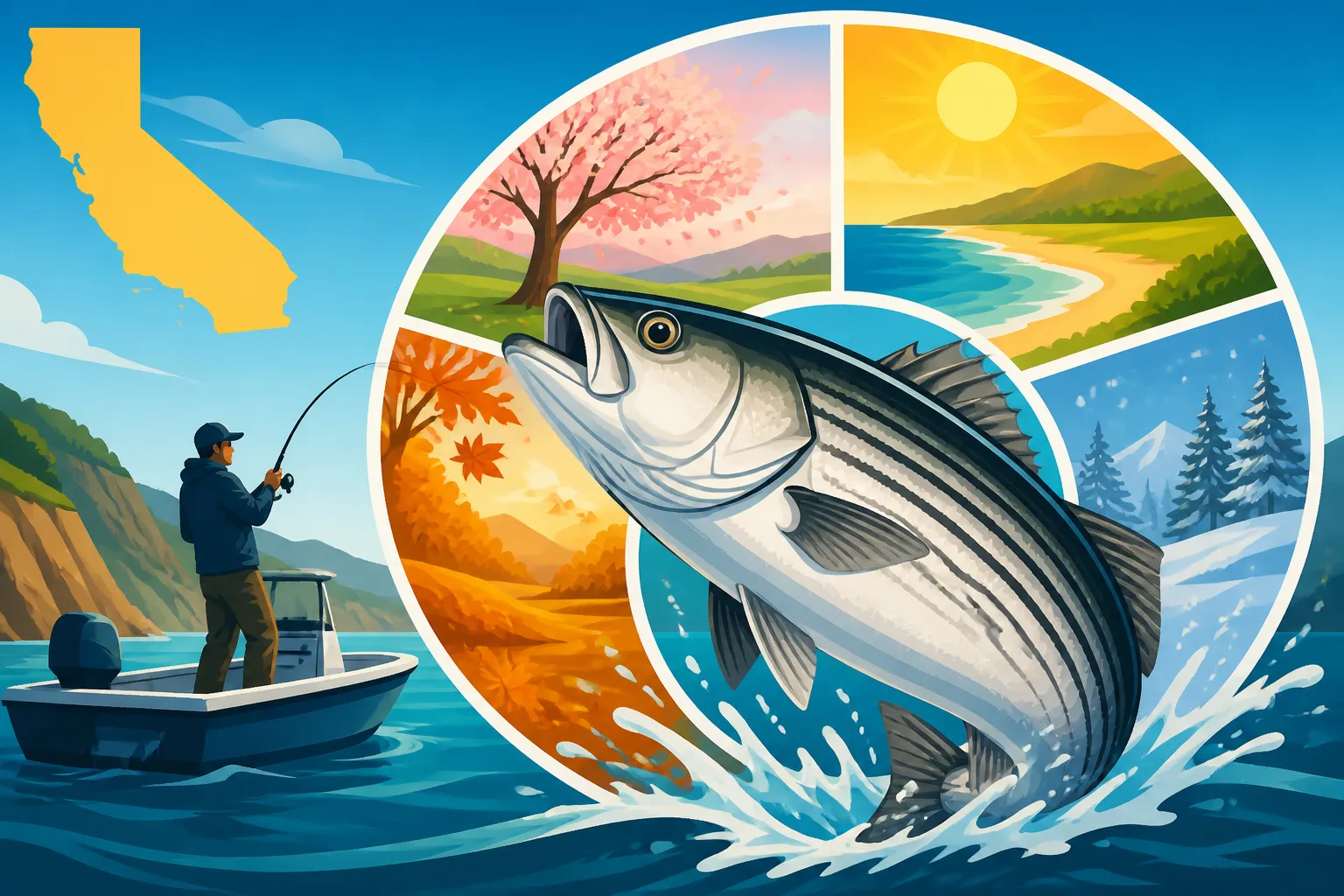
Striped bass in California are masters of migration, constantly moving between saltwater and freshwater environments throughout the year. Their movements are largely dictated by water temperature, food availability, and, most crucially, their powerful urge to spawn. If you want to consistently catch stripers, understanding this annual dance is your golden ticket.
The Spring Migration and Spawn
Ah, spring! This is arguably one of the most exciting times to target striped bass in California. As the days lengthen and the water temperatures in the bays and the Delta start to creep up, typically from March through May, the stripers feel that undeniable call to spawn. They begin their upstream migration from the saltwater reaches of the San Francisco Bay and the Pacific Ocean, pushing deep into the freshwater systems of the Sacramento-San Joaquin River Delta and its feeder rivers.
During this period, the fish are incredibly active and aggressive, driven by both their spawning instincts and a need to feed intensely before and after the spawn itself. You'll find them concentrating in specific areas like the main river channels, sloughs, and shallow flats adjacent to deeper water. Anglers often have great success targeting these pre-spawn and spawning fish using a variety of techniques, from throwing swimbaits and topwater lures in the early mornings to bait fishing with cut anchovies or shad in deeper holes. It's a dynamic time, and checking local fishing reports is always a good idea to pinpoint where the bulk of the run is happening. If you're looking for prime spring action, understanding the dynamics of the Sacramento River and its tributaries during this period is critical.
Summer Feeding Frenzy and Distribution
Once the spring spawn wraps up, typically by late May or early June, striped bass don't just disappear. Instead, they disperse and settle into their summer patterns, which can vary significantly depending on the individual fish and the local conditions. Many stripers remain in the sprawling Sacramento-San Joaquin River Delta, taking advantage of the abundant baitfish like shad and anchovies. Here, they'll often hold in deeper channels, around structure like submerged islands, rock piles, and bridge pilings, seeking cooler water and ambush points for passing prey.
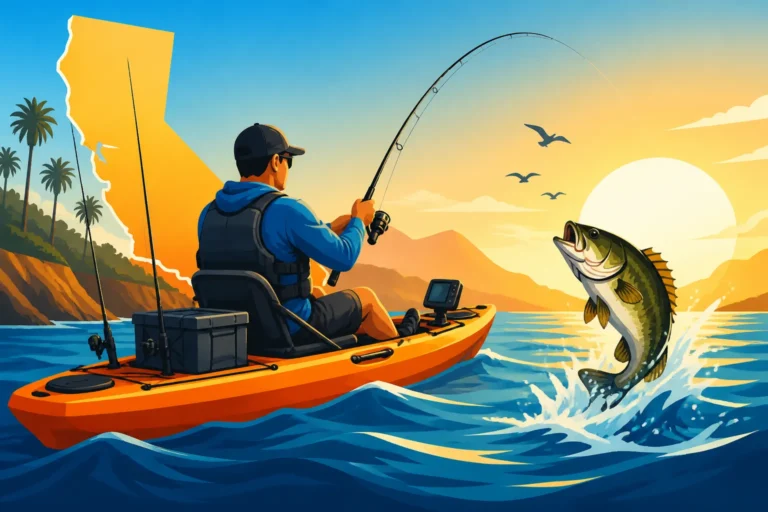
Other striped bass, particularly the larger ocean-run fish, will head back out into the cooler waters of the San Francisco Bay and even venture out to the open coast. You can find them patrolling the surf lines along beaches from San Francisco down to Santa Cruz, or congregating around structure inside the bay, like the Berkeley Flats or the Richmond shoreline. Summer fishing often means earlier starts or late evening/night trips, especially for those targeting stripers in the surf or bay, as the fish become more active when water temperatures cool slightly and boat traffic diminishes. This is also a fantastic time for boat anglers to troll for stripers in the bay, often pulling umbrella rigs or large lipped swimbaits.
Fall Run and Winter Hibernation
As summer transitions into fall, usually from September through November, California experiences another incredible striped bass bite – the "fall run." This period is characterized by aggressive feeding as stripers gorge themselves, building up fat reserves for the leaner winter months. They become incredibly active, often chasing large schools of baitfish like anchovies and sardines, creating spectacular surface boils that anglers dream of. This is a time when trophy-sized fish are often caught.
The fall run sees stripers moving both in the Delta and back into the bays and even the open ocean, often congregating near river mouths and estuary entrances where bait is plentiful. Anglers using everything from casting large swimbaits, poppers, and jerkbaits to drifting live bait like shiners or anchovies can find immense success. As winter sets in, from December through February, striped bass activity slows down considerably. They become more lethargic, conserving energy in the colder water. While it's not impossible to catch them, they typically move into deeper, more stable temperature zones in the Delta or deeper bay channels. Fishing during these months often requires slower presentations, bottom-fishing techniques, and a lot more patience. It's a stark contrast to the aggressive bites of spring and fall.
Key Factors Influencing Striped Bass Seasonality
While the general seasonal patterns are a great starting point, truly successful striped bass anglers know that the fish's behavior is constantly shaped by a few critical environmental factors. It's not just about the calendar month; it's about interpreting the conditions on any given day.
Water Temperature and Salinity
Water temperature is perhaps the single most influential factor in striped bass behavior. These fish are cold-blooded, meaning their metabolism and activity levels are directly tied to the temperature of their environment. They thrive in a range, generally preferring temperatures between 55 and 70 degrees Fahrenheit. Below 50 degrees, they become sluggish and harder to entice; above 75 degrees, they can become stressed and seek deeper, cooler water. This is why their spring migration coincides with rising river temperatures, prompting them to move upstream to spawn. Conversely, in summer, the warmer bay and ocean waters can push them into deeper thermoclines or make them feed more actively during cooler twilight hours.
Salinity, or the salt content of the water, also plays a crucial role, especially in the estuarine environment of the Delta and San Francisco Bay. Striped bass are anadromous, meaning they can live in both fresh and saltwater, but they require freshwater to spawn. Changes in river flows due to rainfall or drought directly impact the "salt line" – the point where freshwater and saltwater mix. This salt line is often a key feeding zone, concentrating baitfish and, consequently, stripers. Anglers often keep a close eye on rainfall and outflow data from the Department of Water Resources to predict where the salt line will be and where the fish might be holding.
Tidal Movements and River Flows
If you're fishing for striped bass in California's bays, estuaries, or tidal rivers, understanding the tides isn't just helpful – it's absolutely essential. Tides create currents, and currents move baitfish, which in turn attracts stripers. A strong incoming or outgoing tide can create feeding opportunities as baitfish are swept past ambush points or dislodged from cover. The "slack tide" – the period of minimal current between changes – often sees a lull in activity, although sometimes the very beginning or end of the slack can trigger a bite as fish adjust.
In the Delta, river flows, often measured in cubic feet per second (CFS), are just as important as tides. High flows, often after significant rainfall, can disorient baitfish and push stripers into slower eddies and backwaters. Lower flows can concentrate fish in main channels. Experienced anglers regularly consult tide charts and river flow data, often available from the California Department of Fish and Wildlife (CDFW) or other hydrological sites, to plan their trips. Understanding how to read the water and recognize currents is a skill that takes time to develop, but it's invaluable for locating active stripers.
Baitfish Availability
Let's be honest, stripers are opportunists, and their entire lives revolve around finding and eating baitfish. The presence or absence of their preferred forage is a massive driver of their movements and feeding patterns. In California, common striped bass prey includes anchovies, sardines, shiner perch, American shad, threadfin shad, various smelt species, and even juvenile salmon and steelhead. When vast schools of these baitfish move into an area, you can bet the stripers won't be far behind.
The availability of baitfish can be seasonal, too. For instance, the spring shad run up the rivers provides a crucial food source for pre-spawn and post-spawn stripers. In the fall, large schools of anchovies entering the San Francisco Bay can create those epic surface boils. Experienced anglers spend a lot of time observing their surroundings – looking for diving birds, surface disturbances, or even just subtle changes in the water that might indicate the presence of bait. Carrying a variety of lures that mimic common local baitfish is always a smart move, and you can often find great selections on platforms like Amazon to stock your tackle box for different conditions.
Regional Hotspots and Their Seasonal Nuances
California is a big state, and while striped bass are found in many places, certain regions are renowned for their consistent action. Each of these hotspots has its own unique characteristics and seasonal sweet spots that anglers have learned to exploit over generations.
Sacramento-San Joaquin River Delta
The vast Sacramento-San Joaquin River Delta is arguably the epicenter of California's striped bass fishery. This intricate network of rivers, sloughs, and channels is where the majority of the stripers spend their lives and return to spawn. The spring is explosive here, with fish migrating upstream for the spawn. Anglers flock to areas like the main Sacramento and San Joaquin rivers, as well as their tributaries such as the Feather and American rivers. Trolling large plugs like Bomber Long A or Yo-Zuri Crystal Minnows is a popular and effective method during this time, especially for boaters covering ground. Bank anglers can do well with cut bait or lures cast from accessible shorelines and piers.
Summer in the Delta still offers good fishing, though the fish spread out more and can be found in deeper, cooler holes, around submerged structures, or in the larger sloughs. Night fishing for stripers becomes popular, often using bait or slowly retrieved swimbaits. As fall arrives, the Delta comes alive again with the "fall run." Stripers become aggressive, actively chasing shad and other baitfish. Topwater action can be incredible in the mornings and evenings. During winter, fish move to deeper, more protected channels, and a slower, more deliberate approach with jigs or anchovies becomes necessary. Checking a detailed California Delta Fishing Guide can offer more localized insights throughout the year.
San Francisco Bay and Estuaries
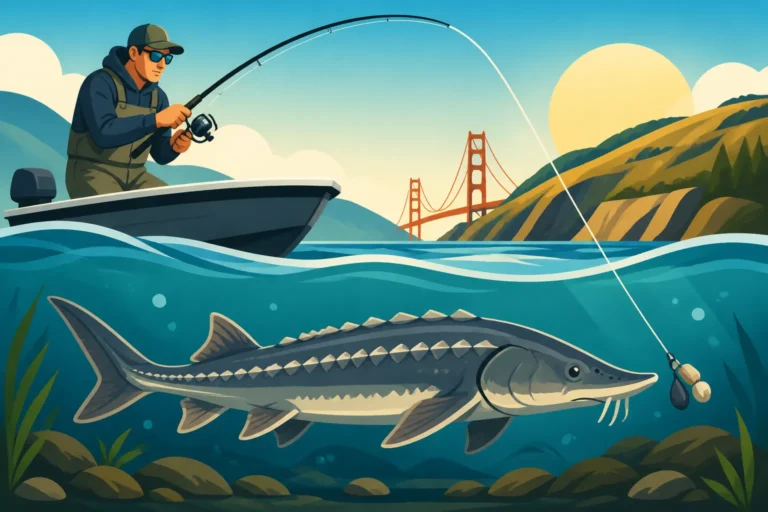
The San Francisco Bay is another incredible striped bass fishery, particularly for those looking for a mix of boat and shore-based opportunities. The Bay really shines in late spring, summer, and fall. After the spawn in the Delta, many stripers return to the Bay, where they feed heavily on anchovies, herring, and other baitfish. Areas like the South Bay (near the Dumbarton Bridge), the Berkeley Flats, and the waters around Alcatraz Island are legendary. Trolling, drift fishing with live bait, and casting lures from shore or piers are all effective.
During summer, the Bay offers consistent action, often with schooling fish near structures or moving with the tides. Early mornings and evenings can be particularly productive. The fall is a prime time in the Bay for aggressive feeders, with spectacular surface activity possible. Casting large swimbaits, poppers, or working jerkbaits can be incredibly effective. While winter fishing in the Bay is slower, patient anglers can still find fish in deeper channels, particularly around structures that offer some protection from strong currents. Understanding the California Saltwater Fishing Regulations is critical when fishing in these estuarine environments, as rules can vary.
Coastal Beaches and Open Ocean
For a different kind of striped bass challenge, California's coastal beaches and nearshore open ocean areas can provide fantastic opportunities, especially in summer and fall. These are typically larger, ocean-run stripers that cruise the surf zone, hunting for baitfish like anchovies, sardines, and even sand crabs. Surf fishing for stripers is a beloved pastime for many, requiring specialized gear like longer rods to cast beyond the breaking waves.
The summer months see stripers moving along the beaches, often following baitfish schools. Early mornings, late evenings, and even night fishing under a full moon can be prime times. Popular techniques include casting large bucktail jigs, plastic swimbaits, or bait fishing with cut anchovies or sand crabs. The fall can bring incredible action to the surf as stripers aggressively feed before winter. Areas like Ocean Beach in San Francisco, Stinson Beach, and beaches along the Monterey Bay are known hotspots. While some fish might be caught in spring, the majority of coastal stripers are focused on their spawning migration then. Winter surf fishing for stripers is generally very slow, with fish moving to deeper, more protected waters. If you're looking to hit the surf, check out a guide on California Surf Fishing Guide for more detailed strategies.
| Season | Primary Location | Typical Water Temps | Striped Bass Behavior | Recommended Tactics & Bait |
|---|---|---|---|---|
| Spring (Mar-May) | Sacramento-San Joaquin Delta (rivers & sloughs) | 55-65°F (rising) | Spawning migration, aggressive pre/post-spawn feeding | Trolling plugs, casting swimbaits, live/cut bait (shad, anchovy) |
| Summer (Jun-Aug) | Delta (deeper channels), San Francisco Bay, Coastal Beaches | 60-75°F (can be warmer in Delta) | Dispersed feeding, seeking cooler water; active early/late day | Trolling (Bay), swimbaits (Delta/Surf), topwater (early/late), bait fishing |
| Fall (Sep-Nov) | Delta, San Francisco Bay, Coastal Beaches (esp. near river mouths) | 58-70°F (cooling) | Aggressive feeding ("fall run"), chasing baitfish | Large swimbaits, poppers, jerkbaits, live bait, trolling |
| Winter (Dec-Feb) | Delta (deep holes), San Francisco Bay (deep channels) | 48-58°F (coldest) | Lethargic, congregating in stable, deeper water | Slower retrieves, bottom fishing with cut bait (anchovy, shad), jigs |
Practical Tips for Year-Round Striped Bass Fishing
Catching striped bass consistently throughout the year requires more than just knowing when to go; it's about being prepared, adaptable, and informed. From your gear choices to understanding regulations, a few key practices will elevate your success.
Gear and Bait Recommendations by Season
Your tackle box isn't a "one size fits all" affair when it comes to striped bass. Adapting your gear and bait to the season and conditions is paramount. In spring, when fish are actively migrating and often hitting hard, you'll want medium-heavy to heavy casting or spinning rods paired with reels capable of handling strong runs. Plugs like deep-diving lipless crankbaits or larger swimbaits are excellent for covering water, mimicking the shad they're chasing. For bait, fresh cut anchovies or shad are tough to beat. You can often find a good selection of quality lures and line on Amazon, which can be delivered right to your door.
Come summer, if you're hitting the surf, a longer surf rod (10-12 feet) with a powerful reel is a must for casting heavier lures or bait rigs far out. Swimbaits, bucktail jigs, and even poppers for early morning topwater action are effective. In the Delta, smaller profile swimbaits or topwater frogs (if conditions allow) might be the ticket. For fall, as fish aggressively chase bait, don't be shy about throwing larger swimbaits, poppers, and jerkbaits. They're trying to pack on calories, so a big meal looks appealing. For live bait, shiners or anchovies are prime. Winter demands a more subtle approach: lighter jigs, small swimbaits, or even slower-fished cut bait on a Carolina rig can coax a bite from sluggish fish.
Reading the Conditions Like a Pro
Becoming a successful striped bass angler means learning to "read the water" and interpret conditions. This isn't something you pick up overnight, but it comes with time and observation. Pay attention to subtle cues: the direction and strength of the current, the presence of diving birds (often a sign of baitfish being pushed to the surface), or even ripples that indicate feeding activity. Look for "structure" – anything in or around the water that provides cover or an ambush point for stripers, such as jetties, rock piles, bridge pilings, or submerged trees.
Weather also plays a huge role. Overcast days or periods of low light often provide better daytime fishing opportunities, as stripers are less wary. A slight chop on the water can also be beneficial, breaking up the surface and making your presentation more natural. Conversely, bright, clear, calm days can make fishing tougher, pushing fish into deeper water. Don't be afraid to experiment with retrieve speeds, lure colors, and bait presentations. Sometimes a minor adjustment is all it takes to turn a slow day into a memorable one. This kind of flexibility and willingness to adapt is what separates the casual angler from the consistent catcher.
Staying Legal: Regulations and Report Cards
One of the most important, and often frustrating, aspects of fishing in California is keeping up with the regulations. They change, sometimes annually, and they can vary significantly by region and even by specific waterbody. For striped bass, you'll need a valid California Fishing License Guide, and there are specific bag and size limits you must adhere to. These limits are designed to protect fish populations and ensure sustainable fishing for future generations.
It's your responsibility to know the rules before you cast a line. The California Department of Fish and Wildlife (CDFW) publishes a comprehensive regulation booklet each year, and it's also available online. Pay close attention to sections covering California Striped Bass Regulations, as minimum size limits and daily bag limits are strictly enforced. Also, understand that sometimes special regulations apply to certain areas, like marine protected areas (MPAs) or specific river sections. Always carry your license, and if there are any questions, consult the official CDFW resources directly. A little research upfront can save you a hefty fine down the line!
Disclaimer
Please note that fishing regulations, seasons, and fish behavior can change based on environmental conditions and management decisions. Always consult the latest California Department of Fish and Wildlife (CDFW) regulations before any fishing trip. This guide is for informational purposes only and should not replace official sources.