California Fishing Report Cards Explained
It’s a pretty common scenario for California anglers: you’ve got your fishing license sorted, you’re excited for a day on the water, and then you hear whispers about "report cards." Suddenly, you’re wondering if you’ve missed something crucial and if you’re even allowed to target that prized sturgeon or shiny steelhead. It can feel like a maze navigating all the rules, but understanding California fishing report cards is absolutely vital for legal and responsible angling. This guide is going to break down everything you need to know about these essential documents, explaining why they exist, which species require them, how to get them, and most importantly, how to avoid common pitfalls.
What Exactly are California Fishing Report Cards?
Let's clear up some confusion right off the bat. A California fishing report card isn't just a fancy extension of your regular fishing license. While it works hand-in-hand with your license, it serves a very specific, critical purpose: data collection. Think of it as your personal contribution to the health and future of California's fisheries. Without these cards, the state wildlife agencies would be flying blind when it comes to managing some of our most sensitive and sought-after species.
Beyond the Basic License: Why Report Cards Exist
You might already know that a standard California fishing license is your golden ticket to legal angling, proving you've paid your dues and are permitted to fish in the state's waters. It’s a general permit that covers a wide variety of common species. However, certain species require an additional layer of tracking due to their conservation status, migratory patterns, or the intense fishing pressure they face. This is where report cards step in.
The California Department of Fish and Wildlife (CDFW) uses these cards to gather real-time data on how many specific fish, invertebrates, or anadromous species are being caught and, importantly, how many are being released. This isn't just about counting fish; it's about understanding angler effort, success rates, and population trends. For instance, if everyone is catching and releasing a lot of steelhead in a particular river, but the numbers of returning adult spawners aren't improving, that data flags a potential issue that needs investigation. It’s a much more granular level of tracking than what your basic license provides, focusing on individual angler activity for particular species.
Species Requiring Report Cards: A Critical List
Ignoring the need for a report card can lead to serious fines and even loss of fishing privileges, so knowing which species are on this special list is paramount. The primary species that consistently require a dedicated report card in California include:
- Steelhead: These anadromous rainbow trout are highly valued, and their populations are often fragile due to habitat loss and other factors. Tracking every hook-and-line effort is crucial for their survival.
- Sturgeon: Both White Sturgeon and Green Sturgeon are magnificent, long-lived fish, and their populations are closely monitored. The report card helps manage the recreational take and ensure sustainable catch-and-release practices.
- Ocean Salmon: While Pacific salmon runs can fluctuate dramatically year to year, especially Chinook (King) salmon, the report card is vital for understanding angler impact on these ocean-going fish before they even think about heading upriver to spawn.
- Recreational Ocean Lobster: Specifically referring to California spiny lobster, these crustaceans are a popular target for divers and hoop netters. The card tracks catch effort and harvest to ensure the sustainability of this valuable invertebrate fishery.
Historically, Abalone also required a report card, but recreational abalone fishing has been closed indefinitely in California since 2018 due to severe population declines. Even when closed, understanding the historical tracking method for such sensitive species helps illustrate the importance of these cards. Always double-check the latest California Fishing Regulations Explained before you head out, because these lists and rules can change.
The Crucial Role of Data: Why CDFW Needs Your Information
It might sometimes feel like an extra bureaucratic hurdle, but the information you provide on your fishing report card is far from trivial. It’s the lifeblood of responsible fishery management in California, allowing the CDFW to make informed decisions that impact not just current fishing opportunities but also the health of fish populations for generations to come.
Understanding Fishery Management and Conservation
Imagine trying to manage a business without knowing your inventory, sales, or customer demand. That's essentially what wildlife agencies would be doing if they didn't have data from report cards. Fishery management is a complex science, balancing the desires of anglers with the biological needs of fish populations. It involves understanding spawning cycles, habitat health, migration patterns, and the cumulative impact of recreational and commercial harvest.
The CDFW relies heavily on angler-submitted data to assess the health of specific fisheries. For instance, by collecting data on the number of Steelhead caught and released, and the locations, they can identify critical habitats, gauge the success of restoration projects, and recognize areas where fish populations might be struggling. This information is vital for setting sustainable catch limits, establishing fishing seasons, and protecting vulnerable stocks. It's not just about conservation in a vacuum; it's about ensuring there are fish to catch for us and for future anglers.
How Your Report Card Data Shapes Future Regulations
Every single piece of information you jot down on your report card — the date, location, species, length, and whether you kept or released the fish — contributes to a vast database. This data is then analyzed by CDFW scientists to identify trends and potential issues. For example:
- Bag Limits: If data indicates that too many adult White Sturgeon are being harvested within the slot limit, the CDFW might consider reducing the daily or annual bag limit to protect the spawning population.
- Season Dates: Consistent data showing a particular run of Salmon arriving earlier or later than usual could prompt adjustments to California Salmon Season Dates Explained to protect pre-spawn fish or allow for more optimal harvest times.
- Size Restrictions: If many anglers are consistently reporting catching fish just under the legal size limit, it might suggest the need to re-evaluate the minimum size to ensure enough fish reach maturity before being harvested.
This data-driven approach is a cornerstone of adaptive management. It allows regulations to evolve as environmental conditions change, as fish populations fluctuate, and as new scientific understanding emerges. Your diligent reporting ensures that these changes are based on solid evidence, not just guesswork. It empowers the CDFW to protect California's incredible aquatic resources effectively.
Species-Specific Report Cards: A Detailed Look
While the general concept of a report card is the same across species, each one has its unique details and specific reporting requirements. It's crucial not to generalize but to understand the nuances for the particular fish or invertebrate you're targeting.
California Steelhead Report Card
Ah, steelhead! These chrome beauties are often considered the ultimate freshwater prize in California. As anadromous rainbow trout, they spend part of their lives in the ocean before returning to freshwater rivers to spawn. This migratory pattern, coupled with declining populations in many watersheds, makes them particularly vulnerable and necessitates strict monitoring.
The California Steelhead Report Card specifically tracks angler effort and harvest for both adult steelhead (usually considered 16 inches or more in length) and half-pounders (juvenile steelhead that return to freshwater after only a few months in the ocean). You'll typically be required to record the date, the specific stream or river where you fished, whether you kept or released the fish, and its length. For kept fish, you might also be required to punch out a specific validation number on the card. This system helps the CDFW understand fishing pressure on specific runs and streams, such as the famous runs on the Trinity River or the Eel River, which are critical habitats. The data gathered helps determine if current regulations, like those outlined in the California Steelhead Report Card guide, are sufficient to rebuild or sustain these iconic fish populations.
California Sturgeon Report Card
Sturgeon, particularly the massive White Sturgeon, are true living fossils and a magnificent challenge for any angler. Their long lifespan and slow reproductive rates make them highly susceptible to overfishing. California has implemented a strict slot limit for sturgeon, meaning only fish within a specific length range can be legally harvested. All other sturgeon, whether too small or too large, must be immediately released unharmed.
The California Sturgeon Report Card is integral to managing this unique fishery. Each time you retain a legal-sized sturgeon, you must immediately validate your card by punching out the corresponding month and day. This prevents anglers from keeping more than their annual limit. Even if you only catch and release sturgeon, you are still required to carry the card, and sometimes report your effort, especially for larger fish. The card helps the CDFW track not only harvest but also fishing effort and the distribution of these impressive fish across waterways like the vast Sacramento-San Joaquin Delta. This data is vital for assessing population health and ensuring the slot limit and annual bag limits are effectively protecting these ancient giants.
California Salmon Report Card
California's ocean salmon fisheries, primarily targeting Chinook (King) salmon, are managed with extreme care, largely due to the varying health of different salmon runs returning to specific rivers. Factors like ocean conditions, drought, and habitat quality can dramatically impact salmon populations, leading to frequently changing regulations.
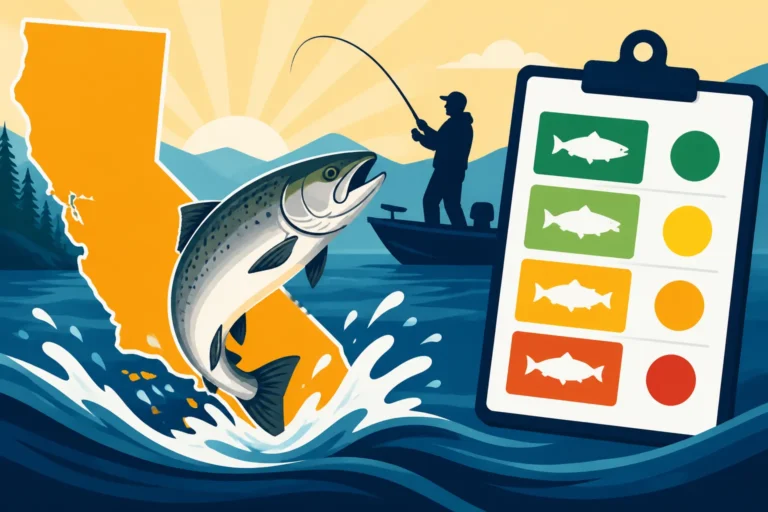
The California Salmon Report Card is crucial for tracking the recreational ocean take of salmon. Like other cards, it requires you to record the date, location (often specific ocean areas or ports), and the number of salmon kept. For salmon, identifying the species is also vital, as regulations can differ. The data helps biologists monitor the overall harvest rates and ensure that ocean fishing isn't jeopardizing the escapement goals for river systems. These cards, combined with ocean surveys and river run counts, allow the CDFW to make critical decisions about season lengths, bag limits, and even full closures, as seen in recent years due to low returns. Understanding how to use this card is essential, especially given how dynamic California Salmon Season Dates Explained can be.
California Lobster Report Card
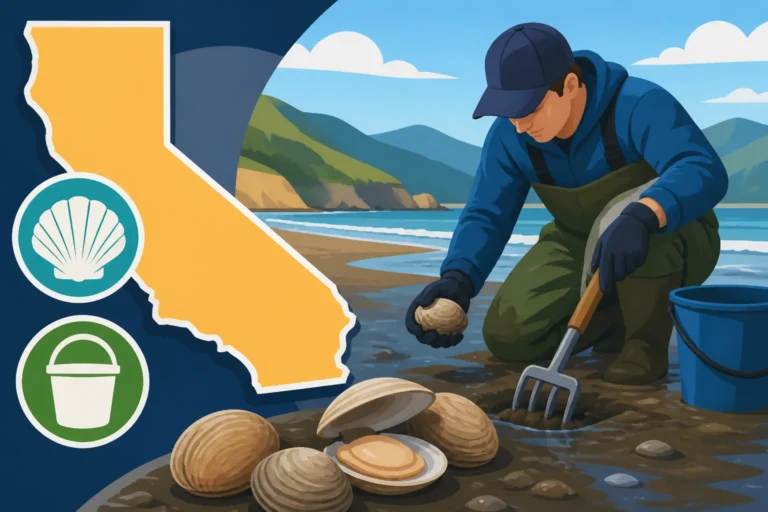
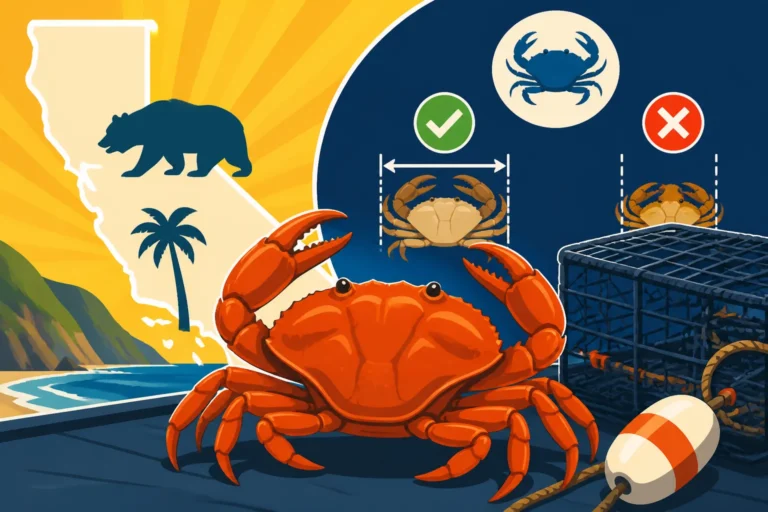
Switching gears from fish to invertebrates, the California Recreational Ocean Lobster Report Card is required for anyone taking California spiny lobster using hoop nets or by hand (e.g., freediving or SCUBA). Spiny lobster are a highly sought-after delicacy, and proper management is necessary to prevent overharvest.
This report card requires you to record the date, the specific fishing block where you took lobster, the number of lobster taken, and whether they were kept or released (though typically, once taken, they are kept if legal). You'll also need to indicate the method used, such as hoop netting or diving. It’s a very different fishery from angling, but the principle of data collection remains the same. The data helps the CDFW track angler effort and harvest success along the coast, particularly in popular areas like San Diego and Orange County, ensuring that the recreational take is sustainable and doesn't negatively impact the overall lobster population.
Historical Context: The Abalone Report Card
While you currently cannot legally take abalone in California, it's worth briefly mentioning the Abalone Report Card for historical context and to illustrate the seriousness of tracking sensitive species. For many years, California had a highly regulated recreational abalone fishery along its northern coast, targeting species like red abalone. The fishery was immensely popular but also highly susceptible to overfishing and environmental impacts.
When the fishery was open, a dedicated Abalone Report Card was mandatory. It required divers to tag each abalone immediately upon capture with a numbered tag provided with the card. Anglers had to record the date, location, and length of each abalone. This stringent tagging and reporting system was an attempt to meticulously track every single abalone taken to prevent overharvest. Despite these efforts, a combination of environmental factors (like marine heatwaves and sea star wasting disease affecting their food source, kelp) and historical overfishing ultimately led to the indefinite closure of the recreational abalone fishery in 2018. This closure serves as a stark reminder of why report cards are so critical and what can happen when species face severe threats.
Obtaining Your California Fishing Report Cards
Getting your hands on a fishing report card is pretty straightforward once you know the ropes, but it's important to do it correctly and legally. These aren't just pieces of paper you can print at home; they are official documents tied to your angler identification.
Online Purchase and Licensing Agents
The easiest and most common way to purchase your California fishing report cards is through the CDFW's Online License Sales and Services website. This portal allows you to purchase your annual fishing license, any necessary stamps (like the Ocean Enhancement Stamp or Second-Rod Stamp), and all applicable report cards from the comfort of your home. You'll need your customer ID number or personal information to log in or create an account. Once purchased, you can often print a temporary license and report cards immediately, with the official hard copies mailed to you within a few weeks. This digital convenience means you can often secure your documents even on short notice, assuming you have access to a printer.
Alternatively, you can purchase report cards (along with your license) from one of the many authorized license agents located throughout California. These agents are typically bait and tackle shops, sporting goods stores (like Big 5 Sporting Goods or Bass Pro Shops), or even some general stores. They have the equipment to print your license and report cards on the spot. This option is great if you prefer a physical document right away, or if you need to ask a local expert for advice on specific regulations. They can also be super helpful if you're not particularly tech-savvy or if you have questions about the various options. Just remember to bring proper identification. While you can't buy the report card itself on Amazon, you can certainly find essential related gear, like waterproof pens for filling out your card or a specialized fishing logbook to help keep track of your catches, all available for convenient delivery right to your door.
The Cost Involved: Breaking Down the Fees
It's important to understand that report cards are typically an additional fee on top of your base fishing license. They are not included free of charge with your annual license, nor are they usually covered by a California One-Day Fishing License or California Two-Day Fishing License. This separate cost helps fund the specific management and conservation efforts for the species they cover. The fees are usually quite modest, but they add up if you plan to target multiple report card species throughout the year.
The exact fees can change annually, so always check the latest CDFW fee schedule. However, here's a general idea of typical costs for various report cards (as of recent seasons):
| Report Card Type | Approximate Resident Fee (Annual) | Approximate Non-Resident Fee (Annual) | Purpose |
|---|---|---|---|
| Steelhead Report Card | ~$10.00 | ~$10.00 | Tracks angler effort & harvest for anadromous trout. |
| Sturgeon Report Card | ~$10.00 | ~$10.00 | Monitors sturgeon catch (kept & released) for conservation. |
| Ocean Salmon Report Card | ~$8.00 | ~$8.00 | Collects data on recreational ocean salmon harvest. |
| Recreational Ocean Lobster | ~$10.00 | ~$10.00 | Tracks spiny lobster take by hoop netters and divers. |
Note: These are approximate fees and subject to change. Always verify current prices on the official CDFW website or with a licensed agent.
As you can see, the fees are generally quite affordable, especially when considering the vital conservation work they support. This is separate from your main California Fishing License Cost, which is typically much higher, encompassing the broader spectrum of fishing activities.
Filling Out Your Report Card Correctly: No Room for Error
This is perhaps the most critical part of the entire report card process. A poorly filled-out card is as useless as no card at all, and in some cases, it can even land you in hot water with a game warden. Accuracy and completeness are paramount.
Essential Information to Record
Every report card will have specific fields, but there are common elements you'll find across all of them. It’s not just about marking a tally; it's about providing detailed, accurate data points that can be cross-referenced and analyzed. Always keep your card on your person while fishing and a waterproof pen handy.
- Date of Fishing: This seems obvious, but people forget or get lazy. Record the exact date you fished, not just the date you filled out the card later. This helps track fishing effort over time.
- Location: This is incredibly important for species-specific management. For steelhead and sturgeon, you'll often need to specify the river, stream, or body of water. For ocean salmon or lobster, it might be a specific ocean block or port area. Being as precise as possible helps biologists understand where fishing pressure is concentrated and where different populations are being targeted.
- Species Caught: While the card itself is specific to one species (e.g., "Steelhead Report Card"), sometimes you might be asked to differentiate between types if multiple species are covered under a broader card (e.g., various salmon species).
- Number of Fish/Lobster Kept: This is your harvest. Immediately record every legal-sized fish or lobster you retain. For species like sturgeon, you might also have to punch out a date on the card itself.
- Number of Fish/Lobster Released: This is equally important! Even if you release every single fish, you must record the number. This data helps gauge angler effort and the health of the population (e.g., if many small fish are being caught and released, it indicates good recruitment).
- Length/Size: For many species, especially sturgeon, steelhead, and salmon, you'll need to record the fork length or total length. This helps track population size structure. Carry a reliable, sturdy measuring device. You can find good, durable measuring tapes and fish rulers on Amazon that are perfect for this task.
Common Mistakes to Avoid
Making a mistake on your report card isn't just an administrative error; it can be a regulatory violation. Game wardens take report card accuracy very seriously because it undermines the entire data collection process.
- Forgetting to Fill Out Immediately: The regulations often state you must record your catch "immediately" after retaining it. Don't wait until you get home. If a game warden checks your catch and your card isn't filled out, it's a violation.
- Incorrect Dates or Locations: Double-check your entries. A wrong date or a generic location (e.g., "river" instead of "Trinity River") makes the data less valuable and can lead to questions from enforcement.
- Not Recording Released Fish: Many anglers mistakenly believe they only need to record kept fish. Not true! For most report card species, recording all catches, including releases, is mandatory. It’s especially critical for catch-and-release fisheries like much of California's steelhead and sturgeon fishing.
- Losing the Card: Treat your report card like cash. If you lose it, you can sometimes get a duplicate, but it's a hassle and might cost extra. Keep it in a waterproof wallet or lanyard while fishing.
- Failure to Return: This is arguably the biggest mistake. Even if you didn't catch a single fish all year, you must return your report card. This counts as "zero effort" data, which is just as valuable as "catch" data for assessing angler participation and species abundance. The penalties for not returning a report card can be significant.
The All-Important Return: Reporting Your Catches (or Lack Thereof)
So, you’ve dutifully filled out your report card throughout the year. Great! But your responsibility doesn't end there. The final, and arguably most crucial, step is to return your card to the CDFW. This is how your individual efforts become part of the collective data that shapes fishery management.
Deadlines and Submission Methods
This is where many anglers stumble. The information you collected is useless unless the CDFW receives it by the specified deadline. For most annual report cards (Steelhead, Sturgeon, Ocean Salmon, Lobster), the deadline to return them is January 31st of the following year. So, all report cards from the 2024 season would need to be returned by January 31st, 2025. Mark this date on your calendar, set reminders, and make it a priority!
There are a couple of ways to submit your completed report cards:
- Online Reporting: This is increasingly the preferred method. The CDFW provides an online portal where you can enter the data from your physical report card. You'll typically enter your customer ID and the unique identification number from your report card, then transcribe all your catch and effort data. This method is fast, efficient, and ensures your data is immediately entered into the system. You’ll still need to retain your physical report card for a period as proof of reporting, as specific instructions on How to Return a California Report Card will detail.
- Mail: If you prefer, or if online reporting isn't an option for you, you can still mail your physical report card to the CDFW. The address will typically be printed on the card itself or available on the CDFW website. Ensure you send it with sufficient time for it to arrive before the January 31st deadline. It’s a good idea to make a photocopy or take a picture of your completed card before mailing it, just in case it gets lost in transit.
Remember, the CDFW needs all report cards returned, regardless of whether you caught anything or not. A card with zero catches provides valuable "zero effort" data, which indicates where people fished but were unsuccessful. This data is vital for assessing population health and understanding fishing pressure.
Penalties for Non-Compliance
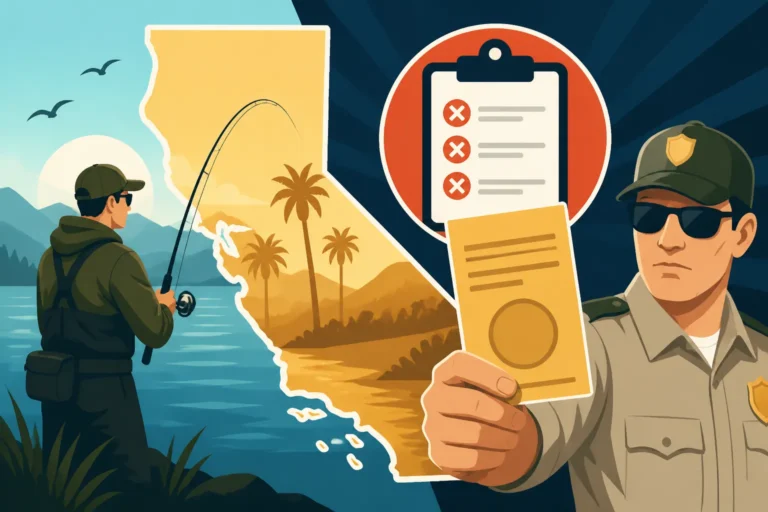
Let's not mince words here: failing to return your report card, or returning an incomplete/inaccurate one, is a serious violation. It's not just a minor oversight; it's an act that undermines critical conservation efforts and can have tangible consequences for you.
The penalties for non-compliance can include:
- Fines: You can be issued a citation and a substantial fine. These fines are often comparable to, or even greater than, the cost of a fishing license itself, making the small fee for the report card seem trivial in comparison.
- Future License Restrictions: Repeated or severe violations could lead to restrictions on your ability to purchase future fishing licenses or report cards. This means you might be barred from fishing for certain species or even entirely for a period.
- Loss of Privilege: In extreme cases, failing to comply with report card requirements could be seen as an act of non-cooperation with fishery management, potentially leading to the revocation of your fishing privileges.
The CDFW takes this seriously because the integrity of their data collection is paramount to managing California's precious fisheries. Don't let a simple oversight turn into a costly and frustrating experience. As with California Fishing Without a License Penalty, the consequences of ignoring report card rules are designed to deter non-compliance and protect the resource.
Understanding Exemptions and Special Situations
California’s fishing regulations can feel like a labyrinth, and report cards are no exception. There are a few specific scenarios where people often wonder if report cards apply, even if a general license might not be required. It’s always best to err on the side of caution and assume they do apply unless you know for certain otherwise.
Pier Fishing and Free Fishing Days
One of the most common questions revolves around pier fishing. In California, you generally do not need a fishing license to fish from a public pier or jetty in ocean waters. This is fantastic for casual anglers or families looking for an easy day out. However, this license exemption does not automatically extend to report card requirements.
If you are fishing from a pier and targeting a species that requires a report card – for example, if you manage to hook into a legal-sized ocean salmon or if you're hoop netting for spiny lobster from a pier – you still need the appropriate report card for that species. The license exemption only waives the general California fishing license; it doesn't waive the data collection requirement for specific regulated species. Always check the regulations for your target species, even when fishing from a pier, to avoid any surprises.
Similarly, California offers a few California Free Fishing Days each year, typically in summer and fall. On these days, residents and non-residents can fish without a state fishing license. This is a wonderful opportunity to introduce new anglers to the sport. However, just like with pier fishing, the report card requirements still apply on Free Fishing Days if you are targeting species that require them. So, if you're out on a Free Fishing Day and you plan on trying to catch steelhead or sturgeon, you'll still need to purchase and carry the respective report card. It's the species, not the location or special day, that primarily triggers the report card requirement.
Fishing on Charter or Party Boats
Another common misconception is that if you're fishing on a licensed charter boat or a party boat, you don't need your own licenses or report cards because the boat itself is licensed. While many charter operators handle the general fishing license requirements for their paying customers (it’s often included in the trip cost, or they ensure you have one), you generally are still responsible for your own individual report cards if you plan to target species that require them.
For example, if you book a trip out of San Diego on a sportfishing vessel renowned for catching bluefin tuna, you might not need a report card for the tuna itself, as they don't currently require one. But if that same boat switches to targeting ocean salmon off the coast of Fort Bragg, you would absolutely need your own California Salmon Report Card. Or, if you're on a multi-day trip that might encounter various species, it’s best to be prepared.
Responsible charter operators and their crew will usually inform you about these requirements beforehand, but it's ultimately your responsibility as an angler to ensure you have all the necessary permits. Don't assume anything. Always confirm with the charter company what you need to bring, especially when it comes to specific report cards. This distinction is crucial, similar to understanding if Do You Need a License on a Party Boat in California even if the boat is operating commercially. Your individual contribution to species management via the report card is independent of the vessel's commercial license.
Managing Your Report Cards: Best Practices for Anglers
Staying organized with your fishing report cards might sound like a small detail, but it can save you a lot of headaches and ensure you contribute accurately to conservation efforts. With multiple cards for different species and various deadlines, a little planning goes a long way.
Keeping Track of Multiple Cards
If you're an ambitious angler who enjoys targeting a variety of species throughout the year, you might find yourself with a handful of report cards. Juggling a Steelhead Report Card, a Sturgeon Report Card, and an Ocean Salmon Report Card can become a bit much, especially when you're focused on the fishing itself. The last thing you want is to lose a card or forget to fill one out after a successful trip.
Here are a few tips for keeping them all straight:
- Designated Storage: Invest in a small, waterproof pouch or a dedicated compartment in your tackle box specifically for your fishing license and all your report cards. This keeps them protected from the elements and ensures you know exactly where they are.
- Digital Photos: Before you even leave the house, take clear photos of each report card (front and back) with your smartphone. This creates a digital backup, complete with their unique serial numbers, which can be invaluable if a physical card is lost or damaged.
- Fishing Logbook: Consider keeping a personal fishing logbook. You can buy sturdy, waterproof versions on Amazon. Not only is it a great way to remember your trips and analyze your own fishing patterns, but it also serves as a secondary record for your report card data. Jot down the date, location, species, size, and whether you kept or released the fish immediately after the catch. This way, if you forget a detail on your physical card, you have a reference. It’s also good practice for improving your own angling skills over time.
Utilizing Digital Resources and Apps
The digital age has brought some fantastic tools that can simplify the often-complex world of fishing regulations and reporting. The CDFW, like many other state agencies, has invested in online resources that make managing your fishing life much easier.
- CDFW Online License Service: As mentioned earlier, this is your primary hub. Not only can you purchase your licenses and report cards here, but it's also where you'll go to submit your report card data online at the end of the season. Familiarize yourself with the interface before the deadline to avoid a last-minute scramble.
- CDFW Website and Regulations Booklets: The official CDFW website is a treasure trove of information. You can download the latest fishing regulations booklet, find updates on specific seasons (like emergency closures for salmon), and access FAQs. Many anglers find it helpful to download the relevant sections to their phone or tablet for quick reference on the water. Learning How to Read the California Fishing Regulations Booklet effectively is a superpower for any serious angler.
- Third-Party Apps: While not official CDFW tools, many fishing apps offer features that can help. Some apps allow you to log catches, track locations, and even provide real-time weather and tide data. While you should never use these apps as a substitute for official reporting, they can be excellent supplementary tools for personal record-keeping, making the year-end report card submission much easier. Just remember that specific reporting to the state must be done through official CDFW channels.
By embracing these best practices, you can ensure that your fishing adventures remain compliant, enjoyable, and that your valuable data contributes effectively to the ongoing conservation of California's incredible aquatic resources.
Disclaimer
The information provided in this guide is for general informational purposes only and is not a substitute for the official California Department of Fish and Wildlife (CDFW) fishing regulations booklet. Regulations, seasons, and fees can change frequently. Always consult the most current official CDFW regulations before engaging in any fishing activity. Failure to do so may result in fines or penalties.