Leopard Shark in California: Where and How to Catch
Oh, the thrill of feeling that solid tug on your line, knowing it could be something big, something with a bit of a bite! For many anglers in California, the idea of catching a shark can feel a bit daunting, maybe even like it’s only for offshore pros. But what if I told you there's a common, incredibly fun-to-catch shark right here in our shallow bays and surf, offering an exciting challenge without needing a massive sportfishing vessel? We're talking about the leopard shark, a beautiful and accessible species that's a fantastic target for anglers of all skill levels. This guide is all about demystifying the leopard shark, revealing where they hang out and exactly how you can get one on your line.
Getting to Know the California Leopard Shark
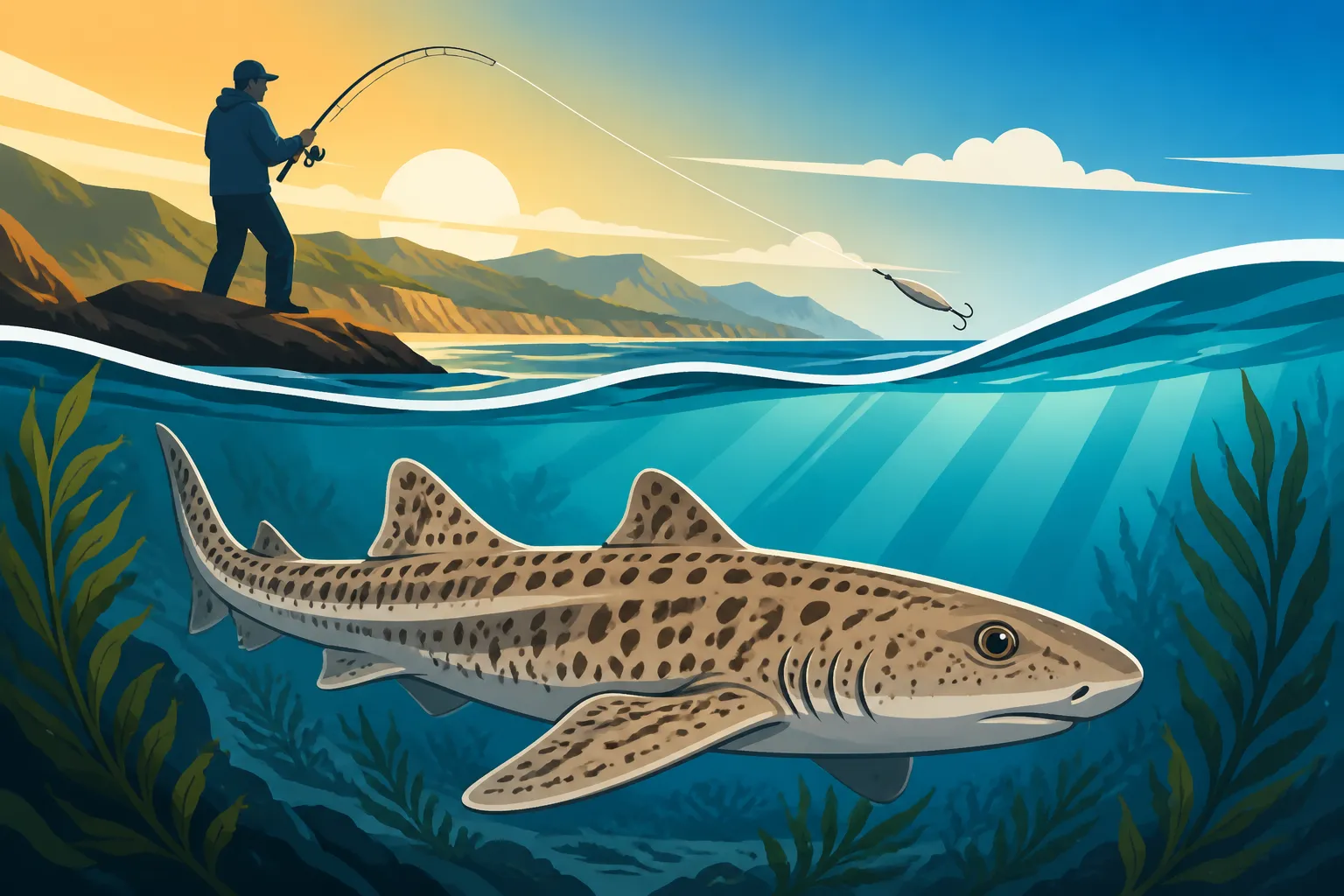
Before you head out, it's always a good idea to understand your quarry a bit better. Leopard sharks (scientific name: Triakis semifasciata) are a fascinating and strikingly beautiful species found abundantly along the Pacific Coast, particularly in California. They're not the Jaws-style monsters you see in movies; these are relatively small, slender sharks, usually growing to about 4-5 feet, though occasionally larger specimens are caught. Their most distinguishing feature, and the one that gives them their name, is the gorgeous pattern of dark saddles and spots across their gray or bronze bodies. Trust me, once you see one up close, you'll be impressed by their natural artistry.
What Makes Them Unique
Leopard sharks are incredibly well-adapted to their coastal environments. Unlike some of their larger, more nomadic cousins, they tend to stick to shallow, inshore waters, preferring sandy or muddy flats, estuaries, and kelp forests. They're often found in bays and harbors, which makes them quite accessible to shore anglers. They're generally non-aggressive towards humans, feeding primarily on crustaceans like crabs and shrimp, small fish, and marine worms. This diet is key to understanding what baits work best for them, which we'll dive into shortly. Their preference for shallow water means you don't need a boat to find them; many of the best spots are accessible from piers, jetties, or even the beach.
Their Role in the Ecosystem
These sharks play a vital role in our local marine ecosystems. As opportunistic predators, they help keep populations of their prey in check, contributing to the overall health and balance of coastal habitats. They're also quite hardy and can tolerate a wide range of water temperatures and salinities, which is why they thrive in so many different areas along our coast. Understanding their ecological significance also underscores the importance of proper handling and release practices, ensuring these amazing creatures continue to populate our waters for generations to come.
Prime Locations to Find Leopard Sharks in California
Finding leopard sharks is less about luck and more about understanding their preferred haunts. They are creatures of habit, gravitating towards specific types of underwater terrain and conditions that offer food and shelter. California's diverse coastline provides ample opportunities, from bustling urban bays to quiet, expansive estuaries.
Estuaries and Bays: Their Nurseries and Feeding Grounds
Estuaries and large bays are arguably the best places to target leopard sharks. These areas, characterized by their calmer, shallower waters and nutrient-rich muddy or sandy bottoms, are teeming with the crabs, shrimp, and small fish that make up the bulk of a leopard shark's diet. The warmer, protected waters also serve as crucial nursery grounds where juvenile sharks thrive.
Think about places like San Francisco Bay, where the shallower margins and mudflats are prime real estate for these sharks. Similarly, Southern California gems like San Diego Bay, Mission Bay, and Newport Back Bay are renowned for their healthy leopard shark populations. You'll often find them cruising the edges of eelgrass beds, drop-offs, and channels, especially when the tide is moving, stirring up their dinner. Checking the Best Fishing Spots in the Bay Area or San Diego Fishing Spots can give you a better idea of specific access points. Don't be shy about asking local bait shops or checking recent fishing reports for the exact hot spots; they're usually happy to share a bit of intel.
Surf Fishing for Leopard Sharks
While bays and estuaries are popular, many anglers successfully target leopard sharks right from California's beaches. Surf fishing for leopard sharks is a fantastic way to enjoy the coastline while pursuing a rewarding catch. They often feed in the turbulent, sandy surf zones, especially around troughs, sandbars, and areas where small creeks or estuaries drain into the ocean, bringing out food sources.
Beaches in Orange County, like those near Bolsa Chica State Beach or Huntington Beach, can be productive. Further north, stretches of beach along the central and northern California coast can also hold leopard sharks, especially during warmer months. The key here is to cast beyond the immediate breaking waves, into the deeper channels and holes where they might be foraging. A good long surf rod and a strong reel are essential. For more detailed tips on gear and techniques, you might want to read our California Surf Fishing Guide. Remember, when surf fishing, the tides play a huge role; an incoming tide often brings these sharks closer to shore, especially around dusk and dawn.
Essential Gear and Techniques for Catching Leopard Sharks
Alright, let’s talk brass tacks: what do you need to catch these spotted beauties, and how do you do it? The good news is that leopard shark fishing doesn't require highly specialized or expensive gear. A sturdy, medium-heavy setup is usually more than sufficient.
Rods, Reels, and Line Selection
For leopard sharks, you'll want a rod that has enough backbone to handle a strong fish, but still offers enough sensitivity to detect their often subtle bites. A medium-heavy to heavy action rod, around 7 to 10 feet in length, is ideal. Pair this with a robust spinning reel in the 5000-8000 size range, or a conventional reel if you prefer, capable of holding a good amount of line. My go-to is usually a Penn Battle II or a Shimano Ultegra, both reliable workhorses.
For line, I recommend 20-30 pound monofilament or braided line. If you're using braid, tie on a fluorocarbon leader of 30-50 pound test, about 2-3 feet long. This heavier leader is crucial because leopard sharks have abrasive skin and small, sharp teeth that can fray lighter line. Plus, the clear fluorocarbon is less visible in the water, which can be an advantage in clear conditions. You can find quality leader material and fishing lines on platforms like Amazon, ensuring you have reliable gear for the fight.
The Best Baits and Rigs
Leopard sharks are not picky eaters, which is great for anglers! Their natural diet gives us a strong hint about what baits they'll readily take. Fresh bait is always superior, so hit your local tackle shop on the way to the water.
Here’s a breakdown of effective baits:
- Squid: This is a universal shark bait. It’s tough, stays on the hook well, and has a scent trail that leopard sharks love. Cut it into strips or chunks.
- Mackerel & Sardines: Oily fish like these are excellent for attracting sharks. Cut them into steaks or use whole small ones.
- Anchovies: Smaller and softer than mackerel, but highly effective, especially for smaller sharks.
- Shrimp & Crab: Live ghost shrimp or sand crabs are absolute gold, as these are a natural part of the leopard shark's diet. If live isn't an option, fresh dead shrimp (peeled) can also work.
- Clams: Freshly shucked clams can be incredibly attractive due to their strong scent.
When it comes to rigs, two stand out for leopard sharks:
- Carolina Rig (Slider Rig): This is a classic bottom-fishing rig. Thread an egg sinker (1-4 oz, depending on current) onto your main line, followed by a bead (to protect the knot). Then tie on a swivel, and finally your fluorocarbon leader (12-24 inches) with a hook. This allows the bait to move naturally with the current, while the weight keeps it anchored.
- Hi-Lo Rig: This rig features two hooks, allowing you to present two baits at different depths. Tie a loop for a sinker at the bottom, then two dropper loops spaced about 12-18 inches apart for your hooks. This is great for active feeding sharks as it presents more targets.
For hooks, use strong, sharp circle hooks in sizes 4/0 to 7/0. Circle hooks are excellent for sharks because they typically hook the fish in the corner of the mouth, minimizing deep hooking and making catch-and-release much safer for the fish. You can find pre-tied rigs and various hook sizes on Amazon if your local tackle shop doesn't have exactly what you need. For more on bait selection, check out our guide on California Bait Fishing Tips and Techniques.
Strategic Fishing Approaches
Once you have your gear and bait, it's about strategy. Leopard sharks are often caught when the tide is moving, either incoming or outgoing, as this stirs up the bottom and dislodges food. Early mornings and late evenings, or even night fishing, can be particularly productive. Look for areas with slight drop-offs, channels, or the edges of deeper pockets within bays.
Cast your bait out and let it settle on the bottom. Leopard shark bites can range from a subtle tap-tap to a slow, steady pull. Avoid setting the hook too hard with a circle hook; instead, just reel down until you feel the weight of the fish and let the hook do its job. When you feel that consistent pressure, you've likely got one!
Understanding California Leopard Shark Regulations and Conservation
As with any fishing endeavor in California, understanding the rules and regulations is not just good practice, it's mandatory. Leopard sharks are a managed species, and adhering to the guidelines ensures their populations remain healthy for future generations of anglers. You'll definitely want to familiarize yourself with the California Fishing Regulations Explained booklet, which is updated annually by the California Department of Fish and Wildlife (CDFW).
Bag Limits and Size Restrictions
Currently, the daily bag limit for leopard sharks in California is generally three fish, with a minimum size limit of 36 inches total length. However, these regulations can change, so always double-check the latest CDFW sport fishing regulations before heading out. It's crucial to measure your catch carefully from the tip of the snout to the tip of the tail to ensure it meets the legal size. If you're fishing from a pier that has a public access area, remember that a California Pier Fishing License Rules might apply differently, but for sharks, the statewide regulations typically hold.
Handling and Release Practices
Leopard sharks are incredibly hardy, which means they have a good chance of survival if handled correctly during catch and release. Many anglers choose to release all the leopard sharks they catch, enjoying the fight and the unique experience. If you decide to release, here are some best practices:
- Minimize Fight Time: Try to bring the fish in as quickly as possible without over-stressing it.
- Keep it Wet: Avoid dragging the shark onto dry sand or pavement. If you need to bring it ashore, do so on a wet surface or use a wet mat.
- Handle with Care: Support the shark's body horizontally, especially if it's a larger one. Avoid holding it vertically by the tail or gills.
- Remove Hook Quickly: Use pliers or a de-hooking tool to remove the hook efficiently. Since circle hooks usually hook in the mouth, removal is often straightforward.
- Revive if Necessary: If the shark seems sluggish, gently hold it in the water, facing into the current, and move it back and forth to force water over its gills until it swims off strongly. This is especially important for California Catch-and-Release Rules on all species.
Following these practices not only ensures the health of individual fish but also contributes to the sustainability of the leopard shark fishery.
Your California Fishing License
Remember, before you even cast a line for a leopard shark, or any fish for that matter, you need a valid California fishing license. This applies whether you're fishing from shore, a kayak, or a boat. There are different options available, including annual, one-day, or two-day licenses, and purchasing one is quick and easy, often available online or at most tackle shops. You can find comprehensive details in our California Fishing License Guide. Failing to have a license can result in hefty fines, so don't let that spoil your trip! Always keep it on your person while fishing.
Seasonal Considerations for Leopard Sharks
While leopard sharks are present in California waters year-round, certain seasons offer better fishing opportunities. Their activity levels and where they congregate can shift with water temperature and food availability.
Warmer Months are Peak Season
Generally, the warmer months, from late spring through early fall (roughly May through October), are considered the prime season for targeting leopard sharks. During this time, water temperatures in bays and shallow coastal areas are higher, which makes these sharks more active and often brings them into shallower waters to feed and breed. This is when you're most likely to find them in abundance in places like the San Francisco Bay, where they often move into the calmer, warmer shallows.
As the water cools in late fall and winter, leopard sharks tend to move to deeper, more stable temperature waters. While they can still be caught, their activity might decrease, and you might need to adjust your approach to target slightly deeper channels or holes within bays. Don't let colder weather completely deter you, though; a mild, sunny winter day can still produce some great action, especially if you know the deeper holding patterns of the fish. Checking a California Fishing Seasons: Month-by-Month Guide can provide more specific insights into what to expect throughout the year.
Tidal Influence and Time of Day
Beyond the general season, understanding daily tidal movements is paramount when fishing for leopard sharks. They are highly influenced by tides. An incoming or outgoing tide (moving water) is almost always better than slack tide (still water). Moving water stirs up the bottom, dislodges food, and carries scent trails from your bait, making it easier for sharks to locate their next meal.
My personal preference is often to fish the incoming tide, especially around a high tide mark, when the water pushes into their feeding grounds. Alternatively, the outgoing tide can also be excellent as it pulls baitfish and crustaceans out of estuaries and channels. Dawn and dusk are often peak bite times, regardless of the tide, as these low-light conditions often stimulate feeding activity in many predatory fish species. Night fishing can also be incredibly productive for leopard sharks, especially in quiet bays or estuaries where they feel more secure under the cover of darkness.
Leopard Shark Fishing Success Table
To help you quickly reference some key aspects of leopard shark fishing, here’s a handy table summarizing the best baits, rigs, and ideal conditions.
| Category | Recommendation | Notes |
|---|---|---|
| Rod | Medium-Heavy to Heavy Action, 7-10 feet | Good backbone for fighting, sensitive tip for bites. |
| Reel | Spinning 5000-8000 series, or Conventional | Holds ample line, smooth drag. Shimano or Penn brands are popular and reliable. |
| Main Line | 20-30 lb Monofilament or Braided Line | Braid offers sensitivity, mono offers stretch. |
| Leader | 30-50 lb Fluorocarbon (2-3 feet) | Essential for abrasion resistance from shark skin/teeth, less visible in water. |
| Hooks | 4/0 to 7/0 Circle Hooks | Promotes jaw-hooking for safer release, good for self-setting. |
| Sinker | 1-4 oz Egg Sinker or Pyramid Sinker | Weight adjusted for current strength; egg sinker for Carolina rig, pyramid for Hi-Lo or heavier current. |
| Primary Baits | Fresh Squid, Mackerel, Sardines, Anchovies | Cut into chunks or strips; oily fish and squid have strong scent. |
| Natural Baits | Live Ghost Shrimp, Sand Crabs, Peeled Shrimp, Clams | Excellent choices, especially for picky biters. Can be found at tackle shops or collected in some areas. |
| Preferred Rigs | Carolina Rig (Slider Rig), Hi-Lo Rig | Both present bait effectively on the bottom. |
| Ideal Conditions | Moving Tide (Incoming/Outgoing), Warmer Water (Spring-Fall), Dawn/Dusk/Night | Moving water disperses scent; warmer water increases activity; low light encourages feeding. |
| Habitat | Shallow bays, estuaries, muddy/sandy flats, surf zones, eelgrass beds, channels | Look for areas with structure and food sources. San Francisco Bay, San Diego Bay are prime examples. |
Conclusion: An Accessible Thrill
Catching a leopard shark in California is one of those quintessential West Coast fishing experiences that every angler, from novice to seasoned pro, should try. They offer an exciting fight, a beautiful appearance, and the unique satisfaction of landing a shark right from our accessible coastal waters. With the right gear, a bit of understanding about their habits, and a commitment to responsible fishing practices, you'll be well on your way to experiencing the thrill of a leopard shark on the end of your line. So grab your rod, pack some fresh bait, and head out to one of California's fantastic fishing spots. Who knows, your next cast might just hook you into one of these spotted beauties!
Disclaimer
The information provided in this guide is for general informational purposes only and is not a substitute for the official regulations issued by the California Department of Fish and Wildlife (CDFW). Fishing regulations, including bag limits, size limits, and seasons, can change frequently. Always consult the latest official CDFW sport fishing regulations booklet or website before engaging in any fishing activity. Adherence to all local, state, and federal laws is the responsibility of the angler.