Golden Trout in California: Where and How to Catch
For many anglers, the pursuit of California's golden trout isn't just about fishing; it's an odyssey. These truly magnificent fish, with their vibrant colors and elusive nature, call some of the state's most remote and breathtaking alpine wilderness home. But let's be honest, dreaming about catching one and actually pulling it off are two very different things. The challenge lies not just in their wary temperament, but also in the sheer effort it takes to reach their pristine waters. This guide aims to pull back the curtain on this incredible experience, helping you understand where these golden gems thrive and the precise techniques you'll need to employ to make your golden trout dreams a reality.
The Allure of California's Golden Trout: A High-Altitude Quest
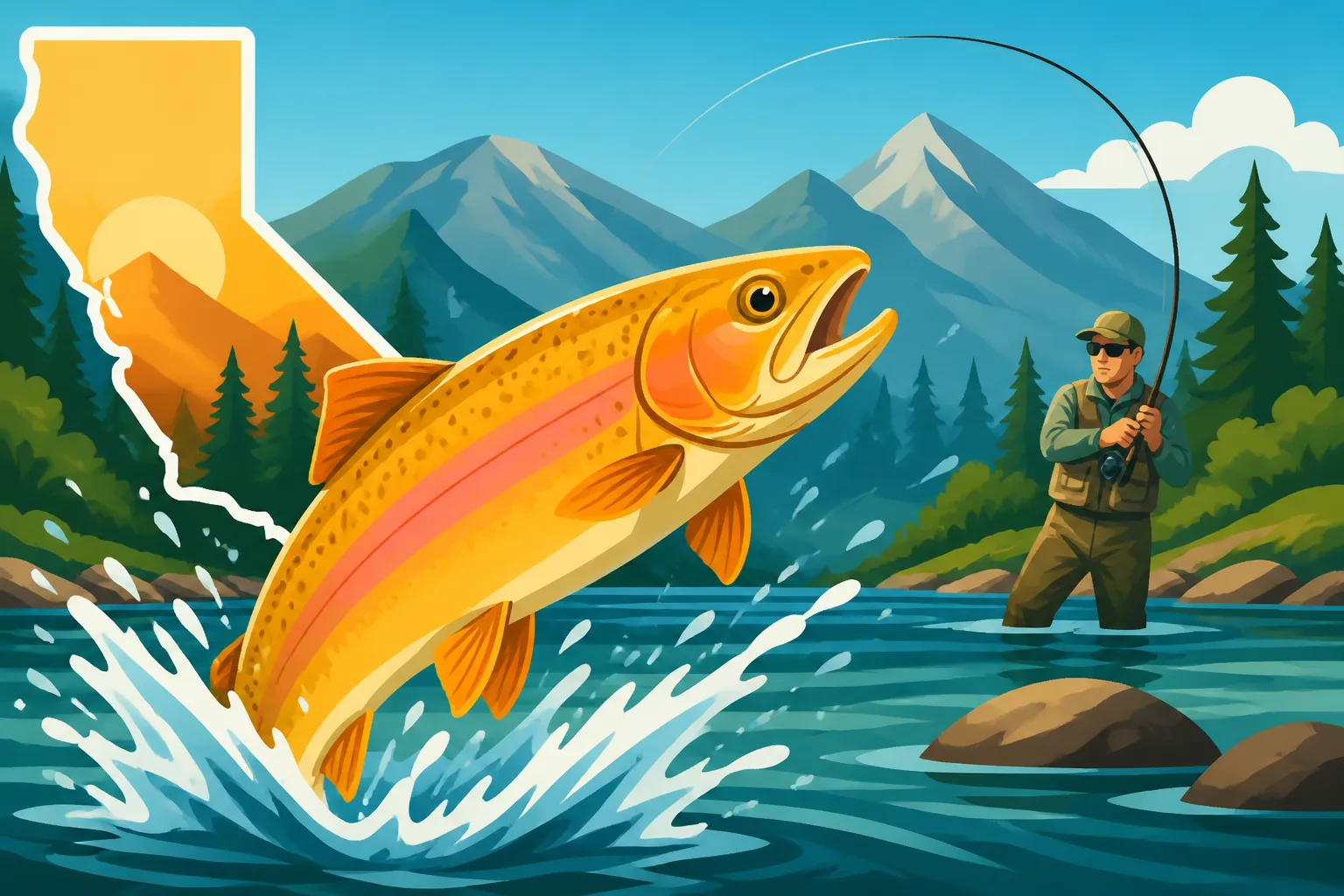
There's something uniquely captivating about the California golden trout. It’s not just their stunning, iridescent gold flanks, crimson lateral stripes, and olive-green backs that set them apart; it's the demanding journey often required to find them. These fish are more than just a species; they're a symbol of California's pristine high-country wilderness, a reward for those willing to venture far beyond the beaten path.
A Native Jewel of the High Sierra
The golden trout, Oncorhynchus mykiss aguabonita, isn't just any trout; it's truly a native Californian, often considered one of the most beautiful trout species in the world. Their natural range is incredibly specific, primarily confined to the headwaters of the Kern River system in the southern Sierra Nevada. They evolved in these isolated, nutrient-poor, high-elevation environments, developing their distinctive coloration as camouflage against granite streambeds and sparse vegetation.
Imagine hiking for miles, your pack heavy, through pine forests giving way to sparse treeline, then finally breaking through to an open granite basin where a crystal-clear stream meanders, reflecting the impossibly blue sky. That's the golden trout's domain. These fish are incredibly sensitive to water quality and temperature, thriving only in the coldest, purest, and most oxygen-rich waters. This fragility, coupled with their remote habitat, contributes significantly to their status as a prized catch. They represent the wild, untamed spirit of the Sierra, a living testament to the enduring beauty of California's high country.
Why They're So Elusive and Prized
The elusiveness of the golden trout isn't a myth; it's a reality rooted in their natural behavior and habitat. Unlike trout found in easily accessible lakes or rivers, golden trout populations are often in remote, high-altitude lakes and streams, some requiring multi-day backpacking trips to reach. This natural barrier weeds out casual anglers, ensuring that those who pursue them are truly dedicated.
Once you actually reach their waters, the challenge continues. Golden trout are incredibly wary. Their native environment, with its crystal-clear water, offers little cover, making them exceptionally attuned to movement and shadows. A careless approach, a heavy footstep on the bank, or a clumsy cast can send them darting for cover, putting them off the bite for a good long while. They're not particularly large fish, often ranging from 6 to 12 inches, but what they lack in size, they make up for in fight and unparalleled beauty. Catching a true wild golden trout, glowing like a living ingot in your hand before a respectful release, is a memory that far outshines any other fishing accomplishment for many. It's a testament to patience, perseverance, and a deep appreciation for wilderness.
Where to Find Golden Trout in California's Wilderness
To truly understand where to find California golden trout, you need to set your sights high – literally. Their primary stronghold is in the majestic, rugged peaks of the Sierra Nevada, specifically in the southern portion of the range. This isn't your average drive-up fishing spot; these are destinations that demand planning, preparation, and a willingness to embrace the backpacking experience.
The Heart of Their Domain: The Southern Sierra Nevada
When we talk about the native range of the California golden trout, we're talking about the headwaters of the Kern River system. This includes specific streams and lakes within the Golden Trout Wilderness and the adjacent Sequoia National Forest. These are designated wilderness areas, meaning motorized vehicles are not allowed, and access is strictly by foot or horseback.
Some of the most famous and productive areas include the South Fork of the Kern River, Volcano Creek, and various feeder streams and alpine lakes in that vicinity. Popular access points for these remote regions often involve trailheads off Highway 395 in the Eastern Sierra, requiring significant mileage to reach golden trout country. For instance, trails originating near Cottonwood Lakes, Horseshoe Meadow, or Mineral King in Sequoia National Park can lead to prime golden trout waters. Expect elevations typically above 9,000 feet, often pushing well past 10,000 feet. The short summer season, usually from July through September, offers the best windows for access, as snowpack can persist late into the year. Remember to consult specific regional regulations and conditions before heading out, as they can change annually.
Expanding Beyond the Native Waters: Stocked and Introduced Populations
While the native golden trout populations are confined to their specific Kern River headwater drainages, the California Department of Fish and Wildlife (CDFW) has, over many decades, introduced golden trout into other high-altitude lakes and streams throughout the Sierra Nevada. These introductions were often done via aerial stocking, using small planes to drop fingerlings into remote, fishless waters. This has broadened the opportunities for anglers to encounter this magnificent species.
You can now find golden trout, both pure strain and some hybridized with rainbow trout (especially in areas where the two species meet), in various high-elevation drainages across the Sierra Nevada, from the Yosemite area south to the southern Sierra. Lakes and streams in the John Muir Wilderness, Ansel Adams Wilderness, and even some high basins in the Lakes Basin Recreation Area near Mammoth Lakes might hold golden trout. However, it's important to distinguish between these introduced populations and the rare, genetically pure native fish. For the true purist seeking the native strain, the Kern River headwaters remain the ultimate pilgrimage. Regardless, finding any golden trout in these pristine alpine environments is an experience to cherish. For detailed information on specific lakes and their fish populations, the CDFW often provides valuable data, or a good local fly shop in Bishop or Mammoth Lakes can point you in the right direction. Before you go, make sure to read up on the current California Freshwater Fishing Regulations and acquire your California Fishing License Guide!
The Tactics: How to Catch California Golden Trout
Catching a golden trout is less about brute force and more about finesse, stealth, and a deep respect for their delicate environment. These aren't big, aggressive fish, and their clear, shallow waters demand a thoughtful approach. You'll need to blend ultralight gear with precise presentation.
Essential Gear for the Alpine Angler
Your gear choice for golden trout fishing is twofold: what you carry to get there, and what you use to fish. The "getting there" part is often the most demanding. This will likely be a backpacking trip, so lightweight and efficient gear is paramount. For your fishing kit, think ultra-light.
- Rods & Reels: A lightweight 2- to 4-weight fly rod, usually 7 to 8.5 feet long, paired with a matching reel and floating line, is ideal. For spin fishing, an ultralight spinning rod (4-6 feet) with a small reel spooled with 2-4 lb test monofilament or fluorocarbon is perfect. Brands like Fenwick, Ugly Stik, or St. Croix offer great lightweight options available on Amazon.
- Terminal Tackle: For fly fishing, a selection of small dry flies (size 16-20) like Parachute Adams, Royal Wulff, Elk Hair Caddis, and small terrestrials (ants, beetles) are crucial. Also carry some small nymphs (size 18-22) like Copper Johns, Pheasant Tails, and scuds. For spin fishing, tiny gold or silver spinners (e.g., Mepps, Panther Martin size 0 or 1), small spoons (like Kastmasters), and perhaps some Gulp! maggots or PowerBait might work, though natural presentation is key.
- Accessories: Waders are generally not needed for high-alpine stream fishing due to cold temperatures and often steep banks; quick-drying pants and wading boots or sturdy hiking shoes are better. A small net with a rubber bag is excellent for safely landing and releasing fish. Polarized sunglasses are non-negotiable for spotting fish in clear water. Don't forget bear canisters for food storage if backpacking!
- Permits and Safety: Always carry your California Fishing License Cost and any required wilderness permits. A California Fishing Report Cards Explained might also be necessary depending on your target species and location. GPS, map, compass, first-aid kit, and emergency shelter are vital for remote trips.
Here’s a quick glance at essential gear:
| Category | Item | Key Considerations | Where to Find |
|---|---|---|---|
| Fishing Gear | Ultralight Fly Rod (2-4 wt) | 7-8.5 ft, sensitive tip | Amazon, local fly shops |
| Ultralight Spinning Rod (4-6 ft) | Fast action, sensitive | Amazon, sporting goods | |
| Small Fly Reel & Floating Line | Matching rod weight | Fly shops, Amazon | |
| Small Spinning Reel & 2-4 lb Test | Smooth drag, compact | Amazon, sporting goods | |
| Small Dry Flies (sz 16-20) | Parachute Adams, Royal Wulff, Caddis, Ant | Fly shops, Amazon | |
| Small Nymphs (sz 18-22) | Copper John, Pheasant Tail, Scuds | Fly shops, Amazon | |
| Tiny Spinners/Spoons (sz 0-1) | Mepps, Panther Martin, Kastmaster | Amazon, sporting goods | |
| Small Rubber Net | Essential for safe catch & release | Amazon, sporting goods | |
| Backpacking Gear | Lightweight Backpack | Comfortable for multi-day treks | REI, Backcountry |
| Tent/Shelter | Ultralight, 3-season | REI, Backcountry | |
| Sleeping Bag | Appropriate for alpine temps | REI, Backcountry | |
| Bear Canister | Required in many Sierra wilderness areas | REI, Backcountry | |
| Navigation (GPS, Map, Compass) | Essential for off-trail or poorly marked trails | REI, Amazon | |
| Personal Gear | Wading/Hiking Boots | Sturdy, good ankle support, quick-drying | REI, local outdoor stores |
| Layered Clothing | Moisture-wicking base, fleece, waterproof shell | REI, Patagonia | |
| Polarized Sunglasses | Crucial for spotting fish & eye protection | Amazon, sporting goods | |
| Sunscreen & Hat | High SPF, broad-brimmed hat for sun protection | Any store |
Mastering Fly Fishing for Golden Trout
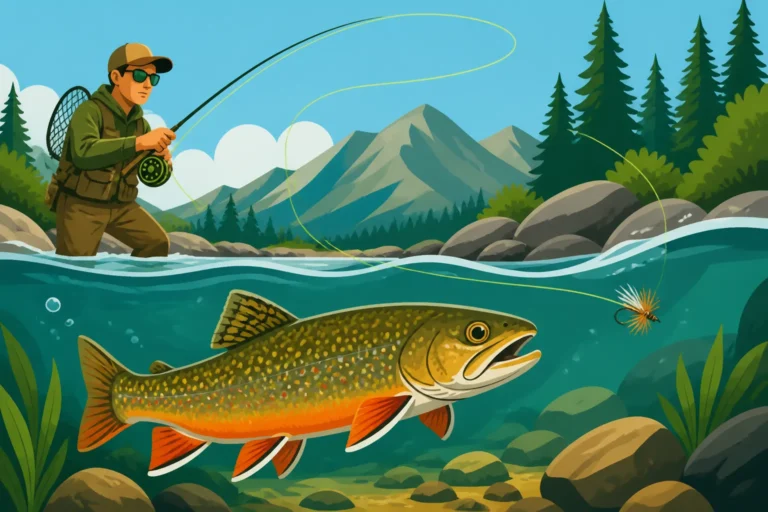
Fly fishing is often considered the purest and most effective method for golden trout in their native habitat, especially in the small, clear streams they frequent. Precision and stealth are your best friends.
- Approach with Caution: Golden trout are easily spooked. Approach the water slowly, keeping a low profile. If you can, cast from a kneeling position or from behind natural cover. Don't cast a long shadow over the water.
- Small Flies, Delicate Presentation: These fish are accustomed to feeding on tiny insects. Use small dry flies that mimic the local hatch, or even better, small terrestrials like ants or beetles that might fall into the water. Your casts should be soft and accurate, allowing the fly to land gently without disturbing the water. A long, thin leader (9-12 feet, 6x or 7x tippet) helps with this delicate presentation.
- Reading the Water: Look for holding lies behind rocks, in small pockets of slower water, or at the tailouts of small pools. Sometimes you'll spot them cruising just under the surface in lakes. The clearer the water, the more critical your ability to spot the fish before you cast.
- Upstream Dry Fly: For stream fishing, casting a dry fly upstream and letting it drift naturally back down to you is often deadly. Watch for the subtle sip or flash of gold.
- Nymphing in Deeper Pools: If dry flies aren't producing, switch to a small nymph under a strike indicator, or try a dry-dropper rig with a small dry fly supporting a tiny nymph below. This can be effective in deeper pools or faster runs. For more advanced tips, consider exploring California Fly Fishing Tips and Techniques.
Effective Spin Fishing Techniques
While fly fishing is popular, spin fishing can be equally effective, especially for those new to fly angling or in situations where casting a fly rod is difficult (e.g., brushy banks).
- Ultralight Setup is Key: As mentioned, a super light rod and reel with light line are crucial. Anything heavier will likely spook the fish and make casting small lures difficult.
- Tiny Lures, Subtle Retrieves: Small spinners (size 0 or 1) in gold, silver, or brass, or tiny spoons are excellent choices. Cast upstream or across current and retrieve just fast enough to get the lure spinning or wobbling naturally. Avoid fast, erratic retrieves, as these can seem unnatural in the clear water.
- Natural Baits (Where Allowed): In some areas, natural baits like small worms or salmon eggs might be permissible. Rig these with a tiny split shot a foot or two above a small hook (size 10-14), allowing for a natural drift. However, always check the California Fishing Regulations Explained for bait restrictions in your specific area, as many high-alpine waters are artificial lure/fly only to protect the fish.
- Stealth and Accuracy: Just like with fly fishing, your approach needs to be stealthy. Cast accurately to pockets and eddies where fish might be holding. Avoid excessive splashing or stomping on the bank. A long cast can also help you stay out of sight of the wary trout. For general trout tips, check out How to Fish for Trout in California.
Conservation and Responsible Angling
The magnificent golden trout, like many high-alpine species, are vulnerable. Their remote habitats are delicate ecosystems, and their slow growth rates mean overfishing or improper handling can have long-lasting impacts. Responsible angling isn't just a suggestion; it's a necessity to ensure these golden gems continue to grace California's high country for future generations.
The Importance of Catch and Release
For golden trout, catch and release is more than a practice; it's an ethical imperative. Many golden trout waters are managed for quality angling, and strict catch-and-release rules or very limited harvest regulations are often in place.
- Minimize Stress: Use barbless hooks, or crimp down the barbs on your hooks. This makes hook removal quicker and causes less damage to the fish's mouth.
- Gentle Handling: When you land a golden trout, handle it as little as possible. Keep the fish in the water while removing the hook. If you must take it out for a quick photo, wet your hands thoroughly first. Dry hands can remove the protective slime layer from the fish, leaving it vulnerable to disease.
- Revive Before Release: Hold the fish gently facing into the current until it regains its strength and swims away on its own. Never just toss a tired fish back into the water. The goal is for every released fish to survive and thrive. This ethos is foundational to enjoying these precious waters responsibly. You can learn more about specific guidelines in California Catch-and-Release Rules.
Understanding Regulations and Permits
Navigating the rules and regulations is a crucial part of any fishing trip in California, especially when venturing into wilderness areas. Golden trout often live in particularly sensitive areas that have specific, sometimes unique, regulations.
- California Fishing License: First and foremost, you need a valid California fishing license. Whether it's a resident, non-resident, annual, or short-term license, make sure it's current. You can often purchase these online through the CDFW website or from licensed vendors.
- Wilderness Permits: Many areas where golden trout thrive, especially within designated wilderness areas like the Golden Trout Wilderness or John Muir Wilderness, require a wilderness permit for overnight stays. Some popular trailheads also have quotas, so advance reservations are often necessary. Check with the U.S. Forest Service or National Park Service for the specific wilderness area you plan to visit.
- Special Regulations: Always, always check the current California Trout Limits and Regulations booklet or the CDFW website for the specific lake or stream you intend to fish. Many high-alpine lakes and streams have special regulations that can include:
- Zero bag limit: All fish must be released.
- Artificial lures/flies only: No bait allowed.
- Barbless hooks required.
- Specific season dates: Some high-elevation waters have shorter seasons due to snowpack or spawning cycles.
- Report Cards: While not typically for golden trout directly, if you're fishing for other species in the same trip (like Salmon or Steelhead on the way to or from the Sierra), you might need a specific California Fishing Report Cards Explained. Always carry the physical copy of your license and any permits. Being prepared means not only a successful trip but also protecting the resource.
Fishing for golden trout in California is an experience unlike any other. It’s a journey into breathtaking wilderness, a test of skill, and a deep immersion in nature's purest forms. Prepare well, fish responsibly, and you'll be rewarded with memories, and perhaps a golden flash at the end of your line, that will last a lifetime. Happy trails and tight lines!
Disclaimer
The information provided in this guide is for general informational purposes only and does not constitute legal or professional advice. Fishing regulations in California are subject to change by the California Department of Fish and Wildlife (CDFW) and other governing bodies. It is the angler's sole responsibility to consult the most current official regulations and obtain all necessary licenses and permits before engaging in any fishing activities. Always prioritize safety and environmental stewardship.