Best Baits and Lures for California Sheephead in California
If you've ever tried to target California sheephead, you know they can be incredibly frustrating. One moment they're nowhere to be found, the next they're slamming your bait, but often with a light, picky bite that can leave you wondering what you're doing wrong. These feisty, colorful fish, with their distinctive protruding teeth and powerful jaws, are a true prize for any angler, but enticing them consistently requires a deep understanding of what makes them tick. This comprehensive guide will unravel the mysteries of sheephead preferences, detailing the best natural baits and artificial lures to get these clever fish on your line, along with essential rigging and presentation tips to maximize your success.
Understanding California Sheephead Behavior and Diet
Before we even talk about specific baits and lures, it's crucial to understand the California sheephead. They aren't your average indiscriminate eaters; they're specialist feeders with very particular tastes. Knowing their natural habits and where they like to hang out will give you a significant advantage in choosing the right offerings.
Their Natural Foraging Habits
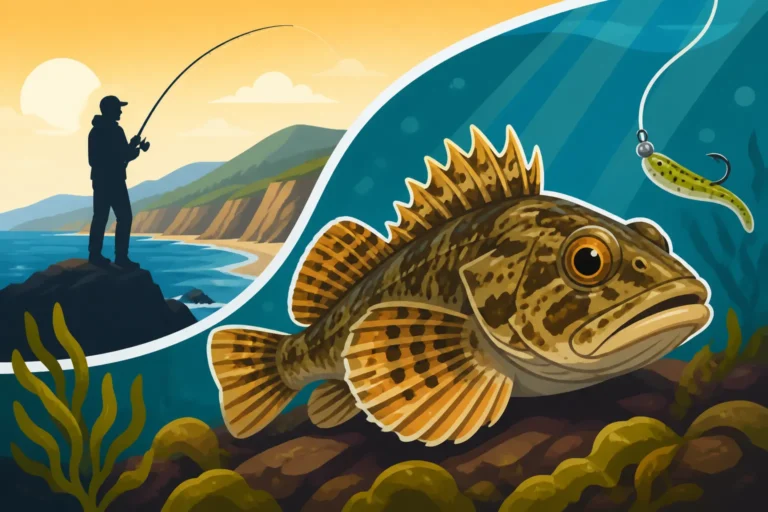
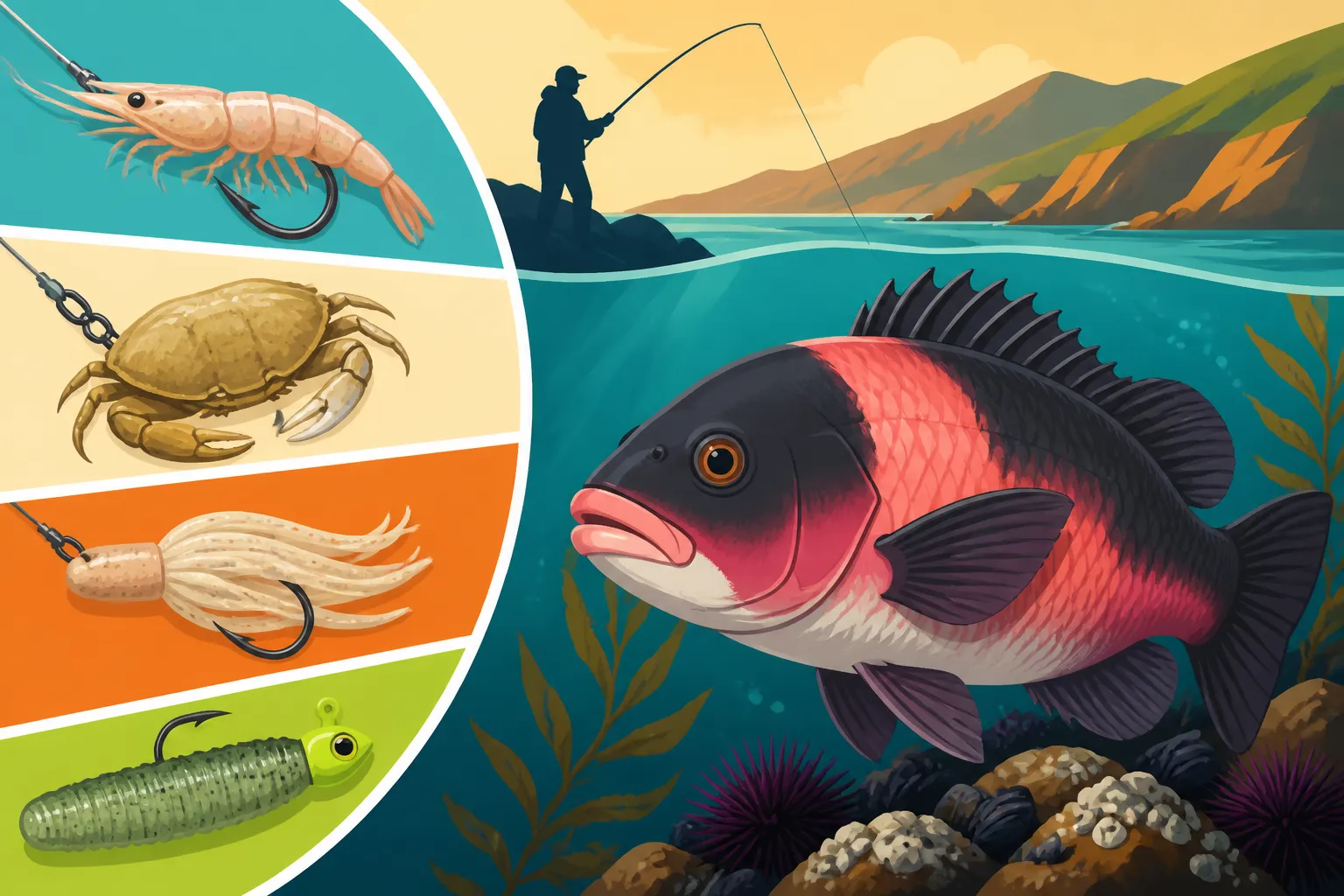
California sheephead (Semicossyphus pulcher) are primarily carnivorous bottom-feeders, and their diet consists almost entirely of invertebrates. Think crabs, shrimp, lobsters, sea urchins, mussels, and clams. They have these incredibly powerful, dog-like teeth at the front of their jaws, perfect for crushing the shells of their prey. This means that whatever you present to them, whether natural or artificial, needs to mimic these creatures effectively. They're not chasing down fast-moving baitfish in open water; they're rooting around structure, picking off hard-shelled snacks. This tells us that scent, texture, and a natural, slow presentation are often more critical than flashy movements.
Seasonal and Habitat Preferences
Sheephead are structure junkies. You'll almost always find them inhabiting rocky reefs, kelp forests, submarine canyons, and around man-made structures like jetties, breakwaters, and piers. They thrive in areas with abundant cover where their prey also lives. Juveniles often hang out in kelp beds, while the larger adults tend to be deeper, around rocky ledges and pinnacles. Their activity levels can vary with water temperature and breeding cycles. In warmer months, they tend to be more active and can be found in shallower waters, making them accessible to divers and shore anglers. During colder periods, they might move to deeper, more stable environments. This is a critical factor when considering how to approach your fishing strategy and which specific spots might be productive. For a general overview of where these fish like to hang out, check out our guide on the Best Saltwater Fishing Spots in California.
Top Natural Baits for California Sheephead
When it comes to sheephead, natural baits often hold the undeniable edge. Nothing quite beats the scent and texture of their preferred food items.
Live Shrimp and Crab
Hands down, live shrimp and crab are often the gold standard for catching California sheephead. These are staples in a sheephead's natural diet, and they rarely pass up a well-presented live offering.
- Ghost Shrimp: These are incredibly effective, particularly when fishing from shore, piers, or in bays. Their soft shells and natural scent are irresistible. They're a bit fragile, so careful hooking is key. Threading them on a hook through the tail, ensuring the hook point is exposed, is usually the best approach.
- Market Shrimp/Peeled Shrimp: While live is best, fresh peeled market shrimp can be a fantastic alternative. The key here is freshness. Avoid frozen, pre-cooked shrimp meant for cocktails. Go to your local fish market and ask for raw, unpeeled shrimp. Peel it yourself just before use for maximum scent. Cut larger shrimp into smaller, bite-sized pieces appropriate for the hook size.
- Sand Crabs: Found burrowing in sandy beaches, sand crabs are another natural prey item, especially for sheephead patrolling sandy fringes near rocky areas. They're tougher than ghost shrimp and stay on the hook better. Look for soft-shelled crabs, as these are easier for sheephead to crush and are a natural target.
- Small Rock Crabs: If you can find small rock crabs (like those often found under rocks at low tide), they are phenomenal bait. Their hard shells mean you'll need a stout hook to penetrate, and sheephead will crush them with ease. Hook them through the back of the shell, making sure the hook point is exposed and doesn't impede their natural movement too much if presented live.
The beauty of using live or fresh natural bait is the potent scent trail they leave, which draws sheephead out of hiding.
Mussels, Clams, and Urchins
These mollusk and echinoderm options are fantastic choices, especially when sheephead are feeding heavily on them in their specific environment.
- Mussels: Easy to collect from rocks at low tide, mussels are an excellent, readily available bait. Simply shuck them and present the soft meat on a small, sharp hook. The challenge is keeping them on the hook, as their flesh is very soft. Using a bait thread or a small, thin wire can help secure them. The strong natural scent of mussel meat is a huge attractant.
- Clams: Similar to mussels, clams offer a potent scent. Bay clams or Pismo clams, when shucked and cut into manageable pieces, are great. Again, securing them to the hook to withstand current and bites from smaller fish can be tricky.
- Sea Urchins: This is a particularly specialized but highly effective bait, especially if you know sheephead in the area are gorging on them. This usually involves crushing a small portion of an urchin to expose the inner meat, then baiting a small piece onto a hook. The vibrant color and natural scent are incredibly enticing. This method is often used by divers who hand-feed sheephead, but it can be adapted for rod and reel. Be careful when handling urchins, as their spines can be quite painful.
When using these softer baits, a steady hand and precise casting are necessary to ensure the bait reaches the bottom intact.
Cut Bait Options
While live and fresh shellfish are top contenders, certain cut baits can also be surprisingly effective, especially if you're out of other options or fishing in an area where sheephead are less picky.
- Squid: Always a reliable choice for many saltwater species, squid works for sheephead too. Cut fresh squid into small, strips or chunks. The tough texture helps it stay on the hook, and it emits a scent trail. While not as irresistible as a live crab, it's a solid backup. Many anglers will tip a jig with a piece of squid to add scent and bulk.
- Mackerel or Sardine Strips: Less common for sheephead, but if they're feeding opportunistically, a small, thin strip of oily mackerel or sardine can sometimes tempt them. These work best when the sheephead are actively feeding on baitfish near kelp or structure, though this is less typical for their primary diet. Keep the pieces small and natural-looking.
The key with any cut bait is moderation; don't use huge chunks. Sheephead have relatively small mouths despite their powerful jaws, and prefer a bait they can easily pick up and crush.
Effective Artificial Lures for California Sheephead
While natural baits often steal the show, don't discount artificial lures entirely. With the right presentation, they can be incredibly effective, especially when fishing active schools or when live bait is hard to come by. The bonus is that you don't have to constantly re-bait.
Jigs and Soft Plastics
This category offers some of the most versatile and productive artificial options for sheephead. The key is to mimic their natural prey in both appearance and action.
- Lead Head Jigs: A heavy lead head jig, tipped with a soft plastic or even a piece of squid, can be highly effective. The weight gets it down to the structure quickly. Popular colors include brown, green, red, and motor oil, mimicking crabs or shrimp. Look for jigs in the 1/2 to 2-ounce range, depending on depth and current. When fishing jigs, you want a slow, bouncing presentation right along the bottom, simulating a crab scuttling or a shrimp darting. Brands like Berkley Gulp! Saltwater series offer excellent options that incorporate scent into their soft plastics, giving you an added edge.
- Grub Tails and Curl-Tail Worms: These soft plastics, typically 2-4 inches long, are fantastic when rigged on a lead head jig. The tails provide a subtle, fluttering action that can imitate small crustaceans or even a distressed baitfish. Fishing these slowly along the bottom, bumping them off rocks and kelp, can trigger strikes. Experiment with colors that match local baitfish or shrimp.
- Creature Baits: Designed to imitate crabs, crawfish, or other invertebrates, creature baits are a natural fit for sheephead. Rigged on a Texas rig or a jig head, they can be dragged or hopped along the bottom. Their intricate appendages provide lifelike movement in the water. Again, earthy tones like browns, greens, and darker reds are usually best.
The trick with soft plastics is to give them a natural, slow presentation. Let them sit on the bottom, then gently lift and drop, or drag them slowly. This mimics a crab crawling or a shrimp foraging.
Carolina Rigs and Texas Rigs
These popular bass fishing rigs translate surprisingly well to sheephead when paired with the right soft plastics. Their design allows for a natural, weedless presentation, which is crucial when fishing around heavy cover.
- Carolina Rig: This rig places a sliding weight above a swivel, followed by a leader and then your hook with a soft plastic. This setup allows your bait to move freely and naturally, independent of the weight. It's excellent for dragging baits slowly across rocky bottoms, mimicking a foraging crab or shrimp. The leader length can vary, but 18-36 inches is a good starting point. This rig minimizes snags while still keeping the bait in the strike zone.
- Texas Rig: The Texas rig is designed to be weedless, making it perfect for punching through kelp or fishing directly in heavy rock piles where sheephead love to hide. A bullet-shaped weight slides directly onto your line, followed by a hook that's typically threaded into the soft plastic, with the hook point embedded in the body. This rig is fantastic with creature baits or plastic worms, allowing them to be retrieved through dense cover without getting hung up. For fishing in the super gnarly stuff, a Texas rig is a must-have, especially with a stout leader.
Both rigs excel at keeping your presentation close to the bottom and minimizing snags, which is vital when targeting structure-loving sheephead.
Hard Baits and Specialized Lures
While less common, certain hard baits can sometimes trigger a sheephead's predatory instinct, particularly when they are in an aggressive mood.
- Crab Imitations: Some companies produce hard plastic or soft plastic lures specifically designed to look and act like crabs. These can be effective if fished slowly along the bottom, mimicking a struggling crab. They often come pre-weighted and with realistic colors.
- Heavy Metal Jigs (Yo-Yo Jigs): In deeper water or when sheephead are schooling and active, a heavy metal jig dropped and retrieved with a "yo-yo" action can sometimes elicit a strike. This is more of an aggressive presentation, and while it might not be your primary sheephead technique, it can work, especially if you're also targeting other bottom fish like rockfish. For more on this, consider our guide on California Rockfish Regulations and Limits as techniques often overlap.
Remember, sheephead are usually not about speed. If you opt for an artificial, err on the side of slower, more deliberate presentations that keep your offering in the strike zone longer. You can often find a wide variety of these artificial baits and lures, from trusted brands to niche manufacturers, available on platforms like Amazon.
Rigging and Presentation Techniques
Getting your bait or lure in front of a sheephead isn't just about what you use, but how you present it. These fish can be notoriously finicky, so finesse and precision are key.
Bottom Fishing Rigs
Since sheephead are bottom dwellers, your rig needs to get your bait down efficiently and keep it there.
- Carolina Rig (Revisited): As mentioned, the Carolina rig is excellent. Use a torpedo or egg sinker (1/2 to 2 ounces, depending on depth and current) sliding freely on your main line, then a small barrel swivel, followed by an 18-36 inch fluorocarbon leader (20-40 lb test is common) and a strong, sharp hook. The longer leader allows the bait to drift naturally, enticing cautious sheephead.
- Drop Shot Rig: A fantastic finesse technique that keeps your bait suspended just above the bottom. Tie your hook directly to your main line, leaving a tag end of line below it. Tie a weight to this tag end. This keeps your bait dancing subtly in place, just out of the reach of pesky crabs, and right at eye level for sheephead peeking out of structure. This is especially effective in rocky areas or around kelp where you want to avoid snags on the bottom itself.
- Standard Bottom Rig: A simple dropper loop or paternoster rig with a sinker at the bottom and one or two snelled hooks above it can also work. This is a robust rig, especially useful if fishing from a boat in deeper water or with stronger currents. Ensure your hooks are tough enough to handle a sheephead's crushing bite.
When fishing any bottom rig, pay close attention to your line. Sheephead bites can be subtle at first, often feeling like a light tap or mushy weight before they commit.
Fishing Structure and Cover
Sheephead are masters of their rocky domain. To catch them, you need to invade their turf without getting hopelessly snagged.
- Targeting Kelp Beds: Kelp forests are sheephead havens. Fish the edges of the kelp and open pockets within it. Dropping a bait or lure down into a kelp stringer can be effective, but be prepared for snags and strong runs into the kelp. A stout fluorocarbon leader is essential here to resist abrasion. Learning how to navigate kelp effectively is a skill every California angler should develop.
- Rocky Reefs and Ledges: These are prime sheephead territory. Use your sonar to locate prominent rock piles, ledges, and crevices. Position your boat or cast your line to allow your bait to fall naturally into these areas. Often, the bigger sheephead will be tucked right into the tightest spots. Focus on pitching your bait into these tight zones and being ready for an immediate strike. Remember to be aware of California Marine Protected Areas Explained where fishing might be restricted.
- Piers and Jetties: These man-made structures provide excellent habitat. Cast close to pilings, rock jetties, and other underwater features. The sheephead will often cruise these structures looking for food. Pier fishing for sheephead can be incredibly rewarding, especially if you target pilings covered in mussels or barnacles. If you're new to fishing these structures, our guide on Fishing from a Pier in California: Rules can offer helpful insights.
Stealth and Patience
Sheephead can be surprisingly spooky, especially in shallower waters. Noise on a boat, heavy footsteps on a pier, or clumsy casting can send them scurrying.
- Quiet Approach: When fishing from a boat, minimize engine noise and avoid banging things around. If fishing from shore or a pier, try to be light-footed.
- Patience is a Virtue: Sheephead are not always instant biters. Sometimes they'll pick at a bait, nibble, or just mouth it before really committing. Resist the urge to set the hook at the first tap. Let them take the bait, feel the weight, and then set firmly. A common mistake is pulling the bait away too early. They are known for "testing" a bait.
- Multiple Drops: If you don't get a bite after a few minutes, reel up and drop your bait in a slightly different spot, even just a few feet away. Sometimes just moving it a little can trigger a strike from a hidden fish.
Essential Gear for Targeting Sheephead
Having the right tackle can make all the difference, not just in hooking a sheephead but in successfully landing it, especially when they dive for cover.
Rod, Reel, and Line Selection
Sheephead are strong, powerful fighters, and they live in abrasive environments. Your gear needs to be up to the task.
- Rods: You'll want a medium-heavy to heavy action rod, typically 7 to 8 feet long. This length provides good casting distance and leverage for pulling fish away from structure. A rod with a sensitive tip will help detect those subtle bites, while a strong backbone is crucial for muscling a stubborn sheephead. A conventional or spinning rod can work, but many prefer a conventional setup for bottom fishing due to its winching power.
- Reels: Pair your rod with a robust reel. A conventional reel like a Penn Fathom or a Daiwa Saltiga, or a sturdy spinning reel in the 5000-6000 size class, will give you the necessary drag and line capacity. Make sure the drag system is smooth and reliable, as sheephead can make powerful, short runs.
- Line: Braided line (30-50 lb test) is highly recommended as your main line due to its strength, thin diameter, and lack of stretch, which aids in bite detection. Always use a fluorocarbon leader (20-40 lb test) of at least 3-6 feet. Fluorocarbon is nearly invisible underwater and, critically, much more abrasion-resistant than mono or braid, which is vital when fishing around sharp rocks and kelp. The California Fishing License Guide is a good place to start to ensure you're compliant with all general regulations before you even consider gear.
Hook Types and Sizes
The unique mouth and teeth of a sheephead demand specific hook considerations.
- Strong, Sharp Hooks: This cannot be stressed enough. Sheephead have crushing power. Thin-wire hooks will straighten out or bend. Opt for heavy-duty, forged hooks.
- Circle Hooks: Many anglers prefer circle hooks (size 1/0 to 4/0, depending on bait size) for sheephead. They tend to hook the fish in the corner of the mouth, which is safer for the fish if you plan on releasing it, and helps prevent gut hooking. When a sheephead bites, simply let the line tighten and the circle hook will do its job as the fish swims away. Avoid aggressively setting the hook with circle hooks.
- J-Hooks: If using J-hooks (size 1/0 to 4/0), ensure they are stout and sharp. You'll need to set the hook firmly once you feel the fish commit. Offset hooks can also be effective.
- Gamakatsu and Owner are excellent brands known for their strong, sharp hooks that can withstand the abuse sheephead deliver.
| Bait/Lure Type | Pros | Cons | Optimal Conditions |
|---|---|---|---|
| Live Shrimp/Crab | Highly effective, natural scent/action | Fragile, expensive/hard to find, smaller fish bites | Anytime, especially picky fish, clear water |
| Mussels/Clams | Excellent scent, natural, often free to collect | Very soft, hard to keep on hook | When fish are feeding on mollusks, calmer water |
| Cut Squid | Readily available, stays on hook well, scent | Less natural action, less attractive than live bait | Backup option, when live bait isn't available |
| Jigs & Soft Plastics | Versatile, durable, mimics prey, active fishing | Requires skill in presentation, less natural scent | Active fish, good for covering ground, fishing structure |
| Creature Baits | Realistic look/action, good for heavy cover | Less effective if fish are finicky | Fishing heavy kelp/rock, active fish |
| Carolina/Texas Rigs | Weedless, natural presentation, bottom hugging | Can be slower to retrieve, less direct feel | Heavy structure, dense cover, precise targeting |
California Regulations and Conservation
As responsible anglers, we need to be mindful of the regulations in place to protect California's valuable marine resources. Sheephead populations are carefully managed, and understanding the rules is part of the sport.
Bag and Size Limits
California sheephead have specific bag and size limits that can change seasonally and by region. It's absolutely crucial to check the latest regulations from the California Department of Fish and Wildlife (CDFW) before you head out. Generally, there's a minimum size limit and a daily bag limit. Failing to adhere to these can result in hefty fines and penalties. These regulations are designed to ensure that enough fish survive to reproduce, maintaining healthy populations for future generations of anglers. Our resource on California Fishing Regulations Explained provides a broader context for all species.
Sustainable Fishing Practices
Beyond just following the law, embracing sustainable fishing practices helps ensure we all get to enjoy this amazing fishery for years to come.
- Barbless Hooks: Many anglers are now opting for barbless hooks, or crimping the barbs on their hooks, especially when practicing catch and release. This makes hook removal much easier and less damaging to the fish.
- Careful Handling: If you plan to release a sheephead, handle it as little as possible. Wet your hands before touching the fish to protect its slime coat. Support its body horizontally and release it quickly.
- Respecting Marine Protected Areas (MPAs): California has an extensive network of MPAs where fishing is restricted or prohibited. Always know if you are fishing in an MPA and understand the specific rules for that zone. Ignorance is no excuse when it comes to conservation. To learn more about these critical zones, check out our article on California Marine Protected Areas Explained.
- Report Card Requirements: For certain species, like white seabass, you might need a report card in addition to your fishing license. While not specifically for sheephead, staying informed about all report card requirements for species like the California Steelhead Report Card or California Sturgeon Report Card can prevent issues.
Catching California sheephead is a thrilling experience, and with the right baits, lures, and a bit of angler savvy, you'll be well on your way to success. Remember, these intelligent and strong fish demand respect and a thoughtful approach. Good luck out there, and tight lines!
Disclaimer
Please remember that fishing regulations, including bag and size limits, can change. Always consult the latest official California Department of Fish and Wildlife (CDFW) regulations before any fishing trip. This guide is for informational purposes only and should not be considered a substitute for official regulatory documents.