Best Baits and Lures for Chinook Salmon in California
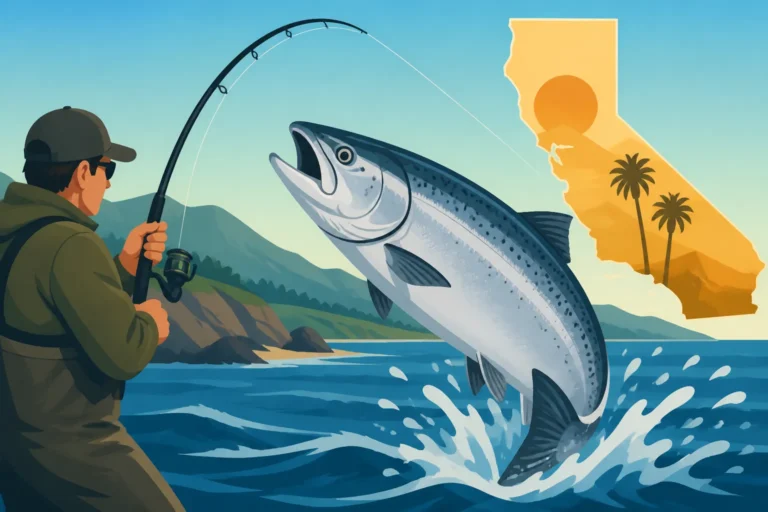
Oh, the elusive Chinook salmon! If you've spent any time on California's rivers or out on the ocean, you know the thrill and frustration that comes with targeting these magnificent fish. Getting a Chinook to bite can feel like cracking a secret code, and for good reason – their preferences can change with the tide, the river flow, and even the time of day. This guide is all about demystifying those preferences, diving deep into the best baits and lures that will give you a real edge in hooking one of these prized fish in California waters.
Understanding Chinook Salmon Habits and Preferences
Before we even talk about what to tie on your line, it's crucial to understand a bit about Chinook salmon, often called King salmon. These fish are fascinating creatures with a life cycle that dictates their feeding behavior. They hatch in freshwater, migrate to the ocean to feed and grow, and then return to their natal rivers to spawn. This journey means their diet and what attracts them changes dramatically.
The Anadromous Journey and Its Impact on Feeding
When Chinook salmon are in the ocean, they are actively feeding, bulking up for their epic return trip. Here, they're predators, chasing down baitfish and other marine organisms. Their aggressive nature offshore makes them susceptible to a wider range of lures and bait. Think of them as hungry teenagers, constantly looking for a meal.
Once they enter freshwater, however, things shift. Their primary goal becomes reproduction, and their digestive systems begin to shut down. They aren't "feeding" in the traditional sense, but rather striking out of instinct, aggression, or territoriality. This is where the term "biting" rather than "feeding" truly comes into play. They might strike at something out of annoyance, or a remnant instinct to grab a protein source, but they're not actively digesting large meals. This distinction is vital because it influences why certain baits and lures work in the river compared to the ocean. You're trying to trigger a reaction, not satisfy hunger.
Diet in Saltwater Versus Freshwater
In the vast Pacific, Chinook feast on a variety of forage. Their diet can include herring, anchovies, sardines, squid, and even smaller salmon species. This rich, oily diet is what gives their flesh that distinctive orange-red hue and incredible flavor. When you're out ocean fishing, replicating this natural prey is your best bet.
Once they hit the rivers, like the Sacramento River Fishing Guide or the Klamath, their metabolism slows down dramatically. They might "mouth" or "peck" at things, and sometimes, a piece of cured roe might get them to clamp down due to its familiar scent and soft texture, even if they aren't truly eating it. Often, they're reacting to bright colors, flashes, or vibrations that mimic a threat or an easy target. This is why understanding the specific stage of their journey and the water type you're fishing is paramount for choosing the right approach.
Best Baits for Chinook Salmon
When it comes to baits, Chinook salmon have a few clear favorites, especially when they're transitioning from ocean to river or are actively migrating. These baits capitalize on their natural instincts and strong sense of smell.
Cured Roe and Roe Clusters
Without a doubt, cured salmon roe is king for freshwater Chinook fishing. It's the most natural bait you can offer, tapping into their primal instincts. The scent of salmon eggs, especially from their own species, is incredibly attractive. The curing process hardens the eggs slightly, allowing them to stay on the hook better and release their scent slowly.
- Preparing Your Roe: You can buy pre-cured roe, but many dedicated anglers prefer to cure their own. Brands like Pautzke Bait Co. offer excellent borax-based curing agents that seal in the scent and color. The key is to get a good, firm cure that still allows the eggs to "milk" their scent into the water. Freshness is everything, so if you're lucky enough to catch a hen salmon, save that roe!
- Rigging Techniques: Roe is typically fished in small clusters, often tied into an "egg loop" knot or secured with an incredibly small, fine mesh netting called spawn netting. This keeps the eggs together. When drift fishing, you want just enough weight to bounce your roe presentation along the bottom without snagging. In faster currents, you might use a larger cluster, and in slower, clearer water, a smaller, more natural presentation is often better. For river fishing, a common setup involves a sliding sinker rig or a three-way swivel rig, allowing your roe to drift naturally with the current.
Cut Bait: Herring, Anchovies, and Sardines
In saltwater, cut bait is a powerhouse, especially for trolling or drifting. These oily baitfish are a natural part of a Chinook's ocean diet, and their scent trail can draw salmon in from a considerable distance.
- Herring: Green label or blue label herring are popular choices, indicating their size. Green label is smaller and often used for mooching or trolling smaller fish, while blue label is larger and great for bigger Kings. You'll want to buy them frozen, but make sure they're brined well to firm them up before use. A classic herring rig involves two single hooks, one through the nose and one further down the flank, creating a natural, spiraling action as it's trolled.
- Anchovies and Sardines: These smaller, oilier baitfish are also highly effective, particularly when fish are keyed in on smaller forage. Like herring, they're often trolled or used for mooching (a slow, vertical jigging technique). They can be fished whole, or sometimes in strips. For instance, when fishing in a place like Monterey Bay, slow-trolled anchovies can be absolutely deadly. You can find pre-packaged brine solutions, or make your own with salt and perhaps some scent attractants. A good quality bait is paramount, and you can often find decent options on platforms like Amazon if you're stocking up on non-perishables.
Live Bait Options
While less common for freshwater Chinook, live bait can be incredibly effective in certain saltwater situations, particularly for larger, more aggressive fish.
- Live Herring or Anchovies: When available, live bait can be irresistible. The erratic movements and vibrations of a live baitfish are hard for a predatory Chinook to ignore. This often involves catching your own bait with sabiki rigs before your main fishing trip. A popular method is to slow troll a live herring or anchovy, often with a large single hook or a treble hook placed strategically to allow for natural movement. The key is to keep the bait lively and present it naturally. This technique is often employed on sportfishing boats that specialize in targeting large migratory fish.
Effective Lures for Chinook Salmon
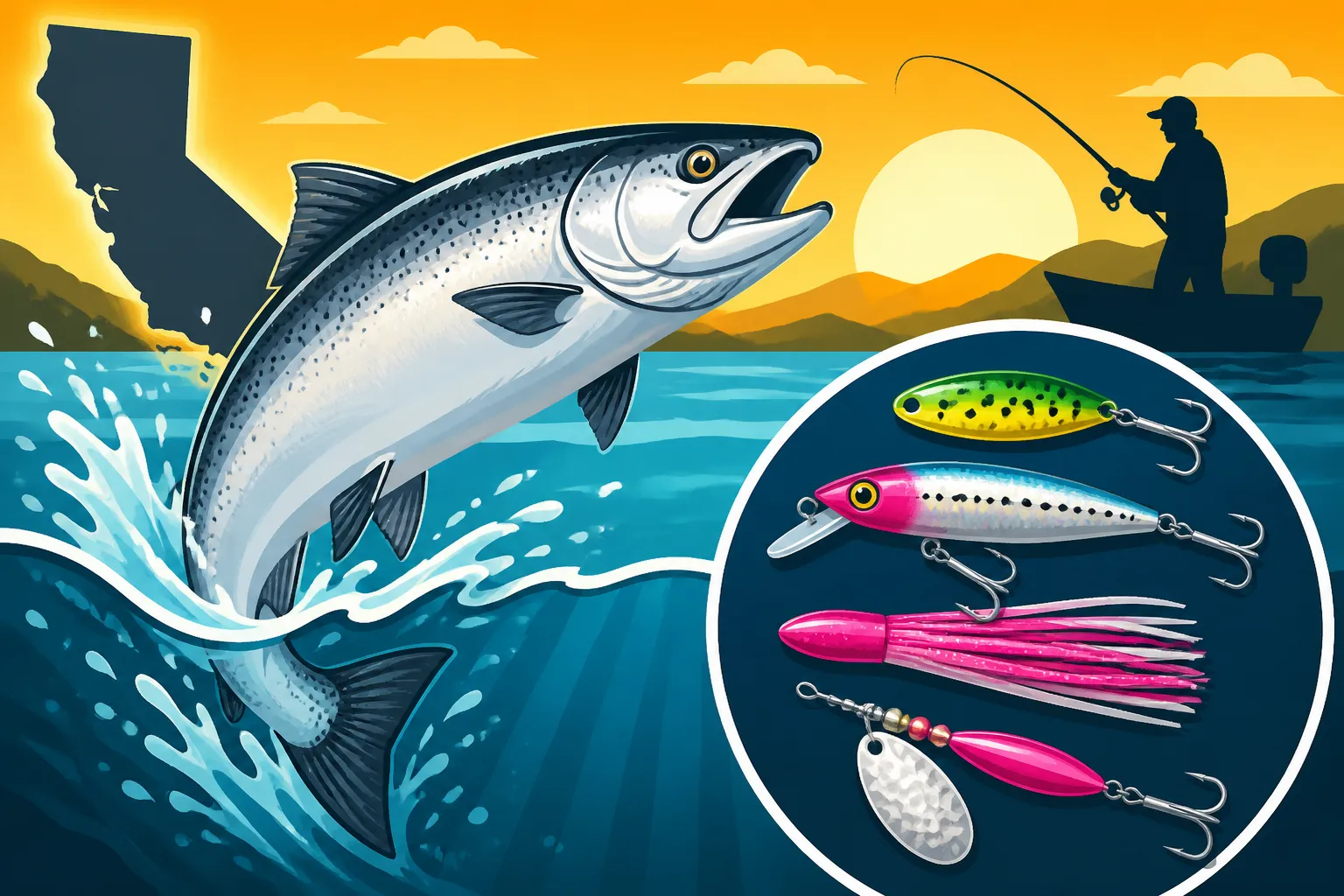
Lures are fantastic for covering water, mimicking injured baitfish, and triggering aggressive strikes from Chinook salmon, both in fresh and saltwater. The flash, vibration, and color often prove irresistible.
Spoons and Plugs
These are classic salmon getters, designed to imitate baitfish and offer an enticing swimming action.
- Spoons: Spoons wobble and flash, mimicking a wounded baitfish. They're incredibly versatile and come in a vast array of sizes, shapes, and colors.
- Common Types: Popular brands include Silver Horde, Luhr Jensen (like the 'Croc' spoon), and Needlefish. Colors like chrome, chartreuse, green, blue, and various combinations are effective. For ocean trolling, a spoon that has a good 'kick' and flash is essential. In rivers, smaller, more subtle spoons can be deadly when cast and retrieved, or even drifted.
- Rigging and Presentation: When trolling in the ocean, spoons are often fished behind a flasher or dodger (we'll get to those!). The flasher/dodger creates attraction and imparts action to the spoon. The length of your leader between the flasher and spoon is critical and often needs adjustment; a good starting point is 2-3 times the length of the flasher. For casting from shore or boat in rivers, simply cast upstream and retrieve, letting the spoon work its magic with the current.
- Plugs: Plugs, also known as diving or wobbling lures, are designed to dive to a specific depth and have a distinct swimming action.
- Common Types: The Kwikfish and FlatFish by Luhr Jensen are legendary Chinook plugs. Mag Lip plugs have also gained huge popularity. These plugs have a wide, aggressive wobble that can drive salmon crazy. Colors like metallic silver, chartreuse, red, and various 'tiger' patterns are highly effective.
- Rigging and Presentation: Plugs are fantastic for back-trolling in rivers, where the boat slowly moves downstream, allowing the plug to dive and work in the current. They can also be trolled in lakes or reservoirs where Chinook are present. Ensure your plug is running true and not fouled by debris. Some anglers add sardine wraps to their plugs for added scent attraction, which can be a game-changer when river fishing. You can often find a great selection of these on Amazon or at your local tackle shop.
Spinners and Jigs
These lures rely on rotation, vibration, and direct appeal to predatory instincts.
- Spinners: Spinners have a blade that rotates around a central shaft, creating flash and vibration that fish can feel and see.
- Common Types: Rooster Tail, Blue Fox, and Mepps are well-known spinner brands. Sizes vary, but for Chinook, you're often looking at larger blades (e.g., size 4-6). Colors can range from silver and gold to bright chartreuse and pink. Spinners are particularly effective for casting in rivers or retrieving from shore.
- Rigging and Presentation: A simple snap swivel helps prevent line twist, which is common with spinners. Cast across or slightly upstream, and retrieve just fast enough to get the blade spinning. In rivers, letting the spinner swing downstream with the current can also be very effective, allowing it to cover prime holding water.
- Jigs: Jigs are versatile lures that can imitate baitfish, squid, or other prey items. They're typically fished vertically or cast and retrieved with a jigging motion.
- Common Types: Metal jigs like those from Daiwa or Shimano, as well as lead head jigs tipped with plastic tails (grubs, swimbaits) are popular. Colors vary, but blues, greens, whites, and glow-in-the-dark options are good, especially for deeper water.
- Rigging and Presentation: Jigs are excellent for vertical jigging on the ocean when you've marked schools of bait or salmon underneath the boat. A sharp, erratic retrieve can trigger aggressive strikes. In rivers, heavy jigs can be bounced along the bottom in deep holes or slower currents. When drift fishing for salmon, sometimes a jig tipped with a piece of roe can be the perfect combination of visual and scent appeal.
Flasher and Dodger Combinations
These aren't lures in themselves, but they are crucial attractors, especially for ocean trolling, that enhance the effectiveness of your primary bait or lure.
- Flashers: Flashers are oblong, usually plastic or metallic plates that rotate in the water, creating significant flash and vibration. They don't have a distinct swimming action but "flash" light and send out sonic pulses that attract salmon.
- Common Types: Hot Spot and Pro-Troll are widely used brands. They come in various sizes and colors, often with reflective tape.
- How They Work: Your main bait or lure (often a spoon, hootchie, or cut bait) is tied on a leader behind the flasher. The flasher's rotation gives an erratic, darting action to the trailing lure, making it appear more alive and injured. The leader length here is critical; too short, and the lure won't have enough freedom; too long, and it might not get enough action from the flasher. Experimentation is key!
- Dodgers: Dodgers have a more pronounced side-to-side rocking action compared to flashers. They're designed to impart a specific "swinging" or "sweeping" motion to the trailing lure.
- Common Types: Luhr Jensen Dodgers are very popular. They are typically metal, come in various sizes, and have a distinct paddle-like shape.
- How They Work: Similar to flashers, dodgers are rigged in front of your lure. The dodger's unique action translates down the leader, making a hoochie or a small spoon dance enticingly. They are often favored in slower trolling speeds where their wider action can really shine.
Matching Bait and Lure to Conditions and Location
This is where the art of salmon fishing truly comes into play. What works wonders in the ocean might be useless in a river, and vice-versa.
River Fishing Tactics for Chinook
When fishing for Chinook in freshwater rivers, such as those that flow into San Francisco Bay, you're primarily targeting fish that are migrating and not actively feeding. The goal is to trigger a reaction strike.
- Drift Fishing with Roe: This is a quintessential river technique. You're using just enough weight (often a slinky weight or small lead split shot) to bounce your cured roe rig along the bottom, mimicking naturally dislodged eggs. The current does most of the work, presenting the bait right where salmon hold. This method is incredibly effective in places like the American River or the Feather River during salmon runs. Make sure your leader is fluorocarbon for invisibility, and your hooks are sharp.
- Casting Spinners and Plugs: In wider, slower sections of rivers, casting and retrieving spinners or small plugs can be very productive. Cast upstream and across, letting the lure swing through prime holding lies like seams, pools, and undercut banks. The flash and vibration can elicit aggressive strikes.
- Back Trolling Plugs: As mentioned earlier, back-trolling Kwikfish or FlatFish plugs from a boat can be highly effective in deeper river channels. The boat slowly maneuvers downstream, allowing the plugs to dive and wobble, covering a lot of water and presenting an irresistible target. This is a common strategy on major salmon rivers in California.
- Water Conditions: Clear water often calls for more subtle presentations and natural colors (e.g., natural-cured roe, chrome/blue lures). Murkier water might require brighter colors (chartreuse, orange) and stronger scents to stand out. Always check the California Freshwater Fishing Regulations before you head out, as rules for specific rivers can vary.
Ocean Fishing Strategies for Chinook
Out in the big blue, you're dealing with actively feeding fish. Covering water and presenting lifelike prey is key.
- Trolling with Flashers/Dodgers and Baits/Lures: This is the bread and butter of ocean salmon fishing. Using downriggers or divers to get your spread down to the desired depth, you'll typically run a flasher or dodger followed by a herring, anchovy, spoon, or hoochie (squid imitation). Different depths and speeds will trigger bites, so paying attention to your fish finder and what other boats are doing (if they're catching) is crucial.
- Mooching: A classic West Coast technique, mooching involves slowly drifting or moving the boat while presenting cut bait (often herring or anchovies) with a weight. You're not casting, but rather jigging the bait subtly or letting it sink and rise naturally. This is particularly effective when schools of baitfish or salmon are concentrated. The scent trail is a major draw.
- Live Bait Fishing: If you have access to live bait like herring or anchovies, slow trolling or drifting them can be highly effective. The natural movement is often superior to any lure.
- Offshore Structure: Pay attention to underwater structure, bait balls, and temperature breaks. These are often where Chinook will congregate. Fishing around kelp beds, which are vibrant ecosystems, can also be productive for salmon.
- Boat Type and Gear: Whether you're on a private boat or a California Party Boat Fishing Explained trip, having robust gear capable of handling strong ocean currents and powerful fish is essential. Check out reputable brands for tackle, and don't forget to grab any last-minute essentials on Amazon before you head out.
Table: Chinook Salmon Bait & Lure Guide by Location
| Location Type | Primary Goal | Recommended Baits | Recommended Lures | Key Techniques | Water Conditions Considerations |
|---|---|---|---|---|---|
| Ocean | Active Feeding | Cured Herring (whole/cut), Anchovies, Sardines, Squid | Spoons, Plugs (diving), Hoochies, Metal Jigs, Flies | Trolling (with flashers/dodgers), Mooching, Live Baiting | Depth (use downriggers), Temperature breaks, Bait balls |
| Rivers | Reaction Strikes | Cured Salmon Roe (clusters) | Plugs (Kwikfish, FlatFish, Mag Lip), Spinners, Spoons | Drift Fishing, Back Trolling, Casting & Retrieving | Current speed, Water clarity, Holding lies (pools, seams) |
Advanced Tips and Rigging for Success
Getting a Chinook to bite is one thing; landing it is another. Proper rigging and technique are essential.
Trolling Techniques in the Ocean
Ocean trolling for Chinook often involves a spread of multiple lines at different depths and with varied presentations.
- Leader Length and Test: For flashers/dodgers, your leader to the lure can range from 18 inches to 6 feet. This needs to be adjusted based on the specific flasher, lure, and desired action. Generally, lighter leaders (20-30 lb fluorocarbon) are preferred for less visibility, but be prepared for strong pulls.
- Trolling Speed: Chinook prefer a range of speeds, but generally 2-4 knots is a good starting point. Adjust your speed to get the best action out of your particular flasher/lure combination. Watch your rod tips for the characteristic "wiggle" indicating proper lure action.
- Downriggers and Divers: Downriggers allow you to precisely control the depth of your lure. Divers (like a Dipsy Diver or Pink Lady) are another way to get your lure down without heavy lead weights directly on the line. Understanding how to use these tools effectively will dramatically increase your success, particularly for targeting specific depth ranges. If you're new to the game, consider booking a California Offshore Fishing Techniques charter to learn from the pros.
Drift Fishing Strategies in Rivers
River drift fishing for Chinook is a nuanced art that requires reading the water.
- Reading the Water: Look for seams (where fast and slow water meet), current breaks behind boulders, deep pools, and undercut banks. These are prime holding areas for migrating salmon.
- Weight Selection: The goal is to use just enough weight to tick the bottom occasionally without constantly snagging. Slinky weights or pencil lead are often preferred over traditional sinkers because they're less prone to snagging.
- Line Management: Keep a semi-slack line to allow for a natural drift, but be ready to set the hook. Chinook bites can be subtle "taps" or aggressive "rips." A good quality fishing line, like braided main line with a fluorocarbon leader, helps with sensitivity.
- Stealth: In clear, low-flow conditions, stealth is crucial. Approach holes quietly, cast gently, and avoid heavy footsteps on the bank. These fish are easily spooked. Don't forget to review the specific regulations for California Salmon Regulations and Limits to ensure you're compliant.
Bank Fishing Specifics
For those without a boat, targeting Chinook from shore or piers can still be productive.
- Pier Fishing: While not common for large Chinook, some piers, especially those near river mouths or estuaries, can offer opportunities. Herring, anchovies, or large spoons can be cast. Remember that Fishing from a Pier in California: Rules usually means you don't need a license, but always double-check.
- River Banks: Look for accessible spots on rivers like the American River, Feather River, or even parts of the Sacramento River. Heavy casting spoons, spinners, or even drift fishing with roe can work from the bank if the access and current allow. Focus on deeper holes or confluence areas.
- Gear: You'll need a stout rod and reel capable of casting heavy lures and handling powerful fish. A longer rod (9-11 feet) can help with casting distance and line control.
Chinook salmon fishing in California is a rich and rewarding pursuit, full of excitement and sometimes, a little heartbreak. But by understanding their behavior and applying the right baits and lures for the conditions, you'll significantly increase your chances of landing one of these magnificent fish. Good luck out there, and tight lines!
Disclaimer
Fishing regulations can change frequently. Always consult the latest California Department of Fish and Wildlife (CDFW) regulations booklet or website before heading out. This guide provides general information and should not be considered a substitute for official regulations.