Best Baits and Lures for Steelhead in California
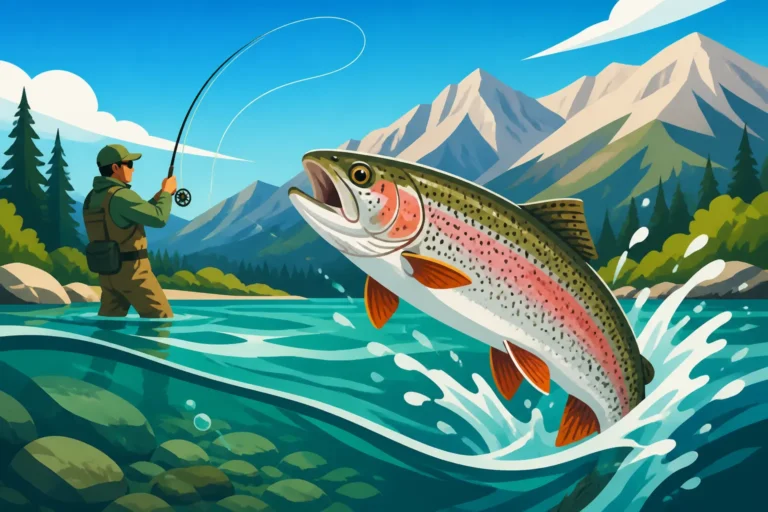
There are few things more frustrating for a dedicated angler than spending hours on the river, casting repeatedly, and coming up empty-handed when targeting the legendary California steelhead. These anadromous rainbow trout are notoriously finicky, making bait and lure selection a critical component of success. This guide will walk you through the most effective baits and lures, helping you understand why they work and how to present them to finally hook into one of these magnificent fish.
Understanding California Steelhead Behavior
Before we even talk about what to tie onto your line, it’s essential to grasp a bit about steelhead themselves. These are not your average hatchery trout; they're wild, powerful, and incredibly wary, having survived a perilous journey from the ocean back to their natal rivers to spawn. Their behavior directly influences what baits and lures will be most effective.
The Elusive Nature of Steelhead
Steelhead in California's rivers are often incredibly sensitive to pressure, water conditions, and even subtle changes in light. They've seen it all, and they've learned to avoid anything that looks unnatural or threatening. This inherent wariness is what makes them so challenging and, frankly, so rewarding to catch. They're often in a "holding" pattern, resting in deeper pools or behind structure, rather than actively feeding. This means your presentation needs to be impeccable, mimicking something natural that floats right into their strike zone without spooking them. Factors like water clarity, temperature, and river flow can dramatically alter their aggression and willingness to strike, so flexibility in your tackle box is key.
Where and When to Find Them
California's major steelhead runs typically occur during the cooler, wetter months, primarily from late fall through spring, though timing varies greatly by river system. Rivers like the Eel River, Klamath River, and Trinity River are legendary for their runs, while smaller coastal streams also host populations. Steelhead will move upstream from the ocean into freshwater to spawn, seeking out cooler, oxygenated water.
During their migration, they often hold in distinct areas:
- Deep Pools: These offer refuge from strong currents and a sense of security.
- Tailouts: The shallower, faster water at the end of a pool, often a staging area before moving upstream.
- Seams: The transition zones where fast water meets slow water, creating an ambush point.
- Behind Structure: Boulders, fallen trees (log jams), and undercut banks provide cover and current breaks.
Understanding these holding areas is crucial because it dictates where you need to present your bait or lure. For an in-depth look at optimal timing, check out our guide on the California Steelhead Season Dates Explained. Also, make sure you understand the specific requirements for reporting your catch by reviewing the California Steelhead Report Card guide.
Top Baits for California Steelhead
When steelhead are in the river, they're not actively feeding in the same way they would be on krill and baitfish in the ocean. Instead, they're often triggered by instinct, territoriality, or the appeal of an easy, nutrient-rich meal. Natural baits, especially those related to their spawning environment, are incredibly effective.
Natural Baits for Steelhead Success
Nothing quite beats the natural appeal of a well-presented bait. The scent, texture, and appearance can be irresistible to even the most reluctant steelhead.
Cured Roe (Salmon or Steelhead Eggs)
Without a doubt, roe is one of the most consistently effective baits for steelhead. Why? Because it's a natural part of their river environment, especially during spawning season. Other fish, including steelhead, are opportunistic and will instinctively feed on eggs.
- Skein Roe: This is roe still in its membrane, cut into small, dime to quarter-sized pieces. It offers a larger profile and disperses scent effectively. Many anglers cure their own skein with borax-based recipes, which enhances color and toughness. You can often find pre-cured skein or curing agents on Amazon.
- Single Eggs: These are individual eggs, often used in "drift fishing" setups. They are fantastic for clear water or highly pressured fish due to their subtle presentation. They can be fished in an "egg sack" (a small piece of netting holding several eggs) or as individual pegged eggs.
- Presentation: Roe is best fished by drift fishing, allowing it to tumble naturally along the bottom with the current. A light lead weight (pencil lead or split shot) above a small, sharp hook (size 8-12) is typical. The goal is to get it to bounce along the bottom without dragging.
Worms and Grubs
While not as universally celebrated as roe, garden worms, particularly the larger nightcrawlers, can be surprisingly effective, especially in dirtier water or after a rain event. Their natural scent and movement can trigger a strike. Smaller red worms or even mealworms can also work in specific situations.
- Rigging: Worms can be threaded onto a hook or simply hooked through one end, allowing them to wriggle freely. Again, a drift fishing presentation is usually best, mimicking a worm washed out from the bank.
- Situational Use: They shine when water levels are slightly elevated or cloudy, as the steelhead might be more accustomed to seeing invertebrates dislodged by currents.
Shrimp
Believe it or not, small pieces of cocktail shrimp or even ghost shrimp can be incredibly effective, particularly in estuaries or lower river sections where steelhead are transitioning from saltwater to freshwater. The scent is powerful and familiar to them from their time in the ocean.
- Preparation: Peel the shrimp and cut it into small, bite-sized pieces.
- Fishing Method: Drift it just like you would roe, on a light leader and small hook. The key is to make it look like an easy meal flowing downstream.
Scented Baits and Their Advantages
Sometimes, natural bait isn't available, or you need something that lasts longer on the hook or provides an even more potent scent trail. This is where artificial scented baits come into play.
PowerBait and Scented Dough
Products like Berkley PowerBait PowerEggs or PowerBait Dough are engineered to mimic fish eggs in both appearance and scent. They come in a dazzling array of colors and scents, often fortified with fish-attracting formulas.
- Benefits: They are durable, easy to use, and float, which can be advantageous in certain drift scenarios or when targeting fish holding just off the bottom. The strong scent can draw in fish from a distance.
- Colors: Experiment with colors. Chartreuse, pink, orange, and natural egg colors are popular choices. Water clarity often dictates the best color; brighter colors for murky water, more natural hues for clear conditions.
- Rigging: Typically, you'll mold the dough around a small treble or single hook, or use the pre-formed PowerEggs on a small bait hook. Ensure the hook point is exposed.
Scent Enhancers and Attractants
Even when using natural baits or unscented lures, adding a dab or spray of a fish attractant can make a huge difference. Brands like Pro-Cure, Pautzke, and Atlas Mike's offer a variety of scents (e.g., anise, shrimp, sardine, garlic, krill, steelhead egg). These can mask human scent, add an appealing odor trail, and encourage a fish to hold onto the bait longer.
- Application: Apply directly to your bait or lure. For soft plastics, you can soak them. For hard lures, reapply frequently.
- Choosing a Scent: Many anglers swear by a specific scent for steelhead, often matching the predominant food source in the area or a general "fishy" attractant. It’s worth experimenting, and you can stock up on a few different options via Amazon to see what works best on your local river.
Essential Lures for California Steelhead
While baits are fantastic, lures offer action, flash, and vibration that can trigger aggressive, reactionary strikes from steelhead, especially when they're a bit more active or in faster water.
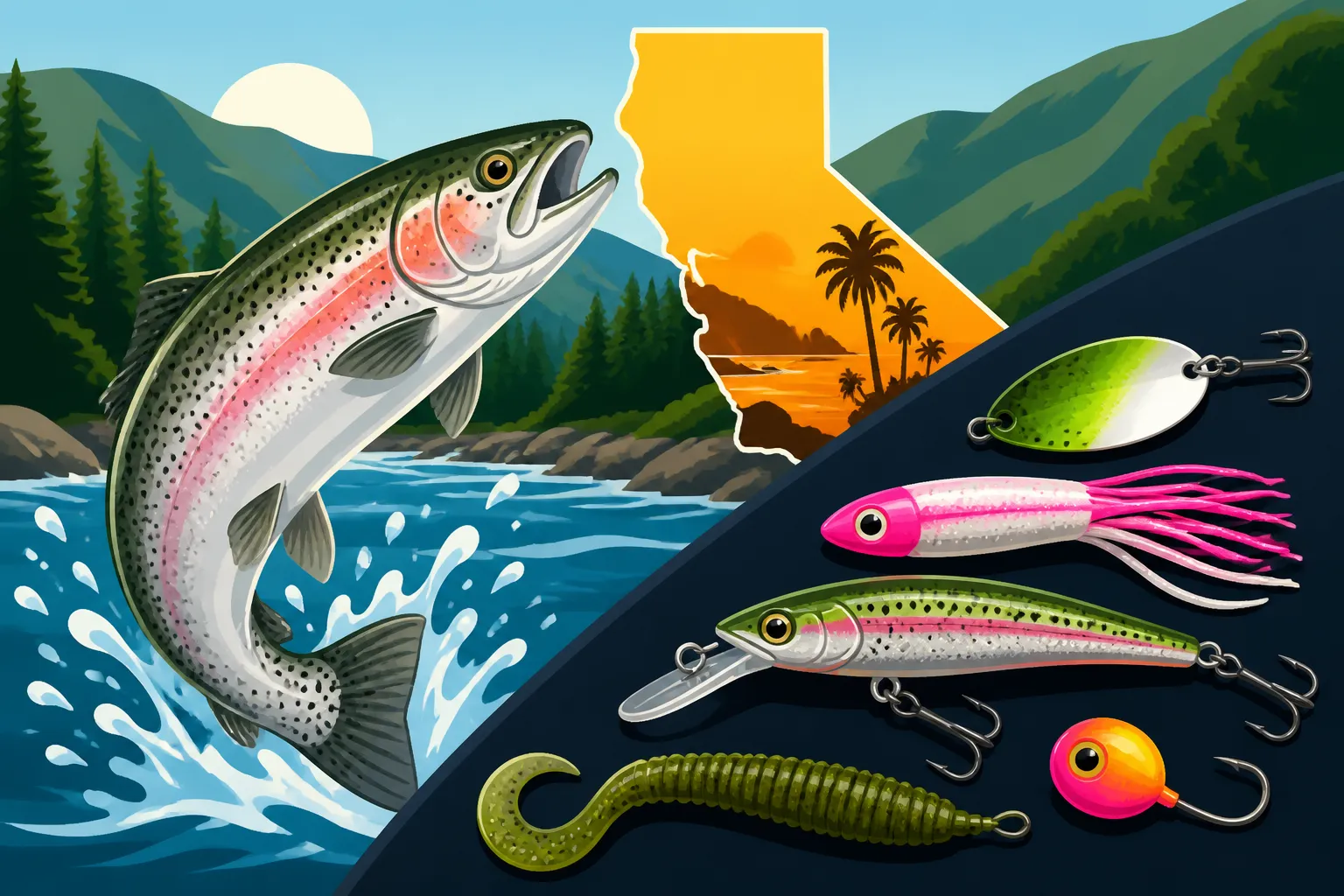
Spinners and Spoons That Entice
These are classic steelhead lures for a reason. Their flash and vibration mimic injured baitfish or other aquatic creatures, drawing attention from a distance.
Inline Spinners
Spinners like those from Mepps, Blue Fox, and Panther Martin are incredibly popular and effective. The rotating blade creates flash and vibration that steelhead find hard to ignore.
- Key Features: Look for bright, contrasting colors (e.g., silver blade with a red or orange body, black blade with yellow dots). Blade size is important; smaller blades (sizes 1-3) for clear, lower water, and larger blades (sizes 3-5) for higher, murkier water.
- Retrieval: Cast upstream and slightly across, allowing the spinner to sink as it drifts downstream. Begin a slow, steady retrieve just fast enough to get the blade spinning. The goal is to present it naturally through likely holding water.
- Brands: Blue Fox Vibrax, Mepps Aglia, and Panther Martin Classic are consistent producers. You can find a wide range of these and other quality spinners on Amazon.
Casting Spoons
Spoons wobble and flash as they fall and retrieve, imitating a wounded baitfish. They cast a long distance and sink well, making them suitable for covering large pools.
- Popular Choices: Kastmaster spoons are a favorite, as are Little Cleo and Daredevle. Colors like silver, gold, copper, and those with contrasting stripes (e.g., silver/blue, gold/red) are excellent.
- Technique: Cast across or slightly upstream into a pool, let it sink for a few seconds (depending on water depth), and retrieve with a slow, erratic motion, incorporating pauses and twitches. The flutter on the fall can be just as important as the retrieve.
Jigs and Soft Plastics for Finesse
When steelhead are finicky, pressured, or in clearer water, jigs and soft plastics often outperform more aggressive lures. They offer a more subtle presentation that can still elicit a strike.
Marabou Jigs
These feathered jigs have a lifelike pulsing action in the water, even with minimal movement. They sink slowly and enticingly, mimicking an insect, sculpin, or even a small cluster of eggs.
- Colors: Pink, orange, white, black, purple, and various two-tone combinations are all popular. Again, match color to water clarity and prevailing conditions.
- Rigging and Presentation: Marabou jigs are almost exclusively fished under a float (bobber) or by drift fishing. The float allows you to suspend the jig at a precise depth and drift it naturally through runs and pools. Small jigs (1/8 to 1/4 ounce) are most common. This is a highly effective method for targeting these elusive fish, often referred to as "How to Fly Fish for Steelhead in California" though traditional gear also works with jigs.
Soft Plastic Worms and Eggs
Imitations of roe or small worms, made from soft plastic, can be surprisingly effective. These often come pre-scented or can be enhanced with external attractants.
- Types: Soft plastic egg clusters (e.g., Pautzke Fire Balls), small plastic worms (e.g., Berkley Gulp! Worms), or even small grub tails.
- Fishing Method: These are typically fished under a float or drifted along the bottom with light weight, just like natural bait. The soft texture and natural movement in the current can convince a wary steelhead to strike.
Plugs and Wobblers for Aggressive Takes
For steelhead that are aggressive or when you want to cover larger, faster sections of river, diving plugs and wobblers can be deadly.
Diving Plugs
Plugs are designed to dive and create a wide, aggressive wobble. They excel at holding depth in current and triggering strikes from territorial or actively moving fish.
- Popular Options: Brad's KillerFish, Hot Shots, Kwikfish, and Flatfish are iconic steelhead plugs.
- Colors: Bright, contrasting colors are often best: chartreuse, orange, metallic silver, red/white, or even "firetiger" patterns.
- Technique: Plugs are often "back-trolled" from a boat, allowing the current to work the lure downstream into holding lies. From shore, they can be cast across currents and allowed to swing downstream while maintaining a slow retrieve, keeping the plug diving and wobbling. This aggressive action can provoke a strong, reactionary bite.
Tying It All Together: Presentation is Key
Having the right bait or lure is only half the battle. How you present it is often the deciding factor in whether a steelhead strikes or spooks.
Matching the Hatch and Water Conditions
This isn't just for fly fishing anymore! Even with conventional gear, understanding what the fish are likely seeing or reacting to in the water is critical.
- Water Clarity:
- Clear Water: Opt for smaller, more natural-looking baits and lures. Light leaders (6-8 lb fluorocarbon) are essential. Subtle colors like natural egg, clear/sparkle jigs, or duller metallic spinners.
- Stained/Murky Water: Brighter, larger baits and lures with strong scent or vibration are best. Fluorescent colors (chartreuse, hot pink, orange) stand out. Heavier line is generally acceptable.
- Water Temperature: Colder water often means less active fish, requiring slower presentations and natural baits. Warmer water can mean more aggressive fish, where lures with more action might shine.
- Flow: Higher, faster flows might require heavier weights or plugs that can hold depth. Lower, slower flows demand lighter tackle and more finesse presentations.
Fishing Strategies for Different Water Types
Your approach needs to adapt to the specific type of water you're fishing.
Drift Fishing in Runs and Riffles
This is perhaps the most common and effective technique for steelhead. It involves using just enough weight to bounce your bait or jig along the bottom, mimicking a natural offering carried by the current.
- Setup: A small, sharp hook (size 8-12) tied to a fluorocarbon leader (2-4 feet long), attached to a swivel, then your main line. Above the swivel, use pencil lead or an appropriate amount of split shot.
- Execution: Cast upstream and across, letting your bait or lure tumble naturally. Keep your rod tip high and watch your line for any hesitation or subtle take. You want it to drift freely, without snagging too often or swinging unnaturally. Many anglers employ this method in places like the Trinity River Fishing Guide and the Klamath River Fishing Guide.
Float Fishing (Bobber Dogging)
This technique is incredibly popular, especially with jigs or egg imitations. A float (bobber) is used to suspend your bait or lure at a precise depth, drifting it through prime holding water.
- Advantages: It provides excellent bite detection, keeps your bait off the snag-prone bottom, and offers a natural, uninhibited drift.
- Technique: Set your float stop so the bait is suspended just above the bottom. Cast upstream and let the float drift naturally downstream, mending your line to avoid drag. When the float dips, stops, or moves unnaturally, set the hook! This technique is especially useful in the Best Fishing in Northern California rivers.
Casting and Retrieving in Pools and Tailouts
When using spinners, spoons, or even plugs, active casting and retrieving are your main tactics.
- Fan Casting: Cast in a fan pattern to cover all potential holding lies within a pool.
- Vary Retrieval: Experiment with retrieval speed, incorporating pauses, twitches, and changes in direction to find what triggers a strike. Sometimes a fast retrieve works, other times a slow crawl is key.
- Focus on Structure: Cast around boulders, submerged logs, and undercut banks where steelhead are likely to hold.
| Bait/Lure Type | Best Conditions | Pros | Cons | Common Species Target |
|---|---|---|---|---|
| Cured Roe | All conditions, especially spawning | Natural scent, high appeal, versatile | Can be fragile, messy to prepare, regulated | Steelhead, Salmon |
| PowerBait/Scented Dough | Clear to murky, float fishing | Durable, strong scent, vibrant colors, floats | Less natural movement, may not appeal to all fish | Steelhead, Trout |
| Inline Spinners | Moderate to fast current, active fish | Flash & vibration, covers water quickly, durable | Can be ignored by wary fish, needs specific retrieve | Steelhead, Trout, Bass |
| Casting Spoons | Deep pools, strong current | Long casting, deep diving, aggressive action | Less subtle, can snag in rocky bottoms | Steelhead, Salmon, Bass |
| Marabou Jigs | Clear to stained, finesse situations | Pulsing action, subtle, effective under floats | Requires delicate presentation, light current best | Steelhead, Trout |
| Diving Plugs | Fast water, aggressive fish, trolling | Strong wobble, holds depth, provokes territorial strikes | Can be expensive, limited casting range, specific uses | Steelhead, Salmon |
Remember, steelhead fishing is often a game of patience, persistence, and adaptation. What worked yesterday might not work today, and what works in one river might be ignored in another. Always check the current California Freshwater Fishing Regulations and specific river rules before you go, as regulations can vary and are often very specific for steelhead to protect these valuable populations. Good luck, and tight lines!
Disclaimer
Fishing involves inherent risks, and conditions can change rapidly. Always prioritize your safety, be aware of your surroundings, and respect local regulations. This guide provides general information and should not be taken as professional advice.