California Steelhead Fishing Guide
Oh, the elusive steelhead! If you've ever found yourself standing on a frosty riverbank in California, wondering where these magnificent fish hide, or perhaps feeling frustrated by inconsistent results, you're definitely not alone. Steelhead fishing in our Golden State is a unique challenge, often shrouded in a bit of mystery and demanding a deep understanding of both the fish and their ever-changing environment. This comprehensive guide is here to demystify California steelhead fishing, equipping you with the knowledge, techniques, and regulations you need to increase your chances of success and truly appreciate this incredible pursuit.
Understanding California Steelhead
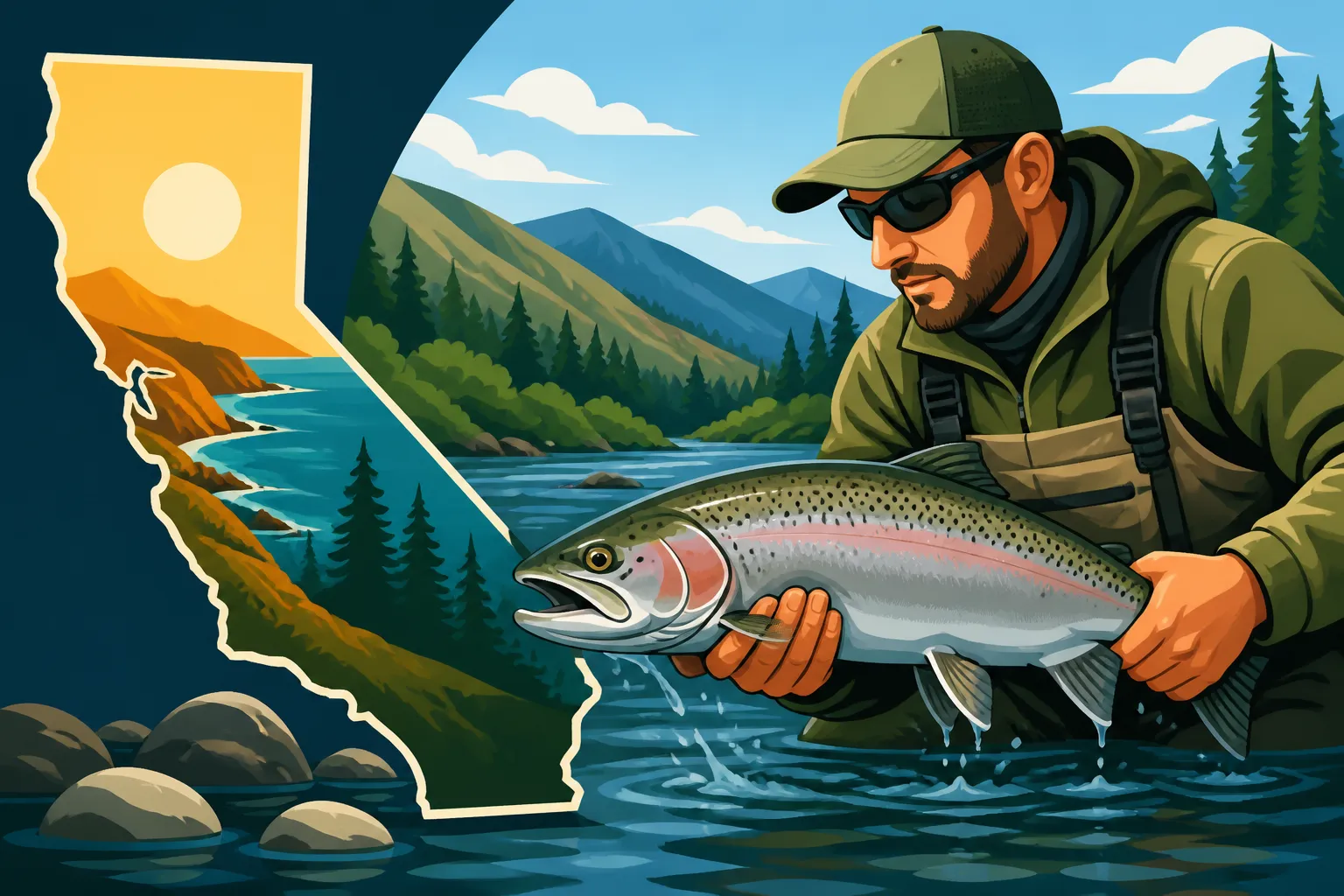
Steelhead are a fascinating and iconic species in California, representing the anadromous form of rainbow trout. This means they are born in freshwater rivers, migrate to the ocean to grow large, and then return to their natal streams to spawn. This incredible journey makes them powerful fighters and highly sought-after game fish, but also incredibly vulnerable to environmental changes and fishing pressure.
What Makes California Steelhead Unique?
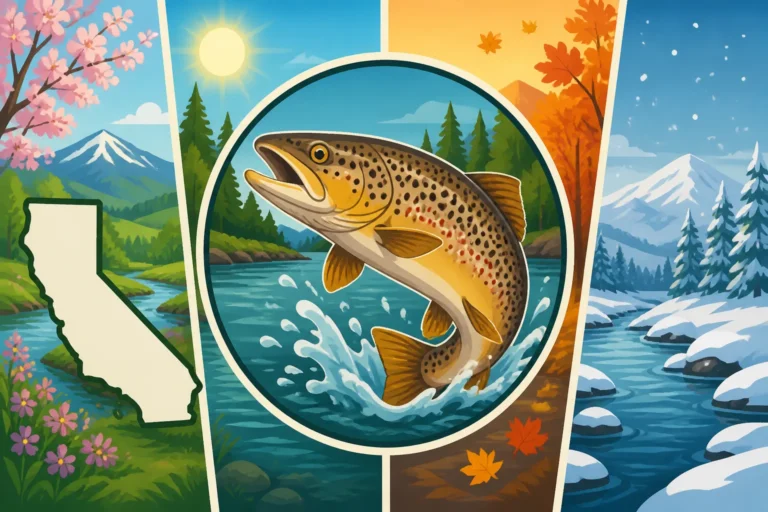
California's steelhead populations are primarily composed of two distinct runs: winter steelhead and summer steelhead. Winter steelhead are by far the most common and are what most anglers pursue. These fish typically enter freshwater streams from late fall through spring, often coinciding with significant rain events that raise river levels and open up access from the ocean. They arrive mature or nearly mature and typically spawn soon after entering the river system. Their fight is legendary – powerful, acrobatic, and relentless, making them a true trophy for any angler.
Summer steelhead, on the other hand, are much rarer in California and primarily found in certain northern rivers like the Klamath and Trinity. These fish enter rivers in the summer and fall, holding in deep pools for many months before spawning the following spring. They are often smaller than their winter counterparts but equally challenging to catch, requiring different tactics due to lower, clearer water conditions. Regardless of the run, California steelhead are celebrated for their beauty, strength, and the wild environments they inhabit, making their pursuit a deeply rewarding experience.
Life Cycle and Migration Patterns
The life cycle of a California steelhead is nothing short of incredible, a testament to nature's resilience. It begins with eggs laid in gravel nests, called redds, in clean, cold freshwater rivers. Once hatched, the juvenile steelhead, known as fry, spend one to three years in their freshwater homes, feeding on insects and growing. As they mature, they undergo a physiological change called smoltification, adapting their bodies for saltwater. This transformation marks their downstream migration to the Pacific Ocean.
In the ocean, steelhead grow rapidly, feeding on crustaceans and baitfish, sometimes for several years. The exact duration varies, but a longer ocean stay typically means a larger fish. When they reach sexual maturity, an innate drive pulls them back to the very same river systems where they were born to spawn, completing an arduous upstream journey. This migration is often triggered by changes in water temperature, river flows, and lunar cycles. Understanding these California Steelhead Run Timing factors is paramount, as it directly influences when and where you'll encounter them. The cycle is precarious, with many fish falling prey to predators, disease, or natural obstacles, highlighting the importance of every successful spawning event for the health of the population.
Key Steelhead Rivers and Seasons
California is blessed with a diverse range of rivers and streams that host steelhead, though the health and accessibility of these runs can vary dramatically by region and year. From the rain-fed rivers of the North Coast to the more ephemeral streams of the Central Coast, each system offers a unique steelhead fishing experience.
Northern California Hotspots
Northern California is widely considered the heartland of steelhead fishing in the state, boasting the most robust and consistent runs. Rivers like the Trinity River Fishing Guide, Klamath River Fishing Guide, and Eel River Fishing Guide are legendary among steelhead anglers. The Trinity River, a major tributary to the Klamath, is particularly famous for its strong winter steelhead runs, offering excellent opportunities for both fly fishing and conventional gear. The Klamath, further north, also sees significant numbers, though its lower stretches can be heavily influenced by tribal net fisheries.
The Eel River system, especially the main stem and its tributaries like the South Fork, comes alive after good rainfall, drawing in impressive numbers of winter steelhead. Anglers here often employ drift fishing or fly fishing techniques in pursuit of these chrome beauties. Other notable North Coast rivers include the Smith River, known for its pristine waters and trophy-sized fish, and the Russian River, which offers more accessible fishing closer to population centers. Knowing the specific conditions for each river is key, as water levels and clarity dictate fish movement and preferred techniques. You'll want to check local fishing reports religiously, especially during the winter season.
Central Coast Opportunities
While not as prolific as the North Coast, Central California still offers unique and challenging steelhead opportunities, primarily for winter-run fish. Rivers like the Carmel, Big Sur, San Lorenzo, and Aptos Creek can see fish entering after significant winter rains. These runs are often more dependent on localized weather patterns, and the fish can be incredibly wary in the often clearer, lower-gradient streams. Access can be more challenging, with many stretches running through private property or designated wilderness areas.
Fishing on the Central Coast often requires a more stealthy approach, with lighter lines and smaller presentations being the norm. Fly fishing with nymphs or small streamers can be highly effective, as can careful drift fishing with natural baits. The challenge here is less about finding a crowd of fish and more about locating and patiently enticing individual, often larger, steelhead that have managed to navigate these more challenging systems. Always be mindful of local regulations, as many Central Coast streams have specific seasonal closures or gear restrictions to protect these more sensitive populations.
Southern California's Limited but Precious Runs
Steelhead fishing in Southern California is, frankly, a different beast altogether. While historic runs once thrived in rivers like the Santa Clara, Ventura, and San Gabriel, decades of drought, urbanization, and damming have severely impacted these populations. Today, Southern California steelhead are critically endangered, and fishing for them is largely a catch-and-release endeavor, if permitted at all. Many streams are completely closed to fishing to protect the few remaining fish.
However, some conservation efforts are underway, and every now and then, after exceptionally wet years, small numbers of steelhead can still be found in remnant populations. These fish are a testament to their incredible resilience. For the angler, pursuing Southern California steelhead is more about the experience of connecting with a truly wild, rare animal and contributing to its conservation through careful handling than it is about a high-volume catch. Always consult the latest California Freshwater Fishing Regulations and local watershed advisories before even considering a trip, as rules are strict and designed to protect these precious fish.
Essential Gear and Techniques
Steelhead fishing demands specialized gear and a thoughtful approach. These are powerful fish that often inhabit challenging environments, so being prepared is crucial for both success and safety.
Rods, Reels, and Lines for Steelhead
When it comes to steelhead, your gear needs to be robust yet sensitive. For conventional gear, a medium-heavy spinning or baitcasting rod, typically 9 to 11 feet long, is ideal. This length helps with casting heavier weights, managing line in strong currents, and absorbing the shock of a powerful fish. A quality reel with a smooth drag system is non-negotiable; steelhead are notorious for long, blistering runs. For mainline, 10-15 lb monofilament or braided line is common, often paired with a fluorocarbon leader of 8-12 lb for its invisibility and abrasion resistance. Many anglers find reliable, durable setups on retailers like Amazon, ensuring they have the right tools for the job.
Fly fishing for steelhead requires a different setup. A 7-weight to 9-weight fly rod, 10 to 11 feet long, is standard. The longer rod aids in line control, especially when mending line in complex currents, and provides the leverage needed to fight large fish. A large arbor reel with a strong, smooth drag and plenty of backing is essential. Depending on the technique, you'll use different lines: a weight-forward floating line for indicator nymphing or dry-line presentations, and various sinking tips or full sinking lines for swinging flies or nymphing in deeper, faster water. Having a diverse selection of lines can greatly expand your opportunities on the water, and you can find many options on platforms like Amazon.
Baits, Lures, and Flies That Work
Steelhead can be finicky eaters, but certain presentations consistently produce. For bait anglers, roe (salmon or steelhead eggs), nightcrawlers, and shrimp are classic choices. Presenting these naturally, often drift fishing with minimal weight, is key. Lures such as drift bobbers, spoons (like the Little Cleo or Koho), and spinners (Panther Martin, Blue Fox) can be highly effective, especially in faster, shallower water. Color can be important, with bright colors like orange, pink, or chartreuse often preferred in turbid water, and more natural tones in clear conditions.
Fly fishing offers a vast array of options. For indicator nymphing, popular patterns include various stoneflies (Prince Nymph, Pat's Rubber Legs), caddis imitations (Hare's Ear), and attractor patterns like the Glo Bug or Otter's Egg, mimicking salmon/steelhead roe. For swinging flies, which is a highly revered technique for its elegance, classic patterns like the Green Butt Skunk, Purple Peril, and various Spey flies are favorites. Intruders and other large, weighted streamers are also very effective, especially for aggressive fish or in higher water. Many of these specialized flies and tying materials can be ordered directly through Amazon, ensuring you have what you need before hitting the river.
Here's a quick overview of popular choices:
| Gear Type | Conventional Recommendations | Fly Fishing Recommendations | Optimal Conditions |
|---|---|---|---|
| Rods | 9-11 ft, Med-Heavy Spinning/Casting | 7-9 wt, 10-11 ft Fly Rod | All conditions, river size |
| Reels | Quality Spinning/Baitcasting with smooth drag | Large Arbor Fly Reel with strong drag & backing | All conditions, fish size |
| Line | 10-15 lb Mono/Braid, 8-12 lb Fluorocarbon Leader | Floating, Sinking Tip, Full Sinking Lines | Water clarity, depth, current speed |
| Bait/Lures | Roe, Nightcrawlers, Shrimp, Drift Bobbers, Spoons, Spinners | Nymphs (Stoneflies, Caddis, Eggs), Wet Flies, Streamers, Spey Flies, Intruders | Fish mood, water color, time of year |
Common Steelhead Fishing Techniques
Steelhead fishing techniques are varied and often depend on water conditions, angler preference, and regulations. One of the most common and effective methods is drift fishing. This involves using a weighted setup to present bait or a lure naturally along the river bottom, allowing it to "drift" with the current. It's particularly effective in runs and riffles where steelhead often hold. The key is to achieve a natural, drag-free drift that mimics the movement of natural food.
Indicator nymphing is the fly angler's equivalent, using a floating indicator (bobber) to suspend nymphs or egg patterns at a precise depth. The indicator telegraphs subtle takes, and the goal is, again, a perfect, drag-free drift. This technique is highly effective in a variety of water types, from slow pools to faster runs. For those who prefer a more active presentation, swinging flies with a Spey rod or single-hand rod is a classic and highly artful method. It involves casting across and downstream, allowing the current to swing the fly through potential holding lies. The take on a swung fly can be incredibly aggressive and is often considered the most exciting way to catch a steelhead. Lastly, casting and retrieving lures such as spoons or spinners is straightforward and can cover a lot of water quickly, particularly useful when searching for actively feeding fish or in larger, deeper pools. Mastering a few of these techniques will greatly improve your chances on the water.
Regulations and Conservation
Fishing for steelhead in California isn't just about catching fish; it's also deeply intertwined with conservation. Steelhead populations face numerous threats, and stringent regulations are in place to protect them. Understanding and adhering to these rules is not just a legal obligation but a moral one for any responsible angler.
Understanding CDFW Steelhead Regulations
The California Department of Fish and Wildlife (CDFW) oversees all fishing regulations, and when it comes to steelhead, these rules are particularly complex and subject to change. First and foremost, you absolutely need a valid California Fishing License Guide for anyone 16 years or older. Beyond the general license, a California Steelhead Report Card is mandatory for anyone fishing for steelhead, even if you intend to practice catch-and-release. This report card is a critical tool for fisheries managers to collect data on angler effort and catch, which helps inform future conservation decisions. You'll need to accurately record your fishing activity, including the river fished, time spent, and any steelhead caught, kept, or released.
Furthermore, steelhead fishing often has specific regulations regarding seasons, bag and size limits, gear restrictions, and even specific areas that are closed to fishing. For example, many rivers are strictly catch-and-release only for steelhead, and some have special gear restrictions like "artificial lures with barbless hooks only." Understanding these nuances for the specific river you plan to fish is critical. Always check the current California Fishing Regulations Explained booklet or the CDFW website before heading out. Violations can result in hefty fines and the loss of fishing privileges, so don't risk it.
Practicing Responsible Catch and Release
Given the vulnerable status of California's steelhead populations, practicing responsible California Catch-and-Release Rules is often not just recommended, but legally required in many areas. Even where keeping a fish is permitted, many dedicated steelhead anglers choose to release their catch to help sustain the population. The goal is to maximize the fish's survival chances after release.
Here are some key practices:
- Minimize Fight Time: Use appropriate tackle to bring the fish in as quickly as possible without over-stressing it.
- Keep the Fish in Water: Avoid removing the fish from the water entirely. If you must, do so for only a few seconds for a quick photo. Fish cannot breathe air, and prolonged exposure can cause irreversible damage.
- Handle with Care: Wet your hands before touching the fish to protect its delicate slime coat, which is its primary defense against disease. Avoid squeezing or handling it by the gills.
- Remove Hooks Quickly: Use needle-nose pliers or a hemostat to remove hooks swiftly. Fishing with California Barbless Hook Requirements is often mandated for steelhead, and it's always a good practice as it makes hook removal much easier and less damaging.
- Revive Properly: Support the fish gently in the current, facing upstream, until it regains its strength and can swim away on its own. Never just toss a tired fish back into the current.
By following these practices, you play a vital role in the conservation of California's magnificent steelhead, ensuring future generations can experience the thrill of pursuing these incredible fish.
California steelhead fishing is an experience that transcends merely catching a fish. It's about immersing yourself in some of the state's most beautiful wild places, understanding the delicate balance of nature, and mastering techniques that challenge your patience and skill. While these fish can be notoriously difficult to find and fool, the reward of hooking into a powerful, chrome-bright steelhead is truly unforgettable. Remember to always respect the resource, follow regulations, and prioritize the well-being of these incredible creatures, ensuring that the magic of California's steelhead runs endures for years to come.
Disclaimer
Fishing regulations and conditions in California can change frequently. Always consult the latest official California Department of Fish and Wildlife (CDFW) regulations and local advisories before planning any fishing trip. This guide is for informational purposes only and does not constitute legal advice.