California Bonito Fishing Tips
Ah, the California bonito! These guys are truly the unsung heroes of the Southern California fishing scene. They might not get the same star treatment as a massive bluefin tuna or a trophy halibut, but trust me, when a school of bonito is fired up, there's almost nothing more exhilarating. The problem is, sometimes they can be here today, gone tomorrow, leaving anglers scratching their heads. Don't worry, friend; this guide is all about giving you the inside scoop, sharing some real-world tips and tricks to help you consistently connect with these high-speed, hard-fighting beauties.
Understanding California Bonito: The High-Speed Fighters of SoCal
Let's dive right into what makes bonito such a fantastic sportfish. They’re built for speed and aggression, and once you understand their basic biology and behavior, you’ll be much better equipped to find and catch them. Think of them as the finely tuned sports cars of the inshore fishery – sleek, fast, and always ready for action.
Identifying California Bonito
Before you can catch them, you've got to know who you're looking for! Bonito are fairly distinct, but they can sometimes be confused with smaller tuna species or even skipjack. Knowing their key features will help you quickly identify them on the water and understand their likely habits.
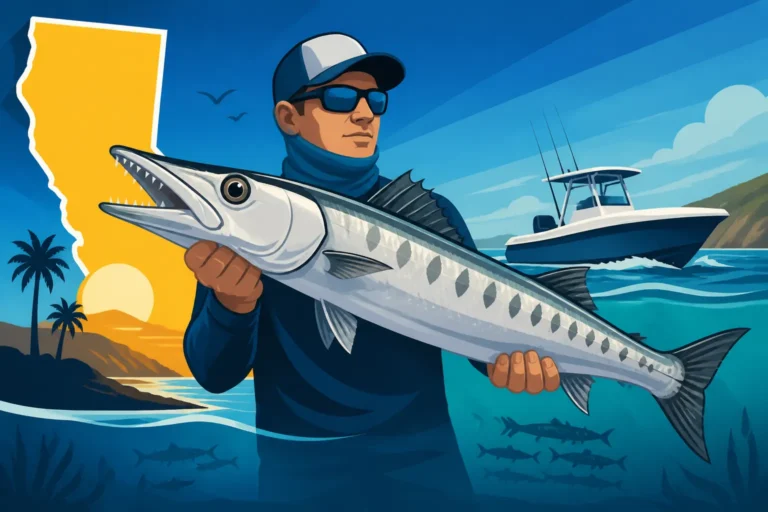
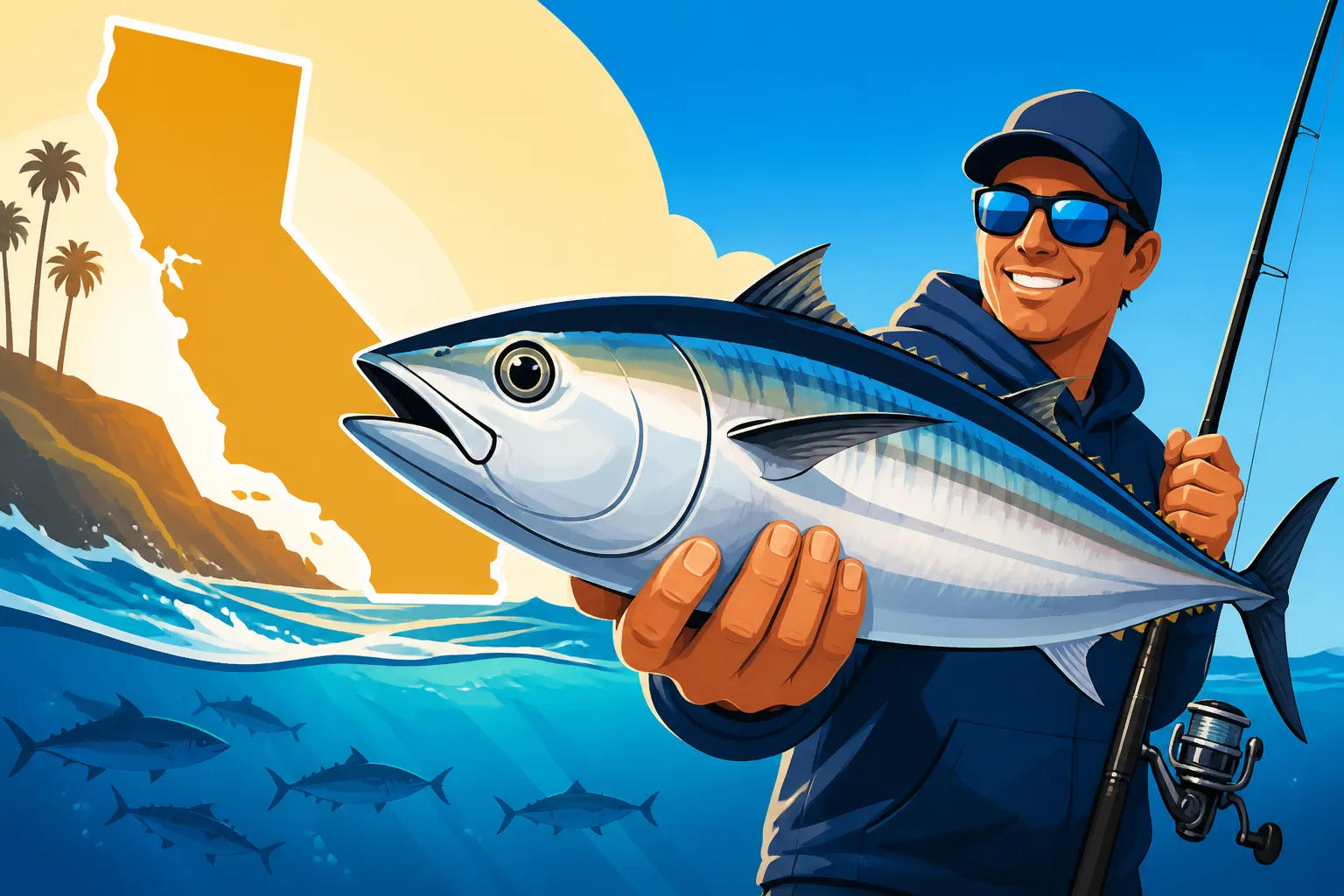
Bonito are undeniably sleek and torpedo-shaped, designed for cutting through the water at incredible speeds. Their most striking feature is usually the series of dark, oblique stripes running along their upper back and sides. They tend to have a steely blue-green back that fades into a silvery belly. While they don't have the massive teeth of a barracuda, they do possess a mouthful of small, sharp teeth that can easily cut through lighter leader material, a lesson many of us learn the hard way! They're generally not huge fish, with most caught in California ranging from 2 to 8 pounds, though bigger ones certainly exist and will give you a fight you won't soon forget.
Their behavior is just as distinctive as their appearance. Bonito are highly social fish, typically found in large, fast-moving schools. They are incredibly aggressive feeders, often creating explosive surface boils as they chase down baitfish. If you see a patch of water suddenly erupt with splashing and birds diving, there’s a good chance you’ve stumbled upon a bonito feeding frenzy. This schooling behavior means that once you find one, you're likely to find many, making for some truly epic fishing sessions. Their speed and acrobatic leaps when hooked are what make them such a popular target for anglers seeking a thrilling fight on light tackle.
Bonito are primarily piscivores, meaning they love to eat other fish. In California waters, their diet largely consists of anchovies, sardines, and occasionally squid. Understanding their preferred prey is absolutely critical because it helps you "match the hatch" – that is, use lures or baits that mimic what they're already feeding on. When bonito are keyed in on tiny anchovies, a large, flashy jig might get ignored, but a small, chrome lure retrieved quickly can be irresistible. Keeping an eye out for signs of baitfish, like nervous water or bait balls, is a huge clue that bonito might be lurking nearby.
Prime Bonito Seasons and Locations
Knowing where and when to find bonito in California is half the battle. These are migratory fish, and their presence is highly dependent on ocean conditions, especially water temperature.
Generally speaking, bonito fishing in California really heats up from late spring through the fall. This is when the ocean waters off our coast warm up, bringing with them the massive schools of baitfish that bonito adore. While you can catch them sporadically in cooler months, the warmer waters of summer and early fall are definitely your best bet for consistent action. This aligns beautifully with the general patterns you’d find in a comprehensive California Fishing Seasons: Month-by-Month Guide. Keep an eye on local fishing reports for water temperature readings; a consistent 64-70 degrees Fahrenheit is often the sweet spot.
When it comes to specific coastal hotspots, Southern California is definitely the place to be for bonito. Areas around San Diego, including Point Loma and Mission Bay, are renowned for their excellent bonito fishing. Further north, harbors and coastal waters off Long Beach, Dana Point, and even up to Santa Monica Bay can hold huge numbers. These areas feature a mix of accessible piers, offshore kelp beds, and deep canyons where bait congregates. For those specifically looking at the San Diego area, checking out resources like San Diego Fishing Spots can give you even more localized intel on current conditions.
Bonito aren't overly picky about the specific structure, as long as there's food. They love hanging around kelp beds, which provide both shelter and feeding grounds for baitfish. Offshore banks and pinnacles, where upwellings bring nutrients and attract bait, are also prime bonito territory. Interestingly, they also frequently come within casting distance of numerous piers along the California coast. This makes them highly accessible, even if you don't have a boat. The key is to look for areas with current, clean water, and signs of baitfish, whether that's from a boat or standing on the Best Fishing Piers in California.
Gearing Up for Bonito: Tackle That Can Keep Pace
You wouldn't bring a butter knife to a sword fight, and you shouldn't bring flimsy gear to a bonito battle. These fish are fast, strong, and love to pull drag, so having the right tackle setup is crucial for not just catching them, but truly enjoying the fight.
Rods, Reels, and Lines for the Fight
The beauty of bonito fishing is that you don't need heavy, expensive gear. In fact, lighter tackle often provides the most fun and an incredibly sporting fight, which is what these fish are all about.
For rods, you'll want something in the light to medium-light action range, typically 6.5 to 8 feet long. A fast action rod tip is ideal because it allows for quick, accurate casts and excellent sensitivity to feel those subtle bumps and changes in retrieve. A rod like a St. Croix Triumph or a Daiwa Harrier X jigging rod, in a lighter rating, would be perfect. This length gives you good casting distance from shore or a boat, and enough leverage to control a fighting fish without feeling overpowered. Whether you prefer spinning or conventional gear, the key is a rod that can handle quick retrieves and a decent bend.
When it comes to reels, a smooth drag system is paramount. For spinning reels, a 2500 to 4000 series reel from brands like Shimano (think a Stradic FL or a Spheros SW) or Daiwa (like a BG or a Fuego LT) will provide ample line capacity and a reliable drag. If you're a conventional reel enthusiast, a small star drag reel like an Avet SX or a Penn Fathom 15 with a fast retrieve ratio will also do the trick. The fast retrieve ratio on any reel is a big plus because bonito often hit lures that are being reeled in at blistering speeds.
Now, let's talk line. For your main line, 10-20 lb braided line is highly recommended. Braid offers superior casting distance, incredible sensitivity to feel those light taps, and virtually no stretch, which translates to immediate hooksets. Because braid is so visible and bonito have keen eyesight, you'll want to connect a fluorocarbon leader using a strong knot like an FG knot or a double uni knot. A 15-25 lb fluorocarbon leader is usually a good choice – it's nearly invisible underwater and has excellent abrasion resistance against those small, sharp bonito teeth. It's also less likely to get cut on the boat or pier pilings during a spirited fight.
Lures, Baits, and Terminal Tackle That Trigger Strikes
Bonito are visual predators, drawn to flash and speed, but they can also be enticed by a well-presented live bait. Having a selection of both in your tackle box will cover all your bases. You can find a fantastic array of these lures and baits on platforms like Amazon, making it easy to stock up before your next trip.
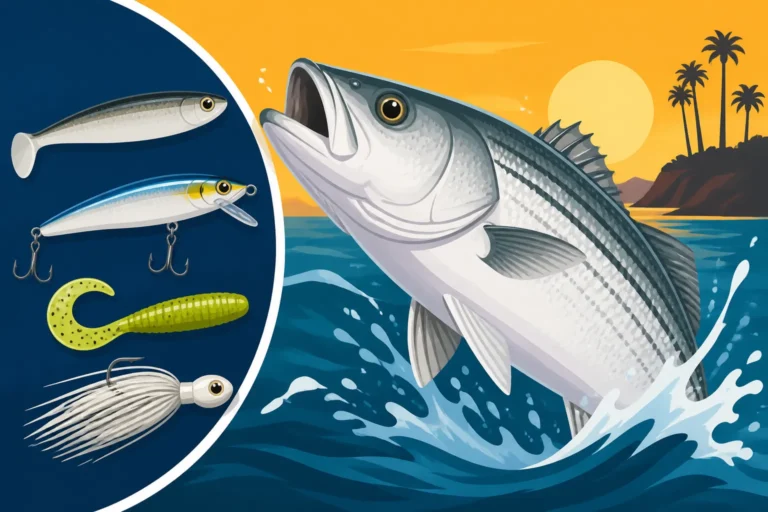
When bonito are actively feeding, nothing beats a shiny, speedy lure. Metal jigs are hands-down the most popular and effective choice. Think classic Kastmasters, Tady jigs (like the 45 or 007), or Salas Jr. jigs. These jigs mimic fleeing baitfish with their erratic action and irresistible flash. Popular colors include chrome, blue/white, green/yellow, and pink. The size of the jig should generally match the size of the baitfish bonito are feeding on – smaller jigs for anchovy schools, slightly larger for sardines. Spoons, small diving plugs (like Rapala X-Raps or Yo-Zuri Crystal Minnows), and feathered jigs are also excellent options. The key is something that you can retrieve quickly to trigger their predatory instinct.
| Lure/Bait Type | Description | Best Use |
|---|---|---|
| Metal Jigs | Chrome, blue/white, green/yellow, pink, sizes 1/2 oz to 2 oz | Rapid retrieve, yo-yo jigging, targeting fast-moving schools |
| Spoons | Silver, gold, or holographic finishes, various weights | Similar to jigs, often used for casting long distances |
| Small Diving Plugs | Sardine, anchovy, or mackerel patterns, 3-5 inch | Trolling, casting into boils, slower retrieves when fish are finicky |
| Feather Jigs | White, green, pink feathers on a small lead head | Jigging, casting, good for mimicking small baitfish |
| Live Anchovies/Sardines | Fresh, lively bait, size matched to conditions | Fly-lining, slow trolling, chumming; highly effective when fish are picky |
While lures are incredibly effective, sometimes bonito can be a bit picky, especially if there's an abundance of natural bait. This is where live bait, specifically anchovies and sardines, becomes your secret weapon. If you're on a party boat, they'll usually have live bait available. If you're on your own boat or a pier, you might need to catch your own with a cast net or sabiki rig. Hooking them lightly through the nose or back will keep them lively and appealing to a hungry bonito. Fly-lining a lively bait (letting it swim naturally with no weight) is often irresistible.
Don't overlook your terminal tackle. Good quality barrel swivels are important to prevent line twist, especially with fast-spinning lures. As for hooks, many anglers prefer to swap out the treble hooks on their metal jigs for a single, strong Siwash hook. This can lead to better hookups, is generally safer for both you and the fish (especially if you're practicing catch and release), and can even comply with California Barbless Hook Requirements if you choose a barbless single hook. Always check local regulations before fishing, as certain areas or species might have specific hook rules. Make sure your leader material, whether fluorocarbon or monofilament, is fresh and free of nicks.
Mastering the Techniques for Consistent Bonito Catches
Okay, you've got the gear. Now let's talk about putting it to good use. Catching bonito is all about action – fast retrieves, quick hooksets, and keeping that line tight!
Jigging and Casting from Boats and Piers
Casting metal jigs and other lures is, without a doubt, the most popular and often the most effective way to catch bonito. It's an active style of fishing that perfectly matches their aggressive nature.
The golden rule for bonito jigging is rapid retrieve. Cast your lure as far as you can, then immediately start cranking your reel handle as fast as you possibly can. Bonito are drawn to the fleeing, erratic motion of a lure speeding through the water, mimicking a panic-stricken baitfish. Don't be afraid to experiment with your retrieve – sometimes a steady, blistering pace is best, other times adding a quick twitch or two with the rod tip during the retrieve can trigger a strike. Pay attention to what the fish are telling you. If they're not hitting on a straight retrieve, try a "stop-and-go" or "burn-and-pause" technique, where you reel super fast for a few seconds, then pause briefly, letting the jig flutter, before burning it again. Often, they'll hit on that pause.
Another effective technique, especially if you're fishing from a boat over deeper water or on a crowded party boat, is yo-yo jigging. This involves dropping a heavier metal jig straight down to the bottom or to a desired depth, then quickly reeling it up in a rapid, jerky motion. The idea is to make the jig dart and flash like a wounded baitfish trying to escape. When you feel a strike, keep reeling to ensure a solid hookset and maintain pressure. This is a great tactic when bonito are holding deeper or when they're not showing on the surface.
Always keep an eye on the water around you for signs of bonito activity. Diving birds, splashing, or "boils" on the surface where fish are actively chasing bait are huge indicators. If you see these signs, cast directly into or just beyond the activity. Bonito can also be found around schooling baitfish that are themselves not being actively chased. A subtle ripple on the surface or dark patches in the water can indicate a bait ball, and bonito are rarely far behind. Don't forget that these speedsters can appear and disappear quickly, so be ready to cast the moment you see a sign.
Live Bait and Chumming Strategies
While lures are fantastic, sometimes live bait is the only thing that will get a bite, especially if the bonito are being finicky or if there's an abundance of natural food.
One of the most exciting ways to fish live bait for bonito is fly-lining. This technique involves hooking a lively anchovy or sardine (usually through the nose or just in front of the dorsal fin) and casting it out with no weight, allowing it to swim naturally. The goal is to make your bait look as natural and unencumbered as possible. If there's a current, the bait will swim with it. If you're on a boat, you can also slowly drift, letting your bait explore. When a bonito hits a fly-lined bait, it's often a solid, aggressive take, and the fight is spectacular with no weight to hinder the fish's acrobatics. This method often works best when bonito are in a neutral or slightly scattered feeding mood.
Another effective live bait method, particularly from a boat, is slow trolling. This involves rigging a live bait, perhaps with a very small sliding sinker or just letting it swim freely, and slowly motoring your boat at a speed that makes the bait look like it's trying to escape. This covers more water and can help you locate schools of bonito. You can also add a small trolling lead a few feet in front of your bait to get it down slightly deeper if the fish aren't on the surface. This technique is often used when searching for fish over kelp beds or along current lines.
Chumming can be an absolute game-changer, especially if the bonito are in the area but not actively feeding on the surface. Chumming involves throwing small pieces of cut bait (like anchovies or sardines) or ground bait into the water to create a scent trail and attract fish to your boat or pier. The idea is to mimic a natural feeding event. As bonito are drawn in by the chum, they'll become more aggressive and competitive, making them more likely to hit your live bait or even lures. If you're chumming, make sure to always have a bait or lure in the water where the chum is drifting. Just be aware that chumming can also attract other species, so you might get some unexpected visitors!
Specific California Hotspots and Tactics
California offers a diverse range of fishing environments, and bonito can be found in many of them. Adapting your approach to the specific location will greatly increase your chances of success.
For those without a boat, pier fishing for bonito is incredibly accessible and often productive. The key to successful pier fishing for bonito is timing and location. Look for piers that extend into deeper water or are near kelp beds or channels. Early mornings and late afternoons are often prime times. A medium-light spinning rod with a metal jig is your best friend here. Cast as far as you can and retrieve quickly. Many piers will also have bait shops where you can pick up live anchovies or sardines if the bonito are being finicky. Remember to be mindful of other anglers and respect pier rules, which are generally outlined in guides like Fishing from a Pier in California: Rules.
Kayak fishing is becoming increasingly popular in California, offering a stealthy and efficient way to target inshore species like bonito. A California Kayak Fishing Guide will give you broader tips, but for bonito specifically, a kayak allows you to access kelp beds and rocky points that might be difficult to reach from shore or a larger boat. Trolling small diving plugs or slow-trolling live bait from your kayak is very effective for covering ground. When you spot a school, you can quickly switch to casting jigs. Safety is paramount when kayak fishing; always wear a PFD and be aware of changing ocean conditions.
If you're heading offshore, bonito often associate with larger game fish and structures like kelp paddies. When the bluefin tuna or yellowtail are around, bonito are often mixed in, feeding on the same bait. They can provide excellent action while you're waiting for the bigger fish to bite. If you find a kelp paddy, circle it slowly, casting jigs or fly-lining live bait. Bonito love to hang out under these floating islands of kelp. They're also often found schooling over offshore banks and ridges. If you're on a party boat heading out on an offshore trip, ask the deckhands for tips on how they target bonito when they encounter them; they often have specific techniques they use.
Reading the Water and Maximizing Your Catch
Successful bonito fishing isn't just about having the right gear and techniques; it's also about being a keen observer and understanding the subtle clues the ocean provides.
Spotting Signs of Bonito Activity
The ocean is a dynamic environment, and the more you learn to "read" it, the better angler you'll become. Bonito, being aggressive surface feeders, often give themselves away.
One of the most obvious and exciting signs of bonito activity is when you see birds diving and frantically feeding. Seabirds like terns and gulls often key in on the same baitfish that bonito are chasing. If you see a flock of birds aggressively diving into the water, it's a huge red flag that a feeding frenzy is happening below, and bonito are very likely to be part of it. Head towards that activity, but do so carefully and quietly to avoid spooking the fish. Sometimes, you'll see large "boils" or violent splashes on the surface as bonito bust through schools of bait. These are unmistakable and are your cue to cast immediately.
Beyond the obvious surface commotions, you can often spot more subtle signs of baitfish activity, which in turn suggests bonito might be near. Look for nervous water, which appears as subtle ripples or flickers on the surface when baitfish are packed tightly together or trying to escape a predator. You might also see "dark spots" or "shadows" in the water, which are large schools of anchovies or sardines. Where there's bait, there are usually predators. Sometimes, you'll see bonito themselves jumping clear of the water, especially during a hot bite. This is a clear indicator that you're in the right spot!
Water color and clarity can also play a role. Bonito generally prefer clean, clear, blue or green ocean water. If the water is murky, brown, or full of red tide, your chances of finding bonito might be reduced, as baitfish also tend to avoid such conditions. While not always a deal-breaker, clearer water usually means better visibility for these sight-feeding predators. Paying attention to current lines, especially where clear water meets slightly greener water, can also be productive, as these lines often concentrate baitfish.
Best Times and Conditions
Just like us, fish have preferred times and conditions to feed. While bonito can be caught throughout the day, certain periods tend to be more productive.
Early mornings and late afternoons are often considered the prime feeding windows for many saltwater species, including bonito. During these times, the light is lower, and baitfish might feel more exposed, making them easier targets for predators. The water temperature is also usually more stable. However, bonito can certainly bite in the middle of the day if a school is actively feeding or if conditions are right. Sometimes, cloudy days can extend these "low light" conditions, leading to longer periods of active feeding.
Tides and currents can significantly influence bonito behavior. Moving water concentrates baitfish and brings them to predators. The incoming and outgoing tides, especially around a tide change, often create excellent feeding opportunities. Strong currents can stack up baitfish against structure or current breaks, making it easier for bonito to ambush them. Always check your local tide charts before heading out. Understanding tidal movements can also be crucial for tactics like drift fishing for California Halibut Size and Bag Limits in bays, which shares principles with live baiting for bonito.
Weather patterns also play a role. Stable weather, with consistent ocean temperatures and calm seas, is generally preferred. A sudden drop in temperature or a significant storm can push baitfish and bonito out of an area. However, don't let a little overcast sky deter you; sometimes, those conditions can be fantastic. Pay attention to how the wind affects the water. A light breeze can create a desirable "texture" on the surface that makes it harder for baitfish to see predators, but too much wind can make fishing uncomfortable and difficult to spot signs of activity.
Handling and Care for Your Catch
So, you've landed a bonito – congratulations! Now, what's next? While not everyone keeps bonito for the table, they are surprisingly good eating if handled correctly.
The moment you land a bonito, one of the best things you can do to preserve its quality for eating is to bleed it. Bonito, like many fast-swimming pelagic fish, have a lot of blood in their meat, which can contribute to a "fishy" taste if not removed. You can quickly bleed a bonito by making a cut behind its gills on both sides, allowing the blood to drain out. You'll see a quick gush of blood, which means you're doing it right. If you plan on releasing the fish, handle it carefully with wet hands, avoid touching its gills, and get it back into the water as quickly as possible. For those looking for the best eating fish in California, proper handling is key for many species.
Once bled, immediately get your bonito onto ice. A good quality cooler filled with ice slurry (ice and a little bit of saltwater) is ideal. Rapidly chilling the fish slows down spoilage and keeps the meat firm and fresh. Don't just toss them into a warm fish box; that's a recipe for soft, less flavorful fillets. If you're on a multi-day trip or anticipate a long ride home, having enough ice is critical. This is a general rule for any fish you plan to eat, from a big tuna to a smaller mackerel.
When you're ready to clean your bonito, remember they have relatively thin skin and a dark red bloodline down the center of their fillet. Many people choose to remove the skin and the bloodline entirely for a milder flavor. The meat is darker than, say, a white seabass, and has a rich, almost tuna-like flavor, though typically stronger. Bonito is fantastic grilled, smoked, or even made into ceviche. Don't be shy about experimenting with different recipes. It's a versatile fish that, with proper care, can make for a delicious meal.
Bonito Lure & Bait Guide
Here's a quick overview of some popular options to get you started:
| Lure/Bait Type | Description & Characteristics | Ideal Conditions & Retrieve | Target Species |
|---|---|---|---|
| Metal Jigs | Chrome, blue/white, green/yellow; various weights (1/2 oz – 2 oz); Brands: Kastmaster, Tady, Salas Jr. | Fast, erratic retrieve; yo-yo jigging; excellent for active, schooling fish. Vary retrieve speed. | Bonito, Mackerel, Small Yellowtail, Barracuda |
| Small Diving Plugs | Sardine, anchovy, mackerel patterns; 3-5 inches; Brands: Rapala X-Rap, Yo-Zuri Crystal Minnow | Steady, moderate retrieve; slow trolling; good for finicky fish or covering water. | Bonito, Barracuda, Small Tuna |
| Feather Jigs | White, green, pink feathers on small lead heads; often rigged in tandem on sabiki lines | Fast jigging motion; effective when bonito are keying on tiny bait. | Bonito, Mackerel, Small Dorado |
| Live Anchovies | Small, silvery baitfish, very lively when fresh. | Fly-lining (no weight), slow trolling; highly effective when bonito are picky or shy. | Bonito, Yellowtail, Halibut, Bass |
| Live Sardines | Larger, more robust baitfish than anchovies, also very lively. | Fly-lining, slow trolling; great for larger bonito or when bigger bait is present. | Bonito, Yellowtail, Tuna, Marlin |
| Plastic Grub Tails | Small, soft plastic curly tail grubs on a lead head; white, clear, chartreuse. | Cast & retrieve with twitches; good alternative when metal jigs are too heavy. | Bonito, Calico Bass, Spotted Bay Bass |
Disclaimer
Fishing regulations can change frequently. Always consult the latest California Department of Fish and Wildlife (CDFW) regulations before heading out. This guide provides general information and tips, but it is your responsibility to know and follow all current laws and regulations, including licensing requirements, bag and size limits, and any special area restrictions.