Best Time of Year to Catch Crappie in California
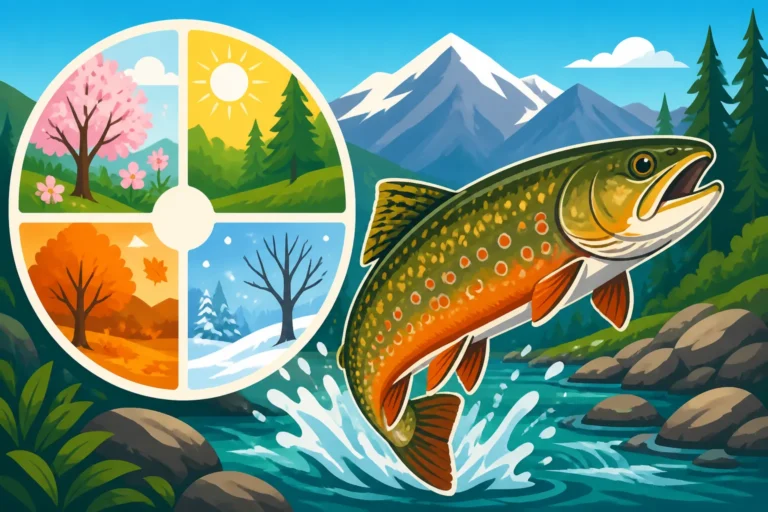
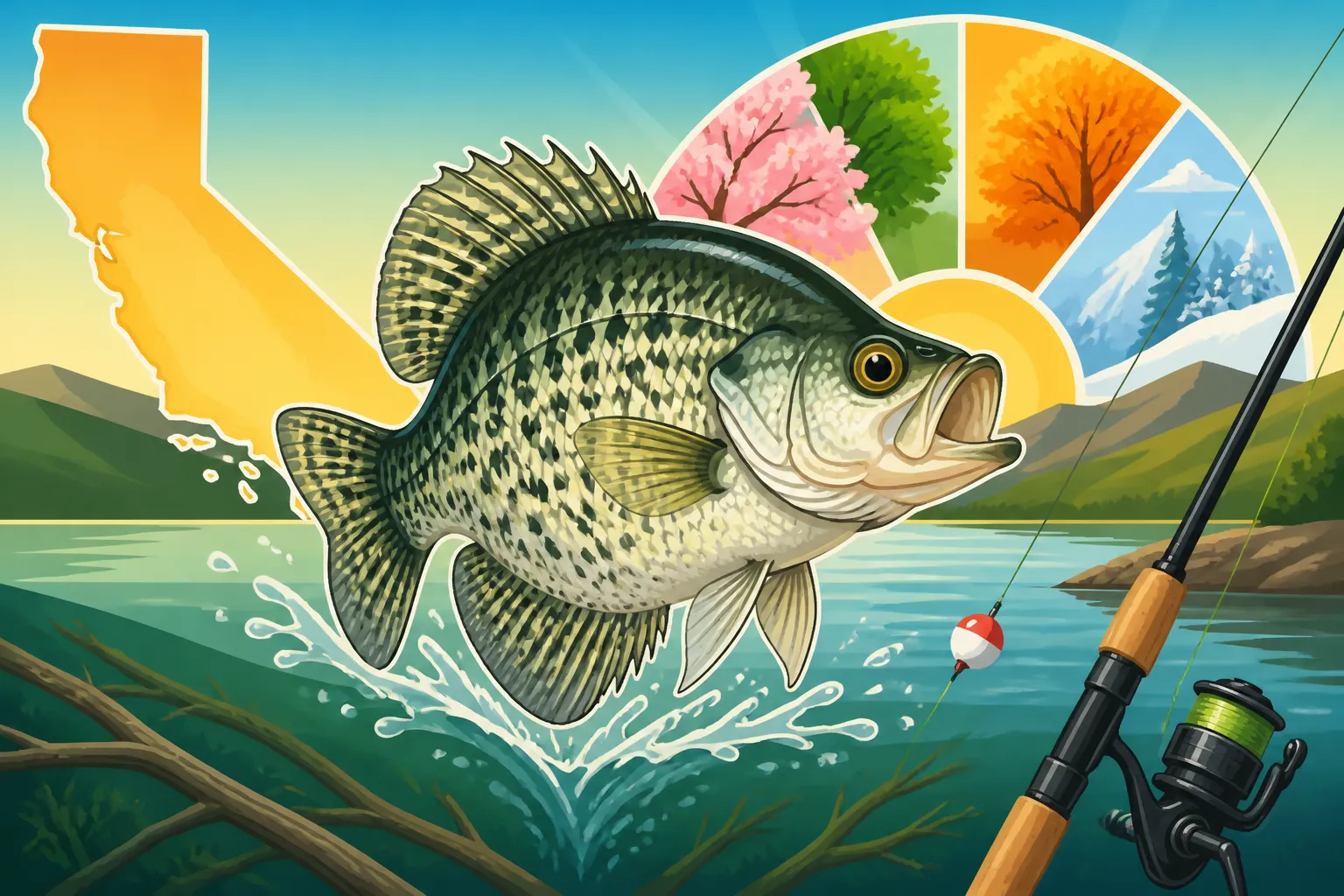
Anyone who's ever tried to target crappie in California knows they can be an incredibly rewarding catch, but boy, can they be finicky! One day you're hauling them in, the next it feels like the lake is empty. The secret often lies in understanding their seasonal movements and behaviors. This guide is all about helping you pinpoint the absolute best times of year to catch crappie across our diverse California waters, ensuring you spend less time searching and more time reeling.
Understanding Crappie Behavior Through the Seasons
Crappie, whether you're talking about the black crappie or white crappie found in California, are highly sensitive to water temperature and their own biological clocks. They're not just hanging out wherever; they have specific needs that change throughout the year, dictating where they'll be and what they'll be eating. Ignoring these natural rhythms is often why an angler might struggle. You can't expect to catch them in the same spots with the same tactics in July as you would in March.
Crappie Life Cycle and Habitat Preferences
Crappie are prolific spawners, and their entire year revolves around this crucial reproductive period. They prefer clear, vegetated waters, often hanging around submerged timber, brush piles, docks, and weed beds. These structures offer cover from predators and ambush points for their prey. Understanding that crappie are creatures of cover is fundamental. They don't typically just swim around in open water unless they are actively migrating or feeding on schooling baitfish in open water columns, and even then, they're usually still relating to some kind of structure below.
As water temperatures fluctuate, so do their metabolic rates and activity levels. Colder water means they're sluggish and require less food, while warmer water makes them more active and ravenous. Their diet mainly consists of smaller fish like minnows, shad, and insect larvae, especially when they're young. Knowing what they're eating and where those food sources are located throughout the year is key to consistently finding them. For a deeper dive into the specific species available, check out our guide on Freshwater Fish of California: What to Catch.
Factors Influencing Crappie Activity
Beyond just temperature, several other environmental factors play a huge role in crappie behavior. Light penetration is a big one; crappie have large eyes adapted for low-light conditions, which is why they often bite best during dawn, dusk, or on cloudy days. They tend to shy away from bright sunlight, seeking deeper water or dense cover when the sun is high. Barometric pressure can also influence their feeding patterns. A stable or slowly falling barometer often signals good fishing, while rapidly changing pressure can put them off the bite.
Water clarity and oxygen levels are also crucial. Crappie prefer reasonably clear water but will tolerate some turbidity, especially if it provides additional cover. In stagnant areas or during extreme heat, oxygen levels can drop, making fish lethargic or causing them to seek out areas with better circulation, like near inflows or deeper thermoclines. Keeping an eye on these variables can significantly improve your odds, regardless of the season.
Spring: The Golden Window for Crappie
If there's one season that gets crappie anglers in California absolutely buzzing, it's spring. This is when the water warms up, the fish become incredibly active, and they move into shallower waters to spawn. It's truly a prime time to fill a cooler, and many experienced anglers plan their entire year around these few precious months.
Pre-Spawn and Spawn Period Tactics
As winter fades and early spring arrives, usually from late February through April in many parts of California, water temperatures climb into the low 50s and then into the 60s Fahrenheit. This is the pre-spawn period, and crappie start to move from their deeper wintering holes towards shallower spawning grounds. They're actively feeding to bulk up for the spawn, making them very aggressive. Look for them staging in 8-15 feet of water around brush piles, submerged trees, and the edges of weed lines. Small jigs (1/32 to 1/16 oz) tipped with a minnow or a soft plastic grub like a Berkley PowerBait Power Grub are incredibly effective.
Once the water hits the mid-60s, typically from April to early June depending on the region, the spawn is on! Crappie will move into water as shallow as 1-5 feet, often right against the bank, in brush, or around docks. Males will fan out nests. This is when they are most vulnerable and often easy to catch. Targeting these shallow areas with very light jigs, tiny spinnerbaits, or even simple bobber-and-minnow rigs can lead to incredible action. Remember to check the California Fishing Bag and Size Limits for crappie in your specific body of water, as limits are in place to ensure sustainable fishing. Many anglers stock up on their favorite micro jigs and ultralight lines from Amazon during this period, knowing the demand for these essentials can be high.
Post-Spawn Strategies
After the frenzy of the spawn, usually in late May or June, crappie transition into their post-spawn phase. They're often a bit tired and dispersed, moving out of the super shallow spawning grounds but not yet fully committed to their deep summer patterns. This can be a trickier time, but still very productive if you know where to look. They’ll often suspend in slightly deeper water, say 5-10 feet, adjacent to the spawning flats. Look for them around secondary points, deeper submerged cover, or the transition lines where shallow water drops into deeper channels.
During post-spawn, a slow, methodical approach works best. Drifting live minnows under a slip bobber or slowly trolling small jigs and crankbaits can entice these less aggressive fish. Focus on finding schools that are recuperating and beginning to feed again. The key is to cover water until you locate them, as they won't be as concentrated as during the spawn. This is a great time to experiment with different depths and retrieve speeds until you hit on what they want.
Summer: Adapting to Warm Waters
California summers can be brutally hot, and this significantly impacts crappie fishing. The once-shallow spawning grounds become too warm and too bright, driving crappie to seek refuge in deeper, cooler, and shadier environments. Successfully catching crappie in the summer requires a complete shift in strategy, often moving from shallow-water casting to targeting specific deep-water structures.
Deep Water and Shade Seeking
When surface temperatures soar into the 70s and 80s, crappie retreat. They'll gravitate towards the deepest parts of the lake or reservoir, often suspending in the water column at a comfortable temperature, typically above the thermocline (the layer where water temperature changes rapidly). You'll find them congregating around main lake points, submerged creek channels, deep brush piles, and bridge pilings in 15-30 feet of water. Shade is paramount, so docks, marinas, and large overhanging trees that cast shadows onto the water can also hold fish.
Vertical jigging or tight-lining live minnows are prime tactics here. Using a good fish finder is almost essential to locate these deeper schools and the structure they're holding onto. Once you mark fish, drop small jigs (1/8 to 1/4 oz) or minnows directly into the school. If you're targeting those deep brush piles, a snag-resistant jig head can save you a lot of grief. Many anglers invest in quality sonar units, readily available on Amazon, to unlock the secrets of summer crappie fishing.
Night Fishing for Crappie
One of the most effective, and often overlooked, strategies for summer crappie is night fishing. As the sun sets and the air cools, crappie often move shallower, especially if there's an artificial light source involved. Setting up submersible fishing lights or hanging lanterns over the water can attract plankton, which in turn attracts baitfish, and inevitably, crappie. Docks and boat ramps that have lights shining into the water are natural hotspots.
Fishing at night requires a different approach. Focus on the illuminated areas, but also probe the edges of the light where crappie might be staging before moving in to feed. Small jigs, particularly those with glow-in-the-dark features, or live minnows suspended under a bobber are deadly. The peace and quiet of night fishing, combined with the often fantastic crappie bite, makes it a truly unique experience. It's a great way to beat the heat and the crowds, and many anglers report catching some of their largest crappie after dark during the summer months.
Fall: A Second Bite at the Apple
Just when you thought the crappie action was slowing down after summer, fall often brings a glorious resurgence. As temperatures begin to drop and days shorten, crappie sense the approaching winter and engage in a major feeding spree. This "second spring" for crappie can be incredibly productive, often yielding numbers and sizes comparable to the spring spawn.
Feeding Frenzy Before Winter
From September through November, as lake temperatures gradually cool into the 60s and 50s, crappie become exceptionally active. They're trying to pack on as much weight as possible to survive the leaner winter months. This means they'll be aggressive and willing to chase down baits. They often scatter more than in spring, but their feeding windows can be longer and more intense. Look for them chasing schools of shad or minnows in open water, or relating to main lake points and channel swings.
During this period, trolling small crankbaits or multiple jig rigs (spider rigging) can be incredibly effective, allowing you to cover vast amounts of water and locate scattered schools. Once you find them, you can slow down and focus on that area. Small swimbaits and grub tails in shad patterns are excellent choices. This pre-winter feeding binge offers some of the most consistent fishing of the year, provided you can find the baitfish. For tactics on other fall species, our guide on California Fishing in Fall offers more insights.
Locating Fall Crappie Schools
Finding fall crappie often means finding baitfish. Crappie will follow their food source, which typically means shad or minnow schools. These baitfish often congregate in the main lake basins, around points, and sometimes even in the backs of creeks as they seek warmer water. A good fish finder is invaluable for identifying these bait balls and the crappie lurking nearby. Don't be afraid to target deep brush piles, humps, and ledges that are adjacent to these main lake foraging areas.
When you locate a school, vertical jigging with minnows or small spoons can be deadly. Crappie in the fall are less likely to be in super shallow water like during the spawn, usually holding in 10-25 feet, but they can move up higher in the water column during low light conditions or if baitfish push shallow. Experiment with depths and presentations until you dial in their preference. Having a variety of jigs and soft plastics, easily ordered from Amazon, can make all the difference when fish are picky about color or size.
Winter: Challenging but Rewarding
Winter crappie fishing in California isn't as popular as in states with hard water and ice fishing traditions, but it can still be incredibly rewarding for those willing to brave the colder temperatures. The key is patience, precision, and understanding that crappie are much more lethargic and concentrated during these colder months.
Deep Water and Slow Presentations
From December through February, California waters can get quite chilly, dropping into the 40s or low 50s. Crappie will retreat to their deepest wintering holes, often congregating in large schools in the deepest parts of the lake or reservoir. Think main lake basins, deep channels, and the deepest brush piles you can find, often in 20-40 feet of water. They'll be very inactive, conserving energy, so a fast-paced retrieve won't cut it.
The most effective technique is vertical jigging or slowly dropping live minnows directly onto their heads. Use very light line (4-6 lb test fluorocarbon) and tiny jigs (1/32 to 1/16 oz). The presentation needs to be almost imperceptible, with minimal movement. A sensitive rod is critical to detect those incredibly subtle bites. Remember that crappie are cold-blooded, and their metabolism is slowed, so they won't chase much. You need to put the bait right in front of them and keep it there.
Vertical Jigging and Finesse Tactics
Finesse is the name of the game for winter crappie. Instead of actively casting and retrieving, focus on presenting your bait vertically. Whether you're using a tiny hair jig, a micro-soft plastic, or a live minnow, drop it down to the depth where you've marked fish. Use your fish finder to stay on top of the school. A slight twitch of the rod tip, just enough to make the bait "dance" without moving it too far from the strike zone, is usually all it takes.
Many anglers employ what's called "spider rigging" from a boat, using multiple long poles spread out with baits at different depths. This allows them to cover more of the deep-water column and find the fish. On colder days, you might only get a few bites, but they can often be quality fish. Don't overlook the importance of small details, like using a scent on your baits to entice those hesitant winter crappie. For general winter fishing tips, consider reviewing our guide on California Fishing in Winter.
Best Times and Locations for Crappie in California
California offers a fantastic array of lakes and reservoirs that hold healthy populations of crappie. While the general seasonal patterns hold true, certain bodies of water are renowned for their crappie fishing. Some of the most popular crappie destinations include Clear Lake, Lake Isabella, Lake Perris, and the California Delta. Each of these locations offers slightly different habitat and fishing conditions, but knowing the general timing will get you started.
Here's a breakdown of what to expect throughout the year:
| Season | Best Months | Typical Crappie Depth | Key Locations | Primary Tactics | Gear/Bait Suggestions |
|---|---|---|---|---|---|
| Spring | March – June | 1-15 feet | Spawning flats, brush piles, docks, weed lines | Jigging, bobber-and-minnow, slow trolling | Small jigs (1/32-1/16 oz), minnows, small spinnerbaits |
| Summer | July – August | 15-30+ feet (suspended) | Deep brush piles, channels, bridge pilings, shaded areas | Vertical jigging, tight-lining minnows, night fishing | Heavier jigs (1/8-1/4 oz), minnows, submersible lights |
| Fall | September – November | 10-25 feet | Main lake points, channel swings, baitfish schools | Trolling crankbaits/jigs, vertical jigging, casting | Small crankbaits, swimbaits, grubs, minnows |
| Winter | December – February | 20-40+ feet (deep holes) | Deepest basins, submerged timber, bridge pilings | Vertical jigging, slow-dropping minnows | Tiny jigs (1/32-1/16 oz), micro-plastics, minnows, sensitive rods |
When you're heading out, it's always a good idea to check local fishing reports for specific conditions in your chosen lake. Water levels, recent weather, and stocking schedules (if applicable, though crappie are usually wild populations) can all impact the bite. Remember that while crappie are prolific, abiding by the California Freshwater Fishing Regulations is crucial for maintaining healthy populations for everyone to enjoy.
Essential Gear for Crappie Fishing
Having the right gear makes a world of difference when chasing crappie. Because they often have soft mouths, a lighter touch is key. You don't need heavy-duty saltwater tackle for these panfish. A finesse setup will give you the sensitivity to detect their subtle bites and the delicate touch to avoid tearing the hook out of their mouth.
Rods, Reels, and Line Choices
For crappie, an ultralight or light action spinning rod, typically 5 to 7 feet long, is ideal. This rod action allows for precise casting of small lures and offers the necessary sensitivity to feel those light crappie bites. Pair it with a small spinning reel (1000 or 2000 series) spooled with 4-6 pound test monofilament or fluorocarbon line. Monofilament offers a bit of stretch, which can be forgiving with crappie's soft mouths, while fluorocarbon offers greater sensitivity and less visibility in clear water. Some anglers also opt for a thin braided line with a fluorocarbon leader for maximum sensitivity, especially when fishing deeper.
Consider what type of fishing you'll primarily be doing. If you're planning on focusing on vertical jigging or fishing around heavy cover, a slightly stiffer light action rod might be beneficial to help pull fish out of snags. If it's more open water and subtle bites, go for the absolute lightest, most sensitive setup you can comfortably handle. Many excellent rods and reels designed specifically for crappie fishing can be found at local tackle shops or easily ordered from Amazon. Don't forget to learn about How to Catch Crappie in California to hone your technique with this gear.
Lures, Baits, and Terminal Tackle
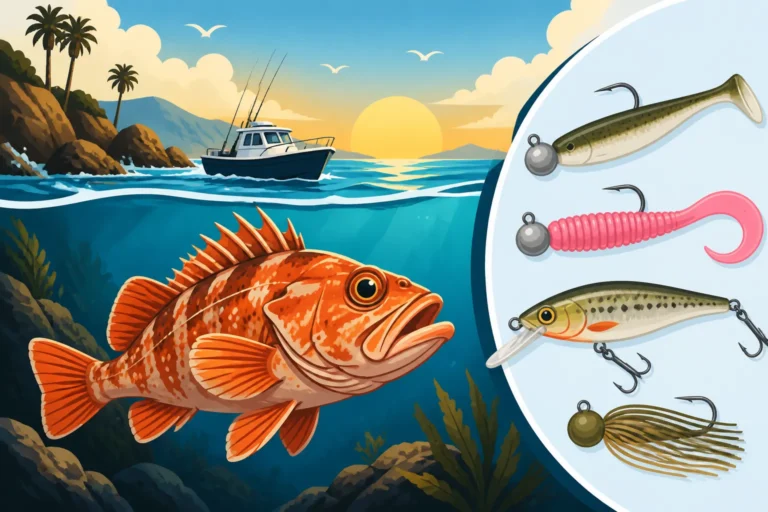
Crappie are predominantly minnow eaters, so live minnows are almost always a top choice, especially when they're less active in colder water or post-spawn. Small jigs, however, are the most versatile and popular artificial lure. Think 1/32 to 1/8 ounce jigs, often tipped with small soft plastic bodies like grub tails, tubes, or small paddle tails. Color can be critical; chartreuse, white, pink, and natural shad colors are perennial favorites. Don't be afraid to experiment! Tiny spinnerbaits, sometimes called "crappie jigs," can also be very effective, especially during the pre-spawn and fall feeding frenzies.
When it comes to terminal tackle, small hooks (size 4 to 8, sometimes even smaller) are necessary for those tiny crappie mouths. A selection of small split shot weights, bobbers (both fixed and slip bobbers), and swivels will round out your kit. Always have extra hooks and jigs on hand, as snags are inevitable when fishing around structure. For detailed recommendations on what to throw, our guide to the Best Baits and Lures for Crappie in California is a must-read.
Conclusion
Crappie fishing in California is a year-round possibility, but understanding their seasonal patterns will undoubtedly put more fish in your net. While spring often shines as the "best" time due to the spawning frenzy, smart anglers can find success in summer by going deep or fishing at night, enjoy a robust feeding period in the fall, and even pick off trophy fish during the challenging winter months. Remember, crappie are creatures of habit and comfort, always seeking ideal water temperatures, ample cover, and readily available food. Pay attention to these factors, adapt your techniques, and you'll be well on your way to becoming a crappie catching machine in the Golden State!
Disclaimer
Fishing regulations and conditions can change. Always consult the latest California Department of Fish and Wildlife (CDFW) regulations booklet before heading out. The information provided in this guide is for general informational purposes only and does not constitute legal advice or an endorsement of any specific fishing practice. Ensure you have the appropriate licenses and report cards as required.