Best Time of Year to Catch Golden Trout in California
Ever dreamed of hooking into one of California's truly iconic fish – a vibrant Golden Trout, glittering like a jewel against the stunning backdrop of the high Sierra? It's a bucket-list experience for many anglers, but these elusive beauties inhabit remote, high-altitude waters, making the "when" and "where" of a successful trip feel a bit like cracking a secret code. You're probably wondering if there's a perfect window, a magical time when the stars align for golden trout fishing. Well, you're in the right place, because this guide is going to meticulously break down the best time of year to catch Golden Trout in California, ensuring your high-country adventure is as rewarding as possible.
The Golden Window: When High Sierra Access Unlocks the Trout
Let's be real: you can't just waltz into Golden Trout country any time of year. Their habitats are typically above 9,000 feet in the Sierra Nevada, meaning heavy snowpack and frozen lakes keep them locked away for much of the year. The biggest hurdle, and therefore the biggest factor in the "best time," is accessibility.
Late Spring's Gradual Awakening
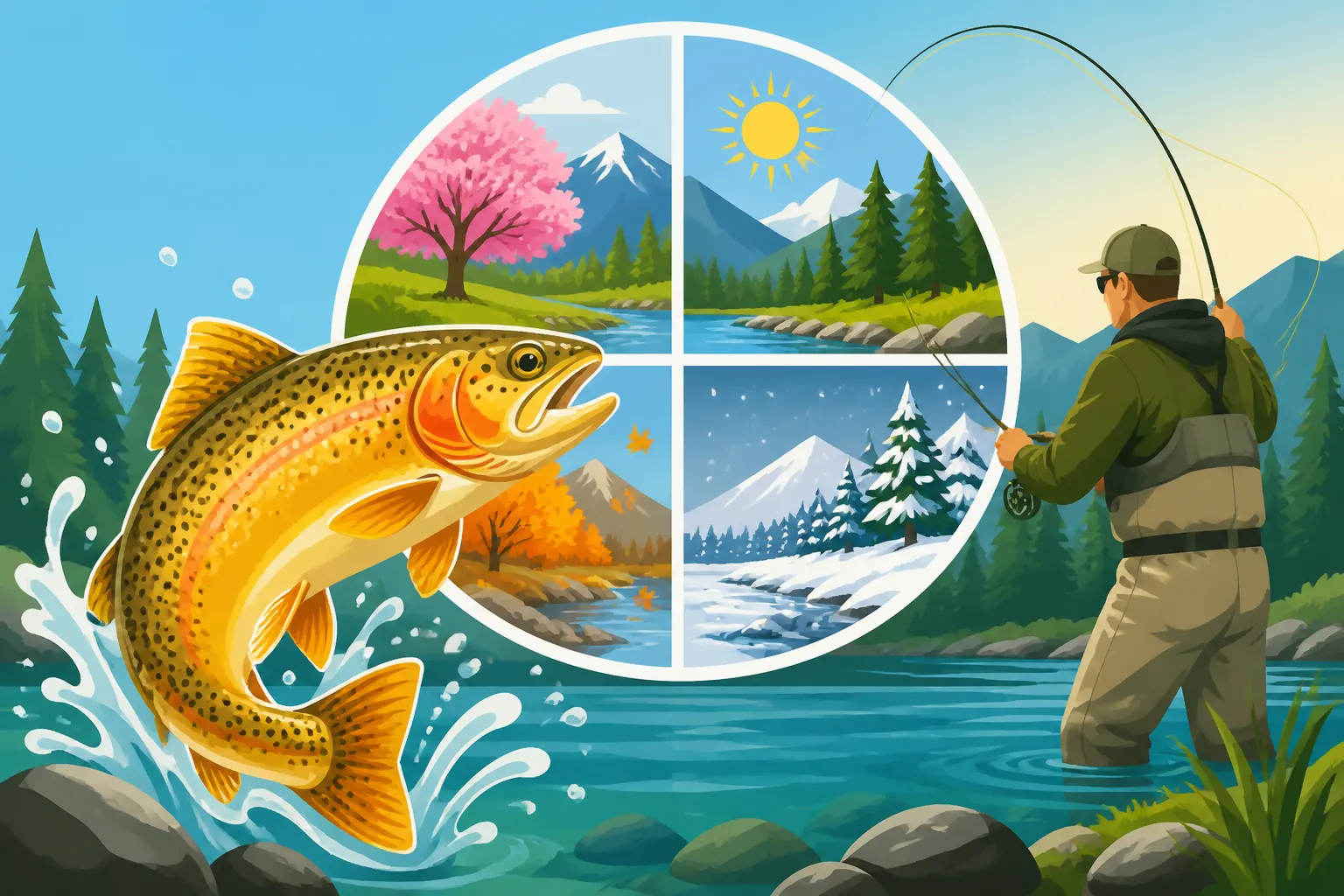
As the long winter snows begin their slow melt, typically starting in May and extending into early July, the high country gradually starts to open up. This period can be a bit of a gamble, but it's not without its rewards. Hikers and anglers who venture in during late spring will often find themselves navigating patches of snow, crossing swollen creeks, and battling chilly temperatures. The fish themselves are often just recovering from the spawn, which happens shortly after ice-out.
At this time, golden trout might be a bit lethargic and not as actively feeding on the surface, preferring deeper, cooler water as they regain strength. The advantage here is solitude. You'll likely have these pristine lakes and streams largely to yourself. It's an opportunity for those who love a challenge and the rugged beauty of the mountains still shaking off winter's grip. However, trail access can be severely limited, and many of the highest lakes might still be completely frozen over or only partially thawed. Checking conditions before you go is absolutely paramount – don't rely on last year's experience, as snowpack varies wildly.
Peak Summer: The Optimal Golden Trout Season
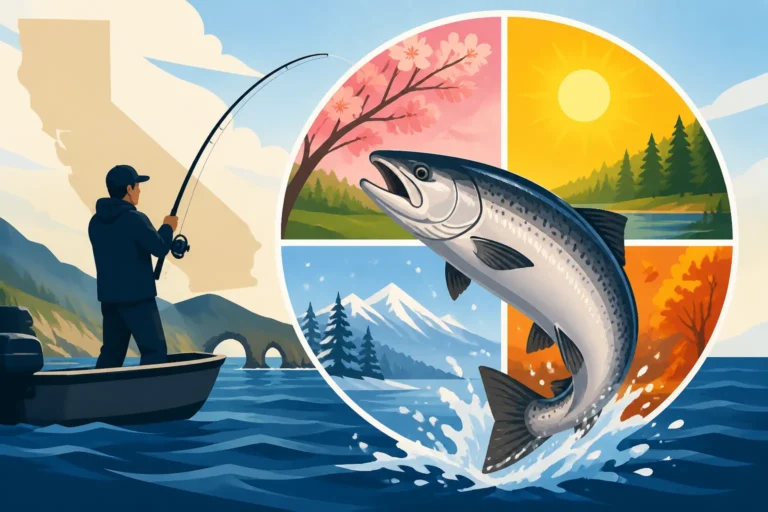
Without a doubt, the period from mid-July through September stands out as the prime window for catching Golden Trout in California. This is when the High Sierra truly comes alive, and access to those remote, breathtaking lakes becomes significantly easier. The snow has largely melted from the trails, the passes are open, and the weather is generally more stable and warmer, making for safer and more enjoyable backpacking and fishing trips.
During these months, the Golden Trout are at their most active. The warmer water temperatures (still cool by lowland standards!) and abundant insect hatches mean they are actively feeding, often rising to the surface to snatch flies. This is when fly fishing can be exceptionally productive, as these fish become less shy and more opportunistic feeders. You'll find them in shallower areas, near drop-offs, and cruising along the edges of weed beds. If you've been dreaming of seeing that unmistakable flash of gold in crystal-clear water, this is the time to make it happen. You'll also find the most resources available, from backcountry outfitters to detailed Eastern Sierra Fishing Guide information, making planning a bit smoother.
Early Fall's Hidden Gems
Don't count out late September through October just yet! While the crowds thin out considerably after Labor Day, and the first dustings of snow might begin to appear on the highest peaks, early fall can offer some truly spectacular golden trout fishing. The air is crisp, the aspen groves turn brilliant shades of gold, and the fishing can be fantastic.
As the water temperatures begin to drop, golden trout enter a pre-winter feeding frenzy. They're trying to pack on calories before the lean months ahead, often becoming more aggressive in their pursuit of food. While dry fly fishing might slow down as insect hatches diminish, streamer patterns, nymphs, and small lures can be incredibly effective. The downside, of course, is that weather can be unpredictable. You need to be prepared for anything from glorious sunshine to sudden snowstorms. However, for those willing to brave the cooler temperatures and potential for variable weather, the rewards are often fewer anglers and robust fish eager to bite. Just remember, trailheads can become inaccessible quickly with early season snowfall, so monitor forecasts closely.
Understanding Golden Trout Habits by Season
Knowing when to go is only half the battle; understanding why that timing works, based on the fish's behavior, is crucial for success. Golden Trout, like all fish, are creatures of their environment, adapting their behavior to the rhythms of the seasons.
The Summer Feeding Frenzy
Once the ice has completely cleared and water temperatures stabilize in mid-summer, golden trout shift into high gear. This is their primary feeding period, and they become incredibly opportunistic. Mayflies, caddisflies, stoneflies, and various terrestrial insects like grasshoppers and ants become abundant. These fish, which often have shorter growing seasons due to their high-altitude environment, need to capitalize on this food source to grow and store energy.
You'll often see them actively cruising the shallows or rising to gulp insects off the surface. This makes them particularly exciting targets for fly anglers, who can "match the hatch" with specific patterns. Even spin anglers will find success with small lures that imitate these natural food sources. The days are long, allowing for extended fishing sessions, and the fish are generally more predictable in their feeding patterns. It's a time of abundance, and the golden trout are definitely taking advantage of it. For specific guidance, you might find tips in a California Fly Fishing Guide or learn How to Fish for Trout in California.
Fall's Aggressive Pursuit
As autumn arrives and the days shorten, golden trout sense the impending winter. Their focus shifts from leisurely surface feeding to more aggressive, energy-acquiring behaviors. They might move into slightly deeper water during the colder parts of the day but will still push into shallower areas to forage, especially during midday sun. Insect hatches become less reliable, so they're more likely to feed on nymphs, aquatic worms, and smaller baitfish (if present).
This means your presentation might need to change. While a well-presented dry fly might still tempt an occasional fish, sub-surface patterns like nymphs, Woolly Buggers, or small streamer flies often become more effective. Spin anglers can do well with small spoons or spinners that mimic fleeing baitfish. The trout are still strong and vibrant, often displaying incredibly vivid colors as they prepare for spawning in the spring. This aggressive, calorie-driven behavior makes them excellent targets for anglers who adapt their tactics to the cooling water.
Gear, Regulations, and Access Considerations
Embarking on a Golden Trout quest isn't just about timing; it requires careful planning, the right equipment, and an understanding of the rules that protect these special fish and their fragile environment.
Essential Gear for High-Altitude Angling
When you're hiking into the wilderness for golden trout, every ounce counts. You'll want lightweight, versatile gear. A light-action spinning rod or a 2 to 4-weight fly rod is perfect. For spinning, pack a variety of small lures like Panther Martin, Mepps, or Kastmaster spoons (1/16 to 1/8 oz). Fly anglers should have a selection of dry flies (like Stimulators, Elk Hair Caddis, Adams) and nymphs (like Hare's Ear, Prince Nymph, Pheasant Tail), typically in sizes #12-18. You can find excellent quality, lightweight gear, including specialized backpacking rods and reels, or even specific fly patterns, conveniently on Amazon, delivered right to your door.
Beyond fishing gear, wilderness essentials are paramount. Sturdy hiking boots, layered clothing (temperatures can change rapidly), a water filter, high-energy food, a first-aid kit, and a reliable map and compass (or GPS device) are non-negotiable. Don't forget bear-resistant food storage, as you'll be in active bear country. A quality backpack, also available from reputable brands on Amazon, will make your trek more comfortable.
Navigating Permits and Regulations
Before you even tie a knot, you absolutely need a valid California Fishing License Guide. For fishing in the high country, especially within designated wilderness areas, you'll also likely need a wilderness permit. These are typically obtained from the U.S. Forest Service or National Park Service offices. Specific regulations, including bag and size limits, can vary by lake or stream, so always consult the latest California Freshwater Fishing Regulations booklet from the California Department of Fish and Wildlife (CDFW). Many high-altitude golden trout waters are managed for catch-and-release only or have special restrictions to protect their populations. Knowing these rules beforehand is critical to avoid fines and ensure you're contributing to conservation. You can also review California Trout Limits and Regulations to understand specific rules.
Prime Golden Trout Destinations
While golden trout are native to the high Sierra Nevada, certain areas are renowned for their populations. The Golden Trout Wilderness (south of Mount Whitney) is, of course, the namesake and a prime destination, though it requires significant effort to access. The John Muir Wilderness and Ansel Adams Wilderness also hold fantastic golden trout waters. Lakes in the Sabrina Basin near Bishop, the Rock Creek Canyon area, and various secluded alpine lakes accessible via trails off Highway 395 in the Eastern Sierra are all excellent choices.
These aren't roadside fisheries; expect multi-day backpacking trips with significant elevation gains. However, the solitude, breathtaking scenery, and the reward of catching a wild golden trout make the journey truly worthwhile. Research specific lakes and their access points using resources like the Best High Sierra Alpine Lakes for Trout guide, and always check trail conditions and road closures before heading out.
Seasonal Fishing Strategies for Golden Trout
Tailoring your fishing technique to the season can dramatically increase your chances of success. Golden trout can be finicky, but they're also highly responsive to the right presentation at the right time.
Summer Fly Fishing Tactics
In the peak summer months, when insects are plentiful, fly fishing truly shines. Dry flies, especially patterns like the Parachute Adams, Elk Hair Caddis, or a large Stimulator, are often deadly. Look for rising fish and try to "match the hatch" – observe what insects are present on the water's surface and choose a fly that mimics their size, shape, and color. Terrestrial patterns like Hopper-Dropper rigs (a dry fly like a Hopper with a nymph tied below it) can also be incredibly effective, especially on breezy days when grasshoppers might be blown into the water.
If fish aren't rising, don't despair. Nymphing with patterns like the Pheasant Tail, Prince Nymph, or a Copper John fished under a strike indicator can fool fish holding deeper. Light tippets (5x or 6x) are often necessary as golden trout waters are typically very clear. Stealth is also key; approach fishing spots slowly and avoid casting a shadow over the water. For more in-depth knowledge on this style, explore a comprehensive California Fly Fishing Guide.
Fall Techniques for Cooler Waters
As the water cools in the fall, golden trout often move slightly deeper, and their feeding patterns can change. While dry flies may still get some attention, especially during midday warms, streamers and nymphs become more consistent producers. Small Woolly Buggers (black, olive, or brown) can be very effective, stripped slowly to imitate baitfish or leeches. Weighted nymphs fished along drop-offs or near submerged structure will also entice bites.
Spin anglers will find success with small, metallic spoons or spinners. Cast them out, let them sink to different depths, and retrieve them with a varying cadence to imitate wounded prey. Brighter colors can sometimes work in the fall, as the fish are trying to grab attention. Remember that the water is still incredibly clear, so using lighter line (4-6 lb test) and making longer casts can prevent spooking the fish. Always check California Fishing Seasons: Month-by-Month Guide for region-specific details and potential changes to fishing rules as the year progresses.
Golden Trout Seasonal Overview
To give you a quick snapshot, here's a helpful table summarizing the best times:
| Season | Typical Months | Accessibility | Golden Trout Activity | Recommended Gear/Tactics | Notes |
|---|---|---|---|---|---|
| Late Spring / Early Summer | May – Early July | Improving (snowmelt) | Moderate (post-spawn recovery) | Nymphs, small spinners (1/16 oz), patience, light tackle | Challenging access, potential for snow, fewer anglers. |
| Peak Summer | Mid-July – September | Best (most trails open) | High (active feeding) | Dry flies (#12-18), small nymphs, tiny spoons (1/16-1/8 oz) | Ideal weather, abundant hatches, more popular. Focus on stealth. |
| Early Fall | Late Sep – October | Decreasing (snow returns) | High (pre-winter feeding) | Streamers, weighted nymphs, small spoons, deeper presentations | Fewer crowds, aggressive bites, unpredictable weather. |
| Winter | November – April | Extremely Difficult/Closed | Very Low (deep, lethargic) | Generally not accessible or recommended for fishing | Most high-country trails closed due to snow. |
This table should help you visualize the seasonal opportunities and plan your trip accordingly. Remember, Mother Nature always has the final say, so flexibility and checking current conditions are your best friends.
Final Thoughts on Your Golden Trout Quest
Catching a Golden Trout in California is more than just fishing; it's an immersive wilderness experience. The vibrant colors of the fish, the crisp mountain air, the solitude of an alpine lake – it all combines into something truly special. By timing your trip from mid-July to October, understanding their seasonal behaviors, and preparing with the right gear and knowledge of regulations, you're giving yourself the best possible chance to connect with one of California's most prized native species. It’s an adventure that requires effort, but the memories you’ll make in those stunning high-country settings are, without a doubt, worth every single step.
Disclaimer
Fishing conditions and regulations in California can change frequently due to environmental factors, legislative updates, and specific management directives. Always check the latest official California Department of Fish and Wildlife (CDFW) regulations before any fishing trip to ensure compliance and promote sustainable angling practices. This guide provides general information and recommendations.