Best Offshore Fishing Charters in California
If you've ever dreamt of battling a mighty tuna far offshore, feeling the thrill of a yellowtail ripping line, or simply experiencing the vast, wild Pacific Ocean beyond the coastline, then offshore fishing in California is calling your name. But let's be real, finding the best offshore fishing charter in this massive state can feel like trying to land a marlin with a handline—overwhelming, confusing, and with a high chance of missing your target entirely. This guide is here to untangle the lines, offering you a comprehensive look at what makes an offshore trip truly unforgettable, from choosing the right boat to understanding what you’ll catch and how to prepare for an epic adventure.
What Even Is Offshore Fishing in California?
Alright, let's start with the basics, because "offshore" can mean a lot of things depending on who you're talking to and where you're fishing. In California, when we talk about offshore fishing, we're generally referring to venturing out into the deeper, open waters of the Pacific, often miles—sometimes even hundreds of miles—from the coast. This isn't your casual pier fishing trip or a calm day on a bay. This is the big blue, where big fish roam and the adventure truly begins.
The Difference Between Nearshore and Offshore
It's super important to understand the distinction between nearshore and offshore, because they offer completely different experiences. Nearshore fishing, sometimes called coastal fishing, usually takes place within a few miles of the coastline, often targeting species like rockfish, kelp bass, or halibut closer to kelp beds, reefs, or structure. You might still be able to see land clearly, and the waters tend to be a bit calmer.
Offshore, however, you're heading to the high seas. You're leaving the sight of land, or at least its distinct features, behind. These trips are typically longer, involve faster boats, and require specialized gear to chase pelagic species that live in the open ocean. Think about it like a road trip: nearshore is a drive down the coast highway, enjoying the scenery, while offshore is hitting the interstate for a cross-country adventure. The risks, rewards, and preparation are all stepped up a notch.
Common Offshore Species You'll Target
The allure of offshore fishing truly lies in the incredible species you can encounter. Unlike freshwater or even nearshore saltwater, the open ocean in California is home to some truly powerful and sought-after game fish. Depending on the season and where you're casting your line, you could be in for a fight with some truly impressive creatures.
In Southern California, the superstars are undoubtedly the various tuna species—Bluefin, Yellowfin, and the beloved Albacore. These are fast, strong, and highly migratory, following baitfish and warm currents. You'll also find tenacious Yellowtail, often schooling around offshore islands or kelp paddies, and the vibrant Dorado (Mahi-Mahi), known for their acrobatic fights and brilliant colors. For a comprehensive list of what might be biting, check out our guide on California Fish Species: Complete Guide. Up in Central and Northern California, while tuna can occasionally show up, offshore efforts often focus on robust Lingcod and a wide array of rockfish species found on deeper reefs and ledges, as well as the prized Pacific Salmon when seasons allow.
What "Deep Sea" Really Means Here
"Deep sea fishing" is a term often thrown around interchangeably with offshore fishing, and while there's a lot of overlap, it often implies targeting fish in truly significant depths, perhaps over underwater canyons or seamounts. In California, offshore charters will indeed take you to areas where the water column might be hundreds, if not thousands, of feet deep. This depth is crucial for targeting certain migratory species that feed at various levels, or for anchoring over submerged structures that attract baitfish and larger predators.
It's not just about the depth, though; it's about the unique environment. These deep waters are often far from human activity, offering a pristine hunting ground for fish that grow to impressive sizes. This type of fishing often involves heavy tackle, specialized sonar to locate schools, and sometimes even overnight trips to maximize time on the fishing grounds. It’s an experience that connects you directly to the immense power and mystery of the Pacific.
Why Choose an Offshore Charter?
You might be thinking, "Can't I just take my own boat out there?" And sure, if you have a properly equipped vessel, extensive navigational skills, safety gear, and a deep understanding of ocean conditions, you absolutely can. But for most of us, especially those looking for a specific type of offshore experience or chasing elusive species, a professional offshore fishing charter is the way to go. It takes away all the logistical headaches and lets you focus purely on the fishing.
Access to Far-Flung Fishing Grounds
One of the biggest advantages of an offshore charter is the access it provides. These charter boats are purpose-built for the open ocean. They're typically larger, more stable, and equipped with powerful engines to cover significant distances quickly and safely. This means they can get you to those prime offshore fishing grounds that are simply inaccessible to smaller, private boats or those less experienced in navigating big swells and strong currents.
Imagine chasing Bluefin tuna, which often patrol waters 50 to 100 miles offshore, or heading to the Channel Islands for Yellowtail. A charter captain knows exactly where to go, often relying on years of experience, current fish reports, and advanced electronics like satellite temperature charts and high-end sonar to pinpoint feeding fish. They have the fuel capacity, the speed, and the local knowledge to put you right on top of the bite, something that would be a monumental undertaking for an individual angler.
Expert Knowledge and Specialized Gear
When you step onto an offshore charter, you're not just paying for a boat ride; you're gaining access to a wealth of expert knowledge. The captains and deckhands on these vessels are professionals who spend hundreds of days a year on the water. They understand the intricacies of ocean currents, weather patterns, fish behavior, and effective techniques for specific species. They know what bait the fish are hitting, what lures are most effective, and how to adjust tactics on the fly.
Beyond their expertise, they provide all the specialized gear you'll need. Offshore fishing often requires heavy-duty rods and reels capable of handling powerful fish, a variety of lures and baits, gaffs, nets, and even fighting chairs for bigger game. Trying to acquire all this high-end equipment yourself would be incredibly expensive. Charters include it all, meticulously maintained and ready to go. This means you don't have to worry about bringing your own tackle, or if it's even appropriate for the monsters you might encounter.
Safety and Comfort on the Open Ocean
The open ocean can be unpredictable, and safety is paramount. Professional offshore charters prioritize the well-being of their passengers above all else. Their boats are regularly inspected, equipped with extensive safety gear (life rafts, EPIRBs, multiple communication systems), and staffed by captains who are licensed and trained in emergency procedures. They constantly monitor marine forecasts and are equipped to make informed decisions about weather and sea conditions, ensuring your trip is as safe as possible.
Furthermore, these vessels are designed for comfort on long trips. Many offer amenities like restrooms, shaded areas, galleys, and even bunks for overnight excursions. While you're still on the ocean, a good charter minimizes discomfort, allowing you to focus on the excitement of the chase rather than worrying about navigation, boat maintenance, or getting caught unprepared in a squall. It truly allows for a worry-free deep-sea fishing experience.
Key Factors in Picking Your Perfect Offshore Charter
Choosing the right offshore fishing charter is critical to a successful and enjoyable trip. It’s not a one-size-fits-all situation, and what works for one angler might not be ideal for another. You need to consider what you want out of the experience, what kind of fishing you prefer, and where you want to fish.
Trip Duration: Half-Day, Full-Day, or Multi-Day?
The length of your trip dramatically impacts the experience and the cost. Understanding your options is the first step.
Half-Day Charters
While less common for true "offshore" fishing, some operations might offer shorter trips that skirt the edge of offshore zones or focus on specific, closer offshore reefs if conditions are perfect. These are generally 4-6 hours long.
- Pros: More affordable, good for testing the waters if you're unsure about seasickness, and suitable for families or those with limited time.
- Cons: Limited range means fewer opportunities for highly migratory species like tuna, and fishing time can feel rushed. You're less likely to hit truly remote spots.
- Best For: Beginners, families with young children, or those just wanting a taste of ocean fishing without the full commitment. Remember, true deep-sea expeditions rarely fit into a half-day.
Full-Day Charters
These are the most popular option for dedicated offshore fishing, typically running 8-12 hours. This gives the captain ample time to run out to prime fishing grounds, locate fish, and allow for plenty of angling time.
- Pros: Great balance of time and opportunity. Allows access to further offshore banks, islands, and kelp paddies where game fish like Yellowtail, Dorado, and various tuna species are found. You get a solid day of fishing.
- Cons: Can be tiring, and the cost is a bigger jump from half-day trips. Seasickness can become a factor over a longer duration.
- Best For: Anglers serious about targeting offshore species, those with some experience, and groups looking for a substantial day on the water. Many California Half-Day vs Full-Day Charters offer excellent value.
Multi-Day Charters
For the ultimate offshore adventure, multi-day trips (often 1.5-day, 2-day, or even longer) are your ticket. These trips venture far into Mexican waters or deep into the Pacific, chasing the biggest tuna or other pelagic giants.
- Pros: Access to the most remote and productive fishing grounds, maximized fishing time, and a truly immersive experience. Often leads to trophy catches and large hauls of fish.
- Cons: Significant cost, requires a serious commitment of time and endurance, and definitely not for the faint of heart or those prone to severe seasickness.
- Best For: Experienced anglers seeking trophy fish, dedicated groups, or anyone looking for a bucket-list fishing expedition. These trips are where you'll find the legendary San Diego long-range boats.
Boat Type: Party Boat vs. Private Charter
Your choice of vessel style will also greatly shape your experience.
Party Boats (Open Party or Head Boats)
These are larger vessels that take many anglers, sometimes 30-60 people or more, on a single trip. You pay per person for a spot on the boat.
- Pros: Most economical option for offshore access, great for solo anglers or small groups, and a fantastic way to meet other fishing enthusiasts. Crew is usually efficient at handling multiple hook-ups.
- Cons: Less personalized attention, limited space, can be crowded, and you don't get a say in where the boat goes or what species it targets (it's up to the captain). Can be competitive for rail space.
- Best For: Budget-conscious anglers, those who enjoy a social atmosphere, or individuals wanting to experience offshore fishing without chartering an entire boat. Many popular landings like H&M Landing or Dana Wharf offer excellent party boat options for offshore fishing.
Private Charters
With a private charter, you book the entire boat for your group (usually 1-6 anglers, sometimes more for larger luxury yachts).
- Pros: Highly personalized experience, captain and crew focus solely on your group, you can often choose your target species and fishing style, more space and comfort, and ideal for families or corporate outings.
- Cons: Significantly more expensive than a party boat, as you're covering the full cost of the boat and crew yourself.
- Best For: Groups who want a tailored experience, anglers targeting specific species or techniques, those who value privacy and personalized service, or for special occasions. If you’re looking for a truly customized deep-sea fishing trip, this is your best bet.
Target Species and Fishing Seasons
Knowing what you want to catch is paramount, as different species are prominent at different times of the year and in different regions. You wouldn't book a winter trip to chase tuna in Northern California, for instance.
Pelagic Species (Tuna, Yellowtail, Dorado, Wahoo)
These are warm-water, highly migratory fish primarily found off Southern California.
- Best Seasons: Late spring through fall (typically May-November), with peak season usually July-October. This is when warm water pushes north, bringing bait and big game fish. Check our California Fishing Seasons: Month-by-Month Guide for detailed seasonal breakdowns.
- Considerations: These trips often involve long runs offshore, trolling, live bait fishing, or casting into boiling schools. Conditions can vary widely, and patience is key as these fish are constantly moving.
Bottom Fish (Rockfish, Lingcod)
These species are found year-round along the entire California coast, but specific depth restrictions and seasons apply.
- Best Seasons: Open for most of the year, with specific closure periods and depth limits varying by management area. Always check current regulations for California Rockfish Depth Restrictions and specific areas.
- Considerations: Often involves drift fishing or anchoring over reefs and structure, using jigs or bait. While not the long-range chase of tuna, lingcod and large rockfish offer incredible fights and are excellent eating.
Anadromous Species (Salmon, Steelhead)
While steelhead fishing is primarily freshwater, ocean salmon fishing is a major offshore draw in Central and Northern California.
- Best Seasons: Highly regulated and varies year to year based on stock assessments. California Salmon Season Dates Explained provides the latest information. Generally, late spring through summer/early fall.
- Considerations: Often involves trolling with downriggers or mooching. These trips are very dependent on open seasons and favorable ocean conditions.
Location, Location, Location: Southern vs. Central vs. Northern California
California's coastline is incredibly diverse, stretching over 800 miles. Where you depart from will heavily influence your offshore fishing experience.
Southern California
Departure Ports: San Diego (Point Loma, Mission Bay), Dana Point, Oceanside, Long Beach, Marina del Rey, Santa Barbara.
- What to Expect: This is the undisputed capital for pelagic game fish. Charters here specialize in tuna (Bluefin, Yellowfin, Albacore), Yellowtail, Dorado, and occasionally Wahoo. Trips often head far offshore, sometimes to the Coronado Islands (Mexico), San Clemente Island, Catalina Island, or even further south for the long-range expeditions.
- Prime Spots: Cortez Bank, Tanner Bank, the various offshore islands, and tracking kelp paddies in the open ocean.
- Why Choose Here: If you want to chase trophy tuna or experience classic Southern California sportfishing action with a high chance of encountering multiple species, this is your destination.
Central California
Departure Ports: Morro Bay, Monterey, Half Moon Bay, Santa Cruz.
- What to Expect: While less known for tropical pelagics, Central California offers fantastic opportunities for rockfish, lingcod, and seasonal salmon. Some charters will also target California Halibut on offshore banks. The deep Monterey Canyon provides unique fishing grounds.
- Prime Spots: Big Sur Coast, 17-mile drive area, Point Lobos, Fanny Shoals, and the many reefs and rockpiles.
- Why Choose Here: Excellent choice for anglers who enjoy bottom fishing, want a more consistent bite for table fare, or are keen on targeting salmon during open seasons.
Northern California
Departure Ports: San Francisco (Emeryville, Berkeley), Bodega Bay, Eureka, Crescent City.
- What to Expect: Dominated by robust rockfish and lingcod fishing, often in shallower depths than Southern California but still considered offshore. This region is also famous for its strong salmon runs when the season allows. You'll find fewer true "deep-sea" pelagics here due to colder water.
- Prime Spots: Farallon Islands, Cordell Bank, Point Reyes, and various reefs and wrecks along the rugged North Coast.
- Why Choose Here: Ideal for anglers seeking impressive hauls of rockfish and lingcod, or those passionate about the challenge of Pacific salmon fishing in often dramatic coastal conditions.
Top Offshore Charter Hubs in California
California is a giant state, and its diverse coastline means that offshore fishing experiences can vary dramatically from one region to another. Let's break down some of the premier hubs and what makes them special.
Southern California: Tuna, Yellowtail, and Dorado Paradise
When most people dream of offshore fishing in California, they're picturing the vibrant, action-packed waters off Southern California. This region is truly legendary for its pelagic game fish.
San Diego: The Epicenter of Long-Range Fishing
San Diego is hands-down the capital of California offshore fishing, especially if you're talking about tuna. Landings like H&M Landing, Fisherman's Landing, and Point Loma Sportfishing are household names among anglers. These landings host vast fleets of sportfishing boats, from half-day party boats to multi-day long-range vessels that venture far down the Baja coast into Mexican waters.
You can book a 3/4-day trip targeting Yellowtail around the Coronado Islands, or a 1.5-day or 2-day trip specifically chasing Bluefin and Yellowfin tuna that often show up in massive schools offshore. For the truly adventurous, multi-day excursions lasting 5 to 16 days depart from San Diego, exploring remote banks and islands for Wahoo, Dorado, and trophy-sized tuna. These trips are incredibly popular, so booking well in advance is essential. The excitement on the docks when a boat comes back with a full kill box of giant tuna is absolutely contagious!
Orange County and Los Angeles: Accessible Offshore Action
Further north, landings in Dana Point, Newport Beach, Long Beach, and Marina del Rey also offer excellent offshore charter options. While perhaps not as focused on the extreme long-range as San Diego, these ports provide fantastic access to local offshore banks and islands like Catalina and San Clemente, which are prime hunting grounds for Yellowtail, Barracuda, and even local tuna schools when they come close.
Captains departing from these areas are incredibly skilled at reading conditions and finding fish. A typical full-day trip might involve a run out to Catalina Island, fishing the backside kelp beds for Yellowtail, or heading to the deep waters around San Clemente for larger game. These locations offer a great balance of accessibility for those in the greater LA area and serious offshore potential, making it easier to book a California Fishing License for a Charter Trip and get out on the water.
Santa Barbara and Ventura: Channel Islands Charters
Heading up the coast to Santa Barbara and Ventura, the focus shifts slightly to the spectacular Channel Islands. These islands (Anacapa, Santa Cruz, Santa Rosa, San Miguel, San Nicolas, Santa Barbara, San Clemente, and Catalina) are marine sanctuaries and offer incredible fishing opportunities. Offshore charters from ports like Ventura Harbor and Channel Islands Harbor primarily target Yellowtail, California Halibut, White Seabass, and a huge variety of rockfish and lingcod around the islands' rich kelp forests and deep structure.
While tuna are less frequent targets here, the sheer biodiversity and the often-calmer waters around the islands make for a fantastic offshore experience. Many charters offer full-day trips, allowing plenty of time to explore different island spots. It’s a slightly different flavor of offshore fishing, emphasizing structure and habitat-oriented species, but no less exciting.
Central California: Rockfish, Lingcod, and Salmon Opportunities
Central California's offshore scene is defined by its rugged coastline, deep canyons, and nutrient-rich waters. It offers a different kind of challenge and reward compared to the south.
Monterey Bay: Deep Water and Diverse Bottom Fish
Monterey Bay is famous for its deep submarine canyon, which creates incredible upwellings and supports a highly diverse marine ecosystem. Charters departing from Monterey and Santa Cruz focus heavily on bottom fishing for rockfish and lingcod. The deeper reefs and pinnacles are teeming with these species, offering consistent action and great table fare.
When salmon seasons are open, Monterey Bay becomes a prime location for trolling for Chinook (King) salmon. These hard-fighting fish provide a thrilling experience, and the scenery of the Central Coast is truly breathtaking. While long-range tuna trips are rare from here, the abundance of bottom fish and the strong salmon runs make it a fantastic offshore destination. You'll find many reputable charter companies like Chris' Fishing Trips and Sam's Fishing Fleet offering daily trips.
Morro Bay and San Luis Obispo County: Productive Reefs
Further south in Central California, Morro Bay is another excellent hub for offshore fishing. Similar to Monterey, charters here specialize in targeting the bountiful rockfish and formidable lingcod that inhabit the numerous reefs and rocky structures along the coast. The waters off Morro Bay are incredibly productive, and captains have an intimate knowledge of the local underwater topography.
During the right seasons, you can also find good opportunities for California Halibut on offshore banks. These are often full-day trips, venturing several miles offshore to key fishing grounds. The relaxed pace of Morro Bay makes it a charming base for your offshore adventure.
Northern California: Salmon, Rockfish, and Lingcod Hotspots
Northern California offers a rugged, often dramatic offshore environment, known for its powerful ocean and robust populations of certain species.
San Francisco Bay Area: Iconic Salmon Fishing
The San Francisco Bay Area, with major departure points in Emeryville and Berkeley, is perhaps most famous for its incredible salmon fishing when the season is open. These waters are part of the migration route for large Chinook salmon returning to the Sacramento and other rivers. Offshore charters here will troll outside the Golden Gate, often battling challenging currents and swells, but with the potential for truly spectacular salmon catches.
Beyond salmon, the Farallon Islands, located about 27 miles offshore, are a major draw for rockfish and lingcod. These islands are part of a national wildlife refuge and marine sanctuary, and the surrounding waters are incredibly fertile. Charters run full-day trips to the Farallons, providing ample opportunity for heavy limits of bottom fish. It's an iconic California fishing experience, often accompanied by sightings of whales, seabirds, and seals.
Bodega Bay: North Coast Fishing Excellence
Moving up the North Coast, Bodega Bay is a significant fishing port known for its productive offshore waters. Charters here primarily target rockfish and lingcod on the many reefs and rocky ledges up and down the coast. Like the San Francisco area, Bodega Bay also sees strong salmon fishing when seasons permit, with boats often working the coastal waters for migrating fish.
The North Coast's offshore environment can be more challenging due to stronger currents and often rougher seas, but the rewards can be immense. Anglers seeking a true wilderness fishing experience, away from the bigger city crowds, will find Bodega Bay an excellent choice.
What to Expect and How to Prepare for Your Offshore Adventure
Embarking on an offshore fishing trip is an exciting prospect, but going unprepared can quickly dampen the experience. A little planning goes a long way to ensure you have a comfortable, productive, and memorable day on the water.
Gear, Bait, and Licensing Requirements
You might think charters provide everything, and largely they do, but there are a few essentials you'll be responsible for.
Rods, Reels, and Terminal Tackle
Good news! Most offshore charters provide all the necessary rods, reels, and terminal tackle (hooks, weights, swivels, lures). These are specialized setups designed for heavy-duty fishing and are often very expensive to own. However, if you have a lucky personal rod and reel that's appropriate for saltwater offshore use (e.g., a strong conventional reel spooled with heavy braid, paired with a stout boat rod), you might be able to bring it, but always ask the captain first. Some charters prefer everyone uses their gear for consistency or safety reasons.
Bait and Lures
Live bait, often sardines, anchovies, or mackerel, is a cornerstone of California offshore fishing, especially for tuna and yellowtail. Your charter will almost certainly provide live bait, which is usually included in the trip cost. They'll either catch it themselves before the trip or buy it from a bait receiver. Artificial lures, such as jigs, poppers, and swimbaits, will also be provided by the boat and are often crucial for enticing bites from finicky fish or covering ground quickly. You typically don't need to bring your own, but if you have a favorite lure you've had success with, again, check with the crew.
California Fishing License Guide and Report Cards
This is non-negotiable: you must have a valid California sport fishing license. Even on a charter boat, it's your responsibility. For offshore fishing, especially if you're targeting species like salmon, steelhead, or sturgeon, you'll also need to purchase the appropriate report card. You can usually buy these online through the California Department of Fish and Wildlife (CDFW) website or from authorized license agents. Don't wait until the last minute! Check out our comprehensive guide on California Fishing License Guide for all the details. For specific species, ensure you understand California Fishing Report Cards Explained.
Battling Seasickness and Staying Comfortable
The open ocean can be a beautiful but unforgiving place. Seasickness is a real concern for many, and comfort can make or break your trip.
Preventing Seasickness
If you're prone to motion sickness, or even if you're not, it's wise to take precautions. Over-the-counter medications like Dramamine or Bonine can be very effective, but you need to take them the night before your trip and again in the morning, following package directions. Don't wait until you're feeling green! Acupressure wristbands (like Sea-Bands) work for some people. Avoiding greasy foods, alcohol, and too much caffeine before and during the trip can also help. Once on the boat, try to stay on deck in the fresh air, focus on the horizon, and avoid reading or looking down too much.
Essential Clothing and Layers
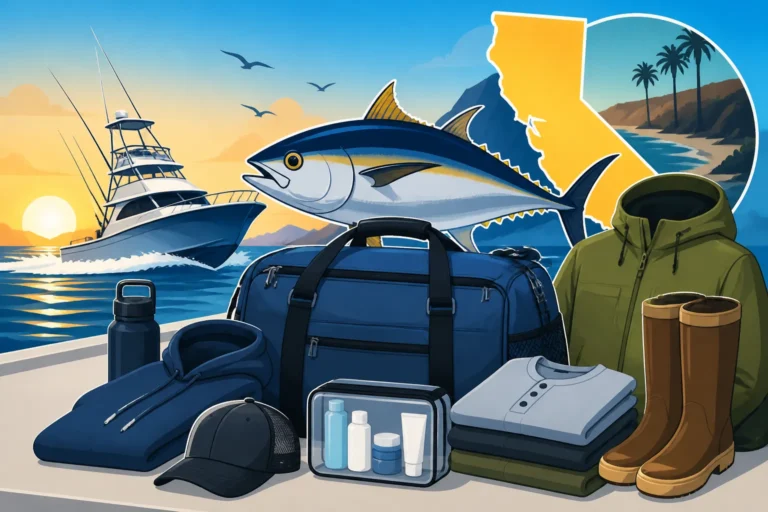
California weather, especially near the coast, can change rapidly. Offshore, it's even more pronounced. Dress in layers! Even if it's warm at the dock, it will likely be colder and windier miles offshore. A waterproof outer shell (jacket and pants) is crucial, as you'll be exposed to spray and potential rain. Non-slip, closed-toe shoes are a must for safety on a wet deck. Don't forget a hat for sun protection, sunglasses, and gloves if you anticipate handling fish or just want to keep your hands warm.
Food, Drinks, and Sun Protection
Pack plenty of water and snacks. Hydration is key, and you'll burn a lot of energy fighting fish. Avoid overly sugary drinks. Bring a packed lunch; charter boats don't typically provide meals on day trips, though multi-day trips will. Sunscreen (high SPF, waterproof) is absolutely essential. The sun's reflection off the water intensifies its rays, even on cloudy days. Reapply frequently.
The Day Of: From Dock to Deck
Knowing what to expect on the day of your trip can alleviate anxiety and ensure a smooth start.
Arriving at the Landing and Check-In
Plan to arrive at the landing at least 30-60 minutes before your scheduled departure. This gives you time to find parking, check in at the office (where you'll typically pick up your license or report cards if you ordered them through the landing), and get to the boat. It also allows time for any last-minute purchases like snacks or a forgotten hat. Many landings are bustling hubs, especially on busy weekends, so allow extra time.
Boarding and Finding Your Spot
Once aboard, the deckhands will typically show you where to store your gear and direct you to available spots. On party boats, it's often first-come, first-served for rail space, though some might have assigned spots. Be considerate of other anglers and their space. Listen carefully to the captain's pre-trip briefing on safety procedures, how to use the head (restroom), and general rules of the boat.
Fishing Etiquette and Crew Interaction
The crew is there to help you, so don't be afraid to ask questions. They'll teach you how to use the gear, bait your hook, and properly fight a fish. Listen to their instructions, especially when fish are biting, as they'll tell you the best techniques to employ. Remember to be patient, respectful of other anglers, and mindful of your casting and line. A little courtesy goes a long way. And speaking of courtesy, don't forget that tipping the deckhands is customary and greatly appreciated – they work incredibly hard! Our article on Tipping on a California Fishing Charter has more details.
Reputable Offshore Charter Companies and Booking Tips
You've decided what kind of trip you want; now, how do you find the right boat and captain? The quality of your charter can truly make or break your trip, so research is key.
Navigating Online Booking Platforms
In today's digital age, online platforms have made booking a fishing charter easier than ever. Websites like FishingBooker are fantastic resources, acting as a marketplace where you can browse numerous charters, compare prices, read reviews, and book directly. They often have detailed profiles for each boat and captain, including photos, species targeted, amenities, and available dates.
Using platforms like FishingBooker can streamline your search, especially if you're not familiar with the local area or specific charter operators. You can filter by location, trip type (half-day, full-day), and even target species. Just remember to still do your due diligence and read reviews carefully. Sometimes, you can also book directly through the websites of individual charter companies, which might offer slightly different pricing or availability.
Questions to Ask Before You Book
Don't be shy about asking questions before you commit. A reputable charter will be happy to provide all the information you need.
What's Included in the Price?
This is crucial for budgeting. Confirm if the price includes:
- Rods, reels, and tackle
- Bait (especially live bait, which can be expensive)
- Fish cleaning and bagging
- Fuel surcharge (some charters add this on volatile fuel price days)
- Any required Mexican permits (if crossing the border)
It's important to clarify these details upfront to avoid any surprises. For example, some charters might include basic tackle but charge extra for lost lures or specialized rigs.
What Are the Policies for Weather Cancellations or Rescheduling?
Bad weather happens, especially offshore. A good charter will have a clear policy for cancellations due to unsafe conditions (heavy seas, strong winds, fog). Usually, they will offer a reschedule or a full refund. Understand their policy before you book, so you're not caught off guard if your trip gets postponed. Don't push a captain to go out in conditions they deem unsafe; they're prioritizing your safety and a productive trip.
How Many Anglers Will Be on the Boat?
For private charters, this is usually clear (e.g., "up to 6 passengers"). For party boats, however, the number can vary widely. If you prefer more elbow room, ask about their typical passenger count. Some boats might limit their capacity for comfort, while others aim to fill every available spot. Knowing this helps set expectations.
Reading Reviews and Getting Recommendations
Word-of-mouth and online reviews are invaluable when choosing a charter.
Scrutinizing Online Reviews
Websites like Google Reviews, Yelp, TripAdvisor, and specific fishing forums offer a treasure trove of angler feedback. Look beyond just the star rating. Read the actual comments. What do people praise? What are common complaints? Look for consistent themes.
- Positive Signs: Mentions of friendly and helpful crew, finding fish consistently, clean boats, good communication, and adherence to safety.
- Red Flags: Repeated complaints about rude staff, mechanical issues, misleading information, or consistently poor fishing results compared to other boats in the area.
Remember, a single negative review might be an anomaly, but a pattern of complaints is a strong indicator to proceed with caution.
Local Fishing Forums and Social Media Groups
Join local California fishing forums or Facebook groups. These communities are often filled with passionate anglers who are happy to share their experiences and recommendations for specific captains and boats. You can ask direct questions about recent trips, conditions, and get unbiased opinions from people who have actually been on the water. This is an excellent way to get hyper-local, real-time advice and discover hidden gems among the charter fleets.
Budgeting for Your Offshore Fishing Trip
Offshore fishing, while incredibly rewarding, isn't always the cheapest hobby. Understanding the costs involved and how to budget effectively will ensure you enjoy your trip without any financial surprises.
Understanding Charter Rates and What's Included
The base price of a charter trip is just the starting point. As discussed earlier, what's included can vary widely, and it directly impacts the overall cost.
Typical Cost Ranges
- Half-Day Party Boat: Expect to pay roughly $75-$120 per person.
- Full-Day Party Boat: Typically ranges from $120-$250 per person, depending on the length of the trip and target species.
- Private Full-Day Charter (6 anglers): This is where costs significantly increase, usually starting from $1,000 to $2,500+ for the entire boat, depending on the boat's size, amenities, and location. This means per person, it could still be $170-$400+ if you split it evenly.
- Multi-Day Trips: These are the most expensive, ranging from $400 to $1000+ per person per day, as they include meals, bunks, and extensive travel.
These are general estimates, and prices fluctuate based on fuel costs, demand, and the reputation of the charter. Always get a clear quote that details everything included.
Variable Pricing and Seasonal Fluctuations
Charter prices can be seasonal. Peak seasons for popular species (like summer and fall for tuna in Southern California) might see higher rates. Conversely, off-peak times might offer slightly reduced prices, though the fishing might be less consistent for certain species. Some boats might have different pricing for weekdays versus weekends. Always inquire about any potential seasonal price adjustments.
Hidden Costs: Licenses, Tips, Fish Processing
The "hidden" costs are often where budgets get blown. Factor these in from the start!
Fishing Licenses and Report Cards
As mentioned, your California fishing license and any required report cards (e.g., for California Steelhead Report Card or California Salmon Report Card) are your responsibility and are not included in the charter fee. A resident annual license currently runs around $61.82, while a one-day license is $19.18. Report cards are typically $8-$10 each. Don't forget these; an expired or missing license can lead to hefty fines, ruining your day before it even begins. See our How Much Is a California Fishing License guide for exact pricing.
Tipping the Crew
Tipping is customary and expected on fishing charters. Deckhands work incredibly hard, often for long hours, to ensure you have a successful and safe trip. A general guideline is 15-20% of the trip's cost. If you're on a party boat, tip your deckhand directly. On a private charter, you can give the tip to the captain, who will then distribute it to the crew. If you had an exceptional experience, consider tipping on the higher end. This goes a long way in showing appreciation for their hard work.
Fish Processing and Shipping
So you've caught a bunch of fish—now what? Many landings offer professional fish processing services, where they will fillet, skin, and bag your catch for a fee. This is incredibly convenient, especially for large hauls. Prices vary by weight or species. If you're traveling a long distance, you might also consider bringing a good quality cooler or even inquiring about shipping options for your fish. These are often extra costs but well worth it to enjoy your catch later.
Making the Most of Your Investment
An offshore charter is an investment in an experience, and you want to maximize its return.
Go with a Game Plan (But Be Flexible!)
Have a general idea of what you want to target, but be prepared for the captain to change plans based on real-time conditions and fish reports. The best captains are constantly adapting. Trust their expertise; they want you to catch fish as much as you do! Communicating your preferences to the captain beforehand on a private charter can help them tailor the trip.
Engage with the Crew
The crew are a wealth of knowledge. Ask them questions about techniques, bait, and local fishing lore. The more you engage, the more you'll learn, and the better your chances of success. They can often provide tips that make all the difference, from how to cast a live bait to the best way to retrieve a jig.
Prioritize the Experience, Not Just the Catch
While catching fish is definitely the goal, remember that offshore fishing is an adventure. Enjoy the journey, the camaraderie, the stunning ocean views, and the thrill of being far from shore. Some days the fish bite, some days they don't, but the experience of being out on the vast Pacific is always memorable. A positive attitude, regardless of the fishing report, will ensure you have a great time.
| Charter Type | Typical Duration | Cost Per Person (Estimate) | Pros | Cons | Best For |
|---|---|---|---|---|---|
| Party Boat | Half-Day, Full-Day | $75 – $250 | Economical, social, good for solo anglers. | Crowded, less personalized, no choice of targets. | Budget-conscious, social, beginners. |
| Private Charter | Half-Day, Full-Day | $170 – $400+ (split) | Personalized, exclusive, flexible targets, more space. | Significantly more expensive. | Groups, families, specific target species, privacy. |
| Multi-Day Trip | 1.5-Day, 2-Day+ | $400 – $1000+ per day | Access to remote grounds, trophy fish potential, immersive. | High cost, significant time commitment, demanding. | Experienced anglers, trophy hunters, bucket list. |
Disclaimer
The information provided in this guide is for general informational purposes only. Fishing regulations, seasons, and prices are subject to change by the California Department of Fish and Wildlife (CDFW) and individual charter operators. Always verify current regulations and booking details directly with the CDFW and your chosen charter before planning your trip. Fishing inherently involves risks; prioritize safety and follow all instructions from your charter captain and crew.