Fishing Charters in Oceanside
Feeling the itch to cast a line in Southern California but overwhelmed by where to start, especially with so many options swirling around Oceanside? It’s a common frustration trying to navigate the endless possibilities of charter fishing, from finding the right boat to understanding what you’re actually getting into. This comprehensive guide will cut through the noise, walking you through everything you need to know about fishing charters in Oceanside, ensuring your next angling adventure is nothing short of fantastic.
Why Oceanside is a Premier Destination for Fishing Charters
Oceanside isn't just another pretty coastal town; it's a legitimate hub for sportfishing, offering anglers access to an incredibly rich marine environment. Many people, especially those new to the area or even seasoned anglers, might underestimate just how much diversity and opportunity Oceanside provides. It's not just about the local pier; it's the gateway to some seriously productive waters.
The Abundant Local Fishery
What really sets Oceanside apart is the sheer abundance and variety of fish species swimming just off its coast. We're talking about a thriving ecosystem that supports both nearshore and offshore angling, making it a dream destination for anyone with a rod and reel. The nutrient-rich waters here, influenced by currents and submarine canyons, create ideal habitats for a wide range of game fish.
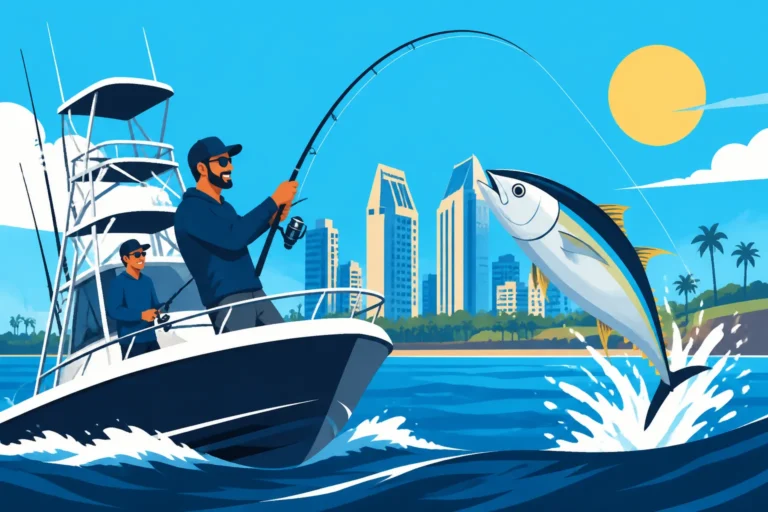
You'll find everything from feisty rockfish clinging to rocky reefs and kelp beds to cunning California halibut lurking on sandy bottoms. For those who love the fight, the calico bass is a local favorite, known for its aggressive strikes and powerful runs around structure. Further offshore, the pelagic action can be absolutely phenomenal, drawing in schools of yellowtail and various tuna species during their migratory seasons. It’s this incredible biodiversity that makes every trip out of Oceanside a potential trophy hunt, keeping anglers coming back for more, year after year.
Ideal Location and Accessibility
Beyond the fish, Oceanside boasts a prime location that makes it incredibly convenient for anglers from all over Southern California and beyond. Situated right between the bustling metropolis of Los Angeles and the vibrant city of San Diego, it’s easily accessible via major freeways. This central positioning means less travel time and more fishing time, which is something every angler can appreciate after a long week.
The harbor itself is well-developed, offering ample parking and easy access to charter docks. There’s a certain charm to stepping off the land and onto a boat within minutes of arriving, without the headache of navigating overly congested areas. Plus, being a full-service marina, Oceanside Harbor has all the necessary amenities right there: bait shops, tackle stores, restaurants, and even accommodations, making it a perfect launchpad for any fishing expedition. It truly simplifies the logistics of planning a fishing trip, especially for those looking to maximize their time on the water.
Diverse Charter Options for Every Angler
One of the greatest strengths of Oceanside's fishing scene is the sheer diversity of charter options available. It’s not a one-size-fits-all situation; whether you're a complete novice, a family with kids, or a hardcore angler chasing a personal best, there’s a boat and a trip designed just for you. This variety ensures that everyone, regardless of their experience level or budget, can find an adventure that fits.
You'll find everything from large party boats, often called "open party" or "head boats," that can accommodate dozens of anglers, to smaller, more intimate private charters. These smaller boats offer a highly personalized experience, often catering to specific target species or fishing techniques. For those looking to browse and compare, platforms like FishingBooker make it incredibly easy to see what's available, compare prices, and read reviews from other anglers, helping you zero in on the perfect fit. This flexibility is a huge boon, allowing everyone to tailor their perfect day on the water.
Understanding Oceanside Fishing Charter Types
Navigating the world of fishing charters can sometimes feel like trying to decipher an ancient map. What's the difference between a half-day and a full-day trip? Should you go private or join an open party? Each option offers a distinct experience, catering to different preferences, budgets, and fishing goals. Understanding these distinctions is crucial for planning your ideal Oceanside adventure.
Half-Day and Full-Day Trips
The most common distinction you'll encounter when looking at fishing charters in Oceanside, or anywhere in California for that matter, is the trip duration. You'll typically have the choice between a half-day or a full-day excursion. Both have their merits, and your choice often depends on how much time you have and how serious you are about targeting a specific species.
Half-day trips usually run for about 4 to 6 hours, either in the morning or afternoon. These are fantastic for beginners, families with younger children, or anyone looking for a quicker taste of the ocean without committing an entire day. You'll generally stay closer to shore, targeting species like rockfish, bass, or even some smaller halibut. It's a great way to get on the water, enjoy the fresh air, and usually come back with some fish for dinner, making it an excellent introduction to California charter fishing for beginners. The action can be fast, but the travel time is minimal.
Full-day trips, on the other hand, typically last 8 to 12 hours. These are for the more dedicated anglers who want to maximize their fishing time and have the opportunity to venture further offshore. With more time on the water, captains can search for a wider range of species, often reaching deeper water or productive offshore banks where larger game fish like yellowtail, dorado, or even tuna might be lurking. While more of a commitment, full-day trips significantly increase your chances of a more diverse catch and larger specimens, offering a more immersive angling experience. It's a solid choice if you're serious about your fishing.
Private Charters vs. Open Party Boats
This is another significant fork in the road when deciding on your Oceanside fishing charter. The choice between a private charter and an open party boat boils down to budget, desired intimacy, and group size. Each provides a very different dynamic and experience on the water.
Open party boats, sometimes referred to as "head boats," are the most budget-friendly option. You pay for a single spot on a larger vessel, joining other individual anglers or small groups. These boats are designed to carry a good number of passengers, often ranging from 20 to 60 or more, depending on the vessel size. The atmosphere can be lively, and it's a great way to meet other anglers. The crew on these boats are experts at managing multiple lines and helping everyone, from beginners to seasoned pros, have a successful day. However, you'll have less individual attention from the crew and less say in where the boat goes or what species are targeted, as the captain will usually follow the bite that day to ensure the best overall success for the group. For a deeper dive into the group experience, check out our guide on California Party Boat Fishing Explained.
Private charters, conversely, offer an exclusive experience. You book the entire boat for your group, whether it's just you and a friend, your family, or a corporate outing. This means you have the captain and crew's undivided attention, and you can often customize the trip to target specific species or explore particular fishing grounds. If you're hoping for a California Yellowtail Fishing Guide experience, a private charter can take you exactly where those elusive fish are known to be. While significantly more expensive on a per-person basis, the flexibility, personalized service, and privacy are invaluable for many anglers. It’s perfect for groups who want a tailored adventure without the crowds.
Specialized Trips and Target Species
Oceanside charters don't just offer generic fishing trips; many specialize in targeting specific species or utilizing particular techniques. This can be a huge advantage if you have a particular fish in mind or a type of fishing you're keen to try. For instance, some boats are outfitted specifically for deep-dropping for lingcod and rockfish, while others are geared for chasing fast-moving pelagics.
You might find charters advertising dedicated "tuna trips" during the peak season, focusing on offshore waters where bluefin or yellowfin tuna are abundant. These often involve longer trips, sometimes even overnight, to reach distant fishing grounds. There are also charters that focus heavily on inshore opportunities, perhaps targeting calico bass around kelp beds with artificial lures, or patiently drifting for halibut over sandy flats. When booking, it's always worth asking what the charter specializes in and if they can accommodate your specific angling desires. Using a platform like FishingBooker can help filter charters by target species, making it easier to find the perfect match for your ambitions.
| Charter Type | Duration | Typical Focus | Pros | Cons | Best For |
|---|---|---|---|---|---|
| Half-Day Open Party | 4-6 hours | Nearshore, rockfish, bass, smaller halibut | Affordable, quick, good for beginners/families | Less personalized, crowded, limited range | First-timers, families, budget-conscious |
| Full-Day Open Party | 8-12 hours | Nearshore/Offshore, broader species variety | Better chance at diverse catch, still affordable | Crowded, captain dictates targets | More serious anglers, still budget-friendly |
| Half-Day Private | 4-6 hours | Customizable, specific nearshore targets | Exclusive, personalized attention, flexible | More expensive than open party trips | Small groups, families, specific nearshore goals |
| Full-Day Private | 8-12+ hours | Highly customizable, offshore, big game, specific techniques | Ultimate flexibility, maximum attention, tailored | Most expensive, requires a dedicated group | Serious anglers, corporate groups, special occasions |
| Overnight/Multi-Day | 24+ hours | Offshore tuna, long-range species | Access to distant grounds, trophy fish potential | Significant time/cost commitment, intense fishing | Dedicated tuna/offshore enthusiasts |
What to Expect on an Oceanside Fishing Charter
Stepping onto a fishing charter, especially for the first time, can feel a bit like entering a new world. There are certain expectations you should have regarding gear, the flow of the day, and the overall experience. Knowing what’s typically provided and what your responsibilities are can help you relax and truly enjoy the fishing.
Gear, Bait, and Licensing
One of the biggest advantages of booking an Oceanside fishing charter is that most of the heavy lifting regarding equipment is taken care of for you. Generally, all necessary fishing gear, including rods, reels, and tackle, is provided. This is a huge relief for travelers or those new to fishing who don't own their own specialized saltwater equipment. The crew will have gear appropriate for the target species, ensuring you have the best chance to hook up.
Bait is also almost always included in your charter fee. Depending on the trip and target species, this could range from live anchovies or sardines for pelagic fish, to squid or cut bait for bottom dwellers. The crew are experts at keeping bait fresh and will instruct you on how to properly rig and present it. However, it's worth noting that any specialized terminal tackle or lures you might want to try (beyond what's generally provided) should be brought by you.
What's often not included, and is a non-negotiable requirement for anyone 16 years or older, is a valid California fishing license. You'll need to secure this before your trip. You can easily purchase one online through the California Department of Fish and Wildlife (CDFW) website or from authorized vendors, which are plentiful around Oceanside. Don't forget, depending on what you're targeting, you might also need an California Ocean Enhancement Stamp for certain offshore trips or a report card for specific species like highly migratory species (HMS). Always double-check current regulations before heading out. Our guide on How to Get a California Fishing License can walk you through the process.
Typical Itinerary and Fishing Techniques
While every charter trip is unique and dictated by the bite, there's a general flow you can anticipate on an Oceanside fishing charter. Your day will typically start early, with a check-in at the dock, usually 30-60 minutes before departure. This allows time for final payments, getting your gear sorted, and a quick safety briefing from the crew.
Once underway, the captain will navigate to the fishing grounds. This could be a quick run to a nearby kelp bed for calico bass or a longer journey offshore in pursuit of tuna. Along the way, the crew will often provide instructions on how to use the equipment, tie knots, and deploy bait. Fishing techniques vary widely based on the target species. For rockfish, you might be using dropper loops with bait or jigs, slow-pitch jigging, or even lead-head plastics near the bottom, mindful of California Rockfish Depth Restrictions. For pelagic fish like yellowtail, techniques often involve fly-lining live bait, yo-yo jigging, or trolling. The crew will be actively involved, helping anglers throughout the day, whether it's untangling lines, netting fish, or re-baiting hooks.
The day will involve moving between different spots if the bite slows down, with the captain constantly using their expertise and electronics to locate fish. Lunch and snacks are usually a bring-your-own affair, though some premium charters might offer catering. By the end of the trip, the boat will head back to the dock, where the crew will often clean and bag your catch, ready for you to take home.
Comforts, Amenities, and Onboard Experience
The onboard experience on an Oceanside fishing charter can vary greatly depending on the size and type of boat. Most charter boats, even party boats, will have basic amenities like a head (restroom) and a galley area where you can store food and drinks. Larger party boats often have full galleys offering hot food, snacks, and beverages for purchase throughout the day, which is a nice perk on a long trip.
Comfort is also a key consideration. You'll want to dress in layers, as mornings can be chilly and afternoons quite warm, especially if the sun is out. Don't forget sunscreen, a hat, and sunglasses! Many boats have enclosed cabins for shelter from the elements, and some even have bunk rooms for overnight trips. The ride itself can range from smooth sailing on calm days to a bit bumpy if the seas kick up. If you're prone to seasickness, it's wise to take preventative measures before boarding.
The crew are more than just deckhands; they're your guides, teachers, and fish-finding assistants. They're there to ensure your safety, help you fish, and make your trip enjoyable. Don't be shy about asking questions or requesting assistance. Their local knowledge is invaluable, not just for fishing, but also for identifying species and understanding the marine environment. Many charters, especially those listed on platforms like FishingBooker, pride themselves on providing a friendly and helpful atmosphere for anglers of all skill levels.
Key Species Targeted by Oceanside Charters
Oceanside's diverse marine environment means you can target a wide array of fish species throughout the year. Knowing what’s biting and when can help you pick the perfect time and type of charter for your next fishing expedition. Whether you're hugging the coastline or venturing far offshore, there's always something exciting to pursue.
Nearshore Delights: Rockfish, Calico Bass, and Halibut
For many anglers fishing out of Oceanside, the nearshore waters offer consistent action and a rewarding catch. These trips typically stay within a few miles of the coast, targeting reefs, kelp beds, and sandy bottoms. This is where you'll find a fantastic variety of bottom-dwelling and structure-oriented species.
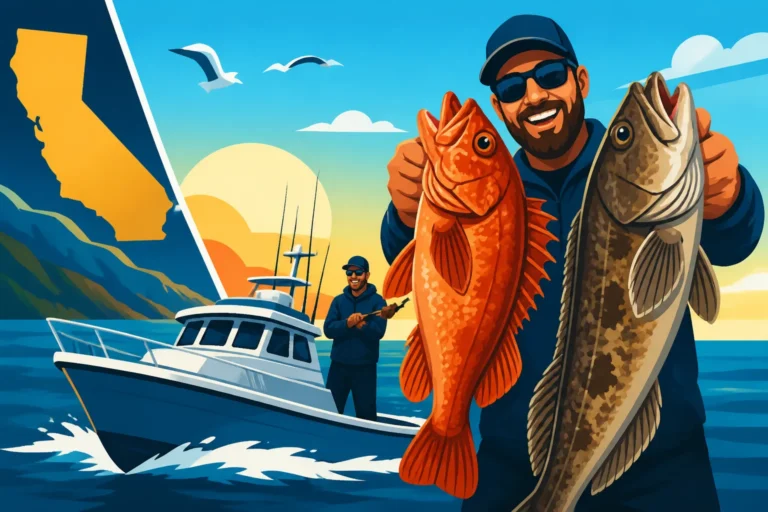
Rockfish are arguably the bread and butter of Oceanside's nearshore fishery. You can catch a multitude of species, including vermilion rockfish (often called "reds" or "red snapper"), bocaccio, starry rockfish, and various scorpionfish. They tend to congregate around rocky structures and kelp, making them a relatively easy and fun target. Remember, there are specific California Rockfish Regulations and Limits to be aware of, including depth restrictions in certain areas. Charters often run "rockfish trips" where they'll drift or anchor over known reefs, allowing anglers to drop down baited hooks or jigs.
Calico bass, also known as kelp bass, are another hugely popular target in the nearshore environment. These feisty fish love to hide in the dense kelp forests that hug the Southern California coastline. Anglers often target them using artificial lures like swimbaits or jigs, casting into the kelp and working their presentations aggressively. They offer a challenging fight and are a favorite for catch-and-release enthusiasts, though they are also excellent table fare within regulated limits.
California halibut are the ultimate prize for many nearshore anglers. These flatfish are masters of camouflage, burying themselves in the sand and ambushing unsuspecting baitfish. Oceanside charters will often drift over sandy bottoms, using live bait like anchovies or sardines, or even large grubs, to entice these elusive predators. Landing a trophy halibut requires patience and a bit of luck, but the reward is a delicious and highly sought-after catch. Always be aware of the California Halibut Size and Bag Limits before heading out.
Offshore Giants: Tuna, Yellowtail, and Dorado
For those craving big game action and willing to venture further out, Oceanside serves as an excellent departure point for offshore adventures. The waters beyond the 30-mile mark, often extending down towards Mexican waters, become a hunting ground for some of the ocean's most powerful and sought-after pelagic species.
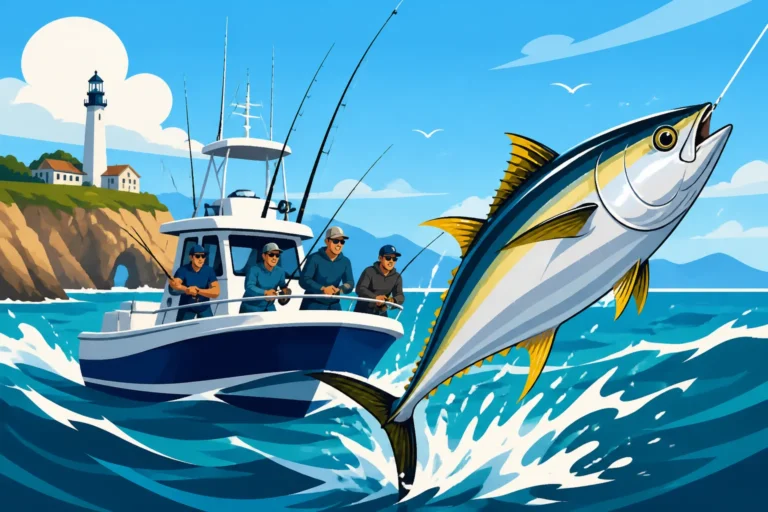
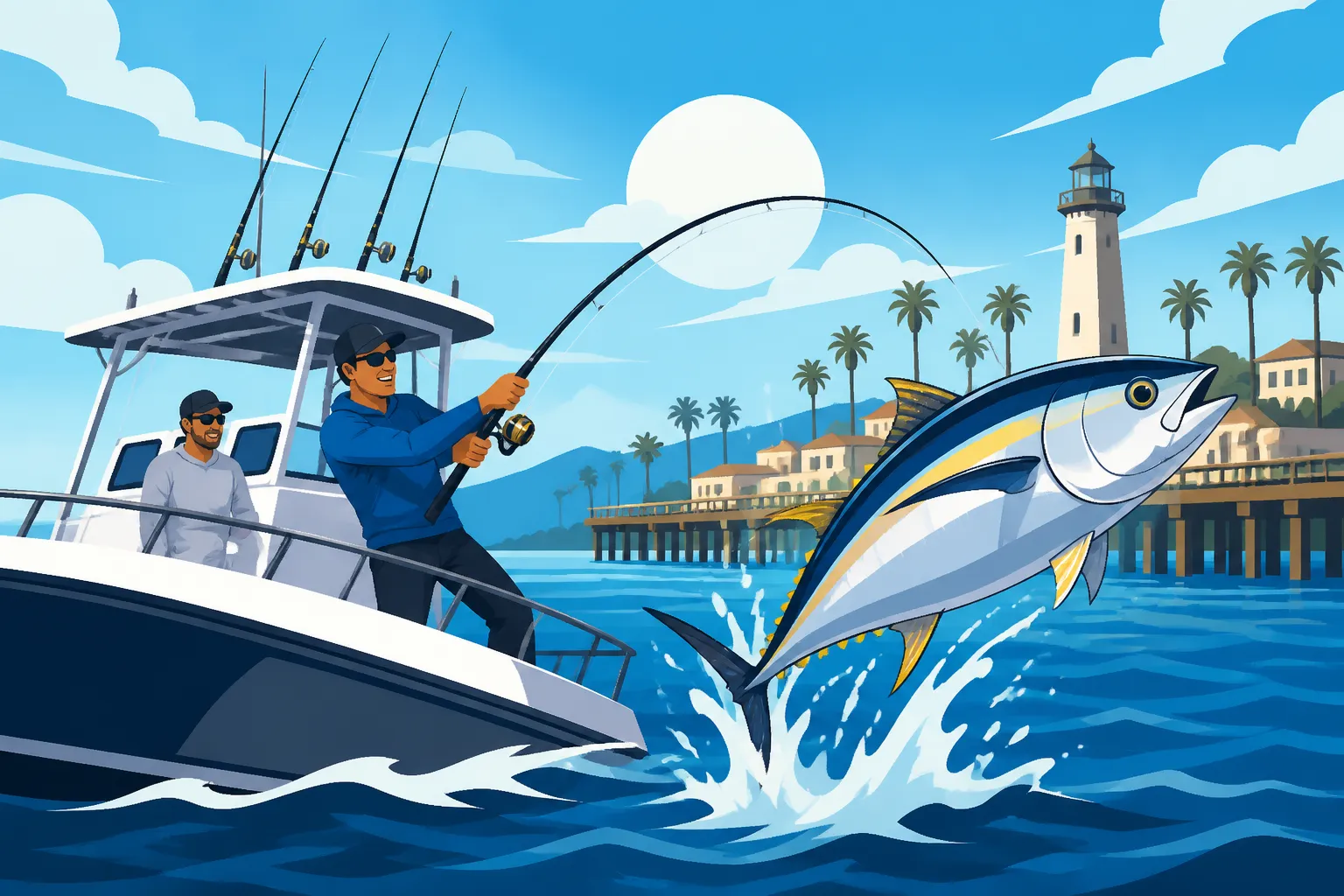
Bluefin tuna have become a major draw in recent years, offering an incredible fight and exceptional table quality. These magnificent fish can range from smaller "football" sizes to massive giants well over 200 pounds. Targeting bluefin often involves long runs offshore, looking for signs like boiling baitfish, working birds, or sonar marks. Techniques typically include kite fishing, chunking, or casting heavy jigs and poppers. An overnight or even a multi-day trip is often recommended to truly maximize your chances when fishing for How to Catch Bluefin Tuna off California.
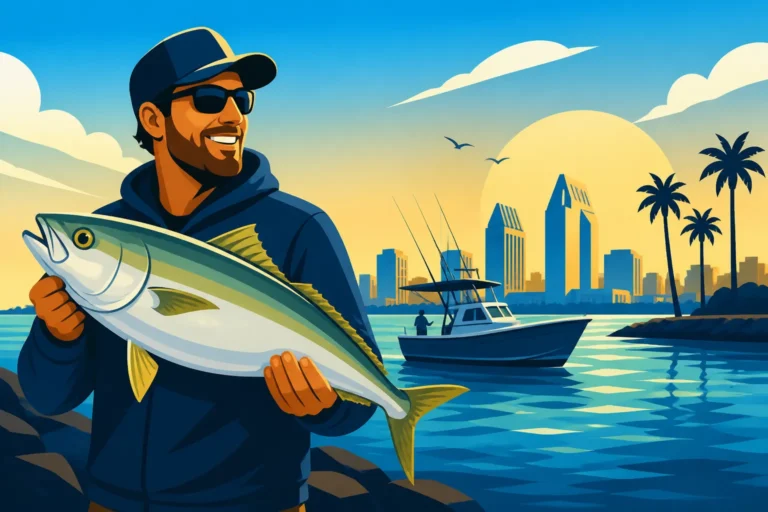
Yellowtail, known for their powerful runs and incredible fighting ability, are another offshore favorite. They often school around offshore islands, high spots, or floating kelp paddies. Anglers use a variety of techniques to catch them, including fly-lining live bait, yo-yo jigging, or throwing surface iron. The sight of a school of "mossbacks" crashing bait on the surface is an unforgettable experience. Oceanside charters often run dedicated yellowtail trips during their prime season.
Dorado, or Mahi-Mahi, are not only stunningly beautiful with their vibrant colors but also incredibly aggressive fighters and delicious to eat. They are often found in warmer offshore waters, frequently associated with kelp paddies or other floating debris, which act as their personal ecosystem. Dorado respond well to live bait, trolled lures, and even surface poppers. Their presence is highly dependent on warm water currents, so they are typically a summer and early fall target.
Seasonal Considerations for Prime Catches
The fishing in Oceanside is truly a year-round affair, but what you target and how successful you are will largely depend on the season. Each time of year brings its own opportunities and challenges, making it exciting for anglers who visit regularly.
Spring (March-May): This is often a transition period. Rockfishing remains strong as depths open up after winter restrictions. Halibut fishing can pick up, especially in sheltered bay areas. As water temperatures start to rise, baitfish begin to move in, signaling the potential for early-season yellowtail or even migratory seabass. It’s a great time for diverse fishing.
Summer (June-August): This is prime time for offshore pelagics. Warm water brings in the bluefin tuna, yellowtail, and dorado. Full-day and overnight trips become popular as boats venture further south. Nearshore, calico bass fishing is excellent, and barracuda can also make an appearance, providing fast-paced action. Check our guide on Best Season to Book a California Charter for more seasonal details.
Fall (September-November): Often considered one of the best times to fish in Oceanside. The warm offshore waters persist, keeping tuna, yellowtail, and dorado active. Bluefin tuna can reach their largest sizes during this period. Nearshore, the calico bass bite remains strong, and larger halibut can be caught as they feed heavily before winter.
Winter (December-February): While offshore pelagic action slows down, winter is prime time for rockfish and lingcod in the deeper nearshore waters. Charters will focus heavily on these species. The weather can be less predictable, but calmer days offer excellent opportunities for bottom fishing. This is also when some of the largest white seabass can be caught, though they are notoriously difficult to target.
How to Choose the Right Oceanside Fishing Charter
With so many options available, picking the perfect fishing charter in Oceanside can feel like a daunting task. You want to ensure you're getting a good value, a safe trip, and an enjoyable experience. Taking the time to do a little research and ask the right questions can make all the difference.
Researching Charter Operators and Reputations
Before you even think about booking, dedicate some time to researching the various charter operators working out of Oceanside. Not all boats or captains are created equal, and a good reputation often speaks volumes. Start by looking at their websites, social media pages, and most importantly, online reviews. Platforms like FishingBooker are excellent for this, as they aggregate reviews from past customers, giving you an unbiased look at others' experiences.
Pay close attention to what people say about the crew's professionalism, helpfulness, and fishing expertise. Were they good with beginners? Did they work hard to find fish? Was the boat clean and well-maintained? Look for consistent positive feedback. Also, check to see if they specialize in the type of fishing you're interested in, or if they have a good track record with the species you want to target. A charter that consistently puts clients on tuna might be different from one that specializes in nearshore bass. Don't just look at the overall star rating; read the actual comments to get a feel for the operator's strengths and weaknesses.
Comparing Pricing and Inclusions
Once you've narrowed down a few reputable operators, it's time to compare their offerings and, of course, their prices. This is where many people get tripped up, thinking a lower price always means a better deal. However, the cheapest option might not include everything you need, leading to unexpected costs later.
When comparing pricing for How Much Does a Fishing Charter Cost in Oceanside, always look at what's included in the base fare. Does it cover rods, reels, and tackle? Is bait provided, or is there an extra charge for live bait? What about fish cleaning and bagging at the end of the day? Remember, a California fishing license cost is usually separate and your responsibility. Some charters might include snacks and non-alcoholic beverages, while others require you to bring everything yourself.
Create a simple comparison chart to lay out the details clearly. This will help you see the true cost of each option. For instance, a slightly more expensive charter might include all your gear, bait, and fish cleaning, making it a better value than a cheaper one that charges extra for each of those services. Be transparent about your budget, but don't let it be the only deciding factor. Value often comes from the overall experience and the inclusions that make your day hassle-free.
Asking the Right Questions Before Booking
Before you commit to a booking, pick up the phone or send an email and ask some direct questions. This not only clarifies any uncertainties but also gives you a feel for the operator's customer service.
Here are some essential questions to ask:
- "What's biting right now?" This gives you a realistic expectation of what you might catch.
- "What's your typical itinerary for this trip?" Understand the timing, fishing spots, and techniques.
- "What exactly is included in the price, and what should I bring?" Reconfirm gear, bait, drinks, and any extra costs. This is crucial for knowing What to Bring on a California Fishing Charter.
- "Do I need to purchase a fishing license, and where can I get one?" Reconfirm requirements.
- "What is your cancellation policy in case of bad weather or other unforeseen circumstances?" Know your options if things don't go as planned.
- "Is fish cleaning provided, and is there an extra charge?"
- "What kind of safety equipment do you have on board?" A reputable charter will always have life jackets, first-aid, and communication devices.
A good charter operator will be happy to answer all your questions thoroughly and patiently. If you feel rushed or get vague answers, that might be a red flag. Clear communication upfront leads to a much smoother and more enjoyable fishing trip.
Making the Most of Your Oceanside Fishing Adventure
You've booked your charter, chosen your targets, and you're all set to go. But a truly great fishing trip often comes down to preparation and knowing how to behave once you're on the water. A little foresight can ensure your adventure is memorable for all the right reasons.
Preparing for Your Trip What to Bring
Don't underestimate the importance of packing wisely for your Oceanside fishing charter. The right gear can make the difference between a comfortable, productive day and a miserable one. While most essential fishing equipment is provided, there are several personal items you absolutely shouldn't leave home without.
First and foremost, dress in layers. California weather, especially on the ocean, can change dramatically throughout the day. Mornings can be foggy and chilly, while afternoons can be bright and warm. A waterproof and windproof outer layer is almost always a good idea, even on sunny days, as sea spray can quickly make you feel cold. Sunglasses and a hat are essential for sun protection, and plenty of high SPF sunscreen will save you from a nasty burn.
Food and drinks are another major consideration. While some party boats have galleys, it’s always smart to bring your own snacks, sandwiches, and plenty of water or other non-alcoholic beverages. A small cooler is usually acceptable. Don't forget any personal medications you might need. If you're prone to seasickness, take medication like Dramamine or Bonine before you board, not when you start feeling queasy. A camera to capture your catches and the beautiful scenery is a must, and a small backpack can help keep your essentials organized.
Etiquette and Tipping Guidelines
Being a respectful angler on a charter boat is key to a good experience for everyone. Whether you're on a private boat or a crowded party boat, a little consideration goes a long way.
On a party boat, be mindful of your casting space and avoid casting over other lines. If you get tangled with another angler, stay calm and let the crew help sort it out; they're experts at untangling lines efficiently. Always listen to the captain and crew's instructions, especially regarding safety and fishing techniques. They're trying to help everyone catch fish and stay safe. Avoid excessive drinking, and keep your area tidy. Nobody likes fishing next to a mess.
Tipping the crew is customary and highly appreciated, as deckhands often work incredibly hard for modest wages. A standard tip for the deckhands is usually 15-20% of the charter fee. If you had an exceptional experience, feel free to give more. Hand your tip directly to a deckhand at the end of the trip, or ask the captain if there's a communal tip jar. This gesture acknowledges their hard work, from helping you land fish to cleaning your catch. Our article on Tipping on a California Fishing Charter provides even more detailed guidance.
Handling Your Catch Responsibly
Catching fish is exhilarating, but knowing how to handle your catch responsibly once it's aboard is just as important. Most Oceanside charters will have strict rules about size and bag limits for various species, dictated by the California Department of Fish and Wildlife. The crew will be knowledgeable about these regulations and will measure your fish to ensure compliance. If a fish is undersized or over your limit, it must be released quickly and carefully to maximize its chances of survival.
For fish you plan to keep, the crew will usually take care of getting them on ice as quickly as possible to preserve their freshness. Many charters offer fish cleaning services at the end of the trip, often for a small fee. This is a huge convenience, as the crew are adept at filleting and bagging your catch efficiently. Don't try to clean your own fish on deck unless explicitly permitted and you know what you're doing. It’s best to let the experts handle it.
Remember, fishing is not just about catching; it's also about conservation. By adhering to regulations, practicing responsible catch and release, and respecting the marine environment, you contribute to the sustainability of Oceanside's incredible fishery for generations to come.
Disclaimer
Please note that fishing regulations, seasons, and limits are subject to change by the California Department of Fish and Wildlife (CDFW). Always consult the latest CDFW regulations booklet or website before your trip to ensure compliance. This guide is for informational purposes only and does not constitute legal advice regarding fishing regulations.