San Diego Overnight Tuna Trips Explained
Oh, the call of the Pacific! There's nothing quite like the dream of heading out from San Diego, chasing those powerful tuna far offshore. But if you're like many anglers, the idea of an "overnight tuna trip" can feel a bit daunting, shrouded in mystery about what to expect, what to bring, and whether it's truly worth the investment. This guide is here to pull back the curtain, explaining exactly what these epic adventures entail, so you can plan your next big catch with confidence.
What Exactly Are San Diego Overnight Tuna Trips?
Let's get down to brass tacks: what's an overnight tuna trip all about? It's not just a longer day on the water; it's a completely different experience designed to maximize your time in the prime tuna hunting grounds. You're heading out when most day boats are coming in, giving you access to witching-hour bites and less pressure on the schools.
The Concept of Extended Offshore Adventures
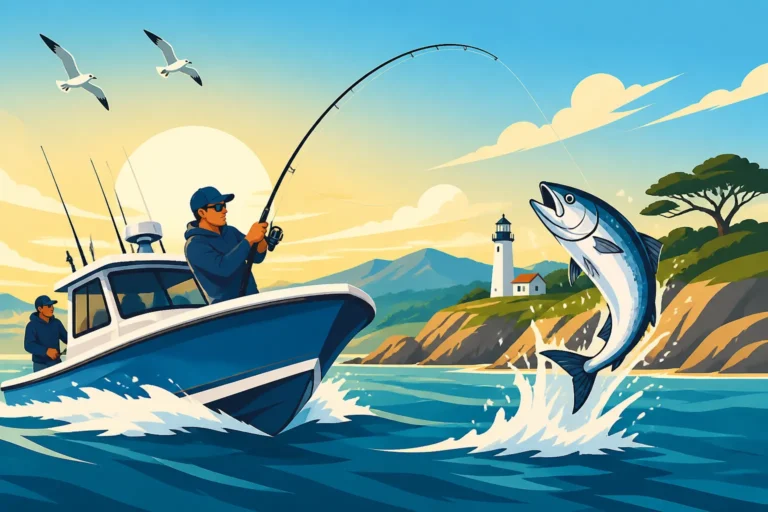
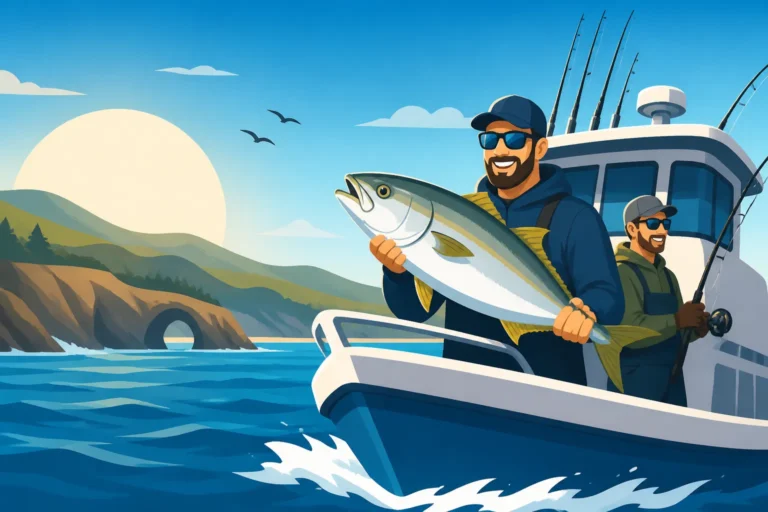
An overnight tuna trip, typically departing from San Diego's bustling docks, is an extended offshore fishing excursion that usually lasts anywhere from 1.5 to 2 days. The idea is simple: it takes time to get to where the big tuna live, often 60 to 100 miles or more offshore, sometimes even crossing into Mexican waters (don't worry, the charter takes care of permits for foreign waters, but you'll still need your California fishing license!). Instead of rushing out and rushing back within a single daylight period, these trips allow the boat to travel further, fish harder, and often capitalize on those magical low-light bite windows that can be incredibly productive for pelagic species. You're not just fishing; you're living on the ocean for a short, intense period, fully immersed in the hunt.
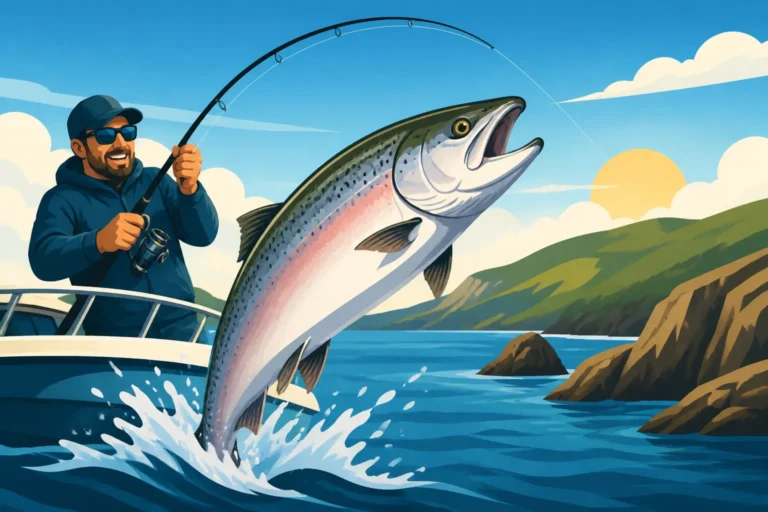
Imagine this: you board the boat in the late afternoon or early evening, get settled, and enjoy a meal as the vessel steams offshore. You might wake up already on the tuna grounds, lines hitting the water at first light. Or, if the bite is hot, you could be fishing through the night under the stars, feeling the thrill of a big tuna run in the dark. These trips are all about dedication and endurance, giving you the best possible chance to connect with trophy-sized bluefin, yellowfin, or other hard-fighting species that roam the open ocean currents off the Southern California coast.
Differentiating Overnight from Multi-Day and Half-Day Trips
It's easy to get confused with all the different trip durations offered by sportfishing landings. Let's clarify the distinctions, especially when you're looking to book a California fishing charter.
- Half-Day Trips: These are quick, usually 4-6 hour excursions, typically staying close to shore. They're fantastic for families, beginners, or if you just want to get a few hours of fishing in. You'll likely target rockfish, calico bass, or smaller species in kelp beds or nearshore reefs. Definitely not a tuna trip!
- Full-Day Trips: Stepping up, full-day trips are 10-12 hours. From San Diego, these might reach offshore islands like Catalina or San Clemente, or closer offshore banks. You could target tuna on a good full-day trip if they are very close to shore, but it's less common and gives you much less fishing time at the prime spots. They offer a good balance of travel and fishing time for various species.
- Overnight Trips (1.5-2 days): This is our sweet spot! You typically depart in the evening, travel through the night, fish all day the next day, and steam back, arriving the following morning. The key here is sleeping on the boat. This allows for significant travel distance to prime offshore zones that are otherwise unreachable for sustained fishing on a single day trip. This category also often includes what's sometimes called a "1.5-day trip," meaning one night spent on the water and roughly one full day of fishing. This extra time allows the captain to chase fish, not just specific spots.
- Multi-Day Trips (2.5 days or more): These are the true expeditions. Think 2.5 days, 3.5 days, or even longer "long-range" trips that head far south into Mexican waters, sometimes for a week or more. San Diego Long-Range Fishing Trips are legendary. These are designed for serious anglers looking to target multiple species in remote areas, with even more time for steaming, exploring, and getting multiple full days of fishing in. The boats are often larger, with more amenities, and the cost and commitment are significantly higher. For most, the overnight trip strikes a perfect balance of adventure and accessibility.
Knowing the difference is crucial when planning your trip, as each offers a distinct experience tailored to different fishing goals and budgets.
Why San Diego is the Epicenter for Tuna Expeditions
When it comes to offshore tuna fishing on the West Coast, San Diego isn't just a destination; it's the destination. There's a reason so many anglers flock here for their pelagic pursuits, and it's not just the sunny weather.
Proximity to World-Class Tuna Grounds
San Diego holds a geographical advantage that few other ports can rival. The city is perfectly positioned to offer relatively quick access to some of the most productive tuna grounds in the Pacific. We're talking about offshore banks, seamounts, and current lines where nutrient-rich waters converge, creating a perfect buffet for baitfish, which in turn attracts massive schools of bluefin, yellowfin, and other highly migratory species.
The dynamic oceanography off Southern California and Baja California creates predictable, albeit shifting, hotspots for these pelagic predators. Whether it's the Tanner Bank, Cortez Bank, or areas further south in Mexican waters, San Diego's fleet can reach these incredible fisheries. This isn't like fishing for trout in a local lake; these are vast ocean expanses, and having a home port that shaves hours off travel time is a huge benefit for an overnight trip. The seasoned captains out of landings like Fisherman's Landing, H&M Landing, and Point Loma Sportfishing know these waters intimately, often communicating with each other and relying on decades of experience to put you on the fish. This local knowledge, combined with advanced sonar and satellite imagery, makes San Diego the prime launching point.
A Legacy of Sportfishing Excellence and Fleet Quality
Beyond geography, San Diego boasts a rich heritage and a modern, high-quality fleet that sets it apart. This isn't a new phenomenon; San Diego has been a sportfishing hub for generations, with a culture built around chasing big game offshore. This legacy has fostered a highly professional and competitive industry, leading to some of the best fishing charters in the world.
The boats themselves are purpose-built for these long-range, offshore adventures. They're not just converted passenger vessels; they are true sportfishing machines. Think sturdy construction, powerful engines for fast travel, spacious fishing decks, advanced electronics for fish finding, large bait tanks to keep hundreds of live sardines or anchovies frisky, and comfortable accommodations for sleeping and dining. The crews are equally impressive. Many deckhands and captains have dedicated their entire careers to this fishery, possessing an unparalleled understanding of tuna behavior, rigging techniques, and boat handling in all conditions. They are invaluable resources, from teaching you how to cast a fly-lined sardine to gaffing your trophy catch safely. When you book an overnight tuna trip from San Diego, you're not just paying for a ride; you're investing in a piece of that expertise and history. Services like FishingBooker make it easier than ever to explore the various charters available and find the one that fits your needs.
The Prized Pelagic Species You'll Target
When you sign up for an overnight tuna trip out of San Diego, you're primarily aiming for those hard-fighting members of the tuna family. These aren't your average fish; they are powerful, fast, and often grow to impressive sizes, making them a true sportfishing challenge.
The Mighty Bluefin Tuna: A Top Predator
For many anglers hitting the offshore waters of Southern California, the bluefin tuna is the holy grail. These magnificent fish have made a spectacular comeback in recent years, and their presence has transformed the local fishery. What makes them so special? Their sheer power and incredible fighting ability. Bluefin are built like torpedoes, capable of blistering runs that can strip hundreds of yards of line off your reel in seconds. They are true gladiators of the ocean.
Off San Diego, bluefin can range from "schoolie" size (20-40 pounds) all the way up to absolute giants exceeding 200, 300, or even occasionally 400 pounds. Landing one of these larger models is often a team effort between the angler, the deckhands, and the captain, requiring skill, endurance, and sometimes a bit of luck. The tactics for bluefin can vary wildly depending on their behavior – sometimes they'll bite a fly-lined live bait (like a sardine), other times they might respond to a heavy jig dropped deep, or a surface popper cast into a feeding frenzy. Understanding their feeding patterns and preferences is key, and the experienced crews on these overnight trips are masters at adapting to the conditions. The season for bluefin typically peaks from late spring through fall, though they can be found at other times too, making it one of the most sought-after catches on a California Bluefin Tuna Fishing Guide adventure.
Yellowfin and Other Pelagic Powerhouses
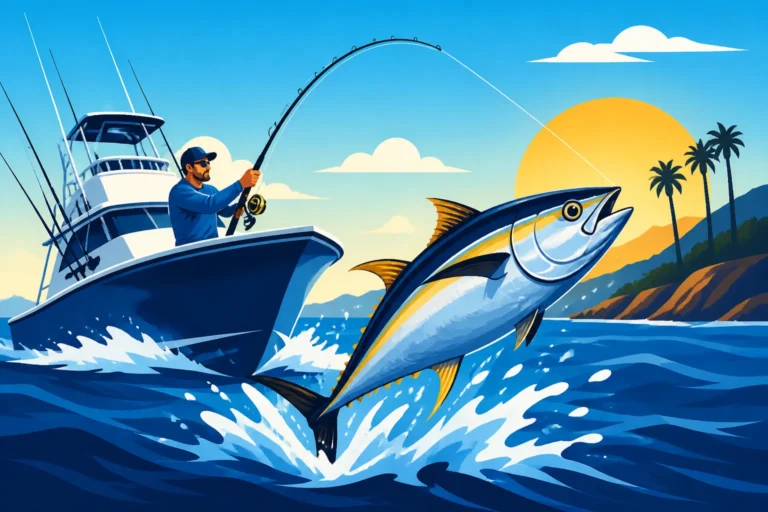
While bluefin might steal the headlines, yellowfin tuna are another highly prized catch on San Diego overnight trips, offering an equally thrilling fight and delicious table fare. Yellowfin are known for their speed and stamina, often making long, sustained runs. They typically range from 20 to 100 pounds in these waters, though larger "cow" yellowfin can sometimes be encountered further offshore. Their vibrant yellow fins and finlets make them instantly recognizable.
Beyond yellowfin, you might also encounter other exciting pelagic species depending on the season and where the bait and warm water currents are pushing. These can include:
- Dorado (Mahi-Mahi): Known for their acrobatic jumps and stunning iridescent colors, dorado are a blast to catch and are fantastic eating. They often associate with kelp paddies offshore.
- Albacore Tuna: These "longfins" were once the bread and butter of the Southern California tuna fleet. While not as prevalent as in past decades, albacore still show up, especially on warmer water years. They're smaller than bluefin or yellowfin but fight hard and are prized for their white meat.
- Skipjack Tuna: Often found in large schools, skipjack are aggressive biters and provide a fun, fast-paced fight, though they are generally smaller and less sought after than their bluefin or yellowfin cousins.
The beauty of these overnight trips is that you're in prime territory for a variety of these species. The captains are constantly on the lookout, using their sonar and keen eyes to spot signs of feeding activity, whether it's diving birds, breezing fish, or temperature breaks, giving you the best shot at a diverse and exciting catch. You'll definitely want to check the Best Season for Bluefin Tuna in California or Best Season for Yellowtail in California guides to align your trip with target species.
Life Aboard an Overnight Charter Boat
Stepping onto an overnight charter boat from San Diego is like entering a floating community, albeit a temporary one. These vessels are designed to be self-sufficient for a day or two offshore, providing everything you need to be comfortable and productive.
Accommodations and Amenities
Let's be realistic: you're not booking a luxury cruise ship. However, modern sportfishing boats are surprisingly comfortable, especially given their primary purpose. Most boats feature bunk-style sleeping arrangements, often in open cabins below deck, though some might have a few private or semi-private staterooms. Think comfortable, clean mattresses, usually with a curtain for privacy. You'll typically share these spaces with other anglers, so bring earplugs if you're a light sleeper!
Beyond sleeping quarters, you'll find communal areas like a galley (kitchen and dining area), which often doubles as a social hub. There are usually multiple restrooms (heads) with showers, allowing you to freshen up after a long day of fishing. Some boats even have saloons with TVs or charging stations for electronics. The goal is to provide a functional and comfortable environment where you can rest, refuel, and prepare for the next round of fishing. It's a camaraderie-building experience; you'll quickly get to know your fellow anglers, sharing stories and tips.
Food, Drinks, and Keeping Your Energy Up
One of the best parts of a well-run overnight charter is the food! You're out there burning a lot of calories fighting fish, and the crews know that good fuel is essential. Most overnight trips include all your meals, and these aren't just sad sandwiches. Expect hearty, home-style cooking designed to satisfy hungry anglers. This usually means hot breakfasts (think eggs, bacon, pancakes), substantial lunches (burgers, burritos, deli sandwiches), and delicious dinners (often steak, chicken, or pasta dishes). Don't forget the snacks and desserts!
Coffee, water, and often soft drinks are usually provided. Some boats have beer/wine available for purchase, or you might be able to bring your own in moderation (check with the landing when booking). Keeping hydrated and well-fed is critical for maintaining your energy and focus throughout the trip. If you have dietary restrictions or allergies, it's always a good idea to inform the charter company well in advance, so they can try to accommodate you. The galley truly becomes the heart of the boat between fishing sessions, a place to warm up, share a laugh, and enjoy a hot meal while the boat steams or drifts.
Fishing Gear and Deckhand Support
Unless you're a seasoned offshore angler with your own dedicated heavy-duty tackle, you absolutely don't need to bring all your own gear. In fact, for most overnight tuna trips, top-of-the-line rods and reels are available for rent directly from the boat or the landing, often for a reasonable fee. This is a huge benefit, as these boats are equipped with gear specifically matched to the challenging conditions and powerful fish you'll encounter – think Penn, Shimano, or Daiwa reels spooled with heavy braided line and fluorocarbon leaders, paired with robust rods. Don't worry about trying to figure out Best Baits and Lures for Bluefin Tuna in California beforehand; the deckhands will have what you need.
The deckhands are the unsung heroes of these trips. They are more than just helpers; they are expert fishermen, riggers, and guides. They'll spend the entire trip baiting hooks, setting up rigs, untangling lines, gaffing fish, providing instruction, and helping you battle your catch. Their knowledge of How to Catch Bluefin Tuna off California is invaluable. Never hesitate to ask for help or advice – that's what they're there for! They'll show you how to properly cast a live bait, set the hook, fight a large tuna from the rail, and much more. Tipping on a California fishing charter is customary and highly appreciated, as these folks work incredibly hard to make your trip a success.
Here's a quick overview of what you might expect for rental gear:
| Gear Type | Purpose | Typical Weight Class | Species Targeted |
|---|---|---|---|
| Heavy Jig Rod | Dropping heavy jigs to deep-holding tuna | 80-130 lb line | Large Bluefin |
| Medium Jig Rod | Casting lighter jigs or heavier surface irons | 50-80 lb line | Medium Bluefin, Yellowfin |
| Flyline Rod | Casting live bait (sardines) with light lead | 30-50 lb line | Yellowfin, Smaller Bluefin |
| Surface Iron Rod | Casting metal jigs on surface schools | 40-60 lb line | Yellowfin, Dorado |
| Casting Rod | General purpose, smaller live baits/lures | 20-40 lb line | Dorado, Skipjack |
Note: Line weights are approximations and can vary by boat and target species.
Planning Your San Diego Tuna Odyssey
Embarking on an overnight tuna trip isn't something you do on a whim. It requires a bit of planning and preparation to ensure you have the best possible experience. From booking to packing, every detail counts.
Booking Your Trip and Understanding Costs
The first step is booking! San Diego's sportfishing landings are home to numerous reputable charter operations. You can book directly with landings like H&M Landing, Fisherman's Landing, or Point Loma Sportfishing, or use online platforms like FishingBooker to browse and compare available trips and boats. Look for San Diego Overnight Fishing Trips Explained or Best San Diego Overnight Tuna Trips for options. It’s always a good idea to book well in advance, especially during peak tuna season (roughly May through November) as these trips fill up quickly.
When it comes to cost, expect overnight tuna trips to be a significant investment, but one that often yields incredible memories and potential for trophy fish. A typical overnight trip might range from $400-$700 per person, sometimes more for a premium boat or during peak season. This price usually includes your bunk, all meals, and basic drinks. What's often not included, and where extra costs can add up, are:
- Fishing License: You absolutely need a California fishing license. This is non-negotiable. Check out the California Fishing License Guide for details on how to get one, and remember you might also need a California Ocean Enhancement Stamp for ocean fishing.
- Rental Gear: If you don't bring your own, factor in rod and reel rental fees, which can be around $30-$60 per setup.
- Terminal Tackle: You'll likely need to purchase hooks, weights, and leaders, which can be bought at the landing tackle shop. Expect to spend $20-$50 here.
- Fish Processing: Many landings offer services to fillet, vacuum seal, and even freeze your catch, which is highly recommended. This is an additional fee, often per pound.
- Tips: A crucial part of the sportfishing economy. Plan on tipping the deckhands and galley crew 15-20% of your trip fare. They work tirelessly!
- Alcohol/Extra Snacks: If you want more than the provided beverages, budget for this.
Understanding the total cost upfront will help you budget effectively and avoid any surprises.
What to Pack and Prepare For
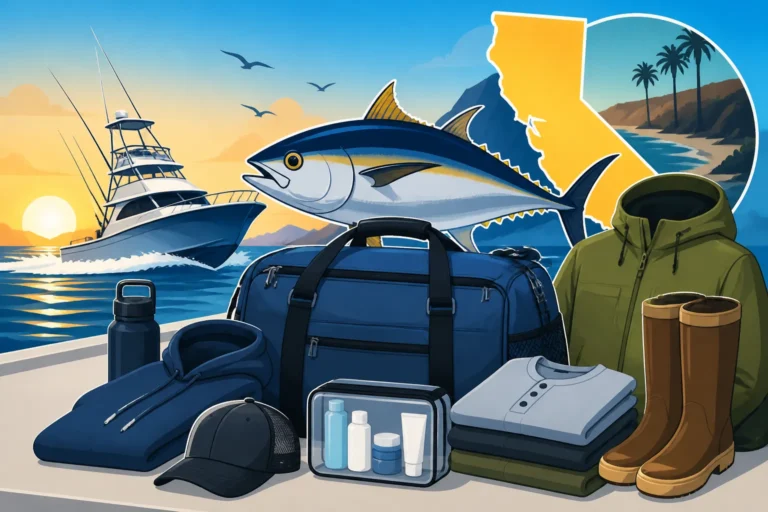
Preparing for an overnight trip involves more than just throwing a few things in a bag. The key is layers and essentials. Here's a quick checklist to help you get started on What to Bring on a California Fishing Charter:
- Clothing:
- Layers, layers, layers! It can be chilly on the ride out, warm during the day, and cold again at night. Bring moisture-wicking base layers, a fleece or hoodie, and a waterproof/windproof outer shell.
- Comfortable, non-slip shoes or boots (deck shoes are ideal).
- Hat for sun protection and warmth.
- Sunglasses (polarized are best for spotting fish).
- Personal Items:
- Toiletries (toothbrush, toothpaste, small towel).
- Medication (if needed).
- Sunscreen and lip balm with SPF.
- Small pillow and sleeping bag or blanket (most boats provide a mattress pad, but your own bedding is comfier).
- Earplugs and an eye mask for sleeping in shared bunks.
- Fishing-Related:
- Fishing license! (And any necessary endorsements).
- Small tackle box with your preferred hooks, weights, and maybe a few trusted lures if you have them, though you can buy what you need at the landing.
- Fishing gloves (for protection and grip).
- Small cooler or bag for your processed fish to take home.
- Miscellaneous:
- Cash for tips and incidentals.
- Camera (waterproof is a plus).
- Power bank for charging electronics (outlets can be limited).
- Seasickness medication if you're prone to it. Take it before you depart! Read up on How Seasickness Works on California Offshore Trips.
Remember to pack light. Space is limited on a boat, so a soft duffel bag is usually better than a rigid suitcase.
Essential Regulations and Licenses
Before you even step foot on the boat, understanding the regulations is paramount. The California Department of Fish and Wildlife (CDFW) sets strict rules for recreational fishing, and ignorance is no excuse. Every angler over the age of 16 needs a valid California Fishing License Guide. For offshore saltwater fishing, you'll also need an Ocean Enhancement Stamp.
Beyond the license itself, you must be aware of:
- Bag and Size Limits: These are specific to each species and can change. For example, bluefin tuna currently have strict bag limits (often 2 fish per person, sometimes with size restrictions). Knowing the
California Bluefin Tuna Regulations and Limitsis crucial. - Seasonality: While tuna are generally a summer/fall fishery, specific seasons for other species (like rockfish) can be closed or have depth restrictions. The captain and crew will always ensure the boat operates within current regulations.
- Mexican Waters: If the boat ventures into Mexican waters, the charter company will arrange for the necessary Mexican fishing permits for the vessel and anglers. You typically do not need to worry about obtaining these yourself, but it's good to confirm. However, your California license is still required upon return to U.S. waters.
Always check the latest CDFW regulations booklet or website, or simply ask the staff at the landing when you book your trip. They are excellent resources for up-to-the-minute information. Ignoring regulations can lead to hefty fines, so staying informed is key.
The Overnight Tuna Fishing Experience
Alright, you've booked, you're packed, and you're out on the water. Now for the exciting part: the fishing itself! Overnight tuna trips are truly an immersive experience, blending intense action with periods of quiet anticipation.
Hunting the Open Ocean: Techniques and Strategies
Tuna fishing is rarely about dropping a line and waiting. It's an active hunt that combines sophisticated technology with old-school angling instincts. The captain will be constantly scanning radar, sonar, and looking for visual cues like diving birds, porpoises, or even tuna breaking the surface. Once fish are located, the real work begins.
You'll encounter several common techniques:
- Live Bait Fishing (Fly-lining): This is perhaps the most iconic method. Deckhands will scoop live anchovies or sardines from massive bait tanks, and anglers will "fly-line" them – casting the unweighted or lightly weighted bait out, allowing it to swim naturally. This is incredibly effective when tuna are feeding on small baitfish. You'll learn the art of hooking a frisky sardine and casting it gently without killing it, letting it swim enticingly in front of the tuna.
- Jigging: When tuna are holding deeper, jigs come into play. Heavy metal jigs are dropped to the desired depth and then retrieved with a specific action to mimic a wounded baitfish. There's an art to Yo-Yo Jigging for Yellowtail or bluefin, requiring rhythmic movements and a strong hookset.
- Popping and Surface Lures: If tuna are aggressively feeding on the surface, often indicated by boiling water or leaping fish, casting large poppers or stickbaits can be incredibly exciting. This is a visual and explosive bite, with tuna often smashing the lure right on top of the water.
- Trolling: Often used while searching for fish, lures or rigged baits are pulled behind the boat at varying speeds. When a tuna hits a trolled lure, it's called a "jig strike," and the boat will usually stop, allowing other anglers to cast live bait into the stimulated school.
The deckhands are masters of these techniques and will guide you every step of the way. They'll hand you the right rod, teach you the retrieve, and coach you through the fight. It's a fantastic opportunity to learn advanced California Offshore Fishing Techniques.
When to Go: Seasonality and Weather Considerations
The best time for an overnight tuna trip from San Diego generally runs from late spring through fall, typically May into November. This is when warmer water currents push north along the coast, bringing with them the migratory tuna schools. However, the exact peak can vary year to year based on ocean conditions, water temperatures, and bait availability. California Fishing Seasons: Month-by-Month Guide can give you a general idea, but staying updated with fishing reports from local landings is key.
- Spring (May-June): Can see the first pushes of bluefin and yellowfin as waters warm. Often a good time for larger, more elusive bluefin.
- Summer (July-September): This is prime time! Consistent bluefin and yellowfin action, often with dorado showing up. The weather is generally more stable.
- Fall (October-November): Continues to offer excellent tuna fishing, often with a mix of species. Can sometimes see a "second wave" of larger bluefin.
Weather is a huge factor for offshore fishing. While captains are always prioritizing safety, rough seas can make for a less enjoyable experience and can also impact fishing success. Always check the marine forecast before your trip. Most charter companies will cancel or reschedule if conditions are deemed unsafe or too uncomfortable. If you're susceptible to seasickness, factor this into your timing and be prepared with medication. A smooth, calm day makes for a much more pleasant ride out to the fishing grounds and back.
Disclaimer
Please be aware that fishing regulations, including bag limits, size limits, and seasons, can change frequently. Always consult the latest official regulations from the California Department of Fish and Wildlife (CDFW) before your fishing trip. The information provided here is for general guidance and informational purposes only and does not constitute legal or professional advice.