California Charter Fishing with Kids
Bringing your children along on a fishing charter in California can feel like a daunting task for many parents. You might worry about seasickness, boredom, or whether the crew will even tolerate little ones. But trust me, with a little planning and the right expectations, a fishing trip can be one of the most memorable and exciting adventures you share with your kids, creating lasting bonds and a lifelong love for the ocean. This guide will walk you through everything you need to know to make your family's California charter fishing experience a resounding success.
Why Charter Fishing is Great for Kids (and Parents!)
There’s something truly magical about introducing a child to the world of fishing, especially from the deck of a boat. It's an immersive experience that goes far beyond simply dangling a line in the water. For parents, it's an opportunity to see the world through their children's eyes, rekindling their own sense of wonder.
Beyond the Bank: The Unique Appeal of Offshore Adventures
Fishing from shore or a pier is fun, no doubt, but a charter trip opens up an entirely new dimension. Imagine the excitement on their faces as the boat leaves the harbor, passing massive cargo ships or playful sea lions on buoys. Out on the open water, they'll witness marine life they might only see in documentaries – dolphins breaching, whales spouting, or even flying fish skipping across the waves. It's a sensory explosion, from the salty spray on their faces to the hum of the engine, the vastness of the ocean stretching to the horizon, and the anticipation of what lies beneath. This kind of adventure fosters a deep appreciation for nature that just doesn't quite translate from a textbook or a screen.
Being out on the ocean also offers a unique perspective of the California coastline, whether you're departing from a bustling port like San Diego or a scenic harbor like Monterey. The change of scenery, the fresh air, and the sheer scale of the environment are invigorating. It’s a chance to escape the everyday hustle and bustle, allowing both kids and adults to fully disconnect and immerse themselves in the present moment, surrounded by nature's grandeur. The novelty of being on a boat itself is often enough to keep younger children engaged for a significant portion of the trip.
Learning & Bonding: More Than Just Catching Fish
A fishing charter is an incredible classroom without walls. Kids learn about marine ecosystems, fish species, and the importance of conservation firsthand. Deckhands and captains often share fascinating facts about the ocean and its inhabitants, turning every moment into a potential learning opportunity. They might explain how to identify different rockfish species or the lifecycle of a California halibut. Beyond biology, children develop patience, perseverance, and problem-solving skills as they learn to cast, reel, and feel for a bite. Even if the fish aren't biting, the act of waiting, observing, and trying different techniques teaches valuable life lessons.
But perhaps the most valuable aspect is the bonding. There are few distractions on a fishing boat – no video games, no social media. This forces genuine interaction. Parents and children work together, cheer each other on, and share in both the triumphs and the quiet moments. Helping a child reel in their first fish, or simply sharing a snack while watching the horizon, creates powerful memories that strengthen family ties. These shared experiences become stories told and retold for years to come, long after the tan lines fade and the fish is eaten. This concentrated quality time is incredibly precious in our busy lives, offering an unparalleled chance to connect.
Choosing the Right Charter for Your Family
Deciding on the perfect charter can feel overwhelming with all the options available in California, from the bustling harbors of Southern California to the cooler waters up north. The key is to find a trip that balances the thrill of fishing with the needs and attention spans of your specific family.
Understanding Half-Day vs. Full-Day Options
When it comes to fishing with kids, especially younger ones, shorter trips are almost always the better choice. A half-day charter, typically 4-6 hours, is often the sweet spot. It provides enough time for the excitement of getting out to the fishing grounds, having some action, and enjoying the experience without pushing little ones past their comfort zone. Longer trips, like full-day charters (8-12 hours) or even overnight trips, can be mentally and physically exhausting for children. Seasickness, boredom, or simply sensory overload can quickly turn an exciting adventure into a miserable ordeal.
Consider your children's age, stamina, and prior experience on boats. If they're prone to motion sickness or have never spent extended time on the water, starting with a half-day or even a 3/4-day trip is a wise move. Many excellent charters operate out of places like Dana Point, Long Beach, or Half Moon Bay, offering these shorter, kid-friendly excursions. Remember, the goal is to have a positive experience that leaves them wanting more, not one that makes them dread future outings. You can often find detailed descriptions of trip lengths and target species when you explore options on platforms like FishingBooker, making it easier to compare.
Private Charters vs. Party Boats: What's Best for Little Anglers?
This is a big decision that heavily impacts the family experience.
Party Boats (Open Party Trips): These are generally more affordable and carry a larger number of anglers, sometimes up to 50 or more. They operate on a schedule, often targeting specific species like rockfish or mackerel, and provide all the necessary gear. For a family on a budget or looking for a lively atmosphere, a party boat can be a good choice. However, they can be crowded, and deckhands might be stretched thin across many passengers. This means less individual attention for your kids, and the fishing style might be less tailored to beginners. If you go this route, consider a weekday trip to avoid peak crowds, and choose a boat known for being family-friendly. You'll want to review the specifics of California Party Boat Fishing Explained before booking.
Private Charters: While more expensive, a private charter offers an unparalleled experience for families. You have the entire boat and crew to yourselves, meaning the trip can be completely customized to your family's preferences and the kids' attention spans. The captain can prioritize calmer waters, target easier-to-catch species, and the deckhand can provide dedicated, one-on-one instruction to your children. This personalized attention drastically increases the chances of a successful and enjoyable trip for everyone. You can take breaks when needed, change fishing spots if things are slow, and generally dictate the pace. This can be particularly valuable if you have very young children or children with special needs. Companies like Marina del Rey Sportfishing or Davey's Locker often offer private charters specifically designed for families.
Here's a quick comparison:
| Feature | Party Boat (Open Party) | Private Charter |
|---|---|---|
| Cost | Lower per person | Higher total cost, but personalized |
| Crowd Level | High, shared with many other anglers | Exclusive, just your family and crew |
| Customization | Minimal, follows fixed schedule/targets | High, tailor-made for your family's needs |
| Attention | Limited individual attention from deckhands | Dedicated, one-on-one attention for kids |
| Flexibility | Less flexible, fixed duration and fishing spots | Highly flexible (breaks, spots, species) |
| Ideal For | Budget-conscious, older kids, social experience | Younger kids, first-timers, personalized learning |
Kid-Friendly Boats and Crews: What to Look For
Not all fishing charters are created equal when it comes to accommodating children. When you're researching, don't hesitate to call the charter office and ask specific questions. Look for boats that explicitly advertise themselves as "family-friendly" or "kid-friendly." A truly great crew understands that fishing with kids isn't just about catching fish; it's about fostering enthusiasm and making the entire experience enjoyable, even if the bite is slow.
A good captain and deckhand will be patient, encouraging, and willing to teach. They'll know how to simplify casting, baiting, and reeling for small hands, and they'll have a knack for keeping spirits high. Some boats even have extra amenities like clean restrooms, comfortable seating, or a galley with snacks, which can make a huge difference. Reading online reviews on sites like FishingBooker can give you a lot of insight into how different crews handle children. Pay attention to comments about the crew's patience, humor, and willingness to engage with younger anglers. A reputable charter will also prioritize safety, explaining all procedures clearly and ensuring life vests are readily available and properly fitted for children. When you're trying to figure out How to Choose a California Fishing Guide, these kid-focused details are paramount.
Preparing Your Kids (and Yourself) for the Trip
The success of your family fishing charter often hinges on preparation. It’s not just about packing sunscreen; it’s about managing expectations and ensuring everyone feels comfortable and ready for the adventure ahead.
Setting Expectations and Managing Excitement
Kids get excited, and that’s fantastic! But uncontrolled excitement can lead to disappointment if things don't go exactly as imagined. Before you even get to the dock, have an honest conversation with your children. Explain that fishing is called "fishing," not "catching," and that there's no guarantee of reeling in a monster fish (or any fish at all). Emphasize that the adventure, the time together, and seeing the ocean are the main goals. Talk about the types of fish they might catch, how long the boat ride will be, and what they can expect to see.
Give them specific roles or responsibilities, like being the "snack manager" or "binocular lookout," to keep them engaged even during lulls in fishing action. For very young children, focus on the journey itself: "We're going on a big boat!" or "We'll see lots of ocean animals!" This prevents meltdowns when the fish aren't jumping onto the hooks. Remind them that patience is a big part of fishing, and sometimes the quiet moments are just as special.
Packing Essentials for a Smooth Sailing
Think of this as packing for a mini-adventure. Being well-prepared physically will help everyone enjoy the trip much more.
- Sun Protection: California sun can be intense, even on cloudy days. Pack plenty of reef-safe sunscreen (apply before you leave and reapply frequently), wide-brimmed hats, and sunglasses for everyone. Long-sleeved, lightweight shirts are also a good idea.
- Layers of Clothing: The weather on the ocean can change rapidly. Start with layers – a t-shirt, a long-sleeved shirt, and a waterproof or water-resistant jacket, even if it looks warm on shore. It can get surprisingly chilly with the wind and spray.
- Snacks and Drinks: This is non-negotiable for kids (and adults!). Pack easy-to-eat, non-messy snacks like granola bars, fruit snacks, crackers, and plenty of water or juice boxes. Avoid anything too sugary or greasy, which can upset stomachs. Most boats have a cooler, but it's always good to bring your own.
- Comfort Items: A small pillow or blanket can make a big difference for little ones who might want to nap or just get cozy. A favorite small toy or book (that won't blow away!) can also be a good distraction during slow times.
- Medications & First Aid: Bring any necessary personal medications. A small first-aid kit with band-aids, antiseptic wipes, and pain relievers is always smart. Don't forget motion sickness medication if you plan to use it.
- Camera: To capture those priceless memories!
- Small Bucket/Container: If you plan on keeping a few small fish, having a dedicated bucket for your child's catch can make them feel incredibly proud.
Check out our guide on What to Bring on a California Fishing Charter for a more exhaustive list.
Tackling Seasickness: Prevention and Remedies
Seasickness is one of the biggest concerns for parents taking kids on a charter, and for good reason – it can quickly ruin a trip. The good news is there are many ways to prevent and alleviate it.
- Proactive Medication: If you or your kids are prone to motion sickness, consider over-the-counter options like Dramamine or Bonine. For best results, administer these the night before the trip and again an hour before departure. Talk to your pediatrician about appropriate dosages for children.
- Natural Remedies: Ginger is a natural anti-nausea remedy. Ginger chews, ginger ale, or ginger snaps can be surprisingly effective for mild cases. Acupressure wristbands (like Sea-Bands) worn before and during the trip can also help some individuals.
- Food Choices: Avoid heavy, greasy, or acidic foods before and during the trip. Stick to bland, dry foods like crackers or toast. A light, settled stomach is less likely to revolt.
- Hydration: Stay well-hydrated with water, but avoid excessive sugary drinks.
- Focus on the Horizon: Encourage your child to look at the fixed horizon rather than down at their phone, a book, or into the boat cabin. Keeping their eyes on a stable point helps their brain reconcile the motion.
- Fresh Air: Staying on deck in the fresh air, away from engine fumes, can make a big difference. Avoid going into the enclosed cabin unless absolutely necessary.
- Choose Calmer Waters: When booking, ask the charter about typical sea conditions or if they can fish in calmer, nearshore waters or bays. For instance, fishing inside San Francisco Bay might be less prone to big swells than venturing far offshore. Also, check the marine weather forecast. A smooth day makes a world of difference. Understanding How Seasickness Works on California Offshore Trips can help you prepare mentally.
Making the Most of the Day on the Water
Once you're out there, the goal is to keep spirits high and make every moment count, whether the fish are biting or not. Engaging kids actively and maintaining a positive attitude are crucial.
Engaging Activities Beyond Fishing
Let's be real: kids have shorter attention spans than adults. Even on the most action-packed fishing day, there will be lulls. Having a backup plan for engagement is key.
- Wildlife Spotting: This is a huge one! Point out every bird, dolphin, sea lion, or even interesting bits of kelp. Bring binoculars for an extra layer of excitement. Many charters out of places like Monterey Bay offer incredible opportunities to see whales and other marine life. Turn it into a game: "Who can spot the next dolphin?"
- Simple Games: Card games, travel-sized board games, or even "I Spy" can be great for passing the time. If the boat allows, a portable gaming device might provide a short distraction, but encourage them to look up often.
- Storytelling: This is a perfect opportunity for families to share stories, tell jokes, or even make up fantastical tales about sea monsters or buried treasure.
- Snack Time: Designate specific snack breaks to keep energy levels up and prevent "hangry" meltdowns. Make a picnic out of it.
- Helping the Crew: If appropriate and safe, ask the deckhand if your child can help with simple tasks, like retrieving a net, watching the lines, or even rinsing down the deck. Feeling like a useful part of the crew can be incredibly empowering. This also aligns with the advice from California Charter Fishing for Beginners, which often suggests active participation.
Handling the Catch (or Lack Thereof) with Grace
This is where setting expectations really pays off. Remember, the goal isn't just to catch a trophy; it's the experience.
- Celebrate Small Victories: Did they cast their line well? Did they feel a tiny nibble? Did they learn a new knot? Celebrate these moments. Every effort is a success, not just reeling in a fish.
- Catch-and-Release Education: If the bite is slow, or if you're catching undersized fish or species you don't plan to keep, use it as a teaching moment for catch-and-release practices. Explain why certain fish need to go back and how to handle them gently. This instills respect for marine life and conservation. You might also touch on California Catch-and-Release Rules to add more depth.
- The Thrill of the Fight: Even if a fish gets away, the excitement of feeling a bite and fighting the fish can be a huge thrill for a child. Focus on that excitement rather than the disappointment of losing the fish.
- The "Why We Didn't Catch" Conversation: If the fishing is genuinely tough, explain the factors at play – tides, water temperature, fish migration, or simply a slow day. It teaches them about the unpredictability of nature and takes the pressure off. Remind them that even experienced anglers have slow days.
- Focus on Other Joys: Reiterate the other wonderful parts of the day: seeing dolphins, the beautiful scenery, spending time together. Shift their focus away from the empty cooler.
Safety First: Keeping Everyone Secure and Happy
Safety is paramount, especially when little ones are involved.
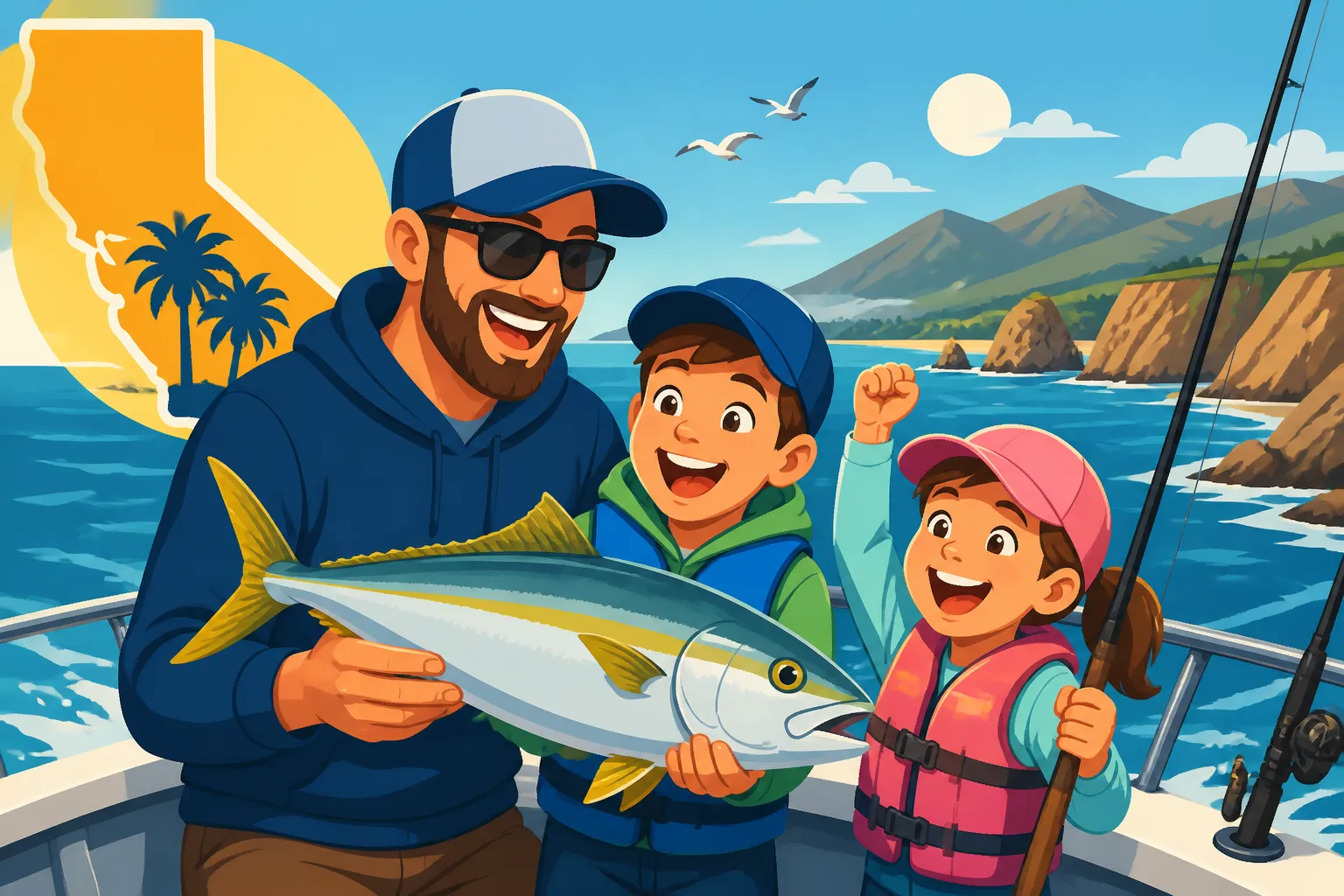
- Life Jackets: Ensure children wear properly fitted life jackets at all times, even if they know how to swim. Most charters provide child-sized life vests, but you might want to call ahead to confirm or bring your own if you have a favorite, comfortable one.
- Briefing: Pay close attention to the captain's safety briefing at the beginning of the trip. Explain the rules to your children in simple, clear terms, emphasizing key points like "stay away from the railing unless an adult is with you" or "always hold onto something when the boat is moving."
- Supervision: Never leave children unsupervised, even for a moment. The deck of a fishing boat can be slippery and unpredictable, especially with waves. One adult should ideally be dedicated to child supervision.
- Fishing Etiquette: Teach kids basic fishing etiquette, like being aware of other lines, not running around, and listening to the crew's instructions. This creates a safer and more pleasant environment for everyone.
- Hydration and Food: As mentioned, consistent hydration and appropriate snacks combat dehydration and low blood sugar, which can lead to fatigue and irritability, making kids more prone to accidents or meltdowns.
After the Trip: Memories and Next Steps
The adventure doesn't end when the boat docks. The post-trip activities are just as important for cementing those cherished memories and planning future excursions.
Celebrating Successes and Learning from Challenges
Whether you landed a cooler full of fish or just had a lovely boat ride, it's vital to debrief with your kids.
- Relive the Highlights: Talk about the favorite parts of the trip. Was it seeing the dolphins? Feeling a fish on the line? Eating a snack with the seagulls overhead? Focusing on these positives reinforces the idea that fishing is about more than just the catch. Ask them what they enjoyed most and what they learned.
- Cooking the Catch: If you were fortunate enough to bring home some fresh fish, involve the kids in the process of cleaning, preparing, and cooking it. This full-circle experience connects the act of fishing to the meal on the table, making them appreciate where their food comes from. There’s nothing quite like eating fish you caught yourself! You could even look into how to cook Best Eating Fish in California if you had a successful trip.
- Review Challenges: If there were difficult moments – seasickness, boredom, a lost fish – discuss them constructively. "What could we do differently next time if you start to feel sick?" or "What other games could we play if the fish aren't biting?" This teaches problem-solving and prepares them for future trips. It's about resilience and adaptability.
Preserving Memories and Planning Future Adventures
Those memories are precious, and there are many ways to make them last.
- Photo Album or Scrapbook: Create a dedicated photo album or scrapbook for your fishing adventures. Let your kids pick their favorite photos, draw pictures, or write short captions about their experiences.
- Souvenirs: Sometimes the charter will give out stickers or small keepsakes. A piece of sea glass found on a beach visit afterward can also be a wonderful memento.
- Journaling: Encourage older kids to keep a fishing journal, noting species caught, weather conditions, and their feelings about the trip. This can foster a love for writing and observation.
- Future Planning: Even if the trip had its ups and downs, talk about "next time." "Where should we go fishing next year?" or "What new techniques should we try?" This keeps the excitement alive and shows them that this is just the beginning of many adventures. Consider looking at different California Fishing Seasons: Month-by-Month Guide to plan the perfect time for your next outing, or explore a California Fishing License Guide if you want to try shore fishing between charter trips. Perhaps a shorter trip targeting easy-to-catch species, or a different location mentioned on FishingBooker, will be ideal. The important thing is to keep the conversation going and build on the experience.
Disclaimer
Please remember that fishing regulations, seasons, and local conditions can change frequently. Always consult the latest California Department of Fish and Wildlife (CDFW) regulations or speak directly with your chosen charter captain before your trip to ensure compliance and safety. This guide is for informational purposes only and does not constitute professional advice.