California Bass Fishing Regulations
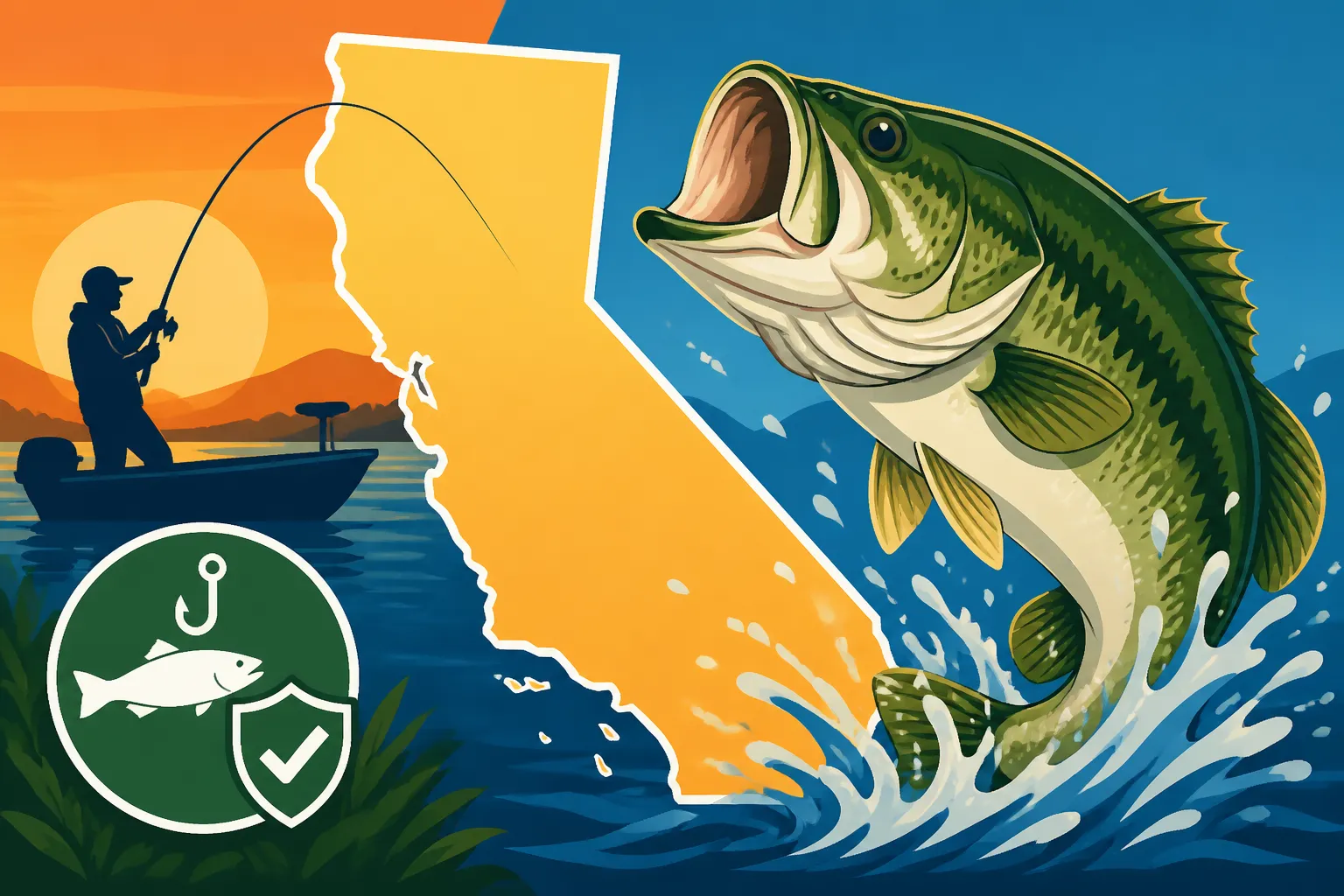
It can be incredibly frustrating to try and enjoy a peaceful day out on the water, only to be bogged down by what feels like a mountain of rules and regulations. Trust me, I’ve been there – squinting at a tiny print booklet, wondering if that last bass I just caught was actually legal. The truth is, California’s bass fishing regulations can be a bit of a maze, with different rules for different species and even different bodies of water. This guide is here to untangle that knot for you, breaking down everything you need to know to confidently cast your line for bass in the Golden State, ensuring you stay compliant and contribute to healthy fish populations.
Understanding the Landscape of California Bass Fishing Regulations
Before we even talk about specific fish, it's important to grasp why these rules exist in the first place. It’s not just to make your life difficult; it’s about protecting our precious natural resources for everyone, including future generations of anglers. California boasts an incredible variety of freshwater habitats, from sprawling reservoirs to winding rivers, and each plays a critical role in supporting diverse bass populations.
Why Regulations are Crucial for Sustainable Fishing
Imagine a world where everyone just caught as many fish as they wanted, whenever they wanted, regardless of size or season. It wouldn't take long for our favorite fishing spots to become barren. That's the core reason for regulations: to manage fish populations so they remain healthy and abundant. When it comes to bass, particularly species like largemouth and smallmouth, they are immensely popular sport fish, which means they face significant fishing pressure. Without thoughtful limits on how many you can keep, and how big they need to be, these populations could easily crash. These rules are designed to allow enough fish to reach maturity and reproduce, ensuring a continuous cycle.
It's also about ecosystem health. Bass are apex predators in many of their freshwater habitats, and their numbers affect the balance of other species. Too many bass, and smaller prey fish might suffer; too few, and their prey might overpopulate. The California Department of Fish and Wildlife (CDFW) uses scientific data to set these limits, constantly monitoring populations and adjusting as needed. So, while it might feel like a hurdle, every regulation is a step towards ensuring there's always a thriving fishery for us all to enjoy. It’s a collective responsibility, really, and understanding the 'why' makes following the 'what' a lot easier to swallow.
The Authority Behind the Rules: CDFW and Federal Oversight
In California, the primary authority for setting and enforcing sport fishing regulations falls squarely on the shoulders of the California Department of Fish and Wildlife (CDFW). They are the ones who publish the annual Freshwater Sport Fishing Regulations booklet, which is your go-to source for all the nitty-gritty details. This comprehensive guide covers everything from licenses to specific species limits across the state. While most bass fishing occurs in state-managed waters, it's worth noting that some larger water bodies or those crossing state lines might involve federal agencies or interstate agreements, though for typical black bass fishing, CDFW is your main concern.
The CDFW's process for setting these regulations involves extensive research, public input, and consultation with various stakeholders, including conservation groups, angling organizations, and scientific experts. They consider factors like fish spawning cycles, growth rates, habitat health, and angler effort when making decisions about bag limits, size restrictions, and seasons. Keeping up with these changes is essential, as regulations can sometimes shift from year to year. That's why having access to the latest information, whether it's through the CDFW website or a physical copy of the regulation booklet you might grab at a tackle shop, is vital. For a broader overview of state requirements, you might want to read our detailed guide on the California Fishing License Guide which covers all you need to know about getting your permit.
Key Bass Species and Their General Regulatory Framework
When most people talk about "bass fishing" in California, they're typically referring to what the CDFW calls "Black Bass." This isn't just one species; it's a group that includes some of the most popular sportfish in our lakes and reservoirs. Understanding which species you're targeting is the first step in making sure you're following the correct rules.
Largemouth, Smallmouth, and Spotted Bass: The Main Targets
California is home to several species of black bass, each with its own characteristics and preferred habitats, but generally falling under similar regulatory umbrellas. The big three you'll encounter most often are Largemouth Bass, Smallmouth Bass, and Spotted Bass.
- Largemouth Bass: These are arguably the most iconic freshwater game fish. Known for their aggressive strikes and impressive size, largemouths thrive in warm, weedy, and cover-rich waters found in many of California's central and southern reservoirs and natural lakes. They're often found hiding in submerged vegetation, around fallen timber, or beneath docks, waiting to ambush prey. Their lower jaw extends beyond the rear edge of their eye when their mouth is closed, making them easy to identify.
- Smallmouth Bass: Preferring cooler, clearer, and rockier waters than their largemouth cousins, smallmouth bass are more common in northern California rivers and reservoirs, though they can be found statewide in suitable habitats. They are celebrated for their incredible fighting ability, often leaping and pulling hard. Their upper jaw does not extend past the rear edge of their eye, and they typically have vertical bars along their sides, giving them a distinct look.
- Spotted Bass: Often confused with smallmouths due to their similar appearance and preference for rocky habitats, spotted bass are identified by a patch of small teeth on their tongue and rows of dark spots on their lower flank. They are highly adaptable and have become established in many reservoirs across the state, often coexisting with largemouths. They can sometimes be a bit smaller than largemouths but are still fierce fighters.
Other black bass species, like Alabama and Florida Bass, might also be present in certain waters, often introduced for their growth potential, and generally fall under the same "Black Bass" regulations. When you're out on the water, especially if you're exploring new areas, it's a good practice to quickly confirm which species of bass are prevalent. This helps you anticipate the fight and, more importantly, ensures you know what to look for when checking for legal size and limits.
Identifying Your Catch: It's More Important Than You Think
Accurate fish identification isn't just a party trick; it's a fundamental part of responsible angling and regulatory compliance. Different species can have different size and bag limits, and mistaking one for another can lead to an unintentional violation. For example, while the general black bass regulations might apply to largemouth, smallmouth, and spotted bass, other bass species, like Striped Bass or White Bass, have entirely separate rules. If you're fishing in the California Delta or in some of the larger reservoirs, you might encounter these alongside black bass.
Taking a moment to positively identify your catch before deciding to keep it or release it is crucial. Many anglers carry a small ruler or a reference card, or even use fishing apps on their phone that can help with identification. Pay close attention to distinguishing features like jaw length, body markings, and overall shape. Getting familiar with these characteristics will not only make you a more knowledgeable angler but also protect you from potential fines. You can always refer to the detailed information in the California Fishing Regulation Booklet Explained if you ever feel unsure. Remember, ignorance of the law is rarely an excuse when it comes to wildlife enforcement.
Diving Deep into Statewide and Regional Bass Limits
Now that we've covered the different types of bass and why regulations exist, let's get into the specifics: the numbers that dictate what you can keep and when. This is where most anglers encounter the most confusion, as general statewide rules can often be overridden by special regulations for particular bodies of water.
Statewide Bag and Size Limits for Common Bass Species
For most of California's freshwater systems, the statewide regulations for black bass (that's Largemouth, Smallmouth, Spotted, Alabama, and Florida Bass combined) are fairly straightforward, but they are absolutely critical to know by heart.
Currently, the general statewide regulation for black bass is:
- Bag Limit: 5 fish total. This means you can keep a combined total of any five of these black bass species per day. You can’t keep five largemouths and then five smallmouths; it’s five total of all black bass species.
- Size Limit: 12 inches minimum length. Any black bass you keep must be at least 12 inches long, measured from the tip of the snout to the tip of the tail. Any fish shorter than this must be immediately released back into the water unharmed.
These numbers are non-negotiable for most general waters. It’s always a good idea to measure your fish immediately upon catching it if you intend to keep it. A simple, floating measuring board can be a valuable tool to have in your tackle box, easily available from retailers like Amazon. It eliminates guesswork and ensures you're compliant. Remember, releasing an undersized fish quickly and gently is key to its survival. Our guide on California Fishing Bag and Size Limits offers even more detail on these statewide rules for a range of species.
Navigating Special Regulation Waters and Exceptions
Here's where things get a bit more complex. While the statewide limits provide a baseline, many popular bass fishing destinations in California have special regulations that supersede the general rules. These exceptions are put in place for specific conservation efforts, to promote trophy fisheries, or to manage unique ecological conditions in those particular lakes or rivers.
For instance, a trophy bass lake like Diamond Valley Lake in Southern California might have a slot limit or a different minimum size to protect its larger bass. Clear Lake, famous for its giant largemouths, also has its own specific rules that differ from the statewide standard. Other waters, especially those managed for specific outcomes like a high catch rate, might have no size limit but still retain the bag limit.
It is absolutely imperative to check the specific regulations for every body of water you plan to fish. You can do this by looking up the particular lake or river in the CDFW's Freshwater Sport Fishing Regulations booklet. The booklet is organized to make these special regulations clear, usually listed under a "Special Regulations" section for specific counties or named waters. Relying solely on the statewide rules without checking for exceptions is a common mistake that can lead to violations. For example, if you're planning a trip to Clear Lake, you'll find its specific bass rules listed separately, often allowing for fewer fish or a different size window.
Understanding Seasons and Why They Fluctuate
Good news for bass anglers in California: for most black bass species in most waters, there isn't a restrictive "season" in the traditional sense like there might be for salmon or steelhead. Black bass are generally open for fishing year-round. This is largely because their spawning patterns and resilience allow for continuous angling pressure without significant harm to overall populations, as long as size and bag limits are respected.
However, even without a closed season, you might encounter situations that function like a season or restrict access. For example:
- Water Body Closures: Some lakes or reservoirs might temporarily close due to environmental factors (like low water levels or harmful algal blooms), maintenance, or specific biological events unrelated to bass.
- Restricted Access: Parts of a lake or river might be temporarily closed to protect spawning areas for other species, or to manage sensitive habitats. While you can fish for bass year-round, always be mindful of signage at boat ramps or access points.
- "Best Seasons" for Angling: While the season is technically open, experienced anglers know that bass behavior changes dramatically with water temperature and time of year. You'll find specific techniques and hot spots are better during certain months, which our California Fishing Seasons: Month-by-Month Guide delves into. For example, spring is often prime time for pre-spawn and spawning bass, making it a favorite for many, but summer, fall, and even winter can offer fantastic opportunities with different approaches.
The lack of a strict closed season for black bass is a huge plus for California anglers, offering flexibility throughout the year. But it also reinforces the importance of strictly adhering to size and bag limits, as these are the primary tools CDFW uses to manage populations under constant pressure.
| Species Group | Statewide Bag Limit | Statewide Minimum Size Limit | Common Habitats | Notes |
|---|---|---|---|---|
| Black Bass (LM, SM, Spotted, Alabama, Florida Bass) | 5 fish total | 12 inches | Warm, cool, clear, rocky, or vegetated lakes, reservoirs, and rivers | Check specific lake/river regulations; many have exceptions (slot limits, different minimum sizes, etc.). |
| Striped Bass | 2 fish | 18 inches | Delta, reservoirs, some coastal areas | Distinct species, separate regulations. Always identify carefully. |
| White Bass | 25 fish | None | Specific reservoirs (e.g., Lake Nacimiento) | Distinct species, separate regulations. Typically high bag limit. |
Note: This table summarizes general statewide regulations for informational purposes. Always consult the current California Freshwater Sport Fishing Regulations booklet for the most accurate and up-to-date information for your specific fishing location.
Essential Gear, Bait, and Ethical Practices for Bass Anglers
Beyond just knowing the rules about the fish themselves, responsible bass fishing in California also means being aware of what you can use to catch them and how to handle them once they're on the line. It's about respecting the environment and ensuring the fish you release have the best chance of survival.
Legal Baits and Lures: What's Allowed and What's Not
The good news for bass anglers is that the regulations regarding baits and lures are pretty permissive for black bass in most California waters. Unlike some trout or salmon fisheries that might restrict you to artificial lures only or barbless hooks, you generally have a wide range of options when targeting bass.
- Artificial Lures: This is the bread and butter for many bass anglers. Spinnerbaits, crankbaits, jerkbaits, swimbaits, plastic worms, jigs – you name it, it's generally legal. There are no specific restrictions on hook type (barbed vs. barbless) or number of hooks on a single lure for black bass, though many ethical anglers choose to use barbless hooks to minimize harm, especially for catch-and-release. You can find an incredible variety of these on Amazon, from basic starter kits to highly specialized tournament-grade baits.
- Live Bait: Live bait is also generally allowed for black bass. This includes common options like nightcrawlers, shiners, minnows, and crawfish. However, there's a crucial caveat: the use of live finfish as bait is prohibited in many waters unless they were lawfully taken from that same water body. This rule is designed to prevent the introduction of invasive species or diseases from one lake to another. Always double-check if your chosen live bait is legal for the specific water you're fishing. For instance, bringing live minnows from a bait shop in one county to a lake in another county could be a violation if those minnows are not native to the destination lake.
- Dead Bait: Dead bait, such as pieces of cut fish or worms, is also usually legal. Again, ensure any bait fish used adheres to the same source regulations as live bait to prevent disease transfer.
The overarching principle here is often about preventing ecological harm. Introducing foreign species or pathogens can devastate local fish populations and ecosystems. When in doubt, artificial lures are almost always a safe bet, and when using live bait, always ensure it's sourced appropriately for the specific body of water.
Catch and Release Best Practices: Keeping Our Fisheries Healthy
Even if you're within the legal bag and size limits, many bass anglers practice catch and release, particularly for larger, older fish that are valuable breeders. If you're going to release a fish, doing it correctly is just as important as following the keeping limits. The goal is to maximize the fish's survival rate after it swims away.
Here are some best practices for catch and release:
- Minimize Fight Time: Land the fish as quickly as possible without "horsing" it in. A prolonged fight can exhaust the fish to the point where it can't recover.
- Handle with Care: Wet your hands before touching the fish to protect its protective slime coat. Avoid squeezing the fish, especially around the gills or belly. Use a landing net with soft, knotless mesh if possible.
- Quick Hook Removal: Have pliers or a hook remover readily available. If the fish is deeply hooked, especially in the gills or esophagus, it’s often best to cut the line as close to the hook as possible, as attempting to remove it could do more harm than good.
- Support the Fish: When holding a bass for a photo, support its weight horizontally, ideally with one hand under the belly and the other gripping the lower jaw. Avoid holding large bass vertically by the jaw alone, as this can dislocate their jaw or damage their spine.
- Revive if Necessary: If the fish seems sluggish, hold it gently upright in the water, facing into the current, and move it back and forth to force water over its gills until it's strong enough to swim away on its own. Don't just toss it back; watch it swim off.
These practices aren't just polite; they're vital for the long-term health of our bass fisheries. A fish that's released improperly is unlikely to survive, negating the conservation efforts. Many of these best practices are highlighted in our article on California Catch-and-Release Rules.
Licenses, Report Cards, and Enforcement: Staying Legal
You've got your gear, you know your bass species, and you understand the limits. Now, let's talk about the administrative side of things – the permits that make it all legal and the consequences if you overlook them. This is often the first thing CDFW wardens will ask for, and it's your absolute foundation for legal fishing in California.
The Absolute Must-Have: Your California Fishing License
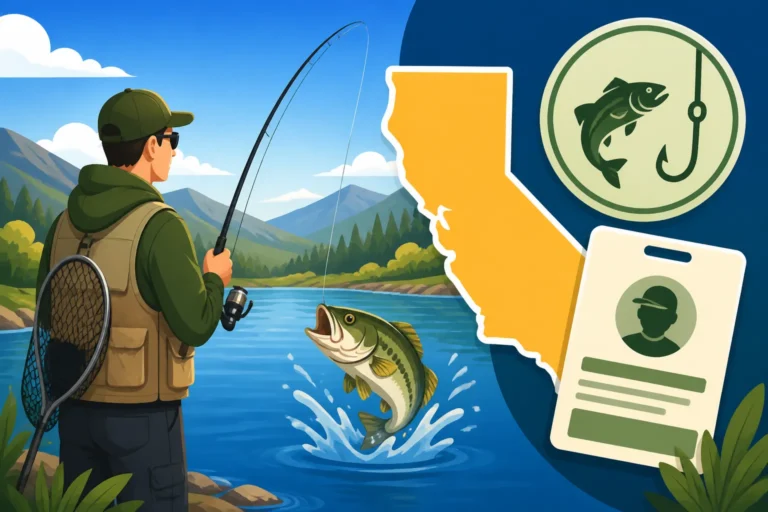
This really can't be stressed enough: you need a valid California fishing license to fish for bass in California, unless you are fishing on one of California's designated free fishing days or in specific areas like most public piers. For most freshwater fishing, this is a non-negotiable requirement for anyone 16 years of age or older.
There are different types of licenses available: annual resident, annual non-resident, one-day, or two-day options, among others. The cost varies, but it's a small price to pay for the privilege of fishing our incredible waters and contributing to their management. You can purchase a license online through the CDFW website, at authorized license agents (like tackle shops or sporting goods stores), or directly at a CDFW license sales office. Always make sure to carry your license with you when fishing, either in physical form or as an authorized digital copy on your phone. Getting caught without one is a surefire way to ruin your day and lighten your wallet considerably. If you need more information on how to get started, our comprehensive guide on How to Get a California Fishing License walks you through the entire process.
What About Report Cards for Bass? (Clarification)
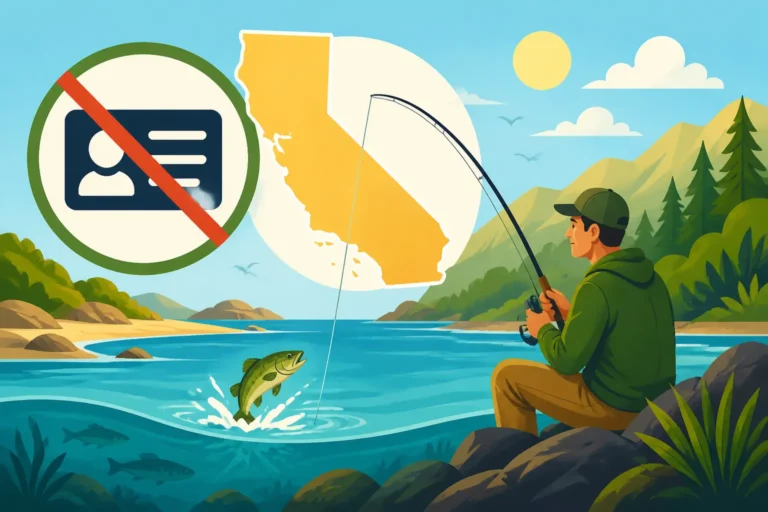
This is a point of confusion for many anglers, and it's important to clarify: you do not need a specific report card for black bass in California.
Report cards, such as the California Steelhead Report Card, California Sturgeon Report Card, or California Salmon Report Card, are mandatory for specific species that require more detailed data collection to monitor their populations effectively. These are often migratory species or those with particularly sensitive populations, like anadromous fish (fish that migrate between fresh and saltwater).
For black bass, the data collected from your general fishing license sales, along with biological surveys conducted by CDFW, are typically sufficient for management purposes. So, while you'll need to remember your general fishing license, you can leave the species-specific report cards out of your tackle box when you're targeting largemouth, smallmouth, or spotted bass. However, if you plan to fish for other species alongside bass, always check if a report card is required for those particular fish.
Consequences of Non-Compliance: Fines and Penalties
Ignoring California's fishing regulations isn't just about bending a rule; it's a legal offense that carries real consequences. CDFW wardens are out there enforcing these rules, and they don't take violations lightly, especially when it comes to resource protection.
The penalties for fishing violations, including those related to bass, can vary depending on the severity of the offense. Here's a general idea of what you might face:
- Fines: Even minor infractions, like fishing without a valid license, can result in significant fines. These typically range from hundreds to thousands of dollars. Repeated offenses can lead to much higher fines.
- Seizure of Gear: Your fishing equipment, including rods, reels, and even your boat, can be seized by wardens if you're found to be in serious violation of fishing laws.
- Loss of Fishing Privileges: One of the most impactful penalties is the suspension or revocation of your fishing license, meaning you could be banned from fishing in California for a specified period, or even permanently in extreme cases.
- Criminal Charges: More serious offenses, like poaching (taking fish illegally on a large scale or out of season for protected species), can lead to misdemeanor or even felony charges, which can include jail time in addition to hefty fines.
The message is clear: it's simply not worth the risk. A small fine for a forgotten license or an accidentally kept undersized bass can still be a major headache and an expensive lesson. Always carry your license, measure your fish, and know the specific rules for where you're fishing. Being informed and compliant means you can enjoy your time on the water without the anxiety of potential legal trouble. You can learn more about the specifics in our article titled California Fishing License Fines and Penalties.
Disclaimer
Please note that fishing regulations in California are subject to change. While this guide aims to provide accurate and up-to-date information, it should not be considered the definitive legal source. Always consult the current California Department of Fish and Wildlife (CDFW) Freshwater Sport Fishing Regulations booklet or their official website before you go fishing. It is your responsibility to know and adhere to all applicable laws and regulations.