California Nearshore vs Offshore Rockfish Rules
It can feel like you need a law degree to understand all the fishing regulations in California, especially when it comes to rockfish. One of the biggest head-scratchers for many anglers, myself included, is the seemingly complex distinction between nearshore and offshore rockfish rules. This guide is here to untangle that confusion, breaking down the specific regulations, why they exist, and how to confidently navigate them so you can enjoy your time on the water without worry.
Understanding California's Rockfish Management Areas
California's vast coastline, with its diverse underwater topography and rich marine life, requires a nuanced approach to fisheries management. The distinction between nearshore and offshore rockfish rules isn't arbitrary; it's a carefully designed strategy by the California Department of Fish and Wildlife (CDFW) to protect different fish populations that inhabit distinct environments. Ignoring these differences can lead to significant penalties, not to mention impacting the health of our fisheries.
Why the Distinction Matters
The primary reason for separating nearshore and offshore regulations boils down to conservation and biology. Different species of rockfish prefer different depths and habitats. Nearshore areas, typically shallower and closer to shore, are home to species like kelp rockfish, gopher rockfish, and grass rockfish. These fish tend to be less migratory and more susceptible to localized fishing pressure. Offshore, in deeper waters, you'll find species like vermilion rockfish, bocaccio, chilipepper, and various reds, which can be more widespread but also take longer to mature and reproduce, making them vulnerable to overfishing in their specific deepwater niches.
By creating separate rules, the CDFW can tailor management efforts to the specific needs of these distinct populations. This helps ensure that both shallow and deepwater rockfish stocks remain healthy and viable for future generations of anglers. It's about protecting the ecosystem, not just making things complicated for us fishermen.
Defining Nearshore Waters
So, what exactly is "nearshore" in California? Generally, nearshore waters are defined by specific depth contours, which can vary slightly by region but typically refer to waters shallower than 120 feet (20 fathoms). This zone often extends from the shoreline out to where the continental shelf begins to drop off more steeply. Within these areas, you're usually fishing over kelp beds, rocky reefs close to shore, or shallower sandy bottoms.
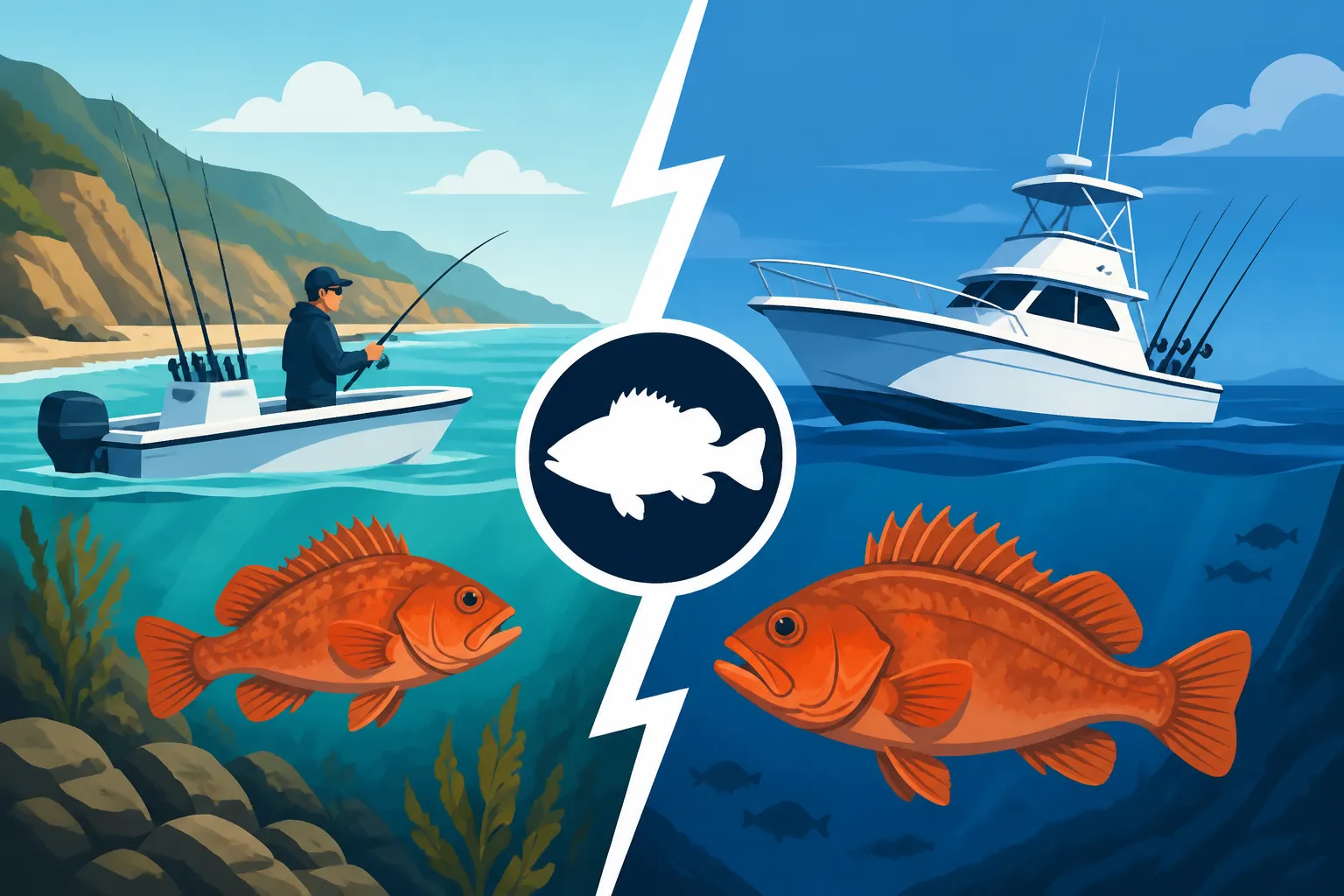
For practical purposes, if you're dropping a line from a pier, a kayak close to the coast, or a small boat within a few miles of land, you're likely in nearshore territory. The regulations for this zone are often focused on protecting specific species that rely heavily on these shallower, more accessible habitats. For example, specific areas might have very tight restrictions or be designated as California Marine Protected Areas Explained where fishing is heavily limited or entirely prohibited to protect these delicate ecosystems.
Defining Offshore Waters
Conversely, offshore waters generally encompass anything beyond that nearshore boundary, often extending into depths greater than 120 feet (20 fathoms) and reaching hundreds of feet in many areas along the California coast. This is where you'll find those deeper reefs, canyons, and vast open water expanses that larger sportfishing boats target.
Anglers venturing into these deeper zones will encounter a different array of rockfish species adapted to colder, darker, and higher-pressure environments. The rules for offshore fishing are designed to manage these deeper-dwelling species, which often have different life histories and face different pressures than their nearshore cousins. When planning a trip, especially if you're heading out on a charter or a private boat far from shore, always double-check the current California Saltwater Fishing Regulations for the precise depth limits and season dates for offshore species. These can literally change your entire fishing strategy for the day.
Key Differences in Nearshore Rockfish Regulations
Fishing in California's nearshore waters for rockfish can be incredibly rewarding, offering a diverse catch and often easier access. However, understanding the specific regulations is paramount to a successful and legal trip. The rules here are often more granular, reflecting the localized nature of these fish populations and their habitats.
Species Composition
When you're fishing nearshore in California, you're primarily targeting species that thrive in shallower, more structured environments like kelp forests, rocky reefs, and even shallow sandy areas. This includes species often referred to collectively as "shelf rockfish." You'll commonly encounter species such as kelp rockfish, grass rockfish, gopher rockfish, brown rockfish, black rockfish, and blue rockfish. Beyond the true rockfish, nearshore habitats are also prime spots for cabezon, greenlings, and various surfperch species, all of which fall under the "groundfish" management plan and have their own distinct regulations.
It's really important to get good at identifying these species because their individual regulations can sometimes vary, even if they're all considered "rockfish." Carrying a good fish identification guide, which you can easily find on Amazon, can save you a lot of headache and potential fines.
Bag and Size Limits
The bag and size limits for nearshore rockfish are carefully set to prevent overfishing of these more accessible populations. While the general aggregate rockfish bag limit might be consistent across nearshore and offshore, there can be specific restrictions on individual species or groups within the nearshore complex. For example, species like cabezon and greenlings often have separate, more restrictive bag limits and minimum sizes compared to the general rockfish limit.
Currently, the general aggregate limit for most rockfish in California is typically 10 fish in combination of all rockfish species per person, with a sub-limit on specific species like vermilion rockfish (usually 4 fish) and often stricter rules for species like cabezon and lingcod. For nearshore rockfish, you might find that the size limits are designed to protect younger fish, ensuring they have a chance to reproduce before being harvested. Always consult the official California Fishing Bag and Size Limits to confirm the current regulations for your specific fishing area before heading out.
Seasonality and Depth Restrictions
Nearshore rockfish seasons are typically regulated by calendar dates and specific depth boundaries. The season might open later or close earlier in certain areas compared to offshore fisheries, or it could be entirely closed for specific months to protect spawning fish. For instance, in some regions, the nearshore rockfish season might be open for only a few months, while deeper water species have a more extended window, albeit with stricter depth limits.
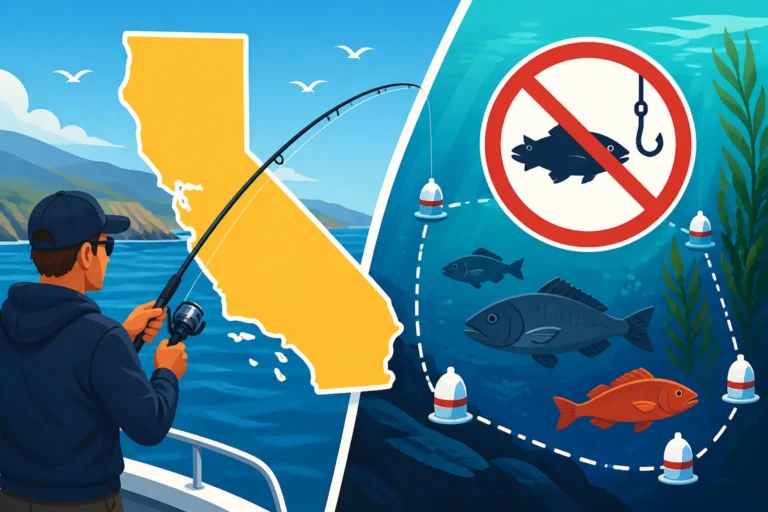
The most critical factor for nearshore fishing is adhering to the established depth restrictions. These usually mean you cannot fish for rockfish (or other groundfish) in waters deeper than a specified limit, often 120 feet (20 fathoms). This "Rockfish Conservation Area" (RCA) boundary is crucial. Crossing this line while targeting rockfish can result in significant penalties. You might find detailed information about these restricted zones in guides like California Rockfish Conservation Areas. It’s not uncommon for these boundaries to shift or be updated annually, so staying current is non-negotiable.
Key Differences in Offshore Rockfish Regulations
Venturing into California's offshore waters opens up a whole different world of rockfish, often larger and more numerous, but also subject to a distinct set of regulations designed for these deeper-dwelling species. The complexities here usually revolve around specific depth restrictions and species management within the broader "groundfish" category.
Species Composition
Out in the offshore zones, beyond the 120-foot mark, you'll encounter a different suite of rockfish species. These deepwater dwellers are often larger, longer-lived, and can have striking colors. Common offshore targets include vermilion rockfish (often called "reds"), bocaccio, chilipepper rockfish, starry rockfish, and various other larger rockfish species that form vast schools over submarine canyons and deep reefs. You'll also encounter lingcod and other groundfish like sablefish (black cod) in these deeper areas.
These species are managed differently due to their slower growth rates and varying population dynamics compared to their nearshore counterparts. They are often targeted by larger sportfishing boats and charter operations that can access these deeper, more remote fishing grounds. If you're going on a charter, the crew will be well-versed in the identification, but it's still good for you to be aware of what you're likely to pull up.
Bag and Size Limits
While the general aggregate rockfish limit (e.g., 10 rockfish total) typically applies across both nearshore and offshore, offshore fishing often comes with specific sub-limits on certain high-value or more vulnerable species. For instance, the vermilion rockfish, a prized catch for its size and table fare, usually has a lower sub-limit, often 4 fish within your 10-fish aggregate. Lingcod also have specific size and bag limits that apply whether you catch them nearshore or offshore.
It's also worth noting that some species found offshore might have no specific individual limit other than contributing to the overall 10-fish aggregate, while others might be entirely prohibited or have very strict seasonal closures. Keeping an accurate count of your catch and being able to quickly identify the species is crucial, especially when limits are mixed and varied. For detailed specifics on the most current regulations, particularly for deeper water species, refer to resources like California Rockfish Regulations and Limits as the rules can change year to year.
Seasonality and Depth Restrictions
Offshore rockfish fishing is heavily influenced by dynamic seasonality and, critically, by strict depth restrictions. While nearshore fishing might have shallower depth limits, offshore regulations often dictate how deep you can fish for groundfish. In recent years, due to conservation efforts, there have been varying deepwater closures and depth restriction changes. For example, anglers might be limited to fishing no deeper than 240 feet (40 fathoms) or even shallower in certain management areas during specific times of the year, even if the fish are abundant below that depth.
These depth restrictions can be particularly frustrating, especially when you mark a massive school of fish just beyond the legal depth, but they are vital for stock recovery. Seasons for offshore rockfish can also vary significantly by region. For example, California Rockfish Rules in the Central Management Area might differ from those in the Southern or Northern areas, with openings and closures staggered throughout the year. Always check the CDFW regulations for the exact dates and depth limits applicable to your specific fishing zone and time of year. These details are paramount for a legal and successful offshore trip.
Navigating the Regulations on the Water
Understanding the nearshore and offshore rockfish rules is one thing, but applying them accurately when you're out on the water, with the waves rocking and the fish biting, can be a real challenge. Thankfully, there are tools and resources available to help you stay compliant and avoid any unintended violations.
Using Marine Charts and GPS
For any angler venturing out in a boat, a reliable GPS and up-to-date marine charts are absolutely indispensable. These tools aren't just for navigation; they are your best friends for staying within legal fishing zones. Modern chartplotters display depth contours, which are key to understanding nearshore versus offshore boundaries. Many even have pre-loaded information about California Marine Protected Areas Explained and rockfish conservation areas (RCAs).
Before you even leave the dock, spend some time studying your charts and marking the relevant depth lines for the day's regulations. If the nearshore rockfish season is only open to 120 feet, identify that contour line on your GPS. If you're targeting offshore species, know your maximum legal fishing depth. Dedicated marine GPS units from brands like Garmin or Lowrance offer detailed mapping, but even a good fish finder with GPS capabilities can help. You can also find excellent digital charts and apps for your smartphone or tablet, often available through platforms like Amazon, which can display these critical boundaries in real-time.
Importance of the Official Regulation Booklet
While technology is great, nothing beats the official word from the California Department of Fish and Wildlife. The annual sport fishing regulations booklet, often affectionately called "the regs," is the ultimate authority. It contains all the current bag limits, size limits, seasons, and critical depth restrictions for every species, including nearshore and offshore rockfish.
Yes, it's a dense read, and the small print can be a bit much, but it's essential. Make it a ritual to review the relevant sections before each fishing trip, especially if you haven't fished for a while or are visiting a new area. You can pick up a physical copy at most bait and tackle shops or download a PDF directly from the CDFW website. For a deeper dive into how to interpret this crucial document, check out our guide on How to Read the California Fishing Regulations Booklet. It's a lifesaver.
CDFW App and Online Resources
In today's digital age, the CDFW understands the need for accessible, up-to-the-minute information. They offer online resources and sometimes even a mobile app that can be invaluable for anglers. These platforms often provide the most current regulations, emergency closures, and even real-time updates that might not yet be reflected in a printed booklet.
Before each trip, a quick check of the CDFW website can confirm the latest rockfish season dates, depth restrictions, and any recent changes that might affect your planned outing. Some apps allow you to check regulations based on your current location, which can be incredibly helpful when you're out on the water and need a quick reference. This digital access complements your paper booklet and GPS, giving you multiple layers of certainty that you're fishing legally and responsibly.
Common Mistakes and How to Avoid Them
Even the most experienced anglers can occasionally make mistakes when navigating California's intricate rockfish regulations. The rules are complex, and fish identification isn't always straightforward. Being aware of common pitfalls can help you avoid fines, lost fish, and a generally frustrating experience.
Misidentifying Species
One of the most frequent errors anglers make is misidentifying a rockfish species. With over 60 different types of rockfish inhabiting California waters, some look incredibly similar, and subtle differences can mean the difference between a legal catch and a violation. For example, juvenile vermilion rockfish can sometimes be confused with chilipepper rockfish, but their respective bag limits might differ. Similarly, various nearshore rockfish, like gopher and black rockfish, have distinct markings that require careful attention.
To combat this, invest in a quality fish identification guide (many excellent ones are available on Amazon) and study it before your trip. Pay attention to fin counts, body shape, mouth size, and color patterns. If you're unsure about a fish's identity and its legal status, the safest bet is always to release it gently. It's better to be safe than sorry, especially since penalties for exceeding limits or possessing prohibited species can be substantial.
Ignoring Dynamic Depth Restrictions
California's rockfish depth restrictions are not static. They can change annually, seasonally, and even mid-season due to in-season adjustments based on stock assessments. What was legal last year or even last month might not be legal today. Many anglers get into trouble by relying on outdated information or failing to check the most current regulations.
For example, the maximum depth for fishing rockfish might be 240 feet for part of the year, but then reduce to 180 feet later in the season. These changes are crucial for understanding where and how to fish. Always refer to the most recent CDFW regulations, check their website for in-season updates, or even call a local bait shop or charter office for the latest news. Your marine GPS and chartplotter are essential tools here; make sure their maps and depth contours are updated regularly. Ignorance of the law is never an excuse.
The "Accidental Catch" Dilemma
What happens if you're fishing for legal species and accidentally hook a rockfish that's out of season, undersized, or from a closed management area? This is a common dilemma, especially in areas where different species coexist. The law is clear: any fish caught that does not meet the legal requirements must be immediately released back into the water with minimal harm.
This means being prepared to release fish efficiently. Keep dehooking tools handy (like long-nosed pliers or a dehooker). For deepwater species, especially rockfish that often suffer from barotrauma (when their swim bladder expands due to rapid pressure change), having a descending device is highly recommended. These devices allow you to return the fish to its capture depth, increasing its survival chances. Being ready for an accidental catch is part of being a responsible angler and minimizes the impact on fish populations.
Here’s a quick comparison of the general differences between Nearshore and Offshore Rockfish rules in California:
| Feature | Nearshore Rockfish Regulations | Offshore Rockfish Regulations |
|---|---|---|
| Typical Depth | Generally shallower than 120 feet (20 fathoms) | Generally deeper than 120 feet (20 fathoms), often 180-400+ feet |
| Common Species | Kelp, Grass, Gopher, Brown, Black, Blue Rockfish; Cabezon, Greenlings | Vermilion, Bocaccio, Chilipepper, Starry Rockfish; Lingcod |
| Bag Limit | Typically 10 rockfish aggregate, specific sub-limits for certain species (e.g., cabezon) | Typically 10 rockfish aggregate, specific sub-limits for species (e.g., 4 vermilion) |
| Size Limit | Species-specific minimum sizes often apply | Species-specific minimum sizes often apply |
| Seasonality | Can have shorter or different season openers/closures, region-dependent | Can have longer or different season openers/closures, region-dependent |
| Depth Rule | Strict maximum depth for fishing (e.g., not deeper than 120 feet) | Strict maximum depth for fishing (e.g., not deeper than 240 feet, variable) |
| Habitat | Kelp beds, shallow reefs, structure close to shore | Deep reefs, submarine canyons, open water structure |
| Vessel Type | Kayaks, small boats, pier fishing | Larger sportfishing boats, charters, private boats |
Remember, these are general guidelines. The exact regulations are constantly updated by the CDFW, so always check the latest official sources before heading out. For further details on specific regions, you might find articles like California Rockfish Rules in the Northern Management Area or California Rockfish Rules in the Southern Management Area helpful. And if you're wondering when the best time is to target these species, a guide like Best Season for Rockfish in California can also provide valuable insights.
Disclaimer
The information provided in this guide is for general informational purposes only and is not intended as legal advice. Fishing regulations in California are subject to change by the California Department of Fish and Wildlife (CDFW). It is the responsibility of every angler to consult the most current official CDFW sport fishing regulations booklet and any in-season updates before engaging in any fishing activity. Failure to comply with regulations can result in significant fines and penalties.