California Rockfish Rules in the Southern Management Area
Oh, the ever-shifting landscape of California fishing regulations! It can feel like you need a law degree just to figure out what you can and can't keep, especially when you start diving into specific species like rockfish and their regional nuances. If you're planning a trip to the beautiful Southern California coast, specifically looking to target rockfish, you've probably already realized that the rules aren't quite as straightforward as casting a line. This guide is here to untangle the complexities of California's rockfish rules in the Southern Management Area, helping you navigate seasons, limits, and best practices so you can fish legally and responsibly.
Understanding California's Rockfish Management Areas
Before we even talk about specific numbers and dates, it's crucial to understand why California breaks down its vast coastline into different management zones for certain species. It's not just to make things complicated, I promise! The ocean is incredibly diverse, and fish populations, habitats, and even fishing pressure vary dramatically from one region to another. What works to conserve fish stocks up north might not be appropriate down south, and vice-versa.
Why Zonal Management Matters
Think of it like different neighborhoods in a big city. Each neighborhood might have slightly different rules about parking, noise, or even building codes because of its unique characteristics. The same goes for our oceans. Zonal management, particularly for species like rockfish (which often stay in relatively confined areas and are sensitive to fishing pressure), allows the California Department of Fish and Wildlife (CDFW) to implement more targeted and effective conservation strategies. These strategies consider local environmental conditions, population health, and fishing community needs. It's an attempt to ensure that these valuable fisheries remain healthy and productive for generations to come, rather than a one-size-fits-all approach that could fail somewhere.
For instance, water temperatures, current patterns, and substrate types (rocky reefs versus sandy bottoms) all influence where rockfish live and how they thrive. A species that's abundant off San Diego might be struggling off Mendocino. This is precisely why understanding which management area you're fishing in is the very first step to being a compliant angler. This granular approach is designed to be responsive and responsible, even if it adds a layer of homework for us anglers. Knowing your zone is as important as having the right bait on your hook.
Defining the Southern Management Area
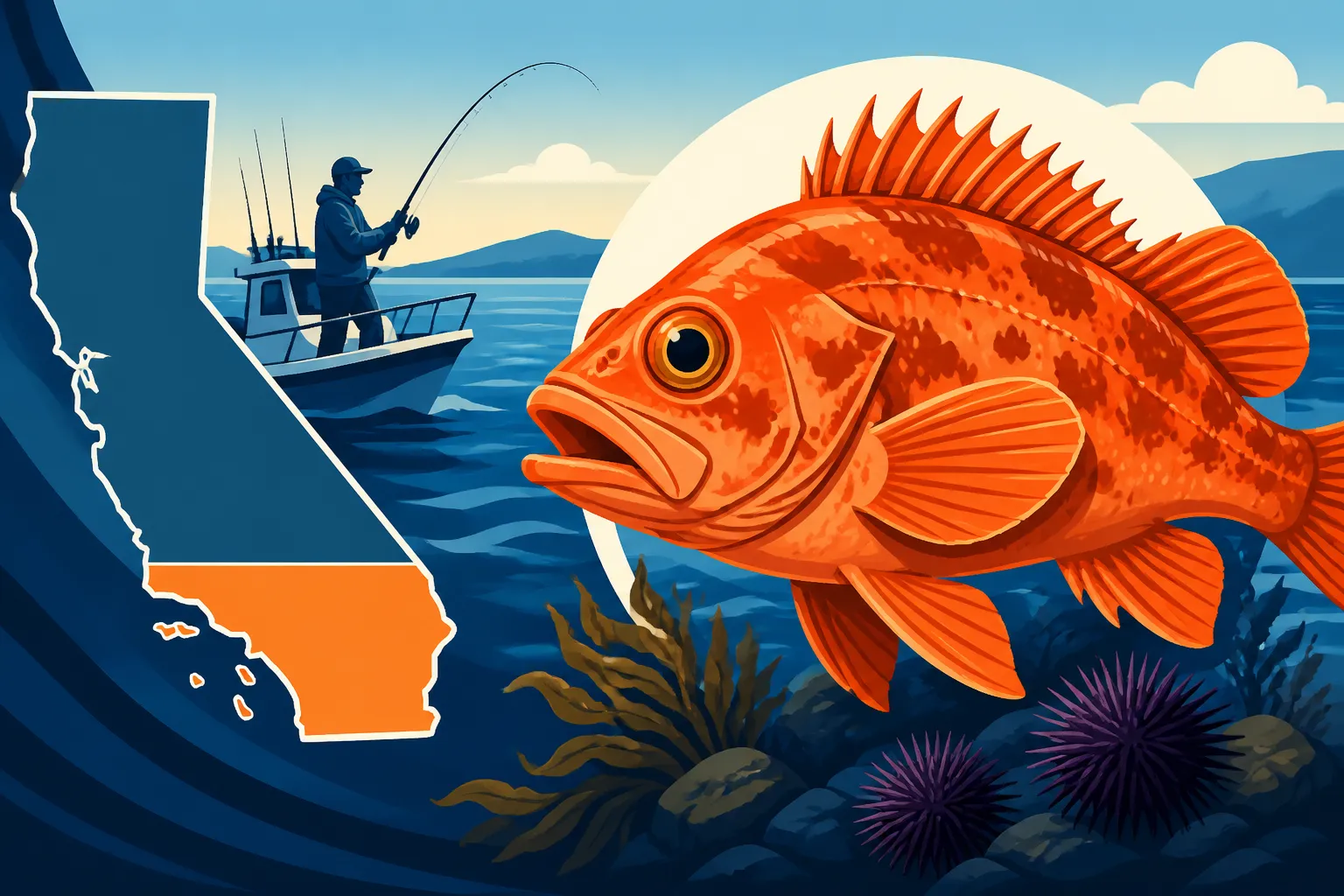
So, where exactly is the Southern Management Area? For rockfish and associated species, this zone generally encompasses the waters south of Point Conception in Santa Barbara County, extending all the way down to the U.S.-Mexico border. This vast stretch of coastline includes some incredibly popular fishing destinations, from the Channel Islands and the waters off Los Angeles and Orange County, down to the rich fishing grounds of San Diego.
When you're out on the water, whether you're on a private boat, a kayak, or even a party boat departing from a Southern California port like San Diego, Dana Point, or Long Beach, you'll almost certainly be operating within this Southern Management Area. The regulations we're discussing in this guide specifically apply to these waters. It's always a good idea to know your exact location, especially if you're venturing near any transition points or Marine Protected Areas (MPAs), which have their own specific set of rules. For a detailed look at all the zones, you can always refer to the official California Fishing Regulations Explained guide provided by the CDFW.
Key Species Under Rockfish Regulations
When we talk about "rockfish" in California, we're not just talking about one fish. There are dozens of species that fall under this umbrella, including various types of rockfish, lingcod, and even some cabezon and greenling. These are collectively managed as "groundfish" and often share similar regulations. In the Southern Management Area, some of the more commonly targeted rockfish species include:
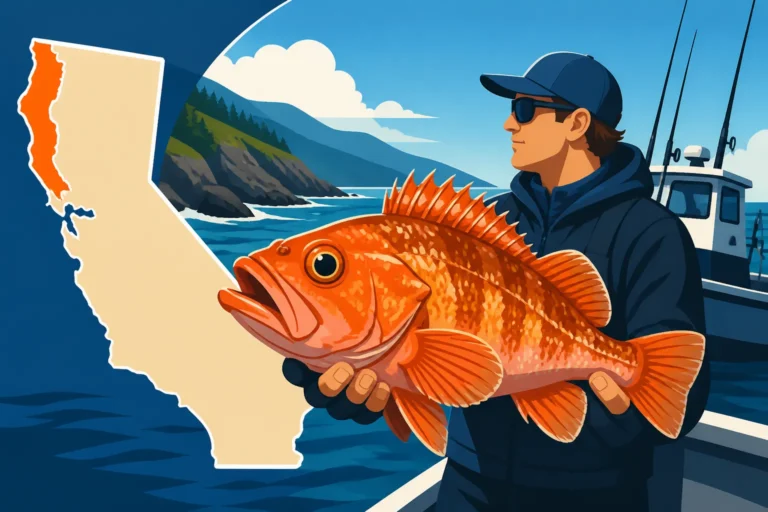
- Vermilion Rockfish: Known for their vibrant red color.
- Copper Rockfish: Distinctive for their copper-orange markings.
- Bocaccio: Often larger, with a prominent jaw.
- Starry Rockfish: Smaller, with a mottled brown and white pattern.
- Calico Bass: While not a true rockfish, they are often caught in similar habitats and have overlapping regulations regarding depth and location.
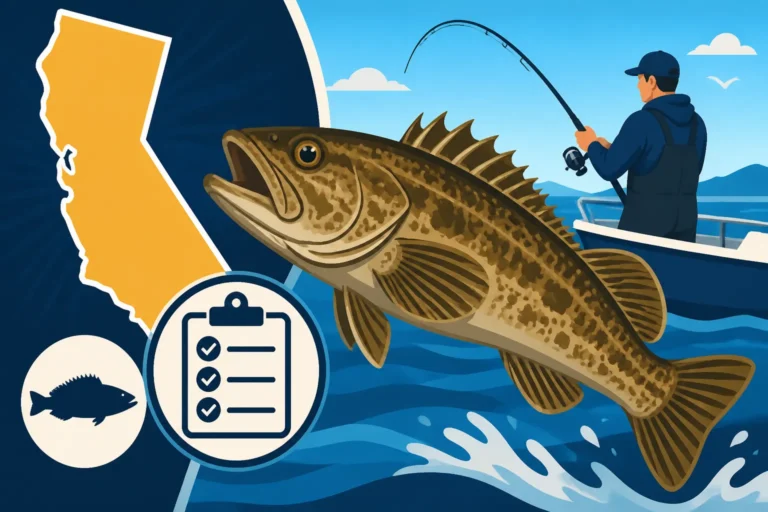
- Lingcod: A highly prized species, recognized by its elongated body and sharp teeth.
- Cabezon: A large-headed, often mottled fish that provides excellent table fare.
Each of these species contributes to the rich diversity of the Southern California fishery, and while some regulations apply broadly to the "Rockfish, Cabezon, and Greenling (RCG) complex," specific limits or seasons might apply to individual species or groups within it. This is why knowing your species is critical, and why many anglers carry a fish identification guide or a good fishing app. You might also want to check out our comprehensive guide on California Rockfish Species Identified to get a better handle on what you're reeling in.
Specific Regulations for Rockfish in the Southern Management Area
Now, let's get into the nitty-gritty of what you can and can't do when fishing for rockfish, lingcod, and other associated species in Southern California. These regulations are designed to sustain fish populations, and while they can change, understanding the general framework is paramount.
Season Dates and Open/Closure Periods
The most critical regulation for rockfish is often the season dates. Unlike some freshwater species that might be open year-round, saltwater groundfish, including rockfish and lingcod, typically have specific open and closed seasons. These seasons are often determined by the health of the stock and are set to protect spawning fish or juvenile populations.
For the Southern Management Area (south of Point Conception), the seasons can vary, but generally, rockfish are open for a significant portion of the year. However, it's absolutely vital to check the latest CDFW sport fishing regulations booklet or website, as these dates can shift due to scientific assessments or federal management decisions. For example, some years might see a summer-fall season, while others may extend into winter. There have even been instances where seasons were significantly curtailed or shifted due to concerns over specific stock health, like some recent years where the entire Central and Northern California coast saw massive salmon closures due to environmental factors. While rockfish generally fare better, the principle of dynamic regulation holds true. Always, always verify the current season before you head out. Don't rely on what you heard last year!
Daily Bag and Possession Limits
Once you've confirmed that the season is open, the next thing you need to know is how many fish you can keep. This is where the term "daily bag limit" comes in. This limit refers to the maximum number of fish of a particular species or species group you can retain in a single day. For the RCG complex in the Southern Management Area, the general daily bag limit is 10 fish in aggregate, but with specific sub-limits for certain species.
For example, within that 10-fish aggregate, you might be limited to:
- Vermilion Rockfish: Usually 4 fish.
- Lingcod: Typically 2 fish.
- Cabezon: Often 2 fish.
It's important to understand that if you catch, say, 4 vermilion rockfish, 2 lingcod, and 2 cabezon, you've hit your sub-limits for those species, and also contributed 8 fish to your overall 10-fish aggregate limit. You could then keep 2 more "other" rockfish (non-vermilion) to reach your 10-fish total. These specific numbers are prime examples of details that can change, so again, constant vigilance with the current regs is key. Failing to adhere to these limits can lead to hefty fines, or even the loss of your fishing privileges. To truly grasp the specifics, you can dive into our article on California Rockfish Bag Limit Explained.
| Species Group | General Daily Aggregate Limit | Specific Sub-Limits (Typical) |
|---|---|---|
| Rockfish (RCG Complex) | 10 fish total | Vermilion: 4 fish |
| Lingcod: 2 fish | ||
| Cabezon: 2 fish | ||
| Other Associated Species | Included in 10 fish aggregate | Check CDFW for specifics |
Note: These limits are illustrative and subject to change by CDFW. Always consult the most current California sport fishing regulations before fishing.
Size Limits and Minimum Requirements
Beyond how many fish you can keep, there's also the question of how big they need to be. Size limits are put in place to protect juvenile fish, allowing them to grow to maturity and reproduce, thereby contributing to the sustainability of the population. For many rockfish species, there isn't a strict minimum size limit beyond the general aggregate. However, for more prized species like lingcod and cabezon, minimum size requirements are standard.
In the Southern Management Area:
- Lingcod: Typically, a minimum size limit of 22 inches is enforced. Any lingcod shorter than this must be immediately released.
- Cabezon: Often has a minimum size limit of 15 inches.
These minimums are measured from the tip of the jaw to the tip of the tail. If you're unsure, it's always better to measure and release. It's a real bummer to catch a beautiful lingcod only to find it's an inch too short. Having a reliable tape measure or measuring board on your boat or in your tackle box is non-negotiable. Our guide on California Rockfish Size Limit Explained provides even more detail on this critical aspect of responsible fishing.
Depth Restrictions and Conservation Areas
This is one of the more unique and often frustrating aspects of rockfish regulations, but it's incredibly important for conservation. Rockfish are highly susceptible to barotrauma – a condition where gases in their swim bladder expand rapidly when they are brought up quickly from deep water. This can cause internal organ damage, making it difficult for the fish to swim back down, even if released.
To combat this, CDFW implements depth restrictions for rockfish fishing. These regulations specify a maximum depth beyond which you cannot target or even possess RCG species. These depths can vary significantly by management area and even within the season. For the Southern Management Area, these restrictions usually aim to keep anglers in shallower waters to reduce the impact of barotrauma and protect deeper-dwelling, longer-lived rockfish species. Always check the current regulations for the specific maximum depth limit. Fishing beyond this depth, even if you're targeting other species, can be problematic if you inadvertently catch and keep a rockfish.
Furthermore, California has established numerous California Marine Protected Areas Explained (MPAs) along its coast. These are specific zones where fishing activity is either completely prohibited (No-Take Zones) or heavily restricted. Many MPAs are explicitly designed to protect sensitive reef habitats where rockfish thrive. You cannot fish for rockfish (or any other species) in a No-Take Zone, and certain gear restrictions apply in other types of MPAs. Always consult MPA maps and boundaries before heading out, especially if you're fishing near known MPAs like those around the Channel Islands or off La Jolla. Ignorance of an MPA boundary is not a valid defense if you're caught fishing illegally.
Gear, Methods, and Best Practices for Southern California Rockfishing
Understanding the rules is one thing; putting them into practice with the right gear and a responsible mindset is another. Southern California rockfishing offers fantastic opportunities, but success and sustainability go hand in hand.
Permitted Gear and Tackle Setups
When targeting rockfish and lingcod in Southern California, you'll generally find that most standard conventional and spinning tackle setups are permitted. However, there are some important considerations:
- Hooks: In most California ocean waters, barbless hooks are highly recommended, and often required in certain fisheries. While not always universally mandated for rockfish outside of specific salmon or steelhead fisheries, using barbless hooks significantly reduces damage to fish you intend to release, making it easier to unhook them quickly. Many anglers prefer using circle hooks, especially when bait fishing, as they tend to hook fish in the corner of the mouth, leading to fewer gut hooks and better survival rates for released fish. You can find a wide variety of barbless circle hooks and other terminal tackle on platforms like Amazon.
- Rods and Reels: A medium to heavy action rod paired with a conventional reel spooled with 40-60 lb braided line is a common setup for bottom fishing. This allows you to feel the bite in deep water and muscle fish away from structure. If you prefer spinning gear, a heavy-duty setup with a strong drag system will also work.
- Lures and Bait: Rockfish are opportunistic feeders. Common lure choices include lead jigs (often in sizes from 4-12 oz depending on depth and current), large swimbaits, and metal "iron" jigs. When using bait, cut squid, anchovies, sardines, or even mackerel strips are highly effective. Many anglers employ a "dropper loop" rig with two hooks spaced apart, allowing them to present multiple baits or lures at different depths, which can be particularly effective when trying to figure out where the fish are holding on the reef.
- Sinkers: You'll need enough weight to get your bait or lure to the bottom, especially in deeper water or strong currents. Pyramid sinkers, bank sinkers, or torpedo sinkers are all common.
For deeper insights into specific setups, consider exploring resources like our guide on How to Catch Rockfish in California and Best Fishing Techniques for California Waters.
Best Practices for Sustainable Fishing
Being a responsible angler means more than just following the rules; it means adopting practices that minimize your impact on the fishery.
- Venting Tools and Descending Devices: Since rockfish are prone to barotrauma, especially when caught from depths exceeding 50-60 feet, having a venting tool or a descending device on board is crucial. A venting tool is a hollow needle used to deflate the swim bladder, allowing the fish to swim back down. Descending devices, like a weighted clamp or a "recompression" device, actively carry the fish back to depth, where it can recompress naturally. Using these tools dramatically increases the survival rate of released fish. You can easily find these specialized tools on Amazon or at local tackle shops like Turner's Outdoorsman or Big 5 Sporting Goods.
- Quick Release: Minimize handling time for released fish. Use wet hands if you must touch them, and get them back in the water as quickly and gently as possible. Avoid dragging them across the deck.
- Know Your Target: While bycatch is sometimes inevitable, try to target species that are in season and within legal limits. Pay attention to your sonar and fishing reports to avoid areas where you might accidentally catch an out-of-season or protected species.
- Respect Marine Protected Areas: Understand where MPAs are and strictly adhere to their rules. These areas are vital for the health of our marine ecosystems. A good GPS chart plotter with MPA overlays is an invaluable tool.
Identifying and Releasing Rockfish
One of the biggest challenges for new rockfish anglers is identifying the myriad species. Many look very similar, and misidentification can lead to inadvertently keeping an illegal fish or releasing a legal one. Take the time to learn the common species in the Southern Management Area. Pay attention to fin counts, coloration patterns, and jaw structures.
When releasing rockfish, especially those showing signs of barotrauma (swollen eyes, stomach protruding from mouth), quick action is key. If you've got a descending device, use it. If you're venting, insert the needle into the swim bladder (typically just behind the pectoral fin, angled towards the head) to release the trapped gas. The goal is to get them back down to pressure as fast as possible. A fish that can't swim away isn't going to survive, no matter how carefully you release it on the surface. Education is the best tool an angler can carry in their tackle box, often more valuable than any fancy lure.
Essential Tools and Resources for Anglers
Staying informed and equipped is your best defense against inadvertently violating regulations and ensures a more successful and enjoyable fishing trip.
CDFW Official Resources and Apps
The absolute best source for current California fishing regulations is the California Department of Fish and Wildlife (CDFW). They publish a comprehensive sport fishing regulations booklet annually, which is available both online and at most tackle shops and license agents.
- CDFW Website: The CDFW marine region website is constantly updated with emergency closures, in-season changes, and detailed maps. It's the first place you should check before every trip.
- Official Regs Booklet: Always keep a copy, physical or digital, of the current year's sport fishing regulations on hand. It's your ultimate reference guide. Our article, How to Read the California Fishing Regulations Booklet, can help you decipher it.
- CDFW Apps: While not strictly official CDFW, many third-party fishing apps (some available on Amazon's app store) integrate CDFW regulations and MPA maps, providing real-time information and location services that can be incredibly helpful on the water. Look for apps that specifically cover California regulations.
Don't rely solely on word-of-mouth or outdated information. Regulations are living documents that can change due to environmental factors, stock assessments, or federal mandates.
Staying Informed About Regulation Changes
Beyond checking the CDFW website, here are some practical ways to stay ahead of regulation changes:
- Sign Up for CDFW Email Alerts: Many state agencies offer email notification services for regulation updates. This is a fantastic way to get changes delivered directly to your inbox.
- Follow Local Tackle Shops and Sportfishing Landings: These businesses are often the first to know about significant changes and will frequently post updates on their social media, websites, or in their shops. Major landings like H&M Landing or Point Loma Sportfishing in San Diego are excellent resources.
- Join Online Fishing Forums and Groups: While not official sources, these communities can be great places to hear about changes and discuss their implications with fellow anglers. Just remember to always cross-reference any information with official CDFW sources.
- Fishing Reports: Regularly reading local fishing reports from charter operations or online publications can give you an idea of what's currently being caught and where, often with implied adherence to current regulations.
Being proactive about staying informed prevents frustration and keeps you on the right side of the law.
Recommended Gear for Southern California Rockfishing
Having the right gear makes all the difference, not just for catching fish, but for doing it safely and responsibly.
- Quality Rod and Reel: Invest in reliable gear that can handle the saltwater environment and the tug of a good rockfish. Corrosion-resistant components are a must. Brands like Penn, Shimano, and Daiwa offer excellent options.
- Terminal Tackle: A well-stocked tackle box is essential. This includes a variety of lead jigs, swimbaits, extra hooks (barbless preferred), leaders, and plenty of sinkers. Consider pre-tying some dropper loop rigs at home to save time on the water.
- Line: High-quality braided line offers sensitivity and strength, crucial for feeling light bites in deep water and hauling up heavy fish. A fluorocarbon leader can add an extra stealth factor.
- Safety Gear: Don't forget your personal safety gear! A well-fitting life vest, a marine first-aid kit, and communication devices (VHF radio, fully charged cell phone) are non-negotiable, especially when offshore.
- Fish Identification Guide: A laminated fish ID card or a good app on your phone will help you correctly identify your catch.
- Measuring Device: A tape measure or a designated fish ruler is vital for ensuring your catch meets size limits.
- Venting Tool/Descending Device: As mentioned, these are crucial for responsible catch-and-release, particularly when deep-water rockfishing.
Many of these items, from fishing rods to specialized tools, can be easily purchased online through retailers like Amazon, ensuring you're fully prepared for your Southern California rockfishing adventure.
Disclaimer
Please note that fishing regulations in California are subject to change by the California Department of Fish and Wildlife (CDFW) at any time. While this guide aims to provide accurate and up-to-date information, it is your responsibility as an angler to consult the most current official CDFW sport fishing regulations booklet or website before engaging in any fishing activity. This article is for informational purposes only and should not be considered a substitute for official legal guidance.