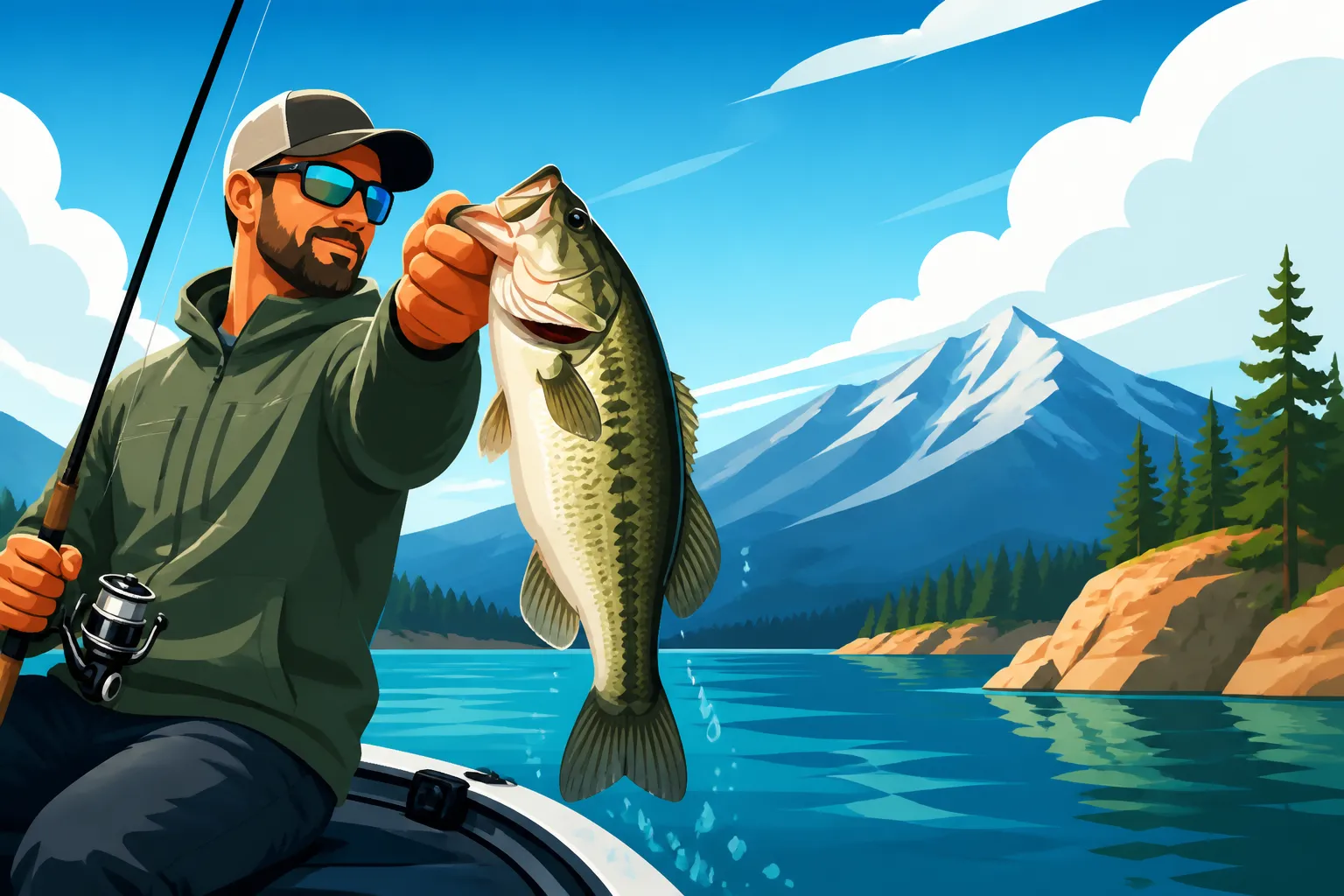
Lake Shasta Fishing Guide
Ah, the mighty Lake Shasta! It's one of those places that, as an angler, you either dream about or you've already experienced its incredible diversity. But let's be real, navigating such a massive body of water, understanding the best times, and figuring out what fish are biting can feel overwhelming, especially for first-timers or those looking to expand their horizons beyond their usual spots. This guide is going to strip away that confusion and give you the real-deal insights into making your Lake Shasta fishing trip a memorable one.
The Grandeur and Allure of Lake Shasta Fishing
Lake Shasta isn't just a big lake; it's an icon. As California's largest reservoir, it sprawls across an impressive landscape of rolling hills, dense forests, and countless hidden coves and arms, fed by four major rivers: the Sacramento, Pit, McCloud, and Squaw Creek. This isn't just pretty scenery; it creates an incredibly diverse aquatic environment that supports a thriving fishery. The sheer size and intricate structure of the lake mean there's always a new spot to explore and a new challenge to tackle, whether you're a seasoned pro or just dipping your toes into the world of fishing.
A Diverse Fishery: More Than Just Water
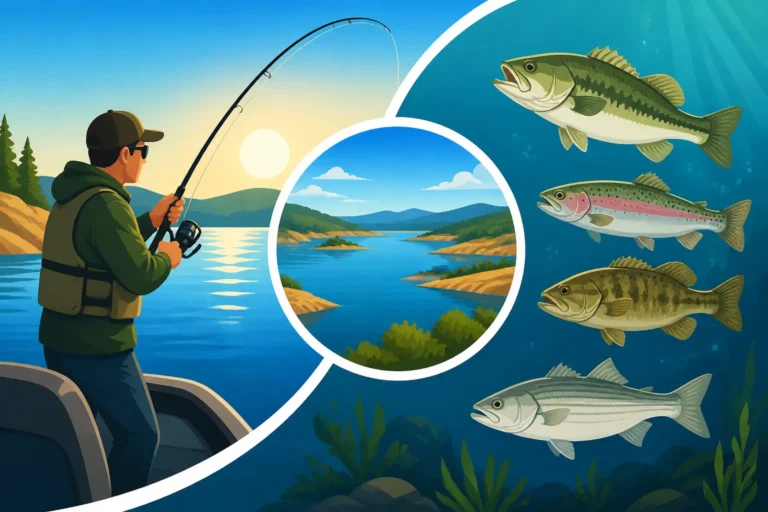
When you talk about Lake Shasta, you're not just talking about one type of fish or one style of fishing. This lake is a living, breathing ecosystem that offers something for everyone. From the thrill of battling a hard-fighting King Salmon or a Rainbow Trout to the explosive topwater strike of a Largemouth Bass, the possibilities seem endless. The deep, clear waters support cold-water species, while the warmer shallows and countless submerged structures are perfect for various bass species. It's this biological diversity that truly sets Lake Shasta apart, making it a premier destination for anglers across the state and beyond. You’ll find a mix of naturally reproducing populations and regularly stocked fish, ensuring a healthy and exciting challenge on every visit.
Beyond the Catch: The Full Shasta Experience
Let's be honest, fishing is about more than just the fish. It's about the experience, the tranquility, the challenge, and the connection with nature. Lake Shasta offers all of this in spades. Imagine the sun rising over the forested hills, casting a golden glow on the water as you feel that first tug on your line. Or spending a peaceful afternoon tucked away in a quiet cove, listening to the birds while waiting for a bite. The lake is also a hub for houseboating, camping, and watersports, making it an ideal spot for family vacations where everyone can find something they love. This multifaceted appeal ensures that even if the fish aren't biting aggressively on a particular day, the overall experience of being on Lake Shasta is still incredibly rewarding.
Top Fish Species to Target in Lake Shasta
If you're heading to Lake Shasta, you're probably wondering what finned creatures you'll have the chance to hook into. The good news is, the lake boasts an impressive roster of popular game fish. Knowing what to expect and which species are most active during your visit can dramatically improve your success rate.
Trout and Salmon: Cold Water Warriors
Lake Shasta is renowned for its excellent cold-water fishery, primarily consisting of Rainbow Trout and Brown Trout, along with landlocked King Salmon, often referred to as Kokanee Salmon. These species thrive in the deeper, cooler sections of the lake and provide fantastic action, especially during the cooler months or in the deeper thermocline layers during summer.
Rainbow Trout: The Shasta Staple
Rainbow Trout are perhaps the most commonly targeted species in Lake Shasta, and for good reason. The California Department of Fish and Wildlife regularly stocks the lake with rainbows, ensuring a robust population that's accessible to anglers of all skill levels. These fish are known for their feisty fights and beautiful colors. You'll find them throughout the lake, often congregating around areas where cooler water enters or near submerged structures. Trolling with various spoons, like a 'Krocodile' or 'Dick Nite' spoon, or minnow-imitating plugs such as a Rapala, is a super popular and effective method. You can also anchor up and bait fish with PowerBait or nightcrawlers near drop-offs or points. If you're looking for consistent action and a great fight, the Rainbow Trout should be at the top of your list. Remember to check the current California Trout Limits and Regulations before you head out, as these can vary.
Brown Trout and King Salmon: Elusive Giants and Powerful Fighters
While not as numerous as Rainbows, Brown Trout in Lake Shasta grow to impressive sizes, offering a truly trophy-caliber challenge. Browns are typically more elusive and predatory, often found deeper or near rocky structure, preying on baitfish. They respond well to larger plugs and spoons trolled at various depths. Similarly, the landlocked King Salmon (Kokanee) are incredible fighters, known for their powerful runs. These salmon are often found schooled up in deeper, open water. Trolling small dodgers or flashers ahead of Kokanee flies or small hoochies tipped with corn is a classic and highly effective technique for these silver bullets. Locating the schools often requires a good fish finder, but once you find them, the action can be non-stop. FishingBooker lists several local guides who specialize in finding these deeper-dwelling beauties, offering a great way to experience this specific type of fishing if you're not familiar with it.
Bass Action: Largemouth, Smallmouth, and Spotted
Lake Shasta is a bass angler's dream, home to healthy populations of Largemouth, Smallmouth, and Spotted Bass. Each species offers a unique challenge and can be found in different parts of the lake, making bass fishing here incredibly versatile and exciting.
Largemouth Bass: The Classic Thrill
For many, the Largemouth Bass is the ultimate freshwater sport fish, and Lake Shasta does not disappoint. These green giants love to lurk in submerged timber, rock piles, weed beds (where available), and around boat docks. During the warmer months, especially in spring and fall, topwater lures like poppers, frogs, or walking baits can produce explosive strikes that will get your heart pounding. As the water warms, flipping jigs, Texas-rigged worms, or throwing spinnerbaits and crankbaits become highly effective. Focusing on the countless coves and shallower arms of the lake, especially those with cover, will often put you on the trail of a good Largemouth. Learning How to Catch Largemouth Bass in California will certainly give you a leg up.
Smallmouth and Spotted Bass: Abundant and Aggressive
Lake Shasta truly shines for Smallmouth Bass and Spotted Bass, both of which are incredibly abundant and aggressive. Smallmouths prefer rocky banks, bluff walls, and points, mimicking their riverine preferences, and are notorious for their strong, hard-fighting runs. Spotted Bass, on the other hand, are widespread throughout the lake, often schooling up and feeding aggressively on baitfish. They can be found from the shallows to surprising depths. Both species readily hit a variety of lures, including dropshot rigs, shaky head jigs, swimbaits, and even finesse crankbaits. For consistent action, especially when the other species might be slower, targeting Smallmouth and Spotted Bass is a fantastic option. It's not uncommon to catch dozens of these feisty fish in a single outing. Keep an eye on the California Bass Fishing Regulations to ensure you're compliant with size and bag limits.
Beyond Trout and Bass: Crappie, Catfish, and More
While trout and bass often steal the spotlight, Lake Shasta has even more to offer for the adventurous angler. Don't overlook these other species that can provide excellent sport and a delicious meal.
Crappie: Panfish Pleasure
Black Crappie populations in Lake Shasta can be surprisingly robust, especially in certain areas. These panfish are a blast to catch and are absolutely delicious to eat. They tend to school up around submerged brush, fallen trees, and bridge pilings. During the spring spawn, they move into shallower water, making them easier to target. Small jigs, mini-mites, or live minnows fished under a bobber are classic and effective methods. Look for them in the back of coves, especially in the Sacramento and McCloud arms. When you find a school, you can often catch them one after another, making for a fun and fast-paced fishing experience.
Catfish and Other Bottom Dwellers
For those who prefer a more relaxed approach, or are fishing into the evening, Channel Catfish and Brown Bullhead are present in good numbers. These opportunistic feeders love baits like chicken livers, nightcrawlers, or cut bait fished on the bottom. Catfish are especially active during warmer months and at night, offering a unique opportunity for after-dark angling. You might also encounter sunfish or carp, providing additional fun for kids or those looking for a different kind of fight. The sheer variety of fish means there's always something new to try and something different to catch on Lake Shasta.
Essential Fishing Techniques for Lake Shasta
Knowing what fish live in Lake Shasta is one thing; knowing how to catch them is another. The vastness and varied structure of the lake mean that different techniques will be effective depending on your target species, the season, and even the time of day. Mastering a few key methods will greatly increase your chances of success.
Trolling: The Go-To for Trout and Salmon
Trolling is undeniably one of the most popular and effective techniques for targeting trout and salmon in Lake Shasta. It allows you to cover a lot of water, present your lure at precise depths, and find actively feeding fish.
Depth and Speed: The Trolling Dance
The key to successful trolling lies in understanding depth and speed. Rainbow Trout and King Salmon (Kokanee) often suspend in specific temperature layers, known as the thermocline, which can vary throughout the year. Utilizing downriggers, lead-core line, or weighted dodgers and flashers are essential for getting your lures down to where the fish are holding. For trout, trolling speeds typically range from 1.5 to 2.5 miles per hour, while Kokanee often prefer a slower pace, around 0.8 to 1.5 mph. Experimentation is crucial, as fish can be particular on any given day. You'll want to use a sensitive rod that shows even the subtlest strikes. A quality fish finder is your best friend here, helping you identify bait schools and the depths at which fish are congregating. Many anglers will run multiple lines at different depths and with different lures until they dial in on what's working.
Lure Selection: Matching the Hatch
When trolling, your lure choice can make all the difference. For Rainbow Trout, popular options include small spoons (like the aforementioned Krocodile or Dick Nite), minnow plugs (Rapala, Rebel), or wedding rings tipped with a piece of nightcrawler. For King Salmon (Kokanee), small dodgers or flashers paired with Kokanee flies or mini hoochies, often scented with corn or shrimp, are deadly. The color of your lure can also play a role; bright colors like orange, chartreuse, or pink often work well for Kokanee, while natural baitfish patterns are excellent for trout. Don't be afraid to mix and match until you find the perfect combination that triggers strikes. Checking recent fishing reports can often give you a clue as to what colors and depths are currently producing the best results.
Targeting Bass with Lures and Live Bait
Bass fishing on Lake Shasta is incredibly diverse, demanding a range of techniques from finesse presentations to power fishing. Whether you're after Largemouth, Smallmouth, or Spotted Bass, having a versatile tackle box and knowing when to use what is essential.
Lure Strategies for All Seasons
Bass in Lake Shasta can be caught year-round using a variety of artificial lures. In the spring, when bass are moving shallow for the spawn, jigs, spinnerbaits, and shallow-running crankbaits are highly effective, especially around visible cover. As summer progresses and fish move deeper, dropshot rigs, shaky head jigs, and Carolina rigs become staples for finesse presentations, targeting fish around submerged points, humps, and ledges. Swimbaits, both hard and soft, are also excellent for imitating the lake's abundant baitfish. Don't forget topwater lures during low-light conditions or when fish are actively feeding on the surface, especially in the early mornings and late evenings during warmer months. Understanding the California Bass Fishing Regulations will help you stay within the rules.
The Power of Live Bait
While artificials are popular, sometimes nothing beats live bait for bass. Live minnows, shad, or crawdads can be incredibly effective, especially when fishing for less aggressive fish or when trying to entice a trophy-sized bite. Rigging live bait on a dropshot or a simple hook and weight can be deadly. However, be aware of bait regulations, as some areas may have restrictions on what live bait can be used. Fishing with live bait can also be a more relaxed way to fish, allowing you to soak a line while enjoying the stunning scenery. Many anglers, especially those on a private boat or a guided trip (which you can easily find through platforms like FishingBooker), will often have a livewell full of lively bait to maximize their chances.
Bank Fishing and Kayak Strategies
Not everyone has a fancy bass boat or a fully rigged trolling setup, and that's perfectly fine! Lake Shasta offers ample opportunities for bank anglers and kayak fishermen to get in on the action.
Productive Bank Fishing Spots
Bank fishing on Lake Shasta can be challenging due to its steep, rocky shoreline and fluctuating water levels, but there are definitely productive spots if you know where to look. Areas near major boat ramps, picnic areas, and accessible coves often provide easier access. Focus on points that drop off into deeper water, or coves with submerged timber. Using baits like PowerBait, nightcrawlers, or even dough balls for trout, or worms and jigs for bass and crappie, can yield good results. The key is finding areas where you can cast into deeper water or near structure. Early mornings and late evenings are often the most productive times for bank anglers, as fish move closer to shore to feed. Always be mindful of your surroundings and pack out everything you pack in.
Kayak Fishing: Stealth and Access
Kayak fishing is growing in popularity on Lake Shasta for good reason. A kayak offers unparalleled stealth, allowing you to get into quiet coves and shallow areas that larger boats can't reach without spooking fish. It's also an incredible way to experience the lake's natural beauty up close. Kayak anglers can target bass along rocky shorelines with jigs, dropshots, and small crankbaits, or even troll for trout and salmon using lighter gear and smaller downriggers designed for kayaks. The numerous arms and inlets, such as the McCloud River Arm, are perfect for exploring by kayak. Safety is paramount when kayak fishing on a large lake like Shasta; always wear a life vest, carry appropriate safety gear, and be aware of boat traffic, especially in open water.
Navigating Lake Shasta's Seasons and Conditions
Understanding how the seasons and prevailing conditions affect Lake Shasta's fish populations is crucial for consistent success. California fishing seasons can be surprisingly nuanced, and Shasta is no exception. Fish behavior changes dramatically with water temperature, daylight hours, and even water levels.
Spring into Action: Pre-Spawn and Early Season
Spring on Lake Shasta is an incredibly exciting time for anglers. As water temperatures begin to rise after the colder winter months, fish become more active, and many species begin their annual spawning rituals.
Bass Pre-Spawn Frenzy
For bass anglers, spring means the pre-spawn bite. Largemouth, Smallmouth, and Spotted Bass move from their deeper wintering grounds to shallower staging areas, gorging themselves on baitfish and preparing for the spawn. This is arguably one of the best times to catch trophy-sized bass. Look for them on points, humps, and inside secondary coves with good cover. Spinnerbaits, crankbaits, swimbaits, and jigs are all highly effective as bass become aggressive feeders. As the water warms further, bass will move onto beds, and sight-fishing for bedding bass can be an exciting challenge, though many anglers practice catch-and-release during this sensitive period.
Trout and Salmon Opportunities
While bass are moving shallow, trout and salmon also become more active in the warming waters. Trolling at various depths, especially in the upper water column in the mornings and evenings, can be very productive. Spring rains can bring in cooler, oxygenated water, which often triggers feeding frenzies. The Sacramento River Arm and McCloud River Arm are excellent choices during this time, as tributary inflows often attract baitfish and subsequently, hungry trout and salmon. This is a great time to implement your knowledge of California Fishing Seasons: Month-by-Month Guide for optimal timing.
Summer Heat: Deep Water and Early Mornings
Summer on Lake Shasta is beautiful, but the heat can make fishing a bit more challenging, especially during the middle of the day. However, smart anglers know how to adapt and still find success.
Targeting Deeper Fish
As surface water temperatures rise significantly, many species, especially trout, salmon, and larger bass, will move to deeper, cooler water. This is when your fish finder and knowledge of thermoclines become invaluable. For trout and salmon, trolling with downriggers in the 40-80 foot range is often key. Look for areas with structure or schools of baitfish. Bass will often relate to deep structure like humps, ledges, and submerged timber. Dropshotting, deep-diving crankbaits, and football jigs are excellent choices for targeting these deeper-holding bass. Early mornings and late evenings will also provide windows of opportunity for fish to move shallower to feed under lower light conditions.
Night Fishing for Catfish and Bass
One of the best-kept secrets for summer fishing on Lake Shasta is night fishing. The cooler air temperatures are more comfortable for anglers, and many fish species, particularly Catfish and Largemouth Bass, become much more active after dark. Fishing around lighted docks or using glow-in-the-dark lures can be highly effective. Catfish will readily take smelly baits on the bottom, while bass might hit dark-colored jigs or worms fished slowly. Always prioritize safety when night fishing, ensuring you have proper lighting and are familiar with your surroundings.
Fall Frenzy: Feeding Patterns and Cooler Temps
Fall is another fantastic time to fish Lake Shasta, often considered a peak season by many experienced anglers. The cooling water temperatures signal fish to feed aggressively in preparation for winter.
Bass Transition and Aggression
As the water cools in fall, bass fishing can be phenomenal. Largemouth, Smallmouth, and Spotted Bass move out of their deep summer haunts and scatter across the lake, feeding heavily. They often follow baitfish into shallower coves and creek channels. Spinnerbaits, crankbaits, and swimbaits become incredibly effective as bass chase down their prey. Topwater action can also pick back up, especially on overcast days. Focus on areas with a mix of rocks and timber, or transition areas where shallow water meets deeper drop-offs.
Active Trout and Salmon
Trout and salmon also become very active in the fall. The cooler water allows them to cruise more freely throughout the water column. Trolling remains highly productive, and you might find fish at shallower depths than in summer. The King Salmon, in particular, will be putting on weight, making them strong fighters. This is a time when the lake can feel incredibly vibrant, with fish feeding voraciously. Understanding when California Salmon Season Dates Explained are in play can be critical for planning your trip.
Winter Wonders: Reduced Pressure, Big Fish
Winter fishing on Lake Shasta is often overlooked, but it can be a hidden gem for those willing to brave the cooler temperatures. The lake sees significantly reduced fishing pressure, and while the bite might be slower, the potential for big fish is always there.
Deep and Slow for Bass
During winter, bass will typically hold in deeper water, often suspending over structure or hunkering down on steep breaks. Their metabolism slows, so a slower, more methodical approach is required. Finesse techniques like dropshotting small worms, jigging spoons, or slowly working football jigs can be very effective. Look for schools of bass on your fish finder and present your bait directly to them. The bites might be subtle, but they can often be from larger, more mature fish.
Winter Trout and Salmon Opportunities
Trout and salmon remain active throughout the winter, often found in the upper portions of the water column or near consistent thermal refuges. Trolling can still be productive, especially on sunny days when fish might be drawn to warmer surface layers. Rainbows stocked in the fall will be growing and providing good action. With fewer boats on the water, you often have prime spots all to yourself, making for a peaceful and potentially very rewarding experience. Always dress in layers and be prepared for changing weather conditions when fishing during the winter months.
| Season | Target Species | Key Techniques | Notes |
|---|---|---|---|
| Spring | Bass (LM, SM, Spot), Trout, Salmon | Pre-spawn jigs/cranks for bass; trolling for trout/salmon | Excellent for trophy bass; fish moving shallow and active |
| Summer | Trout, Salmon, Deep Bass, Catfish | Deep trolling (downriggers); deep finesse bass; night fishing | Early/late preferred for bass; catfish active at night |
| Fall | Bass (LM, SM, Spot), Trout, Salmon | Aggressive bass (cranks, swimbaits); active trolling for trout/salmon | Fish feed heavily before winter; consistent action |
| Winter | Deep Bass, Trout, Salmon | Slow finesse for bass; trolling for trout/salmon | Reduced pressure; potential for larger fish with patience |
Accessing Lake Shasta: Ramps, Marinas, and Services
Lake Shasta is a massive recreational hub, and as such, it's well-equipped with numerous facilities to make your fishing trip as smooth as possible. Knowing where to launch your boat, where to get supplies, and what services are available can save you a lot of time and frustration.
Boat Ramps and Marina Facilities
With hundreds of miles of shoreline, Lake Shasta boasts a good number of boat ramps and marinas, though accessibility can sometimes vary with water levels. It's always a good idea to check current lake levels before planning your trip, especially during drought years.
Major Marinas and Launch Points
Several full-service marinas dot the lake, offering everything from boat rentals and fuel to tackle shops and restaurants. Popular options include Bridge Bay Resort & Marina, Shasta Lake Houseboats, and Jones Valley Resort. These marinas typically have well-maintained multi-lane boat ramps, ample parking, and often offer covered slips for rent if you're staying for an extended period. For those looking for public access, there are also numerous state park ramps, like the one near Shasta Dam, which can be busy but provide reliable access. Always be mindful of other boaters at the ramps, and make sure your boat is prepped before backing down to keep the lines moving.
Supplies and Services on the Water
Having access to bait, tackle, and other essentials can make or break a trip. Most major marinas will have a bait and tackle shop where you can pick up live bait (minnows, worms), popular lures, fishing line, and other fishing essentials. They're also great places to get up-to-date local fishing reports from the pros who work there. If you're running low on fuel, most marinas also have gas docks. Remember, it's a long drive back to civilization from some of the more remote parts of the lake, so plan your supplies accordingly. Don't forget to grab your California Sport Fishing License Options before you head out, and a one-day or two-day license might be perfect for a shorter trip.
Guide Services and Charter Options
For many anglers, especially those new to Lake Shasta or targeting specific species, hiring a professional guide or booking a charter is an excellent investment. They provide expertise, equipment, and a higher chance of success.
The Value of a Local Expert
Lake Shasta is enormous and can be intimidating. A seasoned local fishing guide knows the lake like the back of their hand. They understand the seasonal patterns, the best spots for different species, and exactly what baits and techniques are working on any given day. This kind of knowledge is invaluable. Guides often have specialized equipment, such as powerful trolling motors, state-of-the-art fish finders, and a boat stocked with high-quality rods and reels. Booking a trip through platforms like FishingBooker makes it incredibly easy to find and compare guides specializing in trout, salmon, or bass fishing on Lake Shasta. They can teach you specific techniques, help you understand the nuances of the lake, and put you on fish faster than you might accomplish on your own. If you're considering a larger trip, checking out the California Fishing Charters: Complete Guide is a smart move.
Types of Guided Trips Available
You'll find a variety of guided trip options on Lake Shasta. Many guides offer full-day or half-day trips, catering to individuals, families, or small groups. Some specialize exclusively in trolling for trout and salmon, while others focus on various bass species. There are also guides who offer multi-species trips, giving you a taste of everything the lake has to offer. When you decide to How to Book a California Fishing Charter, make sure to communicate your target species and preferences clearly so your guide can tailor the experience to your desires. Even if you're an experienced angler, a guided trip can provide insights into new techniques or parts of the lake you've never explored, making it a valuable learning experience.
Where to Stay and What to Bring
Planning your stay around Lake Shasta means thinking about accommodation and packing smartly. There are options for every budget and preference, from rustic camping to luxurious houseboats.
Accommodation Options
Lake Shasta offers a wide array of lodging. Houseboating is a classic Shasta experience, allowing you to move your "home" to different coves and fish directly from your deck. There are numerous campgrounds operated by the Shasta-Trinity National Forest and private entities, offering everything from primitive sites to full RV hookups. For those who prefer a solid roof over their head, cabins are available at some marinas, and the nearby city of Redding has a full range of hotels and motels. Booking ahead, especially during peak season, is highly recommended.
Essential Gear for Your Trip
Beyond your fishing gear, which should be tailored to your target species (e.g., light-action rods for trout, medium-heavy for bass), there are some non-negotiables for any Lake Shasta trip. Always bring plenty of water, snacks, sunscreen, a hat, and polarized sunglasses to cut the glare off the water. Appropriate clothing for the season is a must, including layers for cooler mornings and evenings. A cooler with ice for your catch, a reliable tackle box, and a first-aid kit should always be on board. And of course, don't forget your valid California fishing license and any necessary report cards. When you're fishing in one of the Best Lakes to Fish in California, you want to be fully prepared.
Regulations and Conservation on Lake Shasta
Fishing on Lake Shasta, like anywhere else in California, comes with a set of rules designed to protect fish populations and ensure sustainable angling for future generations. Understanding and adhering to these regulations is not just good practice; it's the law.
California Fishing Regulations Specifics
The California Department of Fish and Wildlife (CDFW) sets and enforces all fishing regulations. It’s imperative to have a current copy of the regulations booklet or access the information online, as rules can change seasonally or annually.
License Requirements and Report Cards
First and foremost, anyone 16 years of age or older needs a valid California Fishing License Guide to fish in Lake Shasta. There are various license options, including annual, one-day, and two-day licenses, catering to both residents and non-residents. Certain species, like King Salmon (which includes Kokanee in some regulations), may require an additional report card. These cards help the CDFW monitor catch rates and manage populations effectively. Make sure your license and any required report cards are always on your person while fishing. Failing to do so can result in hefty fines and a spoiled trip.
Bag and Size Limits
Each fish species in Lake Shasta has specific bag and size limits. For example, there's a daily bag limit for trout, and sometimes minimum or maximum size limits apply. Bass also have their own regulations regarding the number you can keep and their legal size. These limits are in place to ensure fish can reproduce and maintain healthy populations. It’s your responsibility as an angler to know these limits for the species you are targeting. Ignorance of the law is not an excuse. Always measure your fish carefully and release any that don't meet the legal requirements promptly and safely. Consult the California Freshwater Fishing Regulations for the most up-to-date information.
Respecting the Lake: Ethics and Best Practices
Beyond the written rules, there's an unwritten code of ethics that every responsible angler should follow. This not only contributes to a better fishing experience for everyone but also helps preserve the natural beauty and health of Lake Shasta.
Catch and Release Best Practices
While keeping a few fish for the dinner table is certainly part of the fun, practicing catch and release, especially for larger breeding fish or when you've reached your limit, is vital. When releasing fish, handle them gently with wet hands, support their body, and use de-hooking tools to minimize stress and injury. Avoid dragging fish on rocks or subjecting them to prolonged periods out of the water. For trout and salmon caught at deep depths, they may suffer from barotrauma (swim bladder expansion); in such cases, having a fizzing tool (venting tool) and knowing how to use it safely can improve their survival rate.
Leave No Trace and Environmental Stewardship
Lake Shasta is a natural treasure, and it's up to all of us to keep it that way. The "Leave No Trace" principle means packing out everything you pack in – and perhaps even a little more. This includes all trash, discarded fishing line, and any other litter. Never leave bait containers, plastic bags, or old lures behind. Be mindful of your boat's wake, especially near shorelines or other boats. Avoid disturbing nesting birds or other wildlife. By being a good steward of the environment, you ensure that Lake Shasta remains one of the Best Fishing Spots in California for generations to come. Many of these principles apply broadly across California, so adhering to them wherever you fish is a great habit to cultivate.
Disclaimer
Fishing in California carries inherent risks. Regulations and conditions can change rapidly. Always consult the official California Department of Fish and Wildlife (CDFW) regulations booklet or website for the most current and accurate information before heading out. Safety should always be your top priority; be aware of weather conditions, wear appropriate safety gear, and ensure you have all necessary permits and licenses. The information provided in this guide is for informational purposes only and should not be considered a substitute for official regulations or professional advice.